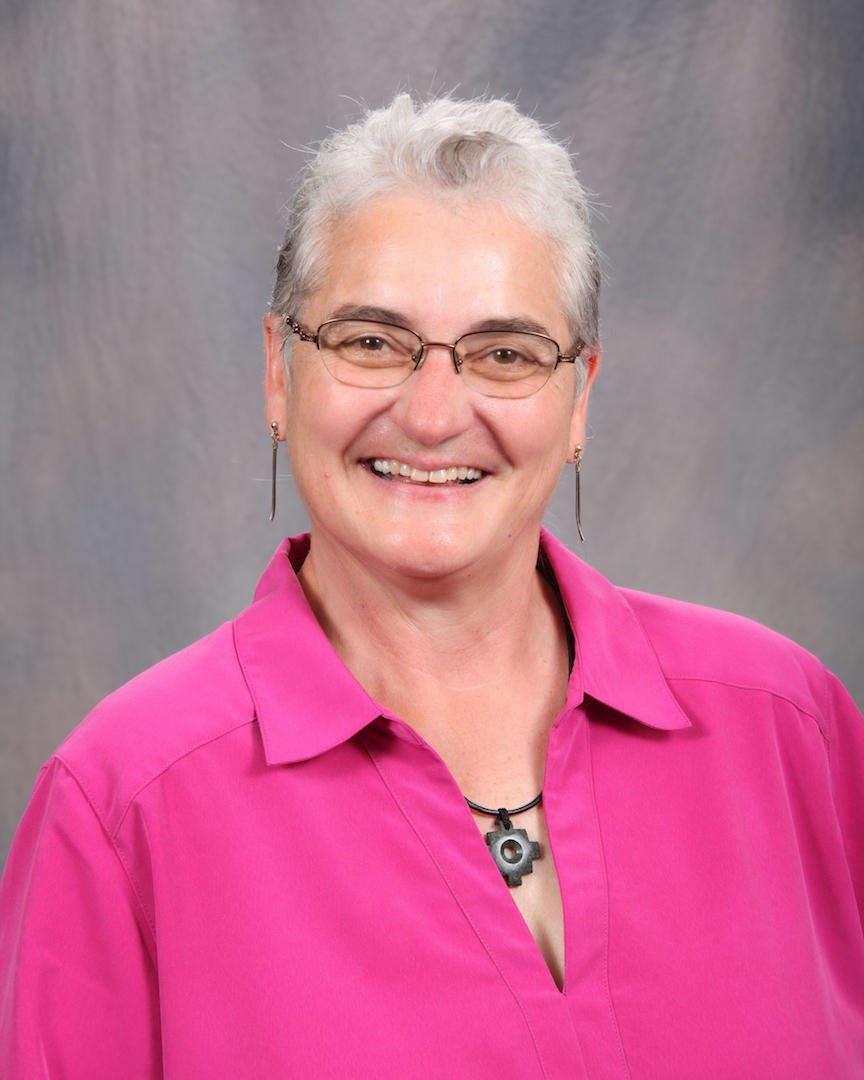
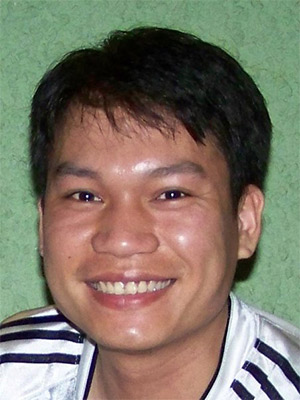
Cathy Adams, PhD, is a Professor in the Faculty of Education at the University of Alberta, affiliated with the Department of Educational Psychology. Her work bridges phenomenological philosophy with educational technology, focusing on ethical AI integration and digital media in K-12/post-secondary contexts. She teaches graduate/undergraduate courses including EDU 210 (Educational Technology) and EDU 570 (Technology Ethics). Education: PhD, MAdEd (Master of Adult Education), BSc (Computing Science) Research emphasizes sociomaterial approaches to technology inquiry, including 'interviewing objects' methodology and posthuman/postdigital frameworks. Current projects address AI ethics in curricula and technology-mediated learning environments. Publications explore networked learning phenomenology (2024 Springer) and ethical AI principles in schools (2024 Computers & Education: AI). Teaching focuses on future-oriented technology strategies for educators. No formal awards listed, but active in curriculum development and educational technology policy initiatives.
Erik Santiso is an Associate Professor & University Faculty Scholar at NC State University's Department of Chemical and Biomolecular Engineering, part of the College of Engineering. His research group focuses on computational discovery of advanced materials and chemicals using molecular modeling, metaheuristic sampling, and machine learning. Key applications include catalyst design, biomimetic polymers, green surfactants for CO₂/water systems, and polymeric materials with exceptional mechanical properties. The group also explores oxygen conductors for chemical looping combustion and microprocessor manufacturing through simulations. His work bridges theoretical and applied chemistry, emphasizing predictive tools like the DESPASITO package for SAFT EOS parametrization. Santiso has received the Sigma Xi Young Faculty Research Award, recognizing his contributions to computational materials science. The Santiso Research Group collaborates across disciplines to tackle challenges in energy, environment, and biomedical engineering. Lab/Team: Santiso Research Group Key Projects: Crystal nucleation modeling, peptoid structure prediction, CO₂ sequestration, and drug delivery systems Publications emphasize interdisciplinary approaches, with over 50 peer-reviewed articles since 2016. His research often integrates quantum chemistry, atomistic simulations, and mesoscopic methods to accelerate material discovery.
Robb Mitchell is an Associate Professor at the University of Southern Denmark, affiliated with the Centre for Learning Computational Thinking and the Department of Design and Communication . His research focuses on the intersection of technology, design, and social interaction, emphasizing embodied learning, collaborative interfaces, and the ethical implications of digital tools. Mitchell explores how tangible and digital systems can enhance education, social connectivity, and creative expression through experimental designs. His work spans areas such as Human-Computer Interaction , Embodied Learning , and Collaborative Technologies , with a particular interest in fostering convivial interactions and addressing interpersonal gaps through design. Mitchell’s publications reflect a commitment to innovative methodologies, including participatory design, prototyping, and empirical studies of user behavior. Key themes in his research include: Designing tools for educational and social contexts Exploring the role of technology in everyday interactions Developing frameworks for sustainable and ethical technology integration While no explicit awards or grants are listed, Mitchell’s extensive publication record and involvement in interdisciplinary research initiatives highlight his contributions to the field. His work often bridges academic research and practical applications, aiming to create meaningful technological interventions in real-world settings.
Karan Watson is a Senior Professor of Electrical & Computer Engineering and Regents Professor at Texas A&M University. He serves as Interim Director of the Institute for Engineering Education and Innovation (IEEI). His career spans over four decades with a focus on engineering education innovation, diversity initiatives, and pedagogical reform. Watson holds dual fellowships from the American Society for Engineering Education (ASEE) and the Institute of Electrical and Electronics Engineers (IEEE). Watson earned his Ph.D. in Electrical Engineering from Texas Tech University in 1982. His research emphasizes transformative educational practices, including generative AI ethics in academia, inclusive curriculum design, and faculty development programs. He has pioneered initiatives like the Texas A&M System LSAMP program to increase STEM diversity and led institutional change efforts through ABET accreditation frameworks. Key research interests include: Educational technology integration Assessment methodologies Global engineering education Racial justice in academia Learner diversity support systems Workplace equity His work has been recognized with prestigious awards including the U.S. President's Award for Mentoring Minorities and Women, and the Crawford Teaching Award. Watson has authored over 140 publications focusing on engineering education reform, faculty development, and systemic change strategies. Watson leads the Mechanical Engineering Teaching Community of Practice and coordinates multidisciplinary initiatives like the Texas A&M System LSAMP Bridge to the Doctorate program. His current projects explore post-GenAI pedagogy, inclusive classroom practices, and faculty preparedness for emerging technologies.
Nguyen Tung is an Instructional Associate Professor in the Department of Computer Science & Engineering at Texas A&M University. His research focuses on software engineering, mobile application development, and computational tools for improving code quality and developer productivity. He has developed frameworks like ALPACA for linguistic analysis of software corpora and ExAssist for exception handling recommendations. His work spans topics including API misuse correction, automated response systems for app reviews, and deep learning approaches to UI design patterns. Key research areas include: Code analysis and optimization Statistical methods for software migration Machine learning in IDEs Human-computer interaction in educational technologies He has published extensively on topics such as defect prediction, code recommendation systems, and mining visual logs of software behavior. His contributions include tools like DRC for detecting dangling references in web applications and GraPacc for graph-based code completion.
Dr. Esther Mondragón is a Senior Lecturer in the Department of Computer Science at City St George's, University of London, within the School of Science and Technology. She is a member of CitAI (the Artificial Intelligence Research Centre at City) and directs the virtual Centre for Computational and Animal Learning Research. Her academic leadership includes serving as Chair of the School of Science and Technology Research Degrees Committee and former Director of the MSc in Artificial Intelligence. PhD Psychology, University of the Basque Country, Spain MSc Psychology, University of the Basque Country, Spain BSc Psychology, University of the Basque Country, Spain Dr. Mondragón is a computational cognitive neuroscientist whose research lies at the intersection of artificial intelligence and cognitive neuroscience. Her primary focus is on bio-inspired AI, particularly reinforcement learning models of cognition grounded in associative learning principles. She develops computational frameworks that bridge natural and artificial cognition, including influential models like the Double Error Dynamic Asymptote (DDA) and the Rescorla-Wagner Drift-Diffusion Model (RWDDM). Her work extends to deep learning integration, Hebbian learning, representational learning, and episodic memory in AI. She has also contributed to understanding perceptual learning, rule acquisition in animals, and timing mechanisms in conditioning. The 15 most recent publications reflect a strong trend in computational modeling of learning, with increasing integration of deep learning and neuro-inspired architectures. Her work spans theoretical cognitive science, applied AI, and software development for simulation. Key themes include associative mechanisms in representation, temporal modeling, and biologically plausible neural networks. She frequently collaborates with researchers like Eduardo Alonso and others across disciplines. Member, Spanish Society for Comparative Psychology (SEPC) Member, Cognitive Science Society International Affiliate, Pavlovian Society Member, Division 6: Society for Behavioral Neuroscience and Comparative Psychology, American Psychological Association (APA) Senior member, The Society for the Study of Artificial Intelligence and the Simulation of Behaviour (AISB) Dr. Mondragón actively supervises PhD students including Corina Cătărău-Cotuțau, Alexander Dean, and Mpagi Kironde. She has supervised several to completion, such as Esther Mulwa, André Luzardo, and Niklas Kokkola. She has secured significant research funding as PI/Co-PI on projects like 'INDUSTRIAL PhD SCHOLARSHIP, BOSCH AASS' (£140,000, Innovate UK), 'DEEPSYNC: AUTOMATED VFX FOR VIDEO DUBBING' (£143,000, Innovate UK), and 'FREE ENERGY PRINCIPLE FOR ADAPTIVE COGNITIVE ARCHITECTURES' (£98,000, DSTL). She also serves as a reviewer for the US National Science Foundation, BBSRC, NCN Poland, and numerous high-impact journals. She directs the virtual Centre for Computational and Animal Learning Research, which fosters interdisciplinary collaboration among cognitive scientists, neuroscientists, biologists, mathematicians, and computer scientists. She also leads the Knowledge Graphs Interest Group at The Alan Turing Institute.
Santiago González F. is an Extraordinary Professor at the Università della Svizzera italiana (USI), affiliated with the Faculty of Biomedical Sciences and the Institute for Research in Biomedicine (IRB) in Bellinzona, Switzerland. He leads the Infection and Immunity research group, focusing on immune responses to infections and cancer. His work integrates molecular immunology, intravital imaging, and nanotechnology to understand immune cell dynamics in vivo. PhD in Microbiology, University of Santiago de Compostela, Spain PhD in Immunology, University of Copenhagen, Denmark Postdoctoral Fellow, Harvard Medical School, USA (2007–2011) His research centers on the mechanisms of antigen trafficking, dendritic cell function, and immune regulation during influenza infection and tumor metastasis. He has made seminal contributions to understanding how SIGN-R1 mediates influenza recognition and how subcapsular sinus macrophages promote melanoma spread. His lab employs cutting-edge intravital microscopy and develops tools like CANCOL for immune cell tracking. The recent publications highlight a strong trend in immune cell dynamics, inflammation modeling, and vaccine development. His work spans from fundamental immunology to translational applications, including mRNA nanovaccines and immunomodulatory drugs. There is a consistent focus on lymph node biology, innate immunity, and real-time imaging of immune responses. Marie Curie Training Site Fellowship (2004) Marie Curie International Outgoing Fellowship (2008) Marie Curie Career Integration Grant (2013) Recognition by Faculty of 1000 Santiago González has secured significant research funding through the European Union’s Marie Curie program and ERC grants, enabling the establishment and growth of his independent research group at IRB. He mentors a multidisciplinary team of scientists and students, contributing to PhD and postdoctoral training programs. His collaborations include partnerships with Rockefeller University and national biotechnology centers. He directs the Infection and Immunity laboratory at IRB, which specializes in intravital imaging, immune cell tracking, and vaccine development. The lab has developed innovative platforms such as stealth mRNA nanovaccines and computational tools for image analysis. The team actively engages in technology transfer and participates in European research networks.
Tomo Nagashima is a tenure-track Assistant Professor of Technology-Enhanced Learning in the Department of Computer Science at Saarland University, Germany, and a Faculty Associate at Harvard University’s Berkman Klein Center for Internet & Society. He directs the interdisciplinary LaLa Lab (Learning to Adapt, Learning with Agency Lab), where he leads research on intelligent systems that support human learning, student agency, and self-regulated learning in STEM contexts. His educational background includes a Ph.D. in Human-Computer Interaction from Carnegie Mellon University, advised by Dr. Vincent Aleven, and a Master’s in Learning, Design, and Technology from Stanford Graduate School of Education, where he worked with Dr. Candace Thille. His research is deeply collaborative, involving co-design with educators and learners, and is grounded in school-based experimental and qualitative studies. Nagashima’s research interests span Technology-Enhanced Learning, Human-Computer Interaction, Artificial Intelligence in Education, and the learning sciences. He focuses on designing and evaluating intelligent tutoring systems, educational games, and AI-integrated learning environments that foster meaningful student engagement. His work emphasizes student choice-making, conceptual learning in mathematics, and children’s understanding of AI. His recent publications, presented at top venues like AIED, CHI, ISLS, and EC-TEL, reflect a strong trend toward understanding student agency in AI-supported learning, optimizing feedback and interface designs in intelligent tutors, and developing trustworthy AI agents through co-design with students. These works integrate cognitive, affective, and motivational dimensions of learning. Humboldt Foundation Henriette Herz Scout (2025) Busy Beaver (Outstanding Teaching) Award Nominee (2024) Best Paper Nominee, AIED25 Nagashima actively mentors PhD and postdoctoral researchers, including Man Su (Echo), Shintaro, and Mirella. He has secured internal funding for projects like AlgeSPACE in collaboration with Prof. Maria Theobald at Trier University. His lab has an active hiring pipeline for postdocs and thesis students, supported by the Humboldt Fellowship program. The LaLa Lab fosters a collaborative, interdisciplinary environment focused on co-design, school-based research, and open science. It emphasizes partnerships with international researchers and institutions, including Harvard, Stanford, and the University of Oulu, where lab members have undertaken mobility visits.
Elena Pérez is an Associate Professor in Drama and Theatre at NTNU's Department of Art and Media Studies, currently leading bachelor and master programs. She holds a PhD in Drama and Theatre from NTNU, a M.A. from Simon Fraser University, and a B.A. in English Literature from Complutense University Madrid. She conducted research at UC Berkeley (2009-2010) and worked as Artistic Director at Trondheim Kunstforening (2016-2020). Her research focuses on performance studies, digital media integration in theatre, sustainability, and ecotheatre. Notable projects include Turning it Sustainable (2023) and Interactivity and Togetherness in Digital Theatre (2022). She teaches courses like Environmental Humanities and Performance Theory, emphasizing sustainability and innovation. Education: PhD (NTNU), MA (Simon Fraser), BA (Complutense University Madrid) Research Projects: Collaborations with Bæredygtig Scenekunst NU and Ellen Foyn Brunn Teaching: Focus on Sustainability in Theatre, Digital Storytelling, and Entrepreneurship Her work bridges performance studies with ecological and technological challenges, advocating for the transformative potential of the arts. Recent articles address sustainability in theatre education and digital tools' role during the pandemic.
Dr. Denise de Pauw is a Senior Lecturer in English for Academic Purposes at the Language Centre, University of Leeds, Faculty of Arts, Humanities and Cultures. She leads insessional English provision for students in the Schools of Computing and Electrical and Electronic Engineering and co-leads the Language for Engineering pre-sessional course. She is also involved in developing a new Professional and Academic Communication module for the Faculty of Engineering and Physical Sciences. PhD in Applied Linguistics, Lancaster University (2022) MA TESOL with ICT (Distinction) PGCE (PCET) Trinity Cert TESOL BA Hons in European Studies (German and Political Science) Her research focuses on situated literacy practices, digital literacies, mediated discourse analysis, and English for Specific Academic Purposes (ESAP), particularly in STEM disciplines. She explores how students and migrants navigate digital environments for learning and employment, emphasizing real-world applications of literacy. Her work integrates activity theory and sociomaterial perspectives to understand evolving academic and workplace practices. Her recent publications examine digital job searching among migrants, multimodal academic genres in STEM, and sociomaterial approaches to student literacy. Themes across her work include digital pedagogy, hybrid genres, curriculum design, and the intersection of literacy with employability and migration. She advocates for inclusive, practice-based language education that addresses the needs of marginalized learners. Dr. de Pauw is actively involved in academic service, including: Convenor, BAAL Literacies Special Interest Group (2024–present) Co-convener, PhD/ECR Literacy as Social Practice Network Co-manager, The Language Scholar Journal Co-organizer, Language Centre Summer Conference (2022–2024) CARA Mentor for a professor of Computer Science She contributes to decolonizing curriculum initiatives and has presented at numerous national and international forums, including BALEAP, RaPAL, and EPALE. Her scholarship bridges research and practice in language education, with a strong commitment to equity and accessibility in academic and professional settings.
Phalangchok Wanphet is a Lecturer at Nord University, specializing in applied linguistics and discourse analysis. He holds a PhD from the University of Wisconsin-Milwaukee (2011), and master’s degrees from Georgia State University (2004) and King Mongkut's University of Technology (2001). His research focuses on classroom discourse, bilingual communication, gesture studies, and digital pedagogy. He has published extensively on language teaching methods, interactional sociolinguistics, and the application of conversation analysis in education. Education: PhD in Linguistics, University of Wisconsin-Milwaukee, 2011 MA in Linguistics, Georgia State University, 2004 MA in Education, King Mongkut's University of Technology, 2001 BEd in Education, Phetchabun Rajabhat University, 1997 Research interests include language didactics, discourse analysis, pragmatics, and qualitative research methods. He explores topics such as bilingual children’s communication, gesture in interaction, and the role of technology in teacher training. Recent work examines classroom discourse dynamics and the sociocultural implications of language learning in immigrant communities. Publications span academic journals in applied linguistics and communication studies, with a focus on empirical studies of language use in educational and digital contexts. His 2023 paper critiques English didactics in Norwegian higher education, while earlier work analyzed conversational dominance through interruption patterns and nonverbal communication strategies in EFL classrooms. No scientific awards explicitly listed, but holds several professional certificates from Harvard University, Columbia University, and other institutions in leadership, diversity, and AI in education. Teaching responsibilities include courses on English linguistics, language classroom discourse, and TESOL assessment methods.
Santiago Mengual Andres is an Associate Professor in the Department of Comparative Education at the Faculty of Philosophy and Educational Sciences, Universitat de València. His work is centered on digital competence, educational technology, and inclusive pedagogy in higher education. He is a member of two prominent research groups: GRECIA (Comparative Education Group) and POLISOC (Educational Policies, Interculturality and Society). Research Interests: His primary research areas include educational technology, digital competence, virtual reality in education, MOOCs, artificial intelligence in learning, teacher training, and inclusive education. He investigates how digital tools transform teaching and learning, especially in higher education contexts, with a focus on equity, accessibility, and pedagogical innovation. Publication Trends: His recent publications (2021–2025) reflect a strong focus on AI in education, online learning effectiveness, virtual reality, and digital inclusion. Themes such as student perceptions, teacher training, and sustainable digital education recur across his work, demonstrating a commitment to evidence-based educational innovation. Scientific Awards: No scientific awards were mentioned in the provided text. Advising and Grants: While specific details on grants are not provided, Santiago has supervised doctoral research, including his own PhD under Dr. Rosabel Roig Vila and Dr. Josefa Eugenia Blasco Mira. He collaborates extensively in educational research projects, particularly in digital education and policy. No formal list of advisees is available. Labs and Research Groups: He is actively involved in the GRECIA Comparative Education Group and the POLISOC research group focused on educational policies, interculturality, and society. These groups support interdisciplinary research on educational innovation, inclusion, and digital transformation in Ibero-American contexts.
Jesper Aagaard is an Associate Professor in the Department of Psychology and Behavioural Sciences at Aarhus University, Faculty of Arts, Denmark. He is actively involved in research on digital technologies and their impact on human behavior, education, and psychological experience. Research Interests: His work bridges philosophy, psychology, and education, with a strong focus on phenomenology , philosophy of technology , digital education , and qualitative methods . He explores themes such as digital distraction (digital distraktion), digital formation (digital dannelse), and the emerging field of technopsychology . His research fingerprint highlights expertise in digitization, qualitative research, educational technology, and cyberbullying. Recent Research Trends: His most recent publications (2024–2025) reflect a deepening engagement with philosophical foundations of human-technology relations, including post-phenomenology, habit-formation, and normativity in technological design. He is developing the concept of 'technopsychology' as a new framework for understanding psychological inquiry in the digital age. Scientific Awards: Aarhus Universitets Forskningsfonds ph.d.-pris 2018 Advising and Grants: Aagaard has served as Principal Investigator (PI) on multiple research projects, including 'Digital dannelse' (2017–2020) and 'Educators’ perception of ’useful’ digital technologies in university teaching and learning' (2020–2023). He is currently a participant in two active projects: 'En ny tilgang til undersøgelsen af digitale afbrydelser i hverdagen' (2025–2027) and the 'Nordic Network on Research in Innovative Learning Environments' (2025–2027). These roles indicate significant grant acquisition and project leadership, as well as likely advising of students and early-career researchers. Labs and Teams: While no formal lab is mentioned, Aagaard collaborates within research networks focused on innovative learning environments and human-technology relations. He has organized academic events such as Kvalekonferencen 2023 and participates in international conferences like the 4S Annual Meeting, indicating active engagement in scholarly communities.
Karen T. Hastings is a Professor and Inaugural Chair of the Department of Dermatology at the University of Arizona College of Medicine - Phoenix . Her research program focuses on antigen presentation , T cell responses , and neoantigen dynamics in skin cancer (melanoma and cutaneous squamous cell carcinoma). She leads a multidisciplinary team combining immunological , bioinformatic , and molecular biological approaches. Education: MD, PhD (Immunology) - Harvard University (2000) Residency - Yale New Haven Hospital (Dermatology, 2004) Postdoctoral Fellowship - Yale University (Immunobiology, 2006) Research Interests encompass skin cancer immunobiology , antigen processing , immune checkpoint regulation , and bioinformatics modeling of neoantigen landscapes. Her lab has defined GILT as a critical enzyme in MHC class II antigen presentation and investigates its role in tumor-immune interactions using: Genetically engineered mouse models Human tumor specimen analysis Transcriptomic profiling Multi-omics integration Immune cell deconvolution Her scientific contributions include: Elucidating GILT's role in central T cell tolerance Developing neoantigen prediction frameworks Characterizing immune infiltration patterns in viral-mediated HCC Identifying sex-based molecular differences in HCC Trainees under her mentorship have received NIH F30 grants , Medical Student Awards , and travel awards to international conferences. The Hastings Lab collaborates with researchers at Arizona State University and participates in translational cancer research initiatives.
Dr. Brenda Eschenbrenner is a Professor in the Department of Accounting, Finance, and Economics at the University of Nebraska at Kearney (UNK), within the College of Business & Technology. She is a Certified Public Accountant (Inactive Registrant) with extensive industry experience as a Senior Finance Manager at Gateway, Inc. and Senior Auditor at Deloitte & Touche, LLP. Her academic work bridges cutting-edge research and practical application in emerging technologies. Ph.D. in Management Information Systems, University of Nebraska - Lincoln M.B.A., University of Nebraska - Lincoln B.S. in Business Administration, University of Nebraska at Kearney Her research focuses on emerging technologies such as artificial intelligence, the metaverse, data analytics, and information systems usage, particularly in accounting and education. She explores user competency, human-computer interaction, and the integration of technology in professional training. Her work emphasizes both theoretical contributions and real-world applicability. The analysis of her recent publications reveals a strong trend in AI and fintech applications in accounting , mobile wallet adoption, blockchain auditing, and experiential learning through digital platforms. Her research spans disciplines including information systems, accounting, education technology, and cybersecurity, often applying behavioral models like TAM to understand technology adoption. Dr. Eschenbrenner has received numerous scientific honors, including: UNK CBT Outstanding Faculty Award for Teaching and Research Ron and Carol Cope Professorship Pratt-Heins Foundation Faculty Award for Scholarship/Research Faculty Member of the Year, Beta Alpha Psi (3 years) Multiple Becker Faculty Research Incentive Fund Awards In terms of advising and grants, while specific students are not listed, she has secured multiple research incentive awards supporting her work. Her professional service includes serving on the Editorial Review Board for AIS-THCI and as a Board Member of The IMA Platte Valley Chapter, reflecting her active engagement in the academic and professional accounting community. Dr. Eschenbrenner is a strong advocate for experiential learning, designing curricula that emphasize hands-on experiences to build foundational knowledge and essential skill sets. Though no formal lab or research team is mentioned, her research direction suggests leadership in technology-integrated accounting education and emerging tech applications, positioning her at the forefront of digital transformation in the field.