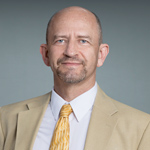
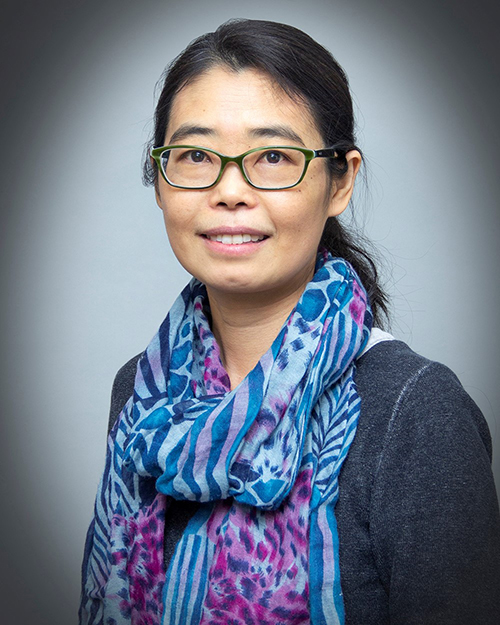
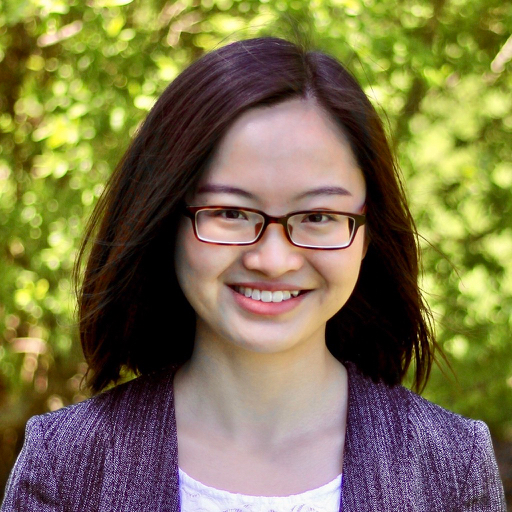
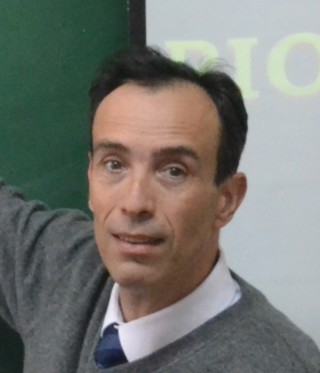
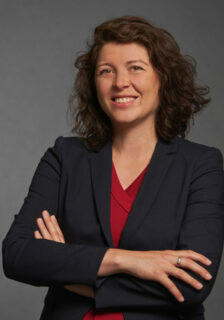
Christine Eckhardt is an Assistant Professor in the Department of Neurology at the T.H. Chan School of Medicine (UMass Chan Medical School), specializing in Neurocritical Care. She earned her MD from Harvard Medical School and holds an MS degree. Education: MD, Harvard Medical School, Boston, MA MS (unspecified field) Dr. Eckhardt's research focuses on neurocritical care, neurotoxicity syndromes, and EEG-based diagnostics. She develops quantitative EEG methods for assessing immune effector cell-associated neurotoxicity (ICANS) and delirium severity, with applications in CAR T-cell therapy and critical care neurology. Her recent publications (2022–2023) emphasize automated neurotoxicity detection , EEG signal processing , and health equity disparities in heart failure care. Key subfields include neurocritical care, computational neuroscience, and clinical outcome modeling.
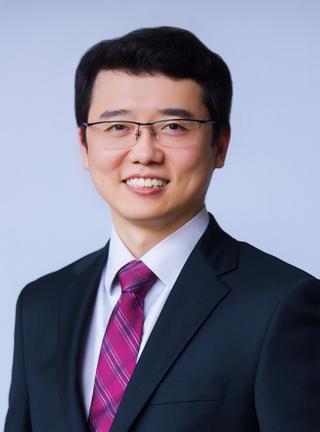
Ken Wong is an Associate Professor in the Department of Computing Science at the University of Alberta's Faculty of Science. He also serves as Associate Chair within the same department. Holding a PhD in Computer Science from the University of Victoria (1999), his research focuses on software engineering challenges such as reverse engineering, program understanding, and software visualization. He emphasizes improving software evolution through tools like architecture recovery and root cause analysis, with applications in web/mobile platforms and diverse system understanding. Teaching highlights include developing Massive Open Online Courses (MOOCs) via Coursera, including the 'Software Product Management Specialization' and courses on Agile practices, client needs analysis, and software metrics. His recent publications (2023–2025) span AI-driven healthcare innovations (e.g., medical imaging, photoacoustic tomography) and advanced computer vision techniques (e.g., diffusion models, video inpainting). Notable collaborations include EVAREST studies on heart failure management and lung transplantation outcomes. His work bridges software engineering theory and practical applications in healthcare technology, with contributions to federated learning frameworks (e.g., FedLPPA) and AI-augmented clinical decision support systems. Research also extends to autonomous driving (DriveGPT4-V2) and 3D human avatar generation (DreamAvatar), showcasing interdisciplinary impact.
Mario A. Svirsky is the Noel L. Cohen Professor of Hearing Science and Professor of Neuroscience at NYU Grossman School of Medicine. He leads the Laboratory for Translational Auditory Research, focusing on auditory neural prostheses like cochlear implants and their impact on speech perception and neuroplasticity. His work bridges clinical care and scientific discovery, addressing how the brain adapts to sensory deprivation and degraded auditory input. Education: PhD in Biomedical Engineering from Tulane University (1988). Postdoctoral training at MIT and prior academic appointments at Indiana University and Purdue University before joining NYU in 2005. Research: Explores cochlear implant performance optimization, speech perception in hearing-impaired individuals, and neuroplasticity mechanisms. Collaborates with the Froemke Lab on animal models of cochlear implantation. Active in developing computational models and signal processing techniques to improve implant efficacy. Funding: Principal investigator on multiple NIH grants (e.g., R01 DC016839, R01 DC016834) and industry partnerships. His lab’s work has advanced clinical management strategies for cochlear implant users, including those with contralateral hearing aids. Labs/Teams: Directs the Laboratory for Translational Auditory Research, collaborating with multidisciplinary teams including engineers, neuroscientists, and clinical audiologists. Mentors postdocs, audiologists, and medical students in auditory research.
Dr. Yongjie Jessica Zhang is a Professor at Carnegie Mellon University, holding appointments in both the Department of Mechanical Engineering and the Department of Biomedical Engineering . She received her B.S. and M.S. in Engineering Mechanics from Tsinghua University, followed by an M.S. in Aerospace Engineering and a Ph.D. in Computational Engineering and Sciences from the University of Texas at Austin. After a postdoctoral fellowship at ICES, she joined CMU in 2007, advancing from assistant to full professor by 2016. Research Interests : Image-based geometric modeling, mesh generation, finite element analysis (FEA), isogeometric analysis, and applications in computational biomedicine, materials science, and computer-assisted surgery. Leadership Roles : Chair of Solid Modeling Association (2019-2020), USACM Executive Committee Member-at-Large (2017-2021), and ELATE Fellow (2017-2018). Her work addresses the critical challenge of automating high-fidelity geometric modeling and mesh generation for complex domains (e.g., human anatomy), which traditionally consumes ~80% of FEA time. Her group develops AI-driven methods for multiscale modeling (molecular to organ), with applications in neuroscience , biomechanics , and 4D printing . Notable awards include the Presidential Early Career Award (PECASE) , NSF CAREER Award , and ASME Van C. Mow Medal (2025) . Dr. Zhang’s publications span over 170 peer-reviewed articles, focusing on truncated hierarchical B-splines , polycube meshing , and neurite transport modeling . She has advised more than 40 students, including PhD candidates and postdoctoral fellows. Her editorial roles include Associate Editor of Computer Aided Geometric Design and editorial board memberships in Computer-Aided Design and Engineering with Computers .
Pixu Shi is an Assistant Professor in the Department of Biostatistics and Bioinformatics at Duke University's School of Medicine. Previously, they served as a Visiting Assistant Professor in the Department of Statistics at the University of Wisconsin-Madison (2018-2020) and as a Postdoctoral Researcher in the Department of Biostatistics at the University of Wisconsin-Madison (2016-2018). Dr. Shi earned their PhD in Biostatistics from the University of Pennsylvania in 2016 under advisor Hongzhe Li. They also hold an MS in Biostatistics from the University of Pennsylvania (2015), an MS in Statistics from Rutgers University (2012), and a BS in Statistics from Peking University (2010). Dr. Shi's research focuses on developing statistical methods for Microbiome Research, Longitudinal/Temporal Omic Data analysis, Integration of Omic Data, Spatial Omics, and High-dimensional Statistical Inference. Their work bridges statistical theory with practical applications in biomedical research, particularly in microbiome studies where they've made significant contributions with the TEMPTED (TEMPoral TEnsor Decomposition) method. The article trends show a strong focus on microbiome analysis, statistical methodology development, and applications in obesity, infectious disease, and cancer research. Their most recent work (2024-2025) demonstrates expertise in tensor decomposition methods, longitudinal data analysis, and integrating microbiome data with clinical outcomes across diverse areas including adolescent obesity, viral infections, and cancer metastases. Dr. Shi has secured multiple substantial research grants from major institutions including the National Institutes of Health (NIMH, NIAID, NCI, NIDDK, NIA), totaling over a decade of continuous funding for projects related to microbiome research, HIV/AIDS, cancer biomarkers, and metabolic studies. They actively contribute to education through teaching courses such as BIOSTAT 905: Linear Models and Inference at Duke University and previously taught statistics courses at the University of Wisconsin-Madison. Dr. Shi has also organized specialized workshop series including Quantitative Methods for HIV/AIDS, Microbiome, Immunology, and Cancer Bioinformatics.
Ergin Tönük serves as an Associate Professor in the Mechanical Engineering Department at Middle East Technical University (METU) in Ankara, Turkey. With a career deeply rooted at METU where he earned all his degrees, he maintains an active research profile with office B-319 and contact details tonuk@metu.edu.tr and +90 312 210 5293. His academic credentials include: Bachelor's Degree (B.Sc.) from METU, 1990 Master's Degree (M.Sc.) from METU, 1992 Ph.D. from METU, 1998 Professor Tönük's research spans Pneumatic Tires, Finite Element Analysis, Mechanism Synthesis, Soft Tissue Biomechanics, and Railway Vehicles. His biomechanics work focuses on computational modeling of biological systems including joint mechanics, tissue behavior, and medical device development. Tire and railway research leverages his mechanical engineering expertise for transportation applications, while his mechanism design studies address complex kinematic problems. Analysis of his 2016-2025 publications reveals a strong biomedical trajectory with emphasis on orthopedic applications. Key themes include hand/knee joint modeling, tissue engineering scaffolds, gait/posture analysis systems, and viscoelastic material characterization. His methodological signature combines finite element analysis with experimental validation, particularly in soft tissue mechanics and surgical simulation. While specific advising records and grant details aren't provided, his 70+ publications indicate substantial graduate mentorship and research funding acquisition. His work aligns with biomechanics and computational mechanics groups within METU's Mechanical Engineering Department, though dedicated laboratory facilities aren't specified in available sources.
Prof. Dr. Franziska Mathis-Ullrich is a Professor at Friedrich-Alexander-University Erlangen-Nuremberg (FAU) leading the Surgical Planning and Robotic Cognition Lab (SPARC) in the Department of Artificial Intelligence in Biomedical Engineering. Previously, she was an Assistant Professor at Karlsruhe Institute of Technology (KIT) from 2019 to 2023. Her research focuses on minimally invasive robotic systems, soft robotics, and embedded machine learning for surgical applications. She holds a PhD in Microrobotics from ETH Zurich (2017), with earlier degrees from the same institution. Education: B.Sc. and M.Sc. in Mechanical Engineering and Robotics (ETH Zurich, 2009–2012) Ph.D. in Microrobotics (ETH Zurich, 2017) Research Interests: Minimally invasive medical robotics, soft robotic systems, AI-driven surgical assistance, microrobotics, and robot-assisted surgery. Her work emphasizes translating robotics innovations into clinical applications through interdisciplinary collaboration. Key Awards: IEEE ICRA Best Paper Award in Medical Robotics (2014) IEEE BioRob Best Student Paper Award (2016) ICRA Microassembly Challenge First Prize (2014 & 2015) Forbes 30 under 30 (2017) Grants & Projects: Leading a Bavarian State Ministry-funded project on endometriosis diagnostics (€3M). Active in multidisciplinary collaborations with Erlangen University Hospital. Serves as Vice-President of the German Society for Computer- and Robot-assisted Surgery (CURAC). Labs & Teams: Directs the SPARC Lab, which develops cognitive robotic systems for surgical planning and execution. Collaborates with institutions like Max Planck, Fraunhofer, and Helmholtz.
Salmaan A. Keshavjee, MD, PhD, ScM, serves as Professor of Global Health and Social Medicine at Harvard Medical School and Director of the Center for Global Health Delivery. He concurrently holds appointments as Associate Professor of Medicine at Brigham and Women's Hospital and Faculty Dean of Adams House at Harvard University. His leadership targets critical global health delivery challenges in regions including the Middle East, North Africa, and sub-Saharan Africa through research, training, and policy engagement. Dr. Keshavjee's interdisciplinary foundation combines medical (MD), anthropological (PhD), and public health (ScM) training. This unique background informs his approach to health systems analysis and policy implementation across diverse cultural contexts. As a leading expert in drug-resistant tuberculosis treatment and the anthropology of health policy, his research examines the intersection of infectious disease control, social determinants of health, and structural barriers to care. Additional interests include mental health integration in TB programs, health economics, and digital health applications for disease screening. His fieldwork spans 16 years in Russia, Lesotho, and Pakistan, with extensive collaboration through Partners In Health. Analysis of his recent publications reveals consistent focus on tuberculosis prevention and treatment optimization, with growing attention to mental health comorbidities and artificial intelligence applications. His work addresses diverse populations including prisoners and household contacts across multiple continents, emphasizing regimen feasibility, health system barriers, and economic consequences of inadequate TB control. Key initiatives include the Zero TB Cities project aiming for tuberculosis elimination. Dr. Keshavjee has held influential policy roles including chair of the WHO/Stop TB Partnership’s Green Light Committee for MDR-TB Treatment (2007-2010) and co-authorship of U.S. Institute of Medicine policy papers, though no formal scientific awards are specified in source materials. Through the Center for Global Health Delivery, he mentors fellows in programs such as the Paul Farmer Global Surgery Research Fellowship and Global Mental Health Delivery Fellowship. These initiatives support implementation research in resource-limited settings through structured training and field placements. The Center operates six core programs—Infectious Disease, Mental Health, Noncommunicable Disease, Primary Care, Public Policy, and Surgery—developing evidence-based interventions through partnerships with institutions worldwide. Current priorities include scaling depression screening in TB care, optimizing preventive therapy regimens, and strengthening health systems in the Middle East and North Africa.
Benoit Rosa is currently a CNRS Researcher within the Robotics, Data science, and Healthcare technologies Team at the ICube Laboratory, University of Strasbourg. Previously, he was a Research Fellow at the Pediatric Cardiac Bioengineering Lab, Boston Children's Hospital, Harvard Medical School (2015-2016), and a postdoctoral fellow in the Robot Assisted Surgery group at the Mechanical Engineering department of KU Leuven, Belgium (2013-2015). He received his Ph.D. in 2013 from Pierre & Marie Curie University (now Sorbonne University) under the supervision of Pr. Guillaume Morel and Pr. Jerome Szewczyk. His PhD was awarded the best PhD thesis award by the CNRS research group on robotics for 2013. Prior to his PhD, he obtained an Engineering Degree (equivalent to a Master's) from Ecole Centrale Paris. Rosa's research focuses on surgical robotics and image-guided control, with particular expertise in the design and control of miniature, distally-actuated and flexible systems for minimally invasive surgery. His work spans from mechatronic design of minimally invasive surgical devices to advanced control algorithms for surgical robots. Key areas include continuum robotics, visual servo control, surgical tool segmentation, and OCT-guided interventions. His research has significant applications in cardiac surgery, endomicroscopy, and various minimally invasive procedures, with a strong emphasis on translating theoretical robotics into practical clinical solutions. His recent publications demonstrate a growing trend toward applying deep learning techniques to enhance surgical robotics, with focus on autonomous systems that improve precision and reduce surgeon cognitive load while addressing challenges in medical imaging and surgical navigation. Scientific Awards: Best PhD thesis award by the CNRS research group on robotics (2013) Rosa has led multiple significant research projects including Image-based tracking of continuum robots (ongoing), Robot-assisted endomicroscopy (2010-2013), Beating heart intracardiac cardioscopy-guided interventions (2015-2019), and Intuitive control of active catheters (2014-2015). His work has resulted in numerous patents and collaborations with leading medical institutions worldwide, securing research funding for advancing surgical robotics technology. He actively participates in the academic community through invited talks and workshops, and maintains strong collaborations with institutions including Harvard Medical School, KU Leuven, and various French research entities, bridging theoretical robotics with practical clinical applications across multiple medical specialties.
Paul Major is Professor and Chair of the School of Dentistry, Senior Associate Dean (Dental Affairs), and ACFD Project Lead at the University of Alberta's Faculty of Medicine & Dentistry. He leads the Orthodontic Biomechanics Research Group and co-founded the Inter-disciplinary Airway Research Clinic (I-ARC), driving innovation across dental academia and clinical practice. His educational background includes a Doctorate of Dental Surgery (DDS) from the University of Alberta (1980) followed by MSc and Orthodontic Specialty training at the same institution (1988). He joined the academic staff in 1989 and served as Director of the TMD/Orofacial Pain Program (1991-2001) and Orthodontic Graduate Program (2001-2010). Dr. Major's research centers on Orthodontic Biomechanics , 3D Craniofacial Imaging , and Ultrasound Imaging . His Orthodontic Biomechanics Research Group developed the OSIM system for 3D force measurement on dental appliances, while his imaging work pioneers reconstruction of craniofacial structures and periodontal ultrasound diagnostics. Through the I-ARC, he leads interdisciplinary studies on pediatric sleep-disordered breathing, examining craniofacial morphology and orthodontic interventions. Analysis of his 190+ publications reveals consistent innovation in biomechanical analysis of orthodontic appliances, machine learning for dental image processing, and hydrogel development for intraoral imaging. Recent work bridges dentistry with engineering through projects on dental aerosols, clear aligner mechanics, and airway measurement software. Dr. Major has supervised over 75 graduate students while maintaining clinical teaching duties despite administrative leadership roles. His research is supported by grants enabling the OSIM system development and interdisciplinary I-ARC projects. He directs the Orthodontic Biomechanics Research Group's experimental biomechanics work and the I-ARC's clinical research team, which integrates pediatric ENT, pulmonology, radiology, and biomedical engineering specialists to advance treatment of pediatric sleep apnea through craniofacial analysis and innovative imaging techniques.
Bernhard Thomaszewski is a Lecturer at the Department of Computer Science at ETH Zürich. His research focuses on computational mechanics, robotics, and computer graphics, with an emphasis on simulation-based design and material modeling. He explores topics such as deformable contact, flexible materials, and robotic mechanisms. His work bridges theoretical foundations and practical applications, including medical imaging, garment simulation, and biomechanical systems. Notable research interests include the development of novel algorithms for real-time simulation, optimization-driven design of mechanical systems, and integration of machine learning with physical models. He has contributed to advancements in finite element modeling, differentiable simulation, and topology optimization for robotic and biomedical applications. His recent projects highlight interdisciplinary collaboration, addressing challenges in areas like orthodontic treatment prediction, automated pipeline design, and neural network-driven material characterization. While no specific grants or awards are explicitly listed, his prolific publication record underscores his impactful contributions to computational engineering and computer science.
Sophia Bano is an Assistant Professor in Robotics and Artificial Intelligence at the Department of Computer Science, University College London (UCL), since November 2022. She is affiliated with the Wellcome/EPSRC Centre for Interventional and Surgical Sciences (WEISS), Surgical Robot Vision group, UCL Robotics Institute, and the Centre for Artificial Intelligence. Previously, she was a Senior Research Fellow at WEISS, contributing to the GIFT-Surg project. Her research focuses on AI-driven techniques for context awareness, navigation, and surgical robotics in minimally invasive procedures, including endoscopic workflow analysis, 3D reconstruction, and surgical vision systems. Education: BEng in Mechatronics Engineering (NUST, Pakistan), MSc in Electrical Engineering (NUST), MSc in Computer Vision and Robotics (Erasmus Mundus VIBOT), PhD from Queen Mary University of London and Technical University of Catalonia (Erasmus Mundus Fellowship). Post-doctoral work at University of Dundee (EPSRC ACE-LP project) and Imperial College London (ERC STING project). Research interests include computer vision for surgery, medical imaging, surgical robotics, and AI in healthcare. She leads the UKRI EPSRC-funded 'AI-enabled Decision Support in Pituitary Surgery' project and contributed to the GIFT-Surg and CARES projects. Publications span 3D reconstruction in fetoscopy, surgical workflow recognition, and AI models for medical imaging. Awards include the IJCARS-MICCAI Best Paper Award (2020) and the Best Innovation Award at the 2022 Surgical Robot Challenge. She organizes conferences like EndoVis and serves as a reviewer for journals like IEEE Transactions on Medical Imaging and MICCAI.
Emanuele (Manuel) Trucco is a Professor of Computing and holds the NRP Chair of Computational Vision in the School of Science and Engineering at the University of Dundee. He is also an Honorary Clinical Researcher at NHS Tayside and previously served as an Adjunct Professor at the Chinese Academy of Sciences (2018–2021). His research is centered on computational vision and medical image analysis, particularly in retinal imaging and its applications in systemic disease detection. PhD, Electronic Engineering, University of Genoa (1990) MSc, Electronic Engineering, University of Genoa (1984) Manuel Trucco's research focuses on computer vision and medical image analysis , with a strong emphasis on retinal image analysis for early detection of diseases such as diabetes, cardiovascular conditions, stroke, dementia, and neurodegenerative disorders. He co-directs the VAMPIRE (Vessel Assessment and Measurement Platform for Images of the Retina) initiative, a collaborative effort between the Universities of Dundee and Edinburgh. This platform enables automated, multi-modal analysis of retinal images and has been used in biomarker studies across the UK and internationally. His work integrates deep learning , artificial intelligence , and biomedical engineering to develop non-invasive, scalable diagnostic tools. Industrial collaborations include Canon Medical, OPTOS plc, NIDEK, and Epipole plc, while institutional partners include the Royal College of Ophthalmologists and the UK Biobank Eye and Vision Consortium. Recent publications highlight a strong trend in using AI and deep learning to extract clinical insights from retinal images, including predicting cardiovascular outcomes in diabetic patients, estimating biological age, and analyzing retinal vasculature changes under physiological stress. His work bridges computer science, ophthalmology, and public health, contributing to precision medicine and health equity. His scientific contributions have been recognized through fellowships: FRSA (Fellow of the Royal Society of Arts) FIAPR (Fellow of the International Association for Pattern Recognition) Trucco has led or co-led major research projects, including a £7M NIHR grant on precision medicine for diabetes (Dundee-Chennai), a £1.1M EPSRC grant on vascular dementia biomarkers (PI), the 3M-Euro ITN "REVAMMAD", and several PhD studentships sponsored by OPTOS, NIDEK, SINAPSE, and Toshiba. He has served on the organizing and program committees of major international conferences such as MICCAI and the European Conference on Computer Vision. He is a key member of the VAMPIRE research team and the UK Biobank Eye and Vision Consortium , contributing to large-scale data analysis efforts in vision and systemic disease. His work is at the forefront of AI-driven healthcare innovation, with real-world applications in early disease detection and personalized medicine.
Scott T. Doyle is an Associate Professor in the Department of Pathology and Anatomical Sciences at the Jacobs School of Medicine & Biomedical Sciences, University at Buffalo. His research integrates biomedical imaging, artificial intelligence, and computational pathology to develop quantitative tools for clinical diagnostics and anatomical modeling. Education: PhD in Biomedical Engineering, Rutgers, The State University of New Jersey (2011) BS in Biomedical Engineering, Rutgers, The State University of New Jersey (2006) Optical Microscopy & Imaging in the Biomedical Sciences, Marine Biological Laboratory (2014) hES Stem Cell Culture Training, WNYSTEM (2014) R Bioconductor Training, Roswell Park Cancer Institute (2016) Dr. Doyle’s research focuses on developing AI-driven algorithms for biomedical image analysis, particularly in digital pathology and 3D anatomical modeling. His work spans tumor segmentation, risk prediction in oral and thyroid cancers, and integration of virtual and physical anatomy in medical education. He applies machine learning, deep learning, and computational modeling to enhance diagnostic accuracy and patient outcomes. His recent publications reflect a strong trend in applying artificial intelligence to histopathology, with emphasis on active learning, 3D reconstruction, and multi-institutional data fusion. Key areas include oral cavity cancer recurrence prediction, thyroid cancer subtyping, and computational modeling of surgical margins and anatomical structures. Scientific Service and Recognition: Reviewer for NIH SPORE grants Peer reviewer for journals including Medical Image Analysis , BMC Bioinformatics , IEEE Transactions on Biomedical Engineering Program Committee and Session Chair, SPIE Medical Imaging: Digital Pathology (2016–present) Member, Graduate Program Steering Committee, Pathology & Anatomical Sciences Mentor, McNair Scholarship and CSTEP programs for underrepresented students Dr. Doyle has secured significant research funding as Principal Investigator on NIH and CTSI grants, including a $2M+ NIH grant for predicting oral cancer recurrence. He has also contributed to educational innovation through hybrid anatomy curriculum development and AI training for pathologists. He leads the 'Atoms to Anatomy' research initiative and is active in strategic planning at the Jacobs School. Laboratories and Collaborative Teams: Dr. Doyle collaborates with the Center for Computational Research (CCR) and is involved in the Structural Sciences Learning Center (SSLC). He has led projects with teams at Ibris, Inc., Veterans Affairs Hospital, and Mount Sinai School of Medicine.
Dr. Weitao Wang serves as an Assistant Professor in the Department of Otolaryngology at the University of Rochester School of Medicine and Dentistry. Board-certified in both Otolaryngology-Head and Neck Surgery and Facial Plastic and Reconstructive Surgery, he practices clinically at UR Medicine and the Wilmot Cancer Institute in Rochester, NY, specializing in complex head and neck reconstruction and facial plastic procedures. Medical Degree: University of Virginia School of Medicine Residency: Otolaryngology-Head and Neck Surgery, University of Rochester Medical Center (2015-2019) Fellowship: Facial Plastic and Reconstructive Surgery, The Institute for Rehabilitation and Research (2019-2020) His research focuses on advancing head and neck reconstruction through tissue engineering (particularly bone/cartilage grafting) and optimizing surgical education via point-of-view video technology. Clinical investigations prioritize patient-reported outcomes in facial plastic surgery to enhance functional recovery and satisfaction metrics. Current work bridges engineering solutions with complex defect reconstruction. Recent publications (2020-2025) demonstrate concentrated expertise in microvascular free tissue transfer, virtual surgical planning for craniofacial defects, and innovative skull base/orbital reconstruction techniques. His work consistently addresses oncologic safety while improving functional outcomes in head and neck cancer patients, with increasing emphasis on cost-effective surgical training methodologies. Robert Joynt Kindness Award 2021 Leslie Bernstein Resident Research Grant: Optimizing bone allograft in craniofacial defect reconstruction Wallace K. Dyer Clinical Investigation Grant: Cost-effective surgeon POV video in otolaryngology training Dr. Wang secures competitive funding from the American Academy of Facial Plastic and Reconstructive Surgery to advance surgical education and reconstruction techniques. His clinical mentorship emphasizes multidisciplinary collaboration, particularly in head and neck oncology cases where tumor resection requires immediate reconstruction. Current projects integrate virtual planning with intraoperative navigation to optimize complex defect repair. He operates within the Facial Plastic and Reconstructive Surgery division at the University of Rochester, collaborating with Wilmot Cancer Institute's head and neck oncology team. His practice incorporates virtual surgical planning technology and microvascular reconstruction expertise, with active participation in multidisciplinary tumor boards for complex craniofacial cases.