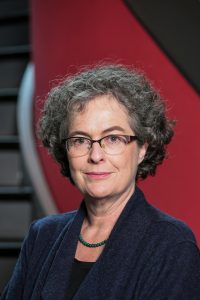
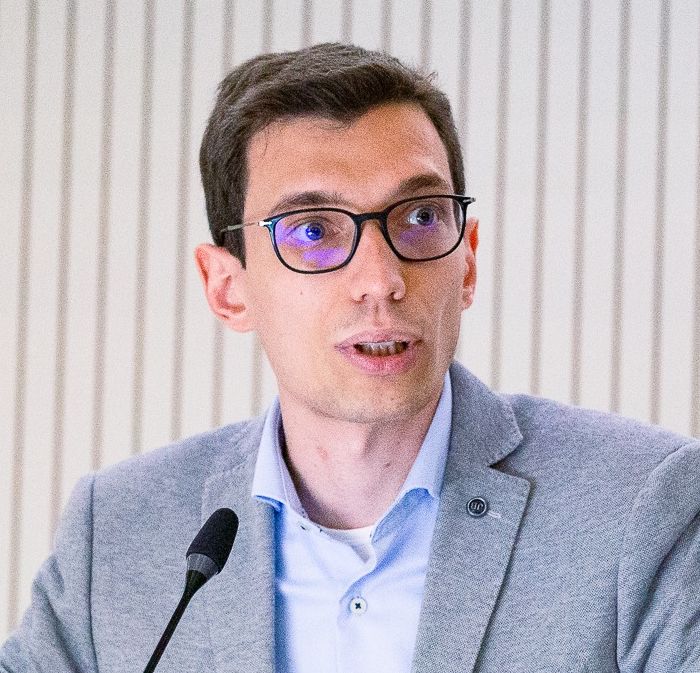
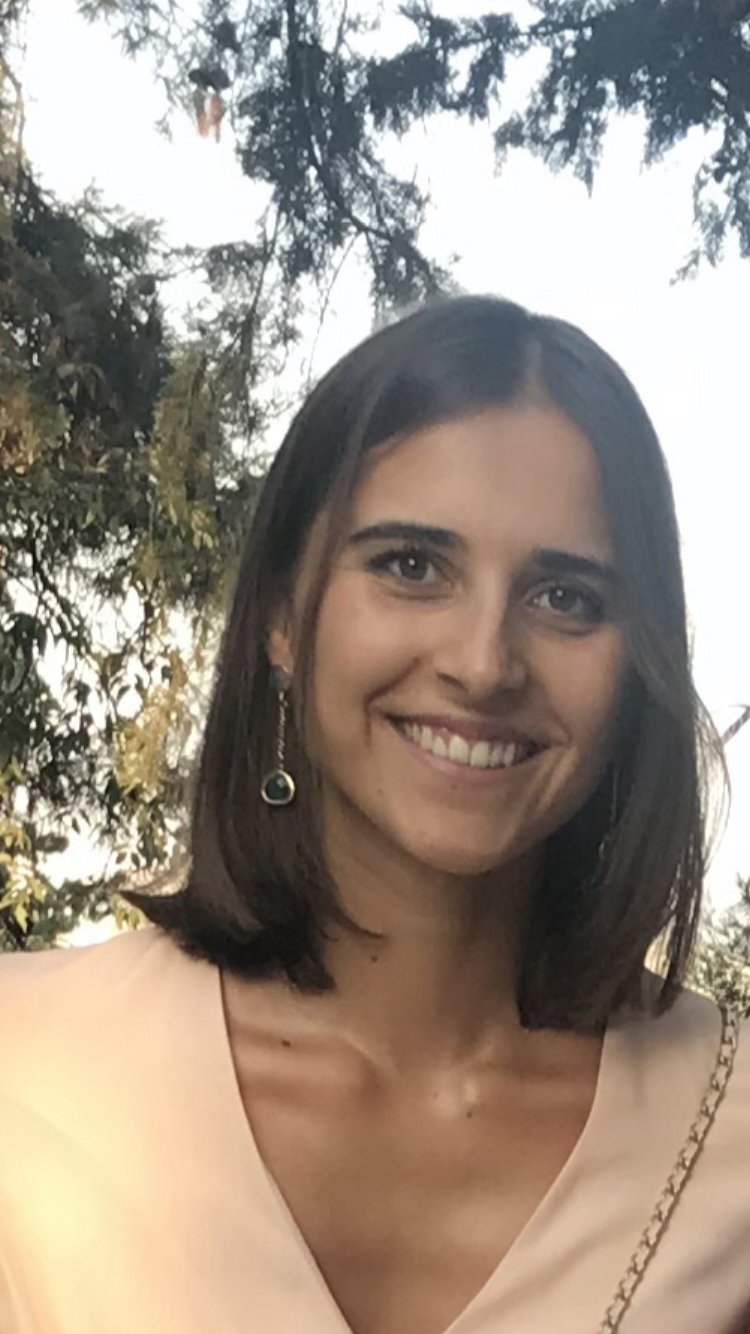
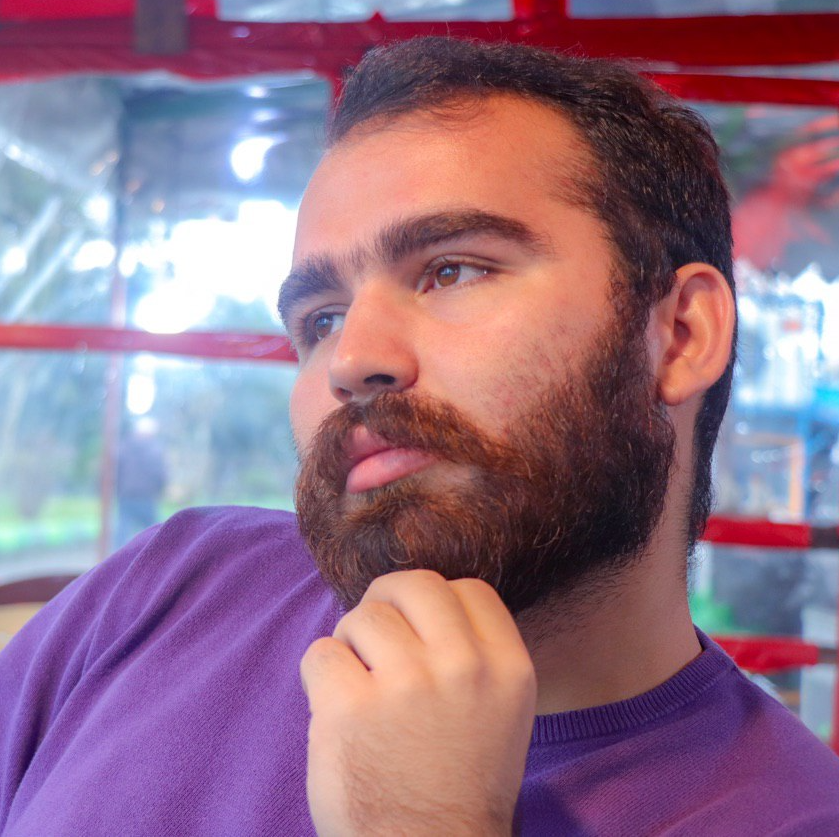
Sabine Süsstrunk is a Full Professor and Director of the Images and Visual Representation Laboratory (IVRL) at EPFL's School of Computer and Communication Sciences. She holds a BS in Scientific Photography from ETH Zürich, MS from Rochester Institute of Technology, and PhD from University of East Anglia. Her career includes positions at Hewlett-Packard Labs and Corbis Corporation. Her research explores computational imaging, computational photography, color processing, computer vision, and image quality. Key interests include near-infrared applications, multispectral imaging, and computational aesthetics. Her work bridges hardware and software solutions for imaging challenges. Publications demonstrate consistent focus on advancing generative models (diffusion models, neural cellular automata), 3D reconstruction (NeRF variants), and media integrity (DeepFake detection). Recent trends show increased emphasis on 3D vision, robustness in generative AI, and video analysis. Awards & Honors: IS&T/SPIE Electronic Imaging Scientist of the Year (2013) Raymond C. Bowman Teaching Award (2018) EPFL AGEPoly IC Polysphere Award (2020) 8 Best Paper/Demo Awards Fellowships: IEEE, IS&T, ELLIS, AIIA She leads the IVRL lab and advises PhD candidates while serving as President of the Swiss Science Council. Research is supported through competitive grants and industry collaborations.
Xiang Yin is a Research Associate at the Department of Computing in Imperial College London , affiliated with the Computational Logic and Argumentation group (CLArg) . His work bridges Explainable AI (XAI) and Computational Argumentation (CA) , focusing on the explainability of Quantitative Bipolar Argumentation Frameworks (QBAFs) through attribution and counterfactual explanations. Research Interests: Explainable AI (XAI) Computational Argumentation Quantitative Bipolar Argumentation Frameworks Model Interpretability Human-AI Interaction Logical Reasoning for AI Publication Trends reveal a focus on argumentation-based explainability, with 2025-2024 works addressing large language models for claim verification, truth-discovery frameworks, and counterfactual explanations. Earlier works (2023-2022) explore random forest explanations, faithfulness criteria, and QBAF analysis. His 2018 publications on aircraft prediction systems demonstrate applied machine learning expertise. Education PhD in Artificial Intelligence under Prof. Francesca Toni and Dr. Nico Potyka Pre-PhD: Machine Learning R&D Engineer at Baidu Labs & Teams Xiang is part of the CLArg group at Imperial College London, focusing on integrating computational argumentation with AI explainability and contestability.
Lorenzo Baraldi is an Associate Professor at the University of Modena and Reggio Emilia, where he leads research in deep learning, vision-language integration, and multimodal AI systems. He serves as an ELLIS Scholar and Coordinator of the Modena ELLIS Unit, and has held the position of deputy director at the Interdepartmental Center on Digital Humanities since 2021. Previously, he worked at Facebook AI Research laboratory in Paris in 2017, developing video-matching algorithms for content moderation. His research spans multiple areas including Vision-and-Language integration, Multimodal Retrieval, Image and Video Captioning, Visual-Semantic alignment, Large-Scale model development, High Performance Computing, and Embodied AI. With over 120 publications in international journals and conferences, his work demonstrates consistent contributions to advancing multimodal AI capabilities. He has served as an Associate Editor for Computer Vision and Image Understanding and Pattern Recognition, and as Area Chair for major conferences including ICCV, WACV 2026, and ACM Multimedia 2025. His recent publication record shows significant impact in the field, with multiple papers accepted to top-tier conferences in 2024-2025 including CVPR, ICCV, BMVC, ICLR, ECCV, and NeurIPS. Notably, his paper "Hyperbolic Safety-Aware Vision-Language Models" was selected as a highlight paper at CVPR 2025. His research often involves collaboration with Rita Cucchiara and other researchers at his institution. ELLIS Scholar and Coordinator of the Modena ELLIS Unit Associate Editor for Computer Vision and Image Understanding Area Chair for ICCV and major multimedia conferences Highlight paper at CVPR 2025 Professor Baraldi teaches courses in Computer Vision and Cognitive Systems, Scalable AI, and Computer Architecture for the Artificial Intelligence Engineering and Computer Engineering programs. His teaching spans both undergraduate and graduate levels, with a focus on providing students with both theoretical foundations and practical implementation skills. He has developed educational materials including Deep Learning tutorials for classroom instruction.
Ueli Grossniklaus is an Ordinary Professor at the University of Zurich within the Faculty of Mathematical and Natural Sciences , affiliated with the Department of Plant and Microbiology . His work focuses on plant developmental biology, particularly epigenetic and genetic mechanisms governing reproduction and adaptation. Key Courses: Epigenetics, Plant Biology Workshop, Group Seminars on Current Research Laboratory Techniques: Advanced methods in plant cell mechanics, transcriptomics, and genome editing Research Interests span plant epigenetics, reproductive biology, and the interplay between environmental stress and genetic regulation. He investigates: Mechanistic control of gametogenesis and fertilization Epigenetic contributions to plant adaptation Evolutionary implications of asexual reproduction Biophysical forces in plant cell growth Publication Trends (2025–2018) reveal expertise in: Arabidopsis and fern model systems Epigenetic regulation (DNA methylation, histone dynamics) Apomixis and hybrid seed failure mechanisms Biomechanics of pollen tubes and carnivorous plants Genome editing tools (CRISPR) and long-read sequencing Scientific Collaborations include interdisciplinary projects on: Microfluidic devices for plant cell analysis Gene drive ecology and ethics 3D imaging of plant reproductive structures Advising and Grants focus on mentoring through research internships in developmental biology, genetics, and systems biology. His lab engages in: Epigenetic response to environmental stress Cell wall mechanics in reproduction Computational modeling of plant growth Laboratory Teams integrate plant biologists, bioengineers, and computational scientists to study: Mechanistic gene regulation Evolutionary developmental biology Microrobotics for cellular force measurement
Myrto Limnios is a Bernoulli Instructor at the Institute of Mathematics at École Polytechnique Fédérale de Lausanne (EPFL), holding dual appointments as Lecturer in the School of Basic Sciences - Mathematics Section and Scientist in the Mathematics Department - Geometry section. Her office is located at CM 1 618 (Centre Midi), Station 10, 1015 Lausanne, Switzerland. Dr. Limnios's academic journey began with her PhD at Centre Borelli, ENS Paris-Saclay, Université Paris-Saclay, under the supervision of Prof. Nicolas Vayatis and Ioannis Bargiotas. Her doctoral thesis, Rank Processes and Statistical Applications in High Dimension , established her expertise in statistical methodology. Following her PhD, she completed a postdoctoral fellowship at the Copenhagen Causality Lab of the University of Copenhagen. Her research program focuses on nonparametric statistics, statistical learning theory, and stochastic processes with biomedical applications. She specializes in causal learning methods for event processes using conditional local independence testing (collaborating with Niels Richard Hansen) and concentration results for k-sample Rank and U-processes (with Prof. Stephan Clémençon of Télécom Paris). Her work bridges theoretical advances with practical implementations in epidemiology, neuroscience, and medical diagnostics. Analysis of her recent publications reveals a strong trend toward developing ranking-based statistical methods with applications to anomaly detection, two-sample testing, and causal inference. Her work demonstrates increasing sophistication in handling high-dimensional event processes while maintaining theoretical rigor in statistical guarantees. Among her notable achievements is the Bernoulli Instructorship at EPFL and organizing the Women in Mathematics conference at EPFL in May 2025, which hosted over 60 participants from Switzerland, France, and Spain. She was also honored with a research visit to the Simons Institute for the Theory of Computing at UC Berkeley in November 2024, hosted by Prof. Peter Bartlett. Dr. Limnios teaches advanced statistical methods at EPFL, including Regression Methods (covering linear regression, analysis of variance, diagnostics, and variable selection) and Empirical Processes (focusing on controlling nonasymptotic behavior of estimator collections). Her GitHub activity shows active development of statistical software for independence testing and anomaly ranking. She maintains active collaborations with the Copenhagen Causality Lab, Télécom Paris, and biomedical research groups, particularly through her work on postural control analysis for Parkinsonian syndromes and epidemiological modeling of infectious diseases.
Dr. Emiliano Casati is a Lecturer at the Department of Energy and Process Systems Engineering within the College of Mechanical and Process Engineering at ETH Zürich. His work focuses on sustainable energy engineering, particularly in decarbonizing high-temperature industrial processes and advancing solar thermal technologies. Research Interests: Sustainable energy engineering Decarbonization of heat Solarization of high-temperature industrial processes Thermal energy storage Conceptualization and prototyping of novel energy concepts Measurement of thermodynamic properties Publications Trends: Dr. Casati's recent research spans solar thermal systems (e.g., organic Rankine cycles, thermal trapping), computational tools for heat transfer simulation (FIVER), experimental thermodynamics, and industrial decarbonization. His work bridges historical analysis with cutting-edge technical innovation. Collaborations: He collaborates with leading experts like André Bardow (ETH Zürich) and Aldo Steinfeld (emeritus, ETH Zürich), contributing to multidisciplinary projects in renewable energy and process engineering.
Martin Rajman is a Senior Scientist at École Polytechnique Fédérale de Lausanne (EPFL) with multiple affiliations across the institution. He holds positions in the School of Computer and Communication Sciences (SIN - Teaching, SCI IC MR Group, SSC - Teaching) as well as in the Vice Presidency for Strategic Development (VPS Artificial Intelligence) and the Vice Presidency for Academic Affairs (SNAI Administration). He serves as the Executive Director of Nano-tera.ch, a large Swiss Research Program funding collaborative multi-disciplinary projects in Health and the Environment. Rajman's research spans the intersection of artificial intelligence, natural language processing, and information retrieval. His work demonstrates a consistent focus on developing practical applications of computational linguistics and machine learning techniques. Early in his career, he contributed significantly to syntactic parsing, stochastic language models, and vector space representations for text. More recently, his research has expanded into deep learning applications for 3D reconstruction, empathetic conversational agents, and distributed analytics systems. His publications reveal a trajectory from foundational NLP research toward increasingly applied and interdisciplinary work connecting AI with healthcare, environmental monitoring, and human-computer interaction. Analysis of his recent publications (2015-2024) shows a clear evolution toward more applied AI research with strong interdisciplinary connections. While maintaining his core expertise in natural language processing and information retrieval, his work has expanded into computer vision, healthcare applications, and sustainable computing. The publications demonstrate increasing collaboration across disciplines, with applications in medical imaging, mental health support systems, environmental monitoring, and human-centered AI. His leadership role in the Nano-tera.ch program reflects this interdisciplinary approach, connecting computing research with real-world challenges in health and environmental contexts. Rajman has mentored several PhD students including Ailomaa Marita, Eckard Emmanuel, Melichar Miroslav, and Veselý Martin. His research has been supported through the Nano-tera.ch program, which has funded more than 100 research projects with over 95 million CHF in public funding. He has also managed more than 20 European projects during his tenure as Director of the EPFL Global Computing Center. As Executive Director of Nano-tera.ch, Rajman leads a significant research initiative connecting EPFL with national and international partners. His work bridges academic research with industry applications, notably through collaborations with eBay on product ranking technology and with Elsevier on article recommendation systems. His leadership extends to managing large-scale research programs while maintaining an active research agenda and mentoring the next generation of computer scientists.
Prof. Bernd Domer is an Associate Professor at the Geneva School of Landscape, Engineering and Architecture (HES-SO) specializing in Building Information Modeling (BIM) , Geographic Information Systems (GIS) , and digital transformation of civil engineering . He leads multiple ongoing research projects including CU_OFROU_PAB (CHF278,844) focused on BIM-GIS workflows for noise barriers, and SousEtoile (CHF50,000) developing subsurface prediction models for urban planning. His work addresses critical challenges in software interoperability and point cloud processing for infrastructure digital twins. BA HES-SO in Architecture (HEPIA) BSc Civil Engineering (EPFL) BSc HES-SO in Civil Engineering (HEPIA) MSc HES-SO in Engineering (HES-SO Master) His research explores digital workflows for infrastructure projects, with over 15 recent publications examining topics like: Semantic segmentation of point clouds (2024) IFC standard optimization (2023) Underground confidence level modeling (2021) Swiss BIM implementation frameworks (2020) Construction waste management platforms (2018) He serves as Head of the MIC Group and co-directs the CAS in BIM Coordination . Active in international committees like EG-ICE and Bauen digital Schweiz , his work bridges academic research with practical implementation through collaborations with HEPIA , HEIG-VD , and institutions like the Swiss Federal Roads Office (OFROU) .
Paolo Prandoni is a Lecturer at École Polytechnique Fédérale de Lausanne (EPFL) in the School of Computer and Communication Sciences (IC). He serves as a Scientist in the Audiovisual Communications Laboratory (LCAV) and teaches in the SSC-ENS and SIN-ENS units, focusing on signal processing theory and practical applications in audiovisual communications. He earned his PhD from EPFL after completing all prior education there, driven by childhood fascination with long-distance telephony. His doctoral work established foundations in communication systems that continue to inform his research. Prandoni's research spans audio/image processing, machine learning for media analysis, and DSP education. Key areas include computational photography (e.g., spectral imaging, stained glass rendering), speech quality assessment via transfer learning, music information retrieval (e.g., fingering prediction), and audience analytics through his company Quividi. His work consistently bridges theoretical signal processing with real-world implementation. Recent publications reveal a strategic shift toward machine learning integration in signal processing tasks, particularly non-intrusive speech assessment and lensless imaging reconstruction. Simultaneously, he advances DSP pedagogy through MOOC development and hands-on teaching tools using off-the-shelf hardware, emphasizing accessibility and practical skill development. No scientific awards are documented in the provided materials. He has advised PhD student Thanikachalam Niranjan (thesis: Image Based Relighting of Cultural Artifacts , 2016) and teaches Communication Systems and Computer Science courses. His educational impact extends through the open-access textbook Signal Processing for Communications (2008) and tools like MultiPub for maintainable online classes. Industry engagement includes Quividi co-founding (2006) and ongoing CSO role in attention analytics. As a core LCAV laboratory member, he collaborates on interdisciplinary projects including cultural heritage digitization, embedded signal processing systems, and real-time audience measurement, leveraging EPFL's infrastructure for both academic and commercial applications.
Shayan Aziznejad is a Senior ML Scientist at Distran, working on the intersection of machine learning and acoustic imaging. He was previously an ML researcher at Daedalean AI (October 2022–December 2024) and a Ph.D. candidate at Ecole Polytechnique Fédérale de Lausanne (EPFL) , where he focused on mathematical optimization and signal processing under Prof. Michael Unser. His academic background includes dual B.Sc. degrees in Electrical Engineering and Pure Mathematics from Sharif University of Technology . Research Focus: Machine learning, neural network certification, wavelet analysis, Hessian-Schatten regularization, and sparse modeling. Scientific Recognition: Swiss National Science Foundation Postdoc Fellowship (2021) Best Student Paper Award at ICASSP (2019) Gold Medalist at Iranian National Mathematics Olympiad (2011) Academic Contributions: Authored 15+ publications in top-tier journals (SIAM, IEEE, etc.) and conferences (ICASSP, EUSIPCO), with a focus on Lipschitz-regularized models, spline-based optimization, and inverse problems. Advising Experience: Supervised 11+ students across master's theses, summer internships, and semester projects, including Eliana Renzo, Joaquim Campos, and Haojun Zhu. Email: shayan.aziznejad@gmail.com
Xuming He is an Associate Professor at the School of Information Science and Technology (SIST), ShanghaiTech University, where he leads the PLUS Lab. His research spans computer vision and machine learning with a focus on developing algorithms that operate effectively under limited supervision and evolving data conditions. His core research interests include weakly-supervised and few-shot learning for scenarios with sparse annotations, continual learning frameworks for knowledge retention during sequential task acquisition, semantic segmentation techniques for scene understanding, and multimodal vision-language representations. He emphasizes interpretable machine learning to build transparent AI systems capable of human-understandable reasoning, addressing critical challenges in model trustworthiness and deployment reliability. Recent publications reveal strong trends toward novel class discovery in long-tailed recognition scenarios, physics-informed generative modeling for scientific applications, and robust segmentation under distribution shifts. His work increasingly integrates large language models for multimodal reasoning while maintaining focus on efficiency in resource-constrained environments like robotic grasping and medical imaging analysis. He actively mentors students, having supervised Qian He to PhD completion and Chuanyang Hu to Master's degree in 2023. He welcomes prospective graduate students through ShanghaiTech's Computer Science & Technology program and offers undergraduate research projects requiring minimum six-month commitments. The PLUS Lab under his direction drives innovation in learning under supervision constraints, with recent work spanning medical tumor analysis, cross-view geolocation, photonic computing, and semiconductor design verification. The lab's research bridges theoretical advances with practical applications across healthcare, robotics, and scientific discovery domains.
Dr. Yizi Chen is a Researcher affiliated with the Professorship for Cartography at ETH Zurich's Department of Civil, Environmental and Geomatic Engineering. Their work focuses on advancing cartographic techniques through AI-driven methods, historical map analysis, and geospatial technologies. Key contributions include automated map vectorization, semantic segmentation of historical maps, and integrating multimodal data for robotic systems. They have published extensively in top-tier journals and conferences, addressing challenges in deep learning applications for geomatic engineering. Education details are not explicitly provided in the text. Research interests include semantic segmentation, generative AI for cartography, and steganography in image translation. Notable publications span topics from eye-tracking segmentation to urban land use mapping, reflecting a strong interdisciplinary approach. Dr. Chen collaborates on projects involving historical map digitization and benchmarking datasets for computer vision tasks. No awards or grants are mentioned. Their work contributes to advancing geomatic engineering through innovative solutions in digital mapping and spatial data analysis.
Prof. Tina Perica is an Assistant Professor (tenure-track) in the Department of Biochemistry at the University of Zurich, joining in July 2021. Her research focuses on understanding how biochemical properties of proteins encode systems-level functions in signal transduction and gene regulation. Her lab integrates protein biochemistry, biophysics, functional genomics, and computational biology to study cellular regulation mechanisms. Education: B.Sc. in Biology, University of Zagreb (2008) Ph.D. in Biochemistry, University of Cambridge (2013) Postdoctoral training at University of California, San Francisco (2013–2021) Research Interests: Systems Biochemistry Allosteric Regulation in GTPases and Kinases Genotype-to-Phenotype Mapping Functional Genomics and Computational Biology Her team explores how molecular mechanisms of proteins interact within cellular networks to regulate complex processes, aiming to predict therapeutic effects and disease mutations. Lab Activities: Develops experimental and computational tools to map functional interactions in signaling pathways Focuses on targeted perturbations of proteins to study systems-level effects Emphasizes interdisciplinary approaches blending biochemistry with systems biology
Bernhard Thomaszewski is a Lecturer at the Department of Computer Science at ETH Zürich. His research focuses on computational mechanics, robotics, and computer graphics, with an emphasis on simulation-based design and material modeling. He explores topics such as deformable contact, flexible materials, and robotic mechanisms. His work bridges theoretical foundations and practical applications, including medical imaging, garment simulation, and biomechanical systems. Notable research interests include the development of novel algorithms for real-time simulation, optimization-driven design of mechanical systems, and integration of machine learning with physical models. He has contributed to advancements in finite element modeling, differentiable simulation, and topology optimization for robotic and biomedical applications. His recent projects highlight interdisciplinary collaboration, addressing challenges in areas like orthodontic treatment prediction, automated pipeline design, and neural network-driven material characterization. While no specific grants or awards are explicitly listed, his prolific publication record underscores his impactful contributions to computational engineering and computer science.
Professor Pascal Fua is a distinguished faculty member at EPFL (Swiss Federal Institute of Technology) in the School of Computer and Communication Science. He joined EPFL in 1996 and currently serves as Head of the Computer Vision Laboratory (CVLAB). His extensive research spans multiple cutting-edge areas in computer vision and geometric deep learning, with applications ranging from 3D reconstruction to medical imaging and aerodynamic optimization. Dr. Fua's research interests encompass Computer Vision, 3D Reconstruction, Shape Modeling, Geometric Deep Learning, Medical Image Analysis, Augmented Reality, Motion Recovery, Surface Mesh Processing, and Aerodynamic Shape Optimization. His work demonstrates a remarkable ability to bridge theoretical computer vision with practical applications across diverse domains. His research has evolved from traditional geometric computer vision techniques to incorporating deep learning approaches for 3D modeling, with recent focus on differentiable rendering, implicit surface representations, and applications in medical imaging and engineering design. His publication record shows a consistent trajectory of high-impact research, with recent work focusing on differentiable iso-surface extraction, geometric deep learning for aerodynamic shape optimization, and novel approaches to 3D reconstruction. His work spans both theoretical advances in computer vision algorithms and practical applications in medical imaging, autonomous driving, and computational fluid dynamics. IEEE Fellow Multiple ERC Grants recipient Associate Editor of IEEE Transactions for Pattern Analysis and Machine Intelligence Throughout his career, Professor Fua has mentored numerous PhD students who have gone on to make significant contributions in computer vision and related fields. His laboratory has established collaborations across multiple disciplines, including medical imaging, aerospace engineering, and neuroscience, demonstrating the broad applicability of his research. His current work continues to push the boundaries of geometric deep learning and 3D vision, with particular emphasis on making these techniques more practical and applicable to real-world engineering and medical problems.