Robert A Blanchette is a Professor in the Department of Plant Pathology at the University of Minnesota, with research focusing on forest pathology, wood microbiology, and conservation of historic wood. His work spans tree defense mechanisms, biological control of pathogens, and fungal ecology in extreme environments. Education : PhD in Plant Pathology (Washington State University), MS in Forest Pathology (University of New Hampshire), BA in Biology/Botany (Merrimack College) Current research includes: Fungal interactions with invasive pests like the Emerald Ash Borer Antarctic and Arctic fungal biodiversity Archaeological wood conservation in Greenland Biological control of white-nose syndrome in bats Ganoderma species pathogenicity in forests Key projects are funded by the Minnesota Invasive Terrestrial Plants and Pests Center, NSF, and USDI Fish and Wildlife Service. Collaborations include the National Museum of Denmark and Center for Drug Design. Students and researchers in his group include Cristina Toapanta , Nick Rajtar , Sofia Simeto , Liam Genter , Davy DeKrey , Eric Otto , and Nazaret Ramirez .
Thomas Amon is a Professor at the Free University of Berlin and Head of the Department of Sensor Technology and Modeling at the Leibniz Institute of Agricultural Engineering and Bioeconomy Potsdam (ATB) . He leads research in livestock-environment interactions , with a focus on reducing greenhouse gases, managing antimicrobial resistance, and optimizing dairy and pig production systems. Current Roles: Department Head (ATB), Professor (Free University Berlin) Research Pillars: Animal husbandry emissions, biogas systems, antibiotic resistance dynamics, climate-resilient farming His research interests span agricultural biotechnology, environmental microbiology, and sustainable systems engineering. Key projects include: LeibnizLabPP - Pandemic preparedness in animal-environment systems SMP4 - Antibiotic use modeling in livestock EmiMod - Emission quantification methods Using process-based models like Dutch Tier 3 and ManureDNDC, he quantifies whole-farm carbon and nitrogen cycles across confinement and pasture-based dairy systems. His work reveals: 63% of GHG emissions from confinement systems come from enteric methane Pasture systems show 18-69% soil organic carbon sequestration 19.9 tCO 2 -eq per cow in confinement vs 2.7-4.0 tCO 2 -eq in pasture systems His scientific contributions include: First mechanistic model linking diet composition to antibiotic resistance gene persistence Novel framework for dairy GHG accounting across barn-manure-soil interfaces Optimized ventilation models for pig housing with outdoor access
Dr. Earl Creech is an Assistant Professor and Agronomy Specialist at Utah State University's College of Agriculture and Applied Sciences , with a focus on the Department of Plants, Soils, and Climate . He earned his PhD in Weed Science from Purdue University (2007) and an MS in Plant Science from USU (2003). Research interests include: Weed-Soil-Crop Interactions Sustainable Soil Health through Compost and Cover Crops Drought-Tolerant Crop Management Integrated Pest Management (IPM) in Forage and Field Crops Agricultural Extension and Education Publication trends (2025–2021) emphasize herbicide resistance , compost impacts on soil organic matter , nematode-weed interactions , and innovative irrigation strategies for crops like alfalfa and corn in semi-arid environments. Scientific awards include: Extension Specialist Career Award (2024) Graduate Research Mentor of the Year (multiple years) Best Student Paper Advisor (2024, 2021, 2019) Richard L. Chase Scholarship (2003, 2002) He has advised 19 graduate students since 2014 and led extension programs on weed control , soil testing , and cover crop integration across the western U.S.
Ligia Rodrigues is a researcher affiliated with the Universidade do Minho, focusing on synthetic biology, microbial biotechnology, and bioprospecting of biosurfactants. Her work spans applications in pharmaceuticals, food science, and environmental sustainability. Universidade do Minho - College of Biological Engineering Partex Oil and Gas Holdings Corp (2019-2024) Research Interests : • Biosurfactant production and medical applications • Synthetic biology for prebiotic and bioactive compound synthesis • Metagenomic analysis of saline/oily environments Recent Publications highlight her expertise in engineering microbial systems (E. coli, S. cerevisiae) for flavonoid and chondroitin production, alongside innovations in nanocarrier design for cancer therapy and aptamer-based diagnostics. Key Grants include: Bi3S - Biodiversity and Bioprospecting of Biosurfactants in Saline Environments (2021-2024) Laboratório Associado em Biotecnologia, Bioengenharia e Sistemas microELetromecânicos (2021-2025) Her work intersects metabolic engineering , nanotechnology , and microbial adhesion studies , with collaborations spanning Portugal, Poland, Brazil, and Spain.
Alexandros Stefanakis is an Assistant Professor at the School of Chemical and Environmental Engineering of the Technical University of Crete and Director of the Environmental Technology and Management Laboratory . His expertise spans water and wastewater treatment, ecological engineering, and circular economy strategies. He holds a PhD and MSc from Democritus University of Thrace and is a globally recognized authority in sustainable water management. Doctor of Philosophy, Environmental Engineering (2011) Master of Science, Civil Engineering (2007) Diploma in Environmental Engineering (2005) Research focuses on nature-based solutions like constructed wetlands for wastewater treatment in hot and arid climates, circular economy models for sewage sludge management, and green infrastructure development. Key projects include the world's largest industrial constructed wetland in Oman (175,000 m³/day) and Saudi Arabia's Red Sea Project system (16,000 m³/day). Recent publications emphasize climate adaptation and sustainable resource recovery , with 2025 studies on sludge treatment reed beds, GCC circular economy transitions, and biochar applications in wastewater reuse. His work bridges ecological principles with engineering practices for global sustainability challenges. Scientific Distinctions President of the International Ecological Engineering Society (first Greek scientist in 32 years) Top 2% of global scientists (Stanford University, 2020-present) National Research Award 2021 (Oman) He actively participates in EU-funded programs like Horizon Europe and Green Fund initiatives, promoting decentralized water treatment systems and bio-inspired sustainability frameworks worldwide.
W. Cully Hession is a Professor and Graduate Program Director in the Biological Systems Engineering (BSE) department at Virginia Tech , where he has served since 2012. He directs the StREAM Lab , focusing on ecological engineering , stream restoration , and human-natural system interactions . His career spans roles at the University of Vermont and the Academy of Natural Sciences of Philadelphia. Education : PhD in Biosystems Engineering (Oklahoma State), MS & BS in Agricultural Engineering (Virginia Tech) Licensure : Professional Engineer (VA), Certified Ecological Designer (AEES) Research Interests center on stream channel processes , floodplain connectivity , UAV applications , and climate resilience . Current projects include Beaver Dam Analogs for stream restoration, drone-based LiDAR for floodplain mapping, and virtual watershed exhibits to bridge community-scientist dialogue. His work integrates hydrology , ecological design , and interdisciplinary education . Scientific Contributions include 15 recent articles on topics like UAV monitoring , streambank erosion , and antibiotic resistance in soils . He has secured over $278,911 in USDA funding for undergraduate research training and leads NSF-REU initiatives involving 14 faculty across 5 colleges. Awards : Fellow of the American Ecological Engineering Society (2024), UCOWR Education & Public Service Award (2021), and VT-BSE Faculty of the Year (2006, 2019). Teaching & Outreach includes directing BSE design projects and co-developing Virtual Watershed exhibits. As Graduate Program Director, he expanded BSE enrollment from 40 to 70 students and secured $50k+ for graduate recruitment. The StREAM Lab engages 14+ classes across 4 colleges with real-time monitoring data.
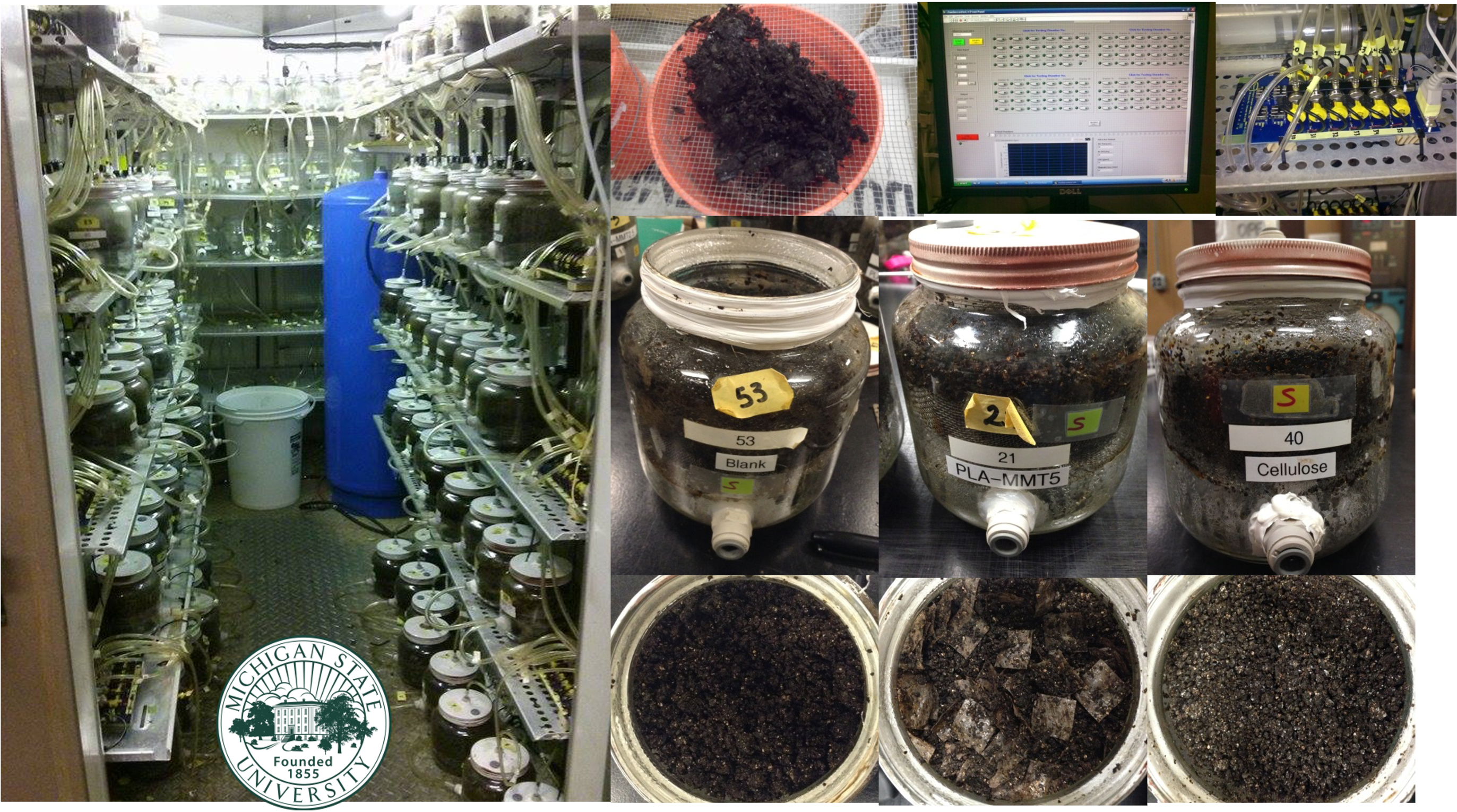
Rafael Auras is a Professor and the Amcor Endowed Chair in Packaging Sustainability at Michigan State University's School of Packaging. He leads a dynamic research group focused on developing sustainable packaging systems derived from renewable resources and mitigating end-of-life effects of these systems. His work addresses critical environmental challenges posed by conventional plastics, particularly "white pollution" caused by accumulation of human-made materials in the environment. Dr. Auras earned his undergraduate degree in chemical engineering from the National University of Misiones in Argentina, an MS in Materials Science and Technology from the National University of San Martin in Buenos Aires, Argentina, and a PhD in packaging from Michigan State University. His research centers on three main pillars: developing novel biobased and biodegradable polymers (particularly polylactic acid, poly(hydroalkanoates), and thermoplastic starch), tailoring polymer biodegradability through understanding abiotic and biotic degradation phases, and designing sustainable packaging systems using life cycle assessment methodologies. His work bridges materials science, environmental engineering, and sustainability science to address packaging's role in the circular economy and United Nations Sustainable Development Goals. Analysis of Dr. Auras' recent publications reveals a strong emphasis on life cycle assessment methodologies, biodegradation mechanisms of polymers under various environmental conditions, and development of high-performance biobased packaging materials with improved barrier properties. His research has significant implications for reducing plastic waste, particularly in food packaging applications where contamination often prevents conventional recycling. Amcor Endowed Chair in Packaging Sustainability Editorial Board Member - Food Packaging and Shelf Life (Elsevier) Editorial Board Member - Polymers (MDPI) Editorial Board Member - Journal of Packaging Technology and Science (Wiley) Representative member for Sustainable Packaging Coalition Dr. Auras has supervised numerous undergraduate, graduate, and post-doctoral researchers, with current students focusing on stereocomplex PLA structures, life cycle assessment of packaging systems, and sustainable packaging design. He teaches PKG 470 (Packaging Sustainability), PKG 825 (Polymeric Packaging Materials), and PKG 880 (Life Cycle Assessment), having co-authored the textbook "Life Cycle of Sustainable Packaging: from Design to End of Life" to support these courses. The Auras Lab at MSU maintains state-of-the-art equipment for polymer characterization, biodegradation testing, and life cycle assessment modeling. The lab collaborates extensively with Fortune 500 companies and government agencies on research projects addressing sustainable packaging challenges, with particular focus on creating packaging solutions that minimize environmental impact while maintaining functionality.
Dr. Lisa van Sluijs is an Assistant Professor at the Laboratory of Nematology within the Plant Research International (PE&RC) at Wageningen University & Research. Her research focuses on nematology, virology, and genetics, particularly in the context of Caenorhabditis elegans. She has published extensively on topics including nematode-virus interactions, genetic variation in disease susceptibility, and the ecological implications of microbial communities. Key Research Areas: Nematode biology, viral pathogenesis, genetic mapping, and ecological dynamics. Affiliations: Co-promotor in multiple PhD projects, including studies on plant-parasitic nematodes and C. elegans ethanol responses. Notable Awards: Best presentation Zoology (2017), Thesis cover price (2020), and Travel Award ICN (2020). Her work bridges fundamental biology with applied research, addressing questions about host-pathogen interactions, population genetics, and environmental microbiology. She actively participates in conferences and organizes events like the TE-NEM Symposium, contributing to scientific outreach and collaboration.
Serge Stoll is a Senior Lecturer in Analytical, Environmental Physical Chemistry, and Soft Matter Science at the Department F.-A. Forel for Environmental and Aquatic Sciences, University of Geneva. He teaches colloid and polymer chemistry, environmental chemistry, and water quality courses at both undergraduate and graduate levels, including within the Master of Environmental Sciences program. Research Interests: His research focuses on understanding the fate, transport, aggregation, and sedimentation of colloids, biopolymers, and manufactured nanoparticles in aquatic environments. He employs both experimental techniques and advanced computational modeling (Monte Carlo, molecular dynamics) to link molecular-scale processes with macroscopic environmental behavior. Key areas include microplastics, nanoparticle toxicity, and applications in water treatment technologies. The recent publications highlight a strong trend in environmental nanotechnology, particularly the behavior of microplastics and engineered nanoparticles in urban water cycles and drinking water systems. The work spans from fundamental soft matter simulations to applied wastewater and drinking water treatment, often involving interdisciplinary collaborations and European research projects like NanoFASE and NanoMILE. Scientific Awards and Recognition: Represented Switzerland at the CERC3 Workshop on Colloidal Synthesis and Characterization, Bristol, UK Member of the selection committee for the Institut Universitaire de France Co-editor of the Journal of Colloid Science and Biotechnology Advising and Grants: Serge Stoll has supervised approximately 10 PhD theses, including recent graduates A.D.J. Negrete Velasco and G.J. Hul. His research is supported by the Swiss National Research Foundation and through participation in large-scale European projects such as NanoFASE and NanoMILE, indicating sustained funding and international collaboration. Laboratories and Research Teams: His group operates within the Institute of Environmental Sciences (ISE) at the University of Geneva and collaborates extensively with European and international research groups. The team combines experimental and computational approaches to study colloidal systems in environmental contexts, contributing to both fundamental science and practical water treatment solutions.
Maryam Mohammadi-Aragh is an Assistant Research Professor in the Department of Agricultural and Biological Engineering at Mississippi State University. Her research focuses on pathogen mitigation in poultry production systems, sustainable agroforestry, and environmental microbiology. She holds a Ph.D. in Sustainable Bioproducts, along with M.S. and B.S. degrees in Food Science from Mississippi State University. Education: Ph.D., Sustainable Bioproducts, Mississippi State University M.S., Food Science, Nutrition, and Health Promotion, Mississippi State University B.S., Food Science, Nutrition, and Health Promotion, Mississippi State University Research Interests: Optimizing disinfection methods for poultry hatching eggs using electrostatic spray technology Exploring biochar applications in poultry litter management to reduce pathogen loads Investigating microbial community dynamics in agricultural systems Key Contributions: Published findings on biochar's impact on E. coli populations in poultry litter Developed methods for assessing integron presence in poultry litter Conducted metagenomic analyses of wood preservative-treated field stakes Her work bridges environmental engineering, microbiology, and sustainable agriculture to address critical challenges in poultry production and agroecosystem management.
Paschalis Gkoupidenis is an Associate Professor at North Carolina State University (NC State), holding a joint appointment in the Department of Electrical and Computer Engineering and the Department of Physics. He is a pioneer in organic neuromorphic electronics, focusing on emulating and interfacing biological systems with advanced electronic devices. His work bridges materials science, neuroscience, and robotics, aiming to develop energy-efficient bioelectronic interfaces and distributed intelligent circuits. Education: BSc in Physics (University of Ioannina, 2005), MSc in Microelectronics (University of Athens, 2007), and PhD in Materials Science (National Centre of Scientific Research, Demokritos, 2014). Postdoctoral research included work at the Department of Bioelectronics (EMSE, France) and the Max Planck Institute for Polymer Research (Germany), where he led a group in molecular electronics. Research interests span neuromorphic computing, biohybrid robotics, and organic materials for adaptive systems. His group develops devices emulating neural processes, enabling applications in sensors, soft robotics, and biocomputing. Notable contributions include organic artificial neurons and bio-inspired learning algorithms featured in Nature Communications and Science Advances . Awards and recognition include frequent media coverage (Scientific American, Max Planck Society Newsroom) and invited talks at MRS and SPIE conferences. He co-leads NC State’s Organic and Carbon Electronics Cluster (ORaCEL) and participates in the Chancellor’s Faculty Excellence Program. Grants and collaborations focus on interdisciplinary projects merging electronics with biology. His lab’s innovations include bio-inspired multimodal learning systems and energy-efficient bioelectronic circuits on biodegradable substrates.
Guillermo Pelaz Guerra is a researcher at the Department of Analytical Chemistry, Physical Chemistry, and Chemical Engineering at Universidad de Alcalá (UAH). He holds a PhD from the Universidad de León (2023) with a thesis focusing on microbial electromethanogenesis and process optimization under varying environmental conditions. His work integrates electrochemistry, microbial ecology, and environmental engineering to address challenges in sustainable energy production and waste valorization. Research interests include microbial electrosynthesis for CO2 conversion, bioelectrochemical systems for methane production, and the development of low-temperature bioprocesses. He leads the IQUAH (Chemical and Environmental Engineering) research group, exploring applications in wastewater treatment, biofilm engineering, and carbon footprint reduction in industrial systems. His publications emphasize process scalability, parameter optimization (e.g., pH, temperature, gas composition), and the impact of operational disruptions on bioprocess stability. Key advancements include studies on hydrothermal carbonization exhaust gas conversion and the use of waste-derived activated carbon for dye removal. Guillermo’s work bridges fundamental microbiology with applied engineering solutions, aiming to create resilient and sustainable bioprocess frameworks.
Prof. Dr. Selçuk Yildirim is a leading researcher in sustainable food packaging technologies at the ZHAW School of Life Sciences and Facility Management . His work focuses on developing innovative solutions to extend food shelf life while minimizing environmental impact through biopolymer composites, oxygen scavenging systems, and valorization of food industry side streams. Current Projects : Sustainable Food & Packaging Knowledge Hub, Valorization of Swiss Agri-Food Side Streams, Calcium Carbonate-Based Active Packaging Research Themes : Biopolymer Films, Oxygen Scavenging, Antimicrobial Packaging, Modified Atmosphere Packaging Research Trends in his publications span Food Chemistry , Material Science , and Environmental Sustainability . Key subfields include Biopolymer Composites Active/Intelligent Packaging Essential Oil Applications Palladium Catalysts Nanomaterial Integration Waste Valorization Patents include Antimicrobial Coatings (WO2021224317A1) and Compostable Capsules (WO2021044024A1). Collaboration Networks involve institutions like ETH Zurich, Victoria University, and COST Action FA0904. He has presented at 21st IAPRI World Conference, EuroFoodChem XX, and Baltic Polymer Symposium.
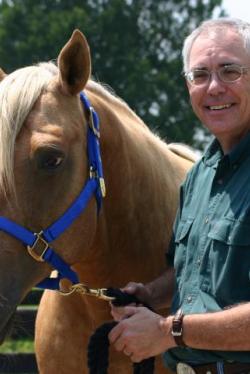
Bob Coleman is an Associate Professor in the Martin-Gatton College of Agriculture, Food and Environment at the University of Kentucky , specializing in equine extension. His career spans 1998–present at the University of Kentucky and 1980–1998 at Alberta Agriculture, Food and Rural Development. Education : PhD in Animal Science (University of Alberta, 1998), MS in Animal Science (University of Manitoba, 1978), BS in Agriculture (University of Manitoba, 1975) Dr. Coleman's research focuses on equine nutrition , forage utilization , horse management , and industry economics . He has contributed extensively to equine facility design, pasture management, and health-related studies. His recent publications (2016–2024) address practical challenges in equine agriculture, including rotational grazing, arena maintenance, facility design, and metabolic health. These works emphasize applied solutions for sustainable horse management.
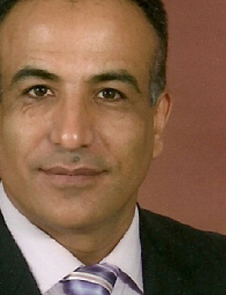
Dr. Majid Sartaj is a Professor in the Department of Civil Engineering at the University of Ottawa. He earned his B.Sc. in Iran, followed by M.A.Sc. and Ph.D. in Environmental Engineering from the University of Ottawa (2001). Prior to joining Ottawa, he served as faculty at Isfahan University of Technology and worked as a Project Engineer for a Caribbean landfill project. University of Ottawa (Professor, 2011–present) Isfahan University of Technology (previous faculty) His research focuses on sustainable solid waste management , particularly bioreactor landfilling and biogas/NRG production , alongside bioremediation of contaminated soils and adsorption/ion-exchange processes for industrial contaminants. Additional work includes water quality modeling and groundwater protection. The 15 most recent publications demonstrate expertise in: Green technologies for contaminant removal Advanced biogas production methods Nanomaterials in environmental remediation Machine learning for process optimization Resource recovery from waste streams Current research extends into statistical modeling of environmental systems and eco-friendly approaches to waste valorization.