Jérôme Creuze is a Professor of Chemistry at Université Paris-Saclay, affiliated with the Institute of Molecular Chemistry and Materials of Orsay (ICMMO - UMR 8182) under the SP2M unit. He co-leads the Synthesis, Properties and Modeling of Materials team, focusing on thermodynamics of metallic nanoalloys , environmental effects on alloy surfaces , and metal-on-metal heteroepitaxy using atomic-scale simulations. Research Themes : Nanoalloys Thermodynamics, Surface Segregation, Heteroepitaxy, Ab Initio Modeling, Defects and Diffusion in Solids Recent Publications : 15+ studies on nanoalloy surface energy, dislocation loops, Vegard’s rule deviations, and environmental impacts on alloys. Collaborations : Partners include teams from ONERA (Châtillon), CEA Saclay, IWD-SINAP (Shanghai), and universities in Marseille, Montpellier, and Paris. Teaching : Coordinates CPGE L'Essouriau chemistry program and leads courses on thermodynamics, defects, and diffusion in crystalline solids at Master's level.
Professor Yong Kang Chen is a Professor of Applied Mechanics at the University of Hertfordshire, where he leads the Energy and Sustainable Design research group and serves as Head of the Automotive, Mechanical and Mechatronic Division in the School of Physics, Engineering & Computer Science. He holds a PhD, MSc, and BEng, and is a Chartered Engineer (CEng) with fellowships from the Institution of Mechanical Engineers (FIMechE) and Higher Education Academy (FHEA). His research focuses on applied mechanics with specialized interests in renewable energy systems, computational fluid dynamics, nanomaterials, and structural integrity. Key research themes include: Energy storage systems and flywheel technology optimization Phase change materials for building efficiency Wind turbine design for urban environments Surface engineering of polymer nano-composites Nano-fluid applications in thermal systems His publication portfolio demonstrates strong emphasis on sustainable energy solutions, with recent work exploring wind turbine shroud systems, PCM-enhanced building materials, and flywheel energy storage optimization. Nanomaterial research constitutes a significant secondary focus, particularly carbon quantum dots for optoelectronic applications. Honors include: Fellow of The Institution of Mechanical Engineers (FIMechE) Fellow of the Higher Education Academy (FHEA) He has secured over £1.3 million in research funding from EPSRC, Innovate UK, EU FP7 programs, and industrial partnerships. Notable projects include leadership roles in EU MAAT and SHELL consortiums, thermal analysis for Global Invacom Ltd, and development of structural health monitoring for wind turbine blades. He leads multiple active laboratories focusing on energy systems and advanced materials characterization.
Dr. Katalin KOPECSKÓ is Associate Professor in the Department of Engineering Geology and Geotechnics , Faculty of Civil Engineering, Budapest University of Technology and Economics (BME) . She lectures on construction-materials chemistry, durability and advanced concrete technologies, and maintains an active research portfolio spanning radioactive-waste solidification, geopolymer binders, supplementary cementitious materials and fibre-reinforced cementitious composites. Education & Academic Career Long-standing faculty member at BME Faculty of Civil Engineering (exact degrees not specified in text). Regular instructor for master-level courses: Alkali Activated Materials in Civil Engineering , Chemistry of Construction Materials , Durability of Construction Materials , Structure–Property Relations of Concrete . Holds weekly consultation hours on Thursdays 12–14 in building K, basement level, room 10/5. Research Focus Her research integrates materials science , geotechnical engineering and nuclear-waste management . Recent investigations include: Development of alkali-activated recipes for borate-rich liquid radioactive waste using limestone-portland blends. Application of semi-adiabatic calorimetry to identify optimal cement types for radioactive waste cementation. Enhancement of 3D-printing performance of concrete via metakaolin and silica fume. Long-term geotechnical and hydraulic impacts of municipal solid-waste leachate on soils. Durability of natural-fibre and nanocellulose-reinforced geopolymer mortars. Corrosion behaviour of vitrified high-level waste glass under simulated repository conditions. Across 2022-2025 she has published more than 40 peer-reviewed articles, reflecting a clear shift toward sustainable construction materials , nuclear environmental safety and advanced testing methodologies . Laboratory & Collaborative Environment Dr. KOPECSKÓ operates within BME’s well-equipped Engineering Geology and Geotechnics laboratories, where calorimetry facilities, geopolymer synthesis rigs and microstructural analysis tools support her projects. Close collaboration exists with the Vásárhelyi Pál Doctoral School and the national nuclear-waste management programme at Paks NPP, evidenced by joint publications on cemented-waste testing laboratories. Grants & Awards While specific grant numbers are not listed, her sustained output in high-impact journals and participation in national projects (e.g., NVKP_16-1-2016-0019 “Increasing the Chemical Resistance of Concrete”) indicate continuous external funding. Contact Office: Building K, basement, room 10/5, Budapest University of Technology and Economics. E-mail: kopecsko.katalin@emk.bme.hu Phone: +36 1 463 2238
Dr. TÓTH Csaba is an Associate Professor at the Department of Highway and Railway Engineering, Budapest University of Technology and Economics (BME), Faculty of Civil Engineering. He teaches courses such as Highway and Railway Structures (BMEEOUVAI41) and Pavement Structures (BMEEOUVMU63), while previously teaching Pavement Analysis and Design (BMEEOUVDT81) and Project Management in Transportation (BMEEOUVMU-4). His research focuses on asphalt technology, pavement diagnostics, and sustainable road construction. Phone: +36 1 463 1154 Room: ÉL. ép / 206/E Research Interests: His work emphasizes non-destructive evaluation methods (e.g., Ground-Penetrating Radar), rheological modeling of asphalt binders, recycled asphalt pavement applications, and climate-adapted pavement design. Key methodologies include the Ramberg-Osgood model for dynamic modulus prediction and the virtual inertial point method for structural diagnostics. Scientific Contributions: Recent research trends highlight sustainable road rating systems, thermal stress analysis in asphalt pavements, and advanced diagnostic techniques for infrastructure monitoring. Scientific Awards: Magyar Felvételi Scholarship (#építő250)
Don Chen is a Professor in the Department of Engineering Technology and Construction Management at the William States Lee College of Engineering, University of North Carolina at Charlotte, specializing in civil engineering technology and construction management. His research integrates advanced computational methods with infrastructure engineering to address critical challenges in transportation and construction systems. His educational background includes: Ph.D. in Civil Engineering, Iowa State University, Ames, IA, August 2006 M.S. in Civil Engineering, Iowa State University, Ames, IA, December 2002 B.S. in Civil Engineering, Tongji University, Shanghai, China, July 1992 Professor Chen's research focuses on Pavement Management Systems, Building Information Modeling (BIM), Parametric Modeling and Visualization, Accelerated Bridge Construction, and Deep Learning in Construction. His work develops innovative models for pavement performance prediction, BIM-based energy optimization, and construction process visualization, significantly advancing infrastructure management and sustainable construction practices through data-driven approaches and computational intelligence. His scientific recognition includes: LEED AP (Leadership in Energy and Environmental Design Accredited Professional) since June 2009 Autodesk Certified Professional: Revit Architecture (2018 to present) Professor Chen has secured substantial research funding as Principal Investigator (PI) and Co-PI on multiple grants, primarily from the North Carolina Department of Transportation (NCDOT) and buildingSMART International. His projects include "Development of Performance Curves for Composite Pavements in PMS" (NCDOT, 2015-2017), "Setting Appropriate Benefit/Condition Jumps for Pavement Treatments in PMS" (NCDOT, 2015-2017), "Evaluation of Benefit Weight Factors and Decision Trees for Automated Distress Data Models" (NCDOT, 2014-2016), and "Generating Construction Schedules Using OPEN BIM" (buildingSMART International, 2013). His scholarship of teaching and learning grant developed the Project-Based Integrated Work/Review Cycle (PBIWR) for accelerated construction education. He actively integrates BIM and deep learning technologies into construction engineering curricula and industry practices, developing frameworks for fenestration systems and energy-efficient building design while advancing pavement management methodologies through sophisticated performance modeling.
Prof. Dr. Yiğit Karpat is a faculty member at Bilkent University with a joint appointment in the Department of Industrial Engineering and Mechanical Engineering. He leads research at the Micro System Design and Manufacturing Center and collaborates with UNAM (National Nanotechnology Center). Ph.D., Industrial Engineering, Rutgers University (2007) M.S., Mechanical Engineering, Middle East Technical University (2000) B.S., Mechanical Engineering, Dokuz Eylul University (1996) His research focuses on precision manufacturing, micro machining, and composite material processing, particularly for CFRP and titanium alloys. Key interests include: Digital twin modeling for machining processes Surface integrity analysis Friction and wear in micro cutting Tool design optimization Additive manufacturing integration Recent publications analyze micro-scale process mechanics and surface integrity in silicon and titanium machining. Current projects funded by TÜBİTAK and TAI include: Development of digital process twin for micro milling (TÜBİTAK 1001, 2024-2026) Ductile mode machining of silicon (TÜBİTAK 1001, 2019-2021) Brittle material machining with nanostructured tools (TÜBİTAK 1001, 2015-2017) He supervises both M.Sc and Ph.D students while serving on multiple TÜBİTAK and defense industry projects.
Charlotte Chang serves as Assistant Professor of Biology and Environmental Analysis at Pomona College, where she has been faculty since 2020. Her dual appointment bridges the Department of Biology and Environmental Analysis program, with laboratory space in Seaver South. She maintains active affiliations including a Visiting Science Fellowship with The Nature Conservancy's One Conservancy program and collaborations with Centre for Wildlife Studies India and Wildlife Conservation Society. Ph.D. in Ecology and Evolutionary Biology, Princeton University Master of Philosophy, University of Cambridge Bachelor of Arts, Pomona College Chang's research integrates social-ecological systems analysis to advance conservation science, specializing in digital conservation constituencies, illicit wildlife hunting dynamics, and agroforest management for habitat specialists. Her lab employs innovative methodologies combining data science, quantitative ecology, and field methods to examine human-environment interactions across tropical systems. Current projects include LLMs for natural climate solutions evidence mapping and environmental social media analysis for conservation outreach optimization. Her publication record demonstrates consistent high-impact output across conservation biology, ecological modeling, and social science journals. Trends show increasing focus on digital conservation mobilization since 2020, with notable work on Twitter environmental discourse and platform migration patterns. Earlier research established foundational work on hunting motivation in Southwest China and coffee agroforest biodiversity in India's Western Ghats. David H. Smith Conservation Research Fellow National Science Foundation NIMBioS Postdoctoral Fellow IUCN Critical Ecosystem Partnership Fund Research Grant NSF GROW with USAID research fellowship Fulbright Fellowship Chang actively mentors early-career researchers across North America and Asia, with notable success in placing mentees in conservation organizations and graduate programs. Her lab receives funding from multiple NSF programs and conservation NGOs, supporting fieldwork in China, India, and Southeast Asia. Current grants focus on social media analysis for conservation outreach and natural climate solutions mapping. The Chang Lab operates as an interdisciplinary hub combining computational ecology, conservation social science, and field research. Her team collaborates with environmental practitioners, community leaders, and academic colleagues globally, with recent projects spanning the Western Ghats, Southwest China, and digital conservation networks worldwide.
Leila Ahmadpour is a Postdoctoral Fellow at Luiss University and the University of Bologna, holding a PhD in Management from the University of Bologna. She serves as an Adjunct Professor in master's programs at Luiss University's Department of Business and Management, teaching courses on healthcare innovation and circular economy. Education: Postdoctoral Fellow (2023-present) at University of Bologna and Luiss University, Rome Visiting Scholar (2022-2023) at San Jose State University, California, USA PhD in Management (2017-2022) from University of Bologna, Italy M.Sc in Industrial Engineering, Supply Chain Management (2011-2013) from Islamic Azad University, Qazvin, Iran Her research spans two critical domains: surgical team dynamics with focus on technology integration (particularly 3D printing in orthopaedic workflows), and circular business model implementation in startups. She examines knowledge sharing, boundary blurring, and performance in temporary medical teams while investigating sustainable investor support for circular economy practices in entrepreneurial ventures. Her work bridges organizational theory with practical healthcare and sustainability challenges. Publication analysis reveals a methodological shift from early supply chain risk modeling (2015-2017) toward contemporary studies on surgical teams and circular business models (2022-2025). Recent work demonstrates strong emphasis on 3D printing technology adoption in healthcare settings and circular economy applications, utilizing case studies across surgical environments, construction industries, and Iranian manufacturing sectors. Dr. Ahmadpour has no documented scientific awards. Her academic contributions include teaching master's level courses and participating in research projects at Luiss University and the University of Bologna, though specific grant funding or student advising roles remain unreported. Her operational base is Luiss University's Department of Business and Management, where she applies interdisciplinary approaches to organizational innovation.
Sesilja Aranko is an Assistant Professor at Aalto University , affiliated with the Department of Bioproducts and Biosystems. Her research focuses on protein engineering, biomolecular condensates, and sustainable materials derived from biological macromolecules. Research Groups : Cellular Engineering Email : sesilja.aranko@aalto.fi Her work explores protein self-assembly mechanisms, particularly in spider silk and collagen systems, leveraging liquid-liquid phase separation for advanced biomaterial design. Recent studies investigate how polymer length and modular protein architecture control condensate properties, alongside developing bio-inspired adhesives from recombinant proteins and nanocellulose. She has pioneered the use of Catcher/Tag click-reaction tools for protein engineering and developed sustainable methods for spider silk production with inherent functionalization potential. Collaborative projects span marine biology (sea cucumbers) and keratin waste upcycling for textile applications. Key methodologies include intein-mediated protein splicing, segmental isotopic labeling, and structural characterization of protein ligation systems. Her research bridges fundamental biophysics with industrial applications in sustainable chemistry and biomimetic composites.
Andrej Bogdanov is a Professor at the University of Ottawa in the School of Electrical Engineering and Computer Science . He earned his B.S. and M.Eng. from MIT and Ph.D. from UC Berkeley . Before joining Ottawa, he held positions at the Chinese University of Hong Kong , ITCS (Tsinghua) , DIMACS (Rutgers) , and the Institute for Advanced Study . He has served as a Visiting Professor at the Tokyo Institute of Technology (2013) and the Simons Institute (2017, 2021). Research Interests : Computational complexity, cryptography foundations, pseudorandomness, one-way functions, property testing, quantum algorithms, and sublinear-time algorithms. Teaching : Courses on Discrete Mathematics, Great Algorithms, Computational Complexity, and Cryptography at University of Ottawa, Chinese University of Hong Kong, and Rutgers University. Publications : 15+ recent works in TCC , CRYPTO , ICALP , RANDOM , and journals like Journal of Cryptology and Theory of Computing . Service : Program co-chair for SAC 2026 , and committee member for major conferences including CRYPTO , TCC , Eurocrypt , and FOCS . Advising : 12 current and former Ph.D./M.Phil. students, with postdoctoral advisees at institutions like IIT Palakkad and Academia Sinica . His work bridges theoretical computer science with applications in cryptography, quantum computing, and network security.
Iliyan Georgiev is a research scientist at Adobe, specializing in advanced computer graphics and physically based rendering. He holds a Bachelor's degree in Computer Science from Sofia University, Bulgaria, and a Master's degree from Saarland University, Germany, supported by a fellowship from the Max-Planck Institute. His work focuses on improving rendering efficiency through Monte Carlo methods, light transport simulation, and neural rendering techniques. Georgiev's research bridges the gap between theoretical and applied graphics, with contributions to bidirectional rendering algorithms, importance sampling, and 3D scene modeling. His publications highlight innovations in variance reduction, path sampling, and material-aware rendering. He has collaborated with leading institutions and companies, including Intel Visual Computing Institute, Disney Research Zürich, Weta Digital, Chaos Group, and Autodesk. Notable scientific awards include the Best Student Paper Award at ICPRAM 2025 and the Best Paper Award at EGSR 2024.
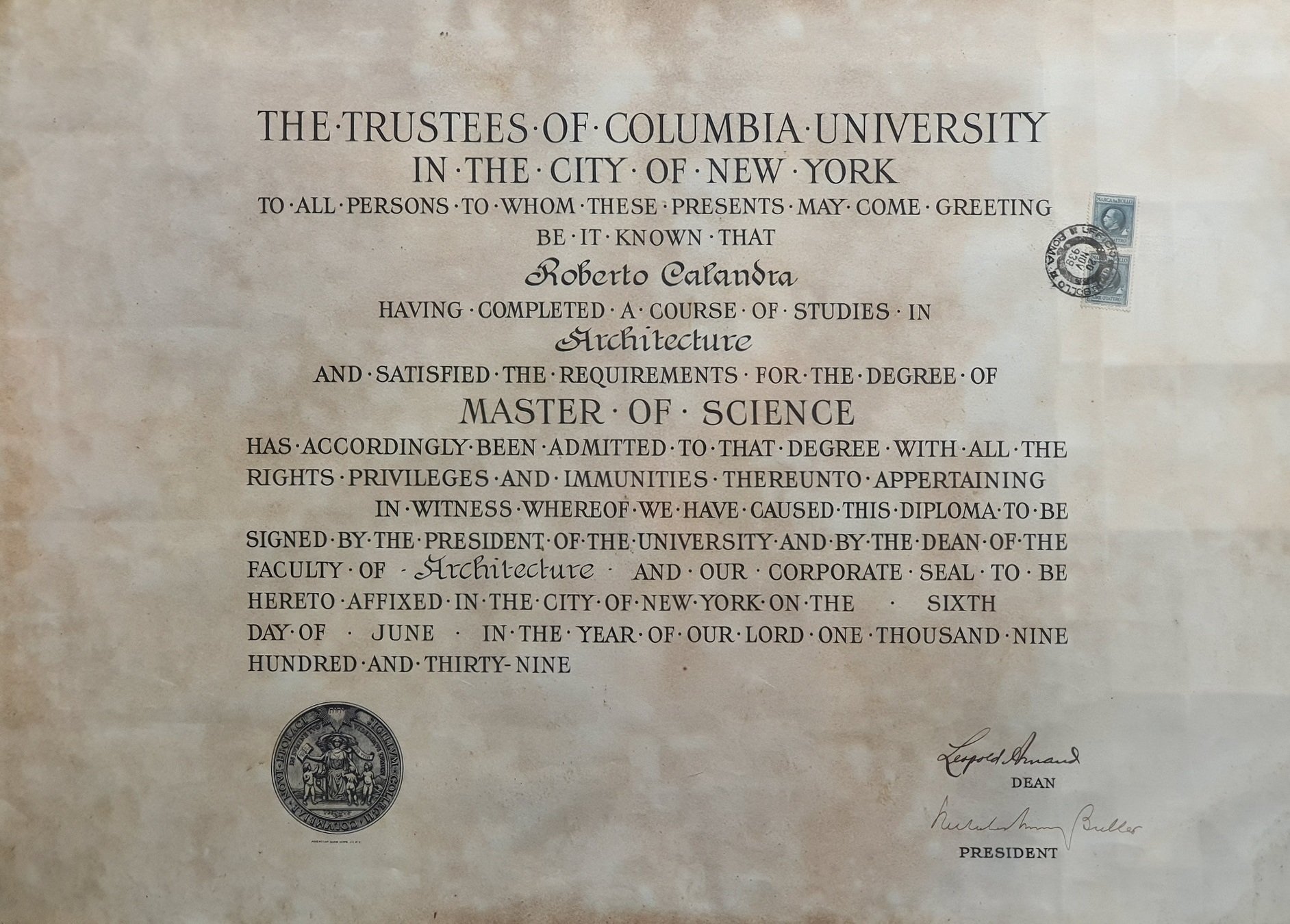
Roberto Calandra is a Full (W3) Professor at Technische Universität Dresden, where he leads the Learning, Adaptive Systems and Robotics (LASR) Lab. Previously, he served as a Research Scientist at Meta AI (formerly Facebook AI Research) and a Postdoctoral Scholar at UC Berkeley’s BAIR Lab under Sergey Levine. His academic journey includes a PhD in Robotics from TU Darmstadt, an M.Sc. in Machine Learning from Aalto University, and a B.Sc. in Computer Science from Università di Palermo. His research bridges Robotics and Machine Learning, focusing on tactile sensing, Bayesian Optimization, and model-based reinforcement learning. He pioneered the DIGIT tactile sensor , now the most widely used tactile sensor in robotics, and advocates for a computational field of Touch Processing to advance haptic understanding. His work emphasizes data-efficient learning, real-world dexterous manipulation, and multimodal perception. Recent publications highlight breakthroughs in tactile sensor design, in-hand object manipulation, and multimodal integration. He organizes workshops on robotics and machine learning (e.g., at NeurIPS, ICRA) and promotes open-source tools like PyTouch and TACTO .
Robert Godwin-Jones is a Professor in the Department of Foreign Language at Virginia Commonwealth University's College of Humanities and Sciences, where he has served since 1979. He holds the position of Foreign Language Liaison and maintains active scholarly contributions through his "German Stories" digital repository and "Communicating Across Cultures" blog, focusing on technology-enhanced language pedagogy and intercultural communication. His educational background includes: B.A. in French and German from Franklin and Marshall College (1971) M.A. in Comparative Literature (German, French, and English) (1973) Ph.D. in Comparative Literature from the University of Illinois Urbana-Champaign (1977) Dr. Godwin-Jones specializes in Computer-Assisted Language Learning (CALL), with research spanning artificial intelligence applications, virtual reality environments, and digital literacies for language learners. His work examines how emerging technologies transform second language acquisition through ecological semiotics, distributed agency models, and multimodal communication frameworks. He investigates pedagogical translanguaging strategies for less commonly taught languages and analyzes authenticity in AI-mediated language interactions, particularly in pragmatics and writing development. Analysis of his 2021-2025 publications reveals three dominant trajectories: (1) generative AI integration in language instruction with emphasis on ethical implementation and threat mitigation; (2) extended reality applications creating immersive language spaces in the metaverse; and (3) ecological approaches connecting smart devices, ambient intelligence, and situated learning contexts. His scholarship consistently bridges theoretical frameworks with practical classroom applications across 19th-century German literature studies and contemporary language education. He maintains active professional engagement through memberships in: Delta Phi Alpha German Honorary Society Phi Kappa Phi Honorary Society Modern Language Association American Association of Teachers of German American Association of Teachers of French Foreign Language Association of Virginia As director of the "German Stories" project since 1994, he has curated verified editions of 19th-century German narratives with English translations under Creative Commons licensing, creating what has become a foundational resource for literary study and language acquisition. His blog extends this work through contemporary analyses of intercultural communication challenges, while his scholarly leadership in organizations like CALICO shapes national discourse on technology in language education. His laboratory functions as the "German Stories" digital ecosystem, which has evolved into a comprehensive platform hosting annotated texts, pedagogical resources, and research archives. This environment supports both formal classroom instruction and informal learning communities, demonstrating his commitment to porous classroom models that integrate physical and digital learning spaces.
Cristina L. M. Silva is an Associate Professor at the Escola Superior de Biotechnology within Universidade Católica Portuguesa . She specializes in Food Science and Engineering with a focus on modeling and optimization of food processes , sustainable food systems , and preservation technologies like ultrasound, ozone, and UV-C radiation. Her work extends to by-product valorization , particularly in fruit and vegetable processing. She was elected a Fellow of the International Academy of Food Science and Technology (IAFoST) in 2022, reflecting her global leadership in food engineering education. She chairs the IUFoST Education Working Group 1.2 and serves on the advisory board of the ISEKI-Food International Association . Additionally, she is editor-in-chief of the International Journal of Food Studies and associate editor for multiple journals. Research Interests: Food process modeling, sustainable technologies, microbial safety, by-product valorization, and educational innovation in food science. Leadership: Deputy Director for Internationalization at ESB; led the CBQF Food Processing Engineering lab . Scientific Awards: IAFoST Fellow (2022).
Leteng Lin is a Senior Lecturer at the Department of Built Environment and Energy Technology, Faculty of Technology, Linnaeus University. He holds a PhD in Chemical Engineering (2013), Master's (2005), and Bachelor's (2002) degrees from the same field. His research focuses on energy technology, chemical engineering, and sustainable resource utilization, particularly in combustion, gasification, and pyrolysis processes for biomass and waste feedstocks.