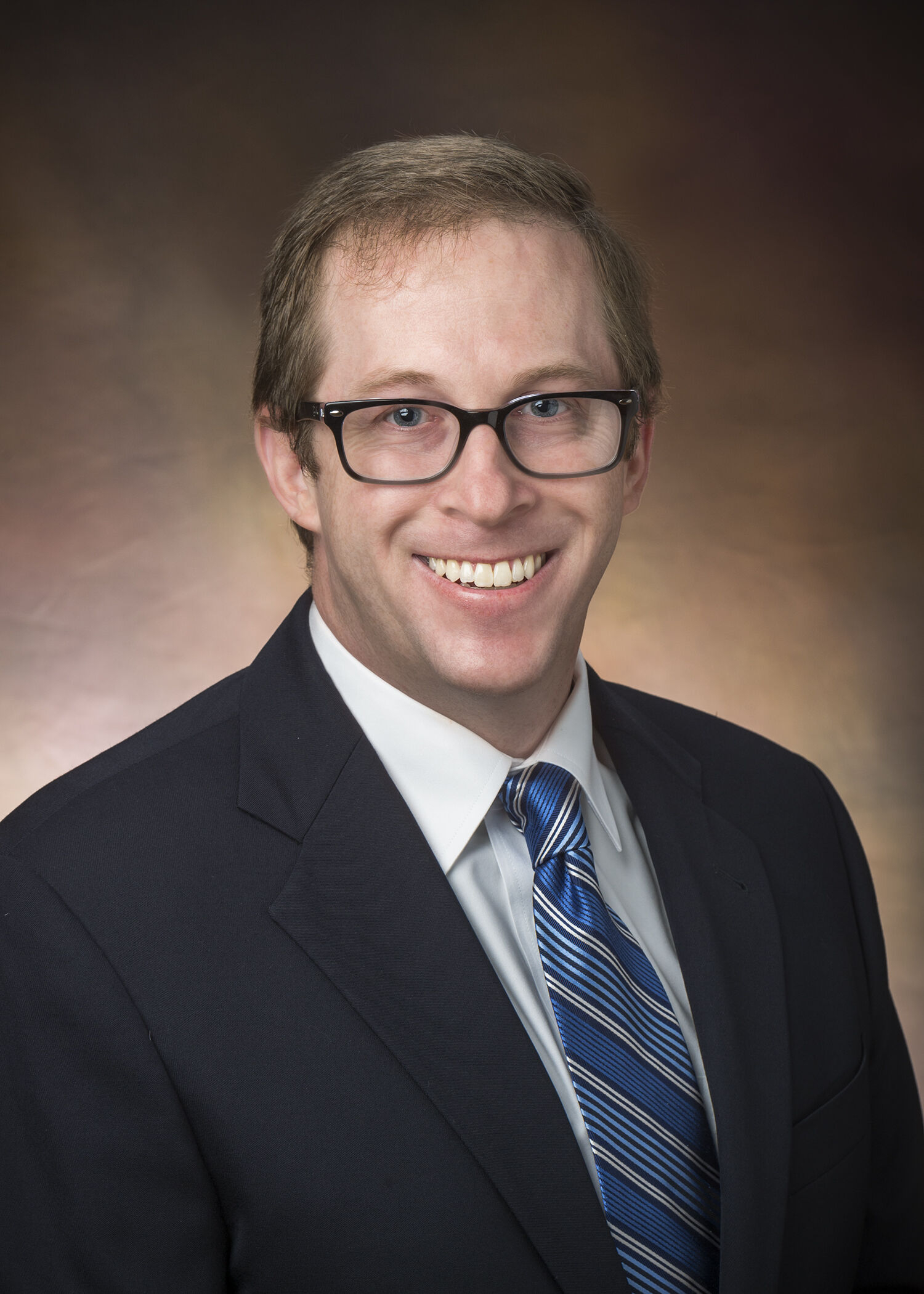
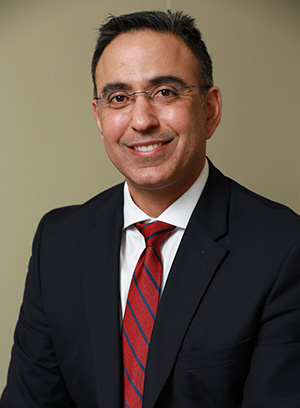
Patrick J. Cahill, MD, is a pediatric spine specialist and the Robert M. Campbell Jr. Endowed Chair in Thoracic Insufficiency Syndrome at Children's Hospital of Philadelphia (CHOP). His clinical expertise spans disorders of the pediatric spine, scoliosis, cervical spine conditions, and minimally invasive surgical techniques. He leads the Center for Thoracic Insufficiency Syndrome, collaborating with pulmonology, anesthesia, and physical therapy teams. Academic Role: Physician Scientist Leadership: Director of the Center for Thoracic Insufficiency Syndrome Research Focus: Spinal growth modulation, 3D surgical planning, and reducing anesthesia exposure in young patients His work emphasizes fusionless treatments like magnetically expandable growing rods and Mehta casting, alongside innovations in dynamic MRI for preoperative assessment. Recent publications highlight comparative studies on spinal fusion techniques, surgical complication classifications, and multidisciplinary approaches to complex cases. Awards: Philadelphia Magazine's Top Doctors (2022), SRS Travelling Fellowship (2015) Professional Memberships: Scoliosis Research Society, North American Spine Society, Pediatric Orthopaedic Society of North America
Christopher Ames is a Clinical Professor in the Departments of Neurological Surgery and Orthopaedic Surgery at the University of California San Francisco (UCSF). He serves as Director of Spinal Deformity & Spine Tumor Surgery, Co-Director of the UCSF Spine Center, Director of the California Deformity Institute, and Director of the Spinal Biomechanics Laboratory. With over 200 annual spinal deformity cases, he specializes in complex procedures for scoliosis, kyphosis, and spinal tumors, pioneering innovative techniques including the transpedicular approach and AI decision support tools. Developed first cervical spine deformity classification Created Adult Deformity Frailty Index and Invasiveness Index Recipient of multiple Scoliosis Research Society awards His research, funded through studies like the ROSE Study and Telomere Study, focuses on spinal biomechanics, surgical outcomes, and AI integration in spine surgery. He has published over 600 peer-reviewed articles and serves as Spine Section Lead Editor for Operative Neurosurgery . Scientific Awards: Hibbs Award (3×) Goldstein Award Whitecloud Award Top Doctors (Neurosurgery & Cancer) US News Top 1% Neurosurgeons
Dr. Samantha Spencer is an Assistant Professor of Orthopedic Surgery at Harvard Medical School and a practicing Orthopedic Surgeon at Boston Children's Hospital, where she serves as Director of the Lower Extremity and Deformity Program. She has been on staff since 2006, specializing in congenital and traumatic pediatric orthopedic conditions. Her clinical practice spans Boston, Waltham, and Weymouth locations. Education: Northwestern University (BS, 1996) University of Michigan Medical School (MD, 2000) Harvard Combined Orthopedic Residency Program (Residency, 2005) Boston Children's Hospital (Pediatric Orthopedic Fellowship, 2006) Research Focus: Dr. Spencer's work centers on lower extremity reconstruction, bone dysplasias (particularly osteogenesis imperfecta), and vascular anomalies. She collaborates with multidisciplinary programs including the Osteogenesis Imperfecta Clinic, Vascular Anomalies Center, and Lower Extremity Research Group. Her publications emphasize surgical outcomes, classification systems, and clinical guidelines for rare orthopedic and vascular conditions. Publications: Her recent work demonstrates strong focus on pediatric orthopedic surgery outcomes (68% of last 15 papers), with secondary themes in vascular anomalies (20%) and developmental biology (12%). Notably, 40% involve multicenter collaborations addressing complex disorders like skeletal dysplasia and tarsal coalition. Community Engagement: Dr. Spencer provides national outreach through patient advocacy organizations including Little People of America, Osteogenesis Imperfecta Foundation, and CLOVES Foundation Medical Advisory Board.
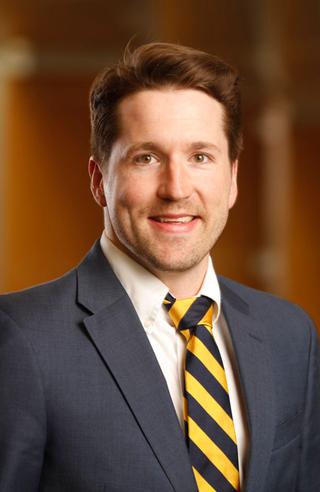
Tyler Schmidt, D.O., is an Assistant Professor in the Department of Neurosurgery at the University of Rochester Medical Center. He serves as Surgical Director of the Metastatic Brain and Spinal Tumor Program within the Wilmot Cancer Institute and is actively involved in the Translational Brain Mapping Program, integrating neuroscience research to optimize neurological outcomes in brain tumor surgery. Clinical Focus: Neurosurgical oncology, brain/spinal tumor surgery, metastasis management, and degenerative spine conditions. Technical Expertise: Minimally invasive techniques, stereotactic neuro-navigation, brain mapping, and tumor fluorescence-guided resection. Research Emphasis: Patient-centered value-based care for spinal disorders and surgical complication risk modeling. His publications span glioma surgery, spinal reconstruction, pediatric neurosurgical emergencies, and mobile stroke units, reflecting interdisciplinary collaborations. Recent works (2017-2020) highlight outcomes research in spinal surgery, thromboembolic complications in meningioma resection, and innovative approaches to neonatal neurovascular malformations. Dr. Schmidt completed his neurosurgical residency (2014-2020) and fellowship (2017-2018) at Rochester, with prior internship (2013-2014) at the same institution. He holds certification from the American Board of Neurological Surgery and contributes to national neurosurgical organizations.
Sheng Sang is an Assistant Professor in the Department of Engineering Sciences at Bethany Lutheran College. His research lies at the intersection of Mechanical Engineering and Biomedical Engineering, with a strong emphasis on machine learning applications in composite materials and elastic metamaterials. His research interests include: Mechanical & Biomedical Engineering Machine Learning on Composites Elastic Metamaterials and Composites Optimization of Medical Devices Finite Element Modeling and Simulation Dr. Sang's recent publications demonstrate a consistent focus on integrating deep learning techniques with mechanical systems, particularly in predicting composite microstructures, tracking particles in complex systems, and optimizing wave propagation in metamaterials. His work frequently employs 3D CNNs and other neural architectures to solve inverse problems in material science. Scientific awards and recognition include: Dr. Lehtola Fellowship Research Grant ($9,000, PI), 2021–2023 Graco Engineering Lab Development Grant ($60,000), 2020–2022 He has been actively involved in teaching a wide range of engineering courses such as Fluid Mechanics, Solid Mechanics, Thermodynamics, and Computer-Aided Design. His research is supported by external grants, indicating active supervision and project leadership. Dr. Sang has collaborated with researchers across disciplines, including neuroscience and medical imaging, particularly in studies involving deep brain stimulation and fMRI. He is affiliated with research teams working on: Active elastic metamaterials design Machine learning for material characterization Optimization of biomedical devices using swarm intelligence Development of advanced simulation tools for composite systems
Mark D. Krieger, MD is Professor of Clinical Neurological Surgery at the Keck School of Medicine of the University of Southern California, where he also serves as Senior Vice President and Surgeon-in-Chief, and Medical Director of the Neurological Institute at Children's Hospital Los Angeles (CHLA). With over 30 years of academic and clinical experience, Dr. Krieger specializes in pediatric neurosurgery with a focus on complex conditions including hydrocephalus, Chiari malformation, and pediatric brain tumors. Dr. Krieger's research spans multiple domains within pediatric neurosurgery. His primary interests include hydrocephalus management and shunt-related complications, Chiari malformation and syringomyelia, pediatric brain tumors and their molecular characteristics, and surgical outcomes research. As a principal investigator in the Hydrocephalus Clinical Research Network and the Park-Reeves Syringomyelia Research Consortium, he has led numerous multi-institutional studies examining best practices and outcomes in pediatric neurosurgical conditions. Analyzing his recent publication trends reveals a strong emphasis on evidence-based approaches to pediatric neurosurgical conditions. His work frequently addresses health disparities in neurosurgical outcomes, particularly racial disparities in hydrocephalus management. Dr. Krieger has made significant contributions to understanding shunt complications, optimizing timing of interventions in hydrocephalus, and advancing the molecular characterization of pediatric brain tumors. His research consistently bridges clinical practice with scientific investigation to improve outcomes for children with neurological conditions. Dr. Krieger maintains active involvement in surgical education and training, having contributed to studies on pediatric neurosurgery residency training in the United States. His leadership extends to national organizations, including the American Society of Pediatric Neurosurgeons, where he has provided guidance during critical periods such as the COVID-19 pandemic. His work with the Hydrocephalus Clinical Research Network has established important quality improvement initiatives, including the role of antibiotic-impregnated catheters in reducing shunt infections.
Dr. Andrea Bauer is an Associate Professor of Orthopedic Surgery at Harvard Medical School and an Orthopedic Surgeon at Boston Children's Hospital, where she serves as Director of the Brachial Plexus Program and Director of Faculty Development. She also serves as Co-School Physician at Berklee. Dr. Bauer is a specialist in pediatric hand, upper extremity, and peripheral nerve surgery, with a particular focus on brachial plexus birth injury, congenital hand differences, and peripheral nerve injuries. Dr. Bauer completed her undergraduate education at Princeton University (2001), medical school at Columbia University College of Physicians and Surgeons (2005), orthopedic surgery residency at Harvard Combined Orthopedic Residency Program (2010), hand surgery fellowship at Massachusetts General Hospital (2011), and pediatric hand surgery fellowship at Shriners Hospital for Children in Sacramento, CA (2011). Dr. Bauer's research primarily focuses on improving outcomes for children with brachial plexus birth injuries through early diagnosis and intervention. She has extensive expertise in congenital hand differences and peripheral nerve injuries in children. Her work bridges clinical practice and research to advance pediatric orthopedic care, particularly in complex nerve injuries and congenital conditions. She has been instrumental in developing protocols for diagnosing and treating brachial plexus injuries in infants, with an emphasis on improving functional outcomes. Analysis of Dr. Bauer's recent publications reveals a strong focus on brachial plexus birth injuries, congenital hand differences, and pediatric orthopedic conditions. Her work spans diagnostic techniques (particularly MRI), surgical interventions, and outcomes research. She has made significant contributions to understanding the relationship between perinatal factors and injury severity, developing return-to-play protocols for young athletes, and improving diagnostic accuracy for nerve injuries. Her research often involves multi-center collaborations and registry-based studies, reflecting her commitment to evidence-based practice in pediatric orthopedics. Dr. Bauer received the competitive Ruth Jackson Orthopaedic Society Traveling Fellowship in 2014, which she used to visit three centers specializing in brachial plexus birth injury treatment. This fellowship allowed her to bring innovative techniques and approaches back to Boston Children's Hospital, continuing the institution's legacy of advancing care for children with brachial plexus injuries. As Director of the Brachial Plexus Program at Boston Children's Hospital, Dr. Bauer oversees a comprehensive program dedicated to the care of children with brachial plexus injuries. The program includes multidisciplinary teams of surgeons, therapists, and researchers working together to provide optimal care from diagnosis through rehabilitation. Dr. Bauer also serves as Director of Faculty Development, playing a key role in mentoring junior faculty and shaping the educational mission of the department. Her clinical work spans multiple locations including Boston, Lexington, and Waltham, ensuring broad access to specialized pediatric orthopedic care.
Dr. Rosanna Wustrack is a Professor of Orthopaedic Surgery at the University of California, San Francisco (UCSF) School of Medicine, where she serves as the Chief of Orthopedic Oncology. She specializes in the surgical diagnosis and treatment of musculoskeletal tumors and fragility fractures, with a focus on limb salvage procedures and complex reconstructive surgery. Her educational background includes a BA in Biology from Yale University (1999), an MD from Washington University School of Medicine in St. Louis (2006), residency in Orthopedic Surgery at UCSF (2012), fellowship in Musculoskeletal Oncology at Memorial Sloan Kettering Cancer Center (2013), and Advanced Training in Clinical Research from UCSF (2014). She also completed Diversity, Equity, and Inclusion Champion Training at UCSF in 2018. Dr. Wustrack's research focuses on immunotherapy for sarcomas, functional outcomes in cancer patients, osseointegration, and optimizing treatment for metastatic disease. Her work also extends to global health initiatives and addressing osteoporosis in cancer survivors. She has made significant contributions to understanding tumor immunology, developing innovative reconstructive techniques, and improving outcomes for patients with musculoskeletal tumors. Her extensive publication record demonstrates expertise across sarcoma biology, orthopedic oncology, and innovative reconstructive techniques. The articles reveal a strong emphasis on translational research, with particular focus on sarcoma immunology, osseointegration technology, and outcomes research in musculoskeletal oncology. Her work bridges basic science with clinical applications, particularly in developing novel approaches to sarcoma treatment and improving prosthetic integration. UCSF Department of Orthopedic Surgery 2012 Mauer Chief Resident of the Year UCSF Department of Orthopedic Surgery 2016 James O. Johnston Resident Teaching Award UCSF Academy of Medical Educators 2018 Excellence in Teaching Award Musculoskeletal Research Society 2019-2020 Mentored Research Award UCSF Department of Orthopedic Surgery 2020 Compassionate Physician Award UCSF Health 2020 Exceptional Physician Award Dr. Wustrack serves as Principal Investigator on the Musculoskeletal Tumor Society grant "Identifying and enhancing the host immune response in adult soft tissue sarcoma" and as Co-Investigator on Department of Defense-funded research on osseointegration and neural-controlled prosthetics. Her work with the UCSF Sarcoma Center and Osseointegration Program (iCORES) demonstrates her commitment to multidisciplinary approaches to complex oncologic problems. She is actively involved in global health initiatives through the Institute for Global Health Sciences, focusing on improving surgical care access worldwide.
Jay G. Berry, MD, MPH is a general pediatrician and hospitalist at Boston Children's Hospital , and a researcher affiliated with Harvard Medical School . His work focuses on care delivery, clinical outcomes, and healthcare resource utilization for children with medical complexity. He has secured NIH and foundation funding for initiatives like developing contingency plans, hospital discharge standards, and machine learning models for predicting healthcare needs. Education : MD (University of Alabama School of Medicine, 2001), Pediatrics Residency (University of Utah), Harvard Pediatric Health Services Research Fellowship (2006). Leadership : Founder of the Complex Care Quality Improvement Research Collaborative and Co-Chair of the Academic Pediatrics Association Complex Care Special Interest Group. Research Themes include healthcare integration for children with tracheostomies, discharge planning, medical complexity classification, and machine learning applications. His recent publications span Pediatrics , JAMA Pediatrics , and BMJ , analyzing topics like readmissions, resource use in neurological disorders, and pandemic impacts on surgical volumes. Scientific Awards include: Agency for Healthcare Research and Quality (AHRQ) Outstanding Achievement for Scientific Contribution Using HCUP Award Young Clinician Research Award from CIMIT AcademyHealth Nemours Child Health Services Research Award Grants include NICHD K23 HD058092-01A1 and AHRQ R21 funding. He has contributed to national standards for pediatric discharge care and developed the Hospitalization Resource Intensity Scores for Kids (H-RISK).
Randolph Ashton is a Professor in the Department of Biomedical Engineering at the University of Wisconsin-Madison College of Engineering. He directs the Stem Cell Bioprocessing and Regenerative Biomaterials Laboratory, where his team engineers novel materials and methodologies for lineage-specific differentiation of human pluripotent stem cells. His interdisciplinary research bridges biomaterials science, stem cell biology, and tissue engineering to develop regenerative therapeutic strategies. His educational background includes: PhD (2007) from Rensselaer Polytechnic Institute BS (2002) from Hampton University Ashton's research focuses on neural and vascular tissue engineering , with specialization in regenerative therapies for the central nervous system. His laboratory employs microfabrication, molecular biology, recombinant protein engineering, and automated live-cell imaging to investigate cellular microenvironmental factors regulating stem cell fate. Current work emphasizes developing high-throughput screening methods and tissue-engineered scaffolds for generating complex tissue structures in vitro. His recent publications reveal a strong trajectory in neural organoid development, CNS vascularization, and microphysiological systems. The research demonstrates quantitative approaches to understanding stem cell differentiation, with applications spanning from fundamental developmental biology to clinical regenerative medicine. Key technological innovations include advanced microelectrode arrays and high-throughput screening platforms for neural tissue engineering. Notable awards include: 2023 AIMBE Fellowship 2020 WARF Innovation Award 2018 UW-Madison College of Engineering Equity & Diversity Award 2017 NSF CAREER Award 2016 Regenerative Medicine Workshop Young Investigator Award Ashton actively mentors graduate students through thesis research (BME 890, BME 990) and teaches core courses including Biological Interactions with Materials (BME 430). His laboratory operates as an interdisciplinary team bringing together engineering, biology, and materials science expertise to develop regenerative therapies, with current focus on central nervous system applications and expanding interests in vascular and muscular tissues. The Stem Cell Bioprocessing and Regenerative Biomaterials Laboratory maintains active collaborations across disciplines and continues to develop novel approaches for high-order tissue structure generation using human pluripotent stem cells. Current research directions include expanding into vascular and muscular tissue systems while refining quantitative methodologies for stem cell microenvironment characterization.
Tine Alkjær is an Associate Professor in the Department of Biomedical Sciences at the University of Copenhagen's Faculty of Health and Medical Sciences (SUND). She maintains a significant affiliation with the Parker Institute at Bispebjerg-Frederiksberg Hospital in Copenhagen, Denmark. Additionally, she serves as Vice Head of Studies for the Biomedical Engineering (Medicine and Technology) program, a collaborative education initiative between the Technical University of Denmark (DTU) and the University of Copenhagen. Dr. Alkjær's research focuses on human movement, specifically the biomechanics and motor control of human locomotion, musculoskeletal function, and adaptation to various interventions and clinical conditions. Her work particularly emphasizes human walking (both healthy and clinical aspects) and knee joint function following anterior cruciate ligament (ACL) injury. She employs biomechanical analysis, motion capture technology, muscle strength measurements, and electromyography in her investigations. Her recent research demonstrates strong interdisciplinary collaboration across medical, engineering, and sports science domains, with notable contributions in ACL injury recovery, sports injury prevention (particularly in women's football), pain mechanisms in fibromyalgia, and musculoskeletal modeling. Her publications span multiple disciplines within biomechanics and rehabilitation science, showing trends toward clinical applications of biomechanical analysis and growing interest in sports injury prevention. Dr. Alkjær's work has received attention from news outlets and social media platforms, with multiple publications being discussed on X (formerly Twitter) and read by researchers on Mendeley, indicating impact within the research community. Through her leadership role in the Biomedical Engineering program, she contributes to interdisciplinary education at the intersection of medicine and engineering, preparing students to address complex health challenges through engineering solutions.
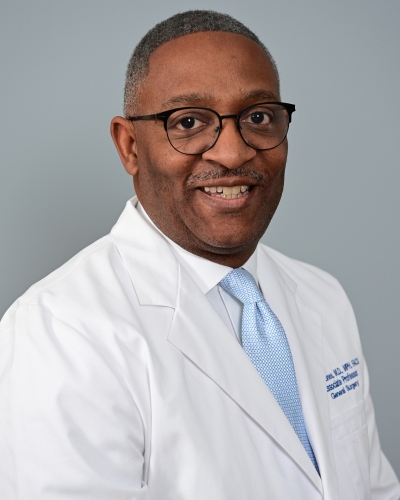
Frank K. Jones, MD, MPH, FACS serves as a Clinical Associate Professor in the Department of Surgery at Morehouse School of Medicine, practicing at Grady Memorial Hospital in Atlanta. Board-certified in General Surgery and Wound Management with Surgical Critical Care eligibility, his clinical expertise spans trauma, critical care, and complex hernia management, directly impacting patient outcomes at this Level I trauma center. His educational foundation includes a Bachelor of Science from Morehouse College, Doctor of Medicine from Morehouse School of Medicine, and Master of Public Health from UNC Chapel Hill. Surgical training encompassed dual residencies at Morehouse School of Medicine and Howard University, culminating in a Trauma and Surgical Critical Care fellowship at the University of Maryland. Dr. Jones' research program centers on innovative surgical techniques and critical care interventions, with significant contributions to ventral hernia repair methodologies and nutritional support protocols for trauma patients. His work bridges complex case reporting with translational studies on mortality reduction, establishing him as a key contributor to surgical literature in high-acuity settings. His publication record from 2005-2017 reveals consistent innovation in surgical problem-solving, particularly in hernia pathologies and trauma nutrition. The progression from case reports on rare presentations to clinical studies on vitamin D/glutamine supplementation demonstrates growing influence in evidence-based critical care protocols, with emphasis on practical applications in resource-constrained urban trauma environments. His accolades reflect both clinical excellence and community impact: Georgia's Top Doctor designation (2020, 2021) Atlanta Medical Association Physician of the Year (2018) Morehouse School of Medicine Hall of Fame induction (2017) Employee Diversity Equity and Inclusion Award (2022) Outstanding Humanitarian Award from Hosea Feed the Hungry (2018) While specific graduate student advising details aren't documented, his academic rank and departmental role indicate active mentorship of surgical trainees. His research program appears integrated with Grady Hospital's trauma services, though dedicated laboratory infrastructure isn't referenced in available materials.
Nitin N. Bhatia, M.D., is a leading academic spine surgeon and currently serves as Chairman of the Department of Orthopaedic Surgery and Chief of Adult & Pediatric Spinal Surgery at the University of California, Irvine (UCI) School of Medicine. He is affiliated with UCI Health and practices at multiple locations including Irvine, Orange, and Costa Mesa, California. Dr. Bhatia's research focuses on spine surgery , spinal cord injury , and complex spinal pathologies . He is recognized for integrating both orthopaedic and neurosurgical techniques in his practice. His expertise spans spinal stenosis , disc herniations , spine trauma , scoliosis , cervical and lumbar reconstruction , and failed back syndrome . His research has been recognized by top national societies, including awards from the Cervical Spine Research Society, Western Orthopaedic Association, and the American College of Spine Surgery, with a nomination for the prestigious Russell Hibbs Award. He is the only academic spine surgeon in Orange County selected for membership in the exclusive Cervical Spine Research Society, which includes fewer than 20 physicians in California. Nominated for the Russell Hibbs Research Award by the Scoliosis Research Society Award from the Cervical Spine Research Society (CSRS) Award from the Western Orthopaedic Association (WOA) Award from the American College of Spine Surgery Dr. Bhatia is an international leader in spine surgery, frequently invited to conduct lectures and symposia by organizations such as the American Academy of Orthopaedic Surgery (AAOS) and the American Society of Mechanical Engineering (ASME). He mentors future surgeons through UCI’s residency and fellowship programs, including the Hand Surgery Fellowship and surgical training initiatives. His work is supported by federally funded research grants, particularly in spinal cord injury. Though no specific students are listed, his leadership in education and training indicates active involvement in academic mentorship. He is affiliated with advanced clinical and research teams at UCI Health and leads a multidisciplinary spine program focused on innovation, education, and patient-centered care. His team emphasizes conservative, compassionate treatment while utilizing cutting-edge surgical techniques.
Vasilios Zerris is a Professor of Neurosurgery at the European University Cyprus, affiliated with the School of Medicine. He concurrently holds leadership roles as Chairman of Neurosurgery at Hygeia Hospital (Athens) and Chairman of Pediatric Neurosurgery at Iaso Children Hospital (Athens). His academic qualifications include Diplomate of the American Board of Neurological Surgery, with advanced fellowship training from Harvard University Medical School and Brown University Medical School. Dr. Zerris specializes in complex neurosurgical procedures including spinal reconstruction, functional neurosurgery, and pain management. His research focuses on spinal biomechanics, dural substitute materials, and oncologic neurosurgery. Notable projects include a $450,000 grant investigating bacterial carriers for targeted cancer therapy and clinical trials on spinal cord stimulation technologies. He has authored over 15 peer-reviewed publications across high-impact journals like New England Journal of Medicine and Journal of Neurosurgery . Awardees include the Oliver Smith Award (2003), Stanley Aronson Prize (2000), and academic distinction at Brown University (M.D. 2000). He serves on SOLAS and holds multiple philanthropic roles. His clinical work emphasizes minimally invasive techniques and translational research, with active participation in medical device trials through collaborations with Medtronic and Advanced Bionics.
Andrew J. Spence is an Associate Professor in the Department of Bioengineering at Temple University's College of Engineering, where he leads the Spence Lab focused on locomotor neuromechanics and spinal cord injury. His work integrates experimental biology, mathematical modeling, robotics, and molecular genetic tools to understand how animals move and how movement can be restored after injury. PhD in Applied and Engineering Physics, Cornell University Postdoctoral training at UC Berkeley with Bob Full and Eileen Hebets Former RCUK Fellow and faculty at the Royal Veterinary College, London Joined Temple University in 2013 His research interests center on the control of locomotion, gait analysis, spinal cord injury, neuroprosthetics, and the application of optogenetics and chemogenetics (DREADDs) in neuromuscular disorders. He also explores biomechanics in diverse species, from insects to racehorses, seeking general principles of movement. The 15 most recent publications reveal a strong trend toward integrating genetic tools with biomechanical analysis, particularly in rodent models of spinal cord injury. His work spans fundamental questions in animal locomotion and applied research in rehabilitation, with increasing emphasis on closed-loop systems, automated tracking, and neuromodulation. RCUK Tenure Track Research Fellowship W.M. Keck Foundation predoctoral fellowship Spence advises a multidisciplinary team of students and postdocs, collaborates with Professors Michel Lemay and George Smith on spinal cord injury projects, and leads NIH-funded research. His lab develops open-source tools for locomotion analysis and has contributed significantly to understanding stability, gait transitions, and sensory feedback in movement. He teaches courses in neuroengineering and biomechanics at both undergraduate and graduate levels. The Spence Lab is actively involved in developing neurogenetic interventions for spinal cord injury, studying gait adaptation in complex environments, and creating innovative instrumentation for neuromechanical research.