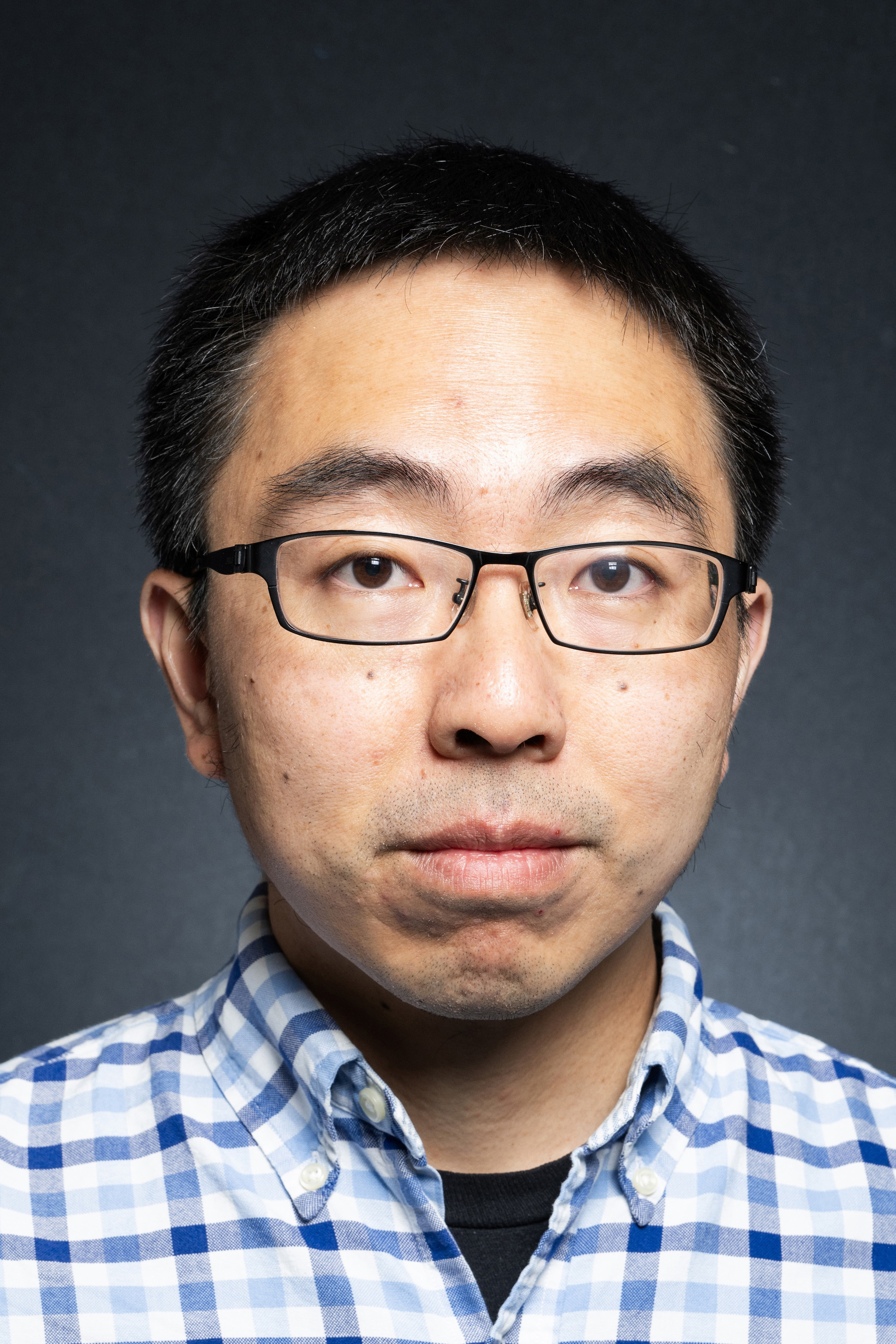
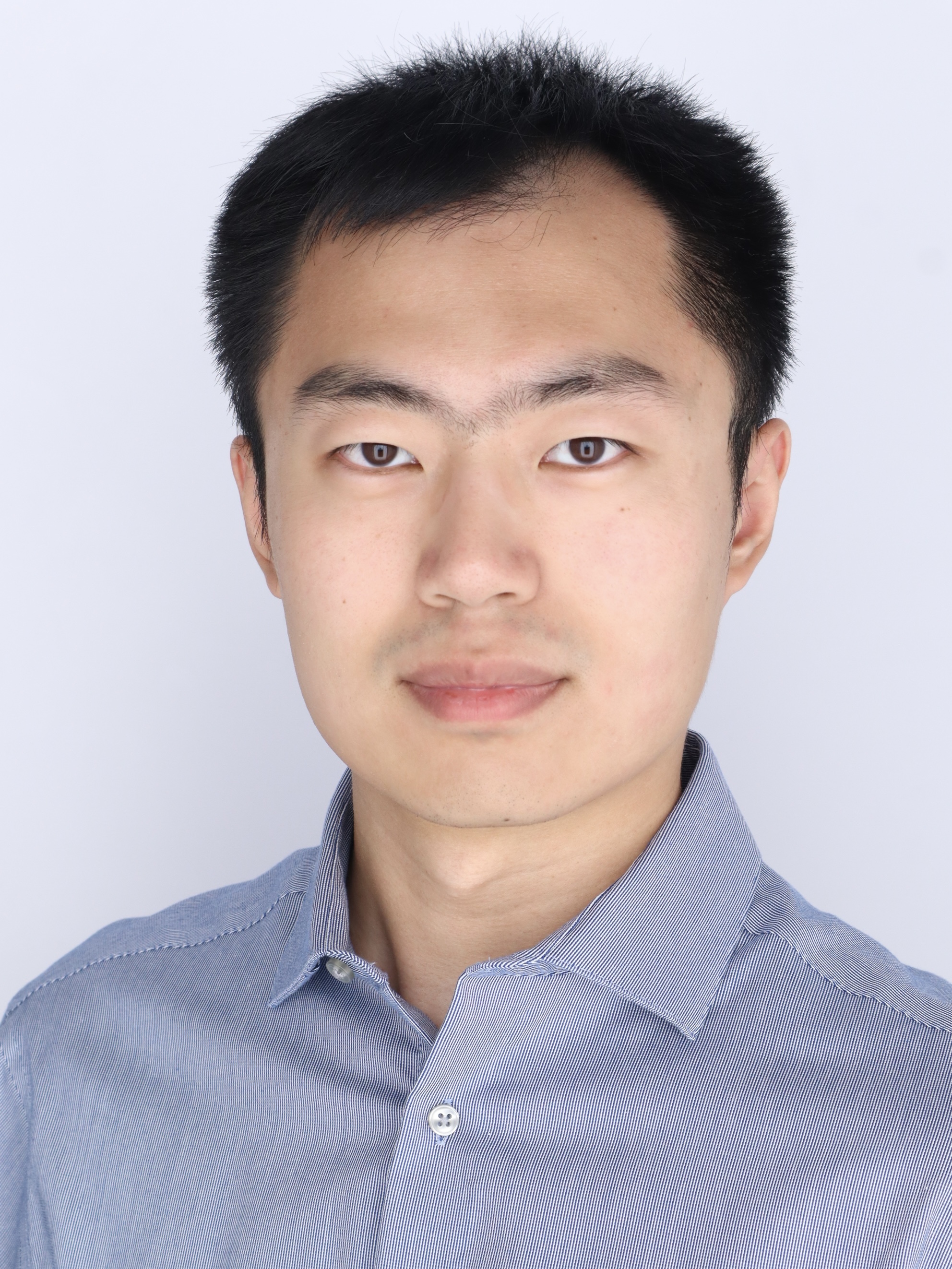
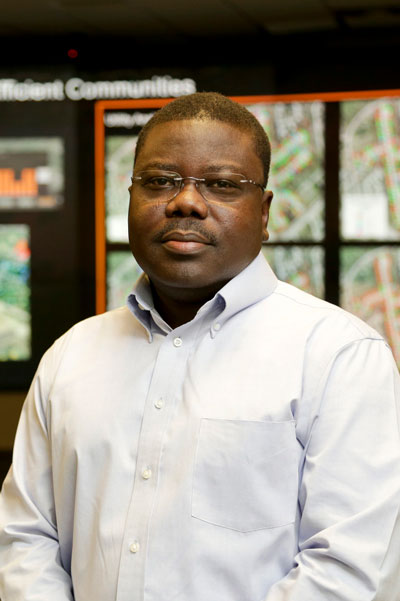
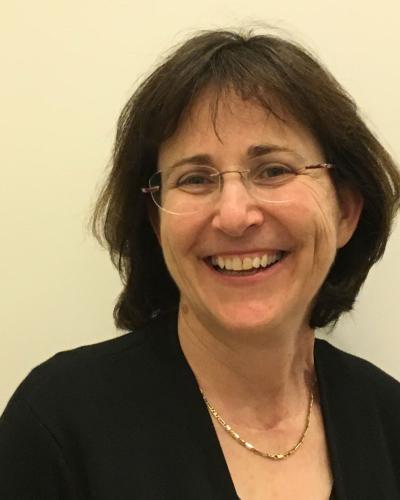
Xiaowen Dong is an Associate Professor in the Department of Engineering Science at the University of Oxford, affiliated with the Machine Learning Research Group and the Oxford-Man Institute. He is also a Tutorial Fellow at Lady Margaret Hall. Prior to Oxford, he was a postdoctoral researcher at MIT Media Lab and earned his PhD from EPFL. His research focuses on signal processing and machine learning for analyzing network data, with applications in social, urban, and financial systems. Education: PhD from École Polytechnique Fédérale de Lausanne (EPFL), Switzerland. Research Interests: Graph signal processing, geometric deep learning, network topology inference, computational social science, and urban computing. He has received awards including the Turing Fellowship and outstanding paper recognitions. His work spans theoretical advancements and practical applications in network analysis, with collaborations extending to institutions like MIT, EPFL, and the Alan Turing Institute. Notable achievements include contributions to understanding urban segregation, pandemic impacts on mobility, and financial network dynamics. He advises multiple doctoral and master's students across disciplines and actively organizes workshops and conferences in graph-based learning and network science.
Baoyu Zhou is an Assistant Professor of Industrial Engineering at Arizona State University (ASU), School of Computing and Augmented Intelligence. He holds a PhD in Industrial and Systems Engineering from Lehigh University (2018–2022), an M.S. in Industrial Engineering from Lehigh University (2016–2018), and a B.E. in Mechanical Engineering from Shanghai Jiao Tong University (2012–2016). His research focuses on developing efficient algorithms for large-scale, stochastic, and constrained optimization problems, with contributions to sequential quadratic programming, nonsmooth optimization, and derivative-free methods. Before joining ASU, Zhou was a postdoctoral researcher at the University of Michigan (Department of Industrial and Operations Engineering) and the University of Chicago (Booth School of Business). He has received the Van Hoesen Family Best Publication Award and the Elizabeth V. Stout Dissertation Award. His work bridges optimization theory and practical applications, emphasizing scalability and robustness in complex systems. Zhou teaches courses such as IEE 470: Stochastic Operations Research at ASU and has guest-lectured at the University of Michigan. He actively contributes to the academic community through organizing conference sessions, reviewing for top journals, and participating in workshops at NeurIPS and SIAM. His group currently advises three PhD students focusing on optimization algorithms and their applications. Key research areas include large-scale continuous optimization, constrained stochastic optimization, and derivative-free methods. His publications span journals like SIAM Journal on Optimization and INFORMS Journal on Optimization, addressing challenges in nonlinear systems, variance reduction, and algorithmic convergence.
Professor Tillman U. Gerngross is a faculty member at the Thayer School of Engineering at Dartmouth College, where he holds the rank of Professor of Engineering. His research focuses on protein engineering, glycoprotein engineering, and metabolic engineering, with significant contributions to yeast-based production systems for therapeutic proteins. He has pioneered technologies for humanizing glycosylation pathways in yeast, enabling the production of complex glycoproteins for biomedical applications. Education: BS/MS in Chemical Engineering (1989) and PhD in Molecular Biology (1991), both from the Technical University of Vienna, Austria. Research Interests: Professor Gerngross’s work bridges biotechnology and engineering, emphasizing scalable production methods for biologics. His lab has developed novel fermentation and protein expression systems, with applications in antibody engineering and metabolic pathway optimization. Awards: Member of the National Academy of Engineering (2017), 2013 National Academy of Inventors Fellow, and recipient of the 2020 Dartmouth Entrepreneurs Forum Technology Innovation Award. Entrepreneurial Ventures: Co-founder of multiple biotech companies, including GlycoFi (acquired by Merck for $400M), Adimab, Alector, Avitide (acquired by Repligen), and Adagio Therapeutics. These ventures focus on antibody discovery, cancer therapeutics, and pandemic response technologies. Grants & Funding: His startups have secured substantial funding through venture capital and strategic partnerships, reflecting their commercial viability and scientific impact. Notable milestones include Avitide’s $150M acquisition and Alector’s $2.2B valuation post-IPO. Labs & Teams: Leads a multidisciplinary research group at Thayer, collaborating with industry partners to translate academic discoveries into industrial applications. His companies employ advanced R&D teams to develop therapies and biomanufacturing solutions.
Gheorghe Craciun is a Professor in the Department of Mathematics and the Department of Biomolecular Chemistry at the University of Wisconsin-Madison. His research focuses on mathematical and computational models in biology and medicine, particularly dynamical systems models of biological interaction networks. He has been a visiting researcher at the Max Planck Institute for Mathematics in the Sciences during the 2019-2020 academic year and has organized the Madison Workshops on Mathematics of Reaction Networks. Craciun's primary research interests include Mathematical Biology, Dynamical Systems, Chemical Reaction Networks, Computational Biology, Systems Biology, and Algebraic Geometry. He investigates systems of differential equations with polynomial right-hand sides, which are common in biochemical reaction networks, ecological interactions, and epidemiological models. His work often involves proving global stability, analyzing multistability, and characterizing steady states using tools from algebraic geometry and combinatorics. Recent publications demonstrate his focus on toric differential inclusions, endotactic networks, and the global attractor conjecture, extending to applications in biochemical networks and discrete Boltzmann equations. His extensive publication record reveals a strong trend toward algebraic and geometric methods for analyzing complex biological networks, with significant contributions to reaction network theory, stability analysis, and parameter characterization. Craciun's work bridges abstract mathematical concepts with practical applications in biochemistry, ecology, and medicine, including modeling vitellogenin production in trout and peptide mass distributions. He has collaborated extensively with international researchers including Alicia Dickenstein, Anne Shiu, Bernd Sturmfels, Casian Pantea, and Miruna-Stefana Sorea. In education, Craciun teaches graduate courses such as Math 703 and mentors students through the Madison Math Circle and Putnam Club, while organizing specialized workshops that foster collaboration in reaction network theory.
Christiane Barz is a Professor of Mathematics at the University of Zurich's Institute for Business Administration since 2016. Previously, she held academic roles at the UCLA Anderson School of Management, the Chicago Booth School of Business, and the Technical University (TU) Berlin. Her research focuses on stochastic dynamic systems, Markov decision processes, and their applications in revenue management. She emphasizes making mathematical tools accessible and practical for real-world problem-solving, particularly in optimizing decision-making under uncertainty. Education includes a degree in industrial engineering and a doctorate from the University of Karlsruhe (TH), Germany. Her career path includes postdoctoral research at the University of Chicago's Booth School of Business and roles as an Assistant Professor at UCLA. She combines academic excellence with balancing family life, advocating for gender equity in STEM fields. Her research explores risk-sensitive decision-making frameworks, dynamic pricing models for transportation and healthcare, and optimizing resource allocation in complex systems. Recent work includes applications in FlixBus, air cargo networks, and improving patient admission scheduling in hospitals. Barz's teaching philosophy prioritizes demystifying mathematics for students, encouraging critical engagement rather than fear of complexity. She collaborates with industry partners to apply operations research methods to real-world challenges, emphasizing both theoretical rigor and practical relevance.
Olufemi A. Omitaomu is an Adjunct Professor at the Department of Industrial and Systems Engineering within the Tickle College of Engineering at the University of Tennessee, Knoxville. He serves as a Group Leader and Distinguished R&D Staff at Oak Ridge National Laboratory (ORNL), leading the Computational Urban Sciences Group in the Computational Sciences and Engineering Division. Ph.D., Industrial Engineering (Information Engineering concentration), University of Tennessee, Knoxville M.S., Mechanical Engineering, University of Lagos, Nigeria B.S., Mechanical Engineering, Lagos State University, Nigeria Dr. Omitaomu’s research focuses on artificial intelligence in energy systems , cognitive coupling of human-machine systems , anomaly detection in complex systems , energy infrastructure siting and analysis , and disaster risk analysis with urban systems resilience . His work integrates computational models, optimization techniques, and geospatial frameworks to address challenges in critical infrastructure systems. The 15 most recent publications highlight trends in renewable energy integration , climate adaptation strategies , and emergency resource allocation . Key methodologies include agent-based modeling , multicriteria decision analysis , and wavelet shrinkage , applied to domains like energy systems , disaster management , and urban sustainability . Scientific recognition includes: Distinguished R&D Staff, Oak Ridge National Laboratory Senior Member, Institute of Industrial and Systems Engineers (IISE) Senior Member, Institute of Electrical and Electronics Engineers (IEEE) He actively mentors MS and PhD students with expertise in Python programming , game theory , and human-machine systems . His research is supported by collaborations with ORNL and interdisciplinary grants.
Professor Dahlia Malkhi is a leading academic and researcher in distributed systems and blockchain technology. She currently holds a faculty position at the University of California, Santa Barbara (UCSB), where she heads the Foundations of Financial Technology (FfTech) research lab. Her work focuses on reliability, security, and consensus mechanisms in distributed systems, with a recent emphasis on blockchain innovations like HotStuff, which underpins Diem, Aptos, and other blockchains. She has held influential roles at industry leaders such as Chainlink Labs, Diem Association, VMware, and Microsoft Research. Education: Ph.D. in Computer Science from The Hebrew University of Jerusalem. Past roles include CTO of Diem Association (2019–2022), Principal Researcher at VMware (2014–2019), and Partner Principal Researcher at Microsoft Research (2004–2014). Research Interests: Blockchain consensus algorithms (e.g., HotStuff, Flexible Paxos), Byzantine Fault Tolerance (BFT), secure multi-party computation (FairPlay), and distributed database systems (CorfuDB). Her work bridges academic theory with industrial applications, emphasizing practical scalability and security. Awards: ACM Fellow (2011), IEEE TCDP Outstanding Technical Achievement Award (2021), IBM Faculty Award (2003/2004). She has also held leadership roles in conferences like Usenix ATC and program chairs for multiple distributed systems events. Advising & Grants: Advises projects at Space Computer, Lyquor Labs, and Chainlink Labs. Her research labs and collaborations include work on BBCA-Chain, Lumiere, and BFTBrain, advancing consensus mechanisms in decentralized systems. Labs/Teams: Leads UCSB’s FfTech lab, co-founded VMware Research, and contributed to foundational blockchain projects like DiemBFT and Espresso Systems. Her work impacts technologies such as NSX-T control planes and distributed financial infrastructure.
Nikolaos Tziavelis is an Assistant Professor in the Department of Computer Science and Engineering at Basking Engineering, University of California, Santa Cruz. His research bridges theoretical and practical aspects of database systems, focusing on improving real-world data processing through novel algorithmic solutions. Education: Ph.D. from Northeastern University (advised by Mirek Riedewald and Wolfgang Gatterbauer) Diploma from National Technical University of Athens, Greece Research Interests: Data Management Database Theory Query Processing and Optimization Algorithms for Big Data Integration of Machine Learning with Database Systems Publication Trends: His work emphasizes ranked enumeration, join algorithms, and query optimization, with applications in responsive database systems and machine learning integration. Key themes include theoretical foundations, practical system improvements, and algorithmic efficiency for complex data processing tasks. Scientific Awards: 2022 Google PhD Fellowship PODS 2021 Best of Recognition 2023 VLDB PhD Workshop Best Paper Award 2024 Khoury Research Award from Northeastern University Service: He has served on program committees for major conferences including SIGMOD, VLDB, PODS, EDBT, ICDE, and Northeast Database Day.
Andreas Seidel-Morgenstern is a full Professor and Chair holder for Chemical Process Engineering at the Faculty of Process and Systems Engineering, Otto von Guericke University Magdeburg since 1995. He serves as a Scientific Member and Director at the Max Planck Institute for Dynamics of Complex Technical Systems in Magdeburg, leads the research group 'Physical-Chemical Fundamentals of Process Engineering', and has held administrative roles including Dean (2005-2006) and Managing Director (2007-2008, 2015-2016). Education: Diploma in Process Engineering (1982), Leuna-Merseburg University of Applied Sciences PhD in Physical Chemistry (1987), Academy of Sciences of the GDR His research specializes in reactor design, chromatographic reactors, membrane reactors, crystallization, and enantiomer separation. He focuses on mathematical modeling, process simulation, and optimization of chemical systems, with applications in adsorption, heterogeneous catalysis, and transport processes in porous media. Recent publications explore methanol synthesis optimization and multistage reactor control systems, reflecting interests in chemical reaction engineering and sustainable energy processes. His work emphasizes process intensification and modeling-driven optimization. Scientific Recognition: Humanity in Science Award (2015) Max-Buchner-Preis (1999) 4 Faculty Best Dissertation Awards (OvGU) Ehrendoktorates from Lappeenranta University of Technology (Finland, 2008) and Syddansk Universitet (Denmark, 2012) He leads international collaborations with institutions like TU Dortmund, ETH Zurich, University of Manchester, and Syncom (Netherlands), focusing on integrated chemical processes in multiphase systems.
John Heron is an Associate Professor in the Department of Materials Science and Engineering at the University of Michigan. His research focuses on epitaxial growth of complex oxide thin films and heterostructures to engineer new electronic phenomena for next-generation devices. B.S. in Physics, University of California, Santa Barbara (2007) M.S. in Materials Science and Engineering, University of California, Berkeley (2011) Ph.D. in Materials Science and Engineering, University of California, Berkeley (2013) His work explores ferroic materials like (anti)ferromagnets and (anti)ferroelectrics, utilizing techniques such as X-ray diffraction, scanning probe microscopy, and magnetotransport measurements. The Ferroelectronics Lab (http://ferroelectronicslab.com) employs in-situ transfer systems for high-quality oxide and metal growth. Recent publications emphasize magnetoelectric switching, entropy-stabilized oxides, and spintronic devices. Current teaching includes MSE500 Materials Physics and Chemistry. No explicit scientific awards or students are listed in the provided texts.
Krishna Jagannathan is a full-time Professor in the Department of Electrical Engineering at the Indian Institute of Technology Madras (IIT Madras), India. He specializes in stochastic modeling, communication networks, information theory, and queuing theory. He obtained his B.Tech from IIT Madras in 2004, followed by S.M. and Ph.D. degrees from MIT in 2006 and 2010, respectively. After post-doctoral positions at Caltech and MIT, he joined IIT Madras in 2011. Education: B.Tech in Electrical Engineering, IIT Madras (2004) S.M. in Electrical Engineering and Computer Science, MIT (2006) Ph.D. in Electrical Engineering and Computer Science, MIT (2010) Research Interests: His research focuses on stochastic modeling and analysis of communication networks , information theory , and queuing theory . He has made significant contributions to understanding network performance, resource allocation, and risk-aware decision-making in complex systems. He leads the Networks and Stochastic Systems lab at IIT Madras, mentoring a large cohort of Ph.D. and M.S. students working on cutting-edge problems in networking, optimization, and stochastic systems. Scientific Awards: Best Paper Award at WiOpt 2013, Tsukuba, Japan Young Faculty Recognition Award for Excellence in Teaching and Research, IIT Madras (2014) Teaching & Mentorship: He has taught a wide range of courses including Probability Foundations , Stochastic Modeling and Queuing Theory , Convex Optimization , and Signals & Systems , consistently receiving high teaching evaluations. He has supervised over 15 Ph.D. and M.S. students to completion and continues to guide several active researchers.
Gil Serrancoli Masferrer is an Associate Professor in the Department of Mechanical Engineering at the School of Engineering of East Barcelona (EEBE), part of the Polytechnic University of Catalonia (UPC). He is affiliated with the InSup - Research Group in Surface Interaction in Bioengineering and Materials Science and the LAM - Multimedia Applications and ICT Laboratory. His work focuses on biomechanics, computational modeling, and telerehabilitation systems development for clinical applications. Dr. Serrancoli's research spans multisolid dynamics, dynamic optimization, movement simulation, and telerehabilitation systems. His expertise lies in applying computational techniques to solve complex problems in orthopedics, gait analysis, and rehabilitation engineering. His work bridges mechanical engineering with biomedical applications, particularly in musculoskeletal modeling and simulation of orthopedic procedures. He has developed novel computational frameworks for estimating internal musculoskeletal loading and muscle adaptation in various conditions, including hypogravity environments. His recent publications demonstrate a strong focus on in-silico modeling of orthopedic procedures, particularly knee osteotomies (proximal fibular osteotomy versus high tibial osteotomy), with detailed analysis of joint pressure redistribution. He has also pioneered the application of machine learning techniques, particularly recurrent neural networks, to biomechanical problems including cycling biomechanics and running dynamics prediction. His work consistently integrates computational efficiency with clinical relevance. Technical Award - OpenSim+ Advanced Workshop March 2024 Accésit del XLV Congreso de la Sociedad Ibérica de Biomecánica y Biomateriales European Society of Biomechanics Travel Award OpenSim Virtual Workshop - Technical Award OpenSim Visiting Scholar 2017 Enginyers BCN 2018 Dr. Serrancoli leads several competitive R&D projects including 'Muvity: a novel physical telerehabilitation system' for vulnerable populations and 'Simulaciones predictivas in silico para cirugías ortopédicas' (Predictive in-silico simulations for orthopedic surgeries). He collaborates extensively with researchers across Europe, particularly with Jordi Torner, Josep Maria Font Llagunes, and Joan Carles Monllau, and has secured funding from national and regional programs including Plan Estatal de Investigación Científica y Técnica y de Innovación. He is actively involved in the BIOMEC - Biomechanical Engineering Lab and the TecSalut - Research Group in Health Technologies, where he contributes to the development of innovative solutions for healthcare challenges, particularly in the areas of telerehabilitation and computational biomechanics for orthopedic applications.
Martin Nilsson Jacobi serves as President and CEO of Chalmers University of Technology, holding the position of the institution's fourteenth President since September 2023. He simultaneously maintains his academic standing as Professor of Complex Systems at the university, demonstrating his dual commitment to academic leadership and scholarly work. Professor Nilsson Jacobi's research portfolio spans theoretical physics, complex systems theory, and ecological applications. His work bridges multiple disciplines, creating innovative approaches to understanding natural systems through mathematical and computational frameworks. His research trajectory shows an evolution from theoretical physics to complex ecological systems, with particular emphasis on spatial patterns, ecosystem stability, and marine conservation strategies. His scholarly output demonstrates consistent productivity across multiple domains. The most recent publications (2020-2022) focus on complex ecological communities, spatial coherence in heterogeneous landscapes, and species-area relationships, while earlier work (2010-2015) explored self-assembly systems, hierarchical dynamics, and theoretical approaches to complex systems. This progression reflects his ability to apply fundamental theoretical concepts to increasingly complex real-world ecological challenges. Lifetime member of the Swedish Royal Academy of Engineering Sciences (IVA) Professor Nilsson Jacobi has held significant leadership roles beyond his current presidency, including serving as chairman of the Faculty Senate and Head of Department at Chalmers. His international research experience includes collaborations with Los Alamos National Laboratory and the Nordic Institute for Theoretical Physics (NORDITA), highlighting his global scientific engagement. He has successfully secured research funding through multiple projects supported by the Swedish Research Council and the European Commission, demonstrating his ability to lead substantial research initiatives.
Professor Roland J. Pieters is a distinguished academic at Utrecht University's Faculty of Science, where he serves as a full Professor in the Department of Chemical Biology and Drug Discovery. With over two decades of experience at the institution, he has progressed from Assistant Professor (1998) to Associate Professor (2005) and ultimately to Full Professor (2010-present). His research group is internationally recognized for groundbreaking work at the intersection of carbohydrate chemistry, chemical biology, and drug discovery, with particular emphasis on developing novel therapeutic approaches against bacterial infections and pathogenic mechanisms. Full Professor, Utrecht University (2010-present) Associate Professor, Utrecht University (2005-2010) Assistant Professor, Utrecht University (1998-2005) NWO Talent Post-doctoral Fellow, ETH-Zürich (1995-1996) Postdoctoral Researcher, University of Groningen (1996-1998) Professor Pieters earned his M.Sc. in Organic Chemistry from the University of Groningen in 1990, where he worked with Professor Ben Feringa, and completed his Ph.D. at MIT in 1995 under the supervision of Professor Julius Rebek Jr. His doctoral research focused on molecular recognition and template effects in bisubstrate systems, establishing the foundation for his lifelong interest in molecular interactions. Professor Pieters' research primarily centers on glycodrugs and the strategic interference with protein-carbohydrate interactions using multivalent systems of varying architectures. His laboratory has made significant contributions to understanding how rigid spacers in multivalent ligands can dramatically enhance binding affinity to target proteins, with applications against viral and bacterial adhesion proteins, toxins, galectins, and glycosidases. A particular focus has been on developing inhibitors for Pseudomonas aeruginosa lectin LecA, cholera toxin, influenza virus hemagglutinin, and more recently, SARS-CoV-2 spike protein interactions with host cell receptors. His group also pioneered the use of glyco- and peptide-microarrays for high-throughput screening of carbohydrate-protein interactions and drug discovery, particularly in the area of O-GlcNAcylation research. The publication record of Professor Pieters demonstrates consistent innovation in the field of multivalent carbohydrate-based therapeutics. His recent work (2020-2024) shows a strategic expansion into viral pathogenesis (particularly influenza and SARS-CoV-2), immune modulation through glycan recognition, and novel approaches to vaccine development. A notable trend is the increasing sophistication of multivalent architectures, moving from simple divalent systems to tetra- and hexavalent ligands with precisely engineered spatial arrangements. His research bridges fundamental chemical principles with practical therapeutic applications, maintaining strong connections to pharmaceutical development while advancing basic science understanding of carbohydrate-mediated biological processes. Professor Pieters' scientific achievements have been recognized with prestigious awards including a Fellowship from the Royal Netherlands Academy of Arts and Sciences (KNAW) in 1999 and a VICI personal grant from the Netherlands Organisation for Scientific Research (NWO) in 2008. These competitive awards reflect the significance and innovation of his research program. He has also served on editorial advisory boards, notably as Section Editor-in-Chief for Chemical Biology in the journal Molecules (2018-2022), contributing to the scholarly community through peer review and academic leadership. Fellowship of Royal Netherlands Academy of Sciences (KNAW), 1999 VICI, personal grant, NWO, 2008 Section Editor-in-Chief Chemical Biology for Molecules (2018-2022) Throughout his career, Professor Pieters has coordinated significant research projects including the EU project POLYCARB and secured competitive funding that has sustained his innovative research program. His laboratory has fostered numerous collaborations across Europe and internationally, creating a vibrant research environment that has trained many scientists now working in academia and industry. His research on multivalent carbohydrate systems represents a sustained intellectual contribution to chemical biology with direct relevance to developing new anti-infective strategies and therapeutic approaches. Professor Pieters leads an active research group within Utrecht University's Department of Chemical Biology and Drug Discovery, situated in the David de Wied Building. His laboratory maintains strong connections with other research groups both within Utrecht University and internationally, particularly in the fields of glycobiology, infectious diseases, and drug discovery. The research environment he has cultivated emphasizes interdisciplinary approaches, combining synthetic chemistry, biophysical analysis, and biological testing to address fundamental questions in carbohydrate-mediated biological processes with therapeutic applications.
Francesco Maisano, MD , is Full Professor of Cardiac Surgery at Vita-Salute San Raffaele University (Milan) since 2021, where he also serves as Director of the Cardiac Surgery Clinic and of the Valve Center at IRCCS San Raffaele Hospital. From 2014 to 2020 he held the Chair of Cardiac Surgery and directed the Department at University Hospital Zurich. Education & Training 1990 – MD, Catholic University of Rome 1994 – Clinical Fellowship, University of Alabama at Birmingham 1995 – Specialization in Cardiac Surgery, La Sapienza University of Rome Research Interests Professor Maisano’s work centres on innovative therapies for heart-valve disease, spanning surgical reconstruction, catheter-based interventions (TAVI, MitraClip, transcatheter tricuspid devices), and hybrid approaches. He leads translational programmes in biomedical engineering, multimodality cardiac imaging, and artificial-intelligence-guided interventions, with emphasis on the multidisciplinary “Heart Team” model for complex cardiovascular disease. His recent publications (2024-2025) demonstrate intense activity in transcatheter mitral and tricuspid repair, long-term durability of surgical mitral repair, AI-driven procedural guidance, and renal protection strategies during mechanical circulatory support. A dominant theme is translating imaging innovations and device concepts into first-in-human studies and large-scale registries. Scientific Awards & Recognitions European Society of Cardiology Silver Medal (2018) ICI Lifetime Achievement in Research & Teaching (2018) ICI Best Technology Parade Presentation (2010) C. Walton Lillehei Young Investigator Award (1999) Leadership & Grants He directs multiple postgraduate programmes, including Certificate of Advanced Studies (CAS) tracks at the University of Zurich in multimodality imaging, aortic valve, and mitral–tricuspid interventions. He is principal investigator on investigator-initiated grants, coordinates industry-partnered device trials, and mentors numerous doctoral and post-doctoral researchers. His team has filed >24 patents and spun off several cardiovascular start-ups. Labs & Teams At IRCCS San Raffaele he leads the Valve Science Center , a multidisciplinary hub integrating cardiac surgeons, interventional cardiologists, imaging specialists, biomedical engineers, and data scientists focused on next-generation valve repair/replacement technologies and personalised cardiovascular medicine.