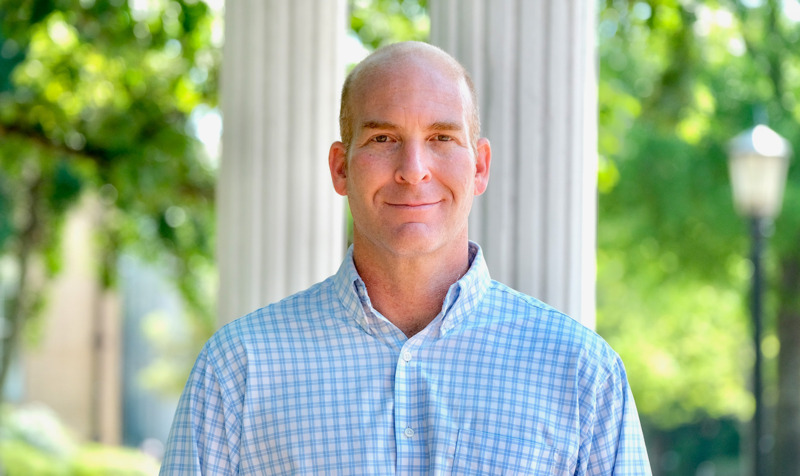
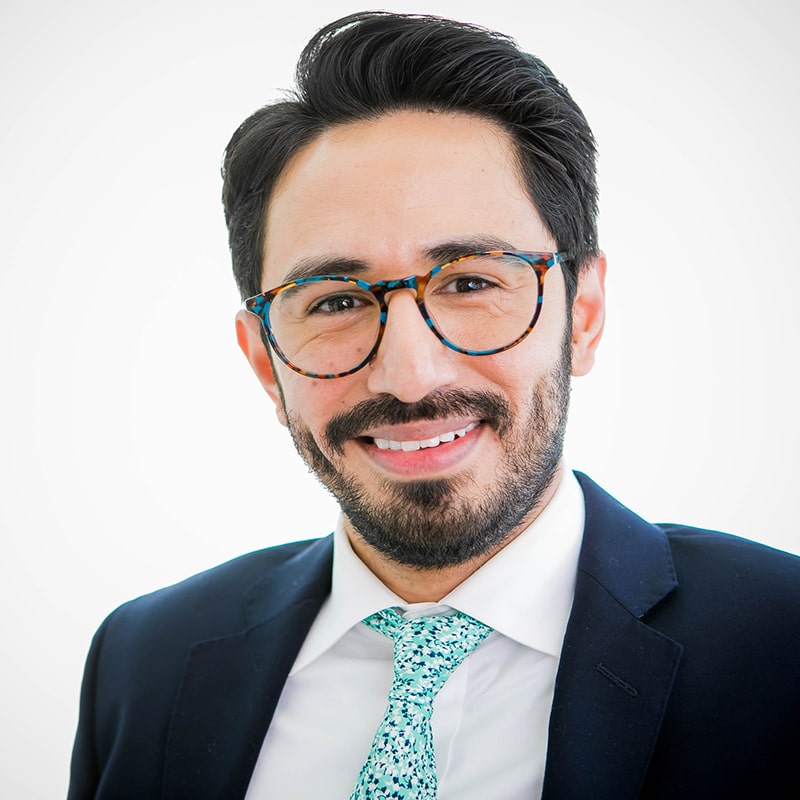
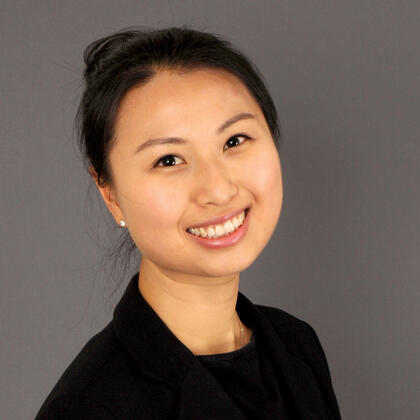
Daniel Burkey is an Associate Professor and Associate Dean for Undergraduate Education and Diversity at the University of Connecticut (UConn) College of Engineering. He holds the Castleman Term Professorship in Engineering Innovation. His academic background includes a Ph.D. in Chemical Engineering from MIT (2003), an M.S. from MIT (2000), a B.S.E. from Lehigh University (1998), and an M.A.Ed. in Educational Psychology from UConn (2023). His research focuses on engineering education ethics, game-based learning, and process safety. Notable projects include developing immersive training environments for process safety decision-making and creating card games to enhance ethical awareness among engineering students. He also investigates chemical vapor deposition techniques for membrane distillation applications. Burkey has served as Director of the AIChE Education Division (2017-2023) and on the Chemical Engineering Education publication board (2018-2021). His awards include the David Himmelblau Award (2023) and multiple recognitions for teaching excellence. Current research group members include Ph.D. students Arpita Kurdekar and Tori Wagner. Former advisees hold academic and industrial roles, such as Courtney Pfluger (Northeastern University) and Landon Bassett (UConn STEM Coach). His work blends educational innovation with technical research, emphasizing student engagement and ethical development through novel pedagogical approaches.
Dr. Kimi Kondo-Brown is a Professor and Associate Dean for Academic Affairs at the University of Hawaiʻi at Mānoa . She holds affiliations in the Department of East Asian Languages and Literatures (Japanese BA, MA, PhD programs) and serves as Cooperating Graduate Faculty in the Department of Second Language Studies (PhD in SLS). Her research focuses on Japanese as a Heritage Language , language assessment , and curriculum development . Education: PhD in Education (UHM), MA in Linguistics (University of Utah). She leads initiatives in heritage language education, publishing widely on language testing, curriculum design, and multilingual education. Key works include Japanese as a Heritage Language (Cambridge 2024) and Introduction to Assessment for Japanese Teachers (reprinted 2022). She directs assessment institutes and collaborates with international scholars like Emeritus Prof. James Brown. Research emphasizes heritage language maintenance and post-pandemic language testing . She co-edits peer-reviewed volumes on assessment modules and serves on editorial boards. Her work bridges theoretical linguistics with practical pedagogy, addressing needs of heritage speakers and global language learners. Grants and awards include contributions to the National Foreign Languages Resource Center. She advises on curriculum alignment and assessment frameworks, with a focus on equity in language education. Her legacy includes over 30 publications and 25 years of teaching Japanese and SLA methodologies.
Dr. Enda Donlon is an Associate Professor at Dublin City University's School of STEM Education, Innovation & Global Studies, part of the DCU Institute of Education. He specializes in ICT integration in education, digital technologies for teacher training, and AI in education. As APF leader for the AI and Emerging Technologies strand of DCU's Doctor of Education Programme, he drives innovation in educational technology. His professional roles include former presidency of the Educational Studies Association of Ireland (ESAI) and governance roles in European educational research bodies like EERA. Research interests focus on digital pedagogy, teacher professional development, and the ethical implications of emerging technologies in education. He has received prestigious awards including the DCU President’s Award for Innovation (2014) and Excellence in Teaching (2021 team award). Enda contributes to academic governance through editorial roles in journals like International Journal of Educational Technology in Higher Education and Irish Educational Studies . His work bridges theory and practice, exploring topics such as cybersecurity professionals’ learning needs, pandemic-era academic collaboration, and AI’s role in reshaping educational landscapes. Ongoing projects include frameworks for computational thinking education and virtual/augmented reality applications in teacher training.
Mari Ann Graham is an Associate Professor and former MSW Program Director at St. Catherine University since 2019. She holds a PhD in Social Welfare (Case Western Reserve University, 1999), MSW (University of Nebraska-Omaha, 1983), and BSW (University of Nebraska-Omaha, 1979). Her career spans over 35 years in academia, including 25 years at the joint University of St. Thomas program. She specializes in integrating ethics, diversity, spirituality, and applied research into social work education. Education: PhD in Social Welfare, Case Western Reserve University, 1999 MSW, University of Nebraska-Omaha, 1983 BSW, University of Nebraska-Omaha, 1979 Research Interests: Graham focuses on ethical practice, diversity/inclusion pedagogy, spirituality in social work, and integrative teaching methods. She emphasizes practical application through workshops, literature-based learning, and visual media. Her work includes developing ethical frameworks for addressing systemic biases and fostering inclusive educational environments. Publications: Her scholarship bridges theory and practice, with recent works addressing ethical inclusion, race dialogues, and innovative research methods. Earlier contributions include foundational texts on teaching social work through group dynamics and spirituality integration. Awards/Grants: None explicitly mentioned in text. Labs/Teams: Co-developed the Doctor of Social Work (DSW) program at the joint University of St. Thomas program and contributed to interdisciplinary collaborations like the Arbinger Institute’s spirituality work.
Dr. Shruti Deshpande serves as an Associate Professor and Vincentian Research Fellow in the Department of Communication Sciences and Disorders at St. John's College of Liberal Arts and Sciences, St. John's University. She also holds the leadership position of Director of the Doctor of Audiology Program and was named an ASHA Innovator in 2024. Dr. Deshpande is actively involved in the American Speech-Language-Hearing Association as a board member of the Multicultural Issues Board (2023-2025) and serves as a subject matter expert for the ASHA Practice Portal in Audiology. Her research focuses at the intersection of audiology and social justice, particularly on accessible and affordable hearing health services for diverse and vulnerable populations. Dr. Deshpande has pioneered community-based research approaches, developing innovative service-learning models that address hearing health disparities. Her work emphasizes cultural competence and aims to increase awareness of audiology as a profession among ethnically diverse adolescents through educational interventions. Analysis of Dr. Deshpande's publication record reveals consistent focus on health equity in audiology, with significant attention to representation in clinical research, social media's role in health information dissemination, and innovative approaches to hearing healthcare delivery. Her work spans multiple subfields including tinnitus research, central auditory processing disorders, electrophysiology, pediatric audiology, and cross-cultural assessment tools. ASHA Innovator (2024) Vincentian Research Fellow Faculty Excellence Award in Community-Based Outcomes and Poverty Research (2022) Multiple Faculty Recognition Awards for Excellence in Research & Scholarship (2017, 2019, 2020, 2021) Values and Inclusion Program Honoree (2020-21) Excellence in Teaching Award from National Society of Leadership and Success (2018) Dr. Deshpande has successfully mentored numerous undergraduate and graduate students, with many serving as co-authors on peer-reviewed publications and presenting at conferences. Her grant portfolio demonstrates significant external funding support, including awards from the Faculty Research Consortium, ASHA's Advancing Academic-Research Careers Award, HearX Group, and multiple internal university grants totaling over $25,000. Her current projects focus on hearing health access for diverse communities, community-based hearing assessment approaches, and innovative teaching methods that integrate technology with service learning. As Director of the Doctor of Audiology Program, Dr. Deshpande oversees a robust curriculum that includes specialized courses in Central Auditory Processing Disorder, Electrophysiology, Pediatric Audiology, and Hearing Science. Her community engagement extends beyond the classroom through partnerships with Liberty Partnership Program and other initiatives aimed at increasing awareness of hearing health and audiology careers among underserved populations.
Randa Elbih is an Associate Professor of Education at the University of Saint Joseph, affiliated with the School of Arts, Sciences, Business, and Education. She joined USJ in 2017 and holds a Ph.D. from the University of New Mexico, alongside an M.A. and B.A. from the University of New Mexico and Helwan University respectively. Her work focuses on critical pedagogy, teacher preparation, and addressing systemic inequities in education. Dr. Elbih is particularly noted for her research on Islamophobia in educational contexts, post-9/11 experiences of Muslim youth, and interdisciplinary approaches to STEM/social studies integration. Her educational background includes advanced degrees in education and interdisciplinary studies, reflecting her commitment to bridging theory and practice. Key research areas include curriculum critique, educator solidarity in addressing 'wicked problems,' and leveraging historical frameworks like Ibn Khaldun's 'asabiyah' to analyze educational inequality. She has also published extensively on textbook analysis, media representation of marginalized groups, and pedagogical strategies for fostering global citizenship. In recent work, Dr. Elbih explores how educators can counter cultural misrepresentations through innovative lesson design, such as using the Pyramids of Giza to teach STEM integration. Her forthcoming edited book further advances collaborative pedagogical approaches. While no formal awards are listed, her publications reflect sustained engagement with pressing educational and societal challenges. She advises no listed students but contributes to teacher training programs through curriculum development and professional development initiatives. Randa's work is characterized by a blend of scholarly rigor and practical application, addressing topics ranging from refugee integration post-pandemic to the dialectics of democratic education. Her research consistently emphasizes the role of educators in shaping equitable, inclusive learning environments that confront historical and contemporary societal fractures.
Dr. Stephanie Grote-Garcia is a Professor at the University of the Incarnate Word (UIW), specializing in literacy education. She previously served as a Visiting Professor at Texas A&M University-Corpus Christi (2009-2010) and held roles as an Elementary Reading Specialist and Dyslexia Coordinator in Texas public schools. Her leadership includes co-founding the Texas Literacy Collaborative for Educator Preparation (TXLCEP) and serving as past-president of the Specialized Literacy Professionals. Education: Ph.D. in Curriculum and Instruction (Reading specialization) from Texas A&M University-Corpus Christi, alongside M.S. and B.S. degrees in related fields. Research Interests: Dr. Grote-Garcia focuses on evidence-based literacy practices, teacher preparation in reading instruction, and addressing educational equity through inclusive curricula. Her work emphasizes the Science of Reading, diversity in literacy education, and policy implications affecting educators. Recent Scholarly Contributions: Her publications explore trends in literacy education, including book bans, diversity measures, and the intersection of explicit instruction with cultural responsiveness. She has contributed to journals like Literacy Research and Instruction and Reading Psychology . Awards and Recognition: Bishop Claude Marie Dubuis Award (2023) Exemplary Faculty Practices Recognition (2013) Mission Continues Award (2016) Sister Theophane Endowed Chair (2014–2017) Service and Leadership: Chair of UIW’s Quality Enhancement Plan Implementation Committee, Texas Association for Literacy Education (TALE) co-founder, and active member of organizations like the International Literacy Association (ILA). She also leads initiatives like the Charles Butt Scholar Program and Teacher Education Recruitment Task Force.
Dr. Todd Cherner is a Professor in the Curriculum and Instruction Department at the UNC School of Education , University of North Carolina at Chapel Hill. With a career spanning K-12 teaching and higher education, he focuses on leveraging technology to promote equity and critical literacy. He holds a B.S. (2004) from the University of Central Florida, M.Ed. (2008) from Clemson University, and Ph.D. (2012) from the University of Tennessee. His research examines how implicit biases manifest in educational technologies and explores equitable technology integration strategies. Key areas include critical media literacy, AI ethics in education, and bridging the gap between extended reality (XR) tools and classroom practice. He has been honored with the University Teaching Awards (2022-23) for his innovative approaches. Recent work emphasizes generative AI frameworks for educators, AI literacy in teacher preparation, and immersive learning through XR. His scholarship spans over two decades, with publications in journals like Contemporary Issues in Technology and Teacher Education and International Journal of Multicultural Education . Cherner collaborates with educators to design inclusive instructional technologies and advocates for systemic reforms addressing privatized funding in education. His lab focuses on creating accessible tools that empower both teachers and students through technology.
Ulrike Muench is an Associate Professor with tenure in the Department of Social and Behavioral Sciences at the UCSF School of Nursing, with affiliations at the Philip R. Lee Institute for Health Policy Studies and Healthforce Center. She specializes in nursing workforce dynamics, opioid policy, Medicare systems, and disparities in healthcare. Her research leverages large datasets like Medicare claims and the Medical Expenditure Panel Survey. Education & Training: MSN (2005) and PhD (2012) in Nursing from Yale University Postdoctoral Fellowship (2014) at Vanderbilt University School of Nursing Research Interests: Focuses on nurse practitioner roles, prescribing patterns in primary care/nursing homes, dementia care trajectories, and gender-based pay disparities in healthcare. Her work bridges health policy analysis with real-world clinical outcomes, aiming to inform equitable healthcare delivery systems. Awards: 2016 Academy Health New Investigator Award 2018 American Academy of Nursing Fellow 2019 UCSF School of Nursing Mentoring Award Grants & Advising: Leads studies funded by NIH and foundations, mentoring early-career researchers in health services research. Collaborates on projects addressing workforce distribution, rural-urban care disparities, and policy reform. Labs/Teams: Active in UCSF's Healthforce Center, focusing on healthcare workforce analytics and interdisciplinary policy development.
Dr. Daniel H. Jarvis is a professor at the Schulich School of Education, Nipissing University, where he teaches in both undergraduate (BEd) and graduate (MEd/PhD) programs. His research focuses on mathematics education, technology integration, curriculum development, and STEAM education initiatives. He has led several collaborative research projects including a SSHRC-funded international study on Computer Algebra Systems (CAS) technology in undergraduate mathematics instruction. Dr. Jarvis's research interests span mathematics pedagogy, workplace technology applications, interdisciplinary curriculum integration, and innovative educational approaches. His work consistently explores the intersection of mathematical concepts with technology-enhanced learning environments. His publications demonstrate a strong focus on educational technology integration, mathematics pedagogy, and curriculum innovation. Recent work examines exergames in wellbeing education, communities of practice for language teachers, and technology-enhanced assessment methods in mathematics education. Dr. Jarvis has held significant administrative roles including Chair of Graduate Studies in Education (2011-2013) and Associate Dean (Interim) of the Bachelor of Education programs (2022-2024). He has collaborated on cross-disciplinary projects with colleagues in Geography, Computer Science, Nursing, and Physical Education.
Michael Trujillo is an Assistant Professor of Psychology at Carnegie Mellon University's Department of Psychology, part of the Dietrich College of Humanities and Social Sciences. His research focuses on the intersection of stigma, health equity, and resilience, particularly among LGBTQ+ and minority populations. He holds a B.A. in Psychology from California State University, Long Beach, a Ph.D. in Health Psychology from Virginia Commonwealth University, and a postdoc in Psychology and Medicine from UCSF. Education: B.A. (CSULB), Ph.D. (VCU), Postdoc (UCSF) His work bridges social psychology and psychobiology to examine how stigma impacts health outcomes. Key themes include minority stress, intersectionality, and ecological models of health disparities. Methodologies include experimental designs, ecological momentary assessment, and longitudinal population health analyses. Publications focus on LGBTQ+ health, stigma reduction, and policy impacts. His SHER Lab explores health equity mechanisms. Teaching includes Social Psychology and Health Psychology courses.
Dr Lisa Kim is a Senior Lecturer in the School of Psychology at the University of Sydney, Australia. She holds Chartered Psychologist (CPsychol) and Fellow (FBPsS) titles from the British Psychological Society. As Director of the HEART Research Group and WELL Policy Node, her work focuses on teacher effectiveness, wellbeing, and retention. Previously at the University of York, UK, she completed a PhD in Psychology and held academic roles from Postdoctoral Research Fellow to Senior Lecturer. Her research spans educational psychology, organizational psychology, and individual differences. Notable projects include longitudinal studies on teacher experiences during the pandemic, systematic reviews of burnout interventions, and collaborations with UNESCO and UK Government bodies. Awards include recognition as a top researcher in educational psychology (2022) and best paper awards in educational journals. Key grants include the 2024 Sydney Policy Lab Node funding for WELL initiatives, and the University Research Priming Grant for small school collaborations. She advises policymakers on teacher wellbeing through platforms like the UNESCO Teacher Task Force and BBC interviews. Professional activities include teaching courses on personality and educational psychology, and supervising PhD students in related fields.
Meriam Chaal is a Visiting Professor at the Department of Energy and Mechanical Engineering and affiliated with the Marine and Arctic Technology school at Aalto University . She holds a Doctor of Technology (Tekn. toht.) in Mechanical Engineering awarded on 25 March 2024. Her research focuses on maritime safety, autonomous systems, risk assessment, and navigation engineering , with a particular emphasis on systemic hazard analysis and safety frameworks for autonomous ships. Recent work includes developing machine learning models for maritime accident prediction, frameworks for risk control options, and participatory design of automated maritime solutions. She collaborates internationally on projects addressing maritime practitioners' skill adaptations and educational needs for autonomous systems. Her research activity spans 17 publications from 2019–2025, including peer-reviewed articles, conference proceedings, and a doctoral thesis. Key themes include STPA-based safety methodologies, Bayesian network integration, and bibliometric reviews of autonomous shipping literature. Chaal’s work aligns with UN Sustainable Development Goals, particularly in advancing safe and sustainable maritime technologies. Notable contributions include a 2023 thesis on system-theoretic approaches to shipping safety and a 2025 article on autonomous navigation risk assessment. Her interdisciplinary collaborations span human factors, machine learning, and systems engineering, reflecting a commitment to bridging theoretical research with practical maritime challenges.
Dr. Michelle Mukherjee is a Senior Lecturer in Digital Pedagogies and Science Education at Queensland University of Technology (QUT). She holds a PhD in Education from the University of Queensland and has extensive experience in science education, digital pedagogies, and Human-Computer Interaction. Her research focuses on technology integration in education, conceptual visualization in science, and usability in educational tools. Dr. Mukherjee teaches courses in digital pedagogies and science education, including EUB101 Supporting Innovative Pedagogies with Digital Technologies and EUB212 Primary Science 2 . She has coordinated programs such as the Bachelor of Education (Primary) and master’s units in digital leadership and science education. Her work spans educational technology evaluation, pre-service teacher training, and curriculum design. Notable contributions include studies on the SAMR model in education, formative assessment strategies, and cross-cultural mobile technology use. Professional memberships include QSITE, ISTE, and ASERA. She has supervised research on topics like automated textual analysis in education and mobile device engagement strategies. Her publications address digital tools in assessment, STEM pedagogy, and teacher identity in a digital world.
Fredrik Henriksson is an Assistant Professor at Linköping University's Department of Management and Engineering (IEI), within the Division of Product Realisation (PROD). His work focuses on sustainable integrated product development, particularly addressing challenges in material selection and adoption in industries like automotive and construction. He actively contributes to curriculum development, emphasizing material-driven design education for engineering students to bridge theoretical knowledge with practical industry needs. Research Interests: His primary areas include sustainable materials innovation, decision-making processes in material selection, and the integration of production systems with product development. He explores barriers to adopting renewable materials such as wood-based solutions and investigates how production systems can adapt to circular material flows. His work also addresses industrial implementation challenges of new materials, including IoT integration in wood products and multi-material automotive body solutions. Key Contributions: His 2021 doctoral thesis highlighted the role of personal habits and biases in material selection decisions, reshaping perceptions of rationality in product development. He has developed case-study methodologies for engineering education that foster cross-disciplinary collaboration and industry-relevant problem-solving. His research outcomes are published in journals like International Journal of Sustainable Engineering and SAE International Journal of Materials & Manufacturing . Labs/Teams: He is affiliated with the Unit of Design and Product Development (PRODDOP), collaborating with the Product Realisation division to advance sustainable industrial practices. His work often involves industry partnerships to ensure real-world applicability of academic research.