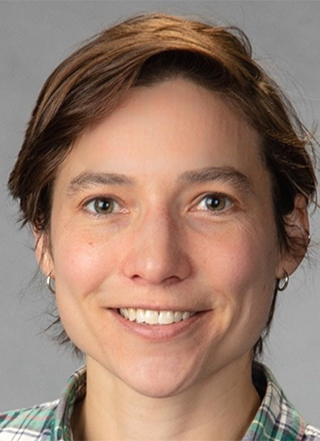
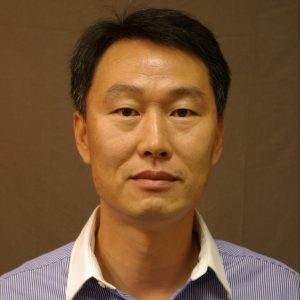
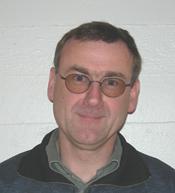
Lawrence B. Smart is a Professor at Cornell University's School of Integrative Plant Science , with appointments in the Horticulture Section and Plant Breeding and Genetics Section . He earned his B.S. in Biology from Cornell (1987) and Ph.D. in Genetics from Michigan State University (1992), followed by an NSF Postdoctoral Fellowship at UC-Davis. Research Focus : Genomics-assisted breeding of bioenergy crops (shrub willow), industrial hemp, and hop Key Projects : Hybrid vigor in willow, hemp cultivar development for New York State, hop adaptation to local growing conditions Awards : No explicit honors mentioned in available text His lab investigates fundamental genetic mechanisms in sex determination , pest/disease resistance , and nutrient uptake in perennial woody plants. Recent publications emphasize genomic approaches to optimize biomass yield and chemical composition for bioenergy, along with hemp's cannabinoid profiles and hop's regional adaptation . Extension work connects research to stakeholder needs in agricultural sustainability. Contact : lbs33@cornell.edu , 630 W. North Street, Geneva, NY. He teaches PLSCI 5030: Hemp Breeding and Genetics .
R. Alan Harris is an Assistant Professor at the Baylor College of Medicine within the Human Genome Sequencing Center and Molecular and Human Genetics department. His research integrates bioinformatics, genomics, and epigenomics to develop nonhuman primate disease models while investigating primate evolution and epigenetic regulation in development and disease. PhD and postdoctoral training in Molecular and Human Genetics at Baylor College of Medicine MA in Biological Anthropology from Kent State University BA in Anthropology and Geology from Florida State University Key research areas include: Development of nonhuman primate models for human diseases (rhesus macaque, marmoset) Primate genome assembly and annotation for biomedical research Epigenomic regulation via DNA methylation in disease and development Computational tools for genomic and epigenomic data analysis Primate comparative genomics to understand evolutionary chromosomal changes Recent publications focus on genomic diversity in primates, mutation rate analysis across species, disease modeling in nonhuman primates, and epigenetic regulation in developmental and pathological contexts. Collaborative work spans primate evolution, immunogenetics, and biomedical applications of genome sequencing.
Clare Rittschof is an Associate Professor at the Martin-Gatton College of Agriculture, Food and Environment, University of Kentucky. Her research integrates behavioral ecology, neuroscience, and genomics to investigate how social experiences and environmental factors shape behavioral expression in insects, particularly honey bees. Location: 405 Plant Sciences Building, Lexington, KY Email: clare.rittschof@uky.edu Phone: (859) 218-3343 Research focuses on: Social cue integration and behavioral plasticity Impact of early-life experiences on adult phenotypes Neurogenomic mechanisms of aggression and disease resistance Environmental stressors in agroecosystems Epigenetic regulation of social behavior Systems approaches to plant-pollinator interactions Recent publications highlight trends in honey bee aggression regulation, social context effects on behavior, transcriptomic responses to stress, and environmental impacts on colony dynamics. Her work bridges ecological and molecular perspectives through studies on brain mitochondrial bioenergetics, kleptobiotic events, and grooming behaviors. Scientific award: National Science Foundation CAREER Award for 'Signal to Noise' research on social information processing Mentoring initiatives emphasize undergraduate research opportunities, with lab social media platforms showcasing their NSF-funded work and bee behavior studies.
Olivier Disson is a permanent INSERM research scientist (“Chargé de Recherche 1”), working since 2008 in the G5 “Microorganismes et barrières de l’hôte” unit (INSERM U604) at the Institut Pasteur, Paris, France. He leads the ANR-funded project “Microbial translocation across the intestinal epithelium (Organolist)” and participates in several national and international consortia investigating how Listeria monocytogenes breaches host barriers. Education: Ph.D., Molecular and Cellular Biology, University of Montpellier II, 2004 DEA (Master) Biology & Health Sciences, University of Montpellier II, 2000 Magistère Molecular & Cellular Biology, École Normale Supérieure, Lyon, 1999 Research interests revolve around the cellular and molecular mechanisms that enable the food-borne pathogen Listeria monocytogenes to cross intestinal, placental and blood-brain barriers. Using intestinal organoids, live imaging, genetically-modified mice and comparative genomics, his work has uncovered critical roles for PI3-kinase signaling, InlB-mediated immune evasion, and species-specific invasion proteins in listerial dissemination. Recent publications (2021-2024) highlight emerging themes: differential stress responsiveness shapes virulence heterogeneity , bacterial inhibition of Fas-mediated cell death promotes neuroinvasion , and neonatal susceptibility to meningitis reflects immature barriers and microbiota . These studies integrate genomics, cell biology and in vivo infection models to illuminate both pathogen and host determinants of disease. Labs & Teams: Disson works within the Institut Pasteur G5 unit headed by Prof. Marc Lecuit, where he co-supervises post-doctoral fellows, PhD students and engineers on projects funded by ANR, ERC and Swiss National Science Foundation.
Carmen Catalá serves as an Assistant Professor in the Section of Plant Biology within Cornell University's School of Integrative Plant Science. Her laboratory investigates molecular mechanisms governing tomato fruit development, with particular focus on auxin synthesis, translocation, and signaling networks. Based in offices 315/316 at Cornell, she maintains an active research program integrating genetic, genomic, and biochemical approaches to study fruit set and growth processes. Her research centers on elucidating auxin homeostasis during tomato fruit development, examining how spatial and temporal control of auxin levels regulates ovary growth post-fertilization and coordinates cell expansion. Key investigations include transcriptional mapping of PIN and AUX/LAX gene families controlling auxin transport, analysis of IAA biosynthesis pathways, and cell-specific transcriptome profiling using Laser Capture Microdissection. Recent work extends into drought stress adaptation mechanisms and utilization of wild tomato species for genetic diversity studies. Publications reveal consistent focus on auxin-mediated developmental processes, with increasing emphasis on environmental stress responses and genomic approaches. Her work demonstrates strong integration of transcriptomic, proteomic, and physiological methodologies to address fundamental questions in fruit biology. The 2018 Tomato Expression Atlas represents a significant community resource for plant researchers. No scientific awards were explicitly mentioned in the source materials. Her laboratory engages in mentoring through the Boyce Thompson Institute internship program, where students investigate molecular mechanisms underlying fruit set, development, and drought stress responses in tomato systems. The Catalá Lab operates at the intersection of plant physiology, molecular genetics, and genomics, utilizing tomato as a model system to address fundamental questions in fruit development. Research activities include hormone signaling analysis, transcriptome profiling, and investigation of wild tomato species for stress adaptation traits.
Prof. Dr. Sven Rottenberg is a Group Leader at the Institute of Animal Pathology within the University of Bern , and a member of the Neglected Diseases Cluster at the Multidisciplinary Center for Infectious Diseases (MCID) . His research spans oncology and infectious diseases, focusing on DNA damage response mechanisms, PARP inhibitor resistance, and comparative oncology using canine/feline models. Specializes in spatial transcriptomics and CRISPR/Cas9 functional genomics Develops AI-driven tools for digital pathology and drug safety assessment Investigates tumor microenvironment dynamics and metabolic vulnerabilities Research Trends : His recent work emphasizes Spatial omics technologies for tumor heterogeneity mapping Host-pathogen interactions in malaria and hemoparasites Artificial intelligence applications in veterinary and human oncology Genetic dropout screens for chemotherapy optimization Replication fork stability in BRCA-deficient cancers Canine tumor organoid biobanking
Jihoon Kim, PhD is an Assistant Professor of Biomedical Informatics and Data Science at Yale School of Medicine. As a founding faculty member of the Section of Biomedical Informatics and Data Science, Dr. Kim leads innovative research at the intersection of bioinformatics, data science, and pediatric medicine. His work focuses on applying multi-omics approaches to understand complex diseases, particularly Kawasaki Disease (KD). Assistant Professor of Biomedical Informatics and Data Science (Primary Appointment) Faculty member of the Yale Combined Program in the Biological and Biomedical Sciences (BBS) Researcher at Human Genome Sciences Dr. Kim earned his PhD from the University of California San Diego, an MS from the University of Wisconsin, and another MS from Seoul National University. His educational background provided the foundation for his expertise in bioinformatics and computational approaches to biomedical problems. Dr. Kim's research interests center on developing and applying bioinformatics tools to understand the genetic and molecular basis of diseases, with particular focus on Kawasaki Disease. His work integrates DNA, RNA-Seq, microRNA, proteome, and metabolome data from the same patients, linked with electronic health records. He has developed several bioinformatics software tools and analysis pipelines using KD omics datasets, including the first whole genome sequencing of African KD families. His expertise extends to distributed computing environments, secure genomic data analysis, and federated learning approaches for multi-institutional studies. Dr. Kim also contributes to cancer research, inflammatory bowel disease studies, and COVID-19 data analysis through collaborative projects. His publication record demonstrates expertise across multiple domains including bioinformatics tool development, multi-omics integration, genetic studies of rare diseases, and clinical applications of machine learning. Recent work shows increasing focus on privacy-preserving analytics, blockchain applications in healthcare, and addressing health disparities through data science approaches. His research spans pediatric diseases, cardiovascular conditions, and inflammatory disorders, with strong emphasis on translational applications. Rising Star Award at the 14th International Kawasaki Disease Symposium (February 2025) Dr. Kim's research is supported by multiple NIH grants, The Gordon and Marilyn Macklin Foundation, and resources from Illumina. He collaborates extensively with clinicians and researchers across institutions, particularly with Dr. Jane Burns on Kawasaki Disease research and with Dr. Lucila Ohno-Machado on multiple projects including the All of Us research program. His work demonstrates successful translation of bioinformatics methods to address clinical challenges in rare diseases where patient samples are scarce and analysis methods are not well established. As a founding faculty member of Yale's Section of Biomedical Informatics and Data Science, Dr. Kim contributes to building research infrastructure and collaborative networks focused on applying data science to biomedical challenges. His work bridges computational methods development with direct clinical applications, particularly in pediatric vasculitis research.
Jose Inzunza is a Principal Researcher and Docent (Associate Professor) at the Department of Laboratory Medicine, Karolinska Institutet, Stockholm, Sweden. His academic career spans over two decades, with a focus on stem cell biology , reproductive medicine , and estrogen receptor research . He leads the KISCO unit, specializing in 3D organoid models for disease and drug testing. Education : Ph.D. in Medical Sciences, Karolinska Institutet (2003) Docent in Developmental Biology, Karolinska Institutet (2013) Research Interests include: elucidating the role of MMP-19 and TIM-1 in ovulation using ERβ knockout mice, studying estrogen receptor signaling in stem cell differentiation, somatic cell nuclear transfer for isogenic stem cells, and 3D organoid models for regenerative medicine. His work integrates cell and molecular biology , immunology , and medical genetics . Recent Publications highlight his interdisciplinary approach, spanning Alzheimer's disease (ERβ sex-specific protection), organoid modeling (endometrial responses), structural biology (ZP2-targeted contraception), and neurodevelopment (fluoxetine effects on dopaminergic neurons). Over 40 peer-reviewed articles in journals like PNAS , Nature Biotechnology , and Stem Cells . Teaching & Leadership : Organizer of five doctoral courses in stem cell biology and regenerative medicine, including Embryology I and Gene Regulation . Course leader for The Human Body, Health and Disease at Stockholm University. His team includes senior researchers, postdocs, and molecular biologists. Grants include funding from the Swedish Research Council (2025-2028: integrative structural biology; 2024-2026: ovarian aging) and VINNOVA (2023-2024: organoid-based drug screening).
Dr. Sunoh Che is an Assistant Professor in Animal & Avian Sciences at the University of Maryland's College of Agriculture and Natural Resources. She holds board certification in Veterinary Preventive Medicine and collaborates closely with poultry producers and processors to enhance animal health and product quality through data-driven strategies. Her lab focuses on poultry management extension programs addressing pre- and post-harvest processing challenges. Dr. Che earned her DVM from Chonnam National University (South Korea), followed by advanced degrees in veterinary medicine and epidemiology across Canada and Australia. Her expertise spans poultry production systems, statistical modeling, and metabolic disorders in chickens. Research interests include transcriptomic analysis of muscle myopathies (spaghetti meat, woody breast), gut microbiome differences between chicken breeds, and viral pathogen dynamics in avian species. Recent studies explore chilling methods' impacts on meat quality and bornavirus infections in waterfowl. Key Awards: Hy-Line International Genetics Award (2021), Endeavour Postgraduate Award (2010-2012) Teaching: Leads ANSC 262 – Commercial Poultry Management Lab Focus: Developing diagnostic tools and management protocols for broiler myopathies Her interdisciplinary approach bridges veterinary epidemiology with production agriculture to improve both animal welfare and industry efficiency.
Andy Pereira is Professor of Plant Molecular Genetics at the University of Arkansas, holding the Anheuser-Busch and Arkansas Wholesalers Professorship. He directs the Experiment Station and teaches in the Department of Crop, Soil and Environmental Sciences. His research focuses on plant genetics, environmental stress responses, and climate adaptation strategies for crops. Education includes: Ph.D. in Plant Breeding and Cytogenetics from Iowa State University (1986) M.S. in Genetics from Indian Agricultural Research Institute (1981) B.Sc. in Agriculture and Animal Husbandry from Govind Ballabh Pant University of Agriculture and Technology (1979) Research examines molecular mechanisms of stress tolerance in crops, with recent studies on heat/drought responses, transposable elements, and QTL mapping for yield stability. Dr. Pereira is actively involved in climate change education, having presented research to teachers through the Andrill Climate Change program and participated in national science festivals. Publications demonstrate strong focus on abiotic stress responses in rice, particularly genomic approaches to heat/drought tolerance, with new methodologies for phenotyping and gene characterization emerging in recent works.
Dr. Om Rajora is a Professor and Senior Canada Research Chair (Tier 1) in Forest and Conservation Genomics and Biotechnology at the University of New Brunswick's Faculty of Forestry and Environmental Management. He holds a PhD in Forest Genetics from the University of Toronto and has over four decades of experience in forest genetics research. Previously, he served as a Professor and StoraEnso Senior Chair in Forest Genetics and Biotechnology at Dalhousie University, and held roles at the University of Alberta and the National Research Council of Canada. His research focuses on forest tree genetics, genomics, and biotechnology, addressing issues like climate change adaptation, genetic conservation, and sustainable forest management. Dr. Rajora's education includes a BSc in Biology, MSc in Botany, and LL.B. from Meerut University, India. His work spans basic and applied research, including genome mapping, transcriptome sequencing, and the genetic basis of tree responses to environmental stressors. He coordinates international research units like IUFRO's Population, Ecological and Conservation Genetics, and serves on editorial boards of journals like Botany and Forests . His research interests emphasize genetic diversity, population structure, evolutionary potential of forest trees, and conservation strategies. Notable contributions include pioneering studies on eastern white pine, red spruce, and Scots pine, as well as the development of a Population Genomics book series. He is a frequent keynote speaker at international conferences and has authored hundreds of peer-reviewed publications.
Michael Lee Moody is an Associate Professor in the Department of Biological Sciences at the University of Texas at El Paso , where he directs the UTEP Herbarium. His research focuses on plant evolution across multiple scales, integrating Molecular Ecology , Comparative Transcriptomics , and Population Genomics to study Biological Invasions , Systematics , and Conservation Genetics . Research Themes : Local adaptation in Arctic plants, hybrid speciation in invasive taxa, phylogenetic analysis using herbarium specimens, and climate change impacts on phenology. Key Species : Eriophorum vaginatum (tussock cottongrass), Myriophyllum (watermilfoil), and desert plants from the Chihuahuan and Australian ecosystems. Techniques : Next-Generation Sequencing (NGS), RADseq, bioinformatics, phylogenetic analysis, and field-based population genomics. Recent publications highlight his work on genomic responses to climate change in Arctic sedges, phylogenetic conflicts in aquatic plants, and herbarium-based systematics . His lab also emphasizes landscape-level genetic barriers and candidate gene identification for ecological adaptation. Advising : Elizabeth Stunz : PhD candidate studying population genomics of Arctic plants. Christopher Munoz : Focused on Chihuahuan Desert plant phylogenomics. Luis Pallares-Solano : Investigating ecotypic adaptations in Arctic sedges. Carmen Webster : Completed MS in transcriptomics of Eriophorum vaginatum and now pursuing PhD at Arizona State University.
JaeWoo Kim is an Assistant Research Professor in the Division of Animal Sciences at the University of Missouri’s College of Agriculture, Food and Natural Resources (CAFNR). His research focuses on genomic and transcriptomic analyses of livestock, particularly cattle and swine, with emphasis on infectious disease responses, reproductive biology, and production trait genetics. He holds a Ph.D. and is affiliated with the Animal Science Research Center. Research interests include bovine respiratory disease pathogenesis, viral-host interactions, genomic selection for feed efficiency, and functional genomics of reproductive traits. His work integrates advanced sequencing technologies (e.g., RNA-seq, ATAC-Seq) to understand transcriptome dynamics and identify biomarkers for disease and productivity. Key contributions involve studies on BoHV-1 and BRSV infections in calves, CYP19 paralogs in porcine development, and genomic associations with beef cattle traits. His publications highlight interdisciplinary approaches linking molecular mechanisms to agricultural applications. Kim’s research has implications for improving livestock health, breeding strategies, and sustainable production systems. He is contactable at kijae@missouri.edu and located in the Animal Science Research Center.
Kenneth Chiou is an Assistant Professor in the Department of Biology at the University of Alabama at Birmingham (UAB), within the College of Arts and Sciences. His research focuses on the intersection of sociality, ecology, genomics, and health in primates. He holds a B.A. in Anthropology from New York University, and M.A. and Ph.D. in Physical Anthropology from Washington University in St. Louis. Chiou's work investigates how social experiences, environmental stimuli, and genome evolution influence health and aging in primates. His research employs a multidisciplinary approach, combining field observations, lab experiments, and computational analysis. Key topics include the biological underpinnings of health disparities, evolutionary mechanisms shaping physiology, and the role of social bonds in primate societies. He has conducted fieldwork in diverse locations such as Puerto Rico, Ecuador, Ethiopia, Zambia, and across the U.S. His studies often integrate genomics with ecological and behavioral data, addressing questions like how social environments modulate immune responses and how genetic variation contributes to aging. Notable projects include analyzing microbiome diversity in wild primates and studying SIV infection impacts on gene expression in macaques. Chiou collaborates across disciplines, bridging evolutionary biology, anthropology, neuroscience, and geroscience. His lab focuses on creating comprehensive genomic and transcriptomic resources for primates, including single-cell atlases of the rhesus macaque brain. He emphasizes translational research with implications for human health and aging.
Karsten Bruno Fischer is a Professor of Plant Molecular Biology and Physiology at the Department of Arctic and Marine Biology, UiT The Arctic University of Norway, where he has held a faculty position since 2006. His research focuses on plant molecular biology with particular emphasis on plastid transport systems and parasitic plant interactions. Fischer leads research within the Microorganisms and Plants group and maintains an active publication record with significant contributions to understanding plant-parasite interactions and organelle transport mechanisms. PhD from University of Würzburg, Germany (1988-1992) Diploma in Biology from University of Göttingen, Germany (1987) Junior faculty at University of Cologne (1993-2000) Senior faculty at University of Cologne (2001-2006) Habilitation (2000) Visiting Scientist at University of Arizona (2000-2001) Professor Fischer's research primarily investigates plastid biology, with special focus on metabolite transport across plastid membranes and the molecular mechanisms of parasitic plants, particularly Cuscuta species. His work bridges fundamental plant molecular biology with evolutionary adaptations in parasitic systems. He has made significant contributions to understanding how parasitic plants establish connections with their hosts through specialized structures like the haustorium and how they manipulate host physiology for nutrient acquisition. Analysis of Fischer's recent publications reveals a strong focus on the evolutionary adaptations of parasitic plants, particularly Cuscuta, with research spanning from molecular transport mechanisms to whole-organism interactions. His work demonstrates how these parasitic plants have evolved sophisticated mechanisms to overcome host defenses, establish nutrient connections, and manipulate host physiology. The research spans multiple scales from gene expression and protein function to whole-plant physiology and evolutionary adaptation, with particular emphasis on plastid biology and intercellular communication between parasite and host. Professor Fischer actively mentors students and collaborates with researchers worldwide, with notable collaborations including Kirsten Krause, Rainer Schwacke, and Andreas P.M. Weber. His research has received support from various funding bodies enabling investigations into plant-parasite interactions, plastid transport mechanisms, and evolutionary adaptations in parasitic plants. Based at UiT The Arctic University of Norway, Fischer conducts his research within the Department of Arctic and Marine Biology, contributing to the university's focus on northern ecosystems while maintaining international collaborations. His laboratory investigates plant molecular biology with particular attention to parasitic plant systems and plastid transport mechanisms, utilizing molecular, biochemical, and evolutionary approaches to address fundamental questions in plant biology.