Brunilde Sanso is a Full Professor in the Department of Electrical Engineering at Polytechnique Montréal. She holds an Eng. (USB) from Caracas, M.Sc.A., and a Ph.D. from Polytechnique Montréal. Her research focuses on telecommunication and computer networks optimization, emphasizing performance, reliability, energy efficiency, and sustainability. Key technologies include IP, IoT, 4G/5G, and SDN, with applications in smart cities and cloud computing. She leads LORLAB and is a member of GERAD and IVADO. Teaching includes courses on telecommunication networks, data networks, and smart-grid telecommunications. Over 37 students (Ph.D. and Master's) have been supervised, contributing to infrastructure sharing, energy-efficient networks, and IoT simulations. Media engagements highlight her expertise on network resilience during emergencies and 5G technology challenges.
Dr. Mriganka Sur is the Newton Professor of Neuroscience and Director of the Simons Center for the Social Brain at MIT. He previously served as head of the MIT Department of Brain and Cognitive Sciences for 15 years. His research focuses on the organization, plasticity, and dynamics of the cerebral cortex, employing experimental and theoretical approaches. Key areas include synaptic plasticity mechanisms, cortical circuit development, and neurodevelopmental disorders like Rett syndrome. His lab pioneered imaging techniques to study intact brain circuits and identified gene networks underlying cortical plasticity. Education: B.Tech. in Electrical Engineering from the Indian Institute of Technology, Kanpur (1978), and PhD in Electrical Engineering from Vanderbilt University (1983). Research interests span cortical circuit dynamics, neuromodulation (e.g., noradrenaline signaling), astrocyte-neuron interactions, and translational strategies for neurodevelopmental disorders. Recent work includes discoveries on astrocyte roles in synaptic refinement and the therapeutic potential of IGF-1 for Rett syndrome. Major awards include the Krieg Cortical Discoverer Prize, Royal Society Fellowship, and multiple NIH grants. He has mentored over 80 doctoral students and postdoctoral fellows, recognized for teaching and mentoring excellence. His lab is funded by NIH BRAIN Initiative, Simons Foundation, and other institutions. Labs/Teams: Sur Lab (MIT) focuses on cortical circuits and Rett syndrome mechanisms. He directs the Simons Center for the Social Brain, advancing social neuroscience research.
Professor Ivan Minev is a Professor of 'Electronic Tissue Technologies' at the Else Kröner Fresenius Center for Digital Health, part of the Medical Faculty at Technische Universität Dresden since 2023. He also heads a research department at the Leibniz Institute for Polymer Research Dresden. Previously, he held a visiting professorship in Intelligent Healthcare Technologies at the Automatic Control and Systems Engineering Department, University of Sheffield (2019–2023). He earned his PhD in 'Soft Neural Interfaces' from the University of Cambridge in 2012. His research focuses on bioelectronic interfaces, combining 3D printing and soft conductive materials to create implantable, wearable, and cell culture devices. His work aims to record biopotentials from neural, muscular, and cellular systems, leveraging machine learning and signal processing to extract diagnostic biomarkers or control signals for neuroprostheses. Collaborations with Sheffield’s School of Electrical and Electronic Engineering (SoEEE) aim to analyze experimental datasets for advanced data interpretation. Research interests include multi-modal neuromodulation, bioelectronic implants, and the development of hydrogels and 3D printing technologies for biomedical applications. He leads the ERC-funded IntegraBrain project, exploring multi-modal sensor-actuator networks for neural communication and treatment of neuropsychiatric disorders. Key honors include the Volkswagen Foundation Freigeist Fellowship (2017–2021) and an ERC Starting Grant (2019–2024). His work bridges materials science, biomedical engineering, and clinical applications, with grants totaling over €2.4 million.
Brian Neil Levine is a Distinguished Professor of Computer Science and Director of the UMass Amherst Cybersecurity Institute. He joined the Manning College of Information and Computer Sciences in 1999 and was promoted to Professor in 2010. His research focuses on cybersecurity, digital forensics, and child rescue, with significant contributions to thwarting online child exploitation. Levine's work has been supported by the Department of Justice, NSF, and Oak Foundation, leading to tools like RoundUp that have rescued hundreds of children globally. Education: PhD (1999), MS (1996) in Computer Engineering from UC Santa Cruz; BS from University at Albany (1994). Research Interests: Combats child sexual exploitation through digital forensics and network security. Key areas include blockchain analysis, peer-to-peer networks, mobile computing, and privacy-preserving technologies. His lab’s tools are used by law enforcement agencies worldwide. Notable Achievements: ACM Fellow (2020), NSF CAREER Award (2002), and the 2017 IEEE INFOCOM Test of Time Award. He has published over 90 papers and holds $12M+ in research grants. Service: Founded the New England Security Day, co-chaired ACM MobiCom 2011, and served on editorial boards for journals like IEEE Transactions on Networking. Active in policy advising, including testimony to the U.S. Sentencing Commission. Labs/Teams: Leads the UMass Rescue Lab and co-directs the UMass Data Core. Collaborates with ICAC Task Forces and federal agencies.
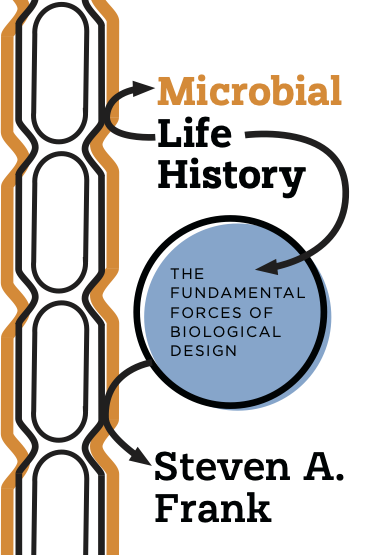
Steven A. Frank is the Donald Bren Professor and UCI Distinguished Professor at the University of California, Irvine. His research integrates evolutionary theory with cancer biology, genetics, and systems biology. Frank's work focuses on understanding how evolutionary principles shape biological systems, particularly in cancer development, regulatory networks, and microbial ecology. He has authored influential books including Dynamics of Cancer and Foundations of Social Evolution . Research Interests: Evolutionary mechanisms in cancer and aging Regulatory networks and robustness Genomic conflict and cooperation Evolutionary dynamics of microbial communities Publications highlight innovative approaches such as applying control theory to biological systems and bridging evolutionary theory with machine learning. Frank's work emphasizes interdisciplinary methods to address questions in oncology, genetics, and ecology.
Prof. Dr. Marc Erhardt is a Full Professor of Molecular Microbiology at Humboldt-Universität zu Berlin, Germany, and a Max Planck Fellow at the Max Planck Unit for the Science of Pathogens. His academic career includes prior roles as Associate Professor (W2) at Humboldt-Universität and a Principal Investigator at the Helmholtz Centre for Infection Research. He holds a PhD from the University of Konstanz (summa cum laude) and completed postdoctoral work at Université de Fribourg and the University of Heidelberg. His research focuses on bacterial physiology, flagellar biology, and type III secretion systems, with notable contributions to understanding flagellar assembly mechanisms and bacterial motility. Erhardt has received prestigious awards including the ERC Consolidator Grant (2019) and the VAAM Forschungspreis (2018). His work spans structural biology, pathogen-host interactions, and synthetic biology tools for microbial systems. Education: PhD in Molecular Microbiology (2011), University of Konstanz Diploma in Biology (2006), University of Ulm, Konstanz, and University of Utah Research interests include the molecular mechanisms of flagellar assembly, bacterial motility regulation, and the interplay between bacterial physiology and pathogenicity. Key achievements include discoveries on flagellin incorporation mechanisms, anti-phage defense systems, and CRISPRi-mediated bacterial regulation. Erhardt's lab (AG Bacterial Physiology) employs advanced microscopy, structural biology, and synthetic biology approaches to explore bacterial nanomachines and infection strategies. His research has led to over 60 publications in journals like Cell , Nature Communications , and PLOS Biology . Awards & Grants: ERC Consolidator Grant (2019) Helmholtz Young Investigator Grant (2013–2017) Marie Curie International Fellowship (2012–2013) His research group develops novel tools for studying bacterial systems, including fluorescent markers for Gram-negative bacteria and regulatory systems for synthetic biology. Current projects address flagellar dynamics, microbiota interactions, and the structural basis of bacterial pathogenesis.
Neil Dufton is a Senior Lecturer in Inflammatory Sciences at Queen Mary University of London, part of the William Harvey Research Institute and the Faculty of Medicine and Dentistry. He leads the Dufton Lab within the Centre for Microvascular Research, focusing on endothelial cell biology and vascular pathologies. His research integrates advanced imaging techniques to study endothelial-to-mesenchymal transition (EndMT) in inflammation and fibrosis. Dr. Dufton holds a BSc from the University of Bath and a PhD from Queen Mary University of London, followed by postdoctoral work in Canada and at Imperial College London. Education: BSc (Hon) Pharmacology, University of Bath, 2006 PhD in Inflammatory Sciences, Queen Mary University of London, 2010 Research Interests: Dr. Dufton explores the adaptability of blood vessels, particularly endothelial cells, in health and disease. Key areas include EndMT mechanisms, molecular pathways in fibrosis, and vascular stability. His lab develops innovative imaging approaches to visualize cellular processes in vivo and in vitro. Awards & Recognition: BHF Reflections in Research Award Wellcome Trust Image Award National Geographic Publication Lab & Collaboration: The Dufton Lab collaborates with institutions like the National Heart and Lung Institute and the Farncombe Family Digestive Health Research Institute. Current projects are funded by Versus Arthritis and the Centre for Inflammation and Therapeutic Innovation (CITI). Public Engagement: Neil is a science communicator, creating interactive art projects such as 'Battle of Blister' and 'Blood Lines,' blending microscopy and art to engage the public in scientific concepts.
Aitor Aguirre is an Associate Professor in the Department of Biomedical Engineering at Michigan State University (MSU), affiliated with the Institute for Quantitative Health Science & Engineering (IQ) and the Division of Developmental and Stem Cell Biology. His research focuses on stem cell and tissue engineering approaches to improve cardiovascular health, including heart organoid development and cardiac regeneration. Education: B.S. in Biology (University of the Basque Country, 2002), M.Sc. in Biochemistry (2005) and Tissue Engineering (Technical University of Catalonia, 2008), Ph.D. in Tissue Engineering (2010). Postdoctoral training at the Salk Institute (2011). Research interests include: Engineering human heart models for disease study and therapy Pluripotent stem cell-derived organoids In vivo cellular reprogramming Cardiac regeneration mechanisms Lab collaborations span MSU and global institutions. Current work emphasizes fetal/adult heart models and translational applications for cardiovascular conditions. The lab uses advanced microscopy, optogenetic systems, and in vivo imaging for organoid analysis. Key technical advancements include: Self-organizing heart assembloids Bioengineered cardiac neural crest tissues Sex-specific nanomedicine efficacy studies
Shivendra Panwar is a Professor in the Electrical and Computer Engineering Department at the NYU Tandon School of Engineering and Director of the New York State Center for Advanced Technology in Telecommunications (CATT). He holds IEEE Fellow and NAI Fellow distinctions. His research focuses on wireless networks (5G/6G, mmWave, terahertz), video distribution over wireless, AR/VR/XR applications, and R&D policy. Education: B.Tech from IIT Kanpur (1981), M.S. and Ph.D. from University of Massachusetts Amherst (1983, 1986). He co-founded the NY City Media Lab and is a member of NYU Wireless. Notable awards include the IEEE Leonard G. Abraham Prize (2004), 2011 Multimedia Best Paper Award, and Sony Research Awards (2016-2017). Recent work addresses challenges in millimeter wave systems, full-duplex cellular networks, and latency-sensitive applications. His contributions span protocol design, network architecture innovation, and economic analysis of telecom systems. He has authored/co-authored influential books on TCP/IP and network management.
Jin Ryoun Kim is an Associate Professor in the Department of Chemical and Biological Engineering at New York University's Tandon School of Engineering. He joined the faculty in 2006 and focuses on protein engineering, neurodegenerative diseases, and molecular sensing technologies. His work includes creating novel proteins for detecting toxic molecules in diseases like Alzheimer’s and engineering thermostable enzymes for industrial applications. Dr. Kim holds a Bachelor of Science and Master of Science in Chemical Engineering from Seoul National University (1997-1999) and a Ph.D. in Chemical and Biological Engineering from the University of Wisconsin-Madison (2004). His research interests encompass data-driven enzyme engineering , protein mis-assembly in neurodegenerative diseases , protein folding/stability , and protein-based molecular sensors . He explores how proteins interact in diseases like Alzheimer’s and Parkinson’s, with a focus on developing diagnostic tools and therapeutics. Notable achievements include the New Investigator Award (Alzheimer’s Association, 2009), Wechsler Award for Excellence (2009), and Jacobs Excellence in Education Award (2013). He has authored numerous journal articles and patents, contributing to fields like enzyme design and peptide therapeutics. His lab investigates protein-protein interactions, amyloid formation, and molecular sensors. He collaborates on projects such as peptide probes for detecting beta-amyloid aggregates and engineering thermostable enzymes for industrial use.
Dr. Jun Yu is a Senior Lecturer in the Department of Finance at the University of Melbourne's Faculty of Business and Economics. His research focuses on MACRO-FINANCE and ASSET PRICING, contributing to financial market dynamics and investment strategies. He is affiliated with the Centre for Asian Business and Economics, exploring economic implications in regional contexts. His academic work demonstrates interdisciplinary engagement, with publications spanning biological and medical research areas such as proteomics, cell biology, and infectious disease mechanisms. These studies include investigations into lipid droplet interactions, neuronal differentiation, and bacterial pathogenesis. Awards and grants are not explicitly mentioned in the provided materials. Dr. Yu collaborates across disciplines, evident in his diverse publication portfolio. His research integrates quantitative methods with empirical analysis, addressing both financial and biomedical challenges.
Tom Luk R Michoel is a Professor at the Computational Biology Unit within the Department of Informatics at the University of Bergen. His research focuses on bioinformatics, computational biology, and machine learning applied to understanding gene regulation and causal relationships in biological systems. He teaches in both the Bachelor and Master programs in Informatics, including courses like BINF301 and MNF130. Research Interests: Michoel’s work explores how genetic variation influences gene expression and disease mechanisms. He develops machine learning algorithms to infer causal gene regulatory networks from large-scale genomic data, emphasizing causal inference over mere correlations. His recent projects include analyzing plasma protein networks linked to cardiovascular disease and applying Bayesian networks to understand gene-disease associations. Publications: His most recent work (2025) focuses on causal protein networks in myocardial infarction risk and network-driven frameworks for coronary artery disease studies. He also contributes to methodological advancements like integrating graph neural networks with metabolic models. Current Activities: Michoel leads the development of tools like Findr.jl for network inference and teaches short courses on causal inference in drug discovery. His lab collaborates on projects involving single-cell analysis, multi-tissue genomics, and systems pharmacology.
Hamid Habibi is Professor in the Department of Biological Sciences at University of Calgary, with cross-appointment to the Libin Cardiovascular Institute. His research explores endocrine control of reproduction and growth in vertebrates, emphasizing gonadotropin regulation, GnRH applications, and environmental endocrine disruption using fish models. Awarded the Khwarizmi International Prize and UNESCO/TWAS professorship, his innovations include transgenic plant-based fish growth enhancement. Education includes a PhD and B.S. in Biological Sciences from University of Birmingham. Research integrates molecular endocrinology with environmental toxicology, examining GnRH functional diversity, thyroid-reproductive interactions, endocrine disruption mechanisms, and probiotic interventions against contaminants. Studies utilize goldfish and zebrafish models to dissect hypothalamic-pituitary-gonadal axis regulation. Recent publications demonstrate strong focus on endocrine disruptor impacts (BPA, glyphosate, phthalates) in aquatic models, thyroid-gonadal crosstalk, and probiotic mitigation strategies. Metabolomic/transcriptomic approaches reveal contaminant effects on reproduction and metabolism. Visiting Professorship, Università Politecnica delle Marche, Italy (2015) 18th Khwarazmi International Distinguished Research Award (2005) Grace Pickford Medal (2001) UNESCO/TWAS Professorship in Sustainable Development (2001) Leads projects on agrochemical impacts funded by NSERC and industry partners. Supervises graduate trainees in cellular/molecular biology techniques within the Aquatic Endocrinology Laboratory.
Besmir Tola is an Associate Professor at the Department of Information Security and Communication Technology, NTNU. His affiliations include the Faculty of Information Technology and Electrical Engineering, where he holds a permanent academic position. Previously, he served as an Assistant Professor (2020-2022), Researcher (2019-2020), and held a Marie S. Curie Fellowship (2015-2019) within the same institution. He earned his Master's from the University of Siena (Italy) and PhD from NTNU. His research focuses on dependability modeling of software-defined networks, performance analysis of virtualized networks, wireless security, and NFV orchestration. He has published extensively on topics like NFV service resilience, redundancy allocation, and network availability modeling. His work emphasizes practical solutions for carrier-grade service provisioning and network reliability in cloud-native architectures. Dr. Tola has collaborated with industry partners such as Nokia Bell Labs and SIKT (Norway), contributing to both academic and applied research. He is also an accredited Cisco Networking Academy instructor, teaching courses like Cisco Certified Network Associate and Cloud Security. His voluntary roles include leadership in IEEE NTNU Student Branch and PhD/postdoc advocacy organizations.
Nicole Thompson Gonzalez is an Assistant Professor in Integrative Anthropological Sciences at the University of California, Santa Barbara (UCSB). She co-directs the Kakamega Monkey Project and the Biobehavioral Health Laboratory at UCSB. Her research focuses on the interplay between social integration, health, and reproductive strategies in human and non-human primates, particularly chimpanzees and East African monkeys. She leads a cross-species/cross-cultural working group exploring how ecological and cultural factors shape aging patterns across genders and social statuses. Her work integrates life history theory with field-based observations and biomarker analyses. Key research themes include age-related social selectivity, immune system energetics, and health disparities. She emphasizes translational research bridging primate studies and human healthspan extension. Gonzalez also advocates for decolonizing conservation science through equitable collaboration with Indigenous communities. Her research affiliations include the Center for Aging and Longevity Studies (CALS) and the Neuroscience Research Institute at UCSB. She maintains active fieldwork sites in Uganda and Kenya, focusing on wild primate populations. Gonzalez’s methodological toolkit includes social network analysis, endocrinology, and ecological niche modeling.