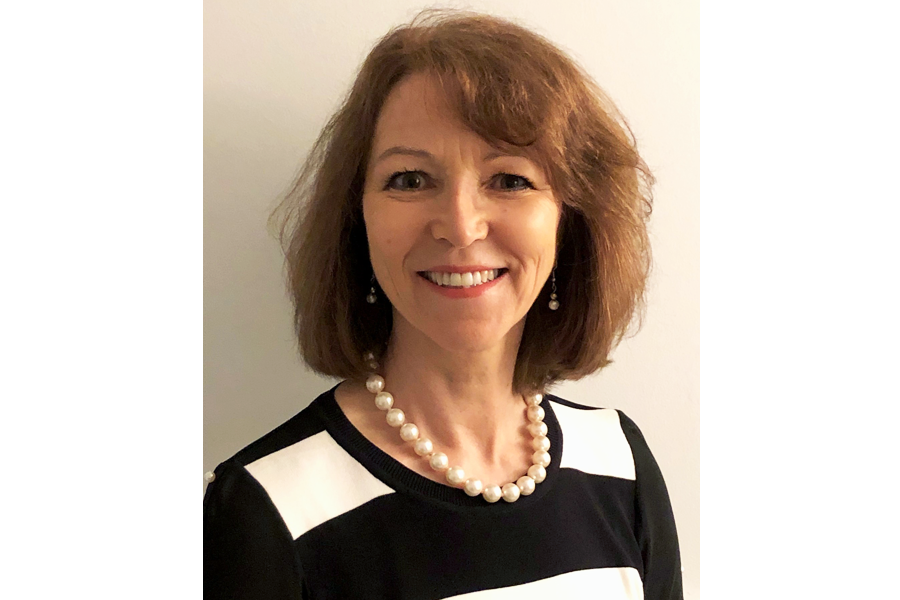
Zara Whysall is Associate Professor of Business Psychology at Nottingham Business School, Nottingham Trent University. A Chartered Psychologist with over twenty years of consultancy experience, her research examines talent management, organisational culture transformation, and presenteeism. She currently serves as Research & Impact Director at Kiddy & Partners and has led multiple Knowledge Transfer Partnerships focused on organisational growth. Research focuses on: Organisational behavior and sustainable culture change Presenteeism decision-making and health/performance optimization Leadership development in changing environments Diversity management implementation challenges Whysall's extensive publication record includes influential studies on UK organisational culture patterns, presenteeism biases, and SME transformation frameworks. Her 2024 research reveals significant mismatches between organizational policies and employee behaviors in UK workplaces.
Professor Mark Morgan is a distinguished academic and clinician at Bond University's Faculty of Health Sciences & Medicine, where he serves as Associate Dean for External Engagement and Professor in the Department of General Practice. With extensive experience in both clinical practice and research, he has established himself as a leader in primary care research and policy development in Australia. Professor at Bond University, Faculty of Health Sciences & Medicine Associate Dean for External Engagement Chair of the RACGP Expert Committee for Quality Care Active researcher with numerous recent publications Professor Morgan's research interests span multiple critical areas in primary care including patient safety, management of patients with multiple long-term conditions, shared decision making, and deprescribing. His work bridges clinical practice and health policy, with significant contributions to understanding how healthcare systems can deliver better outcomes for patients. His research often focuses on translating evidence into practice improvements within general practice settings. His recent publications demonstrate expertise across diverse areas including antimicrobial stewardship, medication safety, end-of-life care in general practice, and the management of multimorbidity. The research output shows a strong trajectory with increasing publication activity in recent years, particularly in high-impact areas of primary care. Professor Morgan actively contributes to national health policy through his roles on the Health Care Homes Implementation Advisory Group and the Medicare Benefits Review General Practice and Primary Care Clinical Committee. His policy work focuses on improving healthcare systems, digital health record safety, and medical benefits scheduling. As an educator, Professor Morgan teaches within Bond University's Medical Program and holds a Graduate Certificate in Clinical Education from Flinders University. His educational expertise complements his clinical and research activities, creating a comprehensive academic profile that strengthens medical education at Bond University.
Edward Weber is the Ulysses Dubach Professor of Political Science at Oregon State University's School of Public Policy. He holds a B.A. from Colorado State University, and M.A. and Ph.D. from the University of Wisconsin-Madison. His career includes roles as Director of the Thomas S. Foley Institute at Washington State University and Director of the School of Environmental and Public Affairs at the University of Nevada-Las Vegas. His research focuses on environmental policy, public administration, and collaborative governance, particularly in water resource management and sustainability. Education: B.A. in Political Science, Colorado State University (1978) M.A. and Ph.D. in Political Science, University of Wisconsin-Madison (1991, 1996) Research Interests: Environmental politics, public administration, science and politics, collaborative governance frameworks, and sustainability. His work emphasizes integrating society into policy-making, particularly in natural resource management and watershed governance. Recent Articles Trends: Focuses on wicked problems in environmental governance, climate change, integrated water-energy-food systems, and collaborative policy implementation. Recent work addresses challenges in Oregon's agricultural systems, Central Asia's water user associations, and Pacific Northwest salmon recovery efforts. Awards: 2008-09 Outstanding Professor of the Year (WSU) 2006-07/2007-08 Arete Award (WSU) Fulbright Senior Specialist (2006-2010) Advising & Grants: Led multi-million-dollar projects like the U.S. State Department's Central Asia water policy initiative ($650,000) and NOAA-funded salmon recovery studies. Advised organizations including the Ash Institute and U.S. Bureau of Land Management. Authored over 40 journal articles and books such as Bringing Society Back In (2003) and New Strategies for Wicked Problems (2017). Labs/Teams: Collaborative initiatives include the Ruckelshaus Center, Shared Strategy for Puget Sound, and Universities Consortium on Columbia River Governance. Engaged in global partnerships with institutions in Japan, New Zealand, Slovenia, and Uzbekistan.
Deserai Crow serves as Associate Professor and Associate Program Director for the PhD in Public Affairs at the University of Colorado Denver's School of Public Affairs. Her research focuses on narrative dynamics in policy processes, particularly during crises like wildfires, floods, and the COVID-19 pandemic. Crow's work centers on the Narrative Policy Framework, examining how stories shape policy learning, conflict resolution, and governance during disasters. She investigates environmental rulemaking, stakeholder engagement in crisis recovery, and the intersection of political communication with public health responses. Her research bridges political science, environmental policy, and disaster management through empirical analyses of real-world events including Colorado's extreme floods and pandemic responses. Recent publications reveal consistent thematic trends: narrative power in policy conflicts, visual communication strategies for vaccine uptake, and cross-state comparative analyses of crisis governance. Her scholarship spans political science, public administration, and health policy, with methodological emphasis on narrative analysis, stakeholder engagement, and policy process theory. Key contributions include demonstrating how disaster narratives influence regulatory outcomes and identifying mechanisms for collaborative governance amid belief divergence.
Scott Reeves is a Professor at Kingston University, specializing in interprofessional education and healthcare collaboration. His work focuses on enhancing collaboration among healthcare professionals through research and educational initiatives. He has co-authored over 200 articles, books, and guidelines addressing interprofessional teamwork, patient-centered care, and healthcare education systems. His research explores challenges and opportunities in interprofessional practice, including studies on discharge collaboration, interprofessional training, and the integration of pharmacists in primary care. Reeves has contributed to frameworks like the InterProfessional Activity Classification Tool (InterPACT) and co-edited key texts such as *Interprofessional Teamwork for Health and Social Care*. Reeves' work emphasizes the sociological and organizational aspects of healthcare teams, advocating for evidence-based interprofessional education to improve patient outcomes. He has engaged in international collaborations, including studies in Italy, Brazil, and Canada, and his methodologies include ethnography, systematic reviews, and mixed-methods research.
Jane Ku is an Associate Professor in the Department of Sociology and Criminology and the Women and Gender Studies program at the University of Windsor, affiliated with the Faculty of Arts and Humanities. She holds a PhD from the University of Toronto’s Ontario Institute of Studies in Education. Her research focuses on antiracism, intersectional feminism, immigrant settlement, and diasporic identity formation. Dr. Ku employs autoethnography and community-based approaches to explore activism, resilience, and decolonial practices. Education: PhD (Sociology and Equity Studies, University of Toronto), MA (Community Psychology, University of Toronto), BA (Psychology and Sociology, York University). Research interests emphasize community activism as transformative praxis, with projects on African-centered capacity-building, immigrant youth resilience, and Japanese Canadian identity. She critiques colonial and patriarchal structures through teaching, encouraging students to engage critically with social inequities. Recent work includes SSHRC-funded research on anti-racist solidarity and diasporic narratives. She has collaborated on grants totaling over $300k, including projects analyzing “Canadian Experience” discourse and LGBTQ+ newcomer needs in Windsor-Essex. Her teaching philosophy prioritizes unsettling colonial perspectives and fostering engaged citizenship. Service includes board roles with Windsor Women Working with Immigrant Women and AIDS Committee of Windsor. Graduate students under her supervision explore antiracism, community partnerships, and intersectional analyses.
Alex Ezeh, PhD, is a Professor of Global Health at Drexel University’s Dornsife School of Public Health. He holds a PhD in Demography from the University of Pennsylvania and honorary professorships at the University of the Witwatersrand and honorary doctorates from the University of Ibadan and KCA University. His research focuses on urban health, population dynamics in sub-Saharan Africa, and strengthening knowledge-based institutions. He previously led the African Population and Health Research Center (APHRC) for 17 years, transforming it into a leading regional research institution. Education: BSc (Sociology, Imo State University), MSc (Sociology, University of Ibadan), MA (Demography, University of Pennsylvania), PhD (Demography, University of Pennsylvania). Research interests include global health equity, urban/slum health systems, reproductive health, and capacity-building programs. He co-chairs the Guttmacher-Lancet Commission on Sexual and Reproductive Health and Rights and advises the UN, WHO, and other global health bodies. His work emphasizes policy advocacy to address health inequities in marginalized urban populations. Publications highlight urban health challenges, pandemic response strategies, and demographic trends. Notable contributions include frameworks to distinguish slum/non-slum areas and evaluations of health system interventions in low-resource settings. Awards: World Academy of Sciences Prize (2018), George Macdonald Medal (2020). Key Roles: Advisory boards for WHO, UN, and the London School of Hygiene and Tropical Medicine. Labs/Teams: APHRC, Consortium for Advanced Research Training in Africa (CARTA), and the Vatican-Lancet Commission on the Value of Life.
Tracey Bone is an Associate Professor at the University of Manitoba's Faculty of Social Work, specializing in mental health disparities, Deaf identity, criminal justice, and art-based interventions. Her community-engaged research examines accessibility barriers in health and justice systems for marginalized populations. Education: Ph.D., Social Work, University of Manitoba, 2014 MSW, University of Manitoba, 1998 BSW, University of Manitoba, 1984 Research examines mental health challenges in Deaf communities, art-based recovery programs, and correctional system accessibility. She leads SSHRC-funded projects exploring mental health service access for Deaf Manitobans and board capacity-building for newcomers. Current work includes a major study on interactive case-based learning tools for social work education. Publications address systemic barriers in criminal justice for Deaf individuals, Indigenous-Deaf intersectionality, and art therapy applications. Recent works emphasize human rights frameworks and community-based solutions. Professional service includes board membership with the Canadian Criminal Justice Association and Legal Help Centre. She presents internationally on topics including women's mental health leadership and Deaf offender rehabilitation.
Eduardo Luís Cardoso serves as Assistant Professor at the Faculty of Biotechnology and Researcher at the Centre for Biotechnology and Fine Chemistry (CBQF), Universidade Católica Portuguesa (UCP Porto). He additionally holds leadership positions as Executive Director of the EBRI Center for Knowledge Valorization and Transfer and Coordinator of Services to Companies at the Faculty of Biotechnology. His educational background includes a PhD in Innovation from the School of Engineering of Minho University (awarded January 1, 2005), a Master's in Industrial Management from the Faculty of Engineering of Porto University (1992), and a Bachelor's in Chemical Engineering from the same institution (1986). PhD in Innovation, School of Engineering of Minho University Master in Industrial Management, Faculty of Engineering of Porto University (1992) Bachelor in Chemical Engineering, Faculty of Engineering of Porto University (1986) Dr. Cardoso's research spans Innovation, Individual and Organizational Learning, Knowledge Management, and Entrepreneurship. His work bridges academic theory with practical applications across multiple sectors. His fingerprint analysis reveals significant contributions to Entrepreneurship (100%), Electronic Learning (54%), Knowledge Transfer (51%), Technology (51%), and Technology Transfer (47%). His recent publications demonstrate a strong focus on technology transfer in agri-food systems, knowledge sharing in bioproducts communities, e-learning assessment methodologies, and sustainable agricultural solutions. His research often integrates educational technology with business innovation, creating practical frameworks for knowledge valorization. Technology transfer frameworks for agri-food sector innovation Knowledge sharing mechanisms in bioproduct communities E-learning assessment tools for educational technology Sustainable agricultural solutions through soil microbial diversity Phytomanagement strategies for contaminated land rehabilitation Dr. Cardoso has coordinated numerous R&D+I projects funded by programs including RTD FP, PRIMA, and ERASMUS+. His portfolio includes T-GREEN (Transforming Graduate Education), SFT-EDIH (Smart Sustainable Farms), DIP4Agri, YouARIn, and 3Boost projects, demonstrating his commitment to sustainable innovation and knowledge transfer. He serves on boards at the Faculty, CBQF Research Center, and AESBUC University-Industry Association. Previously, he consulted for Portugal's Education Ministry Evaluation Office and coordinated a Competence Center for ICT in Education for 10 years as part of the National Network supporting ICT in Schools. He was also part of a spinoff team established in 2009 that now operates internationally in Laboratory Technologies.
Bridget Durning serves as Reader in Environmental Assessment & Management at Oxford Brookes University's School of the Built Environment, where she leads the Impacts Assessment Unit within the Smart Construction and Impact Assessment research group. She holds the position of Subject Lead for the Masters in Environmental Impact Assessment and Management (MSc EIAM) and contributes to undergraduate Planning and Geography programmes. Her research specializes in post-project evaluation of environmental and social impact assessment practices, with particular focus on cumulative effects assessment for offshore renewable energy infrastructure. Key research areas include accuracy of ex ante impact predictions, effectiveness of management tools for infrastructure projects, and socio-economic consequences of major developments like Hinkley Point C Nuclear Power Station and offshore wind farms. Dr Durning has secured over £440,000 in external research funding from diverse sources including NERC, Vattenfall's European Offshore Wind Deployment Centre, UK government agencies, and private sector clients. Her publication record demonstrates consistent contributions to impact assessment methodology, particularly regarding offshore wind farm effects on tourism, cumulative impact guidelines, and pandemic-era infrastructure decision-making. Chartered Geologist Fellow of the Geological Society of London Fellow of the Higher Education Academy Member of International Association for Impact Assessment Member of National Infrastructure Planning Association She actively supervises PhD and MSc dissertation students in environmental planning and impact assessment, while delivering professional development courses for practitioners. Her work bridges academic research with practical application through the Sustainable and Resilient Futures Research Network and the Impacts Assessment Unit's consultancy projects.
Anu Asnaani is an Associate Professor in the Department of Psychology at the University of Utah's College of Social and Behavioral Science. She directs the Treatment Mechanisms, Community Empowerment, & Technology Innovations (TCT) Lab. Her research examines mechanisms of change in anxiety disorders, OCD and PTSD, with emphasis on emotion regulation and cultural factors. Her work focuses on improving mental health outcomes for diverse communities globally and leveraging technology for innovative assessment and treatment approaches. She has developed culturally responsive frameworks for trauma interventions and health equity initiatives, with significant work in Caribbean nations and diverse U.S. communities. Dr. Asnaani has received multiple honors including the APA Division 52 Outstanding Early Career Psychologist Award. Her publications reflect a strong focus on cross-cultural adaptation of evidence-based treatments, technological innovations in mental health, and addressing healthcare disparities. Outstanding Early Career Psychologist Award, APA Division 52 (2020) Early Career Achievement Award, ABCT Anxiety Disorders SIG (2017) NIH Loan Repayment Program Award (2017) NIMHD Research Institute Scholar (2016) Emerging Professional - Contributions to Research Award, APA Division 45 (2015)
Dr. Julie A. Ake is a physician scientist at the Walter Reed Army Institute of Research (WRAIR), where she works in the Infectious Disease Clinical Research Program (IDCRP) focusing on HIV & Tuberculosis Epidemiology. With extensive clinical and research expertise, she contributes to military medicine and global infectious disease initiatives through her dual background in medicine and public health. Her educational background includes: Doctor of Medicine (MD) from University of Washington - School of Medicine (1999-2003) MSc in Health Policy Planning and Financing from London School of Hygiene and Tropical Medicine, University of London (1998-1999) A.B. in Economics and Public Policy from Stanford University (1994-1998) Dr. Ake's research program integrates clinical medicine with epidemiological investigation, focusing on HIV vaccine development and implementation in resource-limited settings. Her work in military medicine addresses infectious disease threats to deployed personnel, while her global health research emphasizes health equity for marginalized populations including sexual and gender minorities. Her expertise spans clinical trial design, cohort study methodology, and pandemic response strategies, with significant contributions during the COVID-19 pandemic examining SARS-CoV-2 in HIV-affected populations. Analysis of her recent publications reveals a strategic research portfolio advancing HIV prevention science through multiple complementary approaches: immunological studies of vaccine responses, computational vaccine design, and implementation research addressing behavioral barriers to prevention. Her work in Nigeria with men who have sex with men and transgender women demonstrates her commitment to addressing health disparities through culturally competent research. Dr. Ake has served as principal investigator on major research initiatives including: HIV Vaccine Research and Development (2020-2022) HIV Vaccine Research and Development - Central Nervous System Studies (2019-2020) The Military HIV Research Program (MHRP) Clinical Trial Unit (2013-2022) Her research network spans multiple continents with particularly strong collaborations in Africa, reflecting her dedication to building research capacity and addressing global health challenges through international partnerships. With 156 research outputs and an h-index of 30, her work has significantly influenced the field of HIV research and prevention.
Patrick Keegan serves as Associate Professor of Education and Program Coordinator in the School of Education and Counseling at Purdue University Northwest, bringing practical K-12 teaching experience to his academic role. His work focuses on preparing educators for racially, ethnically, and linguistically diverse classrooms through courses in elementary social studies methods and multicultural education. Keegan's educational foundation includes: Ph.D. in Social Studies Education from Teachers College, Columbia University Ed.M. from Harvard University M.Ed. from Antioch New England University B.A. from Wesleyan University His research centers on youth civic engagement among marginalized populations, with pioneering work on critical affective civic literacy and transnational belonging . Keegan examines how emotions shape political participation, particularly among migrant youth, and develops frameworks for integrating social emotional learning into social studies pedagogy. His scholarship bridges theory and practice, addressing teacher preparation for hyper-diverse learning environments. Analysis of Keegan's 2021-2024 publications reveals escalating focus on polarization's impact on Generation Z teachers , visual counternarratives in civic education , and transcultural belonging in divided societies . His recent work connects children's literature to historical resistance narratives while examining state-level social emotional learning standards through an affective citizenship lens. No scientific awards or fellowships were documented in the provided materials. As Program Coordinator, Keegan oversees teacher preparation initiatives and previously directed NYU's teacher residency program in Albany. His advising extends to supporting immigrant youth through tutoring and research, though specific grant funding details remain unreported. Current work involves guiding preservice teachers through K-12 field experiences during e-learning transitions.
Dr. Maggie Dwyer serves as Senior Lecturer in African Studies and International Development at the University of Edinburgh, specializing in African security dynamics, peacekeeping operations, and political violence. Her research examines military institutions across West Africa with fieldwork conducted in Sierra Leone, Burkina Faso, The Gambia, Liberia, Tanzania, and Kenya. Her primary research interests focus on African militaries , international peacekeeping interventions , and political transitions , particularly analyzing how security forces navigate democratic transitions and post-conflict environments. She investigates the social dimensions of military service including soldiers' family dynamics during deployments and the political implications of social media in African governance. Recent publications reveal consistent thematic development across three interconnected domains: (1) Peacekeeping effects on veterans and contributing nations, (2) Military fragmentation and coup dynamics in West Africa, and (3) Digital politics and security sector communication. Her 2023-2025 work increasingly examines post-deployment veteran welfare and transitional security challenges in The Gambia following the 2017 democratic transition. Dr. Dwyer has secured significant research funding including the ESRC-funded 'Return from Peacekeeping' project (2019-2024), Gerda Henkel Foundation support, Harry Frank Guggenheim Foundation grants, and UKRI Global Challenges Research Fund awards. She has collaborated with Peace Research Institute Oslo and contributed to projects involving the U.S. State Department and World Bank. Her academic supervision focuses on African politics, peace and conflict studies, and security-development nexus topics for PhD candidates in African Studies, Politics, and International Development programs. She maintains active research partnerships with institutions across Africa and regularly contributes policy analysis to international media outlets including Washington Post, New Lines Magazine, and African Arguments.
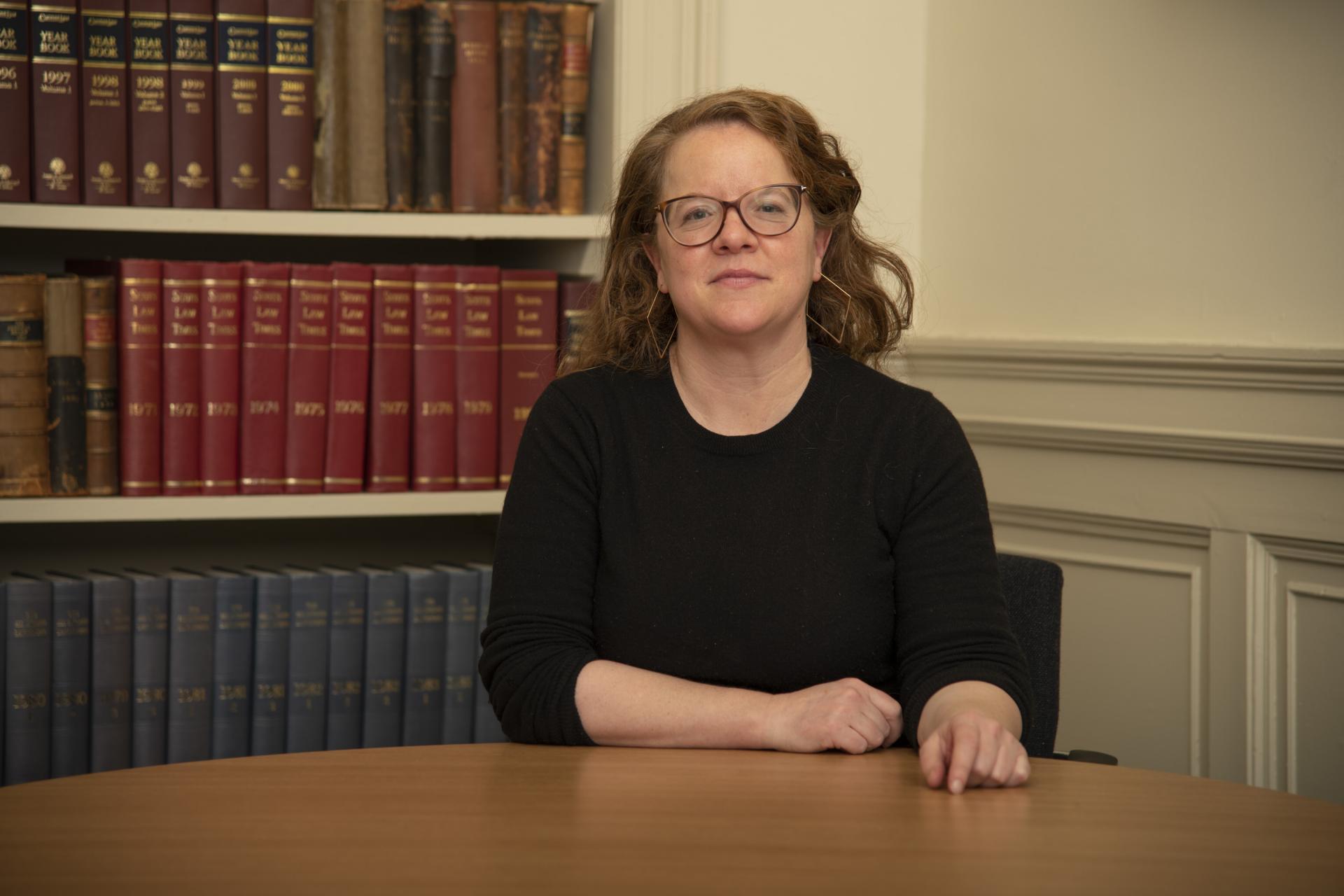
Dr. Emily Postan serves as Senior Lecturer and Chancellor's Fellow in Bioethics at the University of Edinburgh's Edinburgh Law School, where she also holds the position of Deputy Director of the Mason Institute for Medicine, Life Sciences and the Law with lead responsibility for policy engagement. Her academic leadership extends to Director of Postgraduate Academic Guidance within the Law School. Her educational background includes a PhD from the University of Edinburgh (2017), LLM (Distinction), MA(Hons), and MLitt by research in Philosophy from the University of Edinburgh and University of Stirling. Prior to her academic career, she spent a decade in policy management at the Scottish Government. Postan's research centers on the intersection of biomedical technologies, personal information, and identity formation, with particular focus on how health informatics shapes our self-conception. Her work critically examines ethical governance frameworks for bioinformation, emphasizing the narrative dimensions of identity. She explores how AI-driven health data classification impacts belonging and social categorization, particularly through her current project 'Identity by Algorithm: Ethical Impacts of Categorisation by Health AI'. Her scholarly output reveals consistent engagement with neuroethics, genomic regulation, and AI ethics, with publications spanning from foundational identity theory to practical policy recommendations. The trajectory shows increasing focus on algorithmic governance in healthcare, culminating in the 2025 international consensus paper on AI trust frameworks. 2018 Rising Star lecture at International Neuroethics Society Annual Meeting Project leadership for Nuffield Council on Bioethics’ 2013 Novel Neurotechnologies report Key contributions to Scottish policy through Mason Institute submissions on organ donation, human tissue legislation, and Adults with Incapacity Act reforms As a doctoral supervisor, she mentors researchers in bioethics and medical law, currently guiding Gokce Kolukisa's work on 'Genome Editing in International Law'. Her Wellcome Trust-funded project 'Confronting the Liminal Spaces of Health Research Regulation' (2017-2021) established her as a leading voice in health research governance. Postan actively engages with media and policymakers on bioethics issues, bridging academic research and real-world application through the Mason Institute's policy portfolio.