Institute of Hygiene and Tropical MedicinePortugal
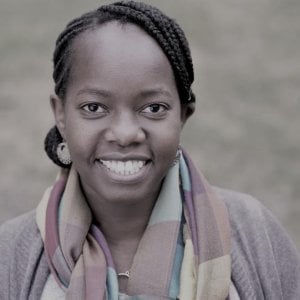
Dr Peninah Murage is an Assistant Professor at the London School of Hygiene & Tropical Medicine in the Department of Public Health, Environments and Society under the Faculty of Public Health and Policy. She specializes in environmental epidemiology with a PhD in Health Geography and focuses on health impacts of environmental changes, particularly climate change mitigation and adaptation strategies. Affiliation: Centre on Climate Change and Planetary Health Her research explores climate change effects on health outcomes like heat-related mortality, cardiovascular diseases, and cognitive development in children. She integrates GIS/spatial analysis with public health and policy frameworks to identify nature-based solutions for sustainable development. Current work examines systemic inequalities in heat risk exposure and interventions such as tree-based strategies in low-income settings. Key grants include: Health Protection Research Unit on Climate Change and Health Security (2025-2030, NIHR) Climate Change and Non-Communicable Diseases in Senegal (2024-2027) Pathfinder 2: Accelerating Climate Action for Health (2023-2026) She actively contributes to the Lancet Pathfinder Commission and serves on the Executive Committee of the International Society of Environmental Epidemiology (African Chapter).
University Medical Center Hamburg-EppendorfGermany
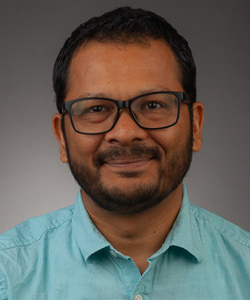
Syed Hani Hassan Abidi is an Associate Professor at the Department of Biomedical Sciences , School of Medicine , Nazarbayev University , Kazakhstan. His research integrates virology , immunology , viral oncology , and bioinformatics , with a focus on HIV molecular epidemiology , viral evolution , and drug resistance . He has led international projects across Pakistan, Kenya, Afghanistan, and Kazakhstan, and is recognized for innovative teaching and MOOC development. Education: PhD in Virology and Immunology Research Interests: His laboratory employs bioinformatics (machine learning, AI), genomics , and proteomics to study HIV phylodynamics , viral co-infections , and oncogenic viruses like EBV in prostate cancer. He also explores microbiome-immunity interactions and designs antiviral drugs/vaccines . Recent Research Trends: His 2025 publications emphasize COVID-19 immunopathology , HIV/syphilis epidemiology in Pakistan , and particle physics contributions via ATLAS , showcasing interdisciplinary impact. Awards & Recognition: Outstanding Teachers Award (2019, Aga Khan University) Fellowship of Higher Education (UK, 2022) Teaching & Grants: He pioneered Pakistan’s first MOOC on Computer-Based Drug Discovery (2014) and received a 2022 SoTL grant for MOOC-based molecular biology education. His teaching integrates animations , films , and flipped classrooms . Collaborations & Labs: Leads projects on HIV drug resistance , HCV genomics in Kazakhstan , and AI-driven dementia diagnostics (Kazakh Brain Atlas). His lab collaborates with global institutions to advance viral disease surveillance and therapeutic innovation .
Aarushi XXX serves as a Research Fellow in the Department of Economics at the University of Bologna, Italy. Her institutional affiliation is formally maintained through the university's central academic structure in Bologna. Her educational background includes: Ph.D. in Economics from the University of Queensland (awarded February 2025) Master in Applied Econometrics from the University of Queensland BSc in Economics & Management from the University of St Andrews (with year abroad at Purdue University) Research focuses intensely on applied microeconomics within health economics, specifically examining economic burdens of non-communicable diseases. Her work quantifies impacts across conditions including infertility, obesity, colorectal cancer, chronic kidney disease, congestive heart failure, and breast cancer. This specialized niche combines econometric modeling with public health policy analysis, demonstrating methodological rigor in assessing disease-related productivity losses and healthcare system strain.
University of North Carolina at Chapel HillUnited States
Dr. Hongtu Zhu is the Kenan Distinguished Professor of Biostatistics, Statistics, Radiology, Computer Science, and Genetics at the University of North Carolina at Chapel Hill (UNC). He holds affiliations with the Gillings School of Global Public Health and leads the Biostatistics and Imaging Genomics Analysis Lab. His expertise spans statistical learning, medical imaging, AI, and big data integration, with a focus on precision medicine and biomedicine. Dr. Zhu earned his PhD in Statistics from The Chinese University of Hong Kong (2000) and has held prior roles including DiDi Fellow/Chief Scientist (2018-2020) and Bao-Shan Jing Endowed Professor at MD Anderson Cancer Center (2016-2018). He has published over 345 peer-reviewed articles in top-tier journals like Nature, Science, and JASA, and actively contributes to editorial roles including Coordinating Editor of JASA. His research interests include neuroimaging analysis, knowledge graphs, and AI applications in healthcare. Notable awards include the COPSS Snedecor Award (2025), IEEE Fellowship (2025), and IMS Medallion (2027). He has mentored over 80 PhD students/postdoctoral fellows and serves on NIH grant review panels and professional organizations like the ASA's Section on Statistics in Imaging. Key Contributions: Imaging genomics, brain connectivity studies, ridesharing market optimization, medical AI frameworks Lab Innovations: Brain Imaging Genetics Knowledge Portal, Biomedical Knowledge Graph Interface Teaching: Advanced biostatistics courses (Generalized Linear Models, Deep Learning in Biomedicine) Recent work explores causal inference in healthcare, X chromosome's role in neurobiology, and AI ethics in medical vision-language models. His interdisciplinary projects bridge statistics, computer science, and clinical practice to address complex biomedical challenges.
Ellis Owusu-Dabo, MB ChB, PhD, is a Professor and the Vice-Chancellor at Kwame Nkrumah University of Science and Technology (KNUST), Ghana. He is also an International Scholar affiliated with the Center for Global Health at the University of Pennsylvania. His work bridges academic leadership, research, and global health collaboration, with a strong focus on public health challenges in Africa. His research interests are centered on population genomics of type II diabetes and tuberculosis , particularly in low-resource settings. He has led and contributed to major multinational studies on infectious diseases such as typhoid and non-typhoidal Salmonella, as well as chronic conditions like hypertension and cardiovascular disease. His research integrates epidemiological, genetic, and immunological approaches to understand disease burden and improve health outcomes in African populations. His recent publications reflect a strong trend in infectious disease surveillance, non-communicable disease epidemiology, and digital health interventions . He has published in high-impact journals including The Lancet Infectious Diseases , PLoS One , and International Journal of Cardiology , often as part of large collaborative consortia such as the RODAM study and the Vacc-iNTS consortium. Scientific Contributions and Projects: Lead facilitator of the D43 grant between the University of Pennsylvania and KNUST Planned hosting of University of Pennsylvania students for global health training Involved in multinational typhoid surveillance across seven African countries Conducted national studies on multi-drug resistance in Ghana with support from the Global Fund and WHO As an academic leader and mentor, Prof. Owusu-Dabo is passionate about building research capacity in Africa and training the next generation of scientists to address local and global health challenges. He has secured research funding and led collaborative projects that integrate public health, genomics, and policy. Laboratories and Teams: While specific lab names are not mentioned, his work is associated with collaborative research teams including the Vacc-iNTS consortium and the RODAM study, which involve institutions across Europe, North America, and Africa. His leadership at KNUST positions him at the center of a growing network of global health researchers in Ghana.
Dr. Jeremy I. Schwartz is an Associate Professor at Yale School of Medicine (Department of Medicine) and Yale School of Public Health (Department of Chronic Disease Epidemiology). He specializes in non-communicable diseases (NCDs), global health, and digital health interventions. As Firm Chief of Yale Primary Care Residency Program and Director of the Faculty Network Program at the Yale Institute for Global Health, he leads initiatives to improve healthcare delivery in low-resource settings. He co-founded the Uganda Initiative for Integrated Management of Non-Communicable Diseases (UINCD), collaborating with Ugandan institutions to address fragmented NCD care. His research focuses on hypertension, diabetes, and heart failure management in Uganda, leveraging mobile health (mHealth) tools. He also directs the 'Topics in Global Medicine' course at Yale, training future healthcare leaders in global health challenges. Education: MD from University of Rochester School of Medicine & Dentistry (2006), BS from Cornell University (2000). Honors include the Doran J. Stevens Prize (2006), Gold Humanism Honor Society (2006), and Alpha Omega Alpha (2005). Key roles: Medical Director of the Eastern Caribbean Health Outcomes Research Network (ECHORN), Co-Director of UINCD, and affiliated faculty at the Yale Institute for Global Health and Center for Interdisciplinary Research on AIDS. His work emphasizes interdisciplinary collaboration, with a focus on Africa and the Caribbean. Research emphasizes integrated care models, digital health innovations, and policy advocacy for NCDs. Recent projects include adapting mobile health applications for heart failure patients and evaluating cost barriers to essential medicines in Uganda.
Dr. Bin Zhou is a Research Fellow in Health Analytics and Machine Learning at Imperial College London's School of Public Health, affiliated with the Global Environmental Health Research Group and the Abdul Latif Jameel Institute for Disease and Emergency Analytics. He holds a PhD in Epidemiology and Biostatistics from Imperial College London and degrees from Tsinghua University (BEng, MEng, Bachelor of Economics). His research focuses on global cardiovascular health, environmental health, and data analytics. Key areas include worldwide trends in cardiometabolic risk factors, treatment coverage, and co-occurrences, with contributions to the Non-communicable Disease Risk Factor Collaboration (NCD-RisC). His work integrates large-scale health data and advanced statistical methods to support global NCD prevention strategies, collaborating with the WHO and national health agencies. Dr. Zhou is a World Heart Federation Salim Yusuf Emerging Leader, a member of the European Society of Cardiology and the International Society of Global Health, and serves on the editorial board of the Journal of the American Heart Association. His research has addressed topics such as obesity trends in China, global diabetes prevalence, hypertension management, and the health impacts of urbanization and air pollution. He has published extensively on epidemiological trends and health policy, with a focus on translating data into actionable public health interventions.
Dr. Sanam Aksha is a Visiting Assistant Professor in the School of Public Administration at the University of Central Florida (UCF), affiliated with the National Center for Integrated Coastal Research within the College of Community Innovation and Education. His work bridges natural hazards and societal impacts, emphasizing geospatial analysis and modeling to address disaster resilience and climate adaptation. He holds a Ph.D. in Geospatial and Environmental Analysis from Virginia Tech's Department of Geography, alongside two Master's degrees in Risk and Environmental Hazards, and Environmental Science. Dr. Aksha previously worked at the International Centre for Integrated Mountain Development (ICIMOD) in Nepal, focusing on sustainable development, disaster preparedness, and climate change adaptation from 2009 to 2012. His research explores social vulnerability, equitable disaster recovery, and the intersection of environmental hazards with public health, particularly in marginalized communities. His recent publications highlight inequities in disaster recovery funding, urban resilience strategies, and the application of geospatial tools to assess multi-hazard risks. He advocates for transdisciplinary approaches to build community-centered resilience, integrating policy, technology, and social science insights.
Dr. Margaret Elizabeth Kruk is a Professor of Health Systems at the Harvard T.H. Chan School of Public Health, part of Harvard University. She previously held roles as Associate Professor at Columbia University and Assistant Professor at the University of Michigan. Her research focuses on improving health system quality in low-income countries, using implementation science and econometric methods to evaluate large-scale reforms. She chairs the Lancet Global Health Commission on High Quality Health Systems in the SDG Era and directs the QuEST Network, a multi-country initiative to enhance health systems globally. Education: MD from McMaster University, MPH from Harvard University. Affiliations: Director of QuEST Centers and Network, former roles at UNDP and McKinsey & Company. Her research interests span healthcare quality measurement, maternal and newborn health, and policy solutions for systemic deficits. Key projects include the People’s Voice Survey on health system performance and mobile phone eCohorts for tracking care quality in LMICs. Publications highlight maternal health outcomes, vaccination decision-making, and health system confidence across countries. Grants include NIH funding for maternal-newborn health integration with HIV programs in Tanzania. Twitter: @mkruk
Professor Hilary Bambrick is a distinguished environmental epidemiologist and anthropologist at the Australian National University (ANU), leading the National Centre for Epidemiology and Population Health. She specializes in climate change and health, focusing on adaptation strategies, vector-borne diseases, and urban resilience. Her work bridges research, policy, and practice, with significant contributions to global health initiatives like the WHO and UNDP. Bambrick has over 180 publications and $11M in research funding, addressing climate impacts on vulnerable populations, including First Nations communities and Pacific Island nations. She serves on the Climate Council of Australia and the Australia Institute, advocating for evidence-based climate policies. Her research integrates epidemiology, anthropology, and environmental science to enhance health resilience in changing climates. Education: PhD (ANU, 2003), BA (Hons), BSc, Grad Cert Higher Ed. Key Research Focus: Climate change health impacts, adaptation strategies, vector-borne diseases, urban design, and health equity. She leads interdisciplinary projects on climate litigation, heatwaves, and infectious disease forecasting. Grants & Funding: Over $11 million in research grants, including projects on bushfire preparedness, dengue transmission modeling, and climate-sensitive disease surveillance. Labs/Teams: National Centre for Epidemiology and Population Health (ANU), collaborating with global networks like the Lancet Countdown and MJA-Lancet Countdown.
Institute of Hygiene and Tropical MedicinePortugal
Dr Marcus Keogh-Brown is an Associate Professor in the Department of Global Health and Development within the Faculty of Public Health and Policy at the London School of Hygiene & Tropical Medicine (LSHTM). His position is split between research focusing on macroeconomic modeling of health and serving as Deputy Programme Director for the school's public health distance learning program. Education: BSc in Mathematics and Statistics, Queen Mary University of London (1995-1998) MSc in Computer Studies, University of Essex (1998-1999) PhD in "A Statistical Model of Internet Traffic," Queen Mary University of London (1999-2004) PGCILT Modules 1 and 2, London School of Hygiene and Tropical Medicine (2008-2012) Dr Keogh-Brown's research focuses on analyzing the macro-economic impact of health disorders and developing macro-economic models in health contexts. His areas of interest include infectious diseases (SARS, influenza, COVID-19, tuberculosis, malaria) and non-communicable diseases (Alzheimer's Disease, Dementia). He specializes in health-related applications of Computable General Equilibrium (CGE) Modeling with GAMS, with current work on health and macroeconomic modeling of COVID-19, tuberculosis, child labor, and health-related food policies. His publication record shows a strong trend toward integrated macroeconomic-epidemiological modeling, particularly for infectious disease outbreaks and public health interventions. Recent work focuses on tuberculosis in India, Covid-19 impacts in Pakistan, and food policy interventions like the UK Soft Drinks Industry Levy. His research consistently applies economic modeling frameworks to evaluate the health and economic impacts of disease and health policies across multiple countries including Ghana, India, Thailand, Myanmar, UK, and China. Grants: Current: "Modelling the health social care and macroeconomic impacts of dementia policies in the UK" (NIHR, 2025-2026) Current: "Co-designing food system fiscal policy for healthy people and planet" (University of Oxford, 2022-2025) Completed: "COVID-19 vaccine scenario analysis for health economic and social impacts" (WHO, 2022) Completed: "Evaluation of the impact of the UK industry levy of sugar-sweetened beverages" (University of Cambridge, 2017-2023) Completed: "Macroeconomic Burden of Alzheimers in China" (Jansen Global Services LLC, 2014-2015) Dr Keogh-Brown is affiliated with several research centers at LSHTM including the Malaria Centre, Global Health Economics Centre, and Centre for Mathematical Modelling of Infectious Diseases. His collaborative work spans multiple countries and addresses critical intersections between health, economics, and policy.
Falk MÜLLER-RIEMENSCHNEIDER is an Associate Professor and Vice Dean (Research) at NUS Saw Swee Hock School of Public Health and holds a joint affiliation with NUS Yong Loo Lin School of Medicine. He leads the Physical Activity and Nutrition Determinants in Asia (PANDA) research programme. With a medical degree from the University of Cologne (2003) and advanced training in Public Health at the London School of Hygiene & Tropical Medicine (2005), he has built a career focused on cardiovascular disease prevention, physical activity promotion, and obesity epidemiology. His academic qualifications include a Doctoral degree from Charité University Medical Centre Berlin (2005) and Habilitation (2011). Professional roles include Senior Lecturer/Research Fellow positions at Charité (2005–2012), and administrative leadership roles such as Teaching Coordinator and Project Division Coordinator for Cardiovascular Research (2008–2012). Research interests center on lifestyle determinants of chronic diseases, with emphasis on physical activity interventions, dietary patterns, and early childhood development. Notable work includes the Singapore Preconception Study and the GUSTO cohort study, examining long-term health trajectories. Media engagements highlight his work on screen time effects in children and urban green space benefits. His recent publications (2021–2025) address mHealth intervention design, park-based physical activity, and 24-hour movement guidelines. Key themes include digital health adoption barriers, longitudinal cohort studies, and culturally tailored public health strategies.
Joseph Kangmennaang is an Assistant Professor and Queen's National Scholar in Black Health & Social Change at Queen's University. He holds a PhD from the University of Waterloo, an MA from Western University, and a B.A. from the University of Ghana. His research focuses on the interplay between environment and wellbeing, particularly in sub-Saharan Africa and among Black immigrant communities in North America. He employs social theories, participatory methods, and mixed approaches to address health disparities, with a focus on non-communicable diseases, food/water security, and the impact of racism and social change. His courses include HLTH 397 (Globalization and Black Health) and HLTH 495 (Racism and Health). Research areas include immigrant health equity, syndemics, and the role of place in healthcare access. Collaborations with marginalized communities emphasize participatory action and civic engagement. He has published extensively on topics such as climate change impacts on health, HIV/AIDS knowledge among women in Malawi, and the social determinants of wellbeing in Ghana. His work bridges global health challenges with localized solutions, addressing systemic inequities through interdisciplinary partnerships. Notably, he explores how structural factors like migration, remittances, and agroecology affect household welfare and food security in Malawi and Ghana. His recent studies highlight the mental health implications of discrimination among minoritized Canadians during the pandemic and the spatial distribution of diseases like cholera in Tanzania. He advocates for community-driven interventions to promote wellbeing in resource-limited settings.
Associate Professor Fiona O'Leary is affiliated with the University of Sydney's Sydney Nursing School and the Discipline of Nutrition and Dietetics within the Faculty of Medicine and Health. She holds membership in the Charles Perkins Centre's Brain and Body, Biology of Ageing, and Healthy Food Systems research nodes. Her academic qualifications include a PhD, BSc (Hons), and a Graduate Diploma in Nutrition and Dietetics. Her research focuses on dietary assessment, malnutrition, public health nutrition, and evidence translation for healthy ageing. Notable projects include the NHMRC-funded Maintain Your Brain dementia prevention trial and secondary analysis of the Australian National Nutrition Survey. She also leads initiatives in Tanzania and Zambia addressing childhood malnutrition through poultry and crop integration. Current research projects: Maintain Your Brain trial, dietary patterns analysis, COPD supplementation, and food security initiatives in Africa. Dr. O'Leary has 33 peer-reviewed publications, primarily in ageing and dementia. She teaches Medical Nutrition Therapy and coordinates the Dietetic Professional Studies course. Awards include Advanced Accredited Practising Dietitian status. Her advisory roles include associate supervision of PhD and MPhil students in nutrition and cognitive function, oral health, and biomarker panel development.
Abderrahim Benslimane is a Full Professor of Computer Science at the University of Avignon, France, where he serves as Vice Dean of International Relations at the UFR STS (Unité de Formation et de Recherche en Sciences et Technologies). He is also Head of the master degree SICOM (Systèmes Informatiques Communicants: réseaux, services et sécurité) program at the university. His extensive academic career spans several decades with significant contributions to computer science, particularly in networking and security domains. Professor Benslimane holds a HDR (Title to supervise researches) from the University of Cergy-Pontoise, a Ph.D. from the University of Franche-Comté, along with M.S. and B.S. degrees in Computer Science from the same institution and the University of Nancy respectively. His research interests primarily focus on distributed computing, networking and communication protocols, with particular emphasis on modeling, describing and implementing secure communication protocols and multimedia applications in heterogeneous network architectures. He combines engineering and theoretical approaches using graphs, distributed algorithms, transition systems, and performance evaluation models. Benslimane's scholarly work demonstrates a strong trend toward addressing security and privacy challenges in emerging technologies. His recent publications focus on cybersecurity applications for wireless sensor networks, Internet of Things, blockchain implementations, UAV communications, and vehicular networks. He has pioneered research in energy attack mitigation, trust management systems, and secure group communications, often employing game theory and novel cryptographic approaches. His work bridges theoretical foundations with practical implementations in next-generation networking technologies. IEEE VTS Distinguished Lecturer (2020-2022) Best Paper award at IEEE ICC 2019 Multiple Prime d'Encadrement et de Recherche Doctorale awards (1998-2021) Prime d'Excellence Scientifique (2011-2015) IEEE Senior Member As an academic leader, Benslimane has served as Editor in Chief of Multimedia Intelligence and Security Inderscience Journal, Area Editor of IEEE Internet of Things Journal, and Associate Editor for multiple prestigious publications including IEEE Transactions on Multimedia and IEEE Wireless Communication Magazine. He has founded and led research centers including the Informatics Research center (CRI) at the French University in Egypt and the Multimedia and networking team (RAM) at the Laboratoire d'Informatique d'Avignon (LIA). His laboratory research focuses on security, communication protocols, graphs and distributed algorithms, with applications in ad hoc networks, sensor networks, vehicular networks, and IoT.