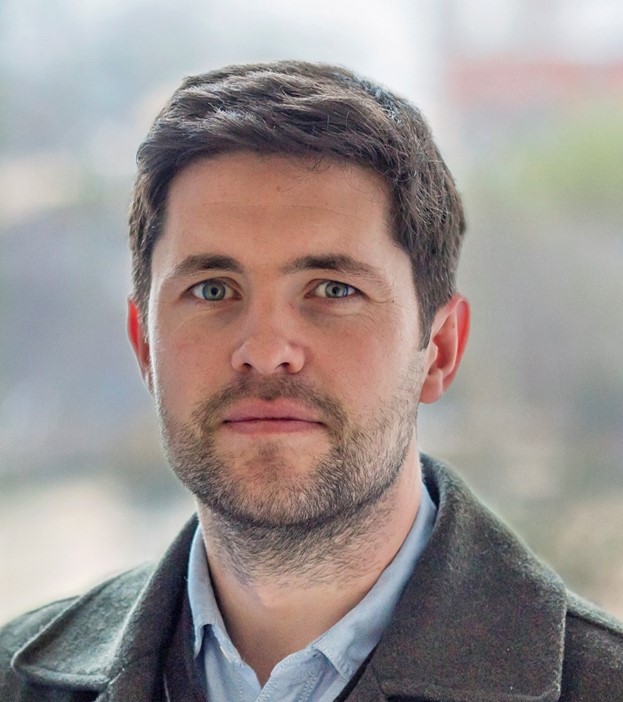
Andrew CooganView profile
Professor
Professor Andrew Coogan is a behavioral neuroscientist specializing in circadian rhythms, chronobiology, and sleep. He is a Professor at Maynooth University's Department of Psychology, part of the Faculty of Science & Engineering, and directs the Chronobiology and Sleep Research Laboratory. His research focuses on circadian clock function in human environments, with a strong emphasis on their impact on health conditions like ADHD, diabetes, and mental health. He holds a Bachelors from Trinity College Dublin and a PhD from University College Dublin, after which he worked in the UK before joining Maynooth in 2008, serving as Department Head from 2015–2021. Education: BSc (Trinity College Dublin), PhD (University College Dublin). Research Interests: His work spans circadian rhythms in disease contexts (e.g., ADHD, diabetes, Parkinson’s), sleep disorders, and societal impacts of light pollution. He investigates how circadian disruptions influence health outcomes, using interdisciplinary approaches combining neuroscience, chronobiology, and clinical studies. Recent studies focus on pandemic-related sleep changes, chronotherapeutics, and sleep timing in metabolic disorders. Publications & Grants: Over 120 peer-reviewed papers (H-index 44), funded by grants from Science Foundation Ireland, Health Research Board, and others. His articles analyze topics like vaccine timing, social jetlag in diabetes, and ADHD chronobiology. Collaborations span Europe, addressing global health challenges through circadian lens. Awards & Recognition: While no specific awards are listed, his extensive publications and leadership roles reflect significant scholarly impact. Advising & Teams: Supervised 11 PhD, 5 MSc, and 2 MD students. Leads the Chronobiology and Sleep Research Lab, collaborating widely on clinical and basic research projects. Future Work: Ongoing studies include circadian data collection in bipolar disorder (AMBIENT-BD) and societal-level sleep patterns post-pandemic. He advocates for evidence-based chronotherapeutic strategies in clinical settings.