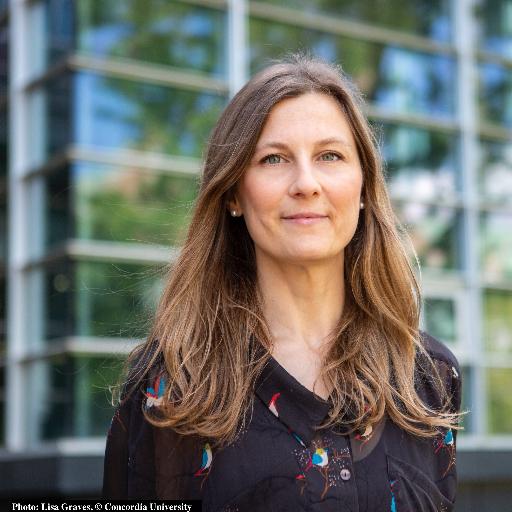
Dr. Richard Courtemanche is a Professor at Concordia University's Department of Health, Kinesiology & Applied Physiology. He is affiliated with the Center for Studies in Behavioral Neurobiology and studies neuronal oscillations in the cerebellum and basal ganglia, focusing on synchronization, motor control, and network coherence. Education: PhD in Neurological Sciences from Université de Montréal (2000) MSc in Physical Activity Sciences from Université Laval (1994) Postdoctoral training at MIT's Department of Brain and Cognitive Sciences His research employs multi-electrode recordings in awake and anesthetized animals to explore how neuronal networks coordinate activity, particularly in the cerebellar granule cell layer and striatum. Key areas include oscillatory mechanisms, population coding, and the role of gap junctions. Scientific awards: Supervised multiple W.R. Sellers Award winners Students and grants: He has mentored numerous PhD and MSc students (e.g., Jennifer C. Robinson, Daniel I. Aponte) and received funding from NSERC and FAS AD Research stipends.
Michael L. Anderson is Professor in the Department of Philosophy within the Faculty of Arts & Humanities at Western University, and serves as Acting Director of the Rotman Institute of Philosophy. Holding the Rotman Canada Research Chair in Philosophy of Science, his work bridges philosophy, neuroscience, psychology, and computer science to develop novel frameworks for understanding brain organization and cognition. His educational background includes a B.S. from Notre Dame and a Ph.D. from Yale University. Key research contributions focus on the theory of neural reuse —the principle that brain regions are dynamically repurposed across cognitive tasks—and its implications for embodied cognition, brain evolution, and cognitive taxonomy. Anderson's publication trends reveal a sustained investigation into how evolutionarily older sensory-motor systems are coopted for higher cognition, with significant methodological innovations in analyzing functional brain diversity. His work spans theoretical neuroscience, philosophical analysis of cognitive architecture, and empirical studies of brain plasticity, consistently challenging modular views of brain organization. Rotman Canada Research Chair in Philosophy of Science Fellow at Center for Advanced Study in the Behavioral Sciences, Stanford University (2012-2013) As Acting Director of the Rotman Institute of Philosophy, Anderson leads interdisciplinary research initiatives connecting philosophy of science with empirical neuroscience. His collaborative work involves developing quantitative methods for mapping brain function and reforming psychological taxonomy through large-scale neuroimaging analyses.
Philippe Albouy is an Assistant Professor in the Department of Psychology at Laval University's School of Psychology and a regular researcher at the CERVO Brain Research Centre in Quebec City. He holds the prestigious FRQ-S Junior 1 Scholar position and maintains active affiliations with McGill University's Montreal Neurological Institute through his prior postdoctoral work. His research focuses on optimizing non-invasive brain stimulation (NIBS) through information-based approaches that match stimulation parameters to ongoing neural activity. Key research interests include: Brain oscillations as targets for neuromodulation Auditory perception and working memory mechanisms Information-based TMS/EEG/MEG/fMRI methodologies Translational applications for cognitive aging and neurological disorders Audio-visual interactions in perceptual processing His recent publications (2023-2025) demonstrate a strong emphasis on temporal processing, spectrotemporal neural coding, and the development of personalized neuromodulation protocols. Key trends include the use of multimodal neuroimaging to investigate cortico-hippocampal networks, frequency-specific neural coupling, and cross-cultural speech-song differentiation. Scientific recognition includes: FRQ-S Junior 1 Scholar (2019-2023) NSERC Banting Postdoctoral Fellowship (2016-2019) Dr. Albouy leads research at the CERVO Brain Research Centre investigating how rhythmic sensory stimulation can enhance cognitive functions. His current projects involve epilepsy patients with implanted electrodes to study brain dynamics during cognitive tasks, and developing interventions to address age-related distraction. His work bridges fundamental neuroscience with clinical applications through collaborations with the EEGNet platform supported by Brain Canada.
Simon Duchesne is a Full Professor in the Department of Radiology and Nuclear Medicine at the Faculty of Medicine, Laval University, and a Researcher at the Quebec City Mental Health Institute. He serves as Research Co-Section Head and leads the Neuroimaging platform for the Consortium d’Identification précoce de la maladie d’Alzheimer – Québec and the Canadian Consortium for Neurodegeneration and Aging. His educational background includes a B.Eng. in Engineering Physics from the Royal Military College of Canada (1993), followed by an M.Sc. and Ph.D. in Biomedical Engineering from McGill University (2005). Dr. Duchesne's research focuses on neurodegenerative diseases , particularly Alzheimer's, using neuroimaging (MRI) , biomarkers , and machine learning to enable early diagnosis. His work includes developing models of normal brain aging from 2,800 healthy adult scans and identifying biomarkers for disorders like Alzheimer's, Parkinson's, and epilepsy. He aims to detect abnormalities decades before symptom onset to enable preventative interventions. His recent publications (2023-2025) emphasize Alzheimer's biomarkers, multimodal neuroimaging, machine learning applications, and intersections between metabolic disorders (e.g., diabetes) and neurodegeneration. He also contributes to clinical guidelines for Alzheimer's disease-modifying therapies and investigates exercise interventions for brain health preservation. Scientific awards: Fonds de recherche Québec-Santé Junior Scholar Dr. Duchesne mentors eight graduate students and has secured major funding from CIHR (including a $500,000 Project grant for brain health modeling), FRQ-Santé, CFI, NSERC, and the Alzheimer’s Society of Canada. His team includes research professors and administrative staff advancing neurodegenerative disease research. He leads the MEDIC laboratory at the Quebec City Mental Health Institute and is establishing the Unité de Neuroimagerie de Québec, a cutting-edge 3T/7T imaging platform. His leadership extends to co-founding True Positive MD Inc. (a brain imaging spin-off) and directing international scientific conferences including MICCAI 2017.
Michel Maziade is a Full Professor of Psychiatry at Laval University's Faculty of Medicine and a practicing psychiatrist. He directs the Centre de neuromédecine personnalisée et du neurodéveloppement de l'enfant (CNPn) at the CERVO Research Center, affiliated with CIUSSS de la Capitale-Nationale. His career spans over 35 years in psychiatric genetics and child neurodevelopment research. Canada Research Chairholder (2001-2016) Founding Director of CERVO Research Center (1987-2013) HoPE Program developer for high-risk youth Research Focus: Dr. Maziade investigates early risk pathways for schizophrenia, bipolar disorder, and major depression using family genetics, neuropsychology, and electroretinography. His work identifies childhood endophenotypes for prevention strategies in personalized neuromedicine. Scientific Contributions: He has developed innovative models connecting retinal dysfunction, cognitive deficits, and neurodevelopmental trajectories in psychiatric disorders. His team's longitudinal studies on Quebec families have redefined early intervention approaches. Notable Awards: Alice-Girard Prize (2023) Grand Québécois (2020) Dr. Alexander Gralnick Award (2013) Heinz E. Lehmann Award (2009) J.M. Cleghorn Prize (2008)
Pascale Tremblay is a Full Professor in the Department of Rehabilitation within the Faculty of Medicine at Université Laval. She holds the prestigious Canada Research Chair in Neurobiology of Speech and Hearing and serves as Director of the Speech and Hearing Neuroscience Laboratory ( https://speechneurolab.ca/en/ ). Her research program integrates cognitive neuroscience, linguistics, and rehabilitation science to advance understanding of human communication processes. Dr. Tremblay's research focuses on the cognitive neuroscience of human communication, with particular emphasis on speech and voice perception and production across the lifespan. Her work investigates how communication mechanisms evolve with aging, including the effects of cognitive and sensorimotor changes on communication quality in social contexts. She employs a multidisciplinary approach using state-of-the-art methods including functional and anatomical brain imaging (fMRI), non-invasive brain stimulation (TMS), behavioral assessments, and physiological measurements of speech production. Her recent publications reveal a strong trajectory examining how musical activities, particularly singing, may protect or enhance speech perception and production in aging populations. Her research demonstrates expertise in understanding neural networks involved in language processing, moving beyond classical models to reveal complex brain connectivity underlying speech functions. This work has important implications for developing interventions to maintain communication abilities in older adults. 2018 Early Career Award from the Society for the Neurobiology of Language Career award from the Fonds de Recherche en Santé du Québec (FRQS) As founder of the Society for the Neurobiology of Language and director of her neuroscience laboratory, Dr. Tremblay actively mentors students and collaborators while pursuing innovative research on aging and communication. Her team studies speech mechanisms through multiple approaches including acoustical analyses, speech error patterns, facial electromyography, and respiratory patterns to understand how these processes evolve across the lifespan.
Jiuyong Xie, PhD, is a Professor in the Department of Physiology and Pathophysiology at the Max Rady College of Medicine, University of Manitoba. His laboratory focuses on RNA splicing mechanisms in health and disease, utilizing molecular, genomic, and transcriptomic approaches. Key research themes include the regulation of alternative splicing in neurons/endocrine cells, mutation-induced aberrant splicing in genetic disorders, and the role of novel intronic elements (REPAG) in transcriptome diversity. Education: Postdoctoral fellow, Howard Hughes Medical Institute, UCLA (2003) Postdoctoral fellow, Cornell University (1998) PhD in Medical Genetics, Peking Union Medical College (1995) BSc in Microbiology, Wuhan University (1988) Research Focus: Dr. Xie investigates how RNA splicing controls proteomic diversity in physiological adaptation (e.g., stress response, neuronal activity) and disease (e.g., cancer, neurodegenerative disorders). His lab discovered CaRRE1—a transferable RNA element regulating activity-dependent splicing—and characterized hnRNP L/LL proteins as critical splicing regulators in hormone production. Current work explores REPAG intronic elements as evolutionary drivers of mammalian transcriptome complexity. Publications Focus: Recent articles emphasize evolutionary genomics of splicing motifs, epigenetic control of adaptive splicing, and splicing dysregulation in cancer/human genetic diseases. Studies frequently integrate biochemical validation with computational analysis of high-throughput sequencing data. Awards: CIHR New Investigator Salary Award (2004-2009) Manitoba Research Chair (2013-2018) Training & Grants: Dr. Xie currently supervises PhD candidates and has received funding from CIHR, NSERC, Terry Fox Research Institute, and CancerCare Manitoba Foundation. His lab participates in the Manitoba RNA Group and maintains collaborations with clinical researchers for disease-oriented studies. Laboratory: The Xie Lab studies RNA processing mechanisms using cellular models, genomic tools, and evolutionary analysis. The team regularly conducts fieldwork in Canadian Shield ecosystems to explore biological adaptation concepts.
Francisco Torreira-Martinez is an Assistant Professor at the Department of Linguistics, McGill University. His research focuses on phonetics, prosody, and interactional linguistics, with significant contributions to understanding turn-taking mechanics, intonational patterns, and multimodal communication cues in spoken interaction. PhD from Radboud University Nijmegen & Max Planck Institute for Psycholinguistics Research Themes: His work explores phonetic correlates of conversational turn-taking, prosodic markers in discourse processing, and the interplay between acoustic signals and social interaction. Recent studies apply functional data analysis to dynamic phonetic contrasts and investigate cross-linguistic universals in repair mechanisms. Publications: His 2013-2021 publications span top journals like Frontiers in Psychology and Journal of the International Phonetic Association , with recurring themes in discourse timing, respiratory coordination during dialogue, and prosodic modeling of metrical structures.
Igor Kovalchuk is a Professor at the University of Lethbridge, affiliated with the Biological Sciences Department and the Agricultural Biotechnology program. His research focuses on genetic and epigenetic regulation of plant stress responses, medicinal cannabis and hemp, and inflammation-related diseases. Specializes in transgenerational epigenetics in Arabidopsis thaliana Developing novel cannabis varieties for medicinal properties Investigating psilocybin effects on inflammation and neurodegenerative models Studying combination therapies for diabetes and cancer Recent publications highlight his work on cannabinoids in β-cell protection , anti-inflammatory mechanisms, and stress-induced epigenetic changes. He collaborates extensively in interdisciplinary projects involving bioinformatics, plant biotechnology, and medical applications. Dr. Kovalchuk’s lab develops scalable tissue culture methods for cannabis and explores the genomic stability of plants under prolonged stress. His work bridges plant science with human health, emphasizing natural product synergy in disease treatment.
Jason Satel is an Assistant Professor at the University of Lethbridge in the Mathematics & Computer Science school. He can be contacted via phone at (403) 329-2476 or email at jason.satel@uleth.ca . His research interests span multiple disciplines including Computer Science , Neuroscience , Artificial Intelligence , and Cognitive Science . Additional focus areas include Brain-Computer Interfaces and Computational Modeling .
Ana L. Manera is a Post-Doctoral Fellow at McGill University's Image Processing lab and a cognitive neurology/neuropsychiatry fellow at McGill University Health Centre, specializing in brain imaging biomarkers for neurodegenerative disorders including Alzheimer's Disease and Frontotemporal Dementia. Her educational background includes: MD degree from the University of Buenos Aires, Argentina Neurology residency at the Italian Hospital of Buenos Aires Specialized training in cognitive and behavioral disorders Her research interests focus on: Medical image analysis techniques for neurological disorders Machine learning applications in pattern recognition Biomarker development for dementia diagnosis Differential diagnosis methodologies for neurodegenerative conditions Analysis of her publication record (2018-2021) reveals consistent emphasis on MRI-based structural analysis, particularly ventricular morphology and cortical atrophy patterns, to differentiate behavioral variant Frontotemporal Dementia from other dementias. Key contributions include computational tools like MNI-FTD Templates and CerebrA for standardized image processing, alongside machine learning algorithms for diagnostic classification. No scientific awards were mentioned in the source material. The provided information does not reference student advising responsibilities or externally funded research grants. She operates within McGill University's Image Processing lab environment, maintaining active collaborations with researchers including Mahsa Dadar, D. Louis Collins, and Simon Ducharme across multiple neuroimaging projects.
Huang Fang is a Research Scientist at Baidu Research's Cognitive Computing Lab, specializing in optimization theory, machine learning, and data mining. With a strong academic background from top institutions, Huang has established themselves as a prolific researcher in the field of machine learning, particularly in federated learning, privacy-preserving algorithms, and optimization methods. Ph.D. in Computer Science, 2021, University of British Columbia M.S. in Statistics and Computer Science, 2017, University of California, Davis B.Sc. in Financial Mathematics, 2015, Central University of Finance and Economics (China) Huang Fang's research spans multiple critical areas in machine learning, with a particular focus on optimization theory and its applications. Their work bridges theoretical foundations with practical implementations, especially in federated learning systems where privacy and efficiency are paramount. The research portfolio demonstrates expertise in developing novel algorithms for large-scale learning problems, with particular emphasis on convergence analysis, sparse optimization, and scalable methods for knowledge representation. Huang has made significant contributions to understanding the theoretical properties of optimization algorithms under various constraints and settings. The publication record reveals a strong trajectory in advancing machine learning methodologies, with recent work focusing on differentiable neuro-symbolic reasoning, efficient Markov logic networks, and improved convergence guarantees for privacy-preserving stochastic optimization. The research shows a consistent pattern of addressing fundamental challenges in distributed and large-scale machine learning, particularly in the areas of federated learning fairness, efficient coordinate descent methods, and matrix completion techniques. Huang Fang has demonstrated exceptional productivity in high-impact venues including NeurIPS, ICML, ICLR, WWW, and other top-tier machine learning conferences. The work consistently combines theoretical rigor with practical applicability, making significant contributions to both the foundational understanding of optimization methods and their implementation in real-world systems.
Mihaela D. Iordanova serves as an Associate Professor in the Department of Psychology at Concordia University, where she leads the Iordanova Lab within the Centre for Studies in Behavioral Neurobiology. Holding a Canada Research Chair Tier 2, her work bridges formal learning theory with causal neuroscience techniques to investigate how the brain learns to predict future events and updates erroneous predictions. Her educational journey began with a Bachelor's degree with Honors in Psychology from the University of New South Wales (2001), followed by a PhD from the same institution (2006) examining accumbal opioid and dopamine transmission in fear conditioning. Postdoctoral training included stints at Cardiff University with Rob Honey and Mark Good studying mnemonic integration, then at the University of Maryland and National Institute on Drug Abuse with Geoffrey Schoenbaum investigating amygdala neural activity during reward prediction errors. Dr. Iordanova's research program integrates behavioral paradigms with optogenetics, chemogenetics, high-density neuronal recording, and neuropharmacology to dissect neural mechanisms of learning. Her work reveals how dopamine transients function as temporal difference prediction errors, identifies distinct cortical substrates for different fear reduction methods, and demonstrates sex differences in reward expectancy updating. She particularly examines how prediction errors drive behavioral modification in fear and reward contexts. Analysis of her 15 most recent publications shows consistent focus on neural substrates of learning (73%), prediction error mechanisms (60%), and fear/reward processing (53%), with increasing emphasis on sex differences and causal neural manipulations since 2018. Her work predominantly employs rodent models and combines behavioral analysis with advanced neuroscience methodologies. Her scientific recognition includes: Canada Research Chair Tier 2 NARSAD New Investigator Award from Brain and Behaviour Research Foundation FRQNT Nouveau Chercheur award NIH Pathways to Independence (K99/R00) Award Research funding is secured through multiple competitive grants including CIHR Project Grant, NSERC Discovery Grant, Canadian Foundation for Innovation, and Concordia University Horizon Postdoctoral Fellowships. The Iordanova Lab maintains active collaborations with neuroscience groups at Cardiff University, University of Maryland, and NIDA, focusing on translating basic learning mechanisms to inform anxiety and addiction treatments.
Yves De Koninck is Professor of Psychiatry & Neuroscience at Laval University and Adjunct Professor of Pharmacology & Therapeutics at McGill University . He serves as Scientific Director of the Quebec Mental Health Institute, Director of Research at the Quebec Integrated University Health and Social Services Centre, Director of the Neurophotonics Center , and Scientific Director of the Sentinel North Initiative. Education & Training Ph.D. training supported by FRSQ & NSERC studentships at McGill University (1985–1990) Postdoctoral Fellowships from the Medical Research Council of Canada (1991–1994) Research Focus His laboratory investigates synaptic transmission, the delicate balance between excitation and inhibition in the brain and spinal cord, and how its disruption leads to chronic pain, Alzheimer’s disease, and autism. The team employs state-of-the-art neurophotonics and optogenetics to dissect cellular and molecular substrates of pathological conditions in the central nervous system. Mechanisms of chronic pain and hyperalgesia Synaptic plasticity in the sensory spinal cord Impact of ageing on cortical synapses Chloride homeostasis and neuronal excitability Scientific Awards & Honors 2022 Wilder-Penfield Prize, Government of Québec 2020 Education Award, Society for Neuroscience 2019 Emily Gray Award, Biophysical Society 2018 Brockhouse Canada Prize for Interdisciplinary Research 2017 Distinguished Career Award, Canadian Pain Society Canada Research Chair (Tier 1) in Chronic Pain and Related Brain Disorders (2016–2030) Fellow, Canadian Academy of Health Sciences (2013) Fellow, Royal Society of Canada (2015) Funding & Leadership Dr. De Koninck has secured major multi-institutional grants, including a $4.3 M Brain Canada Platform Grant for the Canadian Optogenetics and Vectorology Foundry and leadership of the DecodePain International Research Project launched in 2025. Laboratory & Team The De Koninck lab is home to 8 Ph.D. students, 4 postdoctoral fellows, and several research assistants and staff, all dedicated to advancing understanding of the nervous system through cutting-edge optical, electrophysiological, and computational approaches.
D. Louis Collins is a Professor at the Montreal Neurological Institute, McGill University, specializing in advanced neuroimaging techniques for neurodegenerative diseases. His research spans Alzheimer's disease, Parkinson's disease, frontotemporal dementia, and autism spectrum disorders, with emphasis on quantitative MRI analysis, biomarker development, and computational modeling of disease progression. His research focuses on: Development of automated tools for hippocampal-ventricle ratio analysis and brain age prediction Mechanistic studies of tau and amyloid pathology in Alzheimer's disease progression Neuroanatomical mapping of genetic frontotemporal lobar degeneration Early biomarker discovery in pediatric neurodevelopmental disorders Methodological innovations in MRI-ultrasound co-registration and template construction Analysis of his 15 most recent publications reveals dominant themes in Alzheimer's disease biomarker validation (40%), Parkinson's disease neurodegeneration (20%), neurodevelopmental disorder imaging (15%), and methodological advances in neuroimaging (25%). His work frequently appears in high-impact neurology journals with strong clinical translation focus. Professor Collins actively contributes to national imaging guidelines through the CCNA Imaging Workgroup and has developed significant neuroimaging resources including the FinnBrain neonatal atlas and MRI-ultrasound co-registration databases. His research bridges computational neuroscience with clinical neurology, emphasizing practical applications for disease diagnosis and monitoring. Current projects include optimizing clinical trial designs for Alzheimer's therapeutics using simulation-based power analysis, repurposing clinical MRI archives for multiple sclerosis research, and developing sex-specific biomarkers for neurodegenerative diseases. His lab maintains strong collaborations with national and international consortia focused on neurodegenerative and neurodevelopmental disorders.