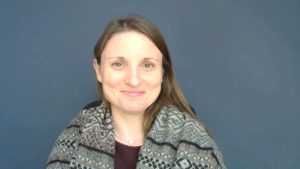
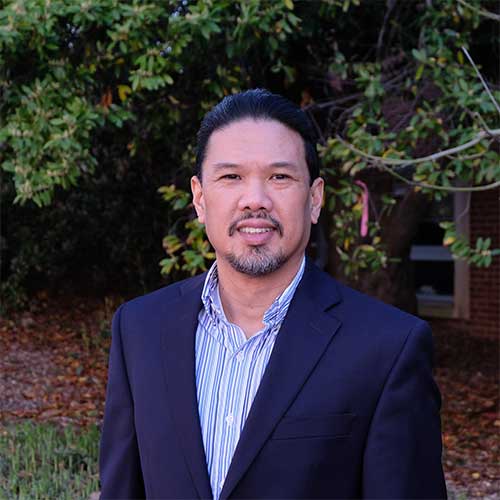
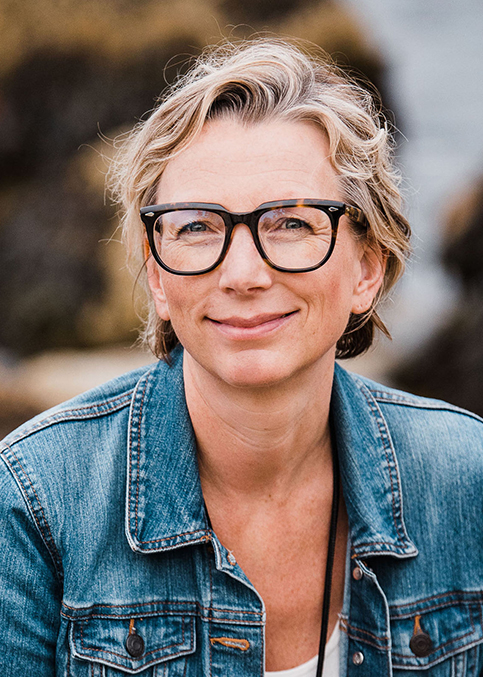
Prof. Sofía Calero is a Full Professor at the Eindhoven University of Technology (TU/e) and Vice Dean of the Department of Applied Physics & Eindhoven School of Education. She leads the Materials Simulation & Modelling group, focusing on computational methods for renewable energy and nanostructured materials. MSc (1995) and PhD (2000), University Complutense of Madrid Marie Curie Fellow (2001–2003), University of Amsterdam Ramón y Cajal Fellow (2004) and Full Professor (2017) at University Pablo de Olavide (Spain) Her research bridges computational physics-chemistry and industrial applications, developing force fields, algorithms, and simulation methods to reverse-engineer material properties. She specializes in adsorption , metal-organic frameworks , zeolites , and molecular simulation , contributing to SDGs like climate action and clean energy. Recent publications focus on halide perovskites , carbon dioxide capture , and nanostructured materials , with software tools like RASPA and iRASPA as key outputs. Articles span Nano Letters , Chem , and Journal of Physical Chemistry C . ERC Proof of Concept Grant (2018) Marie Curie Excellence Award (2005) Fellow of the Royal Society of Chemistry (2024) She has supervised 36 research works and taught courses like Advanced Materials Modelling and Mechanics . Her work involves collaborations with industries and institutions across Europe.
Dr. Pieter van Oel is an Associate Professor in the Water Resources Management group at Wageningen University & Research, focusing on sociohydrology and addressing water crises in South America and Africa. His expertise spans civil/hydraulic engineering, environmental management, hydrology, irrigation systems, and drought diagnosis. He teaches courses like Design in Land and Water Management and supervises PhD students such as Louise Cavalcante and Daniel Wiegant. His research emphasizes societal dimensions of water challenges, including drought impacts, agent-based modeling, and serious gaming for community engagement. Projects include analyzing drought policies in Brazil, improving water governance in Kenya, and evaluating groundwater vulnerability in Ethiopia. He collaborates on initiatives like the Diagnosing Drought project and Socio-hydrological Simulation tool development. Key contributions include critiques of drought monitoring systems' alignment with local realities and frameworks for sustainable agroforestry management. His work bridges science and policy, advocating for interdisciplinary solutions to water scarcity and climate resilience.
Dan Sheldon is a Professor in the Department of Computer Science at the University of Massachusetts Amherst, holding a Five College joint faculty position with Mount Holyoke College. His research focuses on developing algorithms to address environmental challenges using large datasets, emphasizing computational sustainability. Key areas include spatial optimization for endangered species conservation, continent-scale bird migration modeling, and interpreting weather radar data for ecological insights. Methodologically, his work leverages probabilistic inference, network modeling, and machine learning. Sheldon earned a PhD in Computer Science from Cornell University and an AB in Mathematics from Dartmouth College. His postdoctoral training at Oregon State University was supported by an NSF Bioinformatics Fellowship. He co-leads the BirdCast project, an NSF-funded initiative applying novel machine learning to avian migration studies. His research affiliations include the Center for Data Science and the Computational Social Science Institute. Research interests span computational biology, machine learning, and data privacy. Notable contributions include algorithms for ecological decision-making, differentially private synthetic data techniques, and Gaussian process applications in environmental forecasting. Awards include an NSF Fellowship in Bioinformatics. Current projects integrate radar data analysis, biodiversity tracking, and privacy-preserving statistical methods. Grants include the BirdCast NSF grant and collaborations in computational sustainability. His work bridges theoretical computer science with applied ecological challenges, emphasizing interdisciplinary approaches to global-scale environmental problems.
Professor Liz Stephens is a faculty member at the University of Reading's Department of Meteorology, specializing in flood forecasting, climate variability, and disaster risk management. Her work focuses on improving hydrological and meteorological models to enhance flood preparedness and climate adaptation strategies globally. Research Interests: Probabilistic flood forecasting Climate impacts on extreme events Enhancing forecast communication for decision-makers Applications in data-scarce regions like Kenya and Uganda Key Projects: Global Flood Awareness System (GloFAS) World Weather Attribution studies Probabilistic forecast evaluation frameworks Her research bridges academic analysis with practical implementation, collaborating with international organizations like ECMWF and humanitarian agencies to translate scientific insights into actionable disaster preparedness measures.
Roderick M. Rejesus is a Professor and Extension Specialist in the Department of Agricultural and Resource Economics at North Carolina State University. He holds a Ph.D. from the University of Illinois at Urbana-Champaign. His work focuses on applied production economics, agricultural risk management (including crop insurance and safety-net policies), and economic impacts of agricultural technologies. He teaches ECG 741: Agricultural Production and Supply in Fall semesters. Education: Ph.D. in Agricultural Economics, University of Illinois at Urbana-Champaign (2001) Research Interests: Dr. Rejesus examines policy-driven agricultural practices such as soil health management and cover crops, their resilience to climate extremes, and their economic implications. His work integrates empirical analysis of crop insurance mechanisms, yield risk, and environmental sustainability. He evaluates conservation programs (e.g., no-till practices) and their effects on land values and erosion. His studies often address global challenges like climate change and food security, with projects in the U.S., Philippines, and other regions. Recent Research Trends: His articles emphasize climate-smart agriculture, crop insurance dynamics under extreme weather, and policy incentives for sustainable practices. Key themes include quantifying yield sensitivity to environmental factors (e.g., warming temperatures), analyzing soil health benefits, and modeling production risk in agricultural systems. Advising & Grants: While specific grants or advisees are not listed, his role as an Extension Specialist suggests involvement in applied research partnerships with farmers and policymakers. His work often involves collaborative projects with international institutions. Labs/Teams: Affiliated with North Carolina State’s Extension programs and interdisciplinary teams focused on agricultural economics and policy.
Gregory S. Miller is Ernst & Young Professor of Accounting at the University of Michigan's Ross School of Business. His research examines financial communication mechanisms, specifically how corporate managers convey firm information to external stakeholders and how market structures influence communication effectiveness. Professor Miller maintains editorial roles at leading journals including The Accounting Review and Journal of Accounting and Economics. Research concentrations include: Information flow dynamics in financial markets Managerial communication strategies Impact of disclosure regulations on market efficiency Investor relations and shareholder activism Cross-cultural aspects of financial disclosure Publications appear in top-tier journals including The Accounting Review, Journal of Accounting and Economics, and Journal of Accounting Research. His practitioner-oriented work has been featured in Harvard Business Review and Investor Relations Quarterly. Educational credentials include PhD from University of Michigan (1998) and BS in Accounting from Miami University (1990). Professional experience includes four years as auditor at Arthur Andersen.
Roles and Affiliations: Doina Olaru is a Professor in the Department of Management and Organisations at the University of Western Australia (UWA) Business School. She is affiliated with the Planning and Transport Research Centre and holds a visiting position at the University of Burgos, Spain. Her work focuses on transport planning, urban sustainability, and data-driven decision making. Education: PhD in Transport Engineering (University Politehnica of Bucharest, 2000). Prior industry experience includes roles as a railway engineer and Postdoctoral Research Scientist at CSIRO. Research Interests: Urban transport systems, travel behavior modeling, accessibility analysis, environmental impacts of transport, and applications of artificial intelligence. She emphasizes sustainable solutions integrating land-use and transport policies. Grants and Collaborations: Principal investigator on 31 grants, including ARC Linkage Projects and industry partnerships with iMOVE CRC. Collaborates with institutions like the University of Oxford, University of Leeds, and University of Sydney. Awards: Multiple teaching awards (UWA Business School) and recognition for contributions to transport research, including the Dennis Moore Australian Computer Society Orator honor. Teaching: Courses include Data Analysis and Decision Making, and Quantitative Data Analysis. Over 10 teaching excellence nominations. Current Projects: Focus areas include smart transport technologies, roundabout modeling via drone analytics, and hybrid work impacts on transport demand.
Yanhua Li is an Associate Professor in the Computer Science Department and Data Science Program at Worcester Polytechnic Institute (WPI), where he has served since 2021 (previously as Assistant Professor from 2015-2021). He is also an affiliated researcher at UMass Transportation Center (UMTC). His educational background includes dual PhDs: Computer Science from University of Minnesota, Twin Cities (2013) and Electrical Engineering from Beijing University of Posts and Telecommunications (2009), along with an MS (2006) and BS (2003) in Electrical Engineering from Sichuan University. Dr. Li's research focuses on artificial intelligence and spatial-temporal data science with applications in smart cities and urban intelligence. His work particularly emphasizes imitation learning and meta learning in AI for understanding and influencing urban human agents' decision-making strategies, such as taxi drivers' passenger-seeking behaviors and urban travelers' transit choices. His laboratory develops advanced computational methods for urban transportation systems, traffic prediction, and spatial-temporal data analytics. His publication record shows a strong trajectory in top AI and data science venues, with recent work bridging foundation models with urban computing, enhancing robustness in spatial-temporal representation learning, and applying generative models to urban traffic estimation. His research spans computer vision, reinforcement learning, generative modeling, and spatio-temporal data analysis with applications in transportation, environmental monitoring, and urban planning. Best Applied Data Science Paper Award at SDM 2019 NSF CAREER Award (2020) Runner-up for the 10-Year Impact Award for SIGSPATIAL Conference (2024, for 2014 paper) Dr. Li has secured significant research funding including an NSF CAREER award ($529k), multiple NSF grants totaling over $2 million, and industry collaborations with DiDi Chuxing Research. He has advised numerous PhD students who have gone on to faculty positions at institutions like San Diego State University and SUNY Binghamton University. His research group maintains active collaborations with industry partners including DiDi Chuxing, Pitney Bowes Inc., and NVIDIA. He leads several research initiatives including the CityLines project for urban transportation systems and has contributed to foundational work in spatial-temporal imitation learning. His laboratory continues to expand into new areas including applying large language models to urban dynamics prediction and developing advanced methods for environmental monitoring.
Dr. Pinon Hermida Victor is a Researcher at the Institute of Electronic Structure and Laser (IESL) under the Foundation for Research and Technology – Hellas (FORTH). He holds a PhD in Physics from the University of A Coruña (2011) and has conducted extensive research on Laser-Induced Breakdown Spectroscopy (LIBS), focusing on femtosecond lasers, double-pulse configurations, and applications in material analysis, archaeology, and environmental science. His career includes roles at Applied Photonics Ltd (UK) as Senior Applications Scientist (2014-2020) and postdoctoral fellowships at FORTH-IESL through the Marie Curie ATLAS program (2006-2008). Research interests span LIBS methodology development, optical fiber systems for high-power lasers, and software for spectral analysis. Notable contributions include portable LIBS instrument design and radiation-resistant optical components for nuclear facilities. Awards include the 2008 LIBS Contest and the 2011 Premio Extraordinario de Doctorado. Recent work focuses on applying LIBS to archaeological mollusc shell analysis for climate and environmental studies. He collaborates internationally on LIBS quantification challenges and instrument durability in harsh environments. Education: PhD in Physics (2011), University of A Coruña; Diploma in Physics (2001), University of Santiago de Compostela Key Roles: Senior Applications Scientist (Applied Photonics), Marie Curie Fellow (FORTH-IESL), Researcher (Laboratory of Industrial Applications of Lasers) Lab Affiliations: IESL-FORTH and University of A Coruña laser labs
Katja Fennel is a Professor in the Department of Oceanography at Dalhousie University, Faculty of Science. Her research focuses on coupled physical-biogeochemical modeling to understand marine ecosystems, carbon and nutrient cycling, and climate change impacts. She specializes in coastal and open ocean dynamics, with expertise in hypoxia, ocean deoxygenation, and carbon sequestration. Fennel holds significant academic roles including Killam Professorship (2019-2024) and former Co-editor-in-Chief of Biogeosciences (2013-2021). She has led projects on ocean prediction, marine carbon dioxide removal (CDR), and coastal acidification. Education: PhD in Marine Biology and Diploma in Numerical Mathematics from University Rostock, Germany Affiliations: Adjunct roles at University of Maryland Center for Environmental Science, University of Maine, and Rutgers University Research Interests: Development of high-resolution coupled models to study biogeochemical processes in shelf and open ocean systems. Key areas include the impact of climate change on marine ecosystems, hypoxia formation mechanisms, and the role of ocean alkalinity enhancement in carbon removal. Fennel's work integrates observational data with advanced modeling to address ecological and climate challenges. Publications highlight contributions to understanding coastal-ocean carbon dynamics, biogeochemical forecasting, and Arctic carbon uptake. Recent focus includes expanding Argo float networks and evaluating marine CDR strategies like ocean alkalinity enhancement (OAE). Awards: AGU Fellow (2024), CMOS President's Prize (2023)
Rachit Dubey is an Assistant Professor in the Department of Communication at UCLA, affiliated with the College of Letters & Science. He holds a PhD in Computer Science from Princeton University, an M.S. in Education from UC Berkeley, and a BEng in Computer Science from Nanyang Technological University. His research bridges computational modeling, behavioral experiments, and policy design to address climate change challenges, focusing on human motivation and policy impact. Key research areas include using AI-generated visualizations to enhance climate communication, understanding cognitive underpinnings of climate inaction, and designing interventions to reduce polarization. His work has been featured in Nature Human Behavior , Nature Sustainability , and PNAS . Notable contributions include demonstrating that binary climate data visuals significantly amplify perceived urgency compared to gradual trends, and developing computational models of grief using reinforcement learning. He received the 2024 SfNC Dissertation Award for his doctoral work. Dr. Dubey collaborates closely with policymakers to bridge research and practice, and is recruiting PhD students in cognitive science, climate policy, and machine learning. His lab, the Computational Cognitive Policy Lab, emphasizes quantitative rigor and interdisciplinary collaboration.
Niels Dingemanse is a tenured Professor of Behavioural Ecology at Ludwig Maximilians University (LMU) in Munich, Germany, and leads the Evolutionary Ecology of Variation research group at the Max Planck Institute for Ornithology. His academic journey includes roles as a Postdoctoral Research Fellow at the University of Groningen and the University of Wales, Bangor. He holds a PhD in natural sciences from Utrecht University (2003) and an M.Sc. in Ecology from the University of Groningen (1997). His research focuses on evolutionary and behavioural ecology, particularly the ecological and evolutionary significance of individual variation in behaviour, physiology, and life-history traits. Key themes include personality evolution, indirect genetic effects, and the integration of genomic approaches with ecological field studies. Dingemanse has contributed to projects like the Great Tit HapMap initiative, exploring genomic variation across continental scales. Publications emphasize interdisciplinary methods, combining field experiments with genomic and statistical tools. His work addresses topics such as mate choice evolution, the role of environmental fluctuations in shaping social plasticity, and the genetic basis of vocal rhythms in birds. Grants and fellowships include the Veni Innovational Research Incentives Scheme (Netherlands Organisation for Scientific Research) and ALW open competition grants. He has advised numerous postdoctoral researchers and leads collaborative projects across Europe.
Professor Ben Sheldon FRS holds the Luc Hoffmann Chair of Ornithology and directs the Edward Grey Institute within the University of Oxford's Department of Biology. His research focuses on evolutionary ecology, particularly individual variation, environmental adaptation, and long-term ecological studies like the Wytham Woods great tit project. Current themes include spatial scaling of ecological interactions, life-history evolution, and social dynamics in bird populations. He has secured major grants from ERC, UKRI, NERC, and BBSRC, and hosted postdocs via Marie Curie Fellowships. Research interests integrate field studies, genetics, and quantitative analysis to explore how environmental and social factors shape animal behavior and adaptation. Recent work examines phenological mismatches, climate impacts, and social network effects on reproduction and survival. Awards include Fellowship of the Royal Society. Advising includes 7-8 graduate students and postdocs, with a focus on PhD and postdoc project supervision. Administrative roles include past Head of the Department of Zoology (2016–2021) and Senior User Representative for the Life and Mind Building (2019–2022). The Edward Grey Institute serves as a key research hub for avian ecology and ornithology.
Tal Ezer is a Professor in the Department of Ocean & Earth Sciences at Old Dominion University (ODU), part of the College of Sciences. His expertise lies in physical oceanography, climate change, and sea level dynamics. He holds a Ph.D. from Florida State University (1989), M.Sc. and B.Sc. from Hebrew University of Jerusalem (1984 and 1981). Education: Ph.D. in Physical Oceanography, Florida State University (1989) M.Sc. in Atmospheric Sciences, Hebrew University of Jerusalem (1984) B.Sc. in Physics (major) and Mathematics (minor), Hebrew University of Jerusalem (1981) Research Interests: Physical oceanography, including Gulf Stream dynamics and coastal processes Climate change impacts on sea level rise and coastal flooding Numerical modeling of ocean circulation and environmental interactions Applications of ocean models to ecological and societal challenges Grant Highlights: "A Tool to Measure Community Stress and Social Capital to Support Disaster Resilience Planning" ($270,000, 2016–2017) "Modeling sea ice-ocean ecosystem responses to climate changes in the Bering-Chukchi-Beaufort Seas" ($108,000, 2008–2012) "Red Sea - Dead Sea conveyance feasibility study" ($98,540, 2008–2010) Key Awards: 2018 MIT SOLVE Competition Winning Team 2017 Distinguished Research Award (ODU) 2016 Highly Cited Paper, Thomson-Reuters 2002 NOPP Excellence in Partnering Award Labs & Teams: Center for Coastal Physical Oceanography (CCPO), ODU Collaborations with NASA, NOAA, and international institutions
Prof. Dr. Ahmet ÖZMEN is a Professor at Sakarya University's Faculty of Computer and Information Sciences, Department of Software Engineering. He has held various administrative positions including Head of the Software Engineering Department (2019-2028) and Director of the Computer Research and Application Center (2019-2022). With extensive experience in academia since 1991, he has made significant contributions to computer vision, traffic monitoring systems, and sensor technologies. Sakarya University: Professor (2019-present), Associate Professor (2011-2019) Dumlupınar University: Assistant Professor (2001-2011), Research Assistant (2000-2001, 1993-1998) Istanbul Technical University: Research Assistant (1991-1993) Prof. ÖZMEN's research spans computer vision applications for traffic monitoring, indoor air quality systems, parallel computing, and sensor technologies. His work bridges theoretical computer science with practical engineering applications, particularly in developing vision-based systems for nighttime vehicle detection, traffic flow monitoring, and environmental sensing. His interdisciplinary approach combines machine learning, image processing, and embedded systems to solve real-world problems in transportation and environmental monitoring. His publication record shows a clear evolution from parallel and distributed systems in his early career to computer vision and sensor applications in recent years. The majority of his recent work focuses on traffic monitoring systems using computer vision techniques, particularly for nighttime conditions, and indoor air quality monitoring systems using sensor networks. His research demonstrates strong industry and societal relevance, with applications in smart transportation, environmental protection, and educational technology. TÜBİTAK Publication Awards (2006, 2008, 2009, 2010) Physical implementation award from TÜBİDER (2008) Microsoft Certified Professional Certificate (2005) YÖK overseas study scholarships (1993, 1998) Elginkan graduate scholarships (1990, 1991) Prof. ÖZMEN has supervised numerous graduate students across multiple institutions, with a focus on practical engineering problems. His research has been supported by various projects including TÜBİTAK projects, institutional research grants, and industry collaborations. He has led significant research initiatives in traffic monitoring systems, indoor air quality monitoring, and educational technology platforms. His administrative leadership has included directing research centers and shaping curriculum development in software engineering. His work has involved establishing research teams focused on computer vision applications, sensor network development, and educational technology. These teams have produced numerous publications, developed practical systems, and trained the next generation of computer engineers. Current research directions include advanced traffic monitoring systems using deep learning and multi-camera setups for urban planning applications.