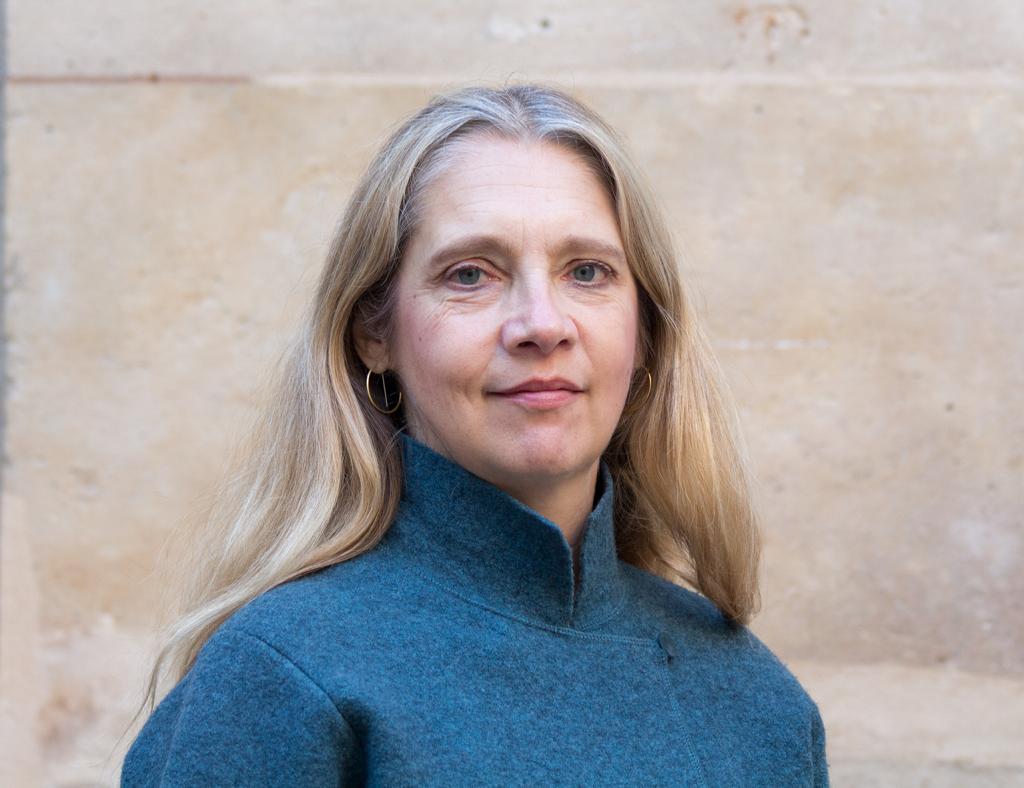
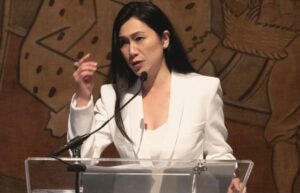
Sophie Volpp is a Professor in the Department of East Asian Languages and Cultures and Comparative Literature at the University of California, Berkeley. Her research focuses on Chinese literature from the 16th to 19th centuries, with particular emphasis on theatricality, material culture, and literary objects. She is the author of *Worldly Stage: Theatricality in Seventeenth-Century China* (2011) and *The Substance of Fiction: Literary Objects in China, 1550-1775* (2022). Her current projects include a book on the National Peiping Library’s preservation efforts during the Sino-Japanese War and an analysis of referents in *The Story of the Stone*. Her scholarly work bridges literary analysis and cultural history, examining themes such as gender, power, and spectacle in late-imperial China. She has translated works by pre-modern women poets and dramatists, contributing to gender-centric scholarship in East Asian studies. Her publications span journal articles and edited volumes, addressing topics like Qing-era theatrical design, material circulation in classical novels, and cross-cultural influences in literary production. Her research has been published in venues such as *Harvard Journal of Asiatic Studies* and *Journal of Asian Studies*.
Nathan Martin is an Associate Professor of Music Theory at the University of Michigan, School of Music, Theatre & Dance. He joined in 2015 after postdoctoral fellowships at Columbia, Harvard, Katholieke Universiteit Leuven, Hochschule für Musik Freiburg, and Yale. He holds a PhD from McGill University’s Schulich School of Music (2009). His research focuses on the history of music theory and musical form analysis, particularly the works of Jean-Philippe Rameau and their reception among Enlightenment thinkers like Jean-Jacques Rousseau. He integrates intellectual history with practical analytical methods, emphasizing both contextual and emic perspectives. Recent interests include adapting empirical social science and linguistics methods to study musical form. Key publications include articles on Rameau’s harmonic concepts, Rousseau’s musical writings, and global music theory history. His 2014 article on Rameau’s supposition/suspension theories earned the Society for Music Theory’s Outstanding Publication Award. He co-edited Formal Functions in Perspective (2015) and served as co-editor of Music Theory & Analysis until 2019. Professional highlights include the Edward T. Cone Membership at the Institute for Advanced Study (2018–2019) and a 2023 visiting researcher role at the Max Planck Institute for Empirical Aesthetics. His work bridges historical analysis with contemporary empirical approaches, fostering interdisciplinary dialogue in music theory.
Hiromi Tsuchiya Dollase is an Associate Professor of Chinese and Japanese at Vassar College since 2003. Her research focuses on Japanese women’s literature, girls’ magazine culture, and manga, with a particular interest in integrating popular media into language education. She teaches courses such as 'Japanese Popular Culture and Literature' and 'The Gothic and the Supernatural in Japanese Literature.' Dr. Dollase holds a PhD in comparative literature (Japanese and American) from Purdue University (2003), an MA from Illinois State University, and a BA/MA from Baika Women’s College. She authored *Age of Shojo: The Emergence, Evolution and Power of Japanese Girls’ Magazine Fiction* (2019) and has contributed to numerous edited volumes and refereed journals. Her work spans topics like child abuse depictions in manga, sex education in historical fiction, and queer reinterpretations of classic narratives. She co-edited *Women’s Voices in Manga* (2024) and *Manga!: Visual Pop-Culture in ARTS Education* (2020). Her research bridges literary analysis with cultural studies, emphasizing the intersection of gender, media, and education. Dr. Dollase has been featured in media discussions about Japanese literary icons like Nobuko Yoshiya. She actively contributes to interdisciplinary programs in Asian Studies, Media Studies, and Women’s, Feminist, and Queer Studies at Vassar.
Edward L. Shaughnessy serves as the Lorraine J. and Herrlee G. Creel Distinguished Service Professor in Early Chinese Studies and Director of Graduate Studies in the Department of East Asian Languages and Civilizations at the University of Chicago. A renowned scholar of ancient China, he specializes in archaeologically recovered texts from the Zhou dynasty period (c. 1045-249 BCE), particularly bronze inscriptions, bamboo-slip manuscripts, and the classical texts Zhou Yi (I Ching), Shang Shu, and Shi Jing. His research interests focus on the intersection of archaeological discoveries and literary traditions, with particular expertise in bronze inscriptions and the Zhou Yi. Shaughnessy has pioneered efforts to bridge Western and Chinese scholarly traditions, publishing extensively in both English and Chinese. He has written seven volumes of technical scholarship in Chinese and is currently leading an international team translating Tsinghua University's fourth-century BCE bamboo-slip manuscripts. His recent scholarly output shows strong trends in paleographic studies, with numerous publications analyzing newly excavated manuscripts. His work demonstrates a consistent focus on textual transmission, historical context, and the relationship between archaeological evidence and received literary traditions. Notable patterns include systematic analysis of bamboo-slip manuscripts, comparative studies of textual variants, and interdisciplinary approaches combining philology, archaeology, and historical analysis. Shaughnessy has received recognition through his appointment as a Distinguished Service Professor, one of the highest academic honors at the University of Chicago. His scholarly contributions have significantly advanced the field of early Chinese studies through both original research and editorial work. As an educator, Shaughnessy teaches seminars on oracle-bone inscriptions, bronze inscriptions, bamboo-strip inscriptions, and courses on the Yi jing, Shi jing, and Shang shu. He serves as Director of Graduate Studies for the department and has supervised numerous graduate students. His current and upcoming courses include 'The Ji Zhong Discovery,' 'The Development of Early China Studies in the West,' 'Western Zhou Bronze Inscriptions,' 'The Shang shu,' and 'The Shi jing.' Shaughnessy maintains an active research program with current projects including the translation of Tsinghua University's bamboo manuscripts and serving as co-editor of the journal Bamboo and Silk. His scholarly network extends internationally, as evidenced by his 2013 lecture series at the Collège de France titled 'Unearthing the Chinese Classics,' where he presented on the Zhou Yi, Shang Shu, Shi Jing, and Laozi.
Ksana Blank is a Senior Lecturer at Princeton University’s Department of Slavic Languages and Literatures. She coordinates the Russian Language Program and directs the Princeton-in-Petersburg Program, fostering academic exchange and interdisciplinary research. With a PhD in Russian Literature (Columbia University, 1997) and a BA in French Philology (St. Petersburg State University, 1979), her academic career spans over two decades at Princeton, preceded by teaching roles at Hunter College and Middlebury College Russian Summer School. Education: PhD, Russian Literature, Columbia University (1997) BA, French Philology, St. Petersburg State University (1979) Her research centers on Russian literature, emphasizing stylistic analysis and interdisciplinary connections with music, visual arts, folklore, and religious philosophy. Notable works include studies on Dostoevsky’s dialectics, Gogol’s The Nose , and the interplay between Russian modernism and Western art movements. She has authored multiple books and articles, many translated into Russian, and has published in academic journals across Russia, Europe, and China. Recent publications explore Dostoevsky’s paradoxes, Gogol’s linguistic innovation, and the intersection of Russian literature with music (Shostakovich), art (Malevich), and philosophy. Her 2023 book Парадоксы классики expands traditional interpretations of classic works through interdisciplinary lenses, while her 2021 The Nose guide deciphers Gogol’s wordplay and its narrative function. Earlier works address Tolstoy’s spiritual crisis and Bakhtinian dialogism in Russian literary theory. While no scientific awards are listed, her contributions to pedagogy include advanced Russian language courses and graduate-level Tolstoy studies. She currently works on Leo Tolstoy’s The Prisoner of the Caucasus and teaches courses on Russian literature, spirituality, and translation.
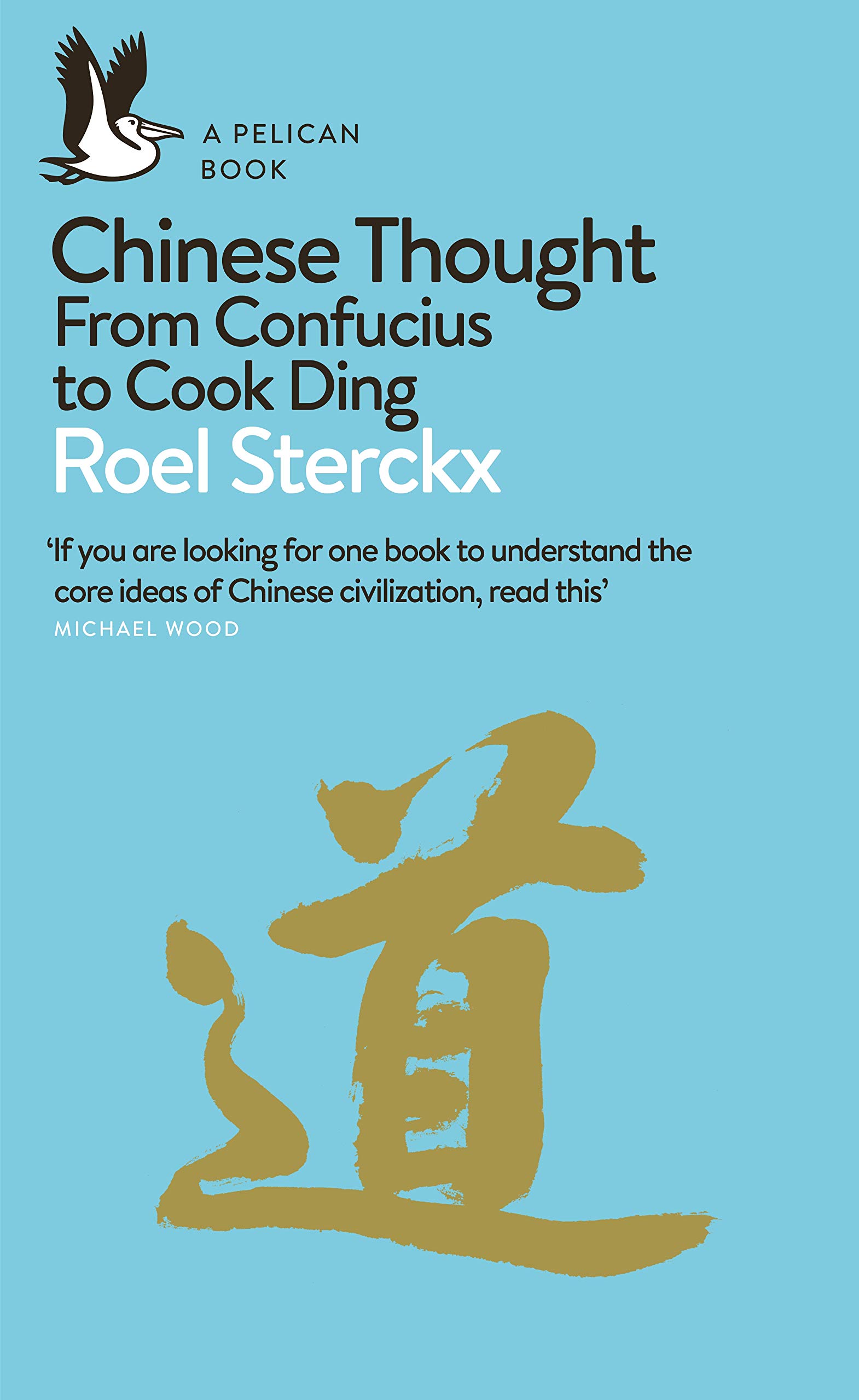
Professor Roel Sterckx is the Joseph Needham Professor of Chinese History, Science, and Civilization at the University of Cambridge, affiliated with Clare College. He specializes in pre-imperial and early imperial Chinese thought, classical Chinese language, and natural history. His research bridges anthropology and the history of science, focusing on topics like ritual, economic thought, and animal studies. He has authored influential books including Food, Sacrifice, and Sagehood in Early China and Animals through Chinese History . Sterckx is a Fellow of the British Academy (since 2013) and holds leadership roles at the Needham Research Institute. He supervises PhD students on subjects ranging from Warring States rhetoric to Han Dynasty apocrypha. Education: BA/PGCE in Sinology and History, Katholieke Universiteit Leuven Masters in Classical Chinese and Philosophy, National Taiwan University PhD in Chinese History, University of Cambridge Research Interests: Early Chinese cultural ecology, ritual economy, and the interplay of moral and material values. His work analyzes texts like the Rites of Zhou , Mozi , and Huainanzi , emphasizing agricultural thought and animal symbolism. Awards: British Academy Fellowship (2013) Grants and Labs: Directs the Cambridge-based Needham Research Institute, focusing on East Asian science and technology history. Current projects include studies on Han perceptions of southern regions and the economics of ritual in early China.
Heather A. Haveman is a Professor of Sociology and Business at the University of California, Berkeley. She holds a B.A. in History (University of Toronto, 1982), an M.B.A. (University of Toronto, 1985), and a Ph.D. in Organizational Behavior and Industrial Relations (University of California, Berkeley, 1990). She has served at Duke University's Fuqua School of Business (1990-1994), Cornell University's Johnson Graduate School of Management (1994-1999), and Columbia University's Graduate School of Business (1998-2007) before joining UC Berkeley in 2006. Her research explores organizational evolution, industry dynamics, and career mobility. Key projects include studies of American tech firms, Chinese listed firms, and historical analyses of U.S. collegiate women's sports and 19th-century American magazines. She employs mixed methods, including NLP for literature reviews and corporate culture mapping. Recent publications span topics like organizational change and economic inequality (2025) computational literature reviews (2024) gender equality in corporate practices (2023) institutional logics in organizational behavior (2023) coevolution of capitalism and enterprise (2022) She has received prestigious awards including the 2016 ASA Best Book Award for Magazines and the Making of America 2017 Barrington Moore Book Award Her teaching portfolio includes graduate courses in organizational sociology and undergraduate classes on entrepreneurship and evidence evaluation. She actively mentors PhD students and provides detailed research design guidance via her personal website.
Amitav Acharya is UNESCO Chair in Transnational Challenges and Governance and Distinguished Professor at American University's School of International Service. He holds honorary positions at Rhodes University, University of Pretoria, and Nankai University, with previous appointments at Harvard, Oxford, and Tsinghua University. Research focuses on: Global international relations and world order transitions US-China relations and Asian regionalism Non-Western international relations theory United Nations and global governance Publications demonstrate extensive contributions to IR theory with works translated into multiple languages. Honors include: Three-time ISA Distinguished Scholar Award recipient American University Scholar-Teacher of the Year (2020) First non-Western President of International Studies Association (2014-2015)
Bruce Rusk is an Associate Professor in the Department of Asian Studies at the University of British Columbia (Faculty of Arts) and serves as the Graduate Advisor. He previously taught at Cornell University for six years before joining UBC in 2012. During the 2012–13 academic year, he was on leave at the Institute for Advanced Study in Princeton and the National Humanities Center in North Carolina. Additionally, he is the webmaster and past president of the Society for Ming Studies, a scholarly organization focused on Ming history and culture. Bruce holds a Ph.D. from the University of California, Los Angeles (UCLA), where his dissertation, The Rogue Classicist: Feng Fang (1493–1566) and his Forgeries , examined sixteenth-century classical text forgeries. Following his Ph.D., he was a postdoctoral fellow at Stanford University from 2004 to 2006. He also earned his B.A. (History Honours) from UBC, which inspired his return to Vancouver to join the scholarly community here. His research focuses on the cultural history of pre-modern and early modern China, particularly the Ming and Qing dynasties. Key interests include authenticity and forgery in textual and material culture, transmission of knowledge, history of philology, writing systems in East Asia, and digital humanities. He collaborates globally on the SSHRC-funded FROGBEAR project, developing an open access repository for East Asian religious studies. Current work explores authentication practices surrounding artifacts like Xuande incense burners and silver ingots, reflecting his broader study of how authenticity and deception were negotiated in late imperial China. Recent publications address intersections between forgery, material culture, and digital methodologies, including co-editing Literary Information in China: A History (2021) and analyzing Ming-Qing literary practices. His work highlights the cultural significance of textual preservation and the sociocultural dynamics of early modern Chinese scholarship. As a leader in academic organizations, Bruce has contributed to the Society for Ming Studies, advancing research in Ming culture through his roles as webmaster and past president. His advising and grants include mentoring UBC graduate students and contributing to the FROGBEAR initiative. His career bridges historical research with digital innovation, emphasizing interdisciplinary approaches to Asian studies.
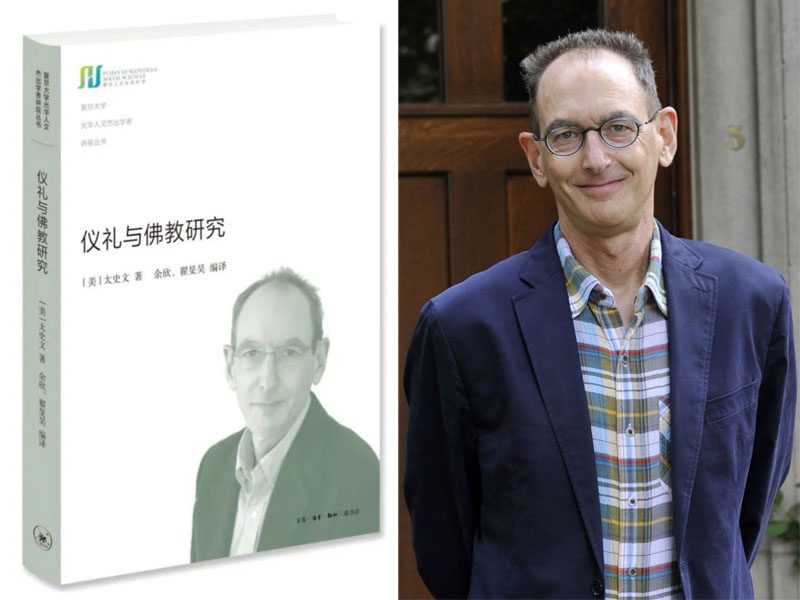
Stephen F. Teiser is the D.T. Suzuki Professor in Buddhist Studies and Professor of Religion at Princeton University. He holds the Old Dominion Research Professor title in the Humanities Council (2022-2023). His work focuses on Buddhist rituals, Chinese religious history, and the intersection of Indian and Chinese religious traditions. Teiser delivered lectures at Fudan University, shaping his research into broader scholarly discourse. His book Ritual and the Study of Buddhism (2022) explores Buddhist rituals in Chinese contexts, emphasizing cross-cultural and methodological insights. His research bridges medieval Chinese religious practices with modern academic frameworks, addressing topics like funerary rituals, lay communities, and textual interpretation. His academic contributions span Buddhist historiography, ritual studies, and East Asian religious history. Notable works include analyses of the Ghost Festival, Dunhuang liturgies, and comparative religious texts. Teiser’s interdisciplinary approach highlights the adaptation of Buddhism in Chinese culture and its global scholarly relevance. Awards: Old Dominion Research Professor (2022-2023) Teiser’s research also engages with collaborative international projects, such as co-editing volumes on divination and East Asian manuscripts. His work emphasizes the importance of language and cultural context in interpreting religious practices, making his scholarship foundational for understanding Buddhism’s evolution in China.
O.J. (Oliver) Moore is a Professor and Chair of Chinese Language & Culture at the University of Groningen's Faculty of Arts. His expertise spans Art History of China, early/modern Chinese history, archaeology, and material culture. He holds a PhD from Cambridge University and has held roles at Leiden University, the British Museum, and Kyoto University. His research integrates historical, technical, and aesthetic aspects of Chinese art and culture, with a focus on photography, printing systems, and classical texts. Education: Studied Chinese at London University (SOAS) and Fudan University (Shanghai), PhD at Cambridge on Tang Dynasty civil service recruitment rituals. Teaching includes modern Chinese language, East Asian art/media, and thesis writing. He supervises PhD projects on Chinese art collecting in the Netherlands and collaborates internationally on courses like 'Chinese Gardens in Europe.' Key publications: Photography in China: Science, Commerce and Communication (2022), translations of Tang-era texts, and studies on Tang art and archaeology. Research emphasizes demystifying Chinese culture through translation and cross-disciplinary approaches. Past roles include Curator at the Netherlands Museum of Ethnology and Visiting Professor at Kyoto University.
Xiaofei Tian is Professor of Chinese Literature in the Department of East Asian Languages and Civilizations at Harvard University's Faculty of Arts and Sciences. She joined Harvard in 2000 after teaching positions at Colgate University and Cornell University. Her research centers on Chinese literature and cultural history from the Middle Period (1st–13th century CE), with expertise in manuscript culture, courtly literary production, and Buddhism's influence on poetic traditions. She also investigates late imperial/modern Chinese literature, travel writing, and Cultural Revolution trauma narratives. Professor Tian's scholarly contributions have earned significant recognition: Patrick D. Hanan Book Prize for Translation (2016) for The World of a Tiny Insect Choice Outstanding Academic Title 2006 for Tao Yuanming and Manuscript Culture Choice Outstanding Academic Title 2018 for The Oxford Handbook of Classical Chinese Literature She mentors graduate students while teaching courses including Art and Violence in the Cultural Revolution , and currently serves as Editor of Early Medieval China and founding co-editor of The Nanyang Journal of Chinese Literature and Culture .
Zhiqiang Yu serves as an Associate Professor in the Department of Modern Languages and Comparative Literature at Baruch College's Weissman School of Arts and Sciences, City University of New York. With over two decades of teaching experience, he has established himself as a dedicated educator specializing in Chinese language, cinema, and civilization courses. Education: Ph.D. in Chinese, University of Washington M.A. in Asian Civilization, University of Iowa B.A. in Chinese Literature, Fudan University (Shanghai) Professor Yu's research focuses on innovative approaches to Chinese language pedagogy, with particular interest in applying economic principles and artificial intelligence to language teaching. His work bridges traditional linguistic scholarship with modern educational technology, examining how efficiency, resource allocation, and technological advancements can enhance language learning outcomes. His research spans Chinese linguistics, dialectology, cinema studies, and cultural elements in language teaching. His publication record reveals a consistent trajectory toward optimizing language instruction through systematic analysis. Recent work increasingly focuses on AI applications in language education and the economic framework of pedagogical efficiency. His scholarship demonstrates a progression from traditional linguistic analysis toward innovative teaching methodologies that incorporate modern technological and theoretical frameworks. Scientific Awards: Award of Excellent Academic Research Reviewer from Journal of International Chinese Education (2016) Graduate Teaching Fellowship from University of Washington (1993) Graduate Teaching Fellowship from University of Iowa (1989) Graduate Research Fellowship from University of Iowa (1988) Student Excellency Award from Fudan University (1984) Professor Yu has served extensively on departmental committees including as Department Assessment Coordinator and Secretary of the Asian and Asian-American Studies Committee. He has organized numerous academic events featuring prominent Chinese cultural figures and has contributed to developing Chinese language curriculum resources including online placement tests. His professional service extends to editorial work for CUNY publications and Chinese language training for the New York Police Academy. He maintains active involvement with multiple professional organizations including the American Name Society, American Oriental Society, American Society of Geolinguistics, Association for Asian Studies, and Chinese Language Teachers Association, frequently presenting at international conferences on Chinese language pedagogy.
Dr. Agnes Hsu-Tang is an Adjunct Professor at Columbia University’s Department of East Asian Languages & Cultures, specializing in archaeology and art history with a focus on cultural heritage and transnational trade routes. She holds a PhD from the University of Pennsylvania and has served in prestigious roles including Board Chair of The New York Historical Society and Co-chair of the Metropolitan Museum of Art’s Objects Conservation Committee. Her academic contributions span UNESCO missions, international film collaborations, and co-founding institutions like the Tang Center for Early China and Silk Road Studies. Education: BA (Bryn Mawr College, Classical Languages & English Literature), MA (University of Pennsylvania, East Asian & Middle Eastern Studies), PhD (University of Pennsylvania, 2004). Research interests include early Chinese cartography, Silk Road cultural exchanges, and the intersection of art history with imperial geography. Her work bridges archaeology, art, and policy, addressing illicit cultural trafficking and heritage preservation. She has produced award-winning documentaries and serves on global arts and museum boards. Her publications explore topics such as ancient mapping techniques and Silk Road heritage. Awards recognize her academic and leadership roles in cultural preservation. She co-founded the Tang Centers and Hsu-Tang Library, advocating for interdisciplinary scholarship and global cultural dialogue.
William H. Nienhauser, Jr. is the Halls-Bascom Professor of Classical Chinese Literature in the Department of Asian Languages and Cultures at the University of Wisconsin–Madison, College of Letters and Science. He is a leading authority on early Chinese literature, historiography, and poetry, with a particular focus on Sima Qian’s Shiji and the poetry of Du Fu. He has held visiting and research positions in China, Japan, Germany, and Taiwan, and remains academically active, including a 2018 appointment as Visiting Professor at Nankai University. His research interests include early traditional Chinese fiction, historiography, chuanqi and zhiguai tales, and the application of modern Western critical theories to Chinese literary texts. He is deeply engaged in the translation and annotation of classical works, especially the Shiji , often in collaboration with graduate students. His scholarship bridges philology, literary theory, and historical contextualization, contributing significantly to the global understanding of pre-modern Chinese literature. Nienhauser’s publications reveal a sustained focus on textual analysis, narrative structure, and the interplay between history and literature. His work spans from early Shijing poetry to Tang dynasty fiction, with a strong emphasis on Sima Qian’s historiographical methods and legacy. He has also contributed foundational reference works and critical editions, shaping the field of Chinese literary studies. His scientific awards reflect the international recognition of his scholarship: Woodrow Wilson Fellowship ACLS Fellowship NEH Fellowship Fulbright-Hayes Fellowship Japan Foundation Fellowship German Research Foundation Fellowship Alexander von Humboldt Foundation Fellowship Humboldt Foundation Lifetime Achievement Award (2003) Nienhauser has advised numerous graduate students in collaborative research projects, particularly on the Shiji and Du Fu. He has secured major fellowships and grants from prestigious organizations including the NEH, ACLS, Fulbright-Hayes, and the Humboldt Foundation, enabling extended research and translation work. His editorial roles, especially as a founding editor of Chinese Literature: Essays, Articles, Reviews (CLEAR), have been instrumental in advancing the field. While no formal lab or research center is mentioned, Nienhauser leads a major international collaborative translation project on the Shiji , involving scholars and students across institutions. His seminars and graduate courses foster a close-knit research community focused on classical Chinese texts.