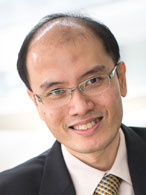
NG Huck Hui is a Research Professor and Senior Group Leader at the Laboratory of Precision Disease Therapeutics, Genome Institute of Singapore (GIS), under A*STAR. His research focuses on stem cell biology, particularly on understanding and harnessing the potential of pluripotent and adult stem cells for regenerative medicine and disease modeling. Key interests include stem cell state maintenance, controlled differentiation for 3D cellular models, and applications in neurodegenerative and metabolic diseases. He leads a team developing advanced genetic and cell culture approaches to create biologically accurate disease models, aiming to advance personalized medicine. His work emphasizes creating functional organoids (e.g., midbrain organoids with dopaminergic neurons) and mini-brains for studying complex disorders. Recent publications highlight innovations in stem cell reprogramming, transcriptional networks (e.g., Oct4/Nanog), and regulatory mechanisms governing pluripotency. He actively recruits postdoctoral fellows and students to expand this research. His laboratory collaborates across disciplines to bridge basic science with translational applications, focusing on leveraging stem cells for therapeutic discovery and disease understanding.
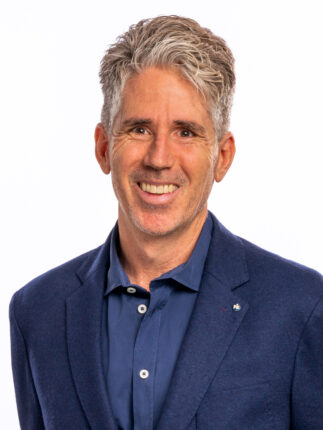
Daniel Thiele is a Researcher in the Department of Biochemistry & Molecular Biology at Monash University. His work focuses on immune regulation mechanisms, particularly T cell and NK cell biology, with emphasis on their roles in infection responses and aging-related immune dysfunction. He collaborates extensively with institutes globally, contributing to UN Sustainable Development Goals related to health and well-being. Research interests include epigenetic regulation of immune cells, transcription factor networks in immune development, and helminth-induced immune responses. His work explores how immune systems adapt to pathogens while maintaining self-tolerance, with recent studies emphasizing DOT1L's role in immune signaling and IKAROS/AIOLOS in NK cell differentiation. Key publications analyze virtual memory CD8 T cells' role in aging immunity, mechanisms of T cell receptor signaling, and type 2 immune responses during helminth infections. His research has been cited over 30 times, with articles gaining notable media attention.
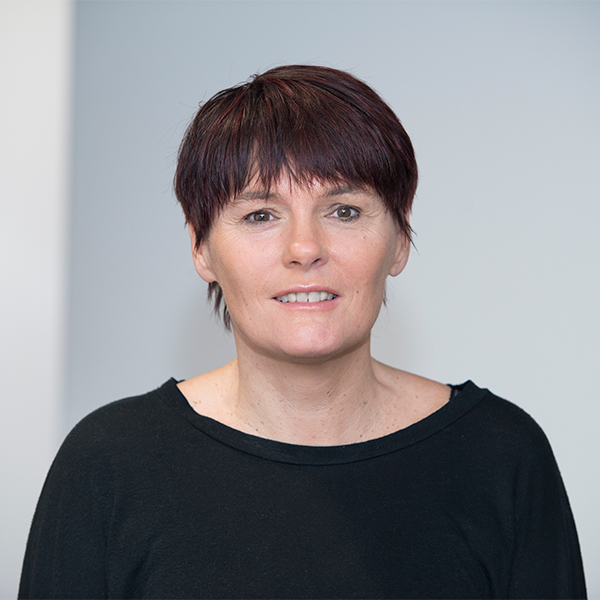
Dr. Zoi Diamantopoulou is a Beatson Research Fellow at the Cancer Research UK Scotland Institute (School of Cancer Sciences), Glasgow. Previously, she held Senior Postdoctoral Marie Curie Fellowships at ETH Zürich and University of Basel. Her research focuses on the interplay between circadian rhythms and cancer metastasis, particularly through circadian regulation of Circulating Tumour Cells (CTCs). Education: PhD in Cellular Biology (2010), University of Patras, Greece BSc in Biology (2005), University of Patras, Greece Her work employs in vivo mouse models, microfluidics, genetic engineering, and next-generation sequencing to explore how circadian disruptions influence metastatic progression. She also investigates chronotherapy for optimized drug administration and analyzes patient blood samples to identify circadian-related molecular vulnerabilities. Scientific Awards: 2021 Marie Skłodowska-Curie Postdoctoral Fellowship 2018 The BACR Chris Marshall Prize for Cell Signalling Lab Members: Senior Scientific Officer Gurman Pall, PhD Student Sara Ortega.
Catarina M Henriques is a Senior Research Fellow at the University of Sheffield's School of Medicine and Population Health. She leads a research group focused on Telomere Biology, Ageing, and Regenerative Medicine, with affiliations to the Bateson Centre , Healthy Lifespan Institute (HELSI) , and CIMA (Centre for Integrated research into Musculoskeletal Ageing). BSc (Hons) in Molecular & Cellular Biology, University of Glasgow PhD in Immunology and Cancer, University of Lisbon (FCT Fellowship) Her research explores the interplay between telomere dysfunction, cellular senescence, and immune/stem cell regulation in tissue homeostasis decline during ageing. Using zebrafish models , she investigates how telomerase-dependent mechanisms influence multi-tissue degeneration and therapeutic rejuvenation strategies. Recent work highlights telomere dynamics in immunity, intestinal permeability, and neurodegeneration. Key publications include: 2024: Telomere length as an epigenetic trait in disease modeling 2023: p21-GFP senescence zebrafish for senolytic testing 2022: Gut leukocyte telomere dependence and retinal regeneration Her work bridges the Versus Arthritis CIMA and Bateson Centre collaborations. Scientific awards include: Sir Henry Dale Fellowship (Wellcome Trust/Royal Society) CIMA Research Fellowship Vice-Chancellor’s Fellowship She supervises postgraduate researchers and contributes to undergraduate/postgraduate education via modules on multimorbidity, reproduction, and human disease modeling. The lab employs histology, immunofluorescence, flow cytometry, and cell culture to study zebrafish tissue repair mechanisms.
Dr. Steven Petratos is a Senior Lecturer in Pathology within the Department of Medicine at Monash University's School of Translational Medicine, Australia. He is also a Senior Research Fellow and leads an active research group focused on neurodegeneration in Multiple Sclerosis. His work is affiliated with the Alfred Hospital, and he holds a Visiting Professorship at Aristotle University of Thessaloniki, Greece. PhD in Neuropathology, University of Melbourne (1993–1999) Steven Petratos is a neurobiologist whose research centers on the molecular mechanisms governing neurodegeneration in Multiple Sclerosis (MS). His work spans neurorepair, remyelination, stem cell therapies, Nogo signaling, oligodendrocyte biology, and thyroid hormone pathways . He investigates how inhibitory signals like Nogo-A contribute to axonal damage and how these can be therapeutically targeted. His lab explores both small molecule interventions and cell-based delivery systems, such as genetically modified haematopoietic stem cells, to promote CNS repair. His research has significant implications for progressive MS and drug repurposing. His recent publications (2023–2024) reflect a strong focus on mitochondrial dysfunction in oligodendrocytes, microglial and astrocyte activation in MS lesions, Nogo receptor modulation, and stem cell-mediated neurorepair . He frequently publishes in high-impact journals such as Brain Communications , Neuroscience and Biobehavioral Reviews , and Frontiers in Cellular Neuroscience , demonstrating consistent contributions to understanding MS pathogenesis and therapy development. Scientific Awards: Commonwealth AIDS Research Grants (CARG) Postgraduate Scholarship (1993–1996) Monash University, Faculty of Medicine, Post-Doctoral Fellowship (2004) Monash University, Faculty of Medicine, Senior Post-Doctoral Fellowship (2005) Dr. Petratos actively supervises PhD students and early-career researchers, fostering a collaborative environment. He is the Primary Chief Investigator on multiple funded projects from organizations like the Trish MS Research Foundation and the 1More Foundation, focusing on preclinical development of therapies for MS. His lab, the Petratos Group, is part of the Centre for Neuroscience at Monash and works on translational research aimed at bridging laboratory findings to clinical applications. He contributes to UN Sustainable Development Goals related to health and well-being through his work on neurological disorders.
Joshua Rabinowitz is a Professor of Chemistry and Director of the Ludwig Princeton Branch at Princeton University. His research focuses on quantitative analysis of cellular metabolism, leveraging advanced mass spectrometry and computational modeling. Key areas include metabolic regulation in microbes (E. coli, yeast), cancer cell metabolism, viral infection impacts, and biofuel production. His lab has pioneered methods to measure metabolites and fluxes, leading to discoveries like novel cancer metabolites and antiviral strategies via fatty acid inhibition. Notable honors include the NIH Pioneer Award and Agilent Thought Leader Award. Research emphasizes systems-level understanding, with projects combining biological experiments, metabolomics, and computation. Recent work explores metabolic heterogeneity in humans, immunotherapy enhancements through metabolic modulation, and metabolic vulnerabilities in cancers like rhabdomyosarcoma. Collaborations include engineering yeast for biofuel production and developing therapeutics targeting metabolic pathways. Lab Website: Rabinowitz Lab Affiliations: Lewis-Sigler Institute for Integrative Genomics, Princeton University Major contributions include identifying metabolic shifts in viral infections, modeling microbial nutrient responses, and advancing technologies for metabolite quantification. Current efforts aim to integrate metabolomic data with enzyme regulation dynamics to predict metabolic networks across organisms.
Dr. Nadia Ameen is a Professor of Pediatrics (Gastroenterology) and Cellular and Molecular Physiology at Yale University School of Medicine. As an NIH-funded physician-scientist with over two decades of laboratory leadership, she investigates mechanisms of diarrheal diseases with focus on CFTR chloride channel regulation in genetic and non-genetic intestinal disorders including Cystic Fibrosis. Her research spans trafficking mechanisms, kinase signaling pathways, and translational applications for drug therapies like Linaclotide and Lubiprostone. MBBS from University of West Indies (1985) Her research program combines: CFTR trafficking regulation Microvillus Inclusion Disease (MVID) pathogenesis SGK1 kinase signaling effects Neuropod cell biology Translational organoid models Pediatric gut health promotion Key contributions include: Discovery of CFTR trafficking mechanisms Identification of BEST4+ neuropod cells Development of humanized mouse models Elucidation of stress-induced signaling pathways Advancement of nutritional interventions for children Scientific recognition includes the 2020 NASPGHAN Award for Study of Disorders Associated with Carbohydrate Malabsorption. She leads the Ameen Lab at The Anlyan Center (300 Cedar Street, New Haven) and participates in the Discovery to Cure Internship program.
Sravan Perla is an Associate Research Scientist in the Department of Pharmacology at Yale School of Medicine, where he conducts research under the mentorship of Dr. Anton Bennett. His work focuses on elucidating the molecular mechanisms of Protein Tyrosine Phosphatases (PTPs) in congenital heart diseases and metabolic regulation. Education: Ph.D. in Molecular Medicine and Pathology from New York Medical College and the University of Toledo; M.Sc. in Medical Biochemistry from JIPMER, India; B.Sc. in Biochemistry from Silver Jubilee Govt. Degree College. His primary research interests include cardiovascular signaling pathways , particularly the PZR/Shp2/Irx3/Irx5/BMP10 axis in Noonan Syndrome and related disorders. He investigates epigenetic regulation of genes like angiotensinogen and explores therapeutic interventions such as low-dose dasatinib and recombinant BMP10 for hypertrophic cardiomyopathy. His work bridges molecular pharmacology and translational medicine. The recent publications highlight a strong trend in signal transduction , cardiovascular pathophysiology , and therapeutic repurposing , with a focus on tyrosine phosphatases and TGF-β pathways. His research also extends into neurological applications, as seen in his co-authored work on post-stroke seizures. Best Poster Presentation , Yale Center for Molecular and Systems Metabolism (YMSM), 2024 Armed Forces Medical College Quiz Award , Association of Clinical Biochemists of India, 2010 Sravan Perla actively contributes to peer review for journals including Frontiers , Healthcare-MDPI , and International Journal of Environmental Research and Public Health . He is a key member of the Bennett Laboratory , where he advances research on PTP signaling and its implications for human disease. His work is supported by institutional affiliations at Yale and collaborative networks across neuroscience and cardiology.
Edgar Engleman is a Professor of Pathology and of Medicine (Immunology and Rheumatology) at Stanford University School of Medicine. He is a leading figure in cellular immunology, with major contributions to cancer immunotherapy, immune tolerance, and myeloid cell biology. He holds key affiliations with the Stanford Cancer Institute, Wu Tsai Neurosciences Institute, Bio-X, and the Maternal & Child Health Research Institute (MCHRI). He serves as Co-Director of Tumor Immunology and Immunotherapy and as Medical Director of the Stanford Blood Center. Professor, Department of Pathology, Stanford University Professor, Department of Medicine (Immunology and Rheumatology), Stanford University Co-Director, Tumor Immunology and Immunotherapy, Stanford Cancer Institute Medical Director, Stanford Blood Center Member, Wu Tsai Neurosciences Institute Member, Bio-X Member, Maternal & Child Health Research Institute (MCHRI) Dr. Engleman’s research focuses on the biology of immune cells, especially dendritic cells, macrophages, and neutrophils, in cancer, autoimmunity, organ transplantation, and metabolic and neurodegenerative diseases. His lab was instrumental in developing Sipuleucel-T (Provenge), the first FDA-approved cell-based cancer immunotherapy. Current work includes reprogramming immunosuppressive myeloid cells, studying lymph node-mediated immune tolerance in metastasis, and targeting novel immune checkpoints. His lab also investigates microglia in neurodegeneration and retinoic acid in colorectal cancer immunity. His recent publications (2022–2025) reveal a strong emphasis on myeloid cell function in tumor immunosuppression, mechanisms of metastasis, and novel therapeutic strategies including neutrophil activation, GPR65 inhibition, and EPO/EPOR blockade. His work integrates advanced technologies such as multiplex imaging, deep sequencing, and machine learning (e.g., CELESTA algorithm) to dissect immune cell interactions and tissue architecture. Notable scientific contributions include: Development of the first FDA-approved cancer vaccine (Provenge) Discovery of lymph node-induced immune tolerance promoting metastasis Identification of novel myeloid immune checkpoints Therapeutic reprogramming of tumor-associated myeloid cells Role of microglia in neurodegeneration and its pharmacological targeting Link between retinoic acid deficiency and impaired anti-tumor immunity in colorectal cancer Dr. Engleman actively mentors numerous graduate students and postdoctoral fellows, advising on doctoral theses and research projects across immunology, cancer biology, and pathology. His lab receives substantial research funding, enabling extensive studies in mouse models and human tissues. He also contributes to education through directed reading and research courses. The Engleman Lab functions as a collaborative Cellular Immunology Lab (CIL), fostering innovation and high-risk research. It utilizes cutting-edge tools including flow cytometry and mass cytometry to map immune responses system-wide. Ongoing efforts aim to translate mechanistic discoveries into clinical applications for cancer, autoimmune disorders, and transplant tolerance.
Hani Goodarzi, PhD , is an Associate Professor in the Department of Biochemistry and Biophysics at the University of California, San Francisco (UCSF), with dual affiliation to the Arc Institute and Helen Diller Cancer Center. His laboratory employs a systems biological framework integrating computational and experimental approaches to investigate metastatic progression in cancer and neurodegenerative diseases. Princeton University PhD in Quantitative & Computational Biology Postdoctoral Fellow, Rockefeller University (Cancer Systems Biology) NIH R01 Grants (2016–2026) Research Themes : Machine learning for in silico functional genomics Evolutionary dynamics of oncRNA regulatory modules in cancer Post-transcriptional control via tiRNA fragments and RNA methylation RNA structural element discovery using pyPAGE algorithms Scientific Recognition : Vilcek Prize for Creative Promise (2022) NIH K99/R00 Award (2015) Tri-Institutional Breakout Prize (2014) Blavatnik Regional Award (2015) Laboratory Impact : Developed Deep Generative AI for early-stage lung cancer detection Identified ENPP1 as innate immune checkpoint in breast cancer Created pyPAGE framework for gene-set enrichment analysis
Lesley Stark is a Senior Lecturer and Principal Investigator at the Edinburgh Cancer Research Centre, MRC Institute of Genetics & Molecular Medicine, University of Edinburgh. Her research focuses on the interplay between nucleolar stress, NF-κB signaling, and cancer prevention, particularly investigating aspirin’s anti-tumour mechanisms. Education: B.Sc. Cell Biology and Immunology (1st Class), University of Aberdeen (1990) PhD, University of Edinburgh (1995), supervised by Professor C Bird Caledonian Research Foundation Fellowship (2002) Research Interests: Her group studies NF-κB nucleolar stress response pathways, precision cancer prevention, and biomarkers of aspirin response in colorectal cancer. Recent work connects nucleolar dysfunction to aging and senescence. She uses proteomics, organoid cultures, and animal models to validate therapeutic targets. Scientific Awards: Caledonian Research Foundation Fellowship (2002) Fellow of the Royal Society of Biology (2014) Post Graduate Certificate in Academic Practice (2020) Fellow of the Higher Education Authority (2020) Teaching Roles: Course coordinator for Cancer Cell Biology (MScR) and teaches Cancer Biology and Medicine (undergraduate). She served as IGMM Director of Masters Teaching (2019-present) and on the Biomedical Sciences Board of Studies (2018-present).
Dr. Stephanie Panier serves as a Max Planck Research Group Leader at the Max Planck Institute for Biology of Ageing in Cologne, Germany, and as a Principal Investigator at the Institute for Genome Stability in Aging and Disease within the Medical Faculty of the University of Cologne. Her research program investigates the fundamental mechanisms by which cells maintain genome stability through sophisticated DNA damage response pathways. Her academic journey includes: PhD in Molecular Genetics from the University of Toronto (2008-2013) under Prof. Daniel Durocher Postdoctoral training at the Francis Crick Institute in London (2013-2019) with Prof. Simon Boulton Undergraduate studies in Biology at Ruprecht-Karls-Universität Heidelberg, Germany (2001-2006) Dr. Panier's laboratory focuses on two central questions in genome stability research: how DNA damage response pathways interact with telomere maintenance mechanisms, and how RNAs and RNA-binding proteins organize chromatin-based responses to DNA lesions. Her team employs cutting-edge cell biological and omics approaches to identify and characterize RNA-binding proteins at DNA damage sites, mapping their chromatin dynamics and interactions following genotoxic stress. This research has significant implications for understanding aging-associated diseases driven by genomic instability, including cancer and neurodegeneration. Analysis of her publication record reveals consistent contributions to understanding DNA repair mechanisms, with recent work expanding into cancer biology, telomere maintenance in alternative lengthening pathways, and the emerging role of RNA metabolism in genome stability. Her scientific achievements have been recognized through: Vivash Award for best PhD thesis (2013) FEBS Excellence Award (2023) EMBO Long-Term Fellowship (2013-2014) Vanier Canada Graduate Scholarship (2010-2013) Boehringer Ingelheim Fonds PhD Fellowship (2008-2010) EIRR21st Fellowship (2023) Dr. Panier actively contributes to the scientific community through leadership roles including Vice Coordinator of the DFG Research Unit FOR5504 (2023-2026), membership on the advisory board of the German Society for Research on DNA Repair since 2022, and representation on the Biology and Medicine Section of the Max Planck Society's scientific council since 2022. She also serves as a Principal Investigator in the Cologne Excellence Cluster 'Cellular Stress Responses in Aging-Associated Diseases' (CECAD). Her laboratory comprises postdoctoral researchers and PhD students working collaboratively to advance our understanding of genome stability mechanisms in aging, with current projects focusing on RNA-binding proteins in DNA damage response and telomere maintenance pathways.
Elloise Stephenson is a researcher at Newcastle University, focusing on pharmacological approaches to protein kinase signaling networks. She co-authored a 2023 publication with Professor Jonathan Higgins, highlighting her contributions to understanding cellular communication mechanisms. Her research interests include: Pharmacology Protein Kinase Signaling Signal Transduction Molecular Biology Biochemistry Biomedical Research Elloise's 2023 article explores pharmacological interventions in protein kinase signaling, with implications for disease treatment and drug development. The work aligns with broader trends in molecular pharmacology and biomedical research. No scientific awards or student advising roles are documented in the provided text. Affiliation details, departmental information, or contact addresses remain unspecified.
Prof John Achermann is a Clinical Professor of Paediatric Endocrinology at the Genetics & Genomic Medicine Department , University College London (UCL), with an active role at the UCL GOS Institute of Child Health since 2023. His career spans clinical and research expertise in adrenal and sex development , genetic mechanisms of disease , and nuclear receptor biology , highlighted by over 200 publications and an h-index of 67. Education: Bachelor of Arts (Honours), University of Cambridge (1988) Bachelor of Medicine, University of Cambridge (1990) Master of Arts, University of Cambridge (1992) Doctor of Medicine (MD), University of Cambridge (1997) Doctor of Philosophy (PhD), University of Cambridge (2011) His research focuses on molecular genetics of adrenal and reproductive development , integrating transcriptomics and genomic medicine to understand disorders like Turner syndrome, Disorders of Sex Development (DSD), and adrenal insufficiency. Recent work includes single-cell analyses of fetal gonads , exome sequencing for DSD/POI , and NR5A1/SRY regulatory mechanisms . Key awards include the 2025 ESPE Research Award , 2023 Henning Andersen Prize , and 2016 Clinical Endocrinology Trust Lecturer Medal . Scientific Awards: ESPE Research Award (2025) Henning Andersen Prize (2023, 2007) Clinical Endocrinology Trust Lecturer Medal (2016) SPARKS/RCPCH Young Investigator (2007) ESPE Young Investigator (2002) Noble Prize for MD Thesis (1998) As Head of the Molecular Basis of Rare Disease Section and Deputy Head of Genetics & Genomic Medicine at UCL GOS Institute of Child Health, he bridges clinical practice with translational research. He contributes to undergraduate and postgraduate medical education , supervises MSc projects, and serves on the ESPE Local Organising Committee for 2024. His work aligns with UN Sustainable Development Goals for Good Health & Well-Being and Gender Equality .
Andrew P. Wojtovich, Ph.D., is an Associate Professor at the University of Rochester School of Medicine and Dentistry, with joint appointments in the Department of Anesthesiology and Perioperative Medicine and Department of Pharmacology and Physiology . His research focuses on mitochondrial physiology , redox signaling , and optogenetic control of bioenergetics in C. elegans and mammalian models. He received his Ph.D. in Pharmacology (2010) and M.S. in Pharmacology (2007) from the University of Rochester, preceded by dual B.A. and M.A. in Biochemistry and Molecular Biology from Boston University (2005). His lab is affiliated with the Mitochondrial Research and Innovation Group , Neuroscience Graduate Program , and Cellular and Molecular Pharmacology and Physiology Graduate Program . Key research areas include ROS microdomains in neuronal ischemia Protonmotive force regulation of aging Mitochondrial dysfunction in Alzheimer's disease His work is supported by NIH grants R01 NS092558 , R01 NS115906 , R56AG082916 , and R21AG085324-01 . Scientific accolades include 2023 Hypothesis Prize (3rd place) 2021 Student Supervisor of the Year Multiple University Research Awards (2015-2018) Young Investigator Awards (2007, 2012) His lab employs optogenetic tools to control mitochondrial function with precision, leading to groundbreaking insights in stroke outcomes and longevity pathways .