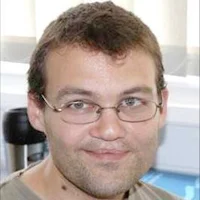
Dr. Adrian Biddle is a Reader in Cancer Biology at Queen Mary University of London, affiliated with the Centre for Cell Biology and Cutaneous Research within the Faculty of Medicine and Dentistry. He specializes in understanding non-genetic cellular heterogeneity in oral cancer and its implications for tumor spread and therapeutic resistance. Education: BSc in Biochemistry (University of Bristol), PhD in Nuclear Reprogramming (Cambridge University) Career: Postdoctoral Fellow at Blizard Institute (2008-2017), Principal Investigator since 2017, promoted to Reader in 2024 Research: Focuses on cancer stem cell plasticity in oral squamous cell carcinoma, molecular mechanisms of therapeutic resistance, and development of animal-free in vitro models Awards: NC3Rs David Sainsbury fellowship (2012), DHT lectureship in animal replacement science (2017) Supervision: Primary supervisor for five PhD students Collaborations: NC3Rs-funded tumor-on-chip projects, MRC-supported 3D modeling, Oracle Cancer Trust partnerships Teaching: Contributes to Stem Cells and Regenerative Medicine MSc course
Professor Philip Taylor is a Professor of Translational Immunology in the Division of Infection and Immunity at Cardiff University's School of Medicine. He serves as PGR Lead for the Systems Immunity Research Institute and is a UK Dementia Research Institute Professor. His research focuses on the innate immune system, particularly macrophages, myeloid cell surface receptors, and the complement system. His educational background includes a PhD in Molecular Genetics from Imperial College London (1998) and a BSc in Human Genetics from University College London (1994). His career progression shows a strong trajectory in immunology research, with positions at Oxford University before joining Cardiff University. Professor Taylor's research interests center on macrophage biology, particularly their origins, development, renewal, and transcriptional control of cellular activation. More recently, he has developed a significant focus on microglia in dementia, especially Alzheimer's disease. He also has interests in developing technologies that promote the 3Rs (Replacement, Reduction, Refinement) in animal research while maintaining scientific excellence. His work heavily involves experimental murine models of disease and immunity with the ultimate goal of elucidating novel mechanisms to manipulate macrophage activity for beneficial outcomes in disease. His recent publications demonstrate a strong trend toward understanding the role of the immune system in neurodegenerative diseases, particularly Alzheimer's, while maintaining his foundational work on macrophage biology and pathogen recognition. The research spans multiple disciplines including immunology, neuroscience, cell biology, and genetics, with strong translational potential. Recipient of a Wellcome Trust Investigator Award (2016-2021) Recipient of a Medical Research Council Senior Fellowship (2007-2014) Awarded Research Lecturer status, Oxford University (2006) Recipient of a Wellcome Trust Research Career Development Fellowship (2003-2007) Awarded RSII status, Oxford University (2002) Recipient of Medical Research Council PhD studentship (1994) Professor Taylor leads the Myeloid Cell Biology Group at Cardiff University, which investigates macrophage biology in homeostasis and disease, as well as the role of microglia in dementia. His current grant funding includes an MRC UK Dementia Research Institute Programme Grant (2017-2023) worth £1.7M and a Wellcome Trust Investigator Award (2016-2021) worth £1.41M. His research group is actively involved in understanding how genes implicated in Alzheimer's disease impact microglial function, with the aim of inspiring novel therapeutic approaches. The Myeloid Cell Biology Group is investigating professional phagocytes (macrophages, dendritic cells, and neutrophils) and their diverse roles in development, host defense, inflammation, wound healing, and immune surveillance. The group focuses on fundamental aspects of phagocyte biology, including pathogen recognition receptors, downstream signaling, and cellular activation events, with the goal of manipulating cell behavior for therapeutic benefit.
Valerie Kouskoff is a Reader in the Division of Developmental Biology and Medicine at the University of Manchester, UK (2016–present). Previously, she held roles including Group Leader at the CRUK Manchester Institute (2003–2016) and Assistant Professor at Mount Sinai School of Medicine, New York (2002–2003). She earned her PhD from Louis Pasteur University, Strasbourg, France (1988–1994). Her research focuses on understanding hematopoietic stem cell (HSC) development during embryogenesis, particularly the endothelial-to-hematopoietic transition and genetic/epigenetic mechanisms regulating blood cell specification. Key areas include the role of transcription factors (RUNX1, SOX7, GFI1), hemogenic endothelium differentiation, and therapeutic applications of stem cell engineering. Her work contributes to UN Sustainable Development Goals related to health and regenerative medicine. Recent articles highlight advancements in AML treatment via KAT6A inhibitors, CD82’s role in blood specification, and SOX7-dependent lymphatic patterning. Collaborations span institutions like the Manchester Regenerative Medicine Network and Christabel Pankhurst Institute. She has supervised 8 research projects and published over 100 peer-reviewed articles. Her studies explore genomic instability in cancer, reprogramming fibroblasts to hematopoietic cells, and the interplay between vascular and blood development.
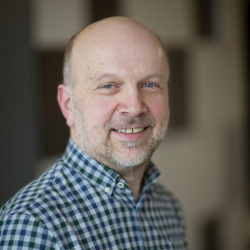
Dr. Shoib Siddiqui is a Senior Lecturer at the University of Hertfordshire's School of Life and Medical Sciences, specializing in cancer biology, immunology, and glycobiology. Previously, he held positions at the American University of Ras Al Khaimah and conducted postdoctoral research at UC San Diego under Prof. Ajit Varki. His research focuses on sialic acids, Siglecs, and microRNA mechanisms in cancer, Alzheimer’s, and sepsis. He earned his Ph.D. from ETH Zurich, investigating neuropilin-2 in skin cancer progression. Education: Ph.D. in Vascular Biology, Immunology, and Cancer Biology (ETH Zurich, 2009–2013) M.Sc. in Biotechnology (IIT Bombay, 2008) Research Focus: Dr. Siddiqui’s work explores cancer progression pathways, tumor biomarkers, and novel therapies. Key areas include Siglec-sialoglycan interactions, microRNA targeting, and drug repurposing for colorectal cancer. His recent projects involve developing RNAi therapeutics and inhibitors for Siglec-15. Projects: Fluralaner as a Colorectal Cancer Therapeutic (2026–2027) ADAMTS-7 Inhibition for Coronary Artery Disease (2022) UK-China Mycotoxin Reduction Alliance (2022–2023) Publications: Over 39 peer-reviewed articles in journals like Journal of Clinical Investigation , PNAS , and Blood , with a focus on oncology, glycobiology, and immunology. Recent trends emphasize Siglec-targeted therapies, microRNA networks, and drug repurposing strategies. Awards: No formal awards listed, but noted for impactful publications in high-impact journals. Advising & Grants: Served as Principal Investigator (PI) on RNAi therapeutics and Co-Investigator (CoI) on Siglec-15 and ADAMTS-7 projects. Collaborations span international institutions and cross-disciplinary teams. Labs/Teams: Active in the Biosciences Research Group and Centre for Research in Mechanisms of Disease and Drug Discovery at UH. Collaborates with global researchers in glycobiology and oncology.
John Gurdon is a distinguished Professor and Nobel Laureate in Physiology or Medicine (2012) at the University of Cambridge. He is affiliated with the Department of Zoology and serves as a member of the Gurdon Institute, which he helped establish. His research focuses on nuclear reprogramming, developmental biology, and the mechanisms underlying cell fate determination. Gurdon holds honorary titles such as Knight Bachelor and has been recognized with prestigious awards, including the Copley Medal (2003) and the Wolf Prize (1989). Education: Eton College (Classics), Christ Church, Oxford (Zoology), and a PhD with Michael Fischberg on nuclear transplantation in Xenopus. Postdoctoral work at Caltech explored bacteriophage genetics before transitioning to molecular biology in Cambridge. He held roles including Head of Cell Biology Division at the MRC Laboratory, John Humphrey Plummer Professorship, and Master of Magdalene College (1995–2002). Research interests revolve around the totipotency of somatic cell nuclei, nuclear reprogramming efficiency, and mechanisms stabilizing cellular differentiation. His foundational work demonstrated that differentiated cells retain genetic totipotency, enabling the cloning of frogs from somatic nuclei. The Gurdon Institute, named in his honor, continues this legacy, advancing studies in developmental and cellular biology. Awards: Nobel Prize (2012), Lasker Award (2009), Royal Medal (1985). Key Contributions: Cloning via somatic cell nuclear transfer, elucidation of epigenetic reprogramming.
Wes Robertson is a Researcher at the MRC Laboratory of Molecular Biology (MRC-LMB) , affiliated with the University of Cambridge under the PNAC division. His work bridges Synthetic Biology and Genome Engineering , focusing on reprogramming gut microbiomes through novel genetic tools. His research emphasizes de novo synthesis of bacterial genomes , particularly non-model gut bacteria, to create orthogonal genetic communication systems that enhance biosecurity and stability. Key contributions include pioneering work on recoded E. coli and sense codon reassignment for viral resistance and programmable biotherapeutics. Recent publications highlight advancements in genetic code refactoring , bidirectional genetic isolation , and encoded polymer synthesis , reflecting his long-term vision of deploying synthetic cellular communities to interrogate human health. His lab collaborates on engineering bacteria for disease-responsive therapies. Group Members : Gonzalo Mendoza Ochoa Dhriti Rao
Joanna Hester is an Associate Professor and group co-leader in the Translational Research Immunology Group (TRIG) at the University of Oxford, based at the John Radcliffe Hospital in Oxford. Her work bridges fundamental immunology with clinical applications in transplantation and immune-related diseases, with significant contributions to regulatory T cell therapy development. Her educational background includes: MSc PhD Dr. Hester's research centers on immunological tolerance mechanisms, specializing in regulatory T cells (Treg) and myeloid-derived suppressor cells. She investigates suppression mechanisms to develop therapies for transplant recipients and autoimmune conditions, while extending her work to cancer immunotherapy through collaborations across Oxford. Her research utilizes both animal models and clinical trials to translate findings into therapeutic strategies for kidney transplantation and oncology applications. Analysis of her 2024-2025 publications reveals a dominant focus on regulatory T cell therapy in kidney transplantation, particularly through the TWO Study clinical trial. Her work spans immune tolerance workshops, prostate cancer microenvironment studies, and T cell engineering approaches, demonstrating a consistent translational theme from bench to bedside across immunology and oncology domains. As co-leader of the Translational Research Immunology Group (TRIG), she directs research operations at the John Radcliffe Hospital, fostering collaborations that integrate basic immunology with clinical practice in transplantation medicine and cancer immunotherapy.
Mark Crabtree is a University Research Lecturer and British Heart Foundation Intermediate Basic Science Research Fellow at the University of Oxford, leading the Channon Group focused on cardiovascular functional genomics and redox signaling. His research integrates metabolomic and proteomic approaches to study nitric oxide mechanisms in cardiovascular disease models. Education: BSc (Hons) from the University of Surrey (2001), followed by a collaborative PhD at the University of Surrey and Weill Medical College of Cornell University. Postdoctoral training under Professor Keith Channon began in 2006, supported by a BHF Centre of Research Excellence Transition Fellowship (2012–2015). Research interests include nitric oxide delivery systems for cardiovascular therapies, redox signaling in cardiac injury, and tetrahydrobiopterin's role in metabolic regulation. His work bridges nanomaterials development (e.g., graphene-based NO-releasing coatings) with clinical applications in ischemia-reperfusion injury and atherosclerosis. Notable contributions include advancements in pH-sensitive NO delivery systems and mechanistic insights into myocardial nitroso-redox imbalance post-cardiac surgery. He chairs the 2018 International Nitric Oxide Society Conference and serves on the society's council. Scientific awards: British Heart Foundation Intermediate Basic Science Research Fellowship. Active grants include BHF funding for redox signaling studies. His lab collaborates internationally, with recent publications spanning NO-based therapies, metabolic reprogramming in macrophages, and vascular biology.
Prof. Hans Westerhoff is an Honorary Professor at the University of Amsterdam’s Division of Evolution, Infection and Genomics. His research focuses on systems biology, metabolic pathways, and cellular metabolism, with contributions to understanding inflammation, microbial ecosystems, and drug metabolism. He has published over 80 articles and holds the ISSB Fellowship (2014). His work integrates computational models with experimental data to address complex biological networks and their applications in medicine and environmental science. Research interests include metabolic control analysis, systems pharmacology, and microbial bioremediation. Notable projects involve studying neuronal differentiation dynamics, arsenic contamination mechanisms, and metabolic reprogramming in cancer cells. Supervised 18 students, fostering interdisciplinary approaches to systems biology challenges. Awards & Recognition: Fellow of the International Society for Systems Biology (2014) Collaborations span diverse fields: from neurodegenerative disease modeling to environmental microbiology, emphasizing cross-disciplinary problem-solving.
Amer Rana is an Associate Professor in Biomedicine at the School of Biological Sciences, University of East Anglia (UEA), where he is based at the Bio-Medical Research Centre (BMRC). He holds active research projects funded by the British Heart Foundation, Medical Research Council, AstraZeneca, and the Royal Embassy of Saudi Arabia Cultural Bureau. Research Interests: His research spans biomedicine with a focus on vascular biology, pulmonary arterial hypertension (PAH), induced pluripotent stem cells (iPSCs), endothelial cell heterogeneity, regenerative medicine, and viral latency in myeloid cells. He investigates molecular mechanisms underlying PAH, develops toxicological screening systems, and models neurovascular transmission using advanced cellular models. Publication Trends: Recent publications highlight his work on BMPR2 signaling in PAH, iPSC-based disease modeling, endothelial progenitor cell applications, and viral latency in myeloid cells. These reflect a strong integration of stem cell technology, molecular pathology, and translational biomedicine. Scientific Awards: No scientific awards mentioned in the provided text. Advising and Grants: Currently leads and co-leads multiple research projects with significant external funding. Projects include: “Neurovascular transmission in carotid arteries” (British Heart Foundation), “Modeling endothelial cell heterogeneity with iPSCs” (Royal Embassy of Saudi Arabia), “Purinergic control of neurogenic venous tone” (British Heart Foundation), and “Generating a toxicological screening system for drug-induced pulmonary hypertension” (MRC and AstraZeneca). No formal advisees or students are listed in the provided information. Labs and Teams: Dr. Rana is affiliated with the Bio-Medical Research Centre (BMRC) at UEA and collaborates extensively within multidisciplinary teams focusing on cardiovascular and respiratory diseases, stem cell modeling, and virology. His work involves collaboration with experts in virology, vascular biology, and regenerative medicine.
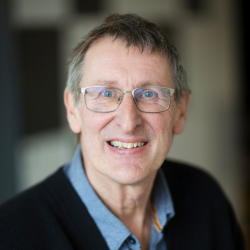
Professor Stuart Rushworth is a faculty member at Norwich Medical School, University of East Anglia, where he serves as the scientific group leader for molecular haematology research. His work focuses on the tumour microenvironment in haematological malignancies, particularly Acute Myeloid Leukaemia and Multiple Myeloma, and the impact of infection and ageing on haematopoietic stem cells. Education: Bachelor's Degree – University of Sunderland PhD in Immunology – University of Cambridge Post-doctoral Training – University of Cambridge and University of East Anglia His research explores metabolic reprogramming, mitochondrial transfer, and stromal interactions in cancer. He has made significant contributions to understanding how leukaemia cells exploit the bone marrow microenvironment for survival and proliferation. His studies have identified key mechanisms such as fatty acid release from adipocytes and intercellular mitochondrial transfer via tunnelling nanotubes. His work bridges basic science and clinical translation, with implications for drug resistance and novel therapeutic strategies. The most recent articles highlight trends in immunometabolism, infection-induced haematopoietic stress responses, and metabolic crosstalk in cancer. Key themes include mitochondrial dynamics, metabolic adaptation, and innate immune signaling pathways like STING. His publications appear in high-impact journals such as Cell Reports , Nature Communications , and Blood . He is actively funded by major research bodies including the British Heart Foundation, The Big C Appeal, Academy of Medical Sciences, and BBSRC. While no formal scientific awards are listed in the provided text, his research has led to clinical trials involving BTK inhibitors in myeloma patients. Professor Rushworth mentors several PhD researchers, including Dominic Fowler-Shorten, E. E. Wojtowicz, A. Jibril, J. A. Moore, and J. Mistry. He leads the Rushworth Group, which is part of the Metabolic Health Research Centre at UEA, focusing on metabolic processes in the tumour microenvironment.
Roger Barker is Professor of Clinical Neuroscience and Honorary Consultant in Neurology at the University of Cambridge and Addenbrooke's Hospital. He has held this position since 2000 following an MRC Clinician Scientist Fellowship. His primary affiliations are with the Cambridge Stem Cell Institute and the Department of Clinical Neurosciences at the Cambridge Biomedical Campus. Education includes: BA, Oxford University (1983) MBBS, University of London (1986) MRCP, London (1989) PhD, University of Cambridge (1994) Research focuses on neurodegenerative disorders, particularly Parkinson's (PD) and Huntington's diseases (HD). His work bridges basic science exploring novel therapies and clinical studies defining disease heterogeneity. Key initiatives include: Leading the STEM-PD stem cell trial for PD Coordinating the FELL-HD drug repurposing trial for HD Developing disease subtyping models for targeted therapies Collaborating on human brain development mapping for the Human Cell Atlas Research employs snRNA sequencing, post-mortem tissue analysis, and human fetal tissue studies to understand neurodegeneration and neurodevelopment. Recent publications (2023-2025) demonstrate strong focus on: Translational applications of stem cell therapies for Parkinson's Genetic and biomarker studies of neurodegenerative progression Novel therapeutic mechanisms like noradrenergic modulation Advanced cellular modeling techniques including 3D reprogramming Current funding sources include Medical Research Council, Rosetrees Trust, EU, NIHR, Cure Parkinson's Trust, Novo Nordisk, and Wellcome. Lab members include Shaline Fazal (Research Manager), Xiaoling He (Senior Research Assistant), Saeed Kayhanian (Clinical Research Fellow), and Jana Šebestíková (Postgraduate Student). The lab is based at the John van Geest Centre for Brain Repair.
Professor Bertie Göttgens is Director of the Cambridge Stem Cell Institute and holds the Chair of Molecular Haematology at the University of Cambridge. He leads a research group focusing on cellular decision-making in blood stem cells and leukaemia. His work integrates experimental and computational approaches, with key contributions to understanding blood development and leukaemia pathogenesis. Current research emphasizes stem cell differentiation dynamics, leukaemogenic mutations, and computational models of haematopoiesis. Education: DPhil in Biological Sciences from the University of Oxford (1994). Postdoc at the University of Cambridge (1994–2001). Subsequent roles included Leukaemia Research Fund Lecturer (2002–2007) and Reader in Haematology (2007–2011) before becoming full Professor in 2011. Research Interests: Mechanisms regulating blood stem cell function Functional consequences of leukaemogenic mutations Single-cell genomics and computational modelling of haematopoiesis Early blood development and progenitor cell differentiation Grants & Funding: Supported by MRC, Wellcome Trust, Blood Cancer UK, Cancer Research UK, NIH, and the Aging Biology Foundation. Over 40 publications in high-impact journals like Cell Stem Cell , Nature , and Nature Cell Biology . Labs/Teams: Directs the Göttgens Group at the Jeffrey Cheah Biomedical Centre, comprising 15+ researchers including PhD students and postdocs. Key lab members include Hiromitsu Harimoto, Tomoya Isobe, and Luke Harland.
Lisa Heather is an Associate Professor and British Heart Foundation (BHF) Intermediate Fellow at the University of Oxford's Department of Physiology, Anatomy, and Genetics (DPAG) within the Medical Sciences Division. Her research focuses on cardiac metabolism in health and disease, particularly in diabetes and heart failure. She holds dual expertise in molecular mechanisms of metabolic dysfunction and translational cardiovascular research. Dr. Heather earned a Bachelor's degree in Medical Biochemistry from the University of Surrey and conducted doctoral research on cardiac hypertrophy's metabolic origins. Her postdoctoral work explored mitochondrial dysfunction in diabetic cardiomyopathy. Key career milestones include a Diabetes UK RD Lawrence Fellowship (2011) and a BHF Intermediate Fellowship (2018), supporting her investigations into lipid metabolism and hypoxia signaling in diabetic hearts. Her research interests span mitochondrial bioenergetics, fatty acid trafficking, hypoxia responses, and metabolic reprogramming in disease. She employs advanced techniques like hyperpolarized MRI and metabolomics to study real-time metabolic changes, with recent breakthroughs identifying novel roles for fatty acids in disrupting hypoxia signaling and cardiomyocyte function. Her publications (e.g., Diabetes , Physiological Reviews , JCI Insight ) highlight interdisciplinary approaches to metabolic disease. She leads the Heather Group, advancing therapies targeting metabolic pathways in heart failure and diabetes. Her work bridges basic science and clinical applications, emphasizing metabolic interventions for cardiovascular health.
Dr. Ilaria Russo is a Lecturer in Bioscience at the Keele University School of Medicine. Her roles combine teaching and research in medical microbiology, pharmacology, and infectious diseases. She leads research on Plasmodium cell biology, malaria pathogenesis, and antimalarial drug targets. She holds an honorary Adjunct Professorship at Washington University in St. Louis, USA. Education: MSc in Pharmaceutical Chemistry (University of Padua), PhD in Cellular and Molecular Biology (University of Padua). Postdoctoral training at Washington University, supported by NIH and ERC grants. She has pioneered studies on Plasmodium's secretory pathways and validated novel drug targets such as calpain and plasmepsin V. Research Interests: Host-pathogen interactions, malaria parasite biology, vaccine development, and innovative in vitro models (e.g., BBB models, organoids). Her work bridges lab discoveries with field applications in the Democratic Republic of Congo (DRC), including diagnostic initiatives via the Fonte di Speranza Foundation. Key Achievements: Discovery of calpain and plasmepsin V as antimalarial targets, development of conditional knockdown techniques, and leadership in global health projects. Awards: ERC Reintegration Grant, Wellcome Trust Fellowship, and editorial roles in journals like Enliven: Immunology . Labs/Teams: Part of Keele's Centre for Applied Entomology and Parasitology (CAEP), collaborating with global networks including the Goldberg Lab (Washington University).