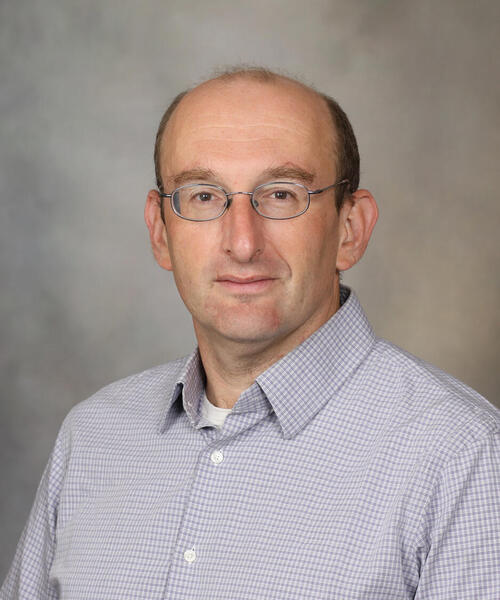
Beth PruittView profile
Professor
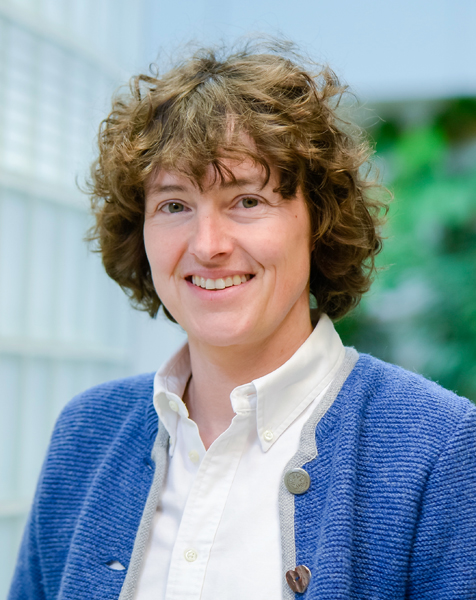
Beth Pruitt is a Professor and Mehrabian Chancellor's Chair in the Department of Bioengineering at the University of California, Santa Barbara, with additional affiliations in Mechanical Engineering. She is a highly recognized researcher in the field of mechanobiology and microfabrication, holding fellowships in multiple prestigious societies including ASME, AIMBE, BMES, and AAAS. Dr. Pruitt's research lies at the intersection of mechanobiology, microfabrication, engineering and science, with her lab specializing in engineering microsystems and biointerfaces for quantitative mechanobiology. Her work focuses on understanding the role of mechanics in biology, force sensitive pathways in cell-to-cell adhesion, subcellular organization, and the mechanical environment's effect on stem cell derived cardiomyocytes as biophysical models of health and disease. She has developed custom microfabricated sensors and systems to answer fundamental questions in physiology, biology, stem cells, neuroscience and cardiology. Her research group has made significant contributions to mechanobiology through techniques like high-throughput single-cell assays, mechanobiology assays, microfabrication of cell culture devices, and biomaterials characterization. The lab has developed innovative tools including PiezoD software for sensor design optimization, microfluidic traps for C. elegans studies, and platforms for evaluating cardiomyocyte responses to mechanical stimuli. Dr. Pruitt has received numerous honors including the NSF CAREER Award, DARPA Young Faculty Award, and Denice Denton Leadership Award. Her lab is supported by extensive funding from NIH, NSF, AHA, and other major agencies. She has mentored numerous students and postdocs who have become co-authors on her extensive publication record spanning mechanobiology, cell adhesion, and cardiac mechanics. Her work bridges engineering and biology to address fundamental questions about how mechanical forces influence cellular behavior, with applications ranging from understanding basic biological processes to developing diagnostic tools and therapeutic approaches for cardiac diseases.