Konstantinos Anastassiadis is a Professor at the Center for Molecular and Cellular Bioengineering (CMCB) of Dresden University of Technology , leading the Stem Cell Engineering group at the Biotechnology Center (BIOTEC) . His research focuses on unraveling molecular pathways regulating stem cell self-renewal and lineage commitment, with a strong emphasis on genetic engineering tool development and epigenetic mechanisms during cellular reprogramming. The lab utilizes mouse and human embryonic stem cells, neural stem cells, mesenchymal stromal cells, and induced pluripotent stem cells (iPSCs) in their investigations. Core Research Areas: Molecular regulation of stem cell fate Epigenetic mechanisms (e.g., UTX/UTY histone demethylases) Genetic engineering tool development (Flp, Dre, Vika recombinases, CRISPR protocols) Conditional immortalization systems for rare cell expansion Publications highlight his contributions to understanding: Role of histone methyltransferases (MLL1, MLL2, Setd1b) in hematopoiesis and cancer Epigenetic regulation during mouse development and spermatogenesis Genetic tools for protein tagging, transposon-mediated BAC transgenesis Interactions between stem cells and niche microenvironments Transcriptional and mechanical markers during reprogramming Collaborations span immunology , developmental biology , and bioinformatics . The lab actively participates in teaching activities at CMCB and maintains a focus on translational applications of stem cell research.
Jessica Williams, PhD is an Assistant Professor in the Department of Neurosciences at the Cleveland Clinic Lerner Research Institute (LRI) with additional faculty appointments at Case Western Reserve University, Kent State University, and Cleveland State University. She serves as the Cleveland Clinic liaison for Kent State University and represents the Clinic on the Executive Council for the Brain Health Institute and the Biomedical Sciences Graduate Program Executive Committee. Education: Postdoctoral Fellowship in Neuroimmunology, Washington University School of Medicine (2017) Ph.D. in Immunology, The Ohio State University (2011) M.S. in Physiology, Purdue University (2006) B.S. in Biology/Chemistry, Lindenwood University (2004) Dr. Williams' research focuses on neuroimmune interactions during multiple sclerosis, particularly examining regional responses of CNS glia to immune stimuli and astrocyte-immune crosstalk. Her lab employs murine MS models, primary human and murine cell analyses, and MS patient lesion assessment to investigate cytokine-mediated neuroprotection and CNS repair mechanisms. Recent work highlights protective astrocyte functions mediated by traditionally deleterious cytokines. Analysis of her 15 most recent publications reveals consistent focus on neuroimmune crosstalk in MS, with increasing emphasis on astrocyte heterogeneity, cytokine signaling (particularly IFNγ), and novel therapeutic targets like immunoproteasomes. Key themes include regional CNS differences in immune responses, glial cell repair mechanisms, and translating basic findings into potential MS therapies. Scientific Awards: Lerner Research Institute Excellence in Education Award (2022) Mentor of the Year Award (2023) Dr. Williams actively mentors the next generation of scientists as evidenced by her CIMER Trained Mentor certification and the graduation of PhD student Brandon Smith. Her research is supported by significant funding from the NIH, National MS Society, W.M. Keck Foundation, Brain Health Research Institute, and Neurological and Vision Impact Area. She regularly serves on study sections for the NIH, National MS Society, and Department of Defense. The Williams Laboratory investigates the interplay between immune and central nervous systems during MS, with current projects examining cytokine-mediated neuroimmune crosstalk for CNS repair and regionally distinct glial responses to inflammation. The lab employs advanced techniques including murine MS models and primary human cell analyses to identify novel therapeutic pathways for MS patients.
Priya Raman, Ph.D., FCVS, is an Associate Professor of Integrative Medical Sciences at Northeast Ohio Medical University (NEOMED). She holds tenure and serves as Co-Director of the Basic and Translational Biomedicine (BTB) Graduate Program and Chair of the Kent State University-Biomedical Sciences Pharmacology Graduate Program. Her academic roles include teaching in NEOMED’s medical curriculum, focusing on pharmacology, cardiovascular systems, and clinical therapeutics. Raman’s research explores molecular mechanisms linking metabolic disorders (e.g., diabetes, metabolic syndrome) to vascular dysfunction and Alzheimer’s disease, using mouse models and cellular/molecular techniques. She has published extensively on thrombospondin-1, O-GlcNAc signaling, and atherosclerosis pathogenesis. Education: B.Pharm. and M.Pharm. (India), Ph.D. in Pharmacology (University of Louisiana at Monroe). She has over 25 years of postdoctoral and faculty experience, including roles at the Cleveland Clinic and Indiana University School of Medicine. Raman serves on editorial boards for journals like International Journal of Cardiology and Frontiers in Cardiovascular Medicine , and reviews grants for the American Heart Association and NIH. Research focus areas include: (1) Vascular smooth muscle cell phenotypic switching in metabolic diseases, (2) Non-lipid mechanisms of vascular disease in metabolic syndrome, and (3) Interactions between metabolic disorders and neurodegeneration. Her lab employs biochemical assays, mouse models (e.g., ApoE-/-, KKAy), and advanced imaging techniques to study these pathways. Notable recent work includes discovering that O-GlcNAc transferase deletion reduces atherosclerosis in hyperglycemic mice and identifying thrombospondin-1’s role in leptin-driven vascular pathology. She has also linked metabolic syndrome-induced O-GlcNAc deficits to Alzheimer’s-like cognitive impairment in aging mice. Raman is actively involved in interprofessional education and mentoring, directing graduate programs and teaching courses in pharmacology, molecular signaling, and diabetes/vascular disease. Her work bridges basic science and clinical applications, aiming to develop novel therapies for metabolic syndrome-related vascular complications.
Professor Guy Williams is a leading academic at the University of Cambridge with a focus on imaging science and clinical neurosciences, affiliated with Downing College and the Wolfson Brain Imaging Centre . Holding a PhD in Physics from his initial Natural Sciences degree, he specializes in nuclear magnetic resonance (NMR) and MRI techniques for brain imaging. Education: BA, PhD in Physics His research centers on non-invasive imaging of brain structure and function, particularly in traumatic brain injury (TBI) and dementia. His work involves developing novel MRI pulse sequences and advanced data analysis algorithms, including AI-based diagnostic tools. He leads studies on white matter integrity post-trauma, longitudinal dementia assessment, and applications of MRI in disorders of consciousness and addiction. Recent publications highlight collaborations in traumatic brain injury outcomes, AI-guided dementia prediction, and neuroimaging of post-COVID cognitive deficits. His team's work on ultra-high field laminar fMRI and distortion correction methods has advanced clinical neuroscience applications. Key techniques include diffusion tensor imaging (DTI), 7 Tesla MRI, and positron emission tomography (PET/MR). His research spans from basic NMR physics to clinical translation, with a strong emphasis on multi-site studies and real-world diagnostic implementation.
Professor Hala Zreiqat AM is a leading biomedical engineer at The University of Sydney , serving as the Director of the ARC Training Centre for Innovative BioEngineering . A Fellow of all major Australian academies (AAS, ATSE, FAHMS, FRSN), she develops 3D printed bioceramics for bone regeneration while championing diversity through initiatives like the IDEAL Society and BIOTech Futures mentorship program. Her work bridges academia, clinical practice, and industry in musculoskeletal research . Research Focus: Her lab creates synthetic bone scaffolds that mimic natural bone architecture, strength, and porosity, enabling non-rejected bone regeneration via patient-matched implants. Key applications include orthopaedic, dental, and maxillofacial repair , with over $18M in competitive funding and multiple patents. Current projects explore AI-driven scaffold performance prediction and anti-senescence strategies for aging-related bone loss. Scientific Trends: Recent publications highlight 3D printed nanovoxelated ceramics , antisenescence biomaterials , and multifunctional theranostic platforms . Her team integrates machine learning for scaffold design, atom probe tomography for interface analysis, and two-photon imaging for cellular monitoring in 3D environments. 2021-2022 Fulbright Senior Scholar 2018 NSW Premier's Woman of the Year 2019 Eureka Prize for Innovative Use of Technology Fellow of Australian Academy of Science (2021) Over $18M in research funding Teaching & Leadership: She designed core courses like Tissue Engineering and Nanomaterials in Medicine , mentoring 158 students in 2020 alone. As Chair of CAAR (2020-2023), she strengthens Australia-Arab collaborations. Her lab trains early-career researchers , with alumni now in academia and industry.
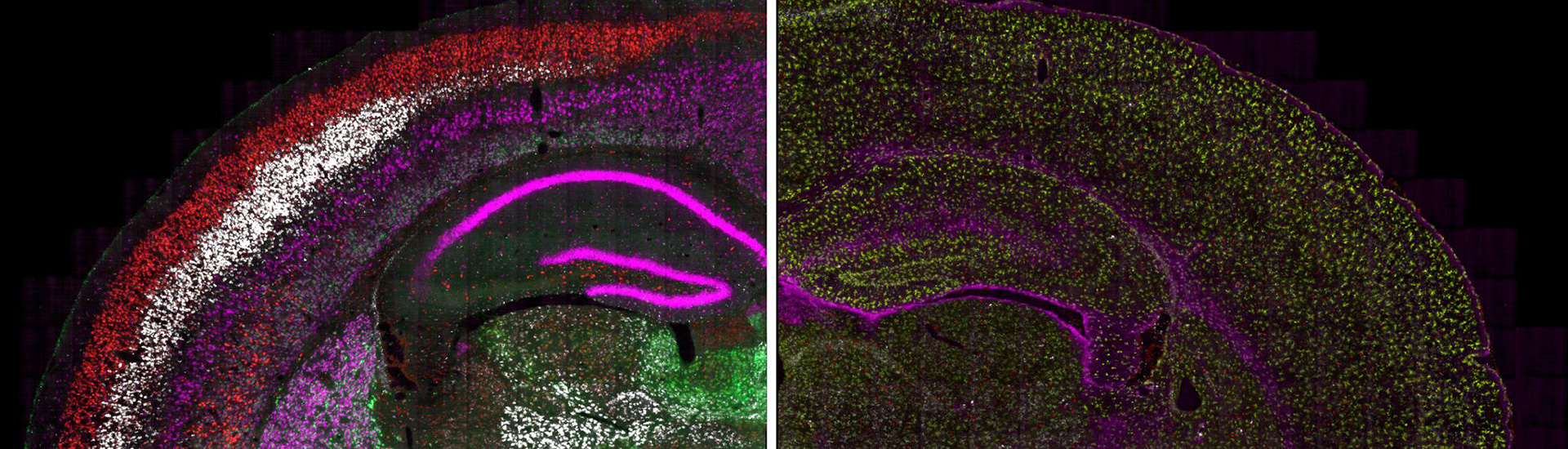
Omer Bayraktar is a Group Leader at the Wellcome Sanger Institute , leading research in the Cellular Genomics Programme. His work focuses on decoding human brain cellular diversity using spatial transcriptomics , imaging , and functional screening to study neural complexity in health and disease. Bayraktar's educational background includes a PhD from HHMI under Chris Doe, investigating neural diversity development in Drosophila , followed by postdoctoral work at University of California, San Francisco and University of Cambridge as a Life Sciences Research Foundation Fellow. He developed a spatial transcriptomic pipeline during his postdoc to analyze astrocyte heterogeneity in the cerebral cortex. His research explores neural cell type mapping , glial-neuronal interactions , and cellular pathways in neurodevelopmental disorders . Recent publications emphasize 3D tissue mapping , multi-omic integration , and computational tools like Cell2fate and WebAtlas. His work bridges neurogenetics and computational biology to advance understanding of human tissue ecosystems. Bayraktar's lab collaborates with the Human Cell Atlas initiative and develops technologies such as automated histology pipelines and highly-multiplexed smFISH for molecular cell typing. His team also investigates glia-based therapies and astrocyte functional heterogeneity in neurodevelopmental contexts. Key scientific contributions include: Discovering astrocyte layer patterns independent of neuronal laminae Developing cell2location for spatial cell mapping Characterizing Drosophila neural stem cell models with human relevance Notable awards include the Life Sciences Research Foundation Fellowship during his postdoctoral training. His current group includes a PhD student , Senior Data Scientists , and Bioinformaticians .
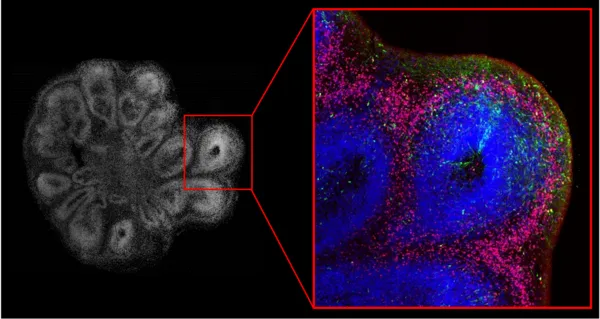
Prof. Dr. Simon Schäfer leads the Schäfer Lab at the Technische Universität München , focusing on engineering advanced organoid systems to study human brain development, disease modeling, and repair mechanisms. His work bridges stem cell biology, gene editing, and bioengineering to develop personalized therapies for brain disorders. Stem Cell & Organoid Technology Neurodevelopmental Mechanisms Neurodegenerative Disease Models Gene Editing & Neuroimmune Interactions Translational Neuroscience Recent research emphasizes brain organoid development, microglia phenotypes, and neurodevelopmental timing anomalies in autism. His team’s work also explores zika virus interactions with glioblastoma stem cells and neuronal plasticity in psychiatric disorders. Scientific awards and funding include support from the Deutsche Forschungsgemeinschaft (DFG), Brain & Behavior Research Foundation (BBRF), and Munich Cluster for Systems Neurology (SyNergy). Collaborations span institutions like the TUM Center for Organoid Systems. Advises 6 students (2 PhD, 1 MSc, 3 associated) Labs include Schäfer Lab, COS@TranslaTUM Contact: simon.schafer@tum.de
Christian Friedrich Wilhelm Becker is a full Professor at the University of Vienna, holding a position within the Faculty of Chemistry and the Department of Biological Chemistry. His research profile shows extensive activity in protein chemistry and biochemistry, with particular focus on post-translational modifications and their implications in disease mechanisms. His work bridges chemical biology, biochemistry, and biomedical applications, contributing significantly to the academic and research landscape at one of Europe's oldest and most prestigious universities. Faculty of Chemistry, University of Vienna Department of Biological Chemistry Active research leader with numerous ongoing projects Significant publication record spanning multiple disciplines Professor Becker's research primarily focuses on protein chemistry, particularly post-translational modifications and their role in protein function and dysfunction. His work spans multiple interconnected areas including ubiquitination, protein aggregation, prion protein behavior, and biomimetic approaches to protein analysis. His research has significant implications for understanding neurodegenerative diseases and developing novel therapeutic approaches. The fingerprint analysis of his work shows strong connections to biochemistry, molecular biology, and chemistry, with particular emphasis on cysteine chemistry, glycosylation, and amino acid modifications. Analysis of Professor Becker's recent publications (2021-2025) reveals a consistent research trajectory focused on protein modification techniques and their biological implications. His work shows increasing sophistication in chemical biology approaches to study protein function, with particular emphasis on ubiquitination pathways and protein aggregation mechanisms. The integration of chemical synthesis methods with biological analysis represents a hallmark of his research approach. His publications span high-impact journals in biochemistry, chemical biology, and peptide science, demonstrating the interdisciplinary nature of his contributions. Professor Becker has received notable recognition for his research contributions, most prominently the Cathay Award in 2020. This award acknowledges his significant contributions to the field of protein chemistry and chemical biology. His work appears to have practical applications in therapeutic development, particularly in the areas of targeted protein degradation and immunotherapy, which likely contributed to this recognition. Cathay Award (2020) Professor Becker leads multiple significant research projects, including 'Targeted protein degradation - from small molecules to complex organelles' (2020-2024), 'Taktira: Development of an improved, low-side-effect and sustainable immunotherapy' (2019-2023), and 'Structure Zoom: Zooming in on protein functional sites with atomic resolution' (2018-2021). These projects demonstrate substantial grant funding and collaborative research efforts across multiple institutions. His active participation in 290 recorded activities through 2025 indicates a highly engaged research program with numerous collaborators and trainees. Targeted protein degradation project (2020-2024) Taktira immunotherapy project (2019-2023) Structure Zoom project (2018-2021) Professor Becker's research environment includes a robust team of collaborators and junior researchers, as evidenced by the numerous co-authored publications and activities. His work intersects with multiple research groups studying protein function, modification, and therapeutic applications. The international collaboration network shown in his profile indicates significant engagement with researchers across multiple countries, creating a dynamic research ecosystem focused on advancing protein science and its biomedical applications.
Markus Heinonen is an Academy Research Fellow at Aalto University's Department of Computer Science within the School of Science. His academic position is tied to Harri Lähdesmäki's Professorship, focusing on probabilistic machine learning. He holds a Doctoral degree in Engineering and Technology from the University of Helsinki (2013). His research integrates probabilistic modeling , deep learning , and differential equations , with applications in computational biology, drug discovery, and biophysics. Key themes include Gaussian processes, Bayesian inference, generative models, and their use in understanding complex biological systems like immune cell behavior (e.g., T cell receptor analysis in aplastic anemia) and molecular design. He leads major projects such as the Deep Learning with Differential Equations initiative (2020–2025), exploring continuous-time models and physics-informed neural networks. His work bridges theory and application, evidenced by collaborations in diffusion models , optimal transport , and single-cell analysis . Publications span over 65 peer-reviewed outputs, with recent emphases on robust neural network training, multi-target molecular prediction, and interpretable drug design frameworks. His research contributes to UN Sustainable Development Goal 3 (Good Health) through advancements in disease modeling and therapeutic development. He has undertaken visiting research roles at the University of California, San Francisco (2017) and Telecom ParisTech (2013–2014). Media highlights include recognition for work on TCR-epitope prediction and AI-driven enzyme engineering.
Marco Fritzsche is a Professor of Biophysical Immunology at the University of Oxford. He serves as the Scientific Director of the Oxford-ZEISS Centre of Excellence and leads the Biophysical Immunology Laboratory (www.bpi-oxford.com), which operates at the intersection of biophysics and immunology. BSc in Mathematics (2003–2006), University of Saarbrücken BSc in Physics (2003–2006), University of Saarbrücken MSc in Theoretical Physics (2006–2008), University of Saarbrücken PhD in Experimental Physics and Biology (2008–2012), University College London His research focuses on biophysical and mechanobiological mechanisms governing immune responses in health and disease. The BPI Laboratory develops advanced microscopy technologies to study these processes, integrating theoretical physics with experimental immunology. Recent publications highlight his work in quantitative imaging of biomolecular organization , traction force microscopy for immune cell dynamics, and trans-synaptic vesicle analysis in T-cell interactions. His studies bridge disciplines like biophysics, immunology, and cell mechanics. Rosalind Franklin Kennedy Trust Research Fellow The BPI Laboratory collaborates with institutions such as the Howard Hughes Medical Institute Janelia Farm and the Rosalind Franklin Institute . His roles include leadership in the Oxford-ZEISS Centre of Excellence and contributions to cutting-edge immunology research.
Kenneth Hoehn is an Assistant Professor in the Department of Biomedical Data Science at the Geisel School of Medicine, Dartmouth College. As a computational immunologist with expertise in evolutionary biology, he develops computational evolutionary approaches to trace cellular lineages, particularly B cells, in contexts such as infection, vaccination, cancer, and autoimmune diseases. His research focuses on understanding adaptive immunity in conditions like COVID-19 Food allergies Myasthenia gravis through collaborations with experimental teams. Key projects include: Phylogenetic modeling of B cell responses Evolutionary signatures in immune repertoires Tracking B cell dissemination in autoimmune diseases Epigenetic regulation of memory B cells Recent publications highlight trends in single-cell immunology , phylogenetic inference , and computational tools for analyzing B cell dynamics. His lab at Dartmouth integrates evolutionary genetics with high-resolution immune profiling.
Laura Solt, Ph.D. is an Associate Professor in the Department of Immunology and Microbiology at the Herbert Wertheim UF Scripps Institute for Biomedical Innovation & Technology in Jupiter, Florida. She also serves as Associate Dean of the Skaggs Graduate School of Chemical and Biological Sciences. Dr. Solt began her independent research career at Scripps Florida in 2013 and has established herself as a leading researcher in nuclear receptor biology within the immune system. Her research focuses on understanding the biologically relevant roles of nuclear receptors, particularly RORα and REV-ERBs, in the immune system with emphasis on TH17 cell development and autoimmune disease. Her lab employs a multidisciplinary approach combining molecular biology, genetic techniques, and chemical biology coupled with mouse models of autoimmunity and chronic inflammation. Dr. Solt's laboratory has made significant contributions to understanding how nuclear receptors regulate immune cell function, particularly in TH17-mediated inflammation. Her work has demonstrated roles for RORα and REV-ERBs in TH17 cell development and has developed synthetic ligands to these receptors for potential therapeutic applications in autoimmune diseases. Her extensive publication record shows a clear trajectory of research focused on nuclear receptor signaling in immunity, with recent work expanding into applications for cancer immunotherapy, neuroimmunology, and metabolic aspects of immune cell function. Her articles demonstrate expertise in both basic nuclear receptor mechanisms and translational applications. Ruth L. Kirschstein National Research Service Awards (2010-2013) Dr. Solt actively mentors graduate students including Adrianna Wilson (recipient of NIDDK F31 and Scheller Graduate Student Fellowship) and Sarah Mosure (recipient of NIH NRSA F31 award and Wendy Havran award). Her laboratory receives substantial funding from multiple NIH institutes (NIDDK, NCI, NIAID, NIGMS) as well as the Crohn's & Colitis Foundation. Current research directions include investigating the roles of NR2F6 in TH17 cells, exploring RORα function in CD8 T cells, and developing novel nuclear receptor modulators for therapeutic applications.
Torben Barington is a Clinical Professor at the Department of Clinical Research, Faculty of Health Sciences, University of Southern Denmark, and a Consultant at the Department of Clinical Immunology, Odense University Hospital. He has held this position since August 2001 and continues to be actively involved in research, teaching, and clinical leadership. MD, University of Copenhagen, 1987 Doctoral Thesis (dr.med.), University of Copenhagen, 1996 Specialist in Clinical Immunology, 1998 His research focuses on cellular immunotherapy of cancer , particularly using CAR T-cell and CAR NK-cell technologies, primary immunodeficiencies , and the B-lymphocyte repertoire and immunoglobulin genes . His work bridges fundamental immunology with clinical applications in oncology and immunodeficiency disorders. His recent publications (2024–2025) highlight advancements in CAR T/NK-cell characterization, cytotoxicity assays, clinical translation, and tumor microenvironment interactions. These works reflect a strong trend toward translational immunology , with emphasis on personalized cancer therapy , single-cell technologies , and clinical trial development . Scientific Awards: Aage og Edith Dyssegaards Fonds æreslegat (1993) Silver Medal, University of Copenhagen (1981) He has supervised over 30 thesis students and currently mentors several graduate students in CAR-based cancer immunotherapies. He serves as an examiner for PhD defenses at both the University of Southern Denmark and the University of Copenhagen. He is also actively involved in national scientific leadership, including as Chairman of the Scientific Committee of the Danish Blood Donor Organization since 2011 and as a member of the Advisory Board for Clinical Immunology in the Region of Southern Denmark since 2007. His research is conducted in collaboration with multidisciplinary teams focusing on cellular immunotherapy , clinical immunology , and translational hematology , often in partnership with Odense University Hospital and national blood and immunology networks.
Madeleine Torcasso is an Assistant Professor in the Department of Medicine-Hematology and Oncology at the University of Chicago. She leads the Torcasso Lab, which investigates spatial patterns of disease within native tissue environments, bridging computational methods with clinical applications. Her research focuses on tumor-immune interactions using high-dimensional spatial proteomic and transcriptomic data to uncover mechanisms of disease progression and therapeutic resistance. Her lab integrates artificial intelligence with spatial omics to identify biomarkers and decode cellular communication in the tumor microenvironment. Key research interests include computational pathology, spatial biology, and translational oncology, with an emphasis on developing analytical tools for complex tissue data. Her sole recent publication (2024) introduces a computational method for classifying cells in multiplexed immunofluorescence images, advancing automated analysis of tissue microenvironments. No awards, students, or grants are detailed in available sources.
Prof. Veronika Somoza is a leading academic in Nutritional Systems Biology, currently affiliated with the University of Vienna and Technical University of Munich (TUM). She holds a professorship in Molecular Food Science and has led key research groups such as the Institute of Physiological Chemistry and the Christian Doppler Laboratory for Bioactive Aromatics. Her career includes roles at institutions like the German Research Institute for Food Chemistry (Garching) and the University of Wisconsin-Madison. Education: Diplom (Justus Liebig University Giessen, 1991), PhD (University of Vienna, 1995), Habilitation (Kiel University, 2002) Research Focus: Bioactive food compounds, flavor chemistry, taste receptor signaling, and gastrointestinal physiology Her work bridges food science and human health, particularly in understanding how food ingredients influence digestion, inflammation, and disease. Notable contributions include discoveries on bitter peptide effects on gastric acid secretion and flavor perception modulation. Awards: FEMA Excellence in Flavor Science (2016), ACS AGFD Fellow (2020), Hans Adolf Krebs Prize (2004) Prof. Somoza has pioneered methodologies in atomic force microscopy for foodborne virus detection and developed bitterness-masking compounds for pharmaceuticals. Her interdisciplinary approach integrates nanobiophysics with nutrition to advance functional food design and clinical applications.