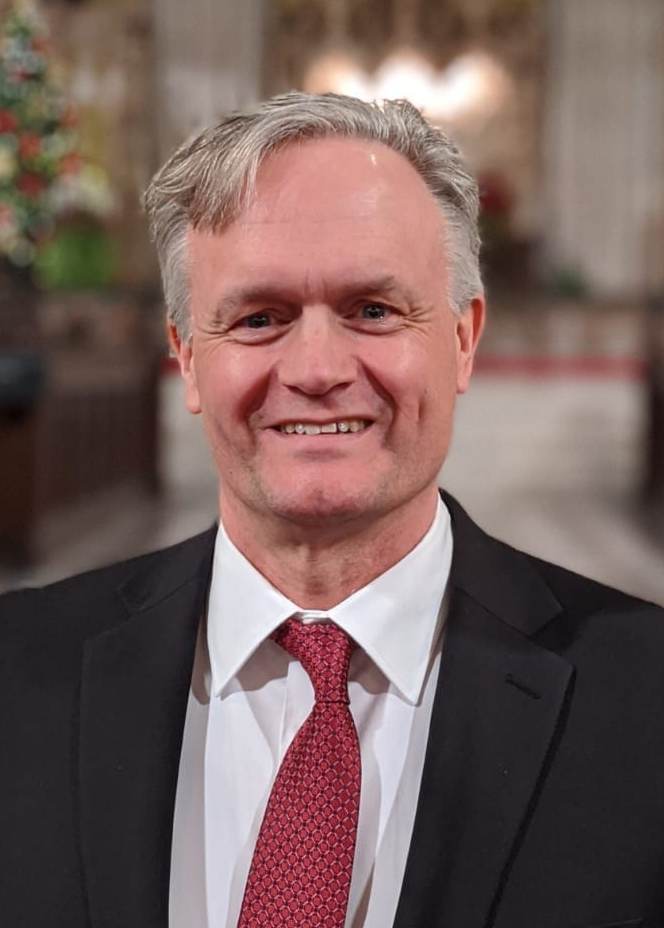
Erik Quaeghebeur is an Assistant Professor at Eindhoven University of Technology's School of Mathematics and Computer Science, focusing on uncertainty modeling in artificial intelligence. His work spans probabilistic circuits, imprecise probability theory, and wind energy applications. PhD in Applied Mathematics (Ghent University, 2002-2009) Master's in Applied Mathematics (Université catholique de Louvain, 2001-2002) Master's in Physics Engineering (Ghent University, 1998-2001) Research interests include probabilistic modeling under uncertainty, with applications in AI and wind energy systems. His recent work explores tensor factorizations, equivariant graph neural networks, and scalable probabilistic circuits. Scientific contributions include 60 research outputs and 2 datasets . Awards encompass the ERCIM Alain Bensoussan Fellowship (2013), BOF Postdoc (2010), and B.A.E.F. Francqui Fellowship (2009). He serves on committees for the Society for Imprecise Probability and acts as editorial board member for related conferences. Foundations of Artificial Intelligence course (since 2020) Uncertainty Representations and Reasoning course (since 2021)
Elif Nur Fırat Karalar is an Associate Professor at the Department of Molecular Biology and Genetics in Koc University 's School of Engineering and Natural Sciences. She serves as Director of the Sponsored Research Office and leads the Cytoskeleton Research Laboratory (CytoLab) , focusing on centriolar satellites, cilia, and their roles in developmental disorders and ciliopathies. Her lab has pioneered studies on microtubule-associated proteins like CCDC66 and CCDC15. PhD, University of California, Berkeley (2010) BSc, Bilkent University (2004) Her research explores membrane-less organelles, cellular signaling, cytoskeletal networks, and mitotic control mechanisms. Recent work includes ERC-funded projects on centriolar satellite homeostasis and TÜBİTAK grants dissecting ciliopathy protein functions in cell migration. She employs advanced techniques like U-ExM expansion microscopy and Superresolution Imaging Core (KUSIM) . Scientific recognitions include: 2024 - EMBO Member 2023 - ERC Starting Grant (second award) 2021 - TUBITAK Incentive Award 2019 - EMBO Young Investigator 2015 - ERC Starting Grant Elif Nur Fırat Karalar has successfully mentored multiple graduate students including Melis Dilara Arslanhan (PhD 2023) , Dila Gulensoy (MSc 2023) , and Şevket Onur Taflan (MSc 2021) . Her lab has received substantial funding from TÜBİTAK , EMBO , Royal Society , and IBG Science Medal . CytoLab actively participates in international conferences like Cilia2024 and organizes workshops such as the Advanced Imaging in Life Sciences series.
Tom F.A. de Greef is a Full Professor at Eindhoven University of Technology's Biomedical Engineering department, leading pioneering research at the intersection of synthetic biology, molecular computing, and engineered living systems. He founded the Center of Living Technologies and serves as a Core Professor at the Institute for Complex Molecular Systems (ICMS). Key research areas: Biological Computing Devices, DNA-based Data Storage, Engineered Living Materials, Synthetic Cell Engineering, Digital Chemistry, and Protocell Communication. His work has resulted in over 100 publications in Nature , Nature Chemistry , and Nature Nanotechnology , supported by prestigious awards including ERC Consolidator, Starting, and PoC grants, as well as NWO's VICI, VIDI, and VENI grants. He received the Cram-Lehn-Pedersen Prize in 2017 and was named a Groundbreaking TU/e Researcher in 2022. Leadership roles: Founding member of Center of Living Technologies, Principal Investigator at TU/e, and Fellow of the Netherlands Academy of Engineering. He supervises a large research group with >15 PhD students and leads collaborations across international institutions, focusing on programmable molecular systems and sustainable technologies aligned with UN SDGs.
Dr. Henry H.Q. Heng is a tenured Professor of Molecular Medicine and Genetics and Pathology at Wayne State University , affiliated with the Karmanos Cancer Institute . His research spans genomics, evolutionary biology, and cancer systems theory. Education: PhD from University of Toronto (1994) Key research areas: Genomics, Evolutionary Biology, Cancer Research, Precision Medicine Dr. Heng's groundbreaking Genome Architecture Theory challenges traditional neo-Darwinism by emphasizing genomic topology and system inheritance over gene-level mechanisms. His team introduced the two-phased cancer evolution model (punctuated macroevolution followed by microevolution), explaining rapid cancer adaptation through genome chaos and non-clonal chromosome aberrations. Recent publications focus on karyotype coding , therapy-induced genome chaos, and the limitations of precision medicine approaches that ignore genomic heterogeneity. His work reveals how stress-induced genomic instability drives cancer evolution and drug resistance. 2020 PROSE Award Finalist for 'Genome Chaos: Rethinking Genetics, Evolution, and Molecular Medicine' Dr. Heng's lab develops innovative genomic techniques like high-resolution Fiber-FISH and investigates Gulf War Illness through genomic instability lens. He actively debates foundational issues in cancer research through books like 'Debating Cancer: The Paradox in Cancer Research' (2015) and 'Genome Chaos' (2019).
Professor Yun-Bao Jiang is a full Professor in the Department of Chemistry, College of Chemistry and Chemical Engineering, Xiamen University, China. Since obtaining his PhD from the same university in 1990 he has built an internationally recognized research programme in supramolecular photochemical sensing, chiral amplification and single-molecule fluorescence spectroscopy, publishing >200 papers and accumulating >7 000 citations. Education BS 1984 – Xiamen University MS 1987 – Xiamen University PhD 1990 – Xiamen University (Advisor: Prof. Chen Guozhen) Research interests Jiang’s group develops photo-induced electron/proton-transfer systems for fluorescence sensing and biomolecular recognition. Core themes include: (i) signal amplification via controlled aggregation; (ii) chiral induction, memory and amplification in helical supramolecular polymers; (iii) single-molecule detection by fluorescence correlation spectroscopy; and (iv) designer chemosensors for saccharides, amino-acids, anions and heavy-metal ions. Recent work Recent articles (2022-2025) exploit π-conjugated molecular tubes, Ag(I)-thiol coordination polymers and peptide-derived azamacrocycles to create unprecedented anti-S-shaped CD-ee correlations, heterochiral β-turn scaffolds and 2-D supramolecular arrays, pushing the envelope of chiral sensing and optical imaging. Honours & awards Ministry of Education Natural Science Second Prize Chinese Chemical Society Young Chemist Award China Youth Science & Technology Award (5th) Fok Ying-Tong Young Teacher Award Fujian “Yunsheng” Youth Science & Technology Award State Council Special Government Allowance Humboldt Foundation Fellowship Volkswagen Foundation Research Grant Fellow of the Royal Society of Chemistry (2014) Grants & advising He currently leads three ongoing NSFC projects (2023-2026) on sub-nanometre Ag + -thiol coordination polymers, 2-D π-tube arrays and precision construction of multi-level chiral materials. A 30-member team (post-docs, PhD and Master candidates) operates in four contiguous laboratories (Rooms 531-538) equipped with home-built nanosecond lifetime spectrometers, FCS setups and modern synthetic facilities. Editorial & outreach roles Jiang serves on the editorial/advisory boards of ACS Sensors , Supramolecular Chemistry , Photochem. Photobiol. Sci. , Analytical Chemistry and several Chinese journals, and is a council member of the Chinese Chemical Society.
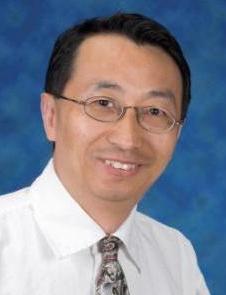
Catherine Neto is a Professor in the Department of Chemistry & Biochemistry at the University of Massachusetts Dartmouth. She can be reached via phone at 508-910-6928 or 508-999-9167, or by email at cneto@umassd.edu . Her office is located in Science & Engineering 301A. Teaching Programs: CHM 265: Organic Chemistry Lab I CHM 600: Thesis/Dissertation Rsch CHM 650: Graduate Seminar Her research focuses on Phytochemicals with anti-cancer, antimicrobial, and antioxidant activity from cranberries and other plant sources , emphasizing bioactivity, purification, and analysis of natural products, as well as factors influencing secondary metabolite production. This work intersects with functional food development and cellular protective mechanisms. She has secured significant funding for cranberry health research, including grants from the Massachusetts Department of Public Health and Ocean Spray Cranberries, Inc., totaling over $449,408 for projects related to oxidative stress, inflammation, gut health, and triterpenoid characterization.
Alexander Mogilner is a Professor of Mathematics and Biology at New York University, with dual appointments in the Courant Institute of Mathematical Sciences and the Department of Biology within the Faculty of Arts & Science. His interdisciplinary research bridges mathematics and cell biology, focusing on computational approaches to understanding cellular mechanics. New York University, Faculty of Arts & Science Courant Institute of Mathematical Sciences Department of Biology Mogilner's educational background includes a Ph.D. in Applied Mathematics from the University of British Columbia (1995), a Ph.D. in Physics from the USSR Academy of Sciences (1990), and an M.Eng. in Engineering Physics from Ural Polytechnic Institute (1985). His research focuses on the mathematical modeling of cellular processes, particularly how cells use self-assembling molecular machines for movement and division. His work examines mechanochemical systems involving cytoskeletal polymers, molecular motors, and biochemical regulators. His publication record shows a strong focus on computational approaches to cell motility, mitosis, and cytoskeletal dynamics. Over the past decade, his work has increasingly incorporated advanced computational methods including partial differential equations, free boundary simulations, and stochastic processes to model complex cellular phenomena. His research spans both theoretical developments in mathematical biology and close collaborations with experimental cell biologists. Mogilner maintains an active laboratory focused on computational cell biology, with research projects spanning cell polarization, mitotic spindle assembly, actin-myosin contraction mechanisms, and cellular responses to electric fields. His work demonstrates how mathematical approaches can provide deep insights into complex biological systems.
Lynda Coughlan serves as Associate Professor in Microbiology and Immunology at the University of Maryland, Baltimore School of Medicine, with a secondary appointment at the Center for Vaccine Development and Global Health (CVD). Her research focuses on engineering next-generation adenoviral vector vaccines against respiratory pathogens including influenza, RSV, and coronaviruses, emphasizing broad cross-protection through innovative immunogen design and molecular adjuvanting. Education: BSc Microbiology, University College Cork, Ireland (2003) MS Virology, London School of Hygiene and Tropical Medicine, UK (2005) PhD Viral Gene Therapy, Barts Cancer Institute, London, UK (2009) Postdoctoral Training, University of Glasgow, UK (2009-2012) Postdoctoral Training, University of Oxford, UK (2012-2017) Postdoctoral Fellowship, Icahn School of Medicine at Mount Sinai, USA (2017-2018) Research Track Faculty, Icahn School of Medicine at Mount Sinai, USA (2018-2020) Research Focus: The Coughlan laboratory pioneers low-seroprevalence adenoviral vectors as plug-and-play platforms for universal vaccines, investigating extracellular vesicles for immunogenicity enhancement, therapeutic antibody production, and correlates of protection through comparative animal model studies. Current work spans recombinant protein immunogens, genetic adjuvanting, and vector optimization against emerging viral threats. Publication Trends: Analysis of her 13 most recent publications (2018-2024) reveals escalating emphasis on universal influenza vaccines using chimeric hemagglutinin constructs, single-dose adenoviral regimens, and extracellular vesicle-mediated immunogenicity. Post-2020 work increasingly addresses pandemic preparedness for coronaviruses and avian influenza, with molecular adjuvanting and cross-reactive immunity as unifying themes across respiratory pathogens. Scientific Awards: Graduate Women in Science Fellowship (2017) British Medical Association HC Roscoe Prize (2016) British Society for Gene and Cell Therapy Achievement Award (2016) Nuffield Department of Medicine Public Engagement Prize (2015) British Society for Immunology Communicating Immunology Grant (2015) Grants and Service: As Principal Investigator on NIH/NIAID R01AI148369 for universal influenza vaccine development and Co-PI on NIAID CIVIC contracts, she leads translational research while serving as ad-hoc reviewer for NIAID study sections. Her editorial roles include MDPI Vaccines Special Issue Editor (2020), complemented by board service for the British Society for Gene and Cell Therapy (2010-2017) and Society for General Microbiology Equality initiatives. Laboratory Structure: The Coughlan laboratory operates within the Center for Vaccine Development and Global Health, maintaining collaborative networks for preclinical-to-clinical vaccine advancement with emphasis on one-health approaches to zoonotic spillover prevention and pandemic response.
Loic Binan is an Assistant Professor in the Department of Human Genetics at McGill University, with additional affiliations as an Associate Member in the Department of Biomedical Engineering and the Integrated Program in Neuroscience. His research focuses on developing cutting-edge technologies to investigate how gene networks control the self-organization of cells into complex 3D tissues during development and in disease conditions. Dr. Binan's research interests span multiple interdisciplinary fields, with particular emphasis on cancer metastasis , where he investigates the genetic mechanisms allowing cells to reversibly transition between epithelial and mesenchymal phenotypes. His work also explores isoforms and non-coding regions , developing technologies to understand alternative splicing in neurodegenerative diseases, and examining how past cell-cell interactions shape present transcriptional activity during development. His laboratory employs a diverse array of techniques including CRISPR gene editing, spatial transcriptomics, single-cell RNA sequencing, advanced microscopy, and computational methods for image analysis. The recent publications reveal a strong trend toward integrating high-throughput genetic screening with spatial transcriptomics to map gene regulatory networks across both cancer biology and neuroscience contexts. Dr. Binan leads the Binan Lab at the Lady Davis Institute for Medical Research, where his team develops precision gene editing tools such as Cas9 and Cas12 for high-throughput screens, creates novel imaging tools to collect spatial context data, and builds computational tools to analyze these complex new data types. His research primarily focuses on cancer and neurodegenerative diseases, with particular attention to brain development and tumor microenvironments.
Félix Rey is a leading Research Professor at the Structural Virology Unit within the Virology Department of the Institut Pasteur in Paris, France. He spearheads multidisciplinary studies on viral and cellular membrane fusion mechanisms, with a focus on emerging viruses such as Chikungunya , Dengue , and SARS-CoV-2 . His research explores: Structural biology of virus envelope glycoproteins (e.g., Chikungunya p62-E1, Hepatitis C E2, Foamy virus Env). Molecular interactions in viral entry and neutralization. Cell-cell fusion mechanisms in fertilization and development. Recent publications highlight structural insights into: 2025 : SARS-CoV-2 spike protein conformational dynamics and ACE2 receptor interactions. 2024 : Foamy virus fusion protein evolution, TMPRSS2's role in HKU1 coronavirus entry. 2023 : Yellow fever virus maturation, pan-hantavirus neutralization antibodies. He collaborates with teams across France , Southeast Asia , and West/Central Africa through the Pasteur International Center for Research on Emerging Infectious Diseases . Current advisees include Paul Courrieu and Marius Allombert (Master's students).
William R. Cluett is a Professor at the University of Toronto's Department of Chemical Engineering & Applied Chemistry within the Faculty of Applied Science and Engineering. He holds a B.Sc. from Queen’s University and a Ph.D. from the University of Alberta, and is a licensed Professional Engineer (P.Eng). Currently serving as Dean’s Advisor on Innovations in Undergraduate Education, Cluett bridges engineering principles with systems biology in his research. B.Sc., Queen’s University Ph.D., University of Alberta Cluett's research spans traditional process control and design, extending into systems biology where he collaborates with Professor Krishna Mahadevan. His work focuses on integrating engineering methodologies with biological systems, including multiscale modeling, dynamic metabolic engineering, and computational toxicology. His publications highlight trends in applying control theory to metabolic networks, developing algorithms for genome-scale modeling, and designing bistable cell factories. These contributions reflect interdisciplinary efforts between chemical engineering and computational biology. Scientific Awards & Recognitions: Fellow of Engineers Canada (2021) Medal for Distinction in Engineering Education (2021) OCUFA Teaching Award (2020) President’s Teaching Award (2018) Sustained Excellence in Teaching Award (2016) Bill Burgess Teacher of the Year Award (2014) Fellow, AAAS (2009) Fellow, Chemical Institute of Canada (1998) Syncrude Canada Innovation Award (1997) Cluett has contributed to major grants and collaborative projects in systems biology and metabolic engineering. He actively advises on undergraduate education innovations and maintains strong affiliations with the Department of Chemical Engineering & Applied Chemistry.
V Stalin Raj serves as an Associate Professor in the School of Biology at the Indian Institute of Science Education and Research (IISER) Thiruvananthapuram, where he leads research on coronavirus virology and host-pathogen interactions. Previously, he worked as a Scientist at Erasmus Medical Center in Rotterdam, Netherlands (2010-2017) and completed postdoctoral training at the University of Liege, Belgium. Dr. Raj earned his PhD in Biotechnology from the University of Madras in 2007, with thesis research on White Spot Syndrome Virus and Monodon Baculovirus affecting farmed Penaeus monodon. His academic journey includes a BSc in Microbiology (1999) from the University of Madras and an MSc in Biotechnology (2001) from Madurai Kamaraj University. His primary research focuses on coronavirus entry mechanisms, virus-host interactions, and vaccine development. Dr. Raj is particularly known for his work identifying dipeptidyl peptidase 4 (DPP4) as the functional receptor for MERS-CoV, published in Nature (2013). His laboratory investigates how coronaviruses like MERS-CoV and SARS-CoV-2 enter host cells, with emphasis on developing broad-spectrum antivirals and thermostable vaccines suitable for resource-limited settings. Current projects explore natural compounds like EGCG from green tea as potential inhibitors of viral entry across multiple coronavirus strains. Analysis of his recent publication record reveals a strong focus on coronavirus spike protein interactions, neutralizing antibody development, and innovative vaccine platforms. His work spans fundamental virology to translational applications, with increasing emphasis on addressing challenges posed by SARS-CoV-2 variants and the need for broadly reactive coronavirus countermeasures. Scientific Recognition Co-author on multiple high-impact papers in Nature , Science , The Lancet Infectious Diseases , and PNAS Key contributor to identifying DPP4 as the MERS-CoV receptor, a fundamental discovery in coronavirus research Recipient of postdoctoral fellowships at University of Liege and research opportunities at prestigious institutions including Erasmus MC Dr. Raj serves as a journal referee for Emerging Infectious Disease (CDC), Eurosurveillance (ECDC), Journal of Virological Methods, and other prominent virology publications. His research program at IISER Thiruvananthapuram focuses on developing thermostable vaccine platforms and investigating mechanisms of viral entry inhibition, with particular attention to making coronavirus countermeasures accessible in resource-limited settings worldwide.
Joseph N. Contessa, MD, PhD is an Adjunct Professor of Therapeutic Radiology and Pharmacology at Yale School of Medicine, where he serves as Director of Yale Medicine's Central Nervous System Radiotherapy Program. His clinical practice focuses on treating patients with brain tumors, head and neck cancers, and tumors at the base of the skull, including rare entities such as low-grade and malignant gliomas, ependymomas, high-grade meningiomas, hemangiopericytomas, paragangliomas, and schwannomas. Dr. Contessa's research spans multiple areas of cancer biology with a particular emphasis on molecular mechanisms of therapeutic resistance and novel approaches to radiosensitization. His work explores the role of N-linked glycosylation in cancer progression and treatment resistance, developing small molecule inhibitors targeting this pathway to overcome resistance to EGFR tyrosine kinase inhibitors. He also investigates targeted therapies for head and neck squamous cell carcinoma, molecular imaging of the epidermal growth factor receptor, and drug discovery through high-throughput screening approaches. Analysis of Dr. Contessa's recent publications reveals a consistent focus on the intersection of radiation oncology and molecular biology, particularly examining how glycosylation pathways influence cancer cell response to radiation and targeted therapies. His work spans basic science investigations into protein folding and quality control mechanisms to clinical applications in lung cancer, brain tumors, and head and neck cancers. A significant portion of his research explores how inhibiting specific glycosylation enzymes can sensitize tumors to radiation therapy. Dr. Contessa actively collaborates with leading researchers at Yale including Veronica Chiang (6 publications), Barbara Burtness (2 publications), Kimberly Johung (2 publications), and Scott Gettinger (2 publications). He serves as a Sub Investigator on the clinical trial 'Determining Mechanisms of Sensitivity and Resistance to Anti-Cancer Therapy for Advanced Lung Cancer' (HIC ID 1603017333), which is scheduled for primary completion in June 2026. His laboratory work is closely integrated with clinical care through multiple Yale centers including the Brain Tumor Center, Gamma Knife Center, Head and Neck Cancers Program, and Yale Cancer Center. Dr. Contessa's research bridges basic science discoveries in protein glycosylation with clinical applications in radiation oncology, creating a translational pipeline from bench to bedside for patients with challenging malignancies.
Edward Jenkins is a Postdoctoral Researcher at the University of Oxford, affiliated with Balliol College. He is a member of the Davis Group, focusing on T-cell Biology and its intersections with proteomics, immunology, and cell signaling. His research spans diverse areas such as: T-cell activation mechanisms and membrane dynamics Vaccine adjuvant responses in lymph nodes CAR-T cell engineering for therapeutic specificity Proximity proteomics in inflammatory pathways Computational methods for 3D cell segmentation Recent publications highlight his work in immune receptor signaling, deubiquitinase substrate discovery, and nanoscale imaging of T-cell interactions. His studies often bridge molecular and cellular immunology with advanced imaging and computational tools, aiming to enhance cancer immunotherapy and vaccine design. Edward contributes to collaborative research within the Davis Group, utilizing techniques such as localisation microscopy and free-standing membrane platforms to investigate immune cell dynamics.
Associate Professor Christopher Marquis is a biochemical engineer at the School of Biotechnology & Biomolecular Sciences at the University of New South Wales (UNSW). He specializes in interdisciplinary research at the intersection of protein biotechnology and bio-nanotechnology, with projects focused on organohalide bioremediation, therapeutic protein production, and recombinant spider silk generation. His research encompasses bioprocess development for therapeutic bacteriophage and plasmid DNA production. He directs the Recombinant Products Facility , which provides fermentation and protein purification infrastructure for academic and industrial partners. Key keywords from his recent publications include biochemistry, biotechnology, nanotechnology, and environmental science. Marquis has over 30 years of academic experience at UNSW, progressing from Lecturer (1994) to Associate Professor (2016). His teaching includes convening the Biotechnology Program (3053) and instructing BABS3031 Biotechnology and Bioengineering. His work has been supported by grants in bioprocessing, nanotoxicology, and biomedical applications.



/prod01/production-cdn-pxl/media/umassdartmouth/profiles/arts-and-sciences/chemistry/CatherineNeto_150312_0010a.jpg)