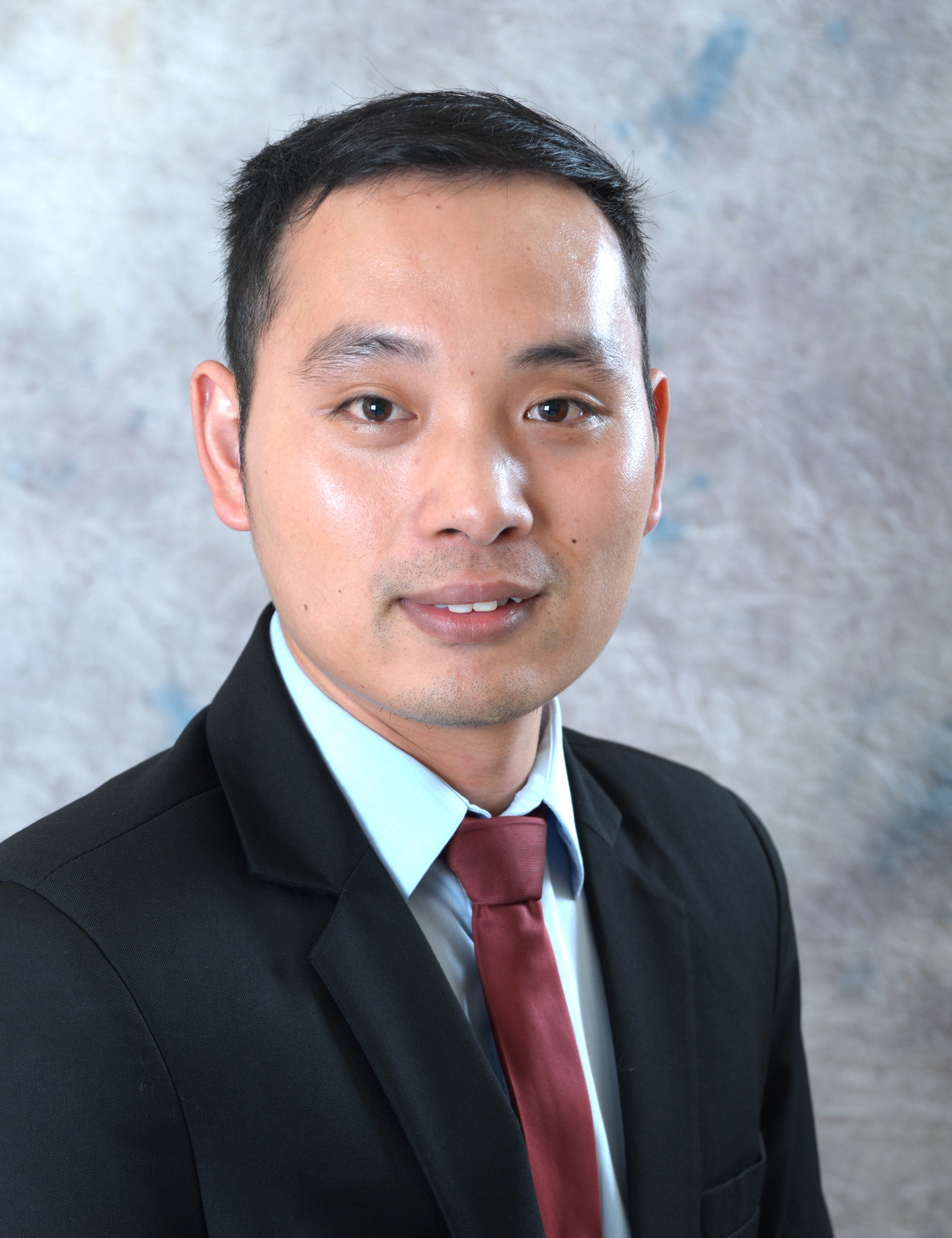
Dr. Shahaf Peleg is the Head of the Energy Metabolism and Epigenetics Working Group at the Research Institute for Farm Animal Biology (FBN). His research focuses on aging biology, epigenetic mechanisms, and metabolic interventions. Key areas include histone acetylation regulation, mitochondrial function, and dietary effects on longevity. He uses models like Drosophila, C. elegans, and mice (e.g., Titan mouse) to study aging pathways. Leading interdisciplinary projects on energy metabolism and epigenetic interactions. Developing optogenetic tools for mitochondrial research. Expertise in lipidomics and circadian metabolism. Recent work emphasizes dietary interventions in obesity-related aging and optogenetic rejuvenation of cellular energetics. Active in collaborative networks like ARDD Emerging Science workshops. Publications span metabolic pathway analysis, alcohol's epigenetic impacts, and longevity biomarkers. His team's Titan mouse model is a key tool for testing frailty attenuation strategies.
Dr. Peter Zilm is an Associate Professor in the Adelaide Dental School at the University of Adelaide, part of the Faculty of Health and Medical Sciences. His research focuses on bacterial biofilm dynamics, particularly in oral pathogens linked to caries and periodontal disease, and their systemic implications. Key projects include developing oral microbiome transplantation therapies and pH-responsive 'intelligent particles' as antimicrobial agents. Collaborations with chemical engineers and industry aim to advance nano-technological solutions for dental applications. Research interests span biofilm inhibition mechanisms, the gut microbiome's role in gastrointestinal inflammation triggered by periodontitis, and the development of novel antimicrobial coatings for medical devices. His work integrates advanced technologies like cellular impedance (exCELLigence) and next-generation sequencing. He has secured NHMRC funding (2020-25) for oral microbiome transplantation research. Projects are based at the Helen Mayo South Building and involve collaborations with institutions in Spain, the UK, and elsewhere. Dr. Zilm supervises Honours, Masters, and PhD students across multiple translational projects, including anti-biofilm agents, oral microbiome transplantation efficacy, and the relationship between oral bacteria and systemic diseases like cardiovascular issues and cancer. His recent publications highlight innovations in nano-technology, biofilm disruption, and probiotic interventions for periodontal disease.
Dr. Huang Changjin is an Assistant Professor at the School of Mechanical & Aerospace Engineering, Nanyang Technological University (NTU), Singapore. He leads the C.J. Huang Research Group, focusing on interdisciplinary research at the intersection of mechanics, materials, and biology. His work emphasizes the mechanics and manufacturing of soft and living systems, with applications in bio-inspired engineering, biomechanics, and advanced materials. Dr. Huang holds a B.Eng. from the University of Science and Technology of China (2008), a Ph.D. from Pennsylvania State University (2014), and completed postdoctoral fellowships at Northwestern University (2014–2015) and Carnegie Mellon University (2016–2018) before joining NTU. His research explores cell mechanics, biofabrication, lipid membrane dynamics, and soft material manufacturing, with recent advancements in 3D printing, shape-morphing composites, and drug delivery systems. His group collaborates widely, addressing challenges in tissue engineering, nanomedicine, and plant immunity. Key research themes include membrane mechanics, bio-interface transport, and the development of in vitro systems for medical and engineering applications. Dr. Huang has mentored numerous students and postdocs, many of whom have transitioned to academic and industrial roles globally. He actively engages in academic activities, including invited talks at international conferences and editorial roles in journals. His lab facilities include advanced biological and mechanical testing equipment, enabling cutting-edge interdisciplinary research.
Professor Joseph P.A. Harrity is a Professor of Synthetic Organic Chemistry at the University of Sheffield, affiliated with the School of Mathematical and Physical Sciences. He leads Chemistry recruitment and specializes in developing novel synthetic methodologies for heterocyclic compounds and natural products. His research focuses on carbon-carbon bond formation strategies, particularly involving boron-based intermediates and transition metal catalysis. Education: BSc (Hons.) in Chemistry (University of Strathclyde, 1991), PhD in Chemistry (University of Strathclyde, 1994). Postdoctoral research at Boston College, USA (1994–1997). Academic career progression includes roles as Lecturer (University of Sheffield, 1997), Senior Lecturer, Reader, and Professor (2009). Research interests include cycloaddition reactions, fluorinated heterocycles, and medicinal chemistry applications. He pioneered a Royal Society Industry Fellowship (2012–2015) collaborating with Peakdale Molecular to develop functionalized intermediates for pharmaceutical libraries. Awards: Pfizer Discovery Award (2004), AstraZeneca Research Award (2006), RSC Bader Award (2018). Teaching: Undergraduate/postgraduate modules on organic synthesis, stereoselective methods, and laboratory supervision. Active in mentoring research projects and organic chemistry education. Key contributions include the development of Pd-catalyzed annulation strategies, boronic acid-based synthesis platforms, and stereocontrolled natural product syntheses. His work bridges academic research and industrial applications in drug discovery and materials science.
Dr. Dierck Hillmann is an Associate Professor at the Faculty of Science, Department of Biophotonics and Medical Imaging, Vrije Universiteit Amsterdam. He holds a PhD in Holoscopy from Luebeck University (2013). His research focuses on advanced optical imaging techniques, particularly Optical Coherence Tomography (OCT), with applications in retinal imaging, functional signal analysis, and computational imaging. He is affiliated with the LaserLaB - Biophotonics and Microscopy research group. Key research areas include improving OCT resolution through holographic methods, functional imaging of retinal neurons and photoreceptors, and developing computational adaptive optics to enhance imaging quality. His work addresses challenges like speckle reduction, aberration correction, and real-time data processing in biomedical imaging. Dr. Hillmann’s contributions span over 37 publications, including innovations in full-field OCT, optoretinography, and phase-sensitive measurements. He teaches courses such as Computational Optical Imaging and Light-Tissue Interaction. His current project explores imaging individual retinal cells and their functions using advanced techniques. No scientific awards are explicitly listed, but his extensive publication record reflects significant academic impact. Students advised are not specified in the provided materials.
Jerry W. Shay is a Professor in the Department of Cell Biology at UT Southwestern Medical Center, holding the Southland Financial Corporation Distinguished Chair in Geriatric Research. He also serves as Associate Director for Education and Training at the Harold Simmons Comprehensive Cancer Center. His research focuses on telomere biology, aging, and cancer therapy development, with an emphasis on targeting telomerase in cancer treatment and understanding age-related disease mechanisms. Shay earned his BA in Zoology/Cell Biology from the University of Texas at Austin (1966), MA in Cell Biology from the University of Kansas (1968), and PhD in Developmental Biology from the University of Colorado Boulder (1975). He joined UT Southwestern in 1975, advancing from Assistant/Associate Professor to full Professor in 1993. His research interests include telomere dysfunction-induced anti-tumor immunity, cancer therapy resistance, and the role of telomerase in cellular aging. Key projects involve developing therapies like 6-thio-dG, which targets telomerase-dependent cancers, and studying the interplay between environmental toxins and colorectal carcinogenesis. Awarded numerous honors including the UT Regent’s Outstanding Teaching Award (2012) and the Piper Professorship (2013), Shay has contributed to over 30 patents, including methods to detect telomerase activity and compounds targeting cancer cell adhesion. His lab collaborates with companies like Maia Biotechnology and Reata Pharmaceuticals to translate research into clinical applications. Shay’s work bridges basic science and translational research, with ongoing projects in radiation-induced cancer progression, immune modulation in cancer treatment, and telomere measurement technologies like the TeSLA assay.
Peter Schultz, PhD, is the President and CEO of Scripps Research, holding the L.S. “Sam” Skaggs Presidential Chair in the Department of Chemistry. He has been a faculty member since 1999, previously at UC Berkeley. His research spans synthetic biology, genetic code expansion, and drug discovery, with a focus on engineering organisms and molecules for biological and medical applications. Education: Ph.D. in Chemistry, California Institute of Technology (1984) B.S. in Chemistry, California Institute of Technology (1979) Research Interests: Expanding genetic codes to incorporate noncanonical amino acids in organisms Engineering endosymbiotic systems to study mitochondrial evolution Developing small molecules for cancer, stem cell therapies, and neglected diseases Designing antibodies and CAR-T cells for targeted therapies Article Trends: Recent work emphasizes small molecule therapies for cancer and fibrosis, synthetic biology applications in endosymbiosis, and genetic code expansion for protein engineering. Key themes include drug repurposing, targeted drug delivery, and molecular mechanisms of biological systems. Awards: Wolf Prize in Chemistry (1994) National Academy of Sciences Member (1993) Paul Ehrlich-and Ludwig Darmstaedter Prize (2002) National Academy of Inventors Fellow (2015) Advising & Grants: Supervises ~15 graduate students and postdocs annually. Secured funding from NSF, NIH, and industry partnerships. Over 85 former students hold academic positions globally. Labs/Teams: Heads the Schultz Lab at the Chi-Huey Wong Laboratories, focusing on biologically inspired synthesis and translational research.
Professor Samuel Fountain is a leading academic in pharmacology at the University of East Anglia, where he serves as Chair of Pharmacology within the School of Biological Sciences. He holds additional leadership roles as Associate Pro-Vice-Chancellor of the UEA Doctoral College and has previously served as Associate Dean for Postgraduate Research and Director of the Biomedical Research Centre. He is actively supervising multiple PhD students and securing major research funding. BSc (Hons) Pharmacology, University of Leeds (1997–2000) MRC-funded PhD, University of Leeds (2000–2004) Wellcome Trust Research Associate, University of Manchester (2004–2008) BBSRC David Phillips Fellow, University of Leeds (2008–2010) Lecturer to Professor of Pharmacology, University of East Anglia (2010–present) His research focuses on the role of ion channels—particularly P2X receptors—in vascular and adipose tissues, with implications for cardiometabolic diseases. His work integrates pharmacology, physiology, and molecular biology to understand neurovascular and neuroadipose communication, receptor-ligand interactions, and drug discovery. He employs techniques such as pressure myography, patch-clamp electrophysiology, calcium imaging, and molecular modelling. The analysis of his recent publications reveals a strong emphasis on purinergic signalling, ion channel pharmacology, and autonomic control of blood vessels and fat tissue. His work bridges basic science with translational applications, particularly in hypertension, obesity, and metabolic syndrome. Collaborations with AstraZeneca, Merck, and the British Heart Foundation underscore the clinical and pharmaceutical relevance of his research. Notable scientific recognition includes the prestigious BBSRC David Phillips Fellowship. He also contributes to the academic community through editorial roles, including as Editor of Purinergic Signalling , and as a member of the British Pharmacological Society and The Physiological Society. Professor Fountain actively mentors postdoctoral researchers and PhD students, several of whom are funded by BBSRC, BHF, and AstraZeneca iCASE awards. His lab is supported by significant grants from the British Heart Foundation, BBSRC, and industry partners, enabling cutting-edge research in vascular and metabolic pharmacology. He leads multiple active projects on neurovascular transmission, purinergic control, and drug discovery for P2X receptors. His research group operates within the Cells and Tissues research theme at UEA and utilizes advanced experimental platforms including human tissue studies, high-throughput screening, and computational ligand docking. The lab fosters interdisciplinary collaboration between pharmacologists, physiologists, and clinicians, positioning it at the forefront of autonomic and metabolic research.
Bhama Ramkhelawon, PhD, is the Florence and Joseph Ritorto Associate Professor of Surgical Research in the Department of Surgery and Associate Professor in the Department of Cell Biology at NYU Grossman School of Medicine. She is also the Director of Vascular Surgery Scientific Research, leading a dynamic research program focused on vascular biology and disease mechanisms. Her research centers on understanding the molecular and cellular mechanisms underlying vascular aneurysms, peripheral vascular disease, and the interplay between metabolism, inflammation, and aging in the cardiovascular system. Utilizing advanced techniques such as single-cell transcriptomics, mouse models, and clinical data analysis, her lab investigates how immune cells, platelets, and metabolic pathways contribute to vascular pathologies. Recent publications highlight a strong trend in vascular mechanobiology, aging-related transcriptomic changes, adenosine signaling, and inflammatory responses in vascular tissues. Her work bridges basic science with clinical applications, particularly in post-surgical complications like endoleaks and aneurysm repair outcomes. Bhama Ramkhelawon has made significant contributions to the field with over 80 publications in high-impact journals such as Circulation Research , JCI Insight , and Cell Systems . Her research is supported by active clinical trials focusing on vascular aneurysms and peripheral vascular disease, indicating ongoing funding and translational research efforts. She mentors students and researchers as part of her role as a principal investigator and director. Her lab is involved in multi-disciplinary collaborations, integrating cell biology, immunology, and vascular surgery to advance understanding of cardiovascular diseases.
Professor Luke Chamberlain is a leading researcher at the Strathclyde Institute of Pharmacy and Biomedical Sciences, University of Strathclyde, where he investigates the role of protein S-acylation in health and disease. His work bridges fundamental biochemistry with therapeutic discovery, focusing on the zDHHC family of enzymes and their impact on cellular signaling, membrane trafficking, and disease mechanisms. Education: PhD in Role of Cysteine-String Protein in Regulated Exocytosis, University of Liverpool (1998) BSc in Microbiology, University of Edinburgh (1994) His research is primarily focused on protein S-acylation (palmitoylation) , a reversible lipid modification that regulates protein localization, stability, and function. He explores how defects in this process contribute to neurodegenerative diseases, cancer, and diabetes. His lab employs advanced techniques such as click chemistry, confocal microscopy, proteomics, and behavioral analyses to dissect molecular mechanisms. The recent publications highlight trends in understanding substrate specificity of zDHHC enzymes , development of inhibitors , and the regulatory role of S-acylation in metabolic and neurological pathways . His work increasingly emphasizes chemical biology approaches to target S-acylation therapeutically. Scientific Awards: No awards explicitly mentioned in the text. Prof. Chamberlain actively mentors postdoctoral researchers and prospective PhD students, offering support for fellowship applications. He is Principal Investigator on multiple grants, including an integrated analysis of S-acylation dynamics (BBSRC-funded) and a Strathclyde-led network with Thailand. His professional activities include serving as an examiner for PhD theses, chairing international conferences such as the FASEB meeting on Protein Lipidation, and participating in research visits to institutions like Tsinghua and Peking University. Labs and Facilities: His research group utilizes the Leica SP8 Confocal Microscope facility at the Strathclyde Institute, enabling high-resolution imaging of protein localization and dynamics in live and fixed cells.
Kushal Dey, PhD, is an Assistant Professor in the Computational and Systems Biology Program at Memorial Sloan Kettering Cancer Center (MSKCC). His research develops machine learning models that integrate genetic, genomic, and epigenomic data (e.g., RNA-seq, ChIP-seq, Perturb-seq, spatial transcriptomics) to decode the causal functional architecture of heritable complex diseases, including immune-related disorders like Alzheimer’s and inflammatory bowel disease, as well as heritable cancers such as breast and prostate cancer.
Kathryn Hess Bellwald is a Full Professor at École Polytechnique Fédérale de Lausanne (EPFL) in both the School of Life Sciences and School of Basic Sciences . She leads the Laboratory for Topology and Neuroscience and serves as Academic Director for the Euler Programme . Her work bridges pure mathematics and interdisciplinary applications in neuroscience, materials science, and data analysis. Education : PhD in Mathematics (MIT, 1989), preceded by positions at Stockholm, Nice, and Toronto universities. Her research spans algebraic topology , homotopy theory , operad theory , and algebraic K-theory , with applications in neuroscience and materials science . She has pioneered topological data analysis methods for classifying neuronal morphologies , microglia phenotypes , and nanoporous materials , creating a parameter-free framework linking neural network structure to activity. The 15 most recent publications highlight her work on topological inverse problems , neuroinflammation , and equivariant homotopy . These studies often involve collaborations with the Blue Brain Project and EPFL teams in neuroscience , machine learning , and materials science . Scientific Awards : Fellow, American Mathematical Society (2017); Distinguished Speaker, European Mathematical Society (2017); Crédit Suisse Teaching Prize (2012); Polysphère d'Or (2013); Full Member, Swiss Academy of Engineering Sciences (2016); Chaire de la Vallée Poussin (2023); Fellow, Association for Women in Mathematics (2024). She has mentored numerous PhD students in mathematics and neuroscience, including Adélie Eliane Garin , Varvara Karpova , and Dimitri Zaganidis . Her EPFL Mathematics affiliations include the DIVISION MATH , while her Neuroscience lab operates under the Brain Mind Institute (BMI) in the School of Life Sciences (SV). Grants and collaborations are evident in her work on neurodegenerative diseases , synthetic materials , and machine learning frameworks .
Prof.ssa Elda Favari is a Full-Time Associate Professor of Pharmacology at the Department of Food and Drug, University of Parma, Italy . Her research focuses on atherosclerosis physiology , cholesterol metabolism , and cellular cholesterol efflux processes . She has collaborated with international institutions in the USA , Australia , and Switzerland . PhD in Pharmacology and Toxicology (University of Parma, 2005) Academic Editor for the journal Medicine Member of Italian Society of Pharmacology , European Lipoprotein Club , and International Atherosclerosis Society Her scientific contributions include over 50 peer-reviewed publications , an H-index of 23 , and 16 Q1-journal publications from the last 15 years. Key research areas cover reverse cholesterol transport , PCSK9 mechanisms , and HDL functionality in diseases like familial hypercholesterolemia , cancer , and autoimmune disorders . Recent Google Scholar publications (2023-2025) examine: HDL modulation through nutraceuticals and 3D-printed devices Immune checkpoint inhibitors in relation to lipid profiles PCSK9-lomitapide interactions in genetic lipid disorders Anti-ApoA-1 IgGs as atherogenic factors 2000: AstraZeneca Grant at SISA Congress 2011: National Research Grant for Lupus Study She has held institutional roles including Student Orientation Delegate and serves on scientific committees for international congresses. Teaching spans Toxicology , Anticancer Chemotherapy , and Pharmacovigilance across Pharmacy , Food Safety , and Drug Sciences programs.
Dr. Axel Sandvig is an Adjunct Associate Professor at the Department of Community Medicine and Rehabilitation , Umeå University , with a focus on neurodegenerative diseases and neural network engineering. He also serves as a physician at the Department of Clinical Sciences , Umeå University , specializing in neurosciences. His work intersects clinical practice with cutting-edge research in neuroengineering and neurodegeneration. Adjunct Associate Professor, Department of Community Medicine and Rehabilitation, Umeå University Physician, Department of Clinical Sciences, Umeå University Dr. Sandvig’s research spans multiple domains of neuroscience , neuroengineering , and biomedical applications . He investigates Alzheimer’s disease using engineered human neural networks with mutations like LRRK2 G2019S and P301L tau, analyzing structural, functional, and connectomic changes. His work also explores neuroplasticity in stroke recovery , nanotechnology for neuroimaging , and lab-on-chip platforms for neuromodulation. Recent studies highlight synaptic connectivity and autophagy pathways as therapeutic targets. The 15 most recent publications reveal a trend toward neurodegenerative disease modeling , neural network dynamics , and biomedical nanotechnology . Key subfields include LRRK2/tau mutations , small-world network topology , neuroregeneration after ischemia , and gold nanostructure design . His work often involves in vitro models , neuroimaging , and stem cell applications . Dr. Sandvig collaborates extensively on neuroregenerative therapies , including nanoparticle delivery systems and manganese-enhanced MRI for axonal tracing. His affiliations bridge clinical practice at Norrland University Hospital with academic research at Umeå University.
Chongli Yuan is the Charles Davidson Professor of Chemical Engineering at the Davidson School of Chemical Engineering, Purdue University. She joined Purdue in 2009 after completing a postdoctoral fellowship at ETH Zurich (2007–2009), following her PhD in Chemical Engineering from Cornell University (2007) and a B.S. from East China University of Science and Technology (2002). Her research focuses on epigenetic mechanisms, environmental chemical exposure impacts, cancer drug resistance, and point-of-care diagnostic tools. Key awards include the Edna O. and William C. Hooey Prize (2006) and Dow Scholarship (2001). Research Interests: Developing single-cell tools to track epigenetic changes in disease and normal development Investigating epigenetic memory from environmental chemical exposure (e.g., lead, pesticides) Uncovering epigenetic contributions to cancer drug resistance Creating low-cost, point-of-care devices for disease detection using smartphone-integrated technologies Lab & Team: Current students: Agnes Mendonca, Nathan Nurse, Oscar Sanchez Medina, and others Alumni include industry professionals (e.g., Sanofi, Intel) and academic researchers Facilities: The lab hosts advanced equipment like high-content microscopes, quantitative PCR systems, and nano-drop spectrometers.