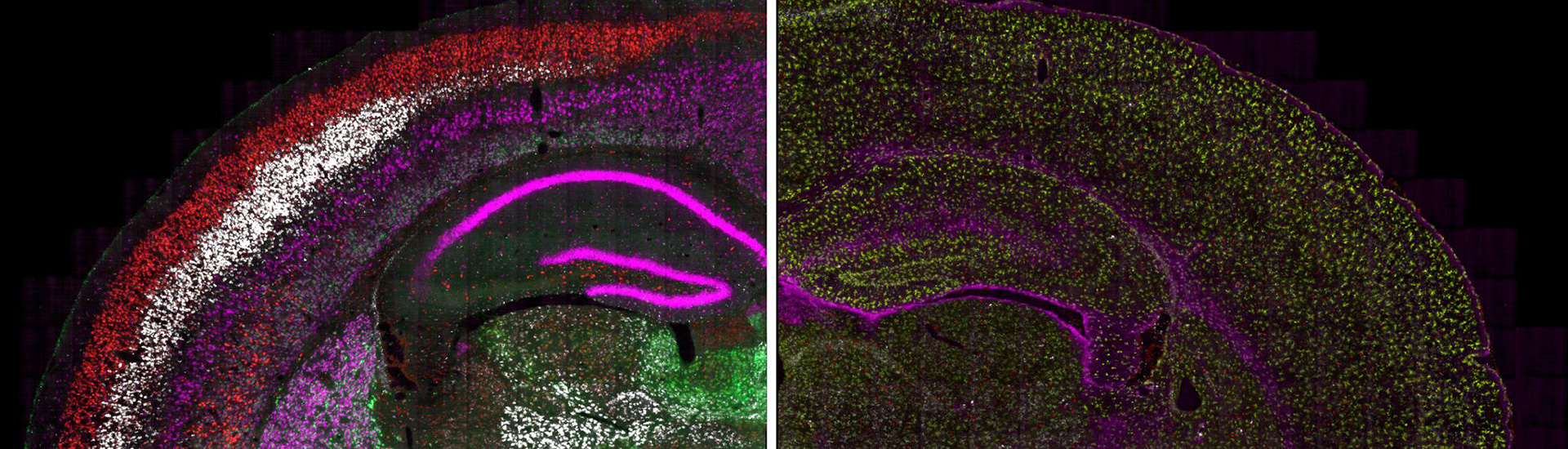
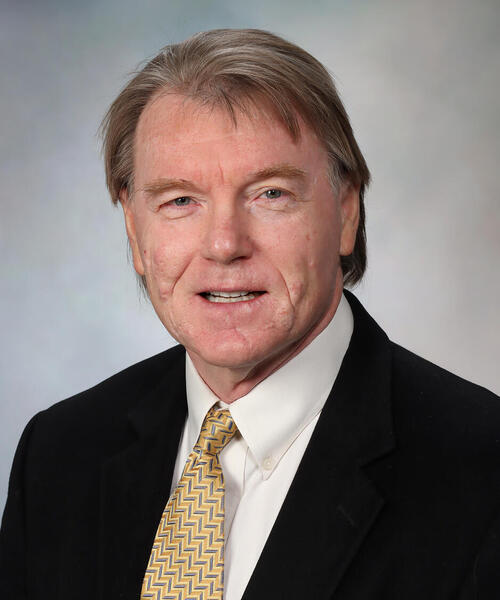
Omer Bayraktar is a Group Leader at the Wellcome Sanger Institute , leading research in the Cellular Genomics Programme. His work focuses on decoding human brain cellular diversity using spatial transcriptomics , imaging , and functional screening to study neural complexity in health and disease. Bayraktar's educational background includes a PhD from HHMI under Chris Doe, investigating neural diversity development in Drosophila , followed by postdoctoral work at University of California, San Francisco and University of Cambridge as a Life Sciences Research Foundation Fellow. He developed a spatial transcriptomic pipeline during his postdoc to analyze astrocyte heterogeneity in the cerebral cortex. His research explores neural cell type mapping , glial-neuronal interactions , and cellular pathways in neurodevelopmental disorders . Recent publications emphasize 3D tissue mapping , multi-omic integration , and computational tools like Cell2fate and WebAtlas. His work bridges neurogenetics and computational biology to advance understanding of human tissue ecosystems. Bayraktar's lab collaborates with the Human Cell Atlas initiative and develops technologies such as automated histology pipelines and highly-multiplexed smFISH for molecular cell typing. His team also investigates glia-based therapies and astrocyte functional heterogeneity in neurodevelopmental contexts. Key scientific contributions include: Discovering astrocyte layer patterns independent of neuronal laminae Developing cell2location for spatial cell mapping Characterizing Drosophila neural stem cell models with human relevance Notable awards include the Life Sciences Research Foundation Fellowship during his postdoctoral training. His current group includes a PhD student , Senior Data Scientists , and Bioinformaticians .
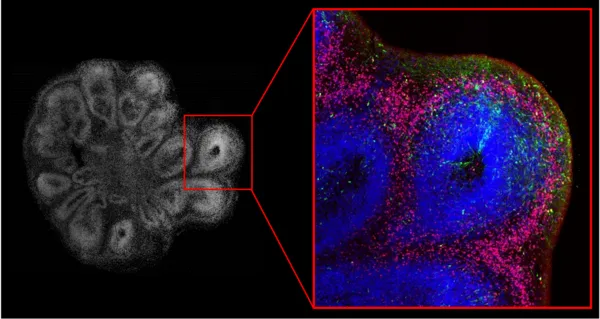
Prof. Dr. Simon Schäfer leads the Schäfer Lab at the Technische Universität München , focusing on engineering advanced organoid systems to study human brain development, disease modeling, and repair mechanisms. His work bridges stem cell biology, gene editing, and bioengineering to develop personalized therapies for brain disorders. Stem Cell & Organoid Technology Neurodevelopmental Mechanisms Neurodegenerative Disease Models Gene Editing & Neuroimmune Interactions Translational Neuroscience Recent research emphasizes brain organoid development, microglia phenotypes, and neurodevelopmental timing anomalies in autism. His team’s work also explores zika virus interactions with glioblastoma stem cells and neuronal plasticity in psychiatric disorders. Scientific awards and funding include support from the Deutsche Forschungsgemeinschaft (DFG), Brain & Behavior Research Foundation (BBRF), and Munich Cluster for Systems Neurology (SyNergy). Collaborations span institutions like the TUM Center for Organoid Systems. Advises 6 students (2 PhD, 1 MSc, 3 associated) Labs include Schäfer Lab, COS@TranslaTUM Contact: simon.schafer@tum.de
Christian Friedrich Wilhelm Becker is a full Professor at the University of Vienna, holding a position within the Faculty of Chemistry and the Department of Biological Chemistry. His research profile shows extensive activity in protein chemistry and biochemistry, with particular focus on post-translational modifications and their implications in disease mechanisms. His work bridges chemical biology, biochemistry, and biomedical applications, contributing significantly to the academic and research landscape at one of Europe's oldest and most prestigious universities. Faculty of Chemistry, University of Vienna Department of Biological Chemistry Active research leader with numerous ongoing projects Significant publication record spanning multiple disciplines Professor Becker's research primarily focuses on protein chemistry, particularly post-translational modifications and their role in protein function and dysfunction. His work spans multiple interconnected areas including ubiquitination, protein aggregation, prion protein behavior, and biomimetic approaches to protein analysis. His research has significant implications for understanding neurodegenerative diseases and developing novel therapeutic approaches. The fingerprint analysis of his work shows strong connections to biochemistry, molecular biology, and chemistry, with particular emphasis on cysteine chemistry, glycosylation, and amino acid modifications. Analysis of Professor Becker's recent publications (2021-2025) reveals a consistent research trajectory focused on protein modification techniques and their biological implications. His work shows increasing sophistication in chemical biology approaches to study protein function, with particular emphasis on ubiquitination pathways and protein aggregation mechanisms. The integration of chemical synthesis methods with biological analysis represents a hallmark of his research approach. His publications span high-impact journals in biochemistry, chemical biology, and peptide science, demonstrating the interdisciplinary nature of his contributions. Professor Becker has received notable recognition for his research contributions, most prominently the Cathay Award in 2020. This award acknowledges his significant contributions to the field of protein chemistry and chemical biology. His work appears to have practical applications in therapeutic development, particularly in the areas of targeted protein degradation and immunotherapy, which likely contributed to this recognition. Cathay Award (2020) Professor Becker leads multiple significant research projects, including 'Targeted protein degradation - from small molecules to complex organelles' (2020-2024), 'Taktira: Development of an improved, low-side-effect and sustainable immunotherapy' (2019-2023), and 'Structure Zoom: Zooming in on protein functional sites with atomic resolution' (2018-2021). These projects demonstrate substantial grant funding and collaborative research efforts across multiple institutions. His active participation in 290 recorded activities through 2025 indicates a highly engaged research program with numerous collaborators and trainees. Targeted protein degradation project (2020-2024) Taktira immunotherapy project (2019-2023) Structure Zoom project (2018-2021) Professor Becker's research environment includes a robust team of collaborators and junior researchers, as evidenced by the numerous co-authored publications and activities. His work intersects with multiple research groups studying protein function, modification, and therapeutic applications. The international collaboration network shown in his profile indicates significant engagement with researchers across multiple countries, creating a dynamic research ecosystem focused on advancing protein science and its biomedical applications.
Dr. Yi Shen is a Senior Lecturer at the School of Chemical and Biomolecular Engineering, The University of Sydney, and Chair of RACI Women in Chemistry. She is also affiliated with multiple research institutes including Sydney Institute of Agriculture, Sydney Southeast Asia Centre, The Centre for Drug Discovery Innovation, and The University of Sydney Nano Institute. PhD in Soft Materials from ETH Zurich Postdoctoral research at University of Cambridge and Harvard University Her research focuses on protein phase behavior and functional biomaterials development, utilizing soft matter approaches and microfluidic techniques to address challenges in neurodegenerative diseases, sustainable materials, and biomedical engineering. She has published extensively in top journals like Nature Nanotechnology and PNAS, with a particular emphasis on: Protein liquid-liquid phase separation mechanisms Biomaterials from protein nanofibrils Microfluidic manipulation of biological systems Biodegradable bioplastics development Shear force effects on biomolecular systems Pathological protein aggregation dynamics Key scientific achievements include: 2022 ARC DECRA Fellowship 2022 Sydney Nano Frontier award 2018 ETH Zurich Spark Award (for Fe delivery system invention) 2012 Princeton Grand Challenges Program 2 patents pending 2 Nature Nanotechnology cover articles As an educator, she coordinates CHNG2802 Chemical Engineering Modelling and Analysis, co-teaches CHNG3804 Biochemical Engineering and CHNG5605 Bio-products: Laboratory to Marketplace, and guest lectures across biomedical and nanotechnology programs. Her lab actively collaborates with institutions in Switzerland (ETH Zurich), UK (Cambridge), and US (Harvard, Princeton), focusing on transforming biomolecular understanding into real-world applications in health, industry, and environmental sustainability.
Dr. Daniel Roxbury is an Associate Professor and Graduate Director at the Department of Chemical, Biomolecular and Materials Engineering within the University of Rhode Island's College of Engineering. With expertise in nanoscience and carbon nanomaterials, his research focuses on nano-bio interactions, developing functionalized nanotubes for biomedical applications and environmental monitoring through his NanoBio Engineering Laboratory. His work spans multiple disciplines including: Biomedical nanosensors Smart wearable biomaterials Targeted drug delivery systems Environmental nanotechnology Single-molecule imaging Nanotoxicology Recent publications emphasize machine learning-enhanced spectral analysis, coral reef conservation nanotechnology, and wearable stress monitoring textiles. His 2024 ACS Nano study introduces AI-driven macrophage phenotyping, while 2023 Nature Nanotechnology work explores coral reef restoration strategies using nanomaterials. Awarded the 2019 NSF CAREER grant for cellular nanometrology, he leads multiple NIH-funded projects including: $820,000 NSF CAREER: Spectral Imaging for Sub-Cellular Nanometrology $140,000 Miriam Hospital COBRE: Cortisol Detection Textiles $700,000 NSF EAGER: Multiplexed Wound Biomarker Detection His laboratory houses state-of-the-art equipment including: Near Infrared Hyperspectral Microscope Custom NIR Fluorescence Spectrometer Jasco UV/VIS/NIR Spectrophotometer Biosafety Cabinet Cell Culture Incubator Cryo-Storage System
Lars Engstrand is a Professor in infection control at Karolinska Institutet, heading the Translational Microbiome Research and Pandemic Preparedness group within the Department of Microbiology, Tumor and Cell Biology. His research spans multiple disciplines with a focus on translational microbiome research and pandemic preparedness. Engstrand's research interests center on understanding the human microbiome's role in health and disease, particularly in women's reproductive health and gastroenterology. His group has established multiple large-scale clinical studies including SweMaMi (Swedish Maternal Microbiome project), BASIC (associations between microbiota and preterm birth), VaMiGyn (Vaginal Microbiota in Gynaecological health), and several others investigating the vaginal microbiome's relationship to pregnancy outcomes, HPV infection, and cervical cancer. His team also conducts significant research on gut microbiome in inflammatory bowel disease and colorectal conditions through projects like PopCol and KOLBIBAKT. Analysis of Engstrand's most recent publications reveals a strong focus on the relationship between microbiome composition and women's health outcomes. His research consistently examines how vaginal, gut, and oral microbiomes influence pregnancy complications, preterm birth, HPV infection, and mental health during pregnancy. The work often employs large cohort studies with comprehensive sampling strategies across multiple body sites and time points, providing robust data for understanding microbiome dynamics in health and disease. Engstrand leads the Microbiome Exploration and Development for Intervention (MEDI) initiative and the National Pandemic Center (NPC) at Karolinska Institutet. The NPC conducted large-scale sequencing during the COVID-19 pandemic and has amassed over 1.5 million samples. His research group includes multiple specialized teams focusing on culturomics, bioinformatics, labcore operations, women's health research, and pandemic preparedness.
Kenneth Hoehn is an Assistant Professor in the Department of Biomedical Data Science at the Geisel School of Medicine, Dartmouth College. As a computational immunologist with expertise in evolutionary biology, he develops computational evolutionary approaches to trace cellular lineages, particularly B cells, in contexts such as infection, vaccination, cancer, and autoimmune diseases. His research focuses on understanding adaptive immunity in conditions like COVID-19 Food allergies Myasthenia gravis through collaborations with experimental teams. Key projects include: Phylogenetic modeling of B cell responses Evolutionary signatures in immune repertoires Tracking B cell dissemination in autoimmune diseases Epigenetic regulation of memory B cells Recent publications highlight trends in single-cell immunology , phylogenetic inference , and computational tools for analyzing B cell dynamics. His lab at Dartmouth integrates evolutionary genetics with high-resolution immune profiling.
C. Perry Chou is a full professor in the Chemical Engineering Department at the University of Waterloo, with a cross-appointment in Biology. He holds a BSc and MSc from National Taiwan University and a PhD from Rice University, all in Chemical Engineering. His research focuses on integrating biochemical, genetic, and metabolic engineering strategies to enhance biomanufacturing using microbial cell factories. Key areas include recombinant protein production, microbial biotechnology, and biofuel development. Education: PhD in Chemical Engineering, Rice University (1995) MSc in Chemical Engineering, National Taiwan University (1987) BSc in Chemical Engineering, National Taiwan University (1984) Research Interests: Dr. Chou’s work spans biochemical engineering, bioprocessing, and metabolic engineering. He develops strategies for microbial strain construction, fermentation optimization, and bioproduct purification. His research bridges fundamental biological sciences with applied engineering to advance biomanufacturing. Publications: His 90+ peer-reviewed articles highlight contributions to strain engineering, CRISPR-Cas9 tools, and microbial production of chemicals like 5-aminolevulinic acid and propionate. Recent trends emphasize nanomaterial applications (e.g., graphene oxide) and sustainable biofuel pathways. Awards: Canada Research Chair (Canada) 1000-talent Award (China) Advising & Grants: Dr. Chou actively mentors graduate students and contributes to editorial roles at journals like Biotechnology Advances and Scientific Reports . He teaches courses such as CHE 161 (Engineering Biology) and CHE 562 (Advanced Bioprocess Engineering). Labs/Teams: Collaborates with interdisciplinary teams to advance bioprocess development, though specific lab names are not explicitly mentioned in the text.
Dr. John A. Copland III is a Professor of Cancer Biology and Biochemistry & Molecular Biology at Mayo Clinic in Jacksonville, Florida. He leads the Cancer Biology and Translational Research Laboratory, focusing on molecular mechanisms of carcinogenesis, tumor progression, and development of targeted cancer therapies. Education: PhD in Physiology & Endocrinology (Medical College of Georgia), MS in Endocrinology (Medical College of Georgia), BS in Chemistry (Columbus College), with postdoctoral training at University of Texas Medical Branch. Research interests center on: Identifying tumor suppressor genes (e.g., RhoB, TBR3, GATA3) and oncogenes (e.g., FOXO3a, SCD1, NPTX2). Developing patient-derived xenografts and live cell models for personalized medicine. Designing SCD1 inhibitors via in silico modeling for clinical trials. Recent publications highlight his work on SCD1 inhibition in leukemia and thyroid cancer ImmunoPET imaging of thyroid tumors CRISPR-identified drug synergies in cholangiocarcinoma Patient-specific combination therapies using xenograft models
Nancy J. Brown, M.D., is the Jean and David W. Wallace Dean of the Yale School of Medicine and holds the C.N.H. Long Professorship in Internal Medicine. Previously, she served as Chair of Vanderbilt Department of Medicine and Physician-in-Chief of Vanderbilt University Medical Center (2010–2020). Her academic career spans over three decades, with leadership roles in clinical care, research, and medical education. Education: MD, Harvard University (1986) AB in Molecular Biophysics and Biochemistry, Yale College (1981) Internship and Residency in Medicine, Vanderbilt University (1989) Fellowship in Clinical Pharmacology, Vanderbilt University (1991) Chief Resident, Vanderbilt University (1992) Research Interests: Dr. Brown’s work focuses on the renin-angiotensin-aldosterone system’s role in cardiovascular disease, hypertension, and thrombosis. Her lab has elucidated mechanisms linking aldosterone, bradykinin, and ACE inhibitors to inflammation, fibrosis, and cardiovascular risk. Current studies explore neprilysin inhibitors in heart failure and incretin-based therapies’ cardiovascular effects. Key Contributions: Identified genetic variants and African ancestry as risk factors for ACE inhibitor-associated angioedema Developed Vanderbilt’s Master of Science in Clinical Investigation program (2000) Advocated for physician-scientist development through leadership roles in NIH councils and professional organizations Recognition: Recipient of the Harriet Dustan Award, August M. Watanabe Prize, and Robert H. Williams Distinguished Chair of Medicine. Elected to the National Academy of Medicine and American Academy of Arts & Sciences. Labs/Teams: Leads the Yale School of Medicine’s cardiovascular research initiatives, focusing on translational studies of RAAS pathways and drug mechanisms.
Torben Barington is a Clinical Professor at the Department of Clinical Research, Faculty of Health Sciences, University of Southern Denmark, and a Consultant at the Department of Clinical Immunology, Odense University Hospital. He has held this position since August 2001 and continues to be actively involved in research, teaching, and clinical leadership. MD, University of Copenhagen, 1987 Doctoral Thesis (dr.med.), University of Copenhagen, 1996 Specialist in Clinical Immunology, 1998 His research focuses on cellular immunotherapy of cancer , particularly using CAR T-cell and CAR NK-cell technologies, primary immunodeficiencies , and the B-lymphocyte repertoire and immunoglobulin genes . His work bridges fundamental immunology with clinical applications in oncology and immunodeficiency disorders. His recent publications (2024–2025) highlight advancements in CAR T/NK-cell characterization, cytotoxicity assays, clinical translation, and tumor microenvironment interactions. These works reflect a strong trend toward translational immunology , with emphasis on personalized cancer therapy , single-cell technologies , and clinical trial development . Scientific Awards: Aage og Edith Dyssegaards Fonds æreslegat (1993) Silver Medal, University of Copenhagen (1981) He has supervised over 30 thesis students and currently mentors several graduate students in CAR-based cancer immunotherapies. He serves as an examiner for PhD defenses at both the University of Southern Denmark and the University of Copenhagen. He is also actively involved in national scientific leadership, including as Chairman of the Scientific Committee of the Danish Blood Donor Organization since 2011 and as a member of the Advisory Board for Clinical Immunology in the Region of Southern Denmark since 2007. His research is conducted in collaboration with multidisciplinary teams focusing on cellular immunotherapy , clinical immunology , and translational hematology , often in partnership with Odense University Hospital and national blood and immunology networks.
Yu Sun is an assistant professor in the Department of Electrical and Computer Engineering at Johns Hopkins University with a joint appointment at the Data Science and Artificial Intelligence (DSAI) Institute. His research integrates machine learning, computer vision, optimization, and physics to advance computational imaging frameworks for reliable AI-driven imaging systems. He earned a BEng in electronics and information from Sichuan University (2015) and a PhD in computer science from Washington University in St. Louis (2022), where his dissertation received the Turner Dissertation Award. His academic journey includes a postdoctoral fellowship at Caltech's Department of Computing and Mathematical Sciences. Dr. Sun's research spans biomedical imaging, computational imaging, inverse problems, and machine learning, focusing on interpretable AI integration for next-generation imaging. His work bridges theoretical foundations with practical applications in medical and scientific imaging domains. Recent publications reveal a dominant trend in diffusion models for scientific imaging problems, including plug-and-play priors for reconstruction (NeurIPS 2024) and benchmarks for diffusion-based scientific problem-solving (ICLR 2025 Spotlight), demonstrating cross-disciplinary impact from biomedical engineering to cell biology. Key honors include: Turner Dissertation Award for doctoral contributions Rising Star Award from the Conference on Parsimony and Learning (CPAL, 2025) He serves as a consultant associate editor for the IEEE Open Journal of Signal Processing and actively participates in the IEEE Signal Processing Society’s Computational Imaging Technical Committee. His research is supported by institutional funding through the Hopkins Computational Imaging Group. The Hopkins Computational Imaging Group, which he leads, unites AI, mathematics, and data science to develop principled algorithms for imaging systems, with emphasis on biomedical applications and novel computational frameworks.
Christopher E. Nelson is an Assistant Professor in the Department of Biomedical Engineering at the University of Arkansas, College of Engineering. His lab focuses on developing biologically inspired strategies for controlled drug and gene delivery, particularly in the context of gene therapy and regenerative medicine. He is actively supported by the NIH, DoD, and Arkansas Bioscience Institute. Education: Postdoctoral Fellow – Duke University Ph.D. – Vanderbilt University B.S. – University of Arkansas Research Focus: Dr. Nelson’s lab integrates genome editing technologies with targeted delivery systems to address challenges in treating genetic diseases and promoting tissue regeneration. Major themes include CRISPR/Cas9 delivery , gene regulation in wound healing , and safe-harbor genome integration in skeletal muscle. His work spans viral and non-viral delivery vehicles , including lipid nanoparticles and AAV vectors, with a strong emphasis on preclinical validation in models of Duchenne muscular dystrophy and inflammatory disease. Scientific Awards: Controlled Release Society Postdoctoral Fellowship The Hartwell Foundation Postdoctoral Fellowship NIH Pathway to Independence Award (K99/R00) Funding & Support: The Nelson Lab is currently funded by: NIH NIGMS R35 DoD CDMRP DMD IDEA Award Arkansas Bioscience Institute University of Arkansas Engineering & Honors Colleges Lab & Team: The Nelson Lab is a dynamic, interdisciplinary team working at the intersection of gene editing, biomaterials, and regenerative medicine. They regularly present at national conferences such as ASGCT and NCUR, and mentor undergraduate researchers through SURF and Honors College grants.
Professor Thomas Meier is a Visiting Professor at the Department of Life Sciences, Imperial College London (since 2015), and Director of the Centre for Structural Biology (2017–2021). He leads research on ATP synthase structure, drug targets for tuberculosis, and molecular mechanisms of disease. Previously, he was a Group Leader at the Max-Planck-Institute of Biophysics (2006–2015) and ETH Zurich's Institute of Microbiology. His work combines structural biology (X-ray crystallography, electron microscopy) with biochemical studies. Education: Dr. sc. nat. (2002) and Dipl. sc. nat. (1998) from ETH Zurich. Awards include the Wellcome Trust Investigator (2015–present). Research focuses on ATP synthase's role in energy conversion, drug development, and structural biology. His lab includes postdocs and students like Lisa Uhrig and Anthony Cheuk. Key affiliations: Centre for Structural Biology, Membrane Biology Group, and Bacterial Pathogenesis studies. Languages: German, English, French (fluent), Latin (read/write). Publications span structural biology, planetary science, and drug discovery. His work on ATP synthase inhibitors for TB has clinical implications, while astrophysical studies explore planetary formation via giant impacts.
Prof. Veronika Somoza is a leading academic in Nutritional Systems Biology, currently affiliated with the University of Vienna and Technical University of Munich (TUM). She holds a professorship in Molecular Food Science and has led key research groups such as the Institute of Physiological Chemistry and the Christian Doppler Laboratory for Bioactive Aromatics. Her career includes roles at institutions like the German Research Institute for Food Chemistry (Garching) and the University of Wisconsin-Madison. Education: Diplom (Justus Liebig University Giessen, 1991), PhD (University of Vienna, 1995), Habilitation (Kiel University, 2002) Research Focus: Bioactive food compounds, flavor chemistry, taste receptor signaling, and gastrointestinal physiology Her work bridges food science and human health, particularly in understanding how food ingredients influence digestion, inflammation, and disease. Notable contributions include discoveries on bitter peptide effects on gastric acid secretion and flavor perception modulation. Awards: FEMA Excellence in Flavor Science (2016), ACS AGFD Fellow (2020), Hans Adolf Krebs Prize (2004) Prof. Somoza has pioneered methodologies in atomic force microscopy for foodborne virus detection and developed bitterness-masking compounds for pharmaceuticals. Her interdisciplinary approach integrates nanobiophysics with nutrition to advance functional food design and clinical applications.