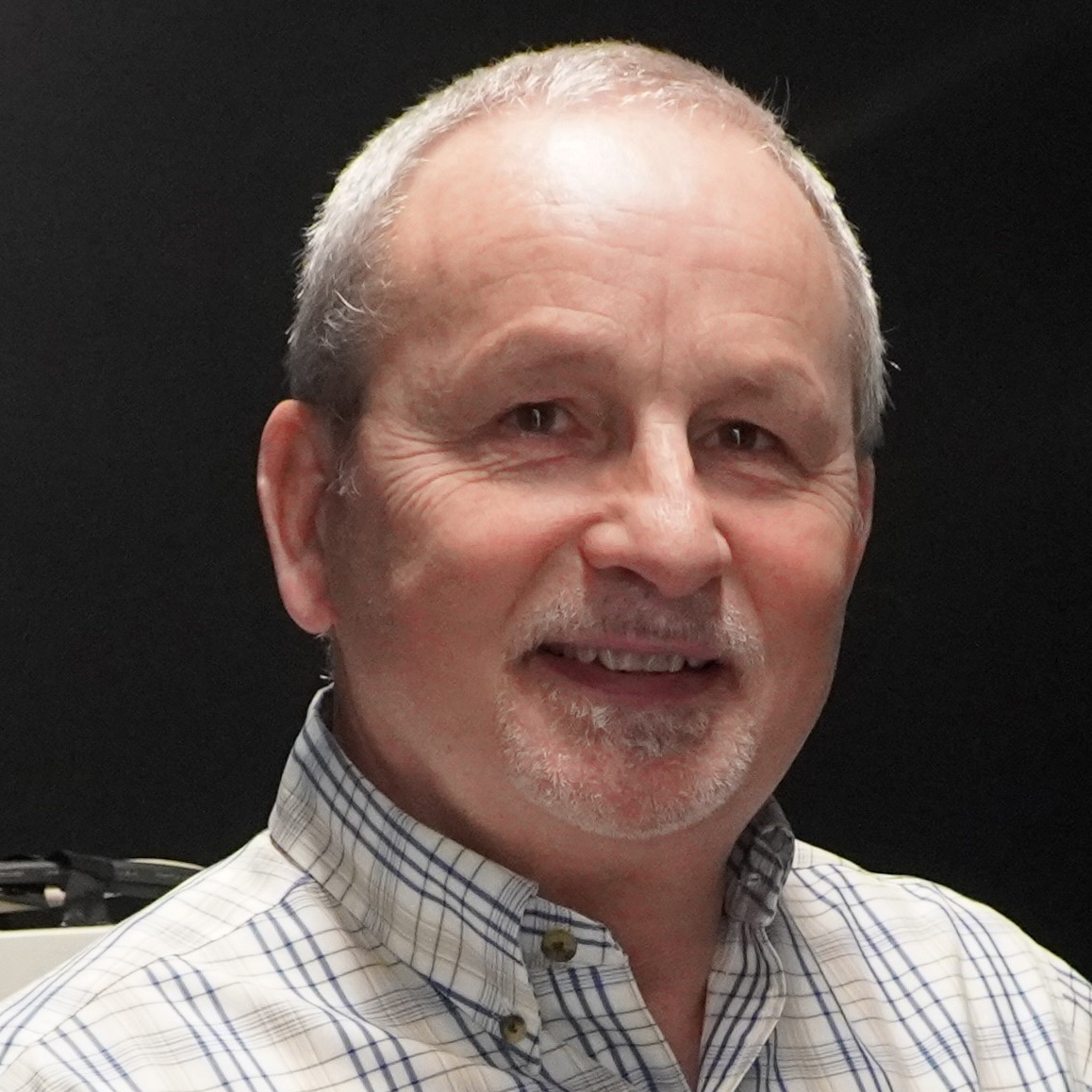
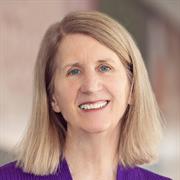
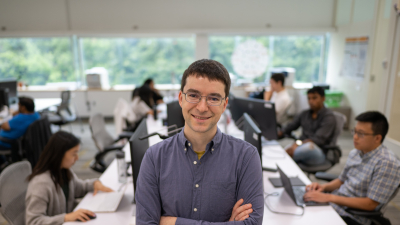
David A. Hood is a Full Professor and former Canada Research Chair in Cell Physiology (2003–2024) at York University, affiliated with the School of Kinesiology and Health Science. He is the Founding Director of the Muscle Health Research Centre (MHRC) and supervises graduate students in the Biology Graduate Program. Research Interests: His research focuses on mitochondrial biogenesis, turnover, and function in skeletal muscle. He investigates how exercise, aging, and muscle disuse affect mitochondrial health, with a particular interest in mitophagy, lysosomal function, and cellular signaling. His work spans human, animal, and cellular models, integrating physiological, biochemical, and molecular biology approaches. Recent Publication Trends: Recent publications emphasize transcriptional regulation (e.g., TFEB, TFE3, ATF4, p53), organelle crosstalk (mitochondria-lysosome interactions), and the role of exercise as 'mitochondrial medicine.' His lab explores therapeutic interventions like mitochondrial transplantation and nutrient signaling in muscle health. Scientific Awards: Canada Research Chair in Cell Physiology (2003–2024) Finalist for a prestigious national award Advising and Grants: Dr. Hood actively mentors graduate students and postdoctoral fellows. He has secured significant funding, including a $1 million CIHR grant to study mitochondria and lysosomes in muscle. His lab fosters interdisciplinary collaboration and contributes to major reviews in the field. Labs and Teams: He leads the Hood Lab at York University and co-founded the Muscle Health Research Centre (MHRC), a multidisciplinary hub promoting research on muscle function, exercise, and aging. The MHRC facilitates collaboration across departments and institutions.
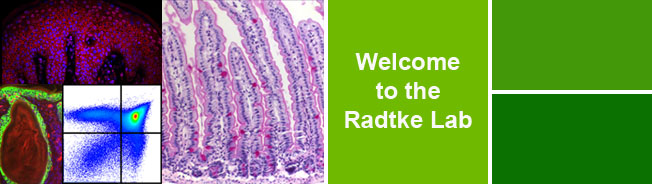
Freddy Radtke is a Full Professor at the School of Life Sciences at École polytechnique fédérale de Lausanne (EPFL), where he leads the Radtke Lab (UPRAD) within the Swiss Institute for Experimental Cancer Research (ISREC). He holds multiple affiliations across EPFL, including in the SSV-ENS and EDMS-ENS programs, reflecting his broad engagement in teaching and doctoral education in life sciences. His research is centered on the molecular mechanisms of stem cell maintenance and differentiation, particularly through the Notch signaling pathway. His work spans several self-renewing systems: the hematopoietic system, skin, and gut. Key findings include the identification of Delta-like 4 as the essential Notch1 ligand for T cell commitment, the tumor suppressor role of Notch1 in skin, and its critical function as a gatekeeper of intestinal progenitor cells by repressing CDK inhibitors. These discoveries have significant implications for understanding cancer development and regenerative processes. The recent publications highlight a consistent focus on Notch signaling across diverse biological contexts—hematopoiesis, skin development, intestinal regeneration, and stem cell systems biology. The keywords and subfields reflect deep mechanistic investigations into cell fate decisions, signal transduction, and tissue homeostasis, with strong translational relevance to cancer and inflammatory diseases. Freddy Radtke has mentored numerous Ph.D. students and is actively involved in teaching courses such as Stem Cells and Organoids and Scientific Project Design in Translational Oncology . His lab conducts research supported by external funding, and he collaborates across disciplines to integrate systems biology with stem cell research. The lab includes scientists, doctoral assistants, technicians, and administrative staff, indicating a vibrant and multidisciplinary research team.
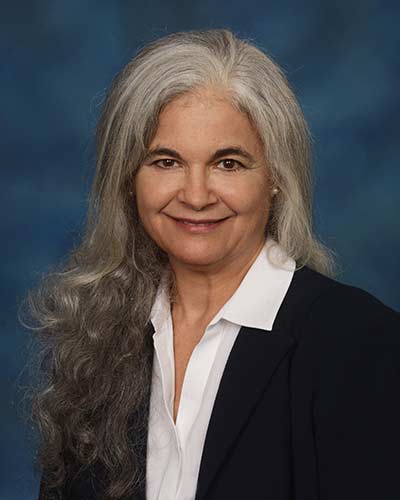
Toni M. Antalis, PhD, is a Professor in the Department of Pharmacology & Physiology at the University of Maryland School of Medicine. She serves as Associate Director of Training and Education for the Marlene and Stewart Greenebaum Comprehensive Cancer Center and Director of the Program in Molecular Medicine. Her research bridges vascular biology and cancer, focusing on membrane-anchored serine proteases and their role in tumor metastasis, inflammation, and coagulation. Doctorate in Biochemistry from Rice University Postdoctoral training in Cell Biology at Baylor College of Medicine Her laboratory investigates how protease-activated receptors (PARs) and the plasminogen activation system influence vascular disease and ovarian cancer progression. Current projects include studying fibrinolysis in thrombus resolution and developing protease-targeted therapies for metastatic ovarian cancer. Recent publications highlight roles of matriptase, testisin, and PAI-2 in tumor dissemination and vascular permeability. Dr. Antalis' research is funded by the National Institutes of Health (NIH), the Department of Defense, and a VA Merit Award. She has previously received support from the Lance Armstrong Foundation and Rivkin Center. She co-directs NIH-funded T32 and PREP programs for cancer training. Mentored numerous PhD students and postdoctoral fellows Developed engineered anthrax toxin prodrugs for ovarian cancer therapy (patents 10,568,929 and 11,013,784)
Assoc. Prof. Dietmar Pum is a leading researcher at the Institute of Biophysics, University of Natural Resources and Life Sciences, Vienna (BOKU). With a career spanning over three decades, he has pioneered work on S-layer proteins as nanobiotechnological tools and biomimetic surface functionalization. His research bridges microbiology, biophysics, and nanomaterials science. Education & Career Doctorate (1984) and Habilitation (1992) at Vienna University of Technology Awarded FEBS (1987) and EMBO (1982) fellowships Assoc. Univ. Prof. since 1997, Deputy Head of Biophysics Institute since 2014 Research Focus Dr. Pum's work centers on leveraging S-layer proteins for nanoscale fluid mechanics , molecular imprinting , and biohybrid materials . His projects explore: Self-assembly of 2D protein crystals Functionalization of carbon nanotubes Biomimetic sensor development Applications in diagnostics and environmental technology Publication Trends His recent publications (2025-2019) highlight interdisciplinary advancements in: Nanoscale biofluid dynamics Gold nanoparticle synthesis via microbial enzymes Archaeal S-layer characterization Protein-directed nanomaterials Biosensor platforms Lipid quantification via machine learning Scientific Recognition Philip Morris Research Prize (1998) Cardinal Innitzer Prize (1992) ÖAGM Prize (1986) Peer reviewer for Nature Materials , Advanced Materials , and Biophysical Journal Advising & Collaborations Dr. Pum has supervised over 15 theses, mentoring students in topics ranging from Caenorhabditis elegans imaging to nanomembrane fabrication. He leads international collaborations under EU Horizon and FWF grants, including the Stimuli Responsive Materials project (2020-2025). Labs & Networks As a core member of BOKU's Center for NanoBiotechnology and the Ludwig Boltzmann Institute for Molecular Nanotechnology , he develops bioinspired nanomaterials and contributes to global programs in molecular self-assembly.
Dr. Paul Reynolds is a Lecturer in the Cellular Medicine Division within the School of Medicine at the University of St Andrews. He is affiliated with the Sir James Mackenzie Institute for Early Diagnosis, Centre for Biophotonics, and Biomedical Sciences Research Complex. His research focuses on systems pathology and cancer, with particular emphasis on molecular changes driving disease processes. Dr. Reynolds' research interests span two primary areas: stromal factors in cancer resistance and factors in placental invasion. His work explores how the tumor microenvironment influences cancer progression and therapy resistance, with specific focus on a novel type I membrane protein expressed on stromal fibroblasts. He also investigates similar invasion mechanisms in placental development, examining how trophoblast cells interact with maternal immune cells during pregnancy. His research employs biochemistry, molecular biology, and cell biology approaches to understand disease mechanisms. His publication record shows strong focus on kidney disease mechanisms, particularly podocyte function in health and disease, as well as cancer resistance mechanisms in renal cell carcinoma. Recent work has utilized CRISPR/Cas9 screening approaches to identify factors modulating drug sensitivity. His research demonstrates interdisciplinary connections between cancer biology and reproductive biology through shared invasion mechanisms. Dr. Reynolds actively supervises postgraduate research students, with several thesis projects completed under his supervision. He serves as an external examiner for PhD students at the University of Dundee and holds editorial positions with journals including Frontiers in Physiology and Cancers. His work contributes to UN Sustainable Development Goals related to health and wellbeing, particularly through research on cancer diagnostics and treatment resistance. Dr. Reynolds maintains active research collaborations as evidenced by his extensive publication record and research projects funded by organizations including the Wellcome Trust.
Professor Tim Rogers is affiliated with the University of Bath as a faculty member in the Department of Mathematical Sciences . He is actively involved in research spanning complex systems, network theory, and stochastic processes. PhD in Random Matrix Theory from King's College London (2010) His research focuses on emergent behavior in random systems , including: Collective Behavior : Crowd dynamics, lane formation, and noise-enhanced synchronization Epidemics & Networks : Spread prediction, node risk assessment, and misinformation impacts Ecology & Evolution : Trait emergence, species boundaries, and demographic noise effects Random Matrix Theory : Spectral analysis and applications to complex systems Publication trends reflect interdisciplinary work bridging Physics, Biology, and Mathematics , with a focus on network structures , stochastic modeling , and emergence phenomena . Scientific awards include: 2015 : Editor's Choice for Europhys. Lett. 109, 28005 2016 : Highlight of Journal of Physics A 2017 : Editor's Suggestion for Phys. Rev. E 92, 032708 He has supervised numerous PhD students and postdocs on projects related to stochastic dynamics , network modeling , and mathematical biology , with ongoing grants from agencies like EPSRC and The Leverhulme Trust .
Andrew Murray is a Professor at Harvard University, affiliated with the Rowland Institute and Department of Molecular and Cellular Biology. His research focuses on evolutionary biology, genetics, and synthetic biology using budding yeast as a model organism. Primary Affiliation: Harvard University Lab: Murray Lab Collaboration: with David Nelson (Physics/MBI) Research interests include: Evolution of biological novelty through experimental evolution Cellular mechanisms for environmental adaptation Quantitative analysis of evolutionary trajectories Engineering yeast strains to test biological principles Publications span evolutionary genetics, cell biology, and biophysics with recent work on ABC transporters and yeast colony dynamics. Collaborative clinical publications also exist in cardiology and surgical outcomes. Scientific recognition includes the John Harvard Distinguished Science Fellowship .
Dr. F. Jerry Reen serves as a Senior Lecturer and Principal Investigator in the School of Microbiology at University College Cork (UCC), Ireland. With over two decades of academic experience since joining UCC's Department of Microbiology in 2002, he has established himself as a leading researcher in microbial communication systems and host-pathogen interactions. His research group operates within the BIOMERIT Research Centre, and he maintains active collaborations across multiple institutions in Ireland and internationally. Dr. Reen earned his BSc in Biochemistry at the National University of Ireland Galway (NUIG), followed by a PhD in the Molecular GlycoBiotechnology Group at NUIG, supported by an Enterprise Ireland Scholarship and an NUI Teaching Fellowship. His academic journey includes a postdoctoral position in the lab of Dr. E. Fidelma Boyd at UCC, during which he was a visiting scientist at the Sidney Kimmel Cancer Center in San Diego and received an IRCSET Postdoctoral Fellowship for bacteriophage-host interactions research. Dr. Reen's research focuses on deciphering communication systems underpinning polymicrobial-host interactions for human and ecosystem health, with particular emphasis on small molecule signaling in microbial communities. His work bridges fundamental microbiology with translational applications, targeting antimicrobial resistance through chemico-biological therapeutics and developing sustainable pharmaceutical production methods using marine biocatalysts. His research has evolved from early work on Vibrio species to current investigations of Pseudomonas aeruginosa signaling systems, bile acid interactions in cystic fibrosis, and marine enzyme applications in green chemistry. His laboratory's publication record demonstrates consistent productivity with over 80 peer-reviewed papers (h-index 26), spanning from foundational studies on LysR-type transcriptional regulators to recent innovations in virtual reality educational tools. The research trajectory reveals an expanding scope from molecular microbiology to systems-level understanding of microbial communities, with increasing emphasis on sustainable solutions for the pharmaceutical industry. Bronze LEAF Award (2022) - Green Campus University College Cork The Disciplinary Excellence in Learning, Teaching and Assessment (DELTA) Award (2021) - National Forum for the Enhancement of Teaching and Learning Purdy-Lucey UCC Life Sciences Invention of the Year 2015 (2016) Best Poster Exhibition (2012) - Royal Irish Academy National Researcher of the Year, Silver Medal (2011) - Roche BioSciences Researcher of the Year, Gold Medal (2011) - Roche Dr. Reen has successfully secured significant research funding from multiple sources including Science Foundation Ireland (SFI), Health Research Board (HRB), Enterprise Ireland, and Irish Research Council. His current projects include 'BioBloc' enhanced Contact LEns solutioNS (BBCLENS), HEACOVID19, SSPC3 Pharm5, and investigations into novel macrolides for cystic fibrosis management. He has mentored numerous graduate students, including Stephanie Flynn (PhD, 2019), Noelle McCarthy (PhD, 2009), and David Woods (MSc, 2008), with two doctoral students currently completing their research. His educational innovations, particularly student-partnered virtual reality simulations, have transformed how challenging molecular concepts are taught. Dr. Reen leads an interdisciplinary research group that combines microbiology, chemistry, bioinformatics, and education technology. His team collaborates with internal UCC colleagues including Dr. Gerard McGlacken and Prof. Anita Maguire, as well as external partners from institutions like the University of Warwick, Medical University of Graz, and University de Porto. The laboratory maintains strong connections with clinical researchers studying cystic fibrosis and has developed novel approaches for detecting bacterial signaling molecules using boron-doped diamond electrodes.
Professor Annette Byrne is a leading academic at RCSI University of Medicine and Health Sciences , where she serves as Professor of Physiology and Head of the Precision Cancer Medicine (PCM) Group. She has held this position since 2019 after progressing through roles as Lecturer (2008), Senior Lecturer (2013), and Associate Professor (2017). Her research focuses on precision medicine approaches for colorectal and brain cancers , integrating multi-modality molecular imaging , Next Generation Sequencing , and patient-derived xenograft models . PhD in Cell Biology (University of York, 1999) John Kerner Fellowship in Gynaecologic Oncology (UCSF, 1999-2001) Scientist at Pharmacyclics Inc. (2001-2003) Senior Scientist at Angion Biomedica Corp. (2003-2005) Principal Investigator at UCD Conway Institute (2005-2008) Her research interest lies in precision cancer medicine , particularly elucidating predictive biomarkers (genomic, transcriptomic, proteomic) and identifying novel therapeutic targets . Key methodologies include radiomics , fluorescence-guided surgery , and systems modeling of apoptosis pathways. She has pioneered Ireland's first Tumour Xenograft Facility and Translational In Vivo Imaging Centre . Recent publications highlight her work on cross-species radiomics , cell-free DNA analysis , and glioblastoma microenvironment subtyping . Her Marie Curie networks (Gliotrain, Glioresolve) and COLOSSUS project have trained 25+ PhD researchers in brain cancer therapeutics. Over €45M in national/international grants Member of Royal Irish Academy (2025) Highly cited in Cancer Discovery , Annals of Oncology , and Nature journals She supervises multiple PhD candidates and leads the RCSI Precision Cancer Medicine Group , which utilizes computational approaches and molecular imaging to improve cancer treatment outcomes. Her GLIORESOLVE and EDIReX projects focus on tumor microenvironment manipulation and distributed PDX infrastructure.
Dr. Celine Cano is a research-focused academic at Newcastle University's Faculty of Medical Sciences within the School of Pharmacy and Biomedical Sciences, with a distinguished career spanning nearly two decades in cancer drug discovery and medicinal chemistry. Her work centers on developing targeted therapies, particularly kinase inhibitors and MDM2-p53 interaction antagonists, with significant contributions to understanding molecular mechanisms in oncology. Her research interests encompass cancer drug discovery , medicinal chemistry , and kinase inhibitor development , with specialized expertise in covalent drug design, fragment-based screening, and structural optimization of anticancer agents. Dr. Cano has pioneered work on MDM2-p53 inhibitors, ERK5 modulators, and PROTAC technologies, focusing on enhancing therapeutic indices while minimizing toxicity through precise molecular engineering. Analysis of her 15 most recent publications (2020-2024) reveals a dominant focus on targeted cancer therapies , particularly small-molecule antagonists of protein-protein interactions (MDM2-p53) and kinase inhibitors (ERK5, Nek2, NIK). Her work demonstrates consistent innovation in covalent drug design , pharmacokinetic optimization , and structural biology approaches to overcome resistance mechanisms. Notable trends include the development of differentiated pharmacokinetic profiles in next-generation MDM2 antagonists and sophisticated linker strategies for PROTACs. Dr. Cano maintains extensive collaborative networks across Newcastle University's cancer research ecosystem, particularly with groups led by Professors Ian Hardcastle, Bernard Golding, and Steve Wedge. Her research has been instrumental in advancing multiple drug candidates through preclinical development, with several publications describing compounds that have progressed to therapeutic evaluation.
Fabian Spill is a Professor of Applied Mathematics, specializing in interdisciplinary research that bridges mathematical modeling with biomedical applications. His work spans cancer biology, metabolic pathways, and data-driven optimization for sustainable systems. Research Focus: Mathematical modeling of cancer spheroids, immune-inflammatory dynamics, and epigenetic age regression. Collaborations: Engages in cross-disciplinary projects with institutions like the Medical Research Council and Innovate UK. Projects: Leads initiatives in systems-mechanobiology, stem cell behavior prediction, and energy-efficient building design. Recent publications highlight his contributions to hybrid computational models for collagen stiffening in tumors, lactate signaling in inflammation, and interpretable machine learning frameworks for age estimation. His research aligns with UN Sustainable Development Goals, particularly those addressing health and sustainable cities.
Jonathan Weissman is a Professor of Biology at the Massachusetts Institute of Technology (MIT) and a Member of the Whitehead Institute. He is also an Investigator of the Howard Hughes Medical Institute and the Landon T. Clay Professor of Biology. His research spans protein folding mechanisms, ribosome profiling, CRISPR-based tools (CRISPRi/a), and genetic interaction mapping. Whitehead Institute Member MIT Professor HHMI Investigator Co-founder, Maze Therapeutics & KSQ Therapeutics Research Interests focus on: Protein folding in cellular contexts Endoplasmic reticulum (ER) function and stress responses Genome-wide CRISPR screening for gene regulation High-density genetic interaction maps in mammals Mitochondrial protein targeting and quality control Epigenomic engineering with synthetic tools Scientific Awards include: Protein Society Irving Sigal Young Investigator Award (2004) Raymond & Beverly Sackler Prize (2008) National Academy of Sciences election (2009) NAS Award for Scientific Discovery (2015) Genetics Society of America Ira Herskowitz Award (2020) Labs & Collaborations : Leads the Weissman Lab at MIT/Whitehead Institute, co-leads the Laboratory for Genomic Research with GlaxoSmithKline, and chairs the Stowers Institute Scientific Advisory Board.
Dr. Phyllis I. Hanson is the Minor J. Coon Professor and Chair of Biological Chemistry at the University of Michigan Medical School. She also holds secondary appointments in Neurology and Cell and Developmental Biology, with affiliations to the Rogel Cancer Center and Precision Health Initiative. Research Interests: Her lab investigates mechanisms of cellular membrane stress sensing and repair, focusing on lysosomes and the ESCRT pathway. Her work integrates biochemical, cell biological, and advanced imaging techniques to study organelle membrane dynamics in health and disease. Recent Publications highlight her contributions to understanding ESCRT function in endolysosomal trafficking, membrane resilience under osmotic stress, and protein degradation pathways. These studies intersect with neurodegeneration, cancer biology, and infectious disease. Scientific Awards: AAAS Fellow Keck Scholar Searle Scholar Sloan Scholar McKnight Scholar Grants from NIH and disease-focused foundations since 2018 support her work on ESCRT pathway analysis, HSC70 AMPylation, and signal relay during cell migration. Leadership: She co-chairs Michigan Medicine’s Endowment for the Basic Sciences and chaired the 2024 Gordon Research Conference on Lysosomes & Endocytosis. She serves as Associate Editor of the Journal of Biological Chemistry .
Janet Smith is a Research Professor at the Life Sciences Institute, University of Michigan , specializing in structural biology and biochemical mechanisms. She has made seminal contributions to understanding protein structures in natural product biosynthesis, plant peptide macrocyclization, and viral RNA degradation pathways. Ph.D. in Biochemistry from University of Wisconsin-Madison Postdoctoral work with Wayne Hendrickson at Naval Research Laboratory Former Purdue Professor of Biological Sciences Visiting Scientist at European Molecular Biology Laboratory Her research focuses on: Structural analysis of enzymes in polyketide and ribosomal peptide biosynthesis Development of synchrotron-based methods for protein crystallography Mechanistic understanding of zinc-finger antiviral protein complexes Evolutionary control of enzymatic stereoselectivity Recent publications highlight her work on: New plant protein folds enabling cyclic peptide biosynthesis (2024 Nature Chemical Biology) Structural basis for macrolactone formation in antibiotics (2024 ACS Catalysis) High-resolution bacterial carbonic anhydrase structure (2025 Acta Crystallographica) Scientific recognition includes: National Research Council Research Fellowship (postdoctoral) Collaborative leadership in structural biology facilities at GM/CA@APS beamlines She contributes to international education through lectures on structural biology and synchrotron radiation. Her collaborative work with the Ohi Lab on KHNYN-ZAP complexes reveals novel viral RNA degradation mechanisms (2024 PNAS).
Yuri Pritykin is an Assistant Professor at Princeton University, affiliated with the Lewis-Sigler Institute for Integrative Genomics and the Department of Computer Science. He also holds cross-appointments in Molecular Biology, the Omenn-Darling Bioengineering Institute, and the Center for Statistics and Machine Learning. Pritykin earned his Ph.D. in Computer Science from Princeton University (2014), alongside MSc and Ph.D. in Mathematics from Lomonosov Moscow State University. His research lies at the intersection of applied statistics, machine learning, and functional genomics, focusing on integrative analysis of multi-dimensional biological data. Research Interests: Decoding regulatory genomics in immune cells, CRISPR tool development (GuideScan2), single-cell and spatial multi-omics for immunology and cancer, post-transcriptional regulation, and cell-cell interaction profiling (uLIPSTIC technology). Awards: NSF CAREER Award (2023) NIH New Innovator Award (2022) Recognized by Princeton Ludwig Institute, Rutgers Cancer Institute, and AACR Teaching: Courses in computational biology, genomics, and machine learning applications in life sciences. His lab actively collaborates with immunologists and genomicists, seeking interdisciplinary scientists at all career stages.