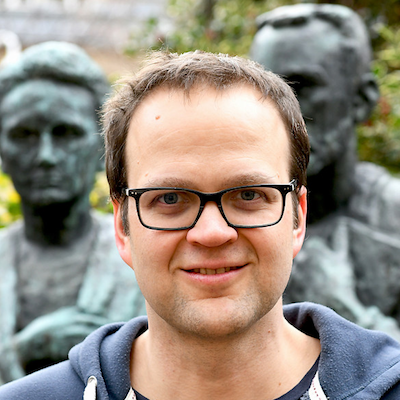
Jeffrey Beekman is a Full Professor at the University Medical Center Utrecht, specializing in translational research for chronic diseases through the Department of Pediatric Pulmonology. His work bridges basic and clinical research to develop novel diagnostics and therapeutics for conditions like cystic fibrosis (CF) and Primary Ciliary Dyskinesia. Education: PhD in Molecular Immunology (2004) Key Roles: Principle Investigator since 2010, co-founder of FAIR Therapeutics, Board Member of the Dutch Society for Stem Cell Research His research focuses on patient-derived organoid models to study disease mechanisms, validate therapeutic targets, and optimize drug development. Strategic programs include Child Health and Regenerative Medicine & Stem Cells . Recent publications highlight his work on CFTR gene therapy, organoid-based drug efficacy testing, and host-pathogen interactions in CF. Collaborations span molecular biology, clinical pulmonology, and biotech translation. Key Techniques: Organoid modeling, RNA sequencing, Forskolin-induced swelling assay Diseases Studied: Cystic Fibrosis, Colorectal Cancer Susceptibility, Primary Ciliary Dyskinesia
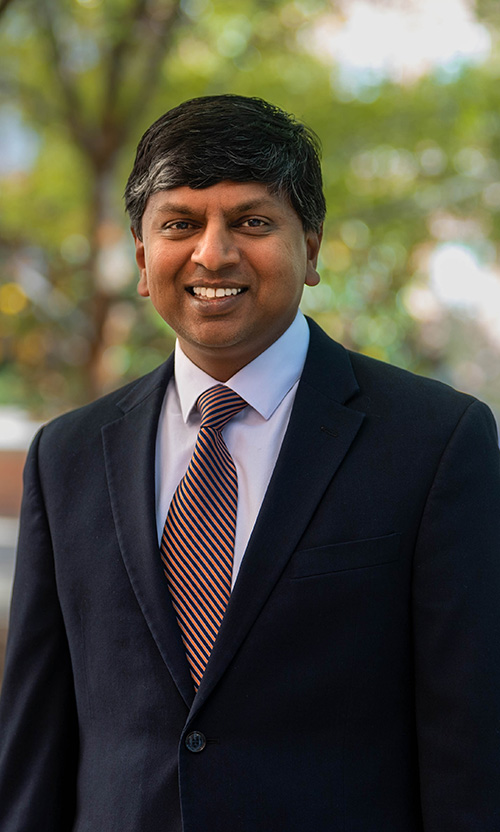
Steven R. Caliari is an Associate Professor in the Department of Chemical Engineering with a secondary appointment in Biomedical Engineering at the University of Virginia’s School of Engineering and Applied Science. He serves as the ChE Graduate Program Director and is a SEAS Copenhaver Fellow (2023). His research focuses on designing biomaterials to study cell-microenvironment interactions, addressing challenges in disease and tissue engineering. He holds a B.S. (2007, University of Florida), M.S. (2010), and Ph.D. (2013) in Chemical Engineering from the University of Illinois, followed by an NIH postdoctoral fellowship at the University of Pennsylvania. His research interests include biomaterials, mechanobiology, musculoskeletal tissue engineering, and advanced manufacturing for biological applications. His lab has pioneered viscoelastic hydrogel platforms and conductive collagen scaffolds, supported by NIH, NSF, DoD, and industry grants. Notable awards include the NSF CAREER Award (2021) and NIH MIRA (2020). Grants: NIH (NIGMS), NSF CAREER, V Foundation, UVA-Coulter Partnership Courses: Tissue Engineering (BME/CHE 4417), Transport Processes I (CHE 3321) Labs: Caliari Lab focuses on biomaterial design and mechanobiological studies His work bridges fundamental science and translational applications, emphasizing dynamic material systems for regenerative medicine and disease modeling.
Professor Linda He Hong-Gu is a faculty member at the Alice Lee Centre for Nursing Studies, Yong Loo Lin School of Medicine, National University of Singapore. As Programme Director for Master of Science (Nursing) and Doctor of Philosophy programs, she leads graduate research initiatives and co-convenes the Women and Children Health Care Research Programme. Doctor of Philosophy, University of Eastern Finland Master of Science in Nursing, University of Eastern Finland Clinical Medicine, Fujian Medical University Her research spans Women and Children Health Care , Chronic Illness Management , and Health Technology , with over 200 peer-reviewed publications. Recent work focuses on digital interventions for improving mental health outcomes, perioperative care through technology, and preventive health behaviors in maternal populations. Publications emphasize systematic reviews , meta-analyses , and mobile health applications across diverse domains: dementia care, stroke rehabilitation, cancer support, diabetes management, and pediatric surgery preparation. Collaborations span Finland, Norway, China, and Singapore. Scientific recognition includes: Fellow of American Academy of Nursing (FAAN), 2021 International Nurse Researcher Hall of Fame, 2023 Multiple Best Poster/Oral Presentation Awards (2013-2024) Teaching Excellence Awards from NUS As an active grant recipient, she has secured over S$17.9 million in research funding from organizations like NMRC, Business Finland, and National Natural Science Foundation of China, driving innovations in AI-powered VR rehabilitation , STOMA care , and psychosocial interventions .
Kjetil Taskén is a full Professor at the Institute for Clinical Medicine, Faculty of Medicine, University of Oslo , and serves as the Director of the Institute for Cancer Research, Oslo University Hospital . He leads the OUS Center for Precision Medicine in Cancer (SEPREK) since 2021 and has held multiple leadership roles in molecular medicine initiatives, including Director of the Norwegian Centre for Molecular Medicine (NCMM) and co-founder of Bioteknologisenteret. Current affiliations: University of Oslo | Oslo University Hospital Education: Dr.med. (Molecular Cell Biology) | Cand.med. | Research Leadership Course Research interests include immunoregulation in cancer , precision oncology , cellular signal transduction in disease , and drug development targeting immune checkpoints . His work bridges translational immunology and molecular oncology , with a focus on regulatory T cell modulation for cancer therapy. Scientific contributions span high-impact publications on regulatory T cell inhibition , precision medicine implementation , and signal pathway drug targeting . Recent articles highlight collaborations across Europe (PCM4EU, PRIME-ROSE) and Norway (IMPRESS-Norway), with methodological advances in tumor microenvironment modeling and mutation timing analysis . Awards : King Olav V Cancer Research Prize | Anders Jahre Medical Prize | Faculty Medal (UiO) | Norwegian Academy of Science and Letters Leadership : Director of NCMM | Founder of Bioteknologisenteret | Head of multiple national cancer research initiatives Labs and teams include the Cancer Immunology Section at Oslo University Hospital and affiliations with the K. G. Jebsen Center for B-Cell Malignancies , where he co-leads research groups.
Hatice Altug is a Full Professor at EPFL's Institute of Bioengineering within the School of Engineering, where she leads the Bionanophotonic Systems Laboratory. Her research integrates nanophotonics, plasmonics, and microfluidics to develop advanced biosensors for real-time molecular diagnostics. She holds dual roles in EPFL's doctoral programs and academic committees. Education: PhD in Applied Physics, Stanford University (2000-2007) B.S. in Physics, Bilkent University (1996-2000) Her research centers on creating label-free, high-sensitivity optical biosensors using nanophotonic technologies. Key innovations include dielectric metasurfaces for mid-infrared spectroscopy, AI-enhanced detection platforms, and portable nanoplasmonic imagers for point-of-care diagnostics. Her work bridges fundamental light-matter interactions with clinical applications like sepsis monitoring and cancer biomarker detection. Her publications emphasize nanophotonic biosensor design, metasurface applications, and single-cell analysis. Recent trends show increased focus on AI integration, vibrational spectroscopy, and wafer-scale manufacturing for clinical translation. Awards & Honors: Optical Society Fellow (2020) Presidential Early Career Award (PECASE, 2011) ERC Consolidator Grant (2016) IEEE Photonics Society Young Investigator Award (2011) She mentors numerous PhD students and leads interdisciplinary teams developing optofluidic platforms. Her laboratory pioneers nanoplasmonic microarrays and collaborates globally on projects like neurodegenerative disease biomarker detection. She co-directs EPFL's doctoral program in photonics and champions women in STEM through executive roles in diversity initiatives.
A.T. Charlie Johnson serves as the Rebecca W. Bushnell Professor of Physics and Astronomy at the University of Pennsylvania's School of Arts & Sciences, where he has been a standing faculty member since 1994. His research program focuses on nanoscale systems and has established him as a leading figure in condensed matter physics, earning recognition from major scientific societies. His educational foundation includes: Ph.D. in Physics from Harvard University (1990) B.S. in Physics from Stanford University (1984) Professor Johnson's research centers on the development and application of atomic-layer nanomaterials, particularly graphene and transition metal dichalcogenides , for fundamental studies of transport phenomena and practical biosensor applications. His group employs advanced nanofabrication techniques at Penn's Singh Center for Nanotechnology to create devices that leverage biological molecules for chemical recognition in disease diagnosis, security screening, and environmental monitoring. This work bridges condensed matter physics with biomedical engineering , yielding innovative solutions for real-world detection challenges. Analysis of his 2023-2025 publications reveals three dominant research thrusts: (1) scalable graphene-based biosensor development for medical diagnostics, (2) exploration of quantum phenomena like Klein tunneling in novel nanoelectromechanical systems, and (3) interdisciplinary applications spanning oncology, planetary science, and fetal medicine. His work consistently emphasizes materials synthesis , device integration , and practical translation of nanoscale phenomena. His scientific contributions have been recognized with prestigious honors: Defense Science Study Group Fellow (2018-2019) Fellow of the American Association for the Advancement of Science (2017) Fellow of the American Physical Society (2011) Lindback Foundation Award for Distinguished Teaching (2003) David and Lucille Packard Foundation Fellowship (1994-1999) As an educator, Professor Johnson has mentored numerous graduate students and postdoctoral researchers, with notable alumni like Michael Biercuk (founder of Q-CTRL). His research has been supported through significant leadership roles including Director of the Nano/Bio Interface Center (2014-2017) and Packard Fellowship funding, enabling sustained innovation in nanotechnology. His group actively collaborates across disciplines to advance both fundamental understanding and practical applications of nanomaterials. Based at the Singh Center for Nanotechnology, Johnson leads a dynamic research team utilizing state-of-the-art facilities for nanofabrication and characterization. His laboratory maintains strong campus collaborations through secondary appointments in Electrical and Systems Engineering and Materials Science and Engineering, fostering an interdisciplinary environment for developing next-generation nanoscale devices.
Professor Ravi Shukla is a faculty member at RMIT University's School of Science, holding the title of Professor and Deputy Head of Department (Research). He specializes in Nanobiotechnology, with research spanning biomaterials, drug delivery systems, and medical diagnostics. His work integrates biosciences, materials science, and food technology to advance understanding of nanomaterial-biomolecular interactions. Academic History: Professor Shukla has held roles at RMIT since 2011, progressing from Research Fellow to his current professorship. He also serves as an Adjunct Professor at the University of Missouri and Theme Leader for Nanobiotechnology at RMIT’s Center for Advanced Materials and Industrial Chemistry. His teaching focuses on fostering student belonging and innovation in biotechnology education, including coordinating RMIT’s undergraduate Biotechnology program. Research Interests: His lab explores hybrid biomaterial synthesis, nano-enabled proteomics, and non-viral gene therapy using MOFs. Recent work emphasizes applications in diabetes biosensing, CRISPR/Cas9 delivery, and antimicrobial resistance mitigation through nanostrategies. Over 130+ publications and substantial research funding highlight his interdisciplinary impact. Professional Engagement: Editor roles in Frontiers in Bioengineering and Biotechnology , Co-Editor-in-Chief of Current Research in Nutrition and Food Science , and advisor to the Australasian Association of Ayurveda underscore his leadership. He actively mentors students in projects like nano-antimicrobial wound healing and aptamer-based hepatitis A detection. Key Achievements: Pioneered nucleic acid-encapsulated MOFs for cancer therapy and developed paper-based biosensors for rapid diagnostics. His work aligns with UN Sustainable Development Goals 2 (Zero Hunger) and 3 (Good Health).
Professor Roland J. Pieters is a distinguished academic at Utrecht University's Faculty of Science, where he serves as a full Professor in the Department of Chemical Biology and Drug Discovery. With over two decades of experience at the institution, he has progressed from Assistant Professor (1998) to Associate Professor (2005) and ultimately to Full Professor (2010-present). His research group is internationally recognized for groundbreaking work at the intersection of carbohydrate chemistry, chemical biology, and drug discovery, with particular emphasis on developing novel therapeutic approaches against bacterial infections and pathogenic mechanisms. Full Professor, Utrecht University (2010-present) Associate Professor, Utrecht University (2005-2010) Assistant Professor, Utrecht University (1998-2005) NWO Talent Post-doctoral Fellow, ETH-Zürich (1995-1996) Postdoctoral Researcher, University of Groningen (1996-1998) Professor Pieters earned his M.Sc. in Organic Chemistry from the University of Groningen in 1990, where he worked with Professor Ben Feringa, and completed his Ph.D. at MIT in 1995 under the supervision of Professor Julius Rebek Jr. His doctoral research focused on molecular recognition and template effects in bisubstrate systems, establishing the foundation for his lifelong interest in molecular interactions. Professor Pieters' research primarily centers on glycodrugs and the strategic interference with protein-carbohydrate interactions using multivalent systems of varying architectures. His laboratory has made significant contributions to understanding how rigid spacers in multivalent ligands can dramatically enhance binding affinity to target proteins, with applications against viral and bacterial adhesion proteins, toxins, galectins, and glycosidases. A particular focus has been on developing inhibitors for Pseudomonas aeruginosa lectin LecA, cholera toxin, influenza virus hemagglutinin, and more recently, SARS-CoV-2 spike protein interactions with host cell receptors. His group also pioneered the use of glyco- and peptide-microarrays for high-throughput screening of carbohydrate-protein interactions and drug discovery, particularly in the area of O-GlcNAcylation research. The publication record of Professor Pieters demonstrates consistent innovation in the field of multivalent carbohydrate-based therapeutics. His recent work (2020-2024) shows a strategic expansion into viral pathogenesis (particularly influenza and SARS-CoV-2), immune modulation through glycan recognition, and novel approaches to vaccine development. A notable trend is the increasing sophistication of multivalent architectures, moving from simple divalent systems to tetra- and hexavalent ligands with precisely engineered spatial arrangements. His research bridges fundamental chemical principles with practical therapeutic applications, maintaining strong connections to pharmaceutical development while advancing basic science understanding of carbohydrate-mediated biological processes. Professor Pieters' scientific achievements have been recognized with prestigious awards including a Fellowship from the Royal Netherlands Academy of Arts and Sciences (KNAW) in 1999 and a VICI personal grant from the Netherlands Organisation for Scientific Research (NWO) in 2008. These competitive awards reflect the significance and innovation of his research program. He has also served on editorial advisory boards, notably as Section Editor-in-Chief for Chemical Biology in the journal Molecules (2018-2022), contributing to the scholarly community through peer review and academic leadership. Fellowship of Royal Netherlands Academy of Sciences (KNAW), 1999 VICI, personal grant, NWO, 2008 Section Editor-in-Chief Chemical Biology for Molecules (2018-2022) Throughout his career, Professor Pieters has coordinated significant research projects including the EU project POLYCARB and secured competitive funding that has sustained his innovative research program. His laboratory has fostered numerous collaborations across Europe and internationally, creating a vibrant research environment that has trained many scientists now working in academia and industry. His research on multivalent carbohydrate systems represents a sustained intellectual contribution to chemical biology with direct relevance to developing new anti-infective strategies and therapeutic approaches. Professor Pieters leads an active research group within Utrecht University's Department of Chemical Biology and Drug Discovery, situated in the David de Wied Building. His laboratory maintains strong connections with other research groups both within Utrecht University and internationally, particularly in the fields of glycobiology, infectious diseases, and drug discovery. The research environment he has cultivated emphasizes interdisciplinary approaches, combining synthetic chemistry, biophysical analysis, and biological testing to address fundamental questions in carbohydrate-mediated biological processes with therapeutic applications.
Sara Perkins, MD is an Associate Professor of Dermatology at Yale School of Medicine and serves as Assistant Residency Director for the Dermatology program. She is a board-certified dermatologist practicing general medical dermatology at Yale Medicine's Department of Dermatology. Dr. Perkins earned her undergraduate degree in Economics and Biology from the University of Pennsylvania, followed by her MD from Icahn School of Medicine at Mount Sinai in 2014. She completed her Internal Medicine internship at Massachusetts General Hospital and Dermatology residency at Yale-New Haven Hospital, with additional research fellowship training at Tisch Cancer Center. Her clinical expertise focuses on skin cancer prevention, screening, and treatment, with special emphasis on melanoma management. She also addresses sun-related skin conditions including pigmented lesions and photoaging. Dr. Perkins is particularly passionate about helping patients achieve optimal skin health, stating: 'I love helping patients with skin disease achieve their healthiest and best-looking skin.' Her sole listed publication (2024) demonstrates her commitment to medical education, specifically developing dermatology curricula based on student preferences and identifying learning gaps. This work appears in Medical Science Educator and represents her scholarly contribution to medical education methodology. Board Certified in Dermatology (American Board of Dermatology, 2018) Featured in 2024 'Top Doctors' List As Assistant Residency Director, Dr. Perkins plays a key role in training the next generation of dermatologists. She is also involved in clinical research as a Sub Investigator for the 'Molecular Markers of UV Exposure and Cancer Risk in Skin' study (HIC ID 2000024848), which completed primary data collection in March 2024. Dr. Perkins contributes to specialized clinical programs including the Dermatology Psoriasis Treatment Program and the Skin & Kidney Cancer Program at Yale, demonstrating her integration into multidisciplinary care teams focused on complex dermatological conditions.
Dr. Bob Beitle Jr. is a Professor of Chemical Engineering and Senior Associate Vice Chancellor for Research and Innovation at the University of Arkansas. He joined the department in 1993, earned tenure in 1998, and was promoted to Full Professor in 2006. His research spans biochemical engineering , bioseparation , fermentation , and adaptive technology for the disabled , with significant work on protein purification, catalytic nanoparticles, and sustainable bioprocesses. Education: BS, MS, PhD in Chemical Engineering from the University of Pittsburgh (1987, 1991, 1993) Dr. Beitle's research combines experimental and computational approaches, focusing on peptide-directed nanoparticle synthesis and biocatalysis . His recent publications highlight advancements in MOF-based separations , CO2 capture materials , and viral detection platforms . He has secured grants like the CAREER Award and led projects in industrial partnerships and student development . Scientific contributions include multiple patents in bioseparation and software interfaces. Awards span decades: teaching honors (1988–2007) and mentorship recognition . He serves on the Cell and Molecular Biology Program Advisory Committee and the Executive Committee for the Biochemical Technology Division of ACS . Lab initiatives involve genomic data-driven affinity tail design and membrane-assisted fermentation systems .
Thomas Walter is a Professor at Mines ParisTech and Director of the Centre for Computational Biology (CBIO) , a research group affiliated with the Institut Curie and INSERM . His work focuses on applying Machine Learning and Computer Vision to biomedical image analysis, particularly in high-content screening and computational pathology . He also serves as Deputy Director of the Computational Oncology (U1331) unit and leads the Statistical Learning and Modeling of Biological Systems team. PhD in Medical Image Analysis (2003, Mines ParisTech) Postdoctoral work at EMBL (European Molecular Biology Laboratory) Director of CBIO since 2018 Holder of a PRAIRIE Chair (Paris Artificial Intelligence Research Institute) since 2019 Dr. Walter's research bridges biomedical imaging , machine learning , and cancer genomics . Key areas include: Statistical reconstruction of biological networks Prediction of tumor progression at genomic/transcriptomic levels Development of deep learning methods for cell cycle analysis Integration of multi-omics data for precision oncology Tools for spatial transcriptomics (e.g., autoFISH, RNA2seg) Recent publications highlight his work in spatial transcriptomics , immunotherapy outcome prediction , and deep learning for digital pathology . His team has developed open-source tools like FISH-quant and pyHiM for single-molecule RNA imaging analysis. Scientific Honors: PRAIRIE Chair (2019) for AI research in life sciences Dr. Walter actively contributes to teaching deep learning for image analysis in multiple graduate programs across France, including courses at Mines ParisTech , Université Paris-Saclay , and Institut Curie . His software tools (FISH-quant, pyHiM) and methodological frameworks (e.g., Cut-Detector, PointFISH) have become standard resources in bioimage informatics.
Denise Esserman is a Professor of Biostatistics at the Yale School of Public Health, where she joined the faculty in 2014. She is a member of the Yale Center for Analytical Sciences and collaborates with multiple departments at the Yale School of Medicine, including the Clinical and Translational Science Award Program, Patient-Centered Outcomes Research Institute, and the Cancer Center. Her research focuses on methodological aspects of clustered randomized trials and sample size calculations. Education: PhD in Biostatistics from Columbia University (2006) MS in Statistics from University of Georgia (2001) Dr. Esserman's research interests span several critical areas in biostatistics and public health methodology. She specializes in clustered randomized trials, with particular expertise in understanding how intraclass correlation coefficients (ICC) and other factors impact sample size calculations. Her work extends to longitudinal studies methodology, randomized controlled trial design, and sampling techniques. She has contributed significantly to statistical methods for clinical trials, healthcare data analysis, and public health research. Her interdisciplinary approach bridges theoretical statistics with practical applications in healthcare settings. Analysis of Dr. Esserman's recent publications reveals a strong focus on methodological innovations in clinical trial design and analysis, particularly for cluster-randomized trials. Her work spans healthcare applications including fall injury prevention in elderly populations, opioid use disorder treatment in international settings, pain management for hemodialysis patients, and validation of medical coding algorithms. She frequently employs advanced statistical techniques including Bayesian methods, mediation analysis, and methods for handling clustered data. Her research demonstrates a consistent commitment to improving the rigor and applicability of statistical methods in public health and clinical research. Dr. Esserman serves as a reviewer for several prestigious journals including the American Journal of Epidemiology, Arteriosclerosis, Thrombosis and Vascular Biology; Statistics in Biopharmaceutical Research; Clinical Trials; and Obesity. As a member of the Yale Center for Analytical Sciences, Dr. Esserman collaborates with numerous researchers across Yale University. Her current projects include the EQuIP trial (HIC ID 2000033355), where she serves as Sub Investigator with primary completion date of 08/31/2027, focusing on mental health and behavioral research for sexual minority women.
João F. Mano is a Full Professor at the Department of Chemistry, University of Aveiro, and Director of the Doctoral Program on Biotechnology. He leads the COMPASS Research Group and serves as Vice-Director at CICECO - Aveiro Institute of Materials. His academic appointments include Invited Professor at University of Lorraine (France), Visiting Professor at KAIST (South Korea), and Adjunct Professor at Ajou University (South Korea). Education: PhD in Chemistry (1996, Technical University of Lisbon); D.Sc. in Tissue Engineering, Regenerative Medicine and Stem Cells (2012, University of Minho) Research Interests focus on Biomaterials for Regenerative Medicine , integrating Nanotechnology , Microtechnology , and Biofabrication . His group develops Bioinspired Materials using polymer chemistry, Decellularized Extracellular Matrix , and 3D Bioprinting to engineer Cell Microenvironments for therapeutic applications. Recent Publications highlight advancements in Human-Derived Hydrogels , Photopolymerizable Scaffolds , Magneto-Responsive Biomaterials , and Programmable Bioinks . Trends show emphasis on Organ-on-a-Chip integration, Smart Living Materials , and Green Bioprinting methodologies. Scientific Awards include: European Research Council Advanced Grants (2015, 2020) Fellow at IUPAC, European Academy of Sciences, and American Institute of Medical and Biological Engineering ERC Proof of Concept Grants Doctor Honoris Causa from University of Lorraine and Utrecht UNESCO Chair on Biomaterials George Winter Award (European Society for Biomaterials) Supervisions & Collaborations encompass 74+ MSc, 26+ PhD students, and 40+ postdocs. He co-founded METATISSUE and CELLULARIS Biomodels , and serves as Editor-in-Chief of Materials Today Bio .
Allan David serves as the John W. Brown Professor of Chemical Engineering and Associate Dean for Research at Auburn University's Samuel Ginn College of Engineering. His leadership extends across academic administration and cutting-edge nanomedicine research, with a focus on translating laboratory discoveries into clinical applications. His educational foundation includes: Ph.D. in Chemical Engineering, University of Maryland B.S. in Chemical Engineering, University of Maryland Dr. David's research program pioneers nanomedicine applications through the development of smart materials for cancer diagnostics and therapy. His work spans nanoparticle-based MRI contrast agents , ocular drug delivery systems , and vaccine delivery platforms , with particular emphasis on optimizing physicochemical properties for targeted biological interactions. Current projects address critical healthcare challenges including safer contrast agents for patients with kidney impairment and precision cancer targeting mechanisms. Analysis of his 15 most recent publications reveals a cohesive research trajectory centered on magnetic nanoparticles and biomimetic delivery systems . The work demonstrates increasing translational focus, evolving from fundamental nanoparticle characterization (2020-2021) to clinically relevant applications like ocular delivery and cancer theranostics (2022-2024), culminating in commercialization efforts through NanoXort, LLC. Dr. David has secured significant research funding including an $184,773 grant from the Alabama Department of Economic and Community Affairs (ADECA) for developing cardiovascular MRI agents. He leads collaborative efforts that bridge chemical engineering with biomedical innovation, notably co-founding NanoXort, LLC to commercialize safer MRI contrast agents addressing gadolinium toxicity concerns for renal-impaired patients. His laboratory operates at the intersection of chemical engineering and medicine, focusing on nanoparticle-cell interactions and targeted delivery systems. The research group maintains strong industry partnerships through the NanoXort startup, which has secured $1 million NSF funding to advance MRI contrast agent technology toward clinical implementation.
Prof. Alexander Geissler holds the position of Full Professor of Health Care Management at the School of Medicine (Med-HSG) within the University of St. Gallen. His research focuses on health systems research, health economics, and health policy, with particular emphasis on digital transformation in healthcare and patient-reported outcomes. He has contributed extensively to studies on healthcare quality improvement, public reporting systems, and the integration of artificial intelligence in medical diagnostics and screening programs. His work spans topics like optimizing hospital digital maturity (e.g., German DigitalRadar project), analyzing surgical outcomes (robotic vs. open prostatectomies), and evaluating patient empowerment through quality information. He has pioneered methodologies for interpreting patient-reported outcomes (e.g., EQ-5D-3L) and designing clinical dashboards to enhance care delivery. Recent research highlights include investigating AI applications in breast cancer screening and cost-effectiveness of remote patient monitoring post-joint replacement surgery. Geissler’s publications demonstrate a strong focus on healthcare policy implications, such as hospital capacity planning, payment systems for specialized care, and cross-country comparisons of healthcare transparency initiatives. His work frequently bridges academic rigor with practical policy recommendations, particularly in Switzerland and Germany. Notably, he has addressed low-value care reduction, price sensitivity in healthcare demand, and the socio-demographic factors influencing healthcare utilization. While no specific awards are listed, his prolific research output reflects sustained leadership in health systems analysis. His academic contributions are disseminated through the Alexandria Research Platform and international peer-reviewed journals.