B. Montgomery Pettitt is a Professor in the Department of Biochemistry and Molecular Biology at the University of Texas Medical Branch (UTMB). His research spans biophysics, chemical physics, and computational science, focusing on DNA compaction in bacteriophages, protein folding mechanisms, and multiscale modeling of biomolecular systems. Education: BS in Chemistry and Mathematics from University of Houston (1975), PhD in Physical Chemistry from University of Houston (1980) Postdoctoral Training: University of Texas (1980-1983), Harvard University (1983-1985) Research interests center on thermodynamic barriers in viral DNA packaging, protein solubility and phase transitions, and multiscale computational methods linking atomic and macroscopic properties. His work has implications for genomics, nanotechnology, and therapeutic delivery systems. Key publication themes include DNA conformational dynamics, protein collapse thermodynamics, solvation energetics, ion pair interactions in protein-DNA complexes, and validation of continuum-solvent models. These studies employ computational approaches and experimental data integration. His laboratory develops theoretical frameworks and computational tools to analyze solute-solvent interactions, leveraging proximal distribution functions and activity models to understand biological processes across disparate length and time scales.
Professor Cathy Ye is an Associate Professor of Engineering Science at the University of Oxford and Director of the Oxford Centre for Tissue Engineering and Bioprocessing (OCTEB) . She is also a Fellow of Linacre College , with research focusing on Tissue Engineering , Biomaterials , and Bioreactor Design for regenerative applications. Her research spans in vitro cancer modeling , bone-cartilage interface development , and smart bioreactor systems for cell therapy. Current projects include SimCells for Cultured Meat under the Tissue Engineering group, supported by grants like the BBSRC award and EPSRC First Grant (EP/H021442/1). She teaches C10 Biosystem Modelling , C23/BME2 Tissue Engineering , and B17/BME1 Biomechanics while leading lab modules for the MSc in Biomedical Engineering. Her publications cover extracellular vesicle purification , antimicrobial biomaterials , and 3D tumor models , reflecting her interdisciplinary approach to biomedical engineering challenges.
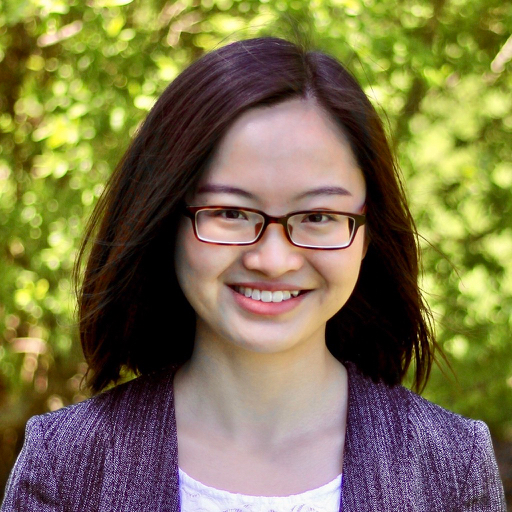
Pixu Shi is an Assistant Professor in the Department of Biostatistics and Bioinformatics at Duke University's School of Medicine. Previously, they served as a Visiting Assistant Professor in the Department of Statistics at the University of Wisconsin-Madison (2018-2020) and as a Postdoctoral Researcher in the Department of Biostatistics at the University of Wisconsin-Madison (2016-2018). Dr. Shi earned their PhD in Biostatistics from the University of Pennsylvania in 2016 under advisor Hongzhe Li. They also hold an MS in Biostatistics from the University of Pennsylvania (2015), an MS in Statistics from Rutgers University (2012), and a BS in Statistics from Peking University (2010). Dr. Shi's research focuses on developing statistical methods for Microbiome Research, Longitudinal/Temporal Omic Data analysis, Integration of Omic Data, Spatial Omics, and High-dimensional Statistical Inference. Their work bridges statistical theory with practical applications in biomedical research, particularly in microbiome studies where they've made significant contributions with the TEMPTED (TEMPoral TEnsor Decomposition) method. The article trends show a strong focus on microbiome analysis, statistical methodology development, and applications in obesity, infectious disease, and cancer research. Their most recent work (2024-2025) demonstrates expertise in tensor decomposition methods, longitudinal data analysis, and integrating microbiome data with clinical outcomes across diverse areas including adolescent obesity, viral infections, and cancer metastases. Dr. Shi has secured multiple substantial research grants from major institutions including the National Institutes of Health (NIMH, NIAID, NCI, NIDDK, NIA), totaling over a decade of continuous funding for projects related to microbiome research, HIV/AIDS, cancer biomarkers, and metabolic studies. They actively contribute to education through teaching courses such as BIOSTAT 905: Linear Models and Inference at Duke University and previously taught statistics courses at the University of Wisconsin-Madison. Dr. Shi has also organized specialized workshop series including Quantitative Methods for HIV/AIDS, Microbiome, Immunology, and Cancer Bioinformatics.
Cynthia D. Rudin is the Gilbert, Louis, and Edward Lehrman Distinguished Professor of Computer Science at Duke University, with joint appointments in the Departments of Electrical and Computer Engineering, Statistical Science, Mathematics, and Biostatistics & Bioinformatics. She directs the Interpretable Machine Learning Lab and has held previous positions at MIT, Columbia, and NYU. Her educational background includes: Undergraduate degree from the University at Buffalo PhD from Princeton University (2004) Research Interests: Dr. Rudin's research focuses on interpretable machine learning and its applications across multiple domains. Her work emphasizes creating machine learning models whose reasoning processes people can understand, which includes algorithms for extremely sparse models, interpretable neural networks, interpretable matching methods for causal inference, and dimension reduction for data visualization. She applies these techniques to critical societal problems in healthcare, criminal justice, materials science, and other domains. Her lab has developed practical code for sparse models such as decision lists, decision trees, and additive models that provably optimize accuracy and sparsity. Dr. Rudin's recent publications (2024-2025) demonstrate a strong focus on interpretable AI applications across diverse fields including healthcare (mortality risk scores, breast cancer prediction), materials science (metamaterials design), and environmental justice (location-based health analysis). Her work consistently emphasizes practical implementations with real-world impact, particularly in high-stakes decision-making domains where model transparency is critical. Scientific Awards: Squirrel AI Award for Artificial Intelligence for the Benefit of Humanity (2022) - often described as the "Nobel Prize of AI" INFORMS Society on Data Mining Prize (2024) Guggenheim Fellowship (2022) Three-time winner of the INFORMS Innovative Applications in Analytics Award (2013, 2016, 2019) Winner of the 2023 John M. Chambers Statistical Software Award for PaCMAP Winner of the 2024 Award for Innovation in Statistical Programming and Analytics Dr. Rudin has advised numerous PhD students and postdocs who have co-authored significant publications with her. Her lab has received substantial funding for projects applying interpretable machine learning to healthcare (seizure prediction in ICU patients), criminal justice (crime series analysis), and energy infrastructure (underground electrical distribution networks). Her work on the Series Finder algorithm has been adapted by the NYPD and has been running live in NYC since 2016. She directs the Interpretable Machine Learning Lab at Duke, which includes the Almost-Matching-Exactly Lab focused on interpretable causal inference. Her team develops practical code implementations for all their research, emphasizing usability and real-world application in critical domains.
Ann Bostrom is a Professor at the Daniel J. Evans School of Public Policy and Governance, University of Washington. Previously, she served as Associate Dean for Research at Georgia Tech's Ivan Allen College of Liberal Arts (1992-2007) and co-directed the National Science Foundation's Decision Risk and Management Science Program (1999-2001). Her work bridges environmental policy, risk communication, and decision-making under uncertainty. Education: Ph.D. in Public Policy Analysis (Carnegie Mellon University), M.B.A. (Western Washington University), B.A. in English (University of Washington), Postdoctoral studies in Engineering and Public Policy (Carnegie Mellon) and Cognitive Survey Methodology (Bureau of Labor Statistics) Bostrom's research focuses on risk perception , environmental policy , and decision-making under uncertainty , particularly in climate change, natural disasters, and science communication. She has pioneered mental models approaches to risk assessment and contributed to understanding public attitudes toward carbon emissions, weather hazards, and astronaut health risks. Her scientific awards include the 2020 Distinguished Educator Award and 1997 Chauncey Starr Award (both from the Society for Risk Analysis), and fellowships from AAAS, WSAS, and SRA. She has received research funding from the National Science Foundation, EPA, and NIH. Bostrom leads or co-leads multiple NSF-funded initiatives, including the Cascadia Coastlines and Peoples Hazards Research Hub and the NSF AI Institute for Trustworthy AI in Weather, Climate, and Coastal Oceanography (AI2ES) . She serves on advisory committees for AAAS, Washington State Academy of Sciences, National Renewable Energy Laboratory, and NCAR's Mesoscale & Microscale Meteorology Lab.
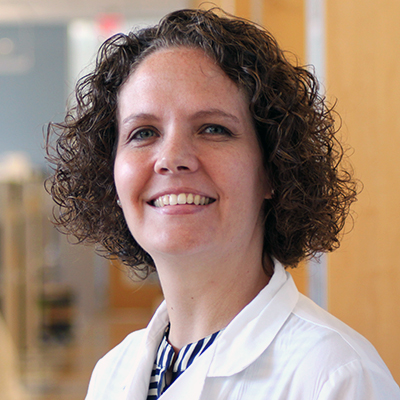
Geneive Henry is a Jamaican-American chemist and the Charles B. Degenstein Professor of Chemistry at Susquehanna University since 2017. She received her Ph.D. in Organic Chemistry (1998) and B.Sc. in Chemistry (First Class Honors, 1993) from the University of the West Indies (Mona). Her academic journey includes postdoctoral fellowships at Harvard University and the University of Rhode Island, and visiting appointments at Lincoln University. Her research focuses on natural product and medicinal chemistry , particularly investigating antioxidant mechanisms, enzyme inhibition (tyrosinase, SARS-CoV-2 Mpro), and anticancer properties of chromene, quinoline, and thymol derivatives. She has secured multiple NSF and Cottrell grants for NMR instrumentation and chemical investigations of Pennsylvania Hypericum species. 2024 : CUR Fellows Award for Undergraduate Research Leadership 2020 : CUR Outstanding Mentorship Award 1998 : IODE Fellowship (Canada), Best Ph.D. Poster & Thesis (UW-I) She has mentored over 40 undergraduate researchers and co-authored 15+ peer-reviewed publications with students since 2015. Her work spans bioinorganic chemistry , pharmacognosy , and computational drug design , with recurring themes in antioxidant activity , DNA interaction studies , and metal complexation .
Geoff Higgins is a Professor of Clinical Oncology at the University of Oxford, where he leads the Higgins Group in the Department of Oncology. He is also the Malcolm & Margaret Howat Professor of Clinical Oncology and an Honorary Consultant Clinical Oncologist at Oxford University Hospitals NHS Trust. His research focuses on enhancing radiotherapy efficacy through laboratory and clinical investigations, including repurposing existing compounds and developing novel treatments. MBChB, MRCP, FRCR, DPhil Pharmacology & Medicine, University of Edinburgh (1997-2000) Research Interests: Higgins' work addresses the tumor microenvironment, particularly hypoxia and genomic instability in cancer cells. His team explores combination therapies with radiotherapy, such as mitochondrial inhibitors and Polθ-targeting agents, aiming to translate discoveries into clinical trials with functional imaging and genomic monitoring. Key Publications: Recent studies highlight his group's breakthroughs in radiosensitization mechanisms, including Polθ inhibition for BRCA-deficient cancers and Atovaquone's role in tumor oxygenation. These works span disciplines from molecular biology to clinical translation. Honors: Clinician Scientist Fellowship (Cancer Research UK) Advanced Clinician Scientist Fellowship (Cancer Research UK) Royal College of Radiologists/CRUK Clinical Research Fellowship Academic Leadership: Higgins supervises DPhil and MRes students while mentoring postdoctoral researchers. Former trainees now hold prestigious roles at institutions like Memorial Sloan Kettering Cancer Center and Harvard University. His collaborative network includes the CRUK National Cancer Imaging Translational Accelerator, where he serves as joint-lead investigator.
Mats Bemark is a Senior Lecturer at Lund University's Department of Translational Medicine and a researcher at the Lund University Cancer Centre (LUCC). He is also part of the teaching staff for the Medical Programme at Lund University, with his office located at Waldensstömsms gata 35, Malmö. His research focuses on B cell immunology with particular emphasis on gut-associated lymphoid tissue and mucosal immunity. Dr. Bemark's work explores how microbiota influences B cell immunity, germinal center formation, and immunoglobulin production across various anatomical sites. His research footprint demonstrates strong expertise in: B Cell Immunology and Microbiology (100%) Gut Medicine and Dentistry (63%) Germinal Center Immunology (46%) Immunoglobulin A production (46%) Memory B Cell development (36%) Mouse Immunology models (31%) Dr. Bemark has published extensively with 80 research outputs including 63 articles and 9 review articles. His recent work spans from understanding nasal turbinate immunity to gut-associated lymphoid tissue function and cancer immunology, demonstrating both breadth and depth in immunological research. His research has gained significant attention with mentions in news outlets and substantial engagement on academic social media platforms, reflecting the impact of his contributions to the field of immunology and translational medicine.
Anita Rauch is a Full Professor of Medical Genetics and Director of the Institute of Medical Genetics at the University of Zurich. Her research focuses on the genetic and molecular mechanisms underlying severe neurodevelopmental disorders and hereditary breast cancer, utilizing genome sequencing and human induced pluripotent stem cell (iPSC) models. Current projects include: Genetic causes and molecular mechanisms in severe intellectual disability Praeclare (genetic variant clarification for prenatal medicine) SwissGenVar (clinical genetic variant interpretation platform) Hereditary breast cancer in Switzerland Her work is funded by the Swiss National Science Foundation (SNSF). She leads a multidisciplinary team conducting functional studies on novel candidate genes (e.g., CYFIP2, TMEM94) and exploring genotype-phenotype correlations through iPSC-derived neuronal models. Key research trends in her publications include: Clinical trials for cancer therapies (colon, esophageal, pancreatic, breast) Pharmacogenetic determinants of chemotherapy toxicity Non-inferiority trial design methodology Genetic variant interpretation in personalized medicine She mentors PhD and Master’s students in medical genetics and contributes to the advancement of precision oncology and neurogenetics through translational research.
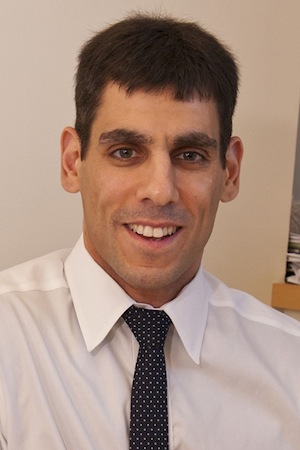
Ramy Arnaout, MD, DPhil , is an Associate Professor of Pathology at Beth Israel Deaconess Medical Center (BIDMC) and Harvard Medical School (HMS) , where he also holds affiliations with the Department of Systems Biology and Division of Clinical Informatics . As director of the Arnaout Laboratory for Immunomics and Informatics , he leads research at the intersection of systems immunology , machine learning , and clinical pathology . Education: SB in Mathematics, MIT DPhil in Biochemistry, Oxford University (Marshall Scholarship) MD, Harvard Medical School (Soros Fellow) Research Interests focus on decoding adaptive immunity through high-throughput sequencing of antibody and T-cell receptor repertoires, applying information theory and network analysis to understand immune dynamics in aging, cancer, and infections. His systems medicine work leverages real-world hospital data to optimize diagnostics and therapeutic strategies. Scientific Awards include the Reagan-Udall Foundation Grant for accelerating COVID-19 test approval, the Gordon and Betty Moore Foundation Award for BIDMC-UCSF collaboration, and prestigious fellowships like the Marshall Scholarship and Soros Fellowship . Advising & Grants highlight mentorship of computational biologists and a lab supported by NIH, American Heart Association, Massachusetts Life Sciences Center, and industry partners. His team has developed 3D-printed swabs and machine learning frameworks for immune repertoire analysis during the pandemic. Lab Structure includes 5–10 members spanning immunologists, computer scientists, and physicians. Collaborations extend to Dr. Rima Arnaout (UCSF), Dr. James Kirby (BIDMC), and institutions like Duke AI Health and Kapa Biosciences.
Kristy M. Ainslie, PhD, is a Professor in the Department of Pharmacoengineering and Molecular Pharmaceutics at the University of North Carolina at Chapel Hill's Eshelman School of Pharmacy and a member of the UNC Lineberger Comprehensive Cancer Center. Her research develops immune-modulatory therapies using biomaterials to treat infectious and autoimmune diseases as well as cancer, with explicit focus on scalable production for resource-limited settings globally. Dr. Ainslie's work integrates biomaterials science and immunology to engineer practical drug delivery systems, particularly using acetalated dextran (Ac-DEX) platforms. Her lab specializes in creating microparticles and nanofibers for antigen/vaccine delivery, cancer immunotherapy, and autoimmune disease treatment, prioritizing formulations adaptable to developing nations. Recent advancements include electrospray techniques for non-denaturing protein encapsulation and machine learning models for predicting drug release kinetics. Her publication trajectory reveals consistent innovation in nanomedicine, with increasing emphasis on translational applications. Key trends include acid-responsive polymer systems for controlled therapeutic release, scalable manufacturing methods for global vaccine access, and immune-modulation strategies targeting T-regulatory cells for autoimmune conditions like multiple sclerosis. Dr. Ainslie's accolades include: Sato Memorial International Award (2023) Controlled Release Society Fellow (2022) American Institute for Medical and Biological Engineering Fellow (2021) OSU Council of Graduate Students Distinguished Faculty Advising Award (2012) She actively mentors PhD and Master's students, with recent advisees including Nicole Rose Lukesh, Sophie Mendell, and Ryan Woodring. Her lab comprises postdoctoral researchers like Pamela Tiet and Monica Johnson, supported by collaborative projects with institutions including Ohio State University. While specific grants aren't detailed, her high-impact publications and lab operations indicate substantial external funding. The Ainslie Lab, headquartered at 4012 Marsico Hall, drives translational nanomedicine through interdisciplinary teams. It maintains active outreach initiatives like school science demonstrations and hosts international collaborators, reflecting its commitment to education and global health impact.
Justin Milner, PhD, serves as Assistant Professor in the Department of Microbiology and Immunology at the University of North Carolina at Chapel Hill School of Medicine and is a member of the UNC Lineberger Comprehensive Cancer Center. His research develops novel approaches to enhance cancer immunotherapies through multi-omics and bioengineering techniques. Education: Postdoctoral Fellowship, UCSD PhD, UNC Chapel-Hill BS, UNC Chapel-Hill Dr. Milner's lab investigates molecular drivers of T cell differentiation and function within tumor microenvironments, utilizing cutting-edge genomics, bioengineering, and computational immunology. His work focuses on reprogramming T cell activity to overcome immunotherapy resistance in cancers, with particular emphasis on epigenetic regulation and metabolic adaptations of tumor-infiltrating lymphocytes. Recent projects explore hydrogel-based delivery systems for immunotherapeutics and transcriptional networks governing T cell exhaustion. Analysis of his 15 most recent publications reveals dominant themes in cancer immunotherapy enhancement, particularly through T cell engineering (7/15 articles), tumor microenvironment modulation (5/15), and computational approaches to T cell biology (3/15). Key methodologies include single-cell multi-omics, in vivo screening, and biomaterial-based drug delivery systems targeting solid tumors. Scientific Awards: NIH NCI K99/R00 Pathway to Independence Award V Foundation Scholar Award Lung Cancer Initiative Career Development Award UNC Lineberger Innovation Award Multiple institutional pilot awards including Hirschberg Foundation and Mary Kay Ash Awards Dr. Milner currently advises three graduate students and multiple postdoctoral researchers while leading an NIH-funded R01 project ($2.79 million) investigating epigenetic regulation of T cell exhaustion. His lab maintains active collaborations across computational medicine and pancreatic cancer research programs at UNC. The Milner Lab operates within the UNC Lineberger Comprehensive Cancer Center, utilizing core facilities for single-cell genomics, murine tumor modeling, and bioengineering. Current team includes seven researchers focused on T cell reprogramming strategies for solid tumor immunotherapy.
Ruohui Chen, PhD, is an Assistant Professor in the Department of Preventive Medicine (Biostatistics and Informatics) at Northwestern University's Feinberg School of Medicine, where he develops advanced biostatistical methodologies and leads collaborative research in oncology and chronic disease. His educational background includes: PhD from University of California San Diego (2023) Dr. Chen specializes in large-scale healthcare data analysis, functional/longitudinal data methods, predictive modeling, and causal inference. His collaborative work addresses cancer treatment disparities, Alzheimer's disease mechanisms, kidney disease progression, and activity pattern impacts on health outcomes through rigorous statistical frameworks. His 2025 publications demonstrate cross-disciplinary applications: analyzing socioeconomic factors in bone cancer prognosis, testing physical activity interventions for cardiovascular health in postmenopausal women, evaluating novel lymphoma immunotherapies, and optimizing aspirin dosing for colorectal cancer prevention. These studies consistently bridge methodological innovation with clinical oncology and public health challenges. No major scientific awards are documented in the current profile. Professional activities include editorial board service for Taylor & Francis (2024-present) and American Statistical Association membership (2016-present), with prior leadership as UC San Diego chapter president (2020-2023). Research grant details and student mentorship information are not provided. Dr. Chen operates within collaborative oncology research networks at Feinberg, though specific laboratory structures are not detailed in available materials.
Kari Vaahtomeri is a University Researcher at the University of Helsinki, affiliated with the Molecular and Integrative Biosciences Research Program and the CAN-PRO Translational Cancer Medicine Program. He serves as a Cellular Communication Supervisor in the Doctoral Programme in Integrative Life Science, focusing on lymphatic biology, immune cell migration, and tumor-endothelial interactions. Research Programs: Molecular and Integrative Biosciences, CAN-PRO Translational Cancer Medicine Supervision: Doctoral Programme in Integrative Life Science His research explores the lymphatic system's role in cancer metastasis, immune cell transmigration, and vascular network development. Key areas include chemokine signaling, endothelial cell dynamics, and the molecular mechanisms of antigen presentation in tumors. Recent publications highlight his work on lymphatic endothelial multicellular junctions, melanoma-lymphatic crosstalk, and AMPK signaling in lung cancer immune evasion. His projects span from 2017 to 2027, funded by the Sigrid Jusélius Foundation and the Academy of Finland. Key Collaborations: IST Austria, international lymphatic research networks Activities: Oral presentations at conferences, academic visits to research institutions
Alessandra Luchini serves as Professor in George Mason University's School of Systems Biology and the Center for Applied Proteomics and Molecular Medicine (CAPMM), where she pioneers nanotechnology solutions for cancer and infectious disease diagnostics. Her work bridges biomolecular interface engineering with clinical translation through advanced proteomic platforms. Education Ph.D. from University of Padova, Italy Research Focus : Dr. Luchini's program centers on nanoproteomics for biomarker discovery, specifically developing hydrogel-based affinity capture systems to detect urinary biomarkers of Lyme disease, Chagas disease, and tuberculosis. Her lab innovates in biomimetic membrane models using neutron reflectometry to study pathogen-host interactions, while translating findings into point-of-care diagnostic devices through CAPMM's clinical partnerships. Publication Trends : Recent work (2024-2025) reveals three converging trajectories: (1) urinary peptide diagnostics for tick-borne illnesses validated against clinical symptom scores, (2) engineered nanoparticle networks for pathogen sequestration in blood/plasma, and (3) membrane biophysics studies enabling targeted drug delivery. This integration of basic membrane science with clinical proteomics defines her translational approach. Awards 2023 SCHEV Outstanding Faculty Award for Virginia higher education Research Leadership : As CAPMM principal investigator, Dr. Luchini directs NIH-funded projects developing FDA-cleared diagnostic platforms. Her team collaborates with CDC on Babesia diagnostics and with oncology centers on field cancerization proteomics, while mentoring postdocs in nanoparticle engineering and mass spectrometry techniques. Infrastructure : The CAPMM core facility houses state-of-the-art mass spectrometers, neutron reflectometers, and GMP-compliant nanoparticle synthesis equipment, supporting her lab's work on urinary biomarker validation and affinity capture technology development.