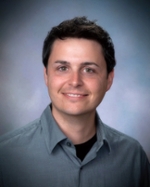
Dr. Martin Fascione is a Reader in Chemistry at the University of York. He leads research at the interface of chemistry and biology, focusing on chemical glycobiology and glycomedicine. His work employs synthetic chemistry, enzymology, and bioconjugation to study carbohydrate roles in disease and develop therapeutic tools. Research interests include the chemical glycobiology of nonulosonic/sialic acids, synthetic and enzymatic carbohydrate chemistry, and protein bioconjugation. His group investigates bacterial pathogen recognition, tumor metastasis, and immunological responses mediated by glycans. Recent publications demonstrate a focus on bacterial glycans, enzyme mechanisms, glycoconjugate therapeutics, and diagnostic tools. Trends include structural enzymology, chemoenzymatic synthesis, glycan-based sensors, and bioorthogonal chemistry applications. Awards: ERC Consolidator Grant (2022) Marie Curie International Outgoing Fellowship (2012-2014) Dr. Fascione directs an interdisciplinary lab collaborating with structural biologists and clinicians. His ERC grant supports research on pseudaminic acid sugars in infectious diseases.
Dr. Anne-Marie Nicol is an Associate Professor of Professional Practice in Health Sciences at Simon Fraser University. Her multidisciplinary research spans health communication, toxicology, social marketing, risk perception, and risk assessment, with emphasis on environmental and occupational health exposures. She leads CAREX Canada, a national carcinogen surveillance program, and has developed public health campaigns including Wash with Care and Tick Talk. Her work focuses on translating scientific information about carcinogens to policymakers and cancer prevention stakeholders. She teaches Human Health Risk Assessment, Toxicology for Public Health, and Health Communication. Her research has been funded by CIHR, Michael Smith Foundation, and Canadian Cancer Society. Current projects include studies on radon exposure, infodemic communication strategies, and community resilience to wildfire smoke. She holds a BA from SFU, MES from York University, and PhD from UBC.
Dr. Francisco Vitor Santos da Silva is a Senior Lecturer at University College Cork (UCC), Ireland, with a joint appointment between the School of Microbiology and the School of Engineering and Architecture. He holds a PhD from Otto von Guericke University Magdeburg (2017, Summa Cum Laude) and a first-class honours degree from Federal University of Paraná (2012). His research focuses on reducing uncertainty in bioprocess development through hybrid modelling techniques combining first-principles and statistical inference. He has contributed to novel strategies for monoclonal antibody capture and sustainable biopharmaceutical production. Key academic milestones include a FAPESP postdoctoral fellowship (2018) and leadership roles in the Bernal Bio Labs at University of Limerick. His work has been published in journals like Journal of Chromatography A and supported by grants from FAPESP and CAPES. He actively engages in science communication, including Wikipedia contributions and public outreach events. Dr. da Silva teaches bioprocess design using modern data-driven approaches and serves as a peer reviewer for multiple journals. His research spans bioprocess optimization, PAT implementation, and sustainable chemical/biotechnological processes for food and pharmaceuticals. Education: BSc (Hons) Bioprocess Engineering & Biotechnology, Federal University of Paraná (2012) PhD (Summa Cum Laude), Otto von Guericke University Magdeburg (2017) Awards: Top Student of the Year Award, Federal University of Paraná (2012) Summa Cum Laude PhD Distinction (2017) Grants: FAPESP Postdoctoral Fellowship (2018) CAPES Brazil grants His professional activities include organizing international conferences, reviewing PhD funding applications, and advising on industry collaborations. He leads UCC's efforts in integrating cutting-edge simulation tools into bioprocess education and research.
Norbert O. Reich is a Distinguished Professor in the Department of Chemistry & Biochemistry at the University of California, Santa Barbara (UCSB), affiliated with the College of Letters and Science. He joined UCSB in 1987 after completing his Ph.D. at UCSF in 1984 and an NIH postdoctoral fellowship there. His research focuses on enzyme mechanisms, particularly DNA methylation and telomerase, with applications in antibiotic and cancer therapy design. He also develops innovative chemical biology tools, including gold nanoshell-based drug delivery systems and fluorescence-based protein tracking methods. Education: Ph.D. in Chemistry from UCSF (1984). Awards: Regent's Junior Faculty Fellowship (1987), American Cancer Society Faculty Research Award (1991), UC President's Award for Excellence in Undergraduate Research (1994). Research Interests: Epigenetic regulation via DNA methylation in bacteria and mammals Enzyme mechanisms of DNA methyltransferases (e.g., DNMT3A, CcrM) Design of therapeutic inhibitors targeting epigenetic enzymes Light-controlled delivery of proteins/RNA via gold nanoshells Protein-DNA interaction analysis using microfluidic arrays Awards and Recognition: His honors reflect contributions to both research and education, emphasizing his dual impact in science and teaching. Lab and Collaborations: Leads the Reich Lab, collaborating with researchers like Tom Pettus (UCSB) and Erkki Ruoslahti. Projects include antibiotic development, cancer epigenetics, and nanotechnology-driven drug delivery. Future Work: Expanding applications of nanoshell technology for targeted gene silencing and exploring allosteric inhibitors of DNMT3A for cancer treatment.
Paula Mendes is a Professor of Advanced Materials and Nanotechnology at the University of Birmingham's School of Chemical Engineering. She leads the interdisciplinary Mendes Research Group, focusing on nanoscience, biosensors, and nanotechnology applications in healthcare. Her work bridges engineering, chemistry, and biology to address challenges in biofouling, molecular diagnostics, and medical technologies. She is affiliated with the Healthcare Technologies Institute (HTI), advancing translational research in regenerative medicine and diagnostics. Education: MSc (1997) and PhD (2002) in Chemical Engineering from the University of Porto. Postdoctoral research at the University of Birmingham and UCLA under Fraser Stoddart. Academic career at Birmingham since 2006, promoted to Professor in 2013. Research Interests: Development of electrically switchable surfaces for on-demand biosensing Nanomaterials for cancer diagnostics and molecular imprinting Anti-biofouling materials and nanoelectrocatalysts for fuel cells Integration of nanotechnology with biological systems Awards: ERC Advanced Grant (2024), IChemE Global Award (2016), Women in Tech Academic Award (2019), and over 100 published manuscripts. Advising & Grants: Supervises doctoral students in molecular diagnostics and biosensor development. Holds grants including EPSRC Leadership Fellowship and ERC Consolidator/Advanced Grants. Her group collaborates across disciplines to translate nanotechnology into clinical applications. Labs/Teams: Mendes Research Group at the University of Birmingham, part of the HTI network. Active in editorial roles for journals like Responsive Materials and ChemBioEng Reviews .
Sara Kazmi is an Assistant Professor of English at the University of Pennsylvania, with affiliations in Comparative Literature and Literary Theory, and Gender, Sexuality, and Women's Studies. Her interdisciplinary research bridges literary studies, performance, and history to examine anticolonial and Marxist literary movements in South Asia. Focuses on Panjabi writers from India/Pakistan (1960s-70s) Co-editor of 'Digital Teaching Tools' for Revolutionary Papers PhD from University of Cambridge in Criticism and Culture Expertise in oral traditions, manuscript studies, and postcolonial resistance Research Interests explore how marginal literary traditions challenge nationalist and capitalist structures. Her work engages: Anticolonial print cultures Queer and trans theory in South Asian contexts Ghadar movement's transnational legacy Language politics and regional autonomy Archival studies and ethnographic methods Her publications demonstrate expertise in: Marxist literary radicalism Gendered reinterpretations of folk narratives Decolonial approaches to epidemiology and spatial studies
Ulrich Lächelt is an Assistant Professor in the Department of Pharmaceutical Sciences at the Faculty of Life Sciences. His research focuses on nanoparticle technology, drug delivery systems, and gene therapy, with a particular emphasis on CRISPR/Cas9 genome editing and RNA-based therapeutics. He leads a project on nanoformulations of prime editing ribonucleoproteins (2025–2029), aiming to advance precision medicine. His work contributes to UN Sustainable Development Goals, particularly in health and innovation. Research Interests: Nanoparticle design and material science CRISPR/Cas9 delivery systems siRNA and mRNA therapeutic formulations Cancer-targeted drug delivery Biomedical engineering applications Publications (2025–2023): Highlighted studies include dual pH-responsive CRISPR delivery systems and accelerated endosomal escape mechanisms. His work spans 40+ peer-reviewed articles, with recent trends focusing on xenopeptide carriers and tumor-targeted therapies. Grants & Projects: Current research funding includes a nanoformulations project (2025–2029). He actively collaborates on international initiatives, with recent presentations at global conferences on CRISPR delivery and gene editing strategies. Labs/Teams: Involved in interdisciplinary teams developing novel drug delivery platforms and screening tools for prime editor RNPs.
Pankaj Mehta is a Professor in the Department of Physics at Boston University, with additional affiliations in the Department of Biomedical Engineering. His research bridges statistical physics, theoretical biology, and interdisciplinary systems approaches. Key areas include ecological dynamics, synthetic biology, and the application of machine learning principles to biological systems. His work focuses on understanding emergent phenomena in biological systems, such as cell fate decisions, ecosystem stability, and signal processing in cellular networks. He has pioneered methods combining physics-based modeling with computational tools to study complex systems, including gene circuits, microbial communities, and cancer dynamics. Recent contributions highlight the use of order parameters for interpreting cellular states, geometric frameworks for ecological niches, and machine learning analogies to ecological principles. His interdisciplinary approach integrates experimental data with theoretical models to address questions in biomedicine, environmental science, and fundamental physics.
Sanjana Mudduluru is an Assistant Professor in the School of Computer Science at the University of Oklahoma (OU). She holds a BS from Jawaharlal Nehru Technological University (India), an MS in Data Science & Analytics, and a PhD in Computer Science, all from OU. Her research focuses on applying computer vision and machine learning to biomedical imaging, particularly in cancer research and medical diagnostics. She has extensive experience in software development and programming. Education: Ph.D., Computer Science, University of Oklahoma M.S., Data Science & Analytics, University of Oklahoma B.Tech, Computer Science, Jawaharlal Nehru Technological University Her research interests span machine learning, medical image processing, data analytics, and computer science education. She explores innovative deep learning models for medical image segmentation, classification, and synthetic data generation to enhance AI efficacy in healthcare. Recent work includes hybrid models for computer-aided diagnosis and self-supervised learning for rock image analysis. Awards: Dissertation Excellence Award (2023) Tomorrows Engineer Scholarship (2021–2022) CS Alumni Graduate Fellowship (2021–2022) Dr. Mudduluru has no listed advisees but has contributed to grants related to biomedical imaging research. She is affiliated with OU’s Devon Energy Hall and actively publishes in interdisciplinary fields blending computer science with healthcare applications.
Sarah C. Hull, MD, MBE is an Associate Professor of Medicine (Cardiology) at Yale School of Medicine, where she serves as Associate Director of the Program for Biomedical Ethics and Cardiology Course Director. She is affiliated with the Department of Internal Medicine, Cardio-Oncology Program, Cardiovascular Imaging Program, and Yale Cancer Center. Education: AB, Biochemical Sciences, Harvard University (2003) MD, University of Pennsylvania School of Medicine (2008) MBE, University of Pennsylvania School of Medicine (2008) Residency, Hospital of the University of Pennsylvania (2011) Fellowship, Yale University School of Medicine (2014) Her research and scholarly work focus on bioethics in cardiology and public health, with key interests in end-of-life care, LVAD deactivation, shared decision-making in cardio-oncology, nutrition ethics, vaccine ethics, and reproductive health ethics. She advocates for integrating ethical frameworks into clinical cardiology practice and medical education. Her work often addresses moral uncertainty, physician-patient communication, and systemic inequities in healthcare access. Recent publications highlight trends in cardioethics , exploring AI's role in moral agency, ethical boundaries in medicine, and curriculum development for ethics training in cardiology. She also contributes to cardio-oncology research, particularly in predicting cardiovascular outcomes in cancer survivors using advanced imaging. Scientific Awards: Bohmfalk Prize for Teaching in Basic Sciences (2021) Sarah C. Hull is actively involved in medical education and ethics leadership. She advises on clinical ethics policy and collaborates with interdisciplinary teams across Yale. She has no listed advisees or grants in the provided text, but her role as Associate Director suggests mentorship and program leadership. She is part of research teams in cardio-oncology and ethics, contributing to collaborative publications. Labs and Teams: She collaborates with researchers in the Cardio-Oncology Program and the Program for Biomedical Ethics, and is a frequent co-author with experts in cardiology, neurology, and oncology at Yale.
Doron Betel serves as an Assistant Professor at Weill Cornell Medicine's Graduate School of Medical Sciences, with affiliations in both the Physiology, Biophysics & Systems Biology and Computational Biology programs. He directs the Applied Bioinformatics Core (ABC), a central service group providing specialized computational and analytical support for biomedical research across multiple institutions. Dr. Betel's research focuses on developing computational genomic tools for studying human diseases and cellular development, with emphasis on integrative analyses of genomic and epigenomic data from high-throughput assays. His work addresses specific questions related to disease progression, treatment response, stem cell differentiation, and neurological processes through two closely interacting research groups: the Applied Bioinformatics Core and his independent research lab. The analysis of his recent publications reveals a strong emphasis on single-cell and spatial genomics, cross-species data integration, and machine learning applications in cancer immunology and neurodegenerative disease modeling. His research spans multiple high-impact areas including cancer immunotherapy, stem cell biology, diabetes research, and cardiovascular regeneration, with numerous publications in top journals like Nature, Cell, and Nature Immunology. Through the Applied Bioinformatics Core, Dr. Betel provides extensive analytical support across various genomic platforms including single-cell RNA-seq, spatial transcriptomics, ChIP-seq, ATAC-seq, and variant calling. The Core serves as a vital resource for researchers at Weill Cornell Medicine and the broader Tri-Institutional network, offering specialized analysis, computational pipelines, and training services. Dr. Betel maintains extensive collaborations with leading researchers including Lorenz Studer at MSKCC for stem cell and neurodegenerative disease research, Tuomas Tammela for cancer genomics, and multiple immunology researchers studying T cell function in autoimmunity and cancer. His work bridges computational methodology development with direct biomedical applications across multiple disease areas.
Dr. Anna Baldycheva is a Senior Lecturer in Electronic Engineering at the University of Exeter, within the College of Engineering, Mathematics and Physical Sciences. She leads the interdisciplinary STEMM Laboratory, focusing on applied R&D in smart materials, photonics, AI, and IoT. With prior research experience at MIT, Trinity College Dublin, and Tyndall National Institute, she has established herself as an internationally recognized innovator and entrepreneur in emerging technologies. PhD in Electronic and Electrical Engineering, Trinity College Dublin (2008–2012) BSc (Hons) in Physics, St. Petersburg State University (2003–2008) Postgraduate Certificate in Academic Practice, University of Exeter (2016–2017) Postgraduate Certificate in Technology Management, Smurfit Business School (2009–2010) Her research spans Nano-Engineering, Opto-Electronics, Photonics, AI, and IoT , with a strong emphasis on real-world applications. She pioneers work in fluid opto-electronics , graphene nanocoatings , and AI-driven emotion recognition and early cancer detection . Her lab develops smart composite materials for flexible electronics, e-textiles, and structural applications, integrating machine learning into healthcare, education, and communications systems. The recent publications highlight a strong trend toward applied interdisciplinary innovation , combining materials science with AI and photonics for healthcare diagnostics, energy-efficient computing, and educational technology. Her work frequently bridges fundamental physics with commercialization potential, as seen in spin-out technologies like GSurf and the Electronic-Nose for lung cancer detection. Fellow, Royal Microscopical Society (RMS) Fellow, Higher Education Academy (FHEA) Expert, Future and Emerging Technologies, European Commission Featured in Forbes and Forbes Tech Council Editor-in-Chief, InSTEMM Journal Associate Editor, Nature Scientific Reports and Discover Nano Trustee, Royal Microscopical Society Founder, STEMM Global Scientific Society Founder, It’s Her! Women in STEMM Initiative Dr. Baldycheva actively supervises PhD students and has secured industrial collaborations with organizations such as Qinetiq and Lumentum. She leads multiple outreach initiatives, including STEMM Junior for underprivileged children, and serves on the committee for the Jocelyn Bell Brunel PhD Scholarship. She has raised significant research funding through national and international grants, though specific grant names are not listed. She leads the STEMM Laboratory , a multidisciplinary research group with divisions in Smart Composite Materials, Machine Learning & AI, and Opto-Electronics & Photonics. The lab emphasizes industry collaboration and technology transfer, having produced a university spin-out (GSurf) and multiple media-highlighted innovations.
Xin Lu is the John M. and Mary Jo Boler Collegiate Associate Professor in the Department of Biological Sciences at the University of Notre Dame. She is a full member of the Harper Cancer Research Institute (HCRI), the Boler-Parseghian Center for Rare and Neglected Diseases (CRND), and the Tumor Microenvironment and Metastasis Program at the Indiana University Simon Comprehensive Cancer Center. Her research spans tumor immunology, immunotherapy, metastasis, and multi-omics, with a focus on prostate, breast, and rare cancers. Ph.D. in Molecular Biology, Princeton University (2004–2010) B.S. in Biological Sciences, Tsinghua University, China (2000–2004) Postdoctoral Fellow, Dana-Farber Cancer Institute and M.D. Anderson Cancer Center (2010–2016) Assistant to Associate Professor, University of Notre Dame (2017–Present) Dr. Lu's research investigates the molecular and cellular mechanisms of tumor-immune crosstalk, particularly the role of myeloid-derived suppressor cells (MDSCs) and neutrophils in promoting immunotherapy resistance. Her lab uses genetically engineered mouse models, functional genomics, single-cell and spatial transcriptomics, and high-throughput screening to uncover novel therapeutic targets. A major focus is on how cancer-cell-intrinsic oncogenic signaling shapes the immunosuppressive tumor microenvironment. Her recent publications reveal mechanisms such as Acod1-mediated ferroptosis resistance in neutrophils, Pygo2-driven immunosuppression in prostate cancer, and the efficacy of ketogenic diets in overcoming checkpoint blockade resistance. These studies span multiple disciplines including cancer biology, immunology, metabolism, epigenetics, and bioengineering, reflecting a highly integrative approach to immuno-oncology. Jane Coffin Childs Postdoctoral Fellow John M. and Mary Jo Boler Faculty Appointment Cluster Chair, Cellular & Molecular Biology, IBMS PhD Program Junior Chair, Boler-Parseghian Center for Rare and Neglected Diseases Dr. Lu mentors a diverse team of graduate students, postdoctoral fellows, and undergraduates. Her lab is actively recruiting and has secured funding from federal agencies and private foundations. She collaborates with chemists, bioengineers, and bioinformaticians to develop novel therapeutics, including antibody-drug conjugates, CAR-NK cells, and small-molecule inhibitors. Her lab also develops innovative platforms like mini-tumor chips for immunotherapy evaluation. Her lab maintains affiliations with multiple interdisciplinary centers including the Warren Family Center for Drug Discovery, Eck Institute for Global Health, and Berthiaume Institute for Precision Health, underscoring her collaborative and translational research vision.
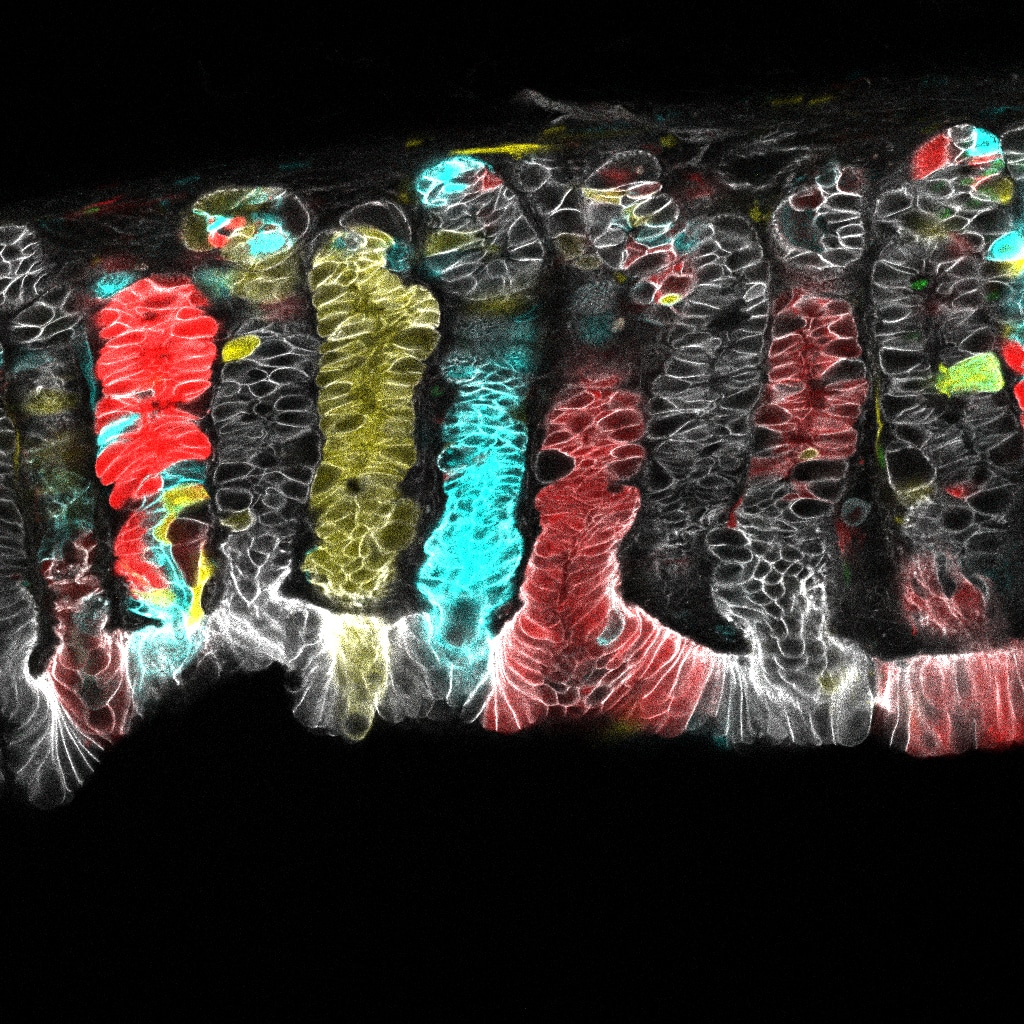
Benjamin Simons is the Royal Society EP Abraham Professor and Herchel Smith Professor of Physics at the University of Cambridge. He serves as Director of the Gurdon Institute, Senior Group Leader at the Gurdon Institute, Principal Investigator at the Cambridge Stem Cell Institute, and member of the Theory of Condensed Matter physics group. He is also a Fellow of St. John's College, Cambridge. His research integrates quantitative approaches from physics and mathematics with experimental biology to investigate stem cell fate regulation in tissue development, maintenance, and cancer pathogenesis. Research focuses on: Stochastic cell fate decisions in epithelial tissues Self-organization principles in tissue morphogenesis Single-cell lineage tracing and gene expression analysis Mathematical modeling of stem cell dynamics Cancer initiation through stem cell reprogramming Publication analysis reveals consistent themes: spatial dynamics of stem cell niches, mechanical regulation of cell fate, computational modeling of tissue organization, and evolutionary principles in cancer development. Recent work emphasizes in vivo lineage tracing, single-cell omics, and interdisciplinary approaches bridging physics and biology. Scientific Awards: Fellow of the Royal Society (FRS) Fellow of the Academy of Medical Sciences (FMedSci) Leads an interdisciplinary research group combining wet-lab experiments (lineage tracing, single-cell genomics) with theoretical modeling. Research supported by EPSRC, MRC, Wellcome Trust, Cancer Research UK, and Royal Society grants. Current projects include gliomagenesis mechanisms, spermatogenic wave regulation, and injury response pathways co-opted in cancer.
Nathaniel Nucci is an Associate Professor at Rowan University's College of Science & Mathematics, jointly appointed in the Department of Biological & Biomedical Sciences and Physics & Astronomy. His research bridges biophysics, structural biology, and nanotechnology to understand protein behavior in confined environments. Education Ph.D., Biochemistry and Molecular Biophysics, University of Pennsylvania M.S., Biochemistry and Molecular Biology, University of New Hampshire B.S., Biochemistry and Molecular Biology, University of New Hampshire Research Interests Dr. Nucci's lab focuses on: Protein biophysics in crowded/confining environments Reverse micelle technology for biomolecular studies Hydration dynamics of proteins (NMR-based methods) Structural biology of disease-related proteins (PHDs, p53) Drug delivery systems for protein therapeutics Nanoparticle synthesis with protein conjugation Research Trends His recent publications demonstrate expertise in using reverse micelles to study: Protein structural stability under confinement Hydration dynamics of therapeutic proteins Microenvironmental effects on phase-separating proteins Conformational changes in GPCRs Interfacial interactions in biomolecular systems Scientific Awards Gary J. Hunter Excellence in Mentoring Award (2024) College of Science and Mathematics Excellence in Academic Student Support (2022) Teaching Philosophy Emphasizes applied and experiential learning, integrating recent scientific discoveries into classroom practice and promoting hands-on scientific investigation.