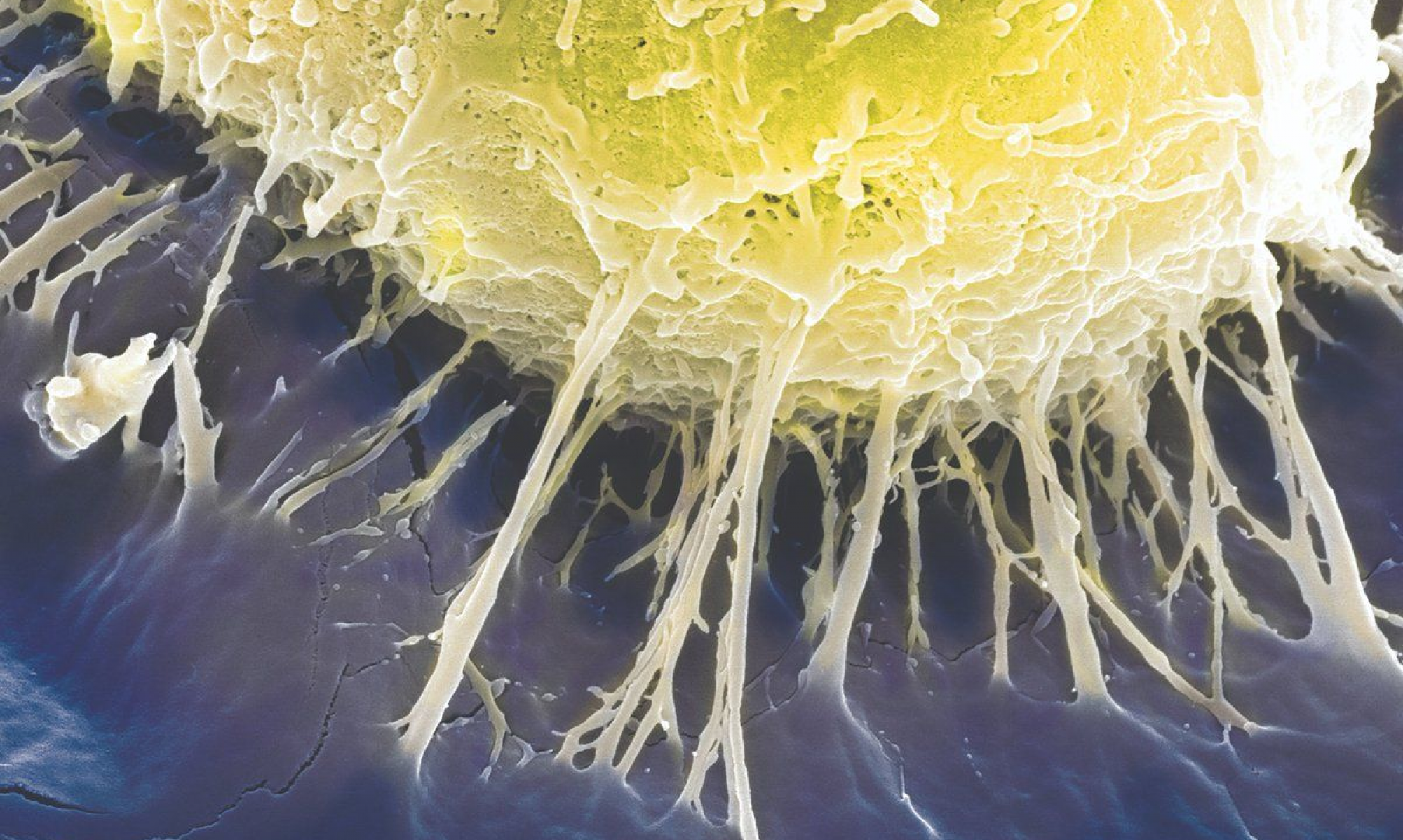
Timothee Lionnet is an Associate Professor in the Department of Cell Biology at NYU Grossman School of Medicine. He holds a PhD from the University of Paris and completed postdoctoral training at Albert Einstein College of Medicine in Robert H Singer's lab. His research focuses on understanding how cells regulate gene expression through single-molecule imaging, bridging molecular-scale observations with cellular and tissue-level processes. Education: PhD in Paris, Postdoc at Einstein College of Medicine His work integrates live-cell imaging technologies, computational modeling, and systems genetics to investigate transcriptional dynamics, epigenetic regulation, and cellular responses to environmental cues. The Lionnet Lab develops novel tools to visualize gene activity in real time, aiming to uncover principles of robust gene expression programs and their role in diseases like cancer and viral reactivation. Recent research highlights include studies on chromatin landscape evolution in acute lymphoblastic leukemia, transcriptional stochasticity, and therapeutic resistance mechanisms in cancer cells. The lab collaborates on projects involving zinc finger design for genome editing and systems-level analysis of melanoma genetics. Lab activities emphasize interdisciplinary approaches, combining quantitative biology with clinical insights to advance regenerative medicine and cancer therapy strategies.
Jonathan Ellman is the Eugene Higgins Professor of Chemistry and Professor of Pharmacology at Yale University, with joint appointments in the Department of Chemistry and the Department of Pharmacology at the Yale School of Medicine. He is also affiliated with the Yale Cancer Center and the Developmental Therapeutics program. Education: PhD, Chemistry, Harvard University (1989) BS, Chemistry, MIT (1984) NSF Postdoctoral Fellow, University of California at Berkeley (1992) Dr. Ellman's research lies at the intersection of synthetic organic chemistry and biomedical science, focusing on the development of novel synthetic methodologies and their application to drug discovery. His work emphasizes catalysis, particularly in C–H activation and enantioselective synthesis, with a strong interest in sulfur-containing compounds such as sulfoximines and sulfilimines as bioactive motifs. His lab has pioneered methods for constructing complex amine and amide architectures with quaternary centers, which are valuable in medicinal chemistry. A recent focus includes targeting opioid receptors for pain therapeutics with reduced side effects. His research has led to over 350 publications and significant contributions to chemical biology and pharmaceutical sciences. His recent publications reveal a consistent focus on catalytic methodologies, sulfur chemistry, and computational drug design, particularly in targeting opioid receptors. Themes include enantioselective synthesis, C–H functionalization, and the exploration of underutilized heteroatom-containing functional groups in drug discovery. Scientific Awards and Honors: Member, American Academy of Arts and Sciences (2016) Yale Dylan Hixon ’88 Prize for Teaching Excellence in the Natural Sciences (2016) Herbert C. Brown Award for Creative Research in Synthetic Methods (2012) GlaxoSmithKline Chemistry Scholar Award (2010) Pedler Award, Royal Society of Chemistry (2010) Dr. Ellman has trained numerous researchers and maintains a highly collaborative research program, evidenced by frequent co-authorship with colleagues across Yale. His lab, accessible via ellman.chem.yale.edu , is part of Yale’s broader research ecosystem in chemical biology and therapeutics. He has received continuous grant support, particularly in the areas of synthetic methods development and translational chemical biology, although specific grants are not detailed in the text.
Prim. Clin. Assoc. Prof. PD Dr. Dietmar Dammerer, MSc PhD is the head of the Clinical Department of Orthopaedics and Traumatology at Krems University Hospital, affiliated with Karl Landsteiner Private University of Health Sciences. He has been in this role since February 2022, leading the merger of orthopedics and traumatology into a unified clinical department. A dual-trained specialist, he is recognized for his expertise in endoprosthetics and tumor orthopedics, and actively promotes interdisciplinary collaboration and team-based medicine. His educational background includes a PhD in Musculoskeletal Sciences (2015), an MSc in Advanced Orthopaedics and Traumatology (2017), and board certification in both orthopedics and traumatology (2017, 2018), culminating in habilitation in 2019. He has received prestigious Traveling Fellowships from the European Hip Society and European Musculo-Skeletal Oncology Society. Dietmar Dammerer’s research focuses on orthopedic oncology, joint reconstruction, biomechanics, and minimally invasive surgery. His work emphasizes the integration of clinical inquiry with research to improve patient outcomes. Recent publications analyze pelvic sarcoma reconstruction, spinal metastases, cartilage repair techniques, and health disparities in sarcoma care. His 15 most recent articles reflect a strong trend in musculoskeletal oncology, surgical biomechanics, and evidence-based orthopedic practice, with frequent use of systematic reviews, retrospective studies, and multicenter collaborations. Topics include implant performance, surgical safety, and global access to specialized care. Scientific awards include: Traveling Fellow Stipendium from the European Hip Society (2018) Traveling Fellow Stipendium from the European Musculo-Skeletal Oncology Society (2020) He is deeply committed to mentoring and team development, emphasizing that medical success is measured by the success of one’s colleagues. He leads a research-active department that hosts international observers, conducts training courses for physicians across Europe, the Middle East, and Africa, and maintains a high rate of peer-reviewed publication. The department collaborates closely with the Departments of Biomechanics and Anatomy and Developmental Biology, reflecting a multidisciplinary research approach.
Søren Lundbye-Christensen is an Associate Professor and Biostatistician affiliated with the Clinical Institute at the Faculty of Health Sciences, Aalborg University, and Aalborg University Hospital in Denmark. He specializes in biostatistical support for medical research, with a strong emphasis on cardiovascular and epidemiological studies. His research interests include biostatistics, survival analysis, cohort studies, clinical epidemiology, and statistical modeling in public health. He has contributed to a wide array of healthcare research, particularly in cardiovascular diseases, cancer, maternal health, and infectious diseases. His methodological expertise spans time-to-event analysis, registry-based research, and interval-censored data modeling. The recent publications highlight a strong trend in applying advanced statistical methods to large-scale clinical and population-based datasets. His work often involves collaboration with medical researchers to derive prognostic models, validate clinical databases, and assess public health outcomes. Key themes include cardiovascular risk, fertility, cancer biomarkers, and implementation of medical training programs. Scientific Contributions and Recognition: Published over 320 research articles and datasets. Active contributor to methodological advancements in biostatistics. Regular peer reviewer, including for journals like the R Journal. Public engagement through media appearances on statistics and health. Academic Advising and Grants: Søren has supervised 31 student theses, formally serving as PhD supervisor for 14 theses and as a biostatistical advisor for 19 others, primarily in mathematics and statistics. He has participated in numerous research projects funded through institutional and national grants, including studies on seasonal disease trends, postoperative complications, and metabolic disease prediction. His work often involves interdisciplinary collaboration across medicine, public health, and data science. Labs and Research Teams: He is embedded in collaborative research networks at Aalborg University Hospital and Aalborg University, contributing statistical expertise to clinical research groups. He is involved in projects utilizing Danish national health registries and has contributed to the development and validation of clinical databases. His work supports both hypothesis-driven medical research and methodological innovation in biostatistics.
Ram Samudrala is a Professor and Chief of the Division of Bioinformatics at the University at Buffalo Jacobs School of Medicine and Biomedical Sciences . His research focuses on multiscale computational biology , integrating protein structure prediction , drug discovery , and translational science to address medical challenges. He leads the development of the CANDO platform for therapeutic drug discovery and co-directs the Informatics Core at the Clinical and Translational Sciences Institute. PhD in Computational Biology (University of Maryland, 1997) BA in Computing Science and Genetics (Ohio Wesleyan University, 1993) Postdoctoral Fellowship in Protein Folding (Stanford University, 1997-2001) His work spans structural biology , genomics , and computational drug design , with applications in dentistry , infectious diseases , and cancer . He has received prestigious awards including the NIH Director's Pioneer Award (2010) and multiple Wiki Science Prizes . Samudrala's group collaborates globally, emphasizing in silico methods followed by in vitro and in vivo validation. Key grants include $1.22M NIH NCATS ASPIRE Reduction-to-Practice Award and $4.5M NIH/NLM BRIGHT Training Grant . 2023 Finalist, Clinical and Translational Sciences Institute Clinical Research Achievement Awards 2016 MacArthur Foundation 100&Change Top 50 2008 Alberta Heritage Foundation Visiting Scientist Award 2005 NSF CAREER Award He directs the BRIGHT Short-Term Training Program and serves on multiple editorial boards and review panels. Samudrala's group maintains a Protinfo web server for structural predictions and the Bioverse framework for systems-level analyses.
Professor Matthew Simpson is a leading figure in applied mathematics at the School of Mathematical Sciences, Faculty of Science, Queensland University of Technology (QUT). He holds the position of Professor of Applied Mathematics and is an Australian Research Council (ARC) Future Fellow, reflecting his sustained research excellence. His work bridges mathematical theory and biological applications, particularly in cell migration, tissue invasion, and multiscale modeling. BE (Environmental) Honours 1, University of Newcastle (1995–1998) PhD (with Distinction), Environmental Engineering, University of Western Australia (2000–2003) Research Fellow, Department of Mathematics and Statistics, University of Melbourne (2003–2006) ARC Postdoctoral Fellow, University of Melbourne (2006–2009) Lecturer (2010–2011) and Senior Lecturer (2011–2013), QUT Associate Professor (2013–2014), QUT Professor and ARC Future Fellow (2014–present), QUT Matthew Simpson’s research focuses on mathematical and computational modeling of biological systems , particularly collective cell motion, diffusion processes, and reaction-diffusion dynamics. His interests span multiscale modeling , random walk processes , cell biology , and numerical and computational mathematics . He develops and analyzes models to understand phenomena such as wound healing, cancer progression, and tissue engineering. His recent publications (2023–2025) demonstrate a strong trend toward integrating data-driven modeling , likelihood-based inference , and equation learning with traditional mechanistic models. These works emphasize parameter identifiability , uncertainty quantification , and prediction robustness in biological contexts. Themes include sharp-fronted wave propagation, mechanical cell interactions, tumor spheroid formation, and generalized diffusivity in food drying, showcasing the breadth and depth of his modeling expertise. Among his key accolades are: J.H. Michell Medal (2012) – Awarded by ANZIAM for distinguished research by an early-career applied mathematician in Australia and New Zealand. ARC Future Fellowship (2013–2017) – For the project 'New data-driven mathematical models of collective cell motion' (FT130100148). Professor Simpson has also played significant editorial and leadership roles, including: Executive Associate Editor, Journal of Engineering Mathematics Academic Editor, PLoS ONE Editorial Board Member, ANZIAM Journal Co-chair of the 2015 ANZIAM meeting He has supervised PhD students on topics such as moving boundary problems, first-passage times, stochastic simulations, and curvature-dependent growth in biological systems. His research projects have been funded by competitive Australian grants (ARC DP and FT schemes), including studies on 3D cell migration, ghrelin’s role in cell invasion, and epithelial-to-mesenchymal transition in cancer and wound healing. He is actively involved in developing computational tools for biological modeling and promoting best practices in scientific publishing.
Brendan A. Harley is the Robert W. Schaefer Professor in Chemical and Biomolecular Engineering at the University of Illinois at Urbana-Champaign (UIUC), with a joint appointment in the Carl R. Woese Institute for Genomic Biology. His research focuses on developing biomaterials to replicate complex tissue microenvironments, enabling insights into cell behavior during development, disease, and regeneration. He holds leadership roles in academic and professional organizations, including editorial positions for Science Advances and Tissue Engineering . Harley earned his SB from Harvard University (2000), SM/ScD from MIT (2002, 2006), and completed postdoctoral studies at Boston Children’s Hospital. **Education**: Sc.D., Massachusetts Institute of Technology, 2006 S.M., Massachusetts Institute of Technology, 2002 S.B., Harvard University, 2000 **Research Interests**: Engineering dynamic, spatially-patterned biomaterials to mimic extracellular matrices Regenerative repair of musculoskeletal tissues Biomaterial models of cancer microenvironments (e.g., glioblastoma) Artificial bone marrow systems for hematopoietic stem cell studies Harley’s work has produced over 100 peer-reviewed articles and co-authored a textbook Cellular Materials in Nature and Medicine . His lab develops materials for clinical applications, including osteochondral defect repair and craniofacial bone regeneration. Notable honors include the NSF CAREER Award (2013), AAAS Fellowship (2014), and AIMBE Fellowship (2019). **Awards/Recognition**: Fellow, AAAS (2014) Young Investigator Award, Society for Biomaterials (2014) Campus Distinguished Promotion Award, UIUC (2018) His research group emphasizes translational outcomes, with projects spanning biomaterial design, cancer modeling, and stem cell engineering. Collaborations include industry partners like Orthomimetics (acquired by TiGenix) and foundational studies on tumor microenvironments.
Dr. Ulas Bagci is an Associate Professor at Northwestern University's Feinberg School of Medicine, Department of Radiology. He holds courtesy appointments in Biomedical Engineering (BME), Electrical and Computer Engineering (ECE) at Northwestern, and Computer Science at the University of Central Florida. As the director of the Machine and Hybrid Intelligence Lab, his research focuses on AI and machine learning applications in biomedical and clinical imaging. Education: BS: Bilkent University (2003) MS: Koç University (2005) Fellow: University of Pennsylvania (2009) PhD: University of Nottingham (2010) ISTP Fellow: NIH (2012) Research Interests: Dr. Bagci’s work spans artificial intelligence, machine learning, and their integration into medical imaging workflows. His lab develops algorithms for tumor segmentation, radiomics analysis, and ethical AI frameworks in healthcare. Notable projects include large-scale MRI segmentation of cirrhotic livers and predictive models for clinical outcomes in oncology and cardiology. Publications: His recent work emphasizes AI-driven solutions for challenges in radiology, including lung disease detection, pulmonary embolism mortality prediction, and ethical considerations in foundational AI models. His articles reflect a focus on bridging clinical needs with advanced computational methods. Lab & Affiliations: The Machine and Hybrid Intelligence Lab collaborates with the Robert H. Lurie Comprehensive Cancer Center. Research themes include federated learning, medical image synthesis, and AI ethics in clinical decision-making.
Ardo van den Hout is a Professor of Statistics at the Department of Statistical Science, University College London. He holds a PhD in Social Statistics from Utrecht University (2004) and has previously worked at the MRC Biostatistics Unit in Cambridge. His research focuses on advanced statistical methodologies including longitudinal data analysis, survival analysis, multi-state models, and applications in aging research and public health. He has authored influential works such as Multi-state Survival Models for Interval-censored Data (2017). Research Interests Development and application of multi-state models for complex health data Survival analysis techniques for interval-censored and longitudinal datasets Methodological advancements in cognitive decline and disease progression modeling Integration of socio-economic factors in health expectancy analysis Key Contributions Pioneered penalized likelihood approaches for multi-state models Developed frameworks for estimating life expectancies in health and disease Advanced methods for handling missing/misclassified data in longitudinal studies Awards Recipient of the Gopal Kanji Prize 2012 for outstanding contributions to statistics Professional Activities Maintains an active research program with collaborations across biostatistics, epidemiology, and health economics. Supervises doctoral students focusing on statistical methodologies with real-world health applications. His work frequently addresses critical questions in aging populations, cancer research, and public health policy.
Blanka Sharma, Ph.D., is an Associate Professor in the J. Crayton Pruitt Family Department of Biomedical Engineering at the University of Florida's Herbert Wertheim College of Engineering. Her research focuses on nanomedicine, stem cells, biomaterials, and targeted delivery systems for regenerative medicine and cancer therapy. She holds a B.A.Sc. in Chemical Engineering from the University of Waterloo (1999), a Ph.D. in Biomedical Engineering from Johns Hopkins University (2005), and completed a postdoctoral fellowship at the Cleveland Clinic (2005–2008). Dr. Sharma’s work explores material-cell interactions to develop therapies addressing inflammatory mechanisms in diseases like osteoarthritis and cancer. Notable achievements include pioneering biomaterials for cartilage repair and nanoparticle-based drug delivery systems. She has received prestigious awards, including the NSF CAREER Award (2019) and the UF Pramod P. Khargonekar Junior Faculty Award (2019–2020). Her research spans nanomedicine, tumor microenvironment engineering, and immunotherapy optimization. Recent studies include ROS-scavenging manganese dioxide nanoparticles for osteoarthritis and NK cell mechanosensing in tumors. She leads the Sharma Laboratory, advancing translational research in regenerative medicine and oncology.
Rustom Antia is the Samuel C. Dobbs Professor in the Department of Biology at Emory University, affiliated with the Emory College of Arts and Sciences. His research focuses on the quantitative analysis of pathogen dynamics, immune responses, and evolutionary biology using mathematical models and experimental collaborations. He leads the Antia Lab (located in Rollins 1164), working closely with experimental immunologists like Dr. Rafi Ahmed at Emory. Education: Ph.D., University of Massachusetts (1990); MSc, Indian Institute of Technology (1983). His research interests include population biology, computational biology, and the evolutionary interactions between pathogens and hosts. He explores how immune memory shapes viral evolution and transmission, with recent emphasis on SARS-CoV-2, influenza, and dengue viruses. Key research themes include modeling immune responses to vaccines, understanding antibody waning and viral escape, and developing transmissible vaccines for disease control. His work integrates experimental data with theoretical frameworks to predict outbreak dynamics and inform public health strategies. Notable collaborations include studies on CD8+ T cell-mediated immunity in respiratory infections, the role of menstrual cycles in immune surveillance, and immune dysfunction in autoimmune diseases like SLE. His lab’s contributions span from basic immunology to translational applications in vaccine design and cancer therapy.
Lobsang Tenzin Negi is a Teaching Professor in Emory University’s Department of Religion and Executive Director of the Center for Contemplative Science and Compassion-Based Ethics (Emory Compassion Center). He leads initiatives integrating Tibetan Buddhist contemplative practices with modern scientific research, including developing programs like Cognitively-Based Compassion Training (CBCT®), the Emory-Tibet Science Initiative (ETSI), and the SEE Learning® framework. Born in a Himalayan region, he holds a PhD from Emory University and a Geshe Lharampa degree from Drepung Loseling Monastery. His work bridges contemplative science, education, and global ethics, emphasizing compassion as essential for human flourishing. Education: PhD, Emory University, 1999 (interdisciplinary dissertation on Buddhist and Western approaches to emotions) Geshe Lharampa, Drepung Loseling Monastic University, 1994 (highest Tibetan monastic degree) MA, Institute for Buddhist Dialectics, 1984 Research & Programs: Compassion Science: Examines compassion’s effects on mental/physical health and social well-being through CBCT®. ETSI: Develops modern science curricula for Tibetan monastics, training them as educators and researchers. SEE Learning®: Global K-12/Higher Ed framework for social, emotional, and ethical education. Mind-Body Sciences Program: Offers study abroad courses in India, integrating Tibetan Buddhism with Western science. Recent Article Trends: Focus on compassion’s applications in healthcare (PTSD, depression, HIV), education (SEL frameworks), and interdisciplinary mind-body research. Studies emphasize measurable impacts on neurology, immune response, and behavioral outcomes. Awards & Honors: While no specific prizes are listed, his leadership roles and global partnerships (e.g., with His Holiness the Dalai Lama) reflect recognition in contemplative science and intercultural education. Grants & Advising: Oversees multi-year initiatives like Tibet Week and the Emory-Tibet Partnership renewal. Advises on global compassion programs and collaborates with institutions like the Piramal Foundation in India. Labs/Teams: Directs the Emory Compassion Center and collaborates with Drepung Loseling Monastery, Emory’s Institute of Tibetan Studies, and international partners to advance compassion-based research and education.
Dr. Jennifer Cobb is a Professor and Chair of the Department of Biochemistry and Microbiology at the University of Victoria. She holds a BSc and PhD from the University of Tennessee. Her research focuses on genome instability mechanisms linking aging to cancer development, particularly investigating DNA double-strand break (DSB) repair pathways and their dysregulation during cellular aging using genetic, molecular, and biochemical methods. Education: BSc and PhD in Biochemistry (University of Tennessee) Research interests include understanding how age-related changes in repair pathway choice contribute to genomic instability that drives tumor formation. The COBB Laboratory emphasizes translational studies connecting fundamental biology to cancer initiation processes. Funding support includes institutional grants and collaborative initiatives. She oversees departmental academic programs and maintains an active research lab in the Petch Building. No specific awards listed, but her work contributes to major initiatives like the CIHR-funded research mentioned in departmental news.
Dr. Natalie D. Eddington is Professor and Dean Emeritus at the University of Maryland School of Pharmacy, where she previously chaired the Department of Pharmaceutical Sciences. Her expertise spans pharmacokinetics, drug delivery, and regulatory science, with research focusing on optimizing drug therapy for cancer, epilepsy, and substance abuse disorders. Her laboratory investigates drug transport mechanisms (particularly P-glycoprotein), opioid pharmacokinetics, and maternal-fetal drug distribution. Seminal work includes characterization of Salvinorin A metabolism, P-gp regulation by hormones, and methadone's effects on drug-metabolizing enzymes. Her FDA-supported research on Scale-Up and Post Approval Changes (SUPAC) guidances significantly reduced regulatory burdens for pharmaceutical manufacturers. As dean, she established multiple research centers including the Maryland Center of Excellence in Regulatory Science and Innovation (M-CERSI) and pioneered the School's pharmapreneurism initiative. An elected fellow of AAPS and ACCP, she has authored over 125 publications and developed international regulatory training programs.
A/Prof HO Han Kiat is an Associate Professor in the Department of Pharmacy and Pharmaceutical Sciences at the National University of Singapore. His research focuses on chronic liver disease progression (from fatty liver to cancer) and drug-induced liver injury mechanisms. He explores nanomaterial applications in disease modification and drug delivery, using techniques like high-throughput sequencing and preclinical collaborations with clinicians. His work bridges cancer biology and toxicology, emphasizing clinical relevance through patient sample correlations. He teaches courses such as PR4207 Applied Pharmacokinetics & Toxicokinetics and FSC4203 Forensic Toxicology & Poisons. His lab’s vision involves developing molecular interventions for liver disorders through in vitro/vivo models. Notable interests include nanomaterial toxicity, hepatoprotective strategies, and cytokine profiles in cognitive impairment post-chemotherapy. Recent articles highlight studies on BDNF biomarkers, gold nanoparticle vascular targeting, and therapeutic hypothermia for hepatotoxicity. His research integrates genetic polymorphism analysis (e.g., CYP7A1) with drug metabolism studies, emphasizing personalized medicine approaches. HO’s work also addresses educational innovations in pharmacy curricula and assessment design, reflecting his dual focus on clinical research and pedagogy.