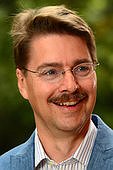
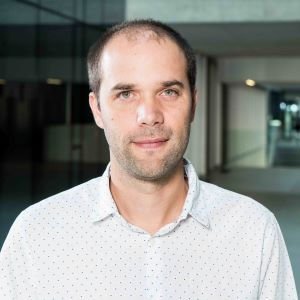
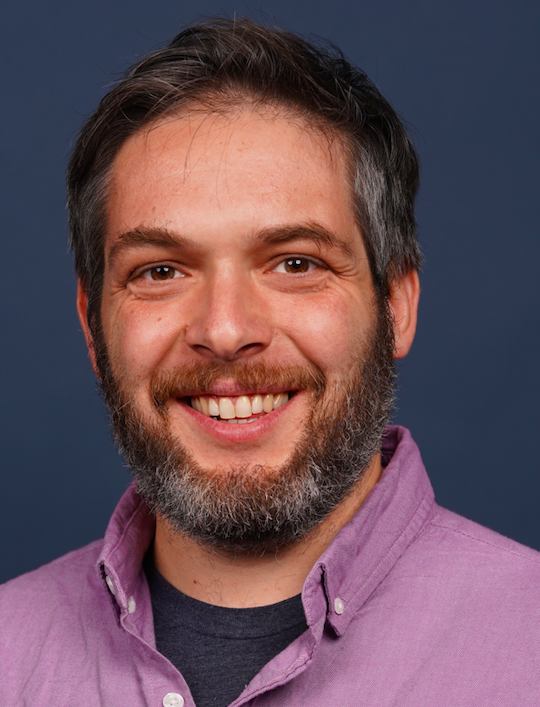
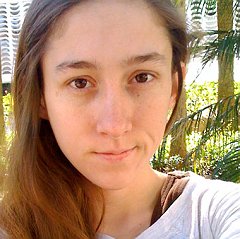
Bert Willems is an Associate Professor at Tilburg University, affiliated with the Department of Economics within the Tilburg School of Economics and Management (TiSEM). He holds a PhD in Economics from KU Leuven (2004) and dual master’s degrees in Economics and Mechanical Engineering from KU Leuven. His research focuses on energy market regulation, sustainable systems, competition policy, and government roles in market dynamics. Education: PhD in Economics, KU Leuven (2004) Master’s in Advanced Studies: Economics, KU Leuven (2000) Master’s in Mechanical Engineering, KU Leuven (1998) Bachelor’s in Mechanical Engineering (1995) Research interests include energy market design, market power analysis, and regulatory frameworks for renewable integration. His work spans theoretical and applied studies, addressing challenges in transitioning to sustainable energy systems. Publications highlight contributions to network regulation, speculation strategies, and energy market efficiency. Key projects include ENPOWER (enhancing energy poverty research) and HyUSE (hydrogen technology assessment). He has supervised three PhD students and served on multiple doctoral committees across institutions. External roles include contributing to policy reports for CERRE, IDEI, and the Benelux Association for Energy Economics. He is affiliated with Tilburg Law and Economic Center (TILEC) and collaborates with global institutions like the Florence School of Regulation and the Research Institute for Industrial Economics (IFN).
Guillaume DELATOUR is an Associate Professor in Risk and Crisis Management at Université de Technologie de Troyes (UTT), specializing in organizational resilience and security dynamics. He leads UTT's InSyTE laboratory's crisis/resilience/security research axis and coordinates the PRESAGES crisis simulation platform. His academic roles include directing the IMSGA Master's program in Global Security Engineering and co-developing executive certificates like DSRT (Ministry of Interior collaboration) and AMCSS (ENSP partnership). Research focuses on crisis cell coordination, community resilience post-disasters (e.g., Storm Alex studies), and temporal dynamics in crisis management. He has coordinated major projects including ANR-funded INPLIC (2018-2021) and regional initiatives on rural crisis preparedness. His educational contributions span crisis simulation pedagogy and integrating citizen participation in disaster response strategies. Published extensively in crisis management, his 2023 work on Storm Alex solidarity mechanisms and 2024 papers on crisis cell coordination exemplify his focus on real-world operational challenges. Advises PhD students Gaëtan Chevalier and Aymée Nakasato, exploring crisis simulation frameworks and collective risk behaviors. Education: PhD (2011-2015) on decision-making in high-risk environments, Research Engineer at UTT (2015-2017), UN research stint (2010). Grants: ANR, IHEMI/FIESP, regional funding for RPM project (2015-2016). Labs/Teams: InSyTE Lab, Chaire Gestion des Crises, Chaire Sécurité Globale.
Stephen Teale serves as Professor and Chair of the Department of Environmental Biology at the State University of New York College of Environmental Science and Forestry (SUNY-ESF), located in Illick Hall. His leadership spans academic administration and active research in forest entomology and chemical ecology. Teale's research centers on chemical signaling in forest insects, particularly pheromone systems of invasive species like Sirex noctilio (woodwasp) and Anoplophora glabripennis (Asian longhorn beetle). His work integrates chemical ecology with forest conservation, focusing on invasive species management through pheromone-based detection and biological control. Key themes include cuticular hydrocarbon communication, host-parasitoid interactions, and resin defense mechanisms in conifers. His publications demonstrate consistent expertise in identifying sex pheromones, optimizing chemical lures, and analyzing tri-trophic interactions between insects, fungi, and host trees. His recent publications reveal strong emphasis on invasive cerambycid beetles and siricid woodwasps, with frequent collaborations across North America and China. Notable contributions include the identification of female-produced pheromones in Anoplophora glabripennis and discovery of dual-attractant systems involving Amylostereum areolatum fungi. Research trends show progression from fundamental pheromone chemistry to applied pest management solutions. Teale actively mentors graduate students, currently advising Michaela Fitzgerald (PhD candidate in Environmental & Forest Biology). His teaching portfolio includes Entomology (EFB 352), Chemical Ecology (EFB 412/612), Insect Physiology (FCH 440), and Forest Health (EFB 570). As department chair, he shapes curriculum in forest entomology and chemical ecology. His scholarly impact is evident through 50+ publications since 1981, including the co-edited volume Forest Health: An Integrated Perspective (Cambridge University Press, 2011). Current research continues to address urgent forest health challenges through chemical ecology approaches.
Jens Palsberg is a Professor and former Department Chair of Computer Science at the University of California, Los Angeles (UCLA), where he currently serves as Director of the UCLA-Amazon Science Hub for Humanity and Artificial Intelligence and co-director of UCLA's quantum research center. He chairs ACM SIGPLAN and is a member of the ACM Council. His research spans programming languages, software engineering, quantum computing, compilers, embedded systems, and information security. Palsberg has authored over 80 technical papers, co-authored the book Object-Oriented Type Systems , and revised Appel's textbook on Modern Compiler Implementation in Java . His recent work shows a significant shift toward quantum computing, including compiler techniques and program analysis for quantum systems. Analysis of his recent publications reveals a clear transition from traditional programming language research to quantum computing, with nearly half of his 2022-2024 publications focusing on quantum topics while maintaining strong work in software engineering and programming languages. His quantum research particularly emphasizes compiler optimization, abstract interpretation, and circuit analysis. ACM SIGPLAN Distinguished Service Award (2012) UCLA teaching award for quantum computing courses (2023) National Science Foundation CAREER and ITR awards Purdue University Faculty Scholar award IBM Faculty Award Okawa Foundation research award Palsberg has served in numerous leadership roles including general chair of POPL, conference chair of LICS, and vice chair of ACM SIGBED. His research has been supported by DARPA, Intel, British Telecom, and the National Science Foundation. He was instrumental in establishing UCLA's Masters degree in quantum science and has mentored numerous students through his legendary proof sessions. He leads a research group of over 30 professors in UCLA's quantum research center and maintains active collaborations across academia and industry, particularly with Amazon through the UCLA-Amazon Science Hub.
Thomas Le Barbanchon is a Full Professor of Economics at Bocconi University since 2025 and holds the Rodolfo Debenedetti Chair in Labor Economics. He received his PhD from Ecole Polytechnique (CREST-ENSAE) in 2012 and has been affiliated with institutions like CEPR, CREST, J-PAL, LEAP, BIDSA, IGIER, IZA, and IFS. His research focuses on labor economics, particularly job search mechanisms, unemployment insurance effects, gender disparities, and labor market policy evaluation. Educational background: PhD in Economics (Ecole Polytechnique), MSc in Economics (Universitat Pompeu Fabra), Diplôme d'ingénieur statisticien-économiste (ENSAE), and Diplôme d'ingénieur (Ecole Polytechnique) Research highlights include: Quantifying the impact of unemployment insurance reforms in France Analyzing gender differences in job search behavior Studying the effectiveness of hiring credits during economic crises Investigating how traditional AI improves job matching Examining migrant-native job search segregation patterns Scientific contributions appear in top journals like American Economic Journal: Applied Economics , Quarterly Journal of Economics , and Review of Economic Studies . Awards include two ERC grants (2017 & 2024) and the Bocconi Impact Award (2022). He mentors PhD students in economics and labor policy, currently serves as Director of IGIER research center, and maintains active editorial roles at Review of Economic Studies and Journal of the European Economic Association .
Assoc. Prof. Hana Vančová, PhD., is a dedicated academic at Trnava University's Faculty of Education, where she has served as an Associate Professor in the Department of English Language and Literature since 2013 (promoted from Assistant Professor following her 2022 habilitation). Currently Deputy Head of Department for Education, she oversees curriculum development and serves as study advisor for single-subject and combined English language teacher education programs at bachelor's, master's, and doctoral levels. Her institutional commitment spans over a decade with full-time employment since 2013. Education: 2004–2009: Master of Arts (Mgr.) in English Language and Literature – Slovak Language and Literature, Faculty of Education, Trnava University 2009–2012: Doctor of Philosophy (PhD.) in Pedagogy, Faculty of Education, Trnava University 2019: Professional Development: "Teaching languages in the digital era: the best apps, web platforms and ICT solutions for learning languages", Institute for Training, Employability and Mobile Learning Hana Vančová's scholarly work centers on English pronunciation pedagogy , with pioneering research in technology-enhanced instruction . Her primary domains include phonetics and phonology , lexicology , and digital language learning tools , investigating how AI, mobile applications, and multimedia resources optimize pronunciation acquisition. She bridges theoretical linguistics with practical classroom applications through ergonomic educational design, emphasizing learner-centered methodologies that address sociolinguistic factors like accent identity and intelligibility. Her habilitation thesis established her as a key innovator in pronunciation technology. Analysis of Vančová's publication trajectory (2014-2024) reveals a decisive shift from foundational studies on Slovak learners' pronunciation errors toward cutting-edge research on AI-driven pronunciation training. Her recent work explores karaoke-based methods and ethical AI implementation in CALL (Computer-Assisted Language Learning), highlighting human-AI interaction dynamics. The consistent thread is her commitment to making pronunciation instruction accessible through technological innovation, with publications increasingly addressing inclusivity, ethical considerations, and ergonomic design in digital language learning environments. While no specific scientific awards are documented beyond her academic promotion, Vančová's habilitation procedure—evaluated by an international committee including scholars from Poland, Czech Republic, and Slovakia—represents significant scholarly recognition. Her work has received 36 citations (14 foreign, 22 domestic) as of 2021. As study advisor for English language teacher training programs, Vančová mentors students across bachelor's, master's, and doctoral studies, guiding curriculum development for profile subjects in phonetics, lexicology, and digital language education. She maintains structured consultation hours (Wednesdays 10:00-11:30, study advising 11:30-13:00 via MS Teams) and demonstrates sustained research productivity through monographs, textbooks, and peer-reviewed articles. Though specific grant funding isn't detailed, her habilitation thesis exemplifies capacity for substantial scholarly projects with practical pedagogical impact. No dedicated laboratories or formal research teams are documented; Vančová's academic activities operate within the Department of English Language and Literature framework, focusing on individual research initiatives and departmental leadership in educational technology integration.
Alex Rubinsteyn, PhD, is an Assistant Professor in the Department of Genetics and Computational Medicine Program at the University of North Carolina at Chapel Hill School of Medicine. He is also a member of the UNC Lineberger Comprehensive Cancer Center. Dr. Rubinsteyn leads the Personalized Immunotherapy Research Lab (PIRL), a multi-investigator group focused on developing cancer immunotherapies that harness patients' immune systems to attack tumor-specific targets. Dr. Rubinsteyn's research centers on applications of machine learning, genomics, and computational immunology to therapeutic cancer vaccine design. His work bridges computational approaches with experimental validation, with a particular focus on neoantigen discovery and personalized vaccine development. He has been instrumental in designing and running several early-stage clinical trials of neoantigen vaccines, initially at Mount Sinai and currently at UNC. His laboratory is committed to open science through building open-source research software, making experimental data unconditionally available, and disseminating results quickly through blog posts and preprints. Recent research highlights include advancements in neoantigen prediction tools like LENS, investigations into DNA variant standardization, and comparative studies of vaccine formulations in mouse models. Novocure Career Development Award from AACR (2020) Grant from Rare Cancer Research Foundation (2024) Grant from Jaime Leandro Foundation (2025) Dr. Rubinsteyn actively collaborates with experimentalists to optimize vaccine formulation and has helped develop numerous open-source computational tools including Vaxrank, Isovar, Topiary, MHCflurry, and MHCdouble. His work on the PANDA-VAC trial represents the next generation of personalized cancer vaccines at UNC, building on his previous experience with the PGV series of therapeutic cancer vaccine trials at Mount Sinai.
Heather Miller is a tenure-track Assistant Professor in the Software and Societal Systems Department within Carnegie Mellon University's School of Computer Science. Her academic journey includes prior roles as an Assistant Clinical Professor at Northeastern University's College of Computer and Information Science and as Executive Director of the Scala Center at EPFL. Miller's research centers on distributed and concurrent computation through the lens of programming languages, with particular emphasis on data-centric systems, big data processing, and edge computing. A defining theme throughout her work is composability - enabling construction of complex distributed systems through composition of components that are correct by construction. Her projects span distributable closures, flexible serialization techniques, futures and promises for asynchronous programming, and deterministic concurrent dataflow models. Her recent publications demonstrate strong trends in applying programming language theory to practical distributed systems challenges, with increasing focus on WebAssembly instrumentation, microservice resilience, and language model pipelines. This evolution reflects her commitment to bridging theoretical foundations with real-world system requirements. Dahl-Nygaard Junior Prize (2023) Mentorship forms a significant component of Miller's academic work. She actively supervises multiple PhD, MS, and undergraduate researchers at CMU, including Christopher Meiklejohn, Matthew Weidner, Huairui Qui, Ria Pradeep, and Luke Dramko. Her service contributions span numerous top-tier conferences including PLDI, SPLASH, ECOOP, and ICSE where she has served as committee member, chair, and keynote speaker. Miller co-founded the Curry On conference to foster industry-academia dialogue, hosting successful editions in Prague, Rome, Barcelona, Amsterdam, and London. She leads research groups focused on distributed programming models and maintains strong industry connections through Two Sigma, where she holds an affiliation. Her work consistently emphasizes practical open-source implementations, primarily within the Scala ecosystem where she's been a core contributor since 2011.
Y. Charlie Hu is the Michael and Katherine Birck Professor of Electrical and Computer Engineering and Professor of Computer Science (by courtesy) at Purdue University, where he leads the PurNET Lab and contributes to the Systems and Networking Group. His research spans Mobile Systems, Distributed Systems, Operating Systems, and Computer Networks , with a focus on energy-efficient AI systems and edge computing. His groundbreaking work on smartphone energy management has been widely adopted by the mobile industry and recognized with multiple test-of-time awards , including from ACM SIGOPS and ACM SIGMOBILE . He has received prestigious honors like the NSF CAREER Award , Honda Initiation Grant , and industry accolades from Google Research and Qualcomm . Notable Funded Projects: NSF's NeTS: Black-box Optimization of White-box Networks (2023-2026) Intel -NSF's SPLICE initiative His research has produced 15+ PhD graduates now in academia (University of Arizona, Virginia Tech) and industry (Google, Apple, Qualcomm). The articles reflect a career-long focus on edge computing , 5G network optimization , and energy-aware systems , with recurring themes in mobile AR/VR , video analytics , and network protocol design . Scientific Awards Honda Initiation Grant NSF CAREER Award Purdue Early Career Research Award Google Research Award Qualcomm Faculty Award ACM SIGOPS EuroSys Best Student Paper Award ACM MobiCom Best Community Paper Award IEEE Fellow ACM Distinguished Scientist Purdue PRF Innovator Hall of Fame
Sina Ansari is an Assistant Professor at DePaul University's Driehaus College of Business , specializing in Management & Entrepreneurship . He co-directs the MS Business Analytics program and has held academic roles at Northwestern University and Tuck School of Business . Northwestern University (PhD, Industrial Engineering & Management Sciences, 2018) Tuck School of Business (Postdoctoral Research Fellow) His research focuses on optimizing service systems through mathematical models, with applications in healthcare operations, opioid crisis mitigation, and logistics. Key areas include: Dynamic resource allocation Patient scheduling optimization Emergency department operations Humanitarian logistics Recent publications highlight his work in humanitarian operations , healthcare scheduling , and medical decision-making . He has received recognition through editorial roles in journals like Naval Research Logistics and Healthcare Management Science . Professional memberships include: INFORMS (Vice President, Chicago Chapter) Production and Operations Management Society Decision Sciences Institute
Noah Gans is the Anheuser-Busch Professor of Management Science at the Wharton School of the University of Pennsylvania, where he serves as Professor in the Operations, Information and Decisions department. His research focuses on service operations with particular emphasis on call center management, stochastic processes, and queueing system control. Department Editor, Stochastic Models and Simulation at Management Science President of Manufacturing and Service Operations Management Society (MSOM) PhD Program Coordinator for the OID Department His academic work spans diverse domains including healthcare technology pricing, container inspection security, workforce optimization, and revenue management. He has pioneered adaptive clinical trial designs and developed novel models for customer demand sensitivity in overbooking scenarios. Key research areas include: Bayesian sequential learning for multi-arm clinical trials Value-based pricing under uncertainty Stochastic control in service systems Security policy analysis for global supply chains Risk-sharing mechanisms in healthcare Scientific honors include NSF CAREER Award (1998), INFORMS George E. Nicholson Prize (1995), and multiple teaching awards from the Wharton MBA program (2004, 2010-2011, 1997-2001). His publications bridge theoretical operations research with practical implementation across healthcare, transportation, and service industries.
Jiazhen Zhou is an Associate Professor and Chair of the Department of Computer Science at the University of Wisconsin-Whitewater. His research focuses on Internet of Things security and privacy, cryptography, machine learning-based attack and defense mechanisms, and emergency communications. He teaches courses in cybersecurity and computer networking including CYBER 101, COMPSCI 354, and COMPSCI 455. His educational background includes: Ph.D. in Computer Science from the University of Missouri–Kansas City, USA M.S. in Intelligent Control Engineering from Chinese Academy of Sciences–Shenyang Institute of Automation, P. R. China B.S. in Mathematics from Shandong University, P. R. China Dr. Zhou's research centers on IoT security vulnerabilities in medical devices, cryptographic solutions for privacy protection, and machine learning applications for attack detection. His emergency communications work develops caching strategies for stressed networks during disasters, with recent emphasis on protecting older adults using smart medical devices. The Wireless Systems Lab he founded in 2012 serves as the primary research hub for these investigations. His publication record spans 14 years with 11 significant works, showing an evolution from fundamental networking research (2009-2013) toward applied IoT security (2016-2023). Recent publications demonstrate increasing focus on healthcare applications and privacy concerns for vulnerable populations, particularly in his 2023 HIMSS conference paper on medical devices for older adults. Scientific recognition includes: Grant writing fellowship ($5,000) in 2013 Summer research fellowship advisor awards ($2,500 each) in 2016, 2018, and 2019 Dr. Zhou has supervised over 30 undergraduate researchers and three graduate students through the Wireless Systems Lab, producing journal publications, conference posters, and educational demonstrations. His secured funding includes a $105,757 Tommy Thompson Center grant for IoT privacy in older adults (2021-2022), a $50,000 UW System Regent Scholar grant for wireless vehicle communications (2021-2022), and a $2 million U.S. Department of Labor Cybersecurity Apprenticeship grant (2020-2024). The Wireless Systems Lab, established in 2012, conducts hands-on research in medical IoT security, emergency communication protocols, and real-time monitoring systems. Current projects include security attacks on medical IoT devices with Jesse Ostrander and Jackson Richman, while past work has resulted in classroom demonstrations for K-12 students and novel cache deployment solutions for disaster scenarios.
Prof. Dr. Wolfgang Greiner, born in 1965, is the Chair of Health Economics and Health Management at Bielefeld University's Faculty of Health Sciences. He has held this position since April 2005 and leads Working Group 5 (Health Economics and Health Management). Current roles: Dean of Faculty, Chairman of Structure and Budget Commission, Habilitation Committee member. Affiliated with Bielefeld Center for Data Science (BiCDaS). His research focuses on health technology assessment , economic evaluation of health services , quality of life metrics , and disease management frameworks . Recent projects include AI-driven clinical decision support systems for sepsis, financial burden analysis for cancer patients, and smart home emergency call system effectiveness. Key awards include the Austrian Prize for Health Economics, Hannover University Science Prize, and Medvantis Research Prize. He serves as Managing Editor of the European Journal of Health Economics and sits on scientific advisory boards for health insurers. His 2025 articles address dengue burden, AI in critical care, and dyslipidemia epidemiology. Earlier works span meningococcal vaccines, HPV disease costs, and chronic disease management in Germany.
Alex 'Sandy' Pentland is a Professor of Media Arts and Sciences at the MIT Media Lab, where he helped create and direct both the MIT Media Lab and Media Lab Asia in India. He also serves as a HAI Fellow at Stanford University. Pentland is one of the most-cited computational scientists globally and was named by Forbes as one of the '7 most powerful data scientists in the world.' Pentland's educational background includes undergraduate studies at the University of Michigan and a Ph.D. in artificial intelligence and psychology from MIT. His research spans computational social science, organizational engineering, wearable computing (including Google Glass), image understanding, and modern biometrics. His recent publications reveal a strong focus on the intersection of AI and social systems, with emphasis on human-AI coevolution, data ethics, network science, and the societal implications of digital technologies. His work increasingly addresses critical issues in data privacy, tokenized asset networks, and the social contract in the age of big data, demonstrating his continued leadership in shaping how society understands and manages digital transformation. MIT's Toshiba endowed chair Election to the U.S. Academy of Engineering McKinsey Award from Harvard Business Review 40th Anniversary of the Internet from DARPA Brandeis Award for work in privacy Pentland has advised over 80 PhD students, with nearly half now tenured faculty at leading institutions, a quarter leading industry research groups, and the remainder founding their own companies. His research has attracted significant funding, evidenced by projects like the DARPA Network Challenge where his team won by applying data-driven approaches to crowd coordination. His work on 'reality mining' has led to practical applications in call centers, mental health services, and urban planning. As director of the Human Dynamics group at MIT, Pentland has pioneered sociometric sensors and reality mining techniques. His lab has incubated numerous companies including Ginger.io (mental health services), CogitoCorp.com (AI coaching), Wise Systems (delivery optimization), Sila Money (financial technology), and several others focused on data privacy and AI applications across various sectors.
Xiusi Chen is a Postdoctoral Research Fellow in the Blender Lab at the University of Illinois Urbana-Champaign (UIUC), working under Prof. Heng Ji. His research focuses on improving reasoning, alignment, and decision-making capabilities of Large Language Models (LLMs). Previously, he completed his Ph.D. in Computer Science at UCLA under Prof. Wei Wang, and earned M.S. and B.S. degrees in Computer Science from Peking University under Prof. Jun Gao. His educational background includes: Ph.D. in Computer Science, University of California, Los Angeles (UCLA), advised by Prof. Wei Wang M.S. in Computer Science, Peking University, advised by Prof. Jun Gao B.S. in Computer Science, Peking University, advised by Prof. Jun Gao Dr. Chen's research program targets three interconnected areas: advancing Large Language Models (particularly in low-resource reasoning and alignment), developing NLP applications for AI in Science and recommendation systems, and modeling complex decision-making processes in sports domains. His work bridges theoretical foundations with practical implementations, resulting in numerous publications in top-tier conferences including ACL, ICML, ICLR, and KDD. Analysis of his recent publications reveals a strong focus on making LLMs more efficient, reliable, and capable of complex reasoning tasks across diverse domains. His significant academic contributions include: 2023 Best Poster Award (Honorable Mention) at SDM 2023 2023 SIAM Student Travel Award 2021 and 2022 SIGIR Student Travel Grants from ACM SIGIR Multiple academic scholarships from Peking University Co-creation of the widely adopted Amazon Reviews'23 dataset (500k+ HuggingFace downloads) Dr. Chen actively serves the research community as Workshop Organizer for KDD 2025, Program Committee member for major conferences (KDD, WSDM, ICML, NeurIPS, ICLR, AAAI), and journal reviewer. He maintains a strong commitment to mentoring, offering dedicated time for students (especially from underrepresented groups) to discuss research and career development. Starting Fall 2025, he will be seeking academic positions to continue his research on language agents and decision-making systems. Currently based in the Siebel Center for Computer Science, Dr. Chen collaborates with the Blender Lab team on advancing NLP and LLM capabilities. His work has practical impact through widely adopted resources like the Amazon Reviews'23 dataset and theoretical contributions through his publications on reasoning frameworks and alignment techniques.