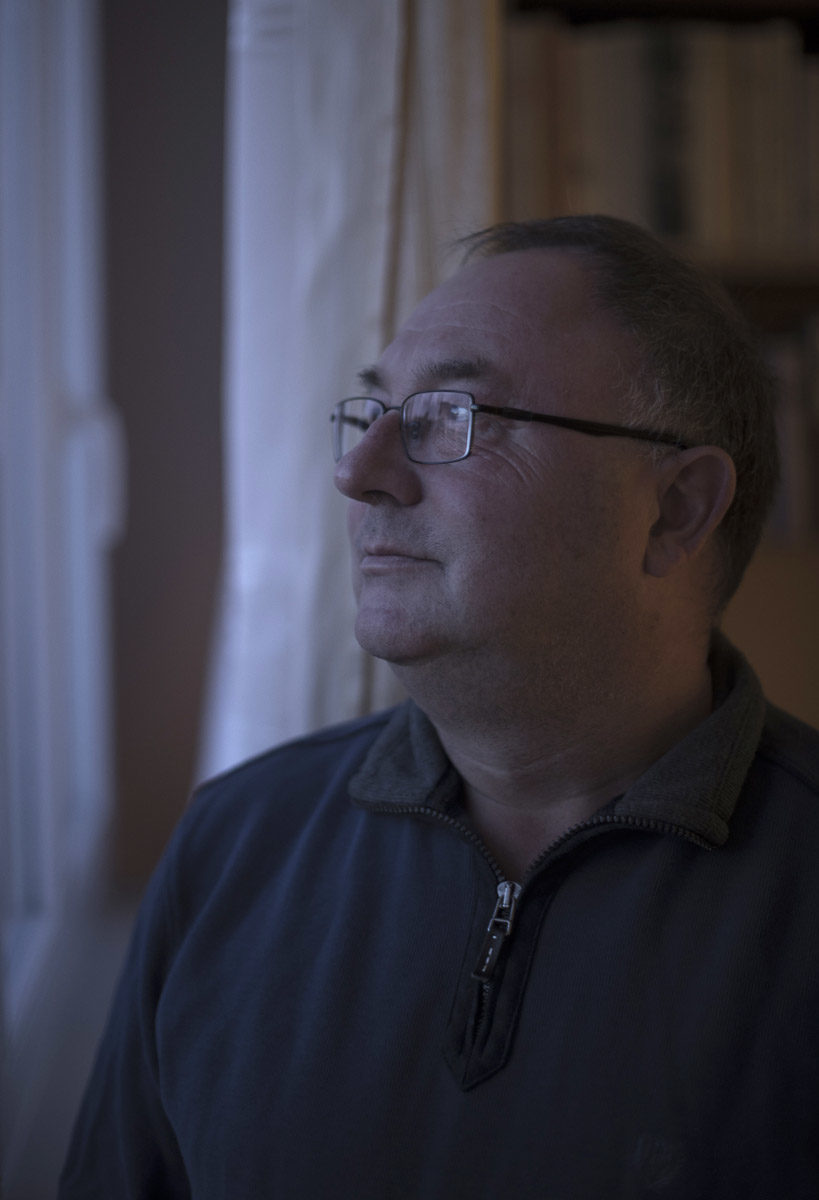
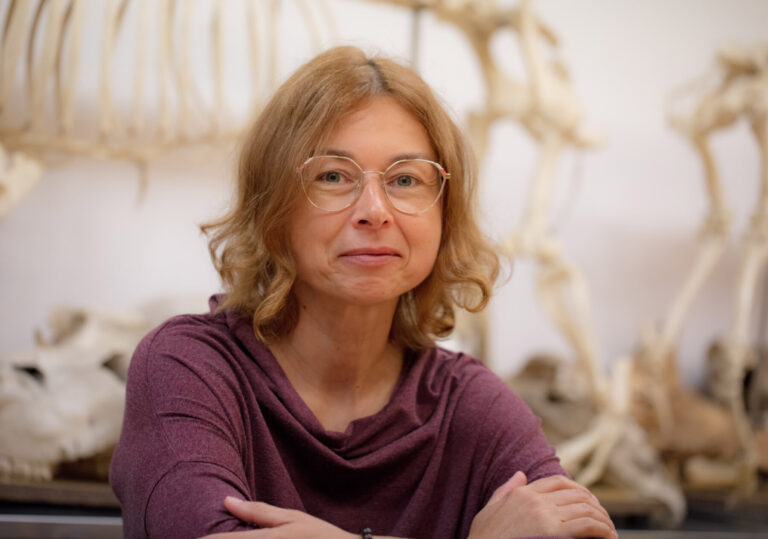
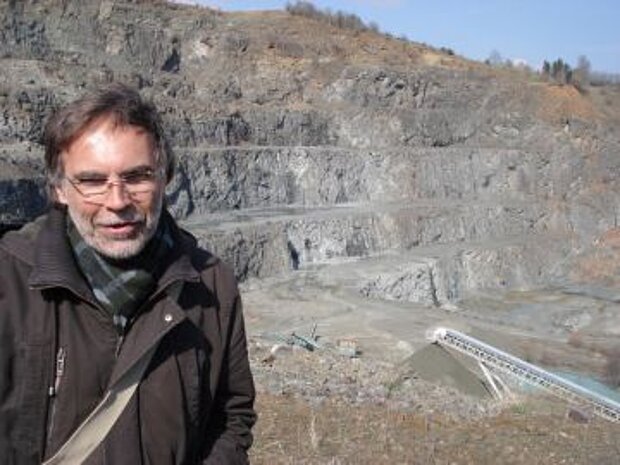
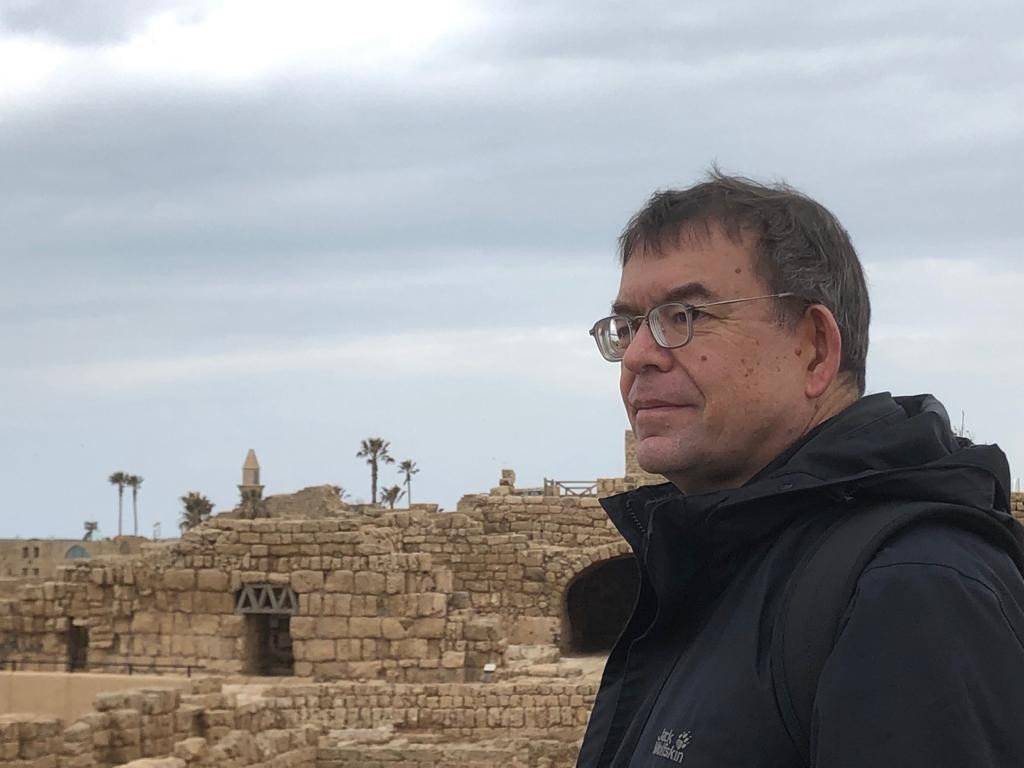
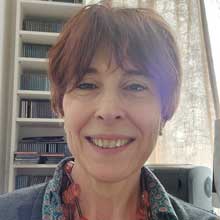
Assoc. Prof. Oksana Minaeva, PhD , is a prominent academic at the New Bulgarian University specializing in Medieval Bulgarian Art and cross-cultural interactions. Her research spans Byzantine influence, Pagan Bulgarian iconography, and early medieval metalwork, with a focus on artifacts from Preslav, Vrap, and Scandinavian-Balkan cultural intersections. Academic Position: Associate Professor, Department of Fine Arts Courses: Art in Medieval Bulgaria (HACB610), Europe: History, Culture and Society (OOOK203) Research Themes : Minaeva's work explores the iconography of power in pagan Bulgarian rulership, consecration rituals , and the symbolism of thrones and ceremonial objects . She has extensively analyzed treasures like the Nad' Szentmiklos and Vrap hoards, linking them to broader Byzantine, Khazar, and Scandinavian cultural networks . Key Publications : She has authored monographs such as From Paganism to Christianity (1996) and co-edited Scandinavia and the Balkans (2015). Her articles address medieval ritual practices , metalwork diffusion , and artistic traditions along the Silk Road . Editorial Contributions : Minaeva has served on editorial boards for Encyclopedia of Visual Arts (2006) and Doctoral Readings (2007–2016). She also translated Peter Brown's works on early Christianity into Bulgarian. Academic Engagements : She contributes to museum studies, including the New Bulgarian University Museum , and evaluates cultural heritage through conferences and educational programs like Doctoral Readings .
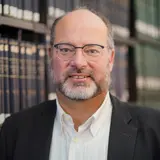
Nona Petkova is an Assistant Professor at the Department of Fine Arts at New Bulgarian University. She teaches courses such as HACB610 Art in Medieval Bulgaria and HACB631 Byzantine and post-Byzantine Art , focusing on historical art studies. Research Interests: Art History Medieval Art Byzantine and Post-Byzantine Art Affiliations: New Bulgarian University Department of Fine Arts
Professor Piotr Dyczek is a leading academic in the field of Roman archaeology, affiliated with the University of Warsaw . He serves as Head of the Department of History and Material Culture at the Institute of Archaeology and directs the Antiquity of Southeastern Europe Research Centre . His work focuses on the history and archaeology of Roman provinces, particularly along the Danube limes, and regions such as Illyria and the Aegean. Research Focus: Roman provincial art and material culture Legionary settlements and military architecture Illyrian-Roman interactions Amphorae and pottery studies Religious practices in Roman military contexts The 15 most recent publications demonstrate his sustained contribution to understanding the Roman frontier systems, daily life in military and civilian settlements, and the integration of archaeological evidence with historical narratives. His articles span topics from Lower Danube kaolin wares to Roman mosaics and Illyrian royal capitals , with a strong emphasis on fieldwork-driven discoveries in Bulgaria, Montenegro, and Albania. As director of the Antiquity of Southeastern Europe Research Centre, he has led extensive excavation projects in Novae (Bulgaria) and Rhizon (Montenegro), contributing to debates on Roman military logistics, cultural syncretism, and provincial urbanization. His work bridges archaeological fieldwork , historical analysis , and cultural heritage management .
Joanna Piątkowska-Małecka is an Associate Professor at the Department of Bioarchaeology, Faculty of Archaeology, University of Warsaw. Her research focuses on animal economy across prehistoric, Bronze Age, and Medieval periods in Poland, the Middle East, and Central Asia, with a particular interest in zooarchaeological analysis of settlements, burials, and religious practices. Research Areas: Prehistoric hunting, Medieval animal economy in Polish-Russian borderlands, Bronze Age animal burials, Middle Eastern Bronze Age economy/religion, Iron Age Levantine animal practices Her publications span from 2001 to 2023, covering topics like animal remains in Roman military posts (2012), Bronze Age consumption patterns in Syria (2006), and Iron Age pastoralism in Turkmenistan (2015). She teaches at the University of Warsaw and holds office hours in rooms 0.28/0.29 on Mondays and Wednesdays. Key article trends show a focus on zooarchaeology, subsistence strategies, and cultural interactions during the Bronze and Iron Ages, with geographic coverage spanning Eastern Europe, the Levant, and Central Asia. Her work often integrates economic analysis with religious and social interpretations of animal remains. Email: jmalecka@uw.edu.pl
St. Cyril and St. Methodius University of Veliko TarnovoBulgaria
Assoc. Prof. Nevena Gavazova is an academic at the St. Cyril and St. Methodius University of Veliko Tarnovo , affiliated with the Faculty of Modern Languages and the Department of Bulgarian Literature . Her research focuses on Medieval Bulgarian Literature , Hagiography , Byzantine-Slavic Cultural Exchange , and Orthodox Theology . Project leader for Digitization Lab at the University Library (2024) Co-organizer of international conferences on Athonite-Slavic spiritual traditions Research Interests center on analyzing Old Bulgarian manuscripts , hagiographic texts , and Byzantine religious philosophy . Her work bridges medieval ethics , spiritual biographies , and Slavic philology , with a focus on intertextuality between Ladder of Divine Ascent and Bulgarian literature. Recent publications (2013–2025) examine 14th-century saints' lives , manuscript translations , and ascetic practices like fasting and charity. She contributes to cultural heritage preservation through digitization initiatives and international symposiums. Projects include: Digitization Lab for educational and research resources (2024) International Symposium Tarnovo Literary School (2021, 2023) Editorial work for Fragmenta Hellenoslavica journal
Claire Bosc-Tiessé is a CNRS Research Director and holder of the EHESS chair "Histoire des objets d’Afrique précontemporains" . Her work bridges art history, archaeology, and Ethiopian studies through interdisciplinary projects. Affiliations: EHESS, Clark Art Institute (2024 Fellow), CRAL, CFEE Her research focuses on: Ethiopian Art & History : Rock-hewn churches, manuscript culture, and visual historiography Material Analysis : Color technology, icon creation processes, and conservation ethics Historiography : Methodologies for precontemporary African art history Notable awards include the Albert Bernard Prize (2005) and Clark Fellowship (2024). She co-organized international conferences on Ethiopian heritage and contributed to major publications like "Africa and Byzantium" (Met, 2023). Current projects address digital platforms for Ethiopian church documentation and sustainable heritage practices.
Dr. Despina Chatzivasiliou serves as a Research Engineer at Collège de France 's Institut des civilisations since 2019. She contributes to four statutory chairs: Religion, History and Society in the Ancient Greek World; Techniques and Economies of the Ancient Mediterranean; Written Culture of Late Antiquity and Byzantine Papyrology; and Law, Culture and Society of Ancient Rome. Her work integrates archaeological, historical, and philological approaches to Greco-Roman antiquity. PhD in Archaeology from Université libre de Bruxelles (2013) Specializes in the interplay between religion, urbanization, and political structures in archaic Greece Co-author of systematic inventories of Greco-Roman cultic spaces Her research focuses on ritual landscapes and territorial structuring through religious practices. She investigates how sacred spaces like the Pelargikon in Athens served as symbolic boundaries shaping collective identity. Her recent projects examine the dynamics of ancient cities beyond static museum representations, emphasizing their evolving character through epigraphic, architectural, and mythological sources. Dr. Chatzivasiliou's 15 most recent publications (2011-2020) span topics from archaic sanctuary organization in Attica to comparative analyses of Mediterranean religious landscapes. She maintains active collaborations with institutions like the French School at Athens and contributes to academic journals including Kernos and Anabases . Professional activities include: Teaching at EPHE (2014-2016) Editorial work for French archaeological missions Co-creation of the Archaeological Museum in Galaxidi Contribution to Collège de France's Mondes méditerranéens anciens digital series
Prof. Dr. Ulrich Schüßler is a Professor at the Chair of Geodynamics and Geomaterials Research within the Institute of Geography and Geology at the University of Würzburg. His academic career spans several decades with significant contributions to both geological sciences and archaeometry. His work bridges the gap between earth sciences and cultural heritage studies through advanced material analysis techniques, with particular expertise in electron microprobe analysis and other sophisticated analytical methods. Professor Schüßler's research interests encompass a diverse range of geological and archaeological topics, including geodynamics, geochemistry, archaeometry, metamorphic petrology, Antarctic geology, and ancient material analysis. He has made significant contributions to understanding the geological evolution of the Wilson Terrane in Antarctica and has pioneered the application of geological analytical methods to archaeological materials, particularly ancient glass, stone artifacts, and ceramic materials. His early work focused on the KTB (German Continental Deep Drilling Program) target area in Upper Palatinate, Bavaria, before expanding into Antarctic research and archaeometry. Analysis of Professor Schüßler's extensive publication record reveals a strong trend toward interdisciplinary research connecting geological sciences with archaeology and cultural heritage. His work increasingly focuses on provenance studies of ancient materials using geochemical and petrographic methods to trace trade routes and understand technological developments in ancient societies. His research on ancient glass, obsidian artifacts, and building stones provides valuable insights into prehistoric and historic trade networks across Europe, the Mediterranean, and beyond. The integration of advanced analytical techniques like electron microprobe analysis, Raman spectroscopy, and X-ray diffraction in archaeological contexts represents a hallmark of his scholarly approach. Professor Schüßler has maintained an active research program through extensive collaborations with scholars across Europe and beyond. He has served as co-editor for multiple conference proceedings of the 'Archäometrie und Denkmalpflege' meetings and has been instrumental in establishing archaeometry as a vital interdisciplinary field at the University of Würzburg. His laboratory work involves sophisticated analytical equipment for material characterization, enabling detailed studies of both geological specimens and archaeological artifacts.
Vicky Foskolou is an Associate Professor of Byzantine Archaeology at the University of Crete , with academic appointments at the Hellenic Open University (2003-2017) and prior roles as Special Scientist (2002-03). Her research focuses on Byzantine monumental painting, iconography, East-West artistic interactions, private devotion practices, and pilgrimage material culture. PhD in Byzantine Archaeology (University of Athens, 2000) Alumni of University of Heidelberg (postgraduate 1991-96) Elected: Lecturer (2004), Assistant Professor (2012), Associate Professor (2024) Key research themes include intercultural encounters in medieval Greece, Latin influence on Byzantine art, and the role of objects in religious practice. Her publications span edited volumes and peer-reviewed articles on topics like magical amulets (2014), local saint cults (2016), and mendicant spirituality in Venetian Crete (2022). Recent work examines Mary Magdalene's veneration (2025) and hybrid artistic traditions in the Latin East (2023).
Marina Detoraki is a Professor at the University of Crete , jointly appointed to the Department of Philology and the Department of Byzantine and Modern Greek Philology . She also directs the Laboratory of Paleography and Microfilm Archive and serves as an external collaborator of the Research Center for Byzantine Research Orient & Méditerranée UMR 8167 (Paris) . Education & Training: Specialized in Byzantine Philology, University of Paris-Sorbonne Research fellowships: Collège de France (Paris), Bodleian Libraries (University of Oxford), Dumbarton Oaks Research Library (Washington, DC) Research Interests: Her scholarship centers on Byzantine Philology and Greek Paleography , with particular emphasis on hagiographical texts , Byzantine narrative literature , and translation practices . A further strand of her work investigates book production in 15th–16th-century Crete , combining codicological, paleographic, and historical perspectives. Recent Publications & Trends: Recent outputs range from a 2020 collaborative volume on Greek libraries in the Ottoman Empire to critical editions of major hagiographic corpora. Collectively, these works illuminate the transmission, reception, and cultural contexts of Byzantine and post-Byzantine Greek texts across the Mediterranean. Scientific Awards: Prize of the Academy of Athens in the class of Letters and Arts (Michael and Ioannis Katsaras Prize, 2008) for Le Martyre de saint Aréthas et de ses compagnons Laboratory Leadership & Collaborations: At the Laboratory of Paleography and Microfilm Archive , she oversees projects in digitization, manuscript description, and textual criticism. International collaborations include ongoing partnerships with the Collège de France-CNRS and other European centers of Byzantine studies.
Nora K. Schmid is a Departmental Lecturer in Islamic Studies at the University of Oxford, affiliated with the Faculty of Asian and Middle Eastern Studies (AMES). Her academic work focuses on the Qur'an as a late antique text, Arabic asceticism, and the intellectual traditions of pre-Islamic Arabia, positioning her research at the intersection of religious studies, literary analysis, and historical criticism within early Islamic scholarship. Dr. Schmid's primary research interests include: The Qur’an as a late antique text Arabic asceticism The intellectual and literary traditions of pre-Islamic Arabia Arabic literature and religious culture (especially sermons and poetry) Islamic law Her scholarship consistently bridges philological precision with contextual historical analysis, revealing how early Islamic religious texts emerged from and engaged with the broader religious landscape of late antiquity. This approach illuminates connections between pre-Islamic Arabian heritage and formative Islamic thought. Analysis of Dr. Schmid's publication record reveals a strong thematic focus on Qur'anic literary structures, rhetorical devices, and their relationship to late antique religious traditions. Her work frequently examines light imagery, oaths, interrogative rhetoric, and ethical exhortation in the Qur'an, while also exploring ascetic traditions, biblical narrative reception, and the Christianization of pre-Islamic poetry. This body of work demonstrates consistent interdisciplinary methodology combining textual criticism, literary analysis, and historical contextualization. No scientific awards or major prizes have been documented for Dr. Schmid in available sources. The provided information does not specify any doctoral or master's students advised by Dr. Schmid, nor details of research grants she may have secured. Her current role as Departmental Lecturer indicates primary responsibilities in teaching and research within Oxford's Islamic Studies department. There is no mention of Dr. Schmid leading or participating in specific research laboratories, centers, or collaborative teams in the available institutional data.
Valentina Sergeevna Lazebnaya is a Senior Lecturer at the National Research University Higher School of Economics (HSE) , affiliated with the Institute of Classical East and Antiquity under the Faculty of Humanities . With 10 years of scientific and teaching experience, her work focuses on classical philology, Byzantine studies, and the history of science. She holds a specialization in Classical Philology from the Russian State Humanitarian University (RSHU), where her postgraduate research (2013–2015) centered on Pausanias’ Description of Hellas in the context of Greek literary tradition. Languages: English, French, Ancient Greek, Latin, Greek Research Interests include ancient geography, comparative mythology, and historical textology. Her teaching spans Latin and Ancient Greek language courses, classical philology, and seminars on critical analysis of ancient texts for undergraduate and graduate students in Philology and History. Awards : Honorary Diploma (HSE Humanities Faculty, 2024) Gratitude Award (HSE Humanities Faculty, 2020) HSE Best Teacher (2023) She has taught at HSE since 2017 and at the Russian State University for the Humanities since 2018, following pedagogical practice at RSHU’s Institute of Philology and History (2013–2015). Her academic profile includes participation in events like HSE’s Mental Health Day (2023), emphasizing well-being in academic environments.
Hartmut Leppin is Professor of Ancient History at Goethe University Frankfurt am Main, where he has held a chair position since 2001. He leads the Department of Ancient History within the Historical Seminar (Department 08) at the university. Professor Leppin has turned down professorial offers from Hannover, Berlin (HU), and Cologne, choosing to remain at Frankfurt. He has been recognized with prestigious awards including the Leibniz Prize of the German Research Foundation, the Erwin Stein Prize (2019), and the Humanities International Prize. For the Academic Year 2024/5, he has been invited to the Wissenschaftskolleg Berlin. Professor Leppin studied history and classical philology in Marburg, Heidelberg, Pavia, and Rome. He completed his state examination in Marburg in 1988, received his doctorate there in 1990, and habilitated at the Free University of Berlin in 1995. He served as a substitute professor in Greifswald in 1995/6 and held Feodor-Lynen and Heisenberg Fellowships for research stays in Nottingham and Göttingen before joining Frankfurt in 2001. Leppin's research focuses on the political history of ideas in antiquity, Christianization processes, late antiquity, and entanglement history. He is currently working on a book about the global history of the Roman Empire that attempts to incorporate non-Roman perspectives. His work often examines transcultural and transepochal connections, with particular interest in how different cultures interacted within and beyond the Roman Empire. The publication trends show consistent output across multiple subfields including religious history, political theory, and cultural interactions in late antiquity, with particular emphasis on polyphonic perspectives of early Christianity. Among his notable awards and recognitions are: Leibniz Prize of the German Research Foundation Erwin Stein Prize (2019) Humanities International Prize (Geisteswissenschaften International) Feodor-Lynen Fellowship Heisenberg Fellowship Professor Leppin serves as Chairman of the Board of Trustees of the Historische Kolleg in Munich and is a member of the advisory board of the Frobenius Institute and Ceraneum. He is also editor or advisory board member for numerous academic journals, series, and encyclopedias including Atti del Centro Ricerche e Documentazione sull'Antichità Classica, BMCR, Historische Zeitschrift, Histos, Millennium-Jahrbuch, Millennium-Studien, and Reallexikon für Antike und Christentum. Additionally, he is a principal investigator for the Leibnizcampus Byzanz (Mainz/Frankfurt). From October 2015 to December 2023, Professor Leppin directed the DFG-funded project "Polyphony of Late Antique Christianity," which explored the diversity of Christianity within and beyond the Roman Empire, with particular attention to multilingualism and entanglement processes. This work led to an ongoing collaborative project with Philip Forness on the new edition, translation, and commentary of the Syriac church historian John of Ephesus. Starting July 1, 2025, he will serve as co-spokesperson (with Prof. Dr. Birgit Emich) for the research group "Polycentricity and Plurality of Premodern Christianities (POLY)." Since early 2025, he has also been working on the potential field "Religion and De:Toxification." As a visiting scholar, Professor Leppin has worked at institutions in Cambridge (UK), Changchun, Cairo, and Princeton. His scholarly supervision has guided numerous students through BA, MA, Staatsexamen, Magister, and doctoral programs, with many theses focusing on late antique Christianity, Roman social history, and political theory.
Paola Degni is a Full Professor in the Department of Humanities at Ca' Foscari University of Venice, specializing in Paleography (SSD HIST-04/D). Her academic work focuses on Greek Paleography, Codicology, and Byzantine manuscript studies. Professor Degni's research interests include: Greek Paleography and script evolution Manuscript production and circulation in Byzantine Italy Codicology and manuscript cataloging Byzantine book culture and textual transmission Greek-Latin translations and cultural exchange Her extensive publication record demonstrates expertise in analyzing specific manuscripts like the Vergilius antiquior and the Menologion of Basil II, as well as broader studies on Byzantine book production. Recent work examines translator networks, manuscript travel between East and West, and Greek paleographic features across different historical periods. Professor Degni teaches courses across multiple degree programs including: Codicology (6 credits) Introduction to Greek Paleography (6 credits) Manuscript Cataloging (6 credits) Greek Paleography (6 credits) Final Thesis Preparation (6 credits) She supervises graduate students' thesis work and has contributed significantly to collaborative projects on Greek manuscript cataloging in Italian libraries.
Catholic University of Eichstätt-IngolstadtGermany
Prof. Dr. Thomas Kremer serves as Professor of Eastern Christian Theology at the Faculty of Theology, Catholic University of Eichstätt-Ingolstadt, holding the permanent Chair for Eastern Christian Theology since the 2023/24 winter semester. He concurrently directs the Research Center for the Christian Orient (FSCO) and chairs the Society for the Study of the Christian Orient (GSCO), establishing himself as a leading authority in Eastern Christian scholarship. His educational journey commenced with theological studies at Jerusalem's Dormition Abbey (1993-1995), culminating in a Theology Diploma from Trier (1996), Doctorate (2009), and Habilitation from Sankt Georgen University (2017). His academic path includes research assistantships at Trier and Sankt Georgen, alongside pastoral service in German parishes until 2008. Kremer's research centers on Eastern Christian theological traditions , with emphases on Syriac patristics (particularly Ephrem the Syrian), liturgical theology , ecumenical relations , and contemporary challenges facing Eastern Churches . His work bridges historical analysis with modern applications, examining how ancient liturgical practices inform current theological discourse and interfaith engagement. His publication trajectory reveals escalating focus on digital preservation of Eastern Christian heritage and crisis response in conflict zones . Recent works analyze Ukrainian Orthodox dynamics during the Russian invasion, digital archiving solutions for endangered traditions, and interreligious dialogue frameworks with Islamic and Jewish communities—all grounded in patristic sources yet urgently contemporary. He received the Hieronymus Prize from Trier's Theological Faculty (2011) and was elevated to Archimandrite in the Melkite Greek Catholic Church (2015). His editorial leadership spans multiple academic series including SOPHIA – Quellen östlicher Theologie and Eichstätter Beiträge zum Christlichen Orient . As Director of the FSCO, Kremer spearheads interdisciplinary initiatives connecting liturgical scholarship with cultural preservation efforts, particularly for Middle Eastern Christian communities. His recent development of the Eastern Christian Studies Online Campus demonstrates innovative integration of digital tools with traditional theological education.