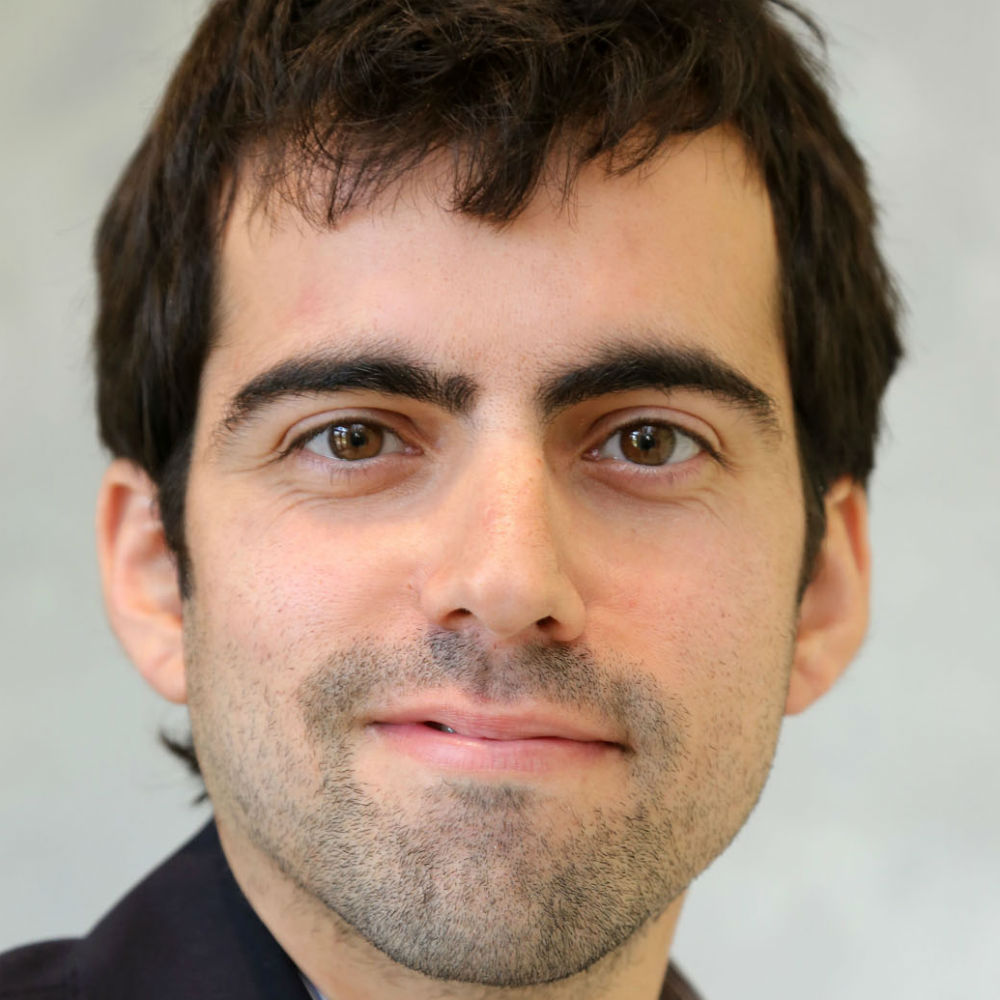
William Hurst is the Chong Hua Professor of Chinese Development in the Department of Politics and International Studies (POLIS) at the University of Cambridge . He is a Governing Body Fellow at Wolfson College and is affiliated with the Centre for Development Studies and the Centre for Geopolitics . Hurst has been a faculty member at the University of Cambridge since 2013. Prior to this, he held positions as a postdoctoral fellow at the University of Oxford and as an assistant professor at the Universities of Texas and Toronto. His research spans four major themes: labor politics , contentious politics , political economy , and the politics of law and legal institutions , with a regional focus on China and Indonesia . He is currently completing a book manuscript on the comparative politics of law and legal institutions in China and Indonesia since 1949, based on over a year of fieldwork in each country since 2006. Hurst’s publications reflect a deep engagement with the evolution of Chinese and Indonesian governance, labor rights, urban development, and legal reform. His work critically examines how authoritarian regimes manage legal institutions, labor unrest, and urban transformation, offering comparative insights into state-society relations in East and Southeast Asia. While no specific students or awards are listed in the provided text, Hurst’s academic trajectory and publication record indicate a strong commitment to both research and pedagogy in development studies and comparative politics.
Dr. Charilaos Nikolaidis is a Senior Lecturer at Essex Law School, University of Essex, specializing in international human rights law and the intersection of law and literature. He received his LLB from City, University of London, LLM in International Business Law from University College London, and PhD in Law from King's College London. His research focuses on international human rights law, particularly the theory and implementation of the right to equality, and the relationship between law and literature. Nikolaidis has published extensively on equality jurisprudence, comparative human rights law, and democratic challenges in European contexts. Nikolaidis's publications demonstrate consistent focus on human rights jurisprudence, particularly equality and non-discrimination within European legal frameworks. His work spans theoretical explorations of legal equality, comparative analyses of European and US privacy rights, and practical examinations of democratic challenges in Greece and beyond.
Yintan Fan is an Assistant Lecturer and Postgraduate Research Student in the Department of Sociology and Criminology at the University of Essex. His current PhD research focuses on ethnic entrepreneurship and chambers of commerce, exploring how migrant organizations influence socio-economic dynamics. Previously, he worked as a university lecturer (2019–2022), market researcher (2016–2019), and journalist (2009–2011). Education includes a BA in Sociology from Jiangnan University (2012), an MA in Social Science from Complutense University of Madrid (2016), and an MA in Sociology from Bielefeld University (2017). He holds certifications in teaching (HEA Fellowship, China), translation (fluent in Chinese, English, German, Spanish), and project management. Research interests span Economic Sociology , Sociology of Work , Migration Studies , and Cultural Sociology . His work examines topics such as Chinese students' social adaptation in Germany, ethnic entrepreneurs in Spain and Italy, and labor rights in China. Key outputs include conference presentations on migrant organizations, global fashion industries, and trade union efficacy. Awards include the Annual Teaching Contribution Award and Senior Teaching Supervisor titles at Wenzhou Medical University. He has secured grants such as the University of Essex Postgraduate Research Student Proficio Scheme (2022) and Wenzhou Social Science Association Research Program (2020). Professional activities include teaching Researching Social Life I (SC101) and participation in summer schools like the MIT Sloan Medici Program (2023) and Manchester's Creative Qualitative Methods (2022).
Professor Khaled Hussainey is a Professor of Accounting at Bangor Business School, appointed in April 2024. He previously held academic roles at Portsmouth, Plymouth, Stirling, Manchester, and Ain Shams Universities. With over 25 years of teaching experience, his research focuses on corporate narrative reporting, XBRL, and sustainability. He has published over 200 peer-reviewed articles and secured grants from ESRC, Qatar National Research Foundation, and others. His qualifications include a Ph.D. in Accounting & Finance from the University of Manchester (2004), an M.Sc. from the University of Birmingham (2000), and a B.Com. from Ain Shams University (1994). He has supervised 56 PhD and 7 DBA theses. Research interests include corporate governance, earnings management, Islamic accounting, and big data. He serves as Co-Editor of the Journal of Financial Reporting and Accounting and Editor of the International Journal of Emerging Markets . His work has been recognized in Stanford University's Top 2% Researchers list (2023). Grants include £60,000 from ESRC (2005), $120,000 from Qatar NFR (2014), and £48,412 from the British Council (2019). He has held visiting professorships at King Khalid University, Tunis University, and others. He actively participates in international conferences and serves as an external assessor for promotions and research funds globally. His recent articles address sustainability reporting, FinTech disclosure, and climate governance. He emphasizes interdisciplinary research linking accounting practices with technological and environmental trends.
John Ferguson is a Professor in Accounting at the School of Management, University of St Andrews. He serves as Co-Director of the Centre for Social and Environmental Accountability Research (CSEAR) and the Centre for the Study of Philanthropy & Public Good. His work significantly contributes to the United Nations Sustainable Development Goals, particularly in areas related to responsible consumption and production, and peace, justice and strong institutions. His academic qualifications include BA (Hons), BA, MAcc, Ph.D, CertTHE, and professional designations FHEA, FRSA, CMBE. Professor Ferguson's research focuses on accountability and corporate governance, with particular emphasis on the social and organizational impact of different governance models and corporate accountability for human rights. His work explores how businesses can be held accountable for human rights violations and how governance structures influence corporate behavior. He has made significant contributions to understanding the implementation of the United Nations Guiding Principles on Business and Human Rights (UNGPs) in Scotland through his work with the Scottish Government on the National Baseline Assessment. His research demonstrates strong trends in business ethics, corporate social responsibility, and the intersection of human rights with corporate governance, with recent publications exploring forward-looking responsibility frameworks, translation of human rights principles into corporate contexts, and national action plan implementation. Winner of the British Accounting Association Accounting Education Special Interest Group Annual Prize (2008) for the paper 'Accounting Textbooks: Exploring A Cultural and Political Artifact' Professor Ferguson has supervised multiple postgraduate students and currently serves on the editorial boards of Accounting, Auditing and Accountability Journal and Human Relations. He previously served as Editor of the Social and Environmental Accountability Journal (SEAJ) from 2011-2015. He has led significant research projects including 'The In-Betweeners: Examining the role and impact of 'experts' in business and human rights' funded by The Royal Society of Edinburgh (2023). He is active in several research networks and advisory groups, including the International Corporate Accountability Roundtable (ICAR), and has organized numerous academic conferences and workshops on business and human rights implementation.
Arman Eshraghi is a Professor of Finance and Investment at Cardiff Business School , with 15 years of academic and industry experience. He founded the Cardiff Fintech Research Group , leads the Digital Transformation Innovation Institute 's fintech theme, and co-directs the Behavioral Finance Working Group . He serves as Editor-in-Chief of International Review of Economics and Finance and Senior Editor in multiple journals. Key academic appointments: Cardiff University (2018–present), University of Edinburgh (2013–18) International fellowships: Development Bank of Japan, University of Canterbury (New Zealand), UCL Industry engagement: Federal Reserve Bank (NY), Alan Turing Institute, CFA Society UK, CityUK Research Focus: Behavioral finance, corporate finance, financial technology, and interdisciplinary accounting. His work examines retail investor psychology, fund manager behavior, CEO decision-making, and fintech impacts on financial markets. He has published in Review of Financial Studies , Harvard Business Review , and Financial Times . Scientific Contributions: EFMD Global, Emerald Literati, and European Financial Group awards Keynote speaker at global conferences (New York, London, Mumbai, Frankfurt) Media citations in Financial Times , BBC , Forbes , and Bloomberg Teaching & Leadership: Delivers award-winning MSc/MBA/PhD courses in UK, Europe, and Asia. Holds a Postgraduate Certificate in Academic Practice and Fellow of AdvanceHE. Designed executive programs for firms including Aetna CVS Health and Scottish Widows. Research Leadership: Co-organizes international conferences like the Cardiff Financial Technology Conference and European Financial Management Association Meeting . Supervises PhD students on topics spanning fintech, behavioral finance, and CEO lifestyle impacts.
Don John Omale serves as a Senior Lecturer in Criminology within the College of Business, Law and Social Sciences, focusing on critical issues in Nigerian and African criminal justice systems. His work bridges theoretical frameworks with practical field applications across diverse security and justice contexts. Dr. Omale's research centers on restorative justice mechanisms, police ethics, and conflict resolution in Africa. He extensively examines traditional African dispute resolution models alongside modern criminal justice challenges, with particular emphasis on Nigeria. His studies address farmer-herder conflicts, prison conditions, terrorism countermeasures, and domestic violence in semi-urban settings, consistently advocating for culturally grounded solutions that enhance community trust and institutional accountability. Analysis of his 15 most recent publications (2010-2025) reveals a dominant focus on restorative justice implementation and police accountability in Nigeria. His work demonstrates a methodological shift from theoretical discourse (2005-2011) toward empirical field studies examining practitioner perspectives and community-level impacts, particularly in conflict-affected regions like the Niger Delta and North Central Nigeria. The research consistently connects indigenous African conflict resolution traditions with contemporary security challenges. No scientific awards were documented in available sources Professional activities show no recorded student advising or grant funding in the provided materials, though his extensive publication record suggests active research supervision. His work frequently engages criminal justice professionals and community stakeholders, indicating collaborative field-based approaches to justice reform.
Mustafa B. Ozturk is a Professor of Human Resource Management at Queen Mary University of London's School of Business and Management, affiliated with the Department of People and Organisations. He holds roles as Programme Director for the MSc International Human Resource Management and coordinator for the International Foundation Programme and Pre-Masters. His academic journey includes a BA in Economics and Politics from New York University, followed by MA and PhD studies at the University of Chicago, focusing on the political economy of human capital. Dr. Ozturk's research emphasizes workplace equality, diversity, and inclusion, particularly addressing systemic disadvantages related to gender identity, sexual orientation, race, and ethnicity. He is a member of the Centre for Research in Equality and Diversity (CRED) and actively supervises doctoral students exploring themes like gender inequality in finance, ethnic minority entrepreneurship, and global diversity management. His teaching includes BUS269: Organisational Behaviour. Research interests span both developed and developing regions, including Turkey, China, and the UK. He has published widely on topics such as racialized incivility, LGBTQ+ workplace inclusion, and gender equality in global contexts. Supervision expertise includes doctoral projects on intersectionality in talent management, corporate socio-political activism, and gender disparities in finance.
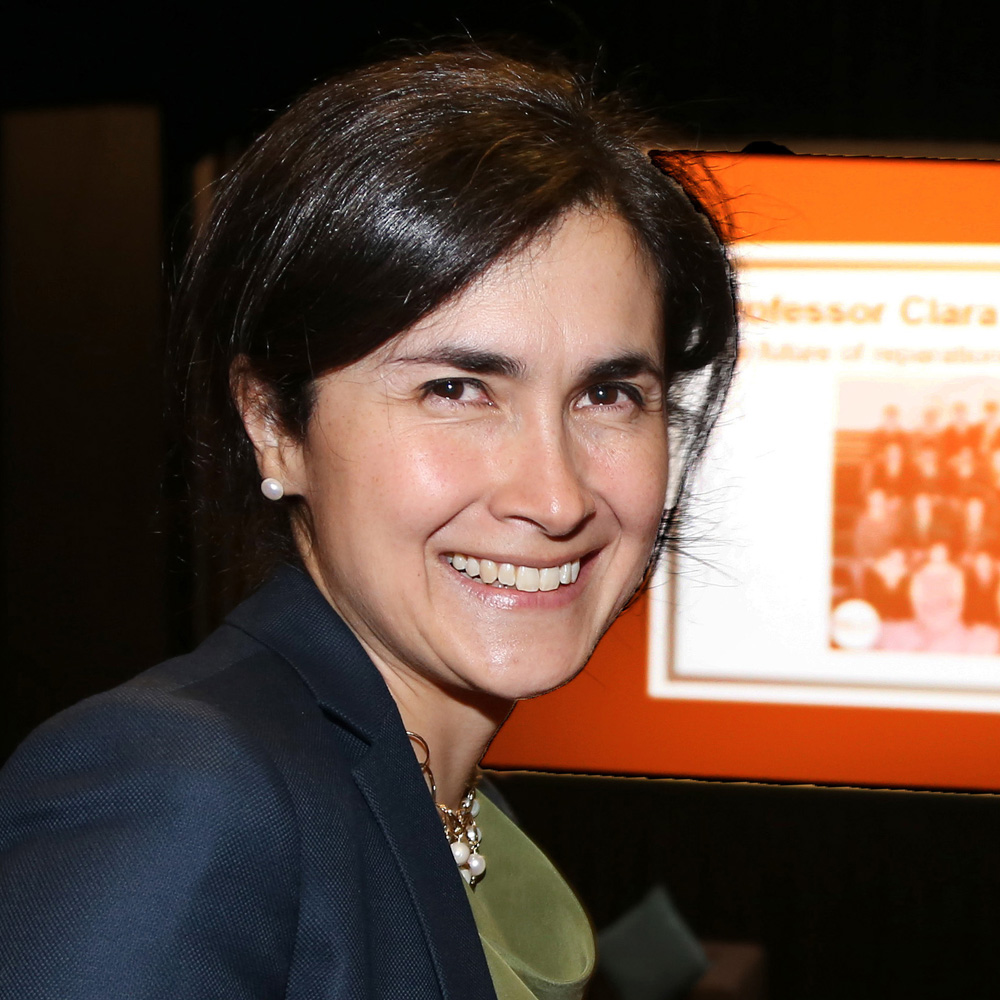
Prof Clara Sandoval Villalba is an Honorary Professor at the Essex Law School, University of Essex. She is a qualified lawyer, a member of the Human Rights Centre, and Co-Director of the Essex Transitional Justice Network. Her work focuses on the Inter-American System of Human Rights, Transitional Justice, and the Right to Reparation. She is actively involved in research, teaching at the Geneva Academy's Master in Transitional Justice, and leading projects on victims' participation and reparation in transitional settings. Clara co-authored notable works such as Reparations for Victims of Armed Conflicts (CUP, 2020) and Doctrine, Practice, and Advocacy in the Inter-American Human Rights System (OUP, 2019). Her research projects include AHRC GCRF and ESRC-funded initiatives in Colombia, Guatemala, and Peru, analyzing reparation programs, victims' participation, and accountability mechanisms. Her recent publications address virtual hearings during the pandemic, gender-sensitive reparations, and the interplay between supranational bodies and state implementation of reparation orders. Clara has advised the ICC on reparation awards and contributed to UN Guidance Notes on Conflict-Related Sexual Violence. She is also engaged in human rights litigation and capacity-building with organizations like REDRESS. Clara supervises PhD students in Human Rights and Law, including Paulina Jimenez Fregoso and Maria Delia Sanchez Del Angel, who explored intersectionality and victims' participation in transitional justice. She has secured grants from AHRC, ESRC, and the British Council for research on land restitution, structural inequalities, and transitional justice mechanisms. For academic inquiries, she can be reached via email at csando@essex.ac.uk by appointment at the Colchester Campus, University of Essex.
Professor Heejung Chung is Professor of Work and Employment at King’s College London and Director of the King's Global Institute for Women's Leadership. She is based in the HRM & Employment Relations department within King’s Business School. Her research focuses on flexible working, gender and racial inequalities, work-life balance, and comparative labour market policies. Institution: King’s College London School: King’s Business School Department: HRM & Employment Relations Role: Professor and Director Her research interests include human resource management, gender inequalities at work, remote and hybrid working, work-family conflict, division of domestic labour, and advanced quantitative and qualitative methods. She employs large-scale longitudinal datasets and digital diaries to examine how flexible working affects marginalized groups and shapes social policy. The most recent articles reflect a strong trend toward investigating the social implications of remote and hybrid work, particularly focusing on gender and racial equity, flexibility stigma, and policy impacts. Her work increasingly emphasizes intersectionality, national policy contexts, and organizational change. Short-listed for the Rosabeth Moss Kanter Awards for Excellence in Work-Family Research Long-listed for the Cambridge University Press Excellence in Social Policy Research Named in Onalytica’s Top Voices in Future of Work 2023 Named in HR Magazine's 'Most Influential' list Professor Chung has secured over £10 million in research funding as PI or Co-I from ESRC, ERC, Nuffield, NORFACE, and others. She actively supervises PhD students and contributes to editorial boards of journals such as Gender & Society and Work, Employment & Society. She is a member of the executive boards of the European Social Policy Analysis Network and the Work and Family Researchers Network. She leads the King's Global Institute for Women's Leadership, where she promotes research and policy initiatives on gender equality, including the Gender Equality Index UK. Her work has directly influenced the European Commission’s Work-Life Balance Directive and ongoing discussions about the 'Right to Disconnect'.
Adaeze Okoye is a Senior Lecturer at the University of Brighton's School of Business and Law, leading the Law, Society and Justice Research Excellence Group. She holds a PhD from the University of Hull and a Master's from the University of Dundee. Her research focuses on corporate social responsibility (CSR), corporate governance, oil and gas law, business and human rights, and law's role in African development. She has held fellowships at the Honourable Society of Inner Temple and the Institute of Advanced Legal Studies (IALS), and currently serves as an Honorary Member of Inner Temple and a Senior Fellow of Advance HE. Her work includes organizing international conferences such as the Critical Law and Corporate Social Responsibility Network conferences, funded by institutions like IALS and Inner Temple. She has authored over 30 peer-reviewed articles and book chapters, including a 2016 monograph on legal approaches to CSR. She supervises three PhD students and advises on corporate accountability, CSR, and sustainable development. Okoye's scholarly contributions span modern slavery regulation, African regional courts' roles, and tax ethics in Africa. She has held editorial roles for the IALS OBserving Law Series and served on committees like the Society of Legal Scholars (SLS) EDI Committee. Her external positions include Visiting Professor at Coal City University and membership in the African Union Law Research Network.
Dr Anita Hammer is a Reader in International Employment Relations at King’s Business School, King’s College London. She specializes in comparative and international work and employment relations, focusing on the Global South, informal/precarious work, and the impact of technology/climate change on labor markets. Her research addresses socio-economic inequalities, sustainability, and the future of work through interdisciplinary approaches combining history, political economy, and labor process theory. Education: PhD, MSc, PGCHE (University of London); MPhil in History (Jawaharlal Nehru University), MA Area Studies (SOAS), BA History (St Stephen’s College, Delhi University). She is a Senior Fellow of the Higher Education Academy (SFHEA). Research Interests: Automation’s impact on work in India, migrant labor in Saudi Arabia, just transitions for informal workers, and climate change’s labor implications. She collaborates with civil society, trade unions, and policy bodies like ACAS and the ILO. Her recent books include *Global Rupture* (2023) and *The Political Economy of Work in the Global South* (2020). Publications span peer-reviewed journals (*Work, Employment and Society*, *Journal of Labor and Society*) and edited volumes. She leads the CRIMT international research project on work improvement and is affiliated with King’s India Institute and Climate Research Hub. Editor roles include *Work Employment and Society* and *Journal of Industrial Relations*. Awards: 2019 Outstanding Doctoral Supervisor, Thomas Holloway Fellowship (2002). She supervises PhD students and examines theses at Cardiff Business School and SOAS. Labs/Teams: Part of the Critical Global Capitalism Studies Collective at King’s, fostering collaborations on global capitalism research and activism.
Marios Koutsias is a Senior Lecturer at Essex Law School, University of Essex, specializing in EU Commercial Law, Company Law, and Data Protection. He holds an LLB from Aristotle University of Thessaloniki, an LLM in EU Law from the University of Essex, an MA in Politics and International Relations from King's College London, and a PhD in Law from the University of Essex. Prior to his academic career, he practiced as a lawyer on Greek Law and European Union Law in Thessaloniki and Brussels, and remains a member of the Thessaloniki Bar Association, Greece. His educational background includes: LLB from Aristotle University of Thessaloniki, Greece LLM in EU Law from University of Essex MA in Politics and International Relations from King's College, London PhD in Law from University of Essex Dr. Koutsias' research focuses on Company Law, Corporate Governance, Comparative Company Law, European Union Law with a special emphasis on the Internal Market, and Privacy and Data Protection. His work critically examines shareholder primacy versus stakeholder theory, the influence of national cultural identities on corporate governance frameworks, and the evolving landscape of data protection regulations in the digital economy. He has made significant contributions to understanding how Brexit might reshape European corporate governance paradigms and the tensions between commercial interests and privacy rights in global trade. His publication record reveals a strong interdisciplinary approach, connecting theoretical legal concepts with practical commercial applications. The research trends show increasing focus on post-Brexit regulatory alignment, stakeholder governance models, and data protection challenges in international commerce. His most recent 2025 article argues that Brexit should not sever UK-EU privacy regulatory connections to protect both trade interests and human rights. Dr. Koutsias supervises PhD students in Law with expertise in corporate governance frameworks across different jurisdictions. His current supervisees include Tioluwani Comfort Tioluwani and Iman Abdulrahman M Alfaraj, while he has successfully guided seven PhD students to completion since 2016, including Christina Gkampitsaki (awarded January 2024) and Tioluwani Comfort Tioluwani (awarded December 2023). His teaching responsibilities encompass Company Law (LW225), Law of the European Union (LW302), Final Year Research Project (LW304), Introduction to the Law of the European Union (LW430), Industry Placement (LW811), and Data Protection Law in the Digital Age (LW656). He has secured research funding including the 2019 Mondaq KTP 2 grant from Innovate UK. Dr. Koutsias has co-authored three significant books: 'Company Law in the New Europe' and 'The Nature of Corporate Governance: The Significance of National Cultural Identity' (both Edward Elgar Publishers), and 'Company Law' by Palgrave with Professor Janet Dine, which is considered one of the leading textbooks in the field. He also serves as a Specialist Contributor to Gore Brown on EU Company Law publications, demonstrating his recognized expertise in this specialized area.
London School of Economics and Political Science (LSE)United Kingdom
Juanita Gonzalez-Uribe is an Associate Professor in Finance at the London School of Economics and Political Science (LSE), specializing in entrepreneurship, private equity, innovation, and accelerators. She serves as Co-Director of LSE's Financial Markets Group and Programme Director for Financing the Real Economy, while also being a Research Fellow at the Centre for Economic and Policy Research (CEPR) and co-organizer of the WE_ARE Women in Economics seminar series. Her research explores how private markets and public policy can catalyze high-growth entrepreneurship globally, with a focus on Latin America, the UK, and the U.S. Key areas include venture capital, private equity, innovation dynamics, and business accelerators. Recent publications analyze leadership effects in startups, bankruptcy reorganization incentives, and policy interventions for private finance. She advises corporations, governments, and academic institutions on entrepreneurship training, open innovation, sustainability, and impact policy. Gonzalez-Uribe also engages in public speaking and delivers courses like FM414E Private Equity, Venture Capital and Entrepreneurial Finance and FM476 Entrepreneurial Finance . Her interdisciplinary work spans corporate finance, regulatory innovation, and economic resilience.
London School of Economics and Political Science (LSE)United Kingdom
Om Narasimhan is Professor of Marketing at the London School of Economics and Political Science. His research focuses on entrepreneurship in emerging markets, innovation, pricing, and distribution channels. He earned his Ph.D. from the University of Southern California and previously held the Board of Overseers Chaired Professorship at the University of Minnesota's Carlson School of Management. Education: Ph.D. in Business Administration (Marketing), University of Southern California M.S. in Physics, University of Virginia B.S. in Physics, University of Delhi His work explores how microentrepreneurs navigate informal economies and how marketing strategies adapt to emerging market constraints. Research integrates behavioral economics, supply chain dynamics, and consumer psychology to address real-world business challenges. Publications emphasize empirical analyses of market mechanisms, with recurring themes in retail strategy, compensation models, and global business development. Article keywords frequently include entrepreneurship, consumer behavior, and emerging economies. Awards: SIG Best Paper awards (American Marketing Association) John D. Little award finalist Marketing Science Institute Young Scholar Outstanding Researcher Award (Carlson School) Best MBA Professor Award (Carlson School) He teaches in the Masters in Management and Global Executive programs, with executive education engagements at companies including 3M, Samsung, and Target. Leads the Marketing Faculty Research Group at LSE.