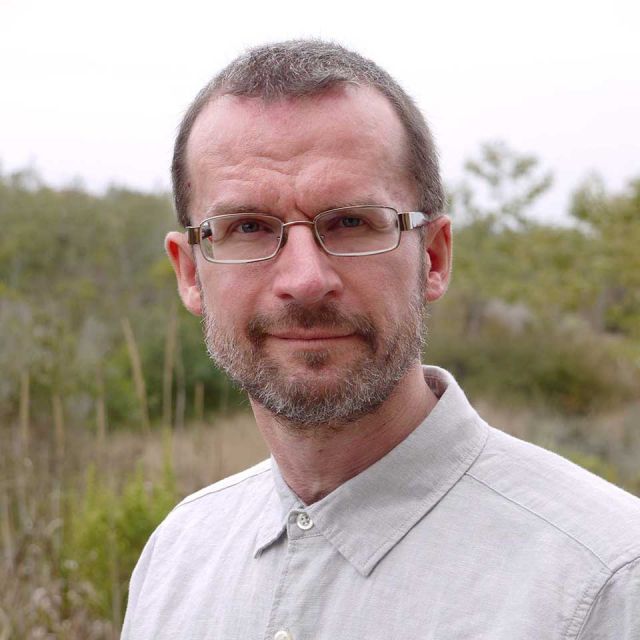
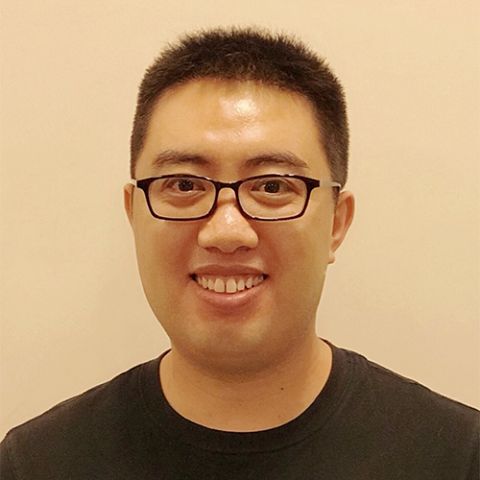
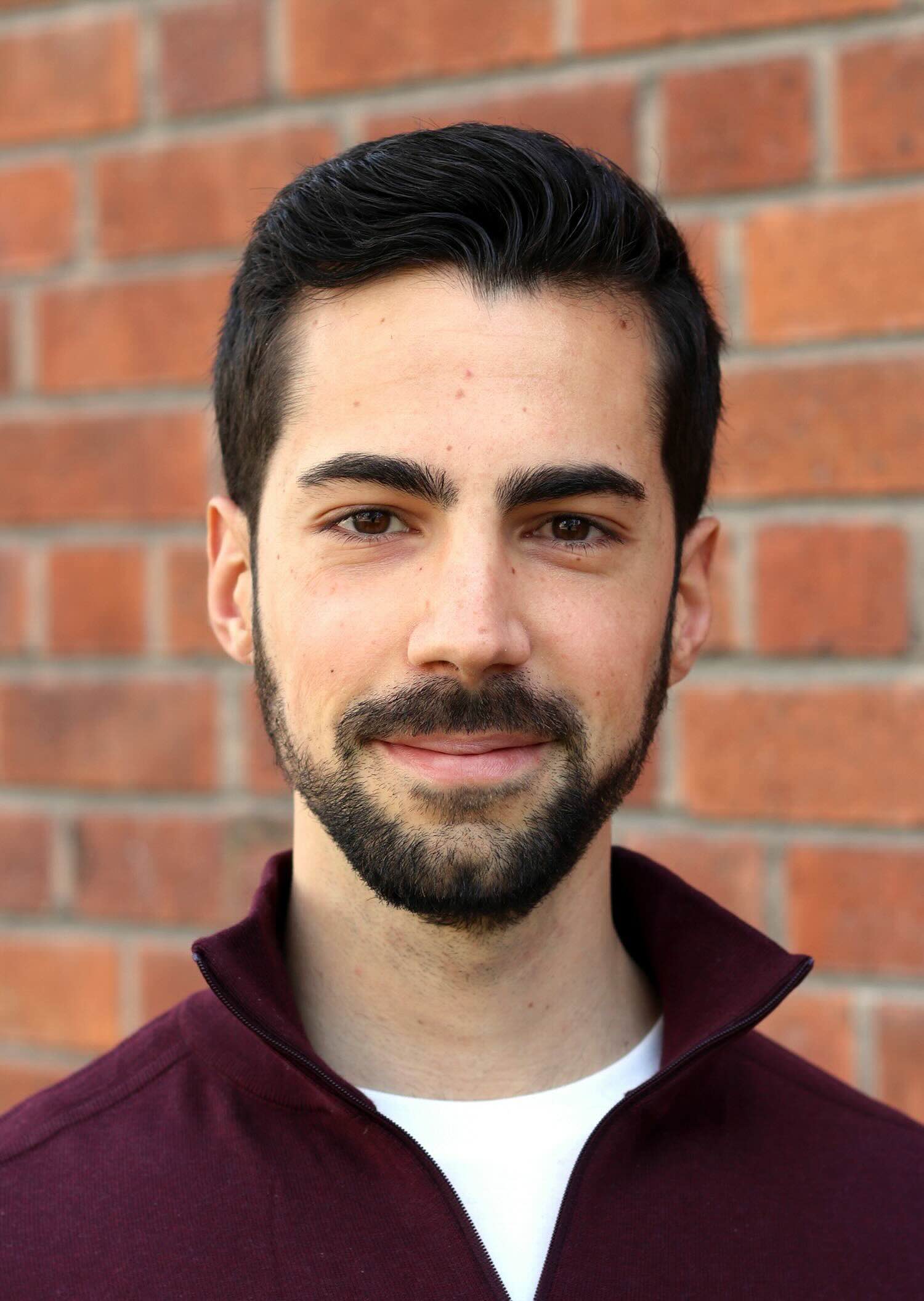
Hal Blumenfeld, MD, PhD, is a Professor of Neurology, Neuroscience, and Neurosurgery at Yale University's School of Medicine, serving as Director of the Clinical Neuroscience Imaging Center (CNIC). He specializes in epilepsy, consciousness, and neuroimaging. His research focuses on understanding the mechanisms underlying impaired consciousness during seizures and developing innovative diagnostic and treatment approaches. Dr. Blumenfeld holds a PhD from Columbia University and completed neurology residency at Massachusetts General Hospital. Appointments: Neurology (Primary), Neuroscience & Neurosurgery (Secondary) Key Roles: Director, CNIC; Author, Neuroanatomy Through Clinical Cases Research Interests: Epilepsy , Consciousness , Neuroimaging , and Cortical-Subcortical Mechanisms . His work combines human and animal models to study seizure-induced consciousness impairment, with a focus on neurovascular coupling, EEG-fMRI, and wearable technologies for real-time monitoring. Publications highlight advancements in understanding absence epilepsy, focal seizures, and the neural correlates of sensory perception. Recent studies explore cholinergic arousal deficits and predictive models for impaired consciousness. His team has developed the ARTiE Watch for automated responsiveness testing in epilepsy. Awards : Javits Neuroscience Investigator Award (NIH), Francis Gilman Blake Award (Yale), and Whitaker Visiting Professorship (ANA). Labs & Teams : Blumenfeld Lab, CNIC, and collaborations with the Kavli Institute for Neuroscience.
Gaétan de Rassenfosse is an Associate Professor at EPFL's School of Management of Technology (CDM), specializing in Science, Technology, and Innovation Policies. He joined EPFL in 2014 and holds a PhD in Economics from the Solvay Business School (Université Libre de Bruxelles). His research focuses on crafting evidence-based policies for knowledge economies, particularly in intellectual property, intangible capital measurement, and 'science of science.' He has published in top journals like Journal of Industrial Economics and Research Policy , secured over CHF 2.5M in research grants, and advised governments and international organizations such as the European Commission and Swiss Federal Office for Education and Research (SERI). He teaches courses on innovation economics and intellectual property management. Professional roles include membership in the CDM Management Board, the Conference of Section Directors (CDS), and doctoral program committees. His advising includes guiding 5 PhD students focusing on policy impacts in clean technology, innovation incentives, and science organization. Key research themes span patent systems, innovation policy efficacy, and cross-border knowledge flows. He actively engages with media and policymakers to translate academic insights into actionable public strategies.
Skirmantas Janusonis is an Associate Professor in the Department of Psychological and Brain Sciences at the University of California, Santa Barbara (UCSB). He is a core faculty member of the UCSB Neuroscience Research Institute and the Interdepartmental Graduate Program in Dynamical Neuroscience, and a member of the California NanoSystems Institute. His research program lies at the intersection of neuroscience, complex systems, and computational modeling. Education: Ph.D. in Neuroscience and Behavior, University of Massachusetts Amherst Postdoctoral Research, Department of Neuroscience, Yale University School of Medicine B.S./M.S. in Biology, Vilnius University, Lithuania Dr. Janusonis's research focuses on the stochastic (random walk-like) behavior of serotonergic axons in the brain, particularly within the ascending reticular activating system and the broader serotonergic matrix. His work integrates molecular neurobiology, comparative neuroanatomy (from sharks to rodents to humans), advanced microscopy, and supercomputing simulations. He investigates how these complex systems self-organize and their relevance to mental disorders, especially autism and the enigma of platelet hyperserotonemia. His lab collaborates with physicists, mathematicians, and engineers to model anomalous diffusion and fractional Brownian motion in 3D brain spaces. His recent publications reveal a strong trend toward computational and theoretical neuroscience, using high-resolution data and mathematical generalizations to model axonal distributions. Key themes include reflected fractional Brownian motion, self-organization of serotonergic densities, and the interface between central and peripheral serotonin systems. His work challenges traditional views of the blood-brain barrier and proposes interdisciplinary solutions involving immunology, physiology, and computer science. Scientific Awards and Recognition: Elected to the Board of Directors of the Organization for Computational Neurosciences (2024) NSF, NIMH, and California NanoSystems Institute grant funding Multiple student awards under his mentorship, including the Harry J. Carlisle Award and NIH IRTA NSF CRCNS and Frontera supercomputing grants UCSB Art of Science People's Choice Award (awarded to lab member) Dr. Janusonis actively mentors PhD students such as Justin Haiman and Dahyana Arroyo, and has advised alumni including Dr. Angela Chen, Dr. Kasie Mays, and Dr. Melissa Hingorani. His lab has received numerous grants from the NSF and NIH, supporting research on stochastic axon systems and super-resolution imaging. He teaches graduate and undergraduate courses including Neuroanatomy (Psy 269), Neurobiology of Brain States (Psy 136), and Complex Systems (Psy 113L). Research Team and Collaborations: The Janusonis Lab is an interdisciplinary group combining neuroscience, mathematics, and engineering. It collaborates with institutions such as UC San Diego, the University of Pisa, and MIT. The lab is equipped with advanced imaging tools and has access to Frontera, a leading NSF supercomputer. Outreach includes science nights at local schools and public lectures at the Santa Barbara Museum of Natural History.
Bipin Rajendran is a Professor of Intelligent Computing Systems at King's College London, based in the Department of Engineering within the Faculty of Natural, Mathematical & Engineering Sciences. He directs the King's Laboratory for Intelligent Computing and co-leads the Centre for Intelligent Information Processing (CIIPS). Previously, he held positions at IBM Research and academic institutions in the U.S. and India. His research focuses on algorithms, devices, and systems for intelligent computing, emphasizing neuromorphic computing, memristive devices, and hardware-software co-design. Education: B.Tech, IIT Kharagpur (2000) M.S. and Ph.D., Electrical Engineering, Stanford University (2003, 2006) Research Interests: Rajendran's work spans hardware-software co-design, novel materials for neuromorphic systems, event-driven computing algorithms, and energy-efficient AI hardware. His contributions include foundational research on memristive devices for spiking neural networks and phase-change memory-based learning systems. Grants & Awards: He has received funding from EPSRC, NSF, European Commission, and industry partners like Intel and IBM. Notable awards include the IBM Faculty Award (2019) and election to the U.S. National Academy of Inventors (2019). Labs & Initiatives: Leads the King's Laboratory for Intelligent Computing and collaborates on projects like NeuroComm (6G neuromorphic comms) and SGAI (green AI systems). His work bridges nanoscale devices with AI algorithms for sustainable computing.
Professor Colleen Loo, MBBS (Hons), FRANZCP, MD (research doctorate), is a clinical psychiatrist and Professor of Psychiatry at the University of New South Wales and the Black Dog Institute in Sydney, Australia. She is an internationally recognized clinical expert and researcher in electroconvulsive therapy (ECT), Transcranial Magnetic Stimulation (TMS), transcranial Direct Current Stimulation (tDCS), and ketamine, having led the first Australian RCTs of these interventions in depression. With over 300 peer-reviewed publications, she has established herself as a leading authority in interventional psychiatry. Professor Loo's research expertise spans multiple domains of neuromodulation and novel psychiatric treatments. Her team at UNSW, based at the Black Dog Institute, focuses on transcranial magnetic stimulation, transcranial direct current stimulation, ECT, ketamine, and psychedelics. Current research streams include clinical trials of novel treatments for depression and anorexia, experiments improving brain stimulation approaches, cognitive neuroscience using brain stimulation to enhance cognition, combining brain stimulation with neuroimaging techniques, real-world treatment data collection through the CARE network, and computational modeling of brain stimulation effects. Her work bridges fundamental neuroscience with practical clinical implementation across diverse patient populations. Analysis of Professor Loo's recent publication record reveals a strong emphasis on advancing clinical applications of neuromodulation techniques, with particular focus on ketamine therapy (especially through the KADS trial), ECT optimization, and expanding applications across different demographic groups including the elderly. Her work spans from fundamental biological mechanisms to economic evaluations and real-world implementation challenges. Grant funding from Australian NHMRC Grant funding from MRFF Grant funding from US-based NARSAD and Stanley Foundations Grant funding from UK NHS/MRC Grant funding from Singapore NMC Grant funding from Ramsay Hospital Research Foundation Professor Loo has established clinics for novel treatments for depression (TMS, ketamine, tDCS) at the Black Dog Institute and Ramsay Clinic Northside, Sydney. She has developed professional training courses for psychiatrists in ECT, TMS, tDCS, and ketamine, and serves as an expert adviser to Australian government health departments and the Royal Australian and New Zealand College of Psychiatrists. She is the first person outside North America to become President of the International Society for ECT and Neurostimulation (ISEN). Professor Loo leads the Neurostimulation & Interventional Psychiatry Team at the Black Dog Institute and co-founded the Clinical Alliance and Research in ECT and Related Treatments (CARE) network, which collects real-world treatment data to improve clinical practice in neurostimulation and interventional psychiatry across multiple international sites.
Michel Beine is a Full Professor of Economics at the University of Luxembourg's Faculty of Law, Economics and Finance (FDEF), specializing in international economics with a focus on migration dynamics. He holds a PhD from Université Libre de Bruxelles (1997) and has taught at institutions including the University of Lille II and Université Libre de Bruxelles. His research spans international migration patterns, climate change impacts, brain drain/gain effects, and network influences on migration decisions. He coordinates the MINLAB and ACROSS PhD programs focusing on migration research. His work integrates econometric methods to analyze migration policies, student mobility, and institutional norms transfer. Notable contributions include studies on climate-driven migration, diaspora effects, and the economic implications of skilled worker movements. Research interests include: (1) International migration economics, particularly skilled labor flows and network effects; (2) Climate change impacts on human mobility; (3) Brain drain/brain gain mechanisms; (4) Policy analysis of immigration/asylum systems. Recent work explores substitution patterns among migration destinations using cross-nested logit models and evaluates the role of education fees in foreign student enrollment. His publications span top journals like Journal of Development Economics , Scandinavian Journal of Economics , and World Development . He advises policymakers on migration-related issues and collaborates with institutions like LISER and the World Bank. Teaching focuses on international economics, econometrics, and migration economics at the PhD level.
Guanghan Meng is an Assistant Professor at the University of California, Berkeley , with dual appointments in the Herbert Wertheim School of Optometry and Vision Science and the Department of Electrical Engineering and Computer Science (EECS) . He leads the Visionary Optical Imaging Lab (VOILA) , focusing on interdisciplinary research combining optical physics and computational science to develop advanced microscopy technologies for eye and brain imaging. Education : PhD (2021, UC Berkeley), BE (2015, Shanghai Jiao Tong University) PhD Programs Affiliated With : Vision Science, Applied Science & Technology (AS&T), EECS His research integrates optical physics , computational biology , and artificial intelligence to create cutting-edge imaging tools. Recent work includes differentiable wave-optics libraries (Chromatix), super-resolution microscopy techniques, and high-speed neural imaging systems. Publications highlight applications in neuroscience (cerebral circulation, synaptic activity) and biomedical imaging (OCT, two-photon microscopy). VOILA is a highly interdisciplinary team spanning physics , engineering , and biology . In 2025, the lab will welcome 2 PhD students and 1 postdoc, though funding is currently at capacity for new members. Meng is affiliated with the Berkeley Artificial Intelligence Research Lab (BAIR) and Berkeley Center for Computational Imaging (BCCI) .
Richard Charles Wilson is a Professor of Pattern Analysis in the Department of Computer Science at the University of York, where he leads the Artificial Intelligence research group and serves on the Departmental Research Committee. His work bridges theoretical and applied aspects of machine learning and computer vision, with a focus on structural pattern recognition using graphs and networks. Research Interests: His research spans Pattern Analysis , Machine Learning , Computer Vision , and Graph-based Pattern Recognition . He applies these to diverse domains including bioinformatics, navigation systems, and neural network design. His recent work explores deep learning without backpropagation, GNSS interference detection, and AI in drug discovery. The most recent publications reflect a strong trend in applying AI to real-world challenges in healthcare and signal integrity, combining deep learning with novel architectures and semi-supervised techniques. His work often appears in high-impact journals such as IEEE/ACM Transactions on Computational Biology and Bioinformatics and The Journal of Navigation. Scientific Awards: IAPR Fellow Award (2010) Wilson actively contributes to academic service, including PhD examination, editorial board membership for Pattern Recognition , and research evaluation for institutions like the Czech Academy of Sciences. He has led and contributed to multiple funded research projects, including those supported by EPSRC and The Royal Society. His leadership in the UKRI AI Centre for Doctoral Training in Safe AI Systems highlights his role in training the next generation of AI researchers. He is involved in significant research projects such as the Graphical Modeling of Brain project funded by The Royal Society and the UKRI AI Centre for Doctoral Training in Safe AI Systems (SAINTS) , where he serves as a co-investigator. These projects emphasize safe, interpretable, and biologically inspired AI systems.
Xue Han is a Professor of Biomedical Engineering at Boston University (BU), affiliated with the Han Lab. His primary academic appointment is in the Biomedical Engineering department, with additional affiliations in Neuroscience & Neuroengineering, and Photonics & Optical Systems. He holds a PhD in Physiology from the University of Wisconsin-Madison and a B.S. in Biophysics from Beijing University, China. Dr. Han’s research focuses on addressing unmet medical needs in brain disorders by developing novel neuromodulation therapies. His work combines genetic, molecular, pharmacological, optical, and electrical tools to study neural circuit dynamics, with a particular emphasis on optogenetics and optical neural modulation. Key projects include pioneering light-based neuron silencing techniques and pre-clinical testing of neurotechnologies like transcranial ultrasound stimulation. His lab investigates how neural synchrony contributes to cognition and pathology, aiming to link neural activity to behaviors like movement, attention, and decision-making. His recent publications emphasize high-frequency electrical stimulation effects, membrane voltage imaging, and the impact of neuromodulation on brain rhythms. Notable themes include the role of PV neurons in cortical coding, ultrasound-based neuron activation, and the interplay between neural oscillations and disease states. While no formal awards are listed, his prolific output highlights contributions to neurotechnology and systems neuroscience. Dr. Han’s lab develops advanced imaging tools like targeted-illumination confocal microscopy (TICO) and collaborates on projects involving exosome-mediated therapies and brain-computer interfaces. Ongoing work explores translational applications of neurophotonic tools and the mechanistic basis of neuromodulation therapies for disorders like Parkinson’s and epilepsy.
Jenine Brown is Associate Professor of Music Theory and Coordinator of Ear Training at The Peabody Conservatory of The Johns Hopkins University. She joined the faculty in 2015 and teaches the undergraduate ear training core curriculum and a graduate seminar on music cognition and analysis. Her work bridges empirical research and music-theoretical inquiry, with a strong focus on listener expectation and aural skills pedagogy. Ph.D. in Music Theory, Eastman School of Music Degrees from University of Michigan–Ann Arbor Executive Leadership Training, Johns Hopkins Carey Business School Her research takes an empirical approach to understanding how listeners perceive musical structure, especially in tonal and post-tonal contexts. She investigates pre-compositional structures and collaborates on projects exploring the pre-dominant function with Dr. Daphne Tan and others. Her pedagogical scholarship focuses on aural skills instruction, including reviews of digital tools and contributions to major publications such as The Routledge Companion to Aural Training in Music Education . She has published in Music Theory Spectrum , Music Perception , Frontiers in Psychology , and Journal of Music Theory Pedagogy . Her recent publications and presentations reflect a strong interdisciplinary trend, combining music theory, cognitive science, and educational research. Topics include listener expectation, aural pedagogy, Suzuki method applications, and empirical modeling of musical cognition. She frequently presents at major conferences such as the Society for Music Theory, Society for Music Perception and Cognition, and the International Conference on Music Perception and Cognition. Her scientific awards include: Johns Hopkins University Catalyst Award (2023) Peabody Conservatory CARES Award (2020) COVID-19 Research Accelerator Grant (2021) Brown is actively involved in academic service and mentoring. She has served as Associate Editor of Music Theory Online , President of the Music Theory Society of the Mid-Atlantic (2022–2024), and is a key contributor to the College Board’s AP Music Theory program, where she has served as Visiting Fellow and currently sits on the Test Development Committee. She mentors students through collaborative research, resulting in co-authored publications in Frontiers in Psychology and Research Studies in Music Education . Her leadership extends to hosting the 20th-anniversary MTSMA conference at Peabody in 2023. Brown leads initiatives in music cognition and aural skills development at Peabody, collaborating with colleagues across disciplines. She is central to curriculum development in ear training and integrates cognitive research into pedagogical practice. Her lab-like collaborative environment fosters student involvement in empirical research and conference presentations.
Fenglong Ma is an Associate Professor at Pennsylvania State University, affiliated with the Institute for Computational and Data Sciences and the Center for Socially Responsible Artificial Intelligence. His research focuses on data mining, healthcare informatics, machine learning, natural language processing, and multimodal learning. He holds a Ph.D. from the University at Buffalo (2019) and degrees from Dalian University of Technology. His work addresses challenges in federated learning, medical AI, adversarial robustness, and multimodal systems. Key contributions include innovations in quantization for large language models, federated knowledge injection, and medical vision-language benchmarking. Recent publications explore topics like collaborative fairness in federated learning, robust medical vision-language models, and adversarial attack mitigation. His research bridges theory and practical applications in healthcare, cybersecurity, and personalized recommendation systems. He leads the PSU Data Science Lab and collaborates on projects involving AI ethics, multimodal data integration, and scalable medical foundation models.
Alvaro Fernandez Quilez is an Associate Professor in Artificial Intelligence at the Department of Electrical Engineering and Computer Science, Faculty of Science and Technology, University of Stavanger. He leads the Stavanger AI Laboratory (SAIL), fostering interdisciplinary AI research with a focus on healthcare and education applications. Research Interests: His work centers on responsible AI, emphasizing ethics, fairness, transparency, and uncertainty in AI systems. He applies deep learning and machine learning techniques to medical imaging, particularly in prostate cancer and neurodegenerative diseases like Alzheimer’s and Parkinson’s. His research integrates algorithmic innovation with clinical relevance, addressing challenges in data scarcity, bias, and model interpretability. The recent publications highlight a strong trend in developing and evaluating AI models for diagnostic support in radiology and neurology. Key themes include uncertainty quantification, self-supervised learning, synthetic data generation via GANs, and fairness analysis across gender and centers. The work spans from foundational AI methods to their clinical translation in multi-center studies. Teaching and Academic Leadership: He coordinates the course DAT105 - AI for everyone and has contributed as a guest lecturer in bioinformatics, technological foundations, and PhD ethics, particularly on AI and ethics. He is also enrolled in a PhD supervisory qualification program, underscoring his growing role in graduate education. Advising and Grants: While specific students and grants are not listed in the text, his leadership of SAIL and active publication record suggest involvement in research supervision and project funding. His collaborations span multiple institutions and disciplines, indicating strong team-based research efforts. Laboratories and Teams: He leads the Stavanger AI Laboratory (SAIL), which serves as the central hub for AI research at the University of Stavanger, promoting collaboration across departments and with external partners in healthcare and technology.
Vijay Tiwari is a Professor in the Department of Molecular Medicine at the University of Southern Denmark (SDU), where he leads research in genome biology and epigenetics. He is affiliated with the Genome Biology VIP initiative and the Danish Institute for Advanced Study (DIAS), highlighting his role in interdisciplinary and high-impact scientific inquiry. His research focuses on epigenetic regulation of gene expression, particularly in the context of cancer and neuroimmunological disorders. Key areas include transcription factor dynamics, locus control regions, promoter regulation, and the role of epigenetic mechanisms in metastasis and immune responses in the central nervous system. The recent publications demonstrate a strong trend in single-cell omics, cancer immunology, and neurodegenerative disease modeling. His work bridges molecular biology with clinical applications, particularly in understanding cancer progression and regenerative failure in ageing. Articles frequently appear in high-impact journals such as Nature Communications , Cancer Research , and Molecular Cancer . Vijay Tiwari’s scientific contributions have received significant media attention, with multiple press releases from SDU highlighting breakthroughs in cancer research, including discoveries that may halt cancer spread. His work has been covered by numerous news outlets, blogs, and social media platforms, indicating broad scientific and public impact. He has advised several early-career researchers, including Inayatullah M. and Dwivedi A.K., who appear as co-authors on multiple publications. While specific grants are not listed, his consistent output and institutional affiliations suggest active funding and collaboration networks across Europe and globally. He is associated with research teams focused on genome biology and epigenetic regulation, likely operating within collaborative labs at SDU that integrate molecular, computational, and clinical approaches to biomedical research.
Sheng Sang is an Assistant Professor in the Department of Engineering Sciences at Bethany Lutheran College. His research lies at the intersection of Mechanical Engineering and Biomedical Engineering, with a strong emphasis on machine learning applications in composite materials and elastic metamaterials. His research interests include: Mechanical & Biomedical Engineering Machine Learning on Composites Elastic Metamaterials and Composites Optimization of Medical Devices Finite Element Modeling and Simulation Dr. Sang's recent publications demonstrate a consistent focus on integrating deep learning techniques with mechanical systems, particularly in predicting composite microstructures, tracking particles in complex systems, and optimizing wave propagation in metamaterials. His work frequently employs 3D CNNs and other neural architectures to solve inverse problems in material science. Scientific awards and recognition include: Dr. Lehtola Fellowship Research Grant ($9,000, PI), 2021–2023 Graco Engineering Lab Development Grant ($60,000), 2020–2022 He has been actively involved in teaching a wide range of engineering courses such as Fluid Mechanics, Solid Mechanics, Thermodynamics, and Computer-Aided Design. His research is supported by external grants, indicating active supervision and project leadership. Dr. Sang has collaborated with researchers across disciplines, including neuroscience and medical imaging, particularly in studies involving deep brain stimulation and fMRI. He is affiliated with research teams working on: Active elastic metamaterials design Machine learning for material characterization Optimization of biomedical devices using swarm intelligence Development of advanced simulation tools for composite systems
Fausto Caruana is Senior Researcher at the Italian National Research Council's Institute of Neuroscience and Adjunct Professor at the University of Parma's Department of Medical and Surgical Sciences (DIMEC). His career bridges neurophysiology , cognitive neuroscience , and neurophilosophy , focusing on mirror neuron systems , emotional contagion , and embodied cognition . Research Pillars : System neuroscience, laughter studies, social cognition, and 4E cognitive science Methodological Expertise : Intracranial EEG, brain stimulation, tractography, and cross-species comparisons His publications (over 100) demonstrate temporal progression from primate electrophysiology to human clinical neuroscience. Key themes include: Laughter's neurochemical and network basis Insula-cingulate pathways in emotional processing Sensorimotor abductive mechanisms in social cognition Pragmatist approaches to emotion theories Scientific recognition includes the prestigious Sante de Sanctis Prize for his volume "Come Funzionano Le Emozioni". He serves editorial boards for Frontiers in Theoretical Psychology and Mind & Society , while organizing international conferences like the 2024 Erice workshop on Emotional Expressions.