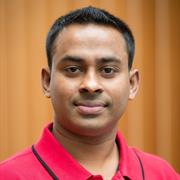
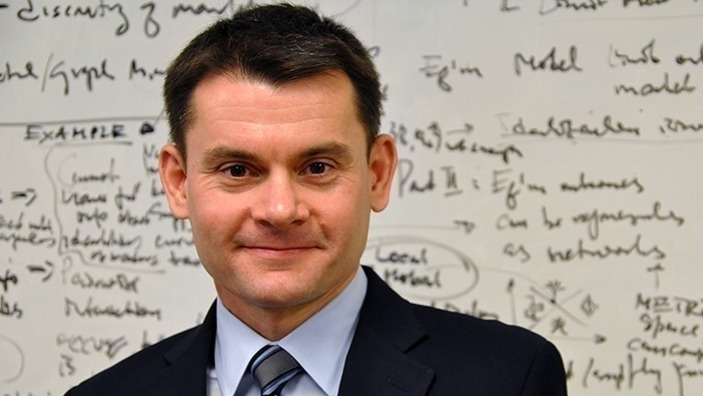
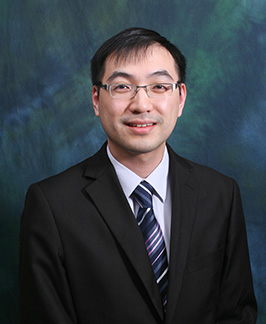
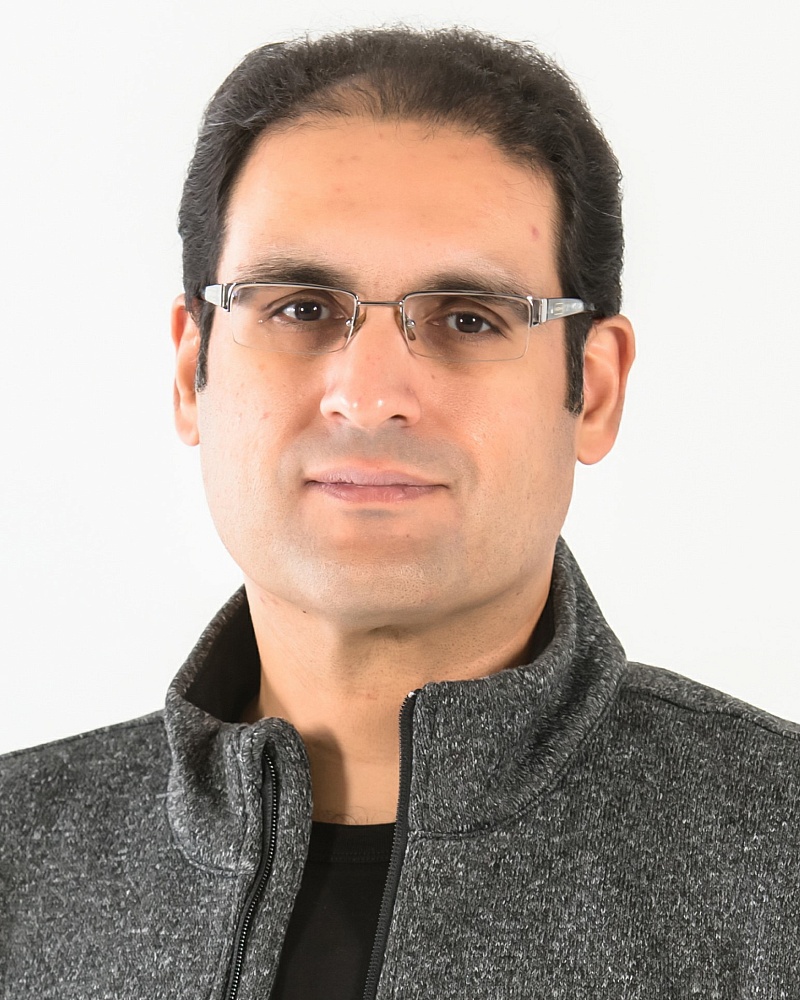
Dan S. Wallach is a Professor of Computer Science and Electrical and Computer Engineering at Rice University, and a Program Manager at DARPA's Information Innovation Office since June 2023. He holds a PhD (1999) and MA (1995) from Princeton University, and a BS (1993) from UC Berkeley. His research focuses on cybersecurity, electronic voting systems, and mobile security. He directed the NSF-funded ACCURATE Center (2005-2011), led the STAR-Vote project, and advised U.S. election security policies including testifying before state and federal committees. He also served on the Air Force Science Advisory Board (2011-2015), USENIX Board (2011-2013), and IEEE Technical Guidelines Committee (2019-2023). Recent work includes developing ElectionGuard cryptographic tools for verifiable elections and analyzing cyber warfare in Ukraine. His 15+ years of teaching include courses like Introduction to Program Design and Election Systems Technologies. Publications span secure voting protocols, smartphone security, and election auditing. Collaborations include Microsoft and VotingWorks on cryptographic voting systems like ElectionGuard and Arlo-CVR-Encryption.
The Chinese University of Hong Kong (CUHK)Hong Kong SAR
Prof. Kelvin Kam-fai TSOI is an Associate Professor at the JC School of Public Health and Primary Care, Faculty of Medicine, The Chinese University of Hong Kong (CUHK). He holds courtesy appointments at the Stanley Ho Big Data Decision Analytics Research Centre and The Jockey Club Institute of Ageing. A Visiting Associate Professor at Nanyang Technological University’s Lee Kong Chian School of Medicine and Visiting Professor at Shenzhen Institutes of Advanced Technology, he specializes in Digital Health and Epidemiology. Education: BSc in Statistics and PhD in Public Health from CUHK. Postdoctoral training in Gastroenterology and Hepatology at CUHK’s Department of Medicine and Therapeutics. Served as Director of the CUHK JC Bowel Cancer Education Centre and worked in the Hospital Authority on chronic disease management projects. Research interests focus on digital innovations for chronic disease management, including AI in hypertension, cognitive screening technologies, and wearable health devices. His work combines traditional epidemiology with big data analytics, emphasizing interdisciplinary collaboration between medicine and engineering. Key projects include developing a mobile blood pressure management platform via DeepHealth Limited, a social enterprise he founded in 2019. Current research explores seasonal effects on blood pressure variability and AI applications in healthcare. He co-founded the International Society for Digital Health and organizes global symposiums on digital health innovation. Grants & Awards: Supported by CUHK’s Sustainable Knowledge Transfer Fund (SKPF). Awards include IBM Honorarium Award (2020) and President’s Prize for Best Paper Presentation (2017).
London School of Economics and Political Science (LSE)United Kingdom
Dr. Jonathan Liebenau is an Associate Professor (Reader) in Technology Management at the London School of Economics (LSE), part of the Department of Management. He also holds a visiting professorship at Columbia University’s Graduate School of Business and School of Engineering. His expertise spans technology management, innovation policy, and the socio-economic impacts of information systems in developing countries. He has authored/co-authored over 70 publications and advised global organizations such as Dell, IBM, and the UK Office of Science and Innovation. Education: PhD in History and Sociology of Science (University of Pennsylvania, 1981), BA in Science Policy (University of Rochester, 1976). His career includes roles at the Smithsonian Institution, Boston University, and academic leadership roles at LSE. Research focuses on technology policy, telecommunications, and the role of digital infrastructure in development. He leads LSE Tech, a research group exploring internet economics and policy. Notable work includes studies on payment systems modernization, blockchain regulation, and the economic implications of cloud computing in emerging economies. Advisory roles include membership on boards at Istanbul Bilgi University and the American University in Cairo. He has supervised numerous PhD students researching topics like ICT in Sub-Saharan Africa, banking innovation in Thailand, and DSS applications in national debt management. His recent articles address global technological competition with China, urban mobility policy, and fintech innovation mechanisms. He emphasizes interdisciplinary approaches to understanding how technology shapes economic development and regulatory frameworks.
Michael Donald Bailey is a Professor and former Chair of the School of Cybersecurity and Privacy (SCP) at Georgia Institute of Technology, part of the College of Computing. Previously, he served as a Professor at the University of Illinois at Urbana-Champaign (UIUC) and as a Research Associate Professor at the University of Michigan. His research focuses on the security, performance, and availability of distributed systems, with over 90 scholarly publications. He has led initiatives to expand cybersecurity education, including new undergraduate threads and professional master’s programs at Georgia Tech. Bailey’s industry experience includes roles at Arbor Networks, where he managed teams protecting internet traffic from DDoS attacks, and three startups. He is a Senior Member of IEEE and ACM. Roles: Professor, Chair (until 2025), Researcher Affiliations: Georgia Tech (SCP, College of Computing), UIUC (Security and Privacy Research Group) His research interests span network security, distributed systems, and privacy engineering. Notable contributions include work on TLS certificate management, IoT security, and phishing defense mechanisms. Bailey advises students at both UIUC and Michigan, fostering next-generation cybersecurity experts.
Associate Professor Nalin Arachchilage is a leading academic in Cyber Security at RMIT University's School of Computing Technologies. He holds an honorary role at the University of Warwick and advises DEFSAFE Cyber Security Inc. His research focuses on usable security, privacy engineering, and AI-driven cybersecurity solutions. Key roles include revamping RMIT's Master of Cyber Security program and leading the Usable Security Engineering group at UNSW ADFA. Education: PhD in Cyber Security (Brunel University), Postdocs at Oxford and UBC. Research spans interdisciplinary areas including HCI, machine learning for threat modeling, and serious games for security education. He has published extensively in top venues like ACM CCS and SOUPS, contributing to global standards like OWASP. Leadership: Previously Assistant Head of School (Research) at the University of Auckland, and Director of the MProfStuds in Digital Security. Active in program committees for major conferences (ACM CCS, SOUPS). Current supervision includes 5 PhD students across RMIT and Auckland. Media Impact: Featured in Sky News Australia, ABC, and TVNZ. Collaborations with HP and Facebook. Awards include impactful contributions to security frameworks and standards. Teaching: Coordinates courses like INTE2625 (Cyber Security) and COSC2738 (Human-Centric Cyber Security). Supervises projects on topics like blockchain security and responsible AI. Non-Academic Roles: Chair of the Academic Board at Canberra Business & Technology College (2020-2021). Advisor to DEFSAFE, focusing on novel cyber-security products.
Andrei Kirilenko is Professor of Finance and Founding Director of the Cambridge Centre for Finance, Technology and Regulation (CCFTR) at the University of Cambridge's Judge Business School. His roles include leading research at CCFTR and contributing to the school's focus on institutional financial decision-making. He holds a PhD from the University of Pennsylvania. Previous roles: Chief Economist of US CFTC (2010-2012), 12-year tenure at IMF addressing global financial crises Adjunct appointments: None explicitly stated Research focuses on the intersection of finance, technology, and regulation with emphasis on fintech innovations, digital market design, and regulatory frameworks for automated systems. Current projects include rebuilding Ukraine's financial sector through executive education programs and developing crypto asset recommendation systems. Media engagements highlight his commentary on Ukraine's economic situation and fintech advancements. No specific grants or awards listed in the text. Labs/teams: Leads the CCFTR initiative integrating finance, tech, and regulatory strategies.
Hao Wang is a Senior Lecturer in the Department of Data Science and Artificial Intelligence at Monash University, affiliated with the Monash Energy Institute and Monash Data Futures Institute. He holds an ARC DECRA Fellowship and leads interdisciplinary research on applied machine learning and optimization in smart grids, energy systems, and smart cities. His work focuses on leveraging AI for energy data analytics, EV integration, and distributed energy resource management. Education: PhD from The Chinese University of Hong Kong, supervised by Prof. Jianwei Huang. Postdoctoral research at Stanford University (Prof. Ram Rajagopal) and University of Washington (Prof. Baosen Zhang). Research interests include reinforcement learning for energy systems, decentralized control, and incentive mechanisms for prosumer participation. He serves on editorial boards of journals like Energy Conversion and Economics and IET Renewable Power Generation , and organizes conferences like ACM e-Energy and IEEE SmartGridComm. Awards: Best Paper Awards at IEEE PECON 2016, IEEE ICC 2017, and IEEE SmartGridComm 2020. Current projects include the Human-in-the-loop Microgrid Project and AI for Clean Energy and Sustainability initiative.
Marco Giacalone is a Research Professor at the Private and Economic Law Department (PREC) of the Vrije Universiteit Brussel (VUB), where he also serves as Co-Director of the Research Group on Digitalisation and Access to Justice (DIKE). He holds adjunct professorships at VUB (2018-2019) and has been a postdoctoral researcher at the Brussels Research Institute on Development, Governance, and Empowerment. His work focuses on the intersection of digital technologies and legal processes, particularly in Private International Law, ODR, and ADR. **Education**: PhD in Law (Doctor Europaeus, 2016) from VUB and University of Naples Federico II, specializing in Dispute Resolution and emerging IT realities. **Research Interests**: Digital transformation of legal systems, blockchain applications in justice, AI-driven conflict resolution, cross-border dispute mechanisms, and equitable algorithmic systems. His projects include EU-funded initiatives like CREA3 (Equitative Algorithms) and IDEA (Access to Justice tools). **Grants & Projects**: Over 10 projects funded by the EU, including EU683 (Equitative Algorithms), EU681 (IDEA), and EU676 (Digitalising Small Claims). Active in consortiums like IPSU 2022 (Digital Ius Knowledge Empowerment) and OZR4193 (VUB-UNIPARTHENOPE PhD collaboration). **Awards**: 2019 Best Paper Award and Marie Skłodowska-Curie Fellowship (2020). Extensive speaking engagements on topics like AI in judiciary, blockchain legal frameworks, and digital justice. **Labs/Teams**: Leads the DIKE Research Group and collaborates with the Brussels Research Institute. Involved in developing tools like Prodigit (digital tax justice) and CREA’s cloud-based decision support systems.
Prof. Iwa Salami is a Professor of Law at the Royal Docks School of Business and Law, University of East London. She serves as Director of the Centre of FinTech, Programme Leader for the LLM in FinTech Law, and oversees Postgraduate Research Degrees in Law. She has held roles such as member of the Central Bank Digital Currency (CBDC) Academic Advisory Group (Bank of England/HM Treasury, 2023) and Governing Council Member of the British Institute in Eastern Africa (2016–2022). Education: PhD (Queen Mary, University of London) LLM (King's College, University of London) LLB (University of Westminster) PG Cert in Learning and Teaching in Higher Education Research Interests: Regulation of mobile payments, crypto-assets, CBDCs, blockchain, AI in finance. Her work emphasizes African financial systems and global regulatory challenges. Recent focus includes decentralized finance (DeFi), NFTs, and metaverse legal frameworks. Awards: Fellow of the Higher Education Academy (FHEA) Grants & Advising: Supervises PhD students on topics like crypto regulation in Africa and AI in FinTech. Engages with industry partners including Barclays, HSBC, and Algorand Foundation to bridge academic-research and policy impact. Labs/Teams: Leads the Centre of FinTech, collaborating with global institutions on CBDC policy, digital identity, and FinTech fraud prevention.
Dr. Man Ho Allen Au is an honorary professor at the Department of Computer Science, University of Hong Kong (HKU), with a career spanning cutting-edge research in applied cryptography, information security, and blockchain technology. His work bridges theoretical innovation and industrial applications. BEng, MPhil from the Chinese University of Hong Kong (2003, 2005) PhD from University of Wollongong (2009) A former associate professor at Hong Kong Polytechnic University, Dr. Au’s research drives advancements in blockchain technology , applied cryptography , and privacy-preserving techniques , with deployments in Hyperledger Fabric and discussions by privacy-focused currencies like Monero. His publications in top venues (CRYPTO, IEEE S&P, CCS) focus on lattice-based cryptography , secure protocols , and privacy-enhancing technologies . These works have attracted over 25 million HKD in grants, including RGC GRF and ITF projects. 2021 : New Frontiers of Lattice-Based Cryptography (RGC GRF), Secure Computation over Encrypted Data (ITF Seed), Blockchain Platform for Data Sharing (ITF Platform) 2020 : Practical Post-Quantum Zero-Knowledge Proofs (RGC GRF), NSFC project on quantum-resistant schemes 2019–2017 : Blockchain for logistics, anti-counterfeit systems, and post-quantum signature constructions Awarded the 2009 PET runner-up for privacy research, Dr. Au contributes to standards via ISO/IEC JTC 1/SC 27 working group and the Hong Kong Blockchain Society.
Mohammad Kamrul Hasan is an Associate Professor and Head of the Network and Communication Technology Research Lab at the Center for Cyber Security, Faculty of Information Science and Technology, Universiti Kebangsaan Malaysia (UKM). He holds a Ph.D. in Electrical and Communication Engineering from the International Islamic University Malaysia (IIUM) and has over a decade of prior industry experience in communication systems and network design. He has held academic positions at Universiti Malaysia Sarawak and IIUM, and is currently active in research and leadership at UKM. Ph.D. in Engineering (Electrical and Computer Engineering), International Islamic University Malaysia, 2016 M.Sc. in Communication Engineering, International Islamic University Malaysia, 2012 His research focuses on cutting-edge areas in network and communication technologies. Key interests include Wireless Communication and Network Security , Industrial Internet of Things (IIoT) , Cyber-Physical Systems , 5G and Beyond (6G) Networks , Smart Grids , and AI-driven security . He explores machine learning, federated learning, blockchain, and optimization algorithms to enhance network resilience, privacy, and efficiency in critical infrastructure and consumer electronics. His recent publications (2023–2025) demonstrate a strong trend toward intelligent and secure next-generation networks. Topics include intrusion detection in IIoT, passwordless authentication, federated learning for healthcare IoT, 6G security, and digital twins for SCADA systems. His work is frequently published in high-impact IEEE and Springer journals, reflecting a consistent and influential research output. Gold Medal for research excellence Young Scientist Award Fulbright Scholarship (Ministry of Higher Education Malaysia) Senior Member, IEEE (since 2013) Member, Institution of Engineering and Technology (IET) Member, Internet Society Dr. Hasan has served as an editorial member for prestigious journals including IEEE, IET, and Elsevier. He has led funded research projects such as the design of a two-way wireless communication system for medium-voltage electrical networks at Universiti Malaysia Sarawak. He has mentored students and collaborated widely, with co-authors from Malaysia and international institutions. He has also contributed to professional service as Chairperson of the IEEE IIUM Student Branch and as a peer reviewer for over 13 journals including Computer Networks , Internet of Things , and Soft Computing . He leads the Network and Communication Technology Research Lab at UKM, focusing on secure, intelligent, and scalable communication systems for smart cities, industry, and healthcare. His team works on AI-powered intrusion detection, blockchain for critical infrastructure, and privacy-preserving data fusion in IoT environments.
Zheng Yang is a Professor at Tsinghua University's School of Software, with significant research contributions in cryptography, cybersecurity, and privacy-preserving systems. His work spans multiple institutions including collaborations with University of Helsinki's Secure System Group and Chongqing University of Technology. He maintains active research in both theoretical and applied security domains, with particular focus on industrial applications. Professor Yang's research interests center on cryptographic protocols, authentication mechanisms, and security for emerging technologies. His work addresses critical challenges in Cyber-Physical Systems security, Industrial Internet of Things protection, and privacy-preserving computation. He has made significant contributions to secure key exchange protocols, authentication systems, and defenses against sophisticated network attacks including DDoS mitigation strategies. His research bridges theoretical cryptography with practical implementations for resource-constrained environments. Analysis of Professor Yang's recent publications reveals a strong trend toward practical security solutions for industrial and embedded systems. His work increasingly focuses on balancing security with performance constraints in Cyber-Physical Systems and Industrial IoT environments. Key research themes include lightweight cryptography for resource-constrained devices, privacy-preserving location services, and novel authentication mechanisms that maintain security while minimizing computational overhead. His publications demonstrate consistent innovation in adapting cryptographic techniques to real-world security challenges. Professor Yang has established himself as a leading researcher through his extensive publication record in top security venues including IEEE Security & Privacy, USENIX Security, and ACM conferences. His work has been published consistently in high-impact journals and conferences, demonstrating sustained research productivity and influence in the security community. Professor Yang maintains active research collaborations with numerous institutions globally, evidenced by his extensive co-authorship network. His research has attracted significant funding for projects addressing critical security challenges in emerging technologies. His work on secure authentication protocols and privacy-preserving systems has practical applications across multiple industry sectors. Professor Yang leads research initiatives focused on secure Cyber-Physical Systems and Industrial IoT security. His laboratory work emphasizes practical implementations of cryptographic protocols for real-world systems, with particular attention to performance constraints in embedded environments. Current research directions include secure communication for programmable logic controllers, privacy-preserving location services, and adaptive defenses against sophisticated network attacks.
Professor Asif Gill is Head of Discipline for Software Engineering at the School of Computer Science, University of Technology Sydney (UTS), where he was promoted to Professor of Computer Science in January 2024. He also serves as Director of the DigiSAS Research and Innovation Lab and is actively involved in the Global Big Data Technologies Centre at UTS. As a founder of both the DigiSAS Lab and the Future Generation Enterprise Architecture Community of Practice (FGEA CoP), he has established integrated teaching-research-engagement frameworks that translate academic research into practical applications while enhancing graduate employment opportunities. Professor Gill's research interests span Adaptive Enterprise Architecture , Agile Software Development , and Design Science Research & Innovation , with a particular focus on architecting large-scale data-intensive enterprise software systems. His work addresses challenges across academia, industry, government, and society, with significant contributions to AI systems architecture, digital identity management, and enterprise knowledge graphs. His applied research has resulted in numerous collaborations with organizations including the Reserve Bank of Australia, Revenue NSW, Capsifi, Data Zoo, and the NSW Department of Planning, Industry and Environment. His publication record includes 3 books and over 190 articles in major academic journals such as IEEE Transactions on Professional Communication, Information and Management, and Information Systems. His recent work demonstrates a consistent focus on cutting-edge topics in enterprise architecture, AI systems, and digital identity, with multiple publications appearing in 2024-2025. His research trajectory shows a clear evolution from foundational work in agile software development toward more sophisticated integration of AI, enterprise architecture, and data governance. Fellow of the Australian Computer Society (ACS) Fellow of DSE (ESCP Center for Design Science in Entrepreneurship) Senior Member IEEE Associate Editor, IEEE Transactions on Technology & Society Associate Editor, Springer Nature Discover Data journals Member, Data Sharing Committee, IFIP Technical Committee 8.1 Member, Standards Australia Software and Systems Engineering Committee IT-015 Professor Gill has successfully secured numerous research grants from 2019-2026, totaling significant funding for projects related to digital identity, enterprise architecture, and AI systems. His approach emphasizes industry-academia collaboration, with many projects involving direct partnerships with government agencies and industry organizations. He has supervised multiple PhD and Master's students through industry-sponsored scholarships and maintains active collaborations with researchers across multiple institutions. Leading the DigiSAS Research and Innovation Lab, Professor Gill has created an environment that bridges theoretical research with practical implementation. The lab focuses on developing frameworks and tools for adaptive enterprise architecture, with particular emphasis on AI-enabled systems, data governance, and digital identity solutions. His work on the Data Satellite Architecture represents a significant contribution to combating data pollution in federated digital ecosystems.
Konstantinos Markantonakis is a Professor of Information Security in the Department of Information Security at Royal Holloway, University of London, where he also serves as Director of the Smart Card and IoT Security Centre and the Transformative Digital Technologies, Security and Society Catalyst. He is a leading figure in embedded systems and IoT security, with extensive research and consultancy experience. BSc (Hons) in Computer Science, Lancaster University, 1995 MSc in Information Security, Royal Holloway, 1996 PhD in Smart Card Security, Royal Holloway, 2000 MBA in International Management, Royal Holloway, 2005 His research focuses on securing embedded and cyber-physical systems, including smart cards, mobile devices, drones, automotive systems, and IoT. He investigates trusted execution environments, side-channel analysis, secure protocols, and hardware-software binding. His work bridges theoretical security and practical implementation, often uncovering zero-day vulnerabilities in consumer devices. The recent publications highlight a strong trend in trusted computing, remote attestation, secure embedded systems, and privacy-preserving technologies. His research integrates blockchain for secure energy trading, develops frameworks for edge machine learning, and advances forensic techniques for damaged storage media. He also explores covert channels in mobile and cloud environments, demonstrating a deep understanding of both offensive and defensive security. Best Paper Award Markantonakis has led major research projects such as EXFILES (forensic extraction from encrypted smartphones), Future TPM (quantum-resistant trusted modules), and the Academic Centre of Excellence in Cyber Security Research. He has supervised numerous PhD students and delivered keynotes at international conferences. His consultancy work has impacted financial institutions, transport operators, and mobile platform security. He leads the Smart Card and IoT Security Centre, a research hub focusing on practical security for connected devices. The centre conducts cutting-edge research in side-channel attacks, secure application execution, and forensic analysis, contributing significantly to both academic and industrial advancements in cybersecurity.
Dr. Umar Ruhi is a Full Professor and Ian Telfer Teaching Fellow at the Telfer School of Management, University of Ottawa, where he also serves as Vice-Dean of Undergraduate Programs. He holds a B.Sc. in Computer Science from the University of Toronto, an MBA from McMaster University, and a Ph.D. in Information Systems and Management Science from McMaster's DeGroote School of Business. His teaching spans undergraduate and graduate programs, covering information systems, cybersecurity management, and interdisciplinary courses in digital transformation. Research Focus: Professor Ruhi's work intersects information systems and knowledge management, with current emphasis on: Consumer health informatics and personal health records Digital misinformation countermeasures and tool usability Human-AI collaboration frameworks and governance Learning analytics and adaptive gamification in education Social computing and enterprise applications His research has resulted in commercial patents and practical implementations across industries. Research Recognition & Funding: Professor Ruhi has secured significant research funding, including: Canadian Heritage grant ($68,160) for disinformation research Multiple MITACS grants ($30,000 each) for AI, blockchain, and health tech projects Telfer Education Excellence Fellowship ($45,000) for learning analytics Noteworthy recognitions include the 2012 Best Dissertation Award from the German Society for Online Research and conference best paper awards. Academic Leadership: Beyond research, Professor Ruhi leads pedagogical innovation through his Ian Telfer Teaching Fellowship, exploring generative AI applications in education. His extensive consulting portfolio includes e-government portals, UX design, and knowledge management systems. As Vice-Dean, he oversees undergraduate program development and strategic initiatives.