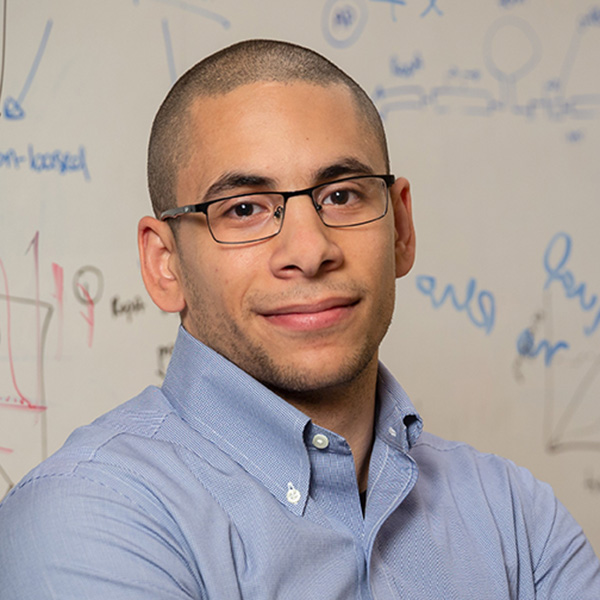
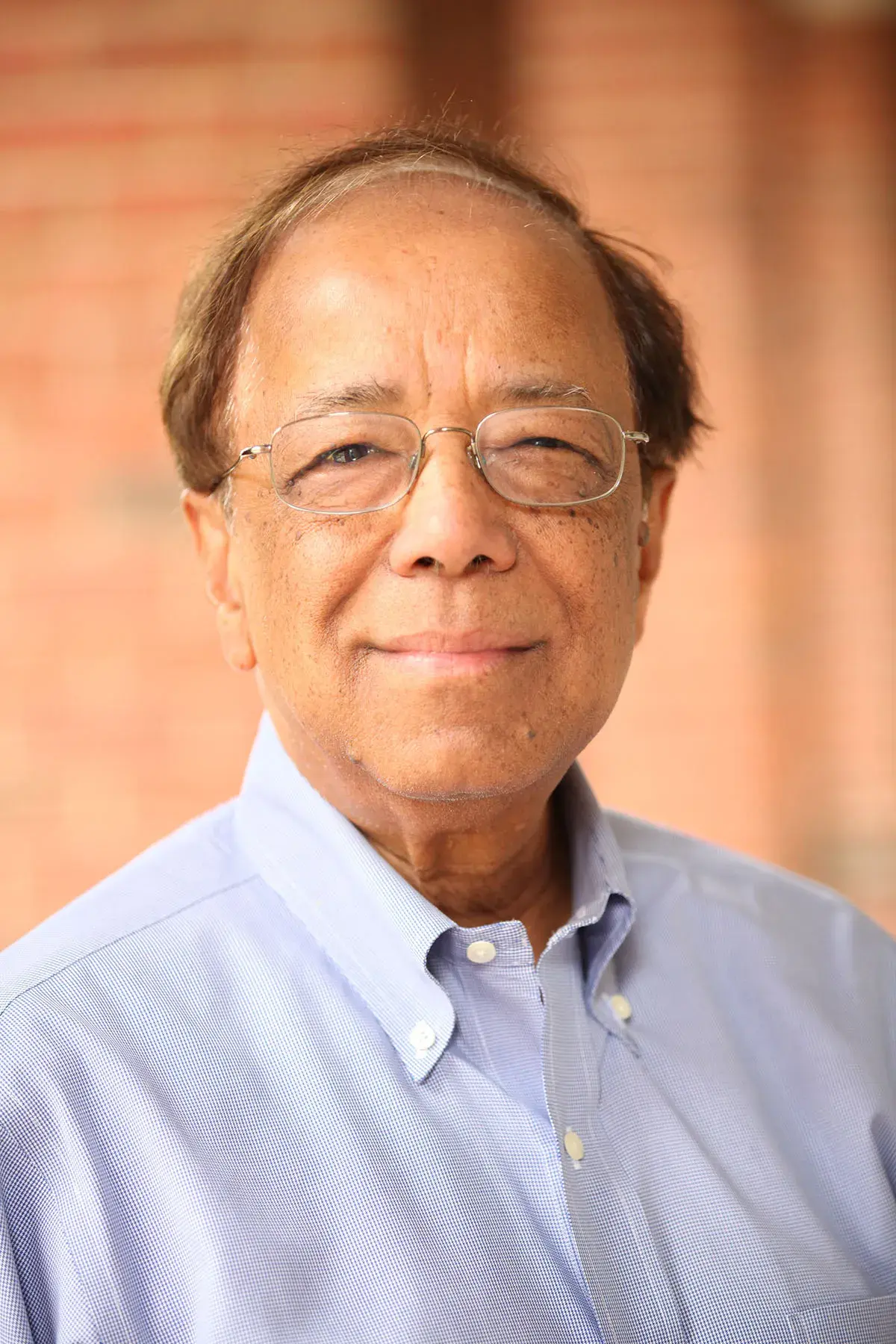
Dr Ahsan Islam is a Senior Lecturer in Biochemical Engineering at Loughborough University's Department of Chemical Engineering, where he has been faculty since 2017 and was promoted in 2022. He serves as Part B Year Tutor. Education: BSc Eng in Chemical Engineering, Bangladesh University of Engineering and Technology (BUET), 2003 MSc and DIC in Chemical Engineering, Imperial College London, 2005 (Commonwealth Scholarship) PhD in Chemical Engineering and Applied Chemistry, University of Toronto, 2014 Postdoctoral Research in Metabolic Engineering and Synthetic Biology, MIT, 2014-2017 His research integrates biochemical and systems engineering approaches to address sustainability challenges in biomanufacturing and healthcare. Work spans metabolic engineering, synthetic biology, and bioinformatics with direct applications in net-zero technologies, circular economy systems, and digital engineering solutions for bioprocess optimization. Awards and Recognition: Commonwealth Scholarship and Fellowship (2004-2005) Ontario Graduate Scholarship (2009-2010) Professor William F. Graydon Memorial Graduate Fellowship (2013) Best Student Research Paper Award, Geosyntec Consultants (2008) Professional Affiliations: American Society for Microbiology (ASM) Canadian Society for Chemical Engineering (CSChE)
Carl W. Lawton is an Associate Professor and Program Coordinator in the Department of Chemical Engineering at the Francis College of Engineering, University of Massachusetts Lowell. His research focuses on advanced materials development and biotechnology manufacturing processes. His educational background includes: Ph.D. in Chemical Engineering (1990), University of Connecticut MS in Chemical Engineering (1985), University of Connecticut MS in Microbiology (1977), University of Connecticut BS in Microbiology (1972), Purdue University Dr. Lawton's research spans advanced materials (quantum dots, optical polypeptides) and biomanufacturing (purification processes, biocatalysts), with significant contributions to cardiovascular nutrition (vegetable oils, cholesterol metabolism) and recent work in biomedical diagnostics . His interdisciplinary approach integrates chemical engineering with medical applications. Publication trends show evolution from optical materials (1990s) to cardiovascular nutrition (late 1990s-2000s) and contemporary biomedical engineering, with consistent themes in material properties and process optimization across disciplines. Scientific recognition includes: State of Connecticut High Technology Fellowship (1984) As Principal Investigator on 20+ grants from DoD, USDA, and DOT, Dr. Lawton leads projects spanning biomanufacturing (Acarbose purification, quantum dot synthesis, single-use bioreactors) and transportation engineering (traffic modeling, signal control systems), demonstrating exceptional translational research capabilities. His laboratory work focuses on bioprocessing innovation for medical applications, particularly in point-of-care technology development and therapeutic protein production.
Dongming Xie is an Associate Professor in the Department of Chemical Engineering at the Francis College of Engineering, University of Massachusetts Lowell. He also has an affiliation with the Center for Pathogen Research & Training (CPRT). Prior to joining UMass Lowell in 2016, Dr. Xie was a principal scientist at DuPont from 2006-2016, where he led the fermentation engineering team to commercialize the omega-3 project, resulting in two new commercial products for the company. Dr. Xie's educational background includes: Postdoc (2006), Michigan State University Postdoc (2002), Tsinghua University Ph.D. in Biochemical Engineering (2000), Chinese Academy of Sciences - Beijing, China B.S. in Chemical Engineering (1992), East China University of Science & Technology - Shanghai, China Dr. Xie's research focuses on metabolic engineering, bioprocess engineering, and continuous biomanufacturing. His lab, the Bio manufacturing Science and Engineering Lab (BioSEL), aims to build biomanufacturing platforms for sustainable production of high-value products from renewable and economical feedstocks. His research spans three main areas: (1) metabolic engineering of the non-conventional yeast Yarrowia lipolytica for high-value products such as wax esters, carotenoids, and omega-3 fatty acids; (2) biodegradation and bioconversion of plastic wastes; and (3) fundamental science and engineering to achieve successful biomanufacturing at large scale. His work integrates advanced science and engineering tools including synthetic biology, fermentation engineering, bioprocess integration and intensification, and bioprocess modeling, optimization, and control strategies. Dr. Xie's recent publications demonstrate a strong focus on sustainable biomanufacturing solutions, particularly in converting waste materials into valuable products. His research shows significant trends toward addressing environmental challenges through biotechnology, with particular emphasis on plastic waste recycling and sustainable production of omega-3 fatty acids. The interdisciplinary nature of his work bridges biochemical engineering, environmental science, and industrial biotechnology. Dr. Xie has received several prestigious awards: Teaching Excellence Award (2020), University of Massachusetts Lowell DuPont Bolton/Carothers Innovative Science Award (2014) DuPont Accomplishment Award (2008) Tsinghua University Distinguished Postdoc Award (2002) Dr. Xie actively mentors students at all levels, from undergraduate to PhD candidates. His research is supported by multiple grants from NSF, DOE, NIH, and industry partners. He has successfully secured funding for projects including "A New Yeast Biomanufacturing Platform for Making High-Value Products from Oils and Fats," "Bioconversion of Heterogeneous Polyester Wastes to High-Value Chemical Products," and "Integrated Continuous Biopharmaceutical Manufacturing Utilizing Robust In-Line NIR Mediated Control." Dr. Xie leads the Bio manufacturing Science and Engineering Lab (BioSEL), which is part of the Massachusetts Biomanufacturing Center at UMass Lowell. The lab is equipped with state-of-the-art bioreactors ranging from 1.3L to 200L, advanced analytical equipment, and downstream purification systems. The lab collaborates with four principal investigators and is well-maintained by technical staff for continuous research and training activities.
Seongkyu Yoon is a Professor of Chemical Engineering at the Francis College of Engineering, University of Massachusetts Lowell. He serves as co-Director of the Massachusetts Biomanufacturing Center, UMass Site Director of the NSF/IUCRC Research Center (AMBIC - Advanced Mammalian Bioprocessing Innovation Center), and UMass technical lead for Manufacturing USA in Biomanufacturing (NIIMBL). His academic appointments and leadership roles position him at the forefront of biopharmaceutical manufacturing innovation and workforce development. Dr. Yoon's educational background demonstrates his interdisciplinary expertise: Ph.D. in Chemical Engineering (2001), McMaster University - Hamilton, Canada MBA (2017), Babson College - Wellesley, MA M.S. in Chemical and Biomolecular Engineering (1990), Korea Advanced Institute of Science and Technology - Daejon, Korea B.S. in Chemical Engineering (1988), Yonsei University - Seoul, Korea His research program focuses on systems engineering approaches to life sciences with three primary thrusts: Gene and Cell Therapy, Biomanufacturing Innovation, and Formulation and Drug Delivery. Within Gene and Cell Therapy, his group explores alternative hosts for Adeno-associated Virus production, gene therapy media optimization, CRISPR-CAS9 mediated genome engineering of HEK293 cells, and develops analytical methods for quantification of full, partial, and empty capsids in AAV products. His Biomanufacturing Innovation research includes AI-enabled hyperspectral imaging for cell culture monitoring, metabolic flux analysis of iPS cells, integrated MPC systems for bioprocess engineering, and digital-twin model development. In Formulation and Drug Delivery, his team works on single vial mass flow rate monitoring for pharmaceutical freeze-drying heterogeneity. Analysis of Dr. Yoon's recent publications reveals a strong trend toward advanced biomanufacturing technologies, particularly in viral vector production for gene therapy. His work integrates systems biology, metabolic modeling, and process analytics to address critical challenges in biopharmaceutical manufacturing. A significant portion of his research focuses on CHO cell culture optimization, glycosylation control, and continuous bioprocessing technologies, reflecting industry needs for more efficient and robust manufacturing platforms. Among his notable recognitions: Ward Chaired Professor of Biomedical Material Sciences (2016) NSF/IUCRC: AMBIC, Advanced Mammalian Bioprocessing Innovation Center (2016) Control and estimation of glycosylation profile via media supplementation based on intracellular models in mammalian cell cultures (2017) Data-fusion based platform development of population PKPD modeling and statistical analysis for bioequivalenc (2015) Dr. Yoon has mentored numerous graduate students, with many now working at major pharmaceutical and biotechnology companies including AbbVie, Alexion, BMS, Amgen, Takeda, and Genentech. His research group has received substantial funding from NSF, FDA, and industry partners, supporting an integrated approach to biomanufacturing innovation. He has also developed and led numerous professional training programs in bioprocessing, contributing significantly to workforce development in the biopharmaceutical industry. His research group operates within the Advanced Mammalian Biomanufacturing Innovation Center (AMBIC) and collaborates closely with the Biomanufacturing Innovation Institute. The team includes postdoctoral researchers, graduate students, and research staff working on various aspects of bioprocess engineering, systems biology, and biomanufacturing analytics. They maintain strong industry partnerships that ensure their research addresses real-world challenges in biopharmaceutical manufacturing.
Maurizio V. Cattaneo is a Research Professor in the Chemical Engineering Department at the Francis College of Engineering, University of Massachusetts Lowell, where he advances bioprocess engineering with emphasis on viral vector manufacturing and gene therapy delivery systems through Quality by Design and Process Analytical Technologies. His academic foundation includes: Ph.D. in Chemical Engineering, McGill University M.Eng. in Chemical Engineering, McGill University B.S., University of Toronto Dr. Cattaneo pioneers viral and non-viral delivery systems (AAV, LV, RV, LNPs) for gene therapy and develops patented AI-driven hyperspectral imaging for real-time bioprocess monitoring. His patented Viral Harvest Unit (VHU) revolutionizes viral vector perfusion in bioreactors, significantly enhancing manufacturing efficiency and scalability. His 2018-2023 publications reveal a decisive shift toward continuous bioprocessing for viral vector production, integrating perfusion technologies with AI analytics. This multidisciplinary work spans influenza virus particles, retroviral vectors, and metabolite quantification systems, demonstrating convergence of biotechnology, chemical engineering, and artificial intelligence to solve critical manufacturing bottlenecks. Key scientific recognitions include: 1978 Ontario Scholar 1980 NSERC Research Grant 1997 NRC Canada Government Priority Funds As Principal Investigator, he secured multiple NIH SBIR grants (2000-2004) from the National Cancer Institute, National Institute of Aging, and National Center for Complementary Medicine for drug delivery systems targeting cancer chemoprevention, wound healing, and osteoarthritis. His entrepreneurial impact spans founding IVREA Pharmaceuticals, BioVolutions, and Artemis Biosystems. Current research focuses on CELiD DNA for non-viral Type I Diabetes gene therapy and advanced encapsulation technologies for biologics delivery, positioning him at the forefront of next-generation therapeutic manufacturing.
Tristan P. Driscoll, Ph.D. is an Assistant Professor in the Department of Chemical and Biomedical Engineering at the joint Florida A&M University–Florida State University College of Engineering (FAMU-FSU CoE). He leads the Driscoll Lab , which investigates molecular-scale force transmission and mechanosensing in the context of tissue stiffness homeostasis, fibrosis, and regenerative medicine. Education & Training Postdoctoral Fellowship, Cardiovascular Medicine, Yale University, 2020 Ph.D., Bioengineering, University of Pennsylvania, 2015 B.Bm.E., Biomedical Engineering, University of Minnesota, 2009 Research Interests Dr. Driscoll’s research integrates biophysics, biomaterials, and cell biology to understand how cells sense and respond to mechanical cues. Core themes include: Mechanotransduction Across Networks: dissecting how forces propagate from the extracellular matrix (ECM) through integrins, focal-adhesion adaptors, and the cytoskeleton to the nucleus via the LINC complex. Directional Mechanosensing: studying durotaxis, contact guidance, and mechanical polarization in development and disease. Dynamic Forces in Mechanosensing: using quantitative live-cell imaging and molecular tension sensors to capture transient molecular-scale events. Fibrosis & Tissue Homeostasis: identifying microRNA-mediated feedback loops that maintain ECM stiffness and developing antifibrotic miRNA therapeutics. Publications Overview Since 2011, Dr. Driscoll has authored >30 peer-reviewed articles spanning biophysical modeling, integrin mechanobiology, stem-cell mechanosensitivity, biomaterial design, and fibrotic disease pathways. Highlights include seminal work on integrin conformational deformation, nuclear softening during migration, and miRNA regulation of tissue stiffness. Recent 2024–2025 contributions continue to advance therapeutic hydrogel design, organoid-derived extracellular vesicles, and nanoparticle-cell interactions. Scientific Awards & Honors No specific awards are listed in the provided text. Research Team & Mentorship Dr. Driscoll currently mentors six Ph.D. candidates, one M.S. student, and five undergraduate researchers. Former trainees include six B.S. and two M.S. alumni, many earning Honors in the Major or co-authoring publications. Laboratory & Infrastructure The Driscoll Lab is housed in the state-of-the-art Chemical & Biomedical Engineering building (Room B333). The lab is equipped for molecular biology, live-cell fluorescence microscopy, traction-force microscopy, microfluidic fabrication, and electrospinning of aligned nanofibrous scaffolds.
Ryan Senger serves as Associate Professor in the Department of Biological Systems Engineering at Virginia Tech's College of Engineering, with courtesy appointments in Chemical Engineering (Virginia Tech) and Surgery (Virginia Commonwealth University School of Medicine). His research bridges metabolic engineering, synthetic biology, and biomedical diagnostics through innovative applications of Raman spectroscopy. Education: Ph.D., Chemical Engineering, Colorado State University, 2005 M.S., Chemical Engineering, Colorado State University, 2002 B.S., Chemistry, Millikin University, 1999 Senger's research focuses on developing bio-based technologies for sustainable chemical production, disease detection through urine analysis, and synthetic biology containment. His lab pioneers Raman spectroscopy-based chemometric urinalysis (Rametrix) for detecting diseases including bladder cancer, chronic kidney disease, Lyme disease, and Long COVID. Current projects involve bioelectrical system engineering in microbes, electron harvesting from waste biomass, and secure synthetic genetic material containment. His work integrates AI/ML for spectral analysis and genome-scale metabolic modeling. His recent publications demonstrate strong trends in veterinary diagnostics (canine cancer detection), neurological disease monitoring, and renal dysfunction profiling using Raman chemometrics. The research consistently applies spectral fingerprinting to translate complex biological data into clinical diagnostic tools. Awards: 2022-24: Celebrating Innovation Recognition (x4) 2023: Dean’s List of Instructors 2016: VT Knowledgeworks Innovation Challenge Winner 2009: The Gaden Award for Metabolic Engineering Senger actively mentors students through laboratory research and teaches courses including Thermodynamics of Biological Systems, Metabolic Engineering, and Bio-Raman Chemometrics. His funding portfolio includes NSF grants for metabolic modeling workshops and commercial projects with Rametrix Technologies (where he serves as CTO), focusing on dialysis patient monitoring, renal disease management, and aquaculture feed development. He directs the Rametrix Technologies research team that develops urine-based diagnostic devices and spectral analysis software, maintaining strong industry-academic partnerships for technology commercialization.
Liane Miller, MD serves as an Assistant Professor of Orthopaedic Surgery at the Perelman School of Medicine, University of Pennsylvania, specializing in sports medicine with clinical focus on complex knee, shoulder, and hip pathologies including ligament reconstructions, meniscus repairs, and cartilage restoration procedures. Her educational background includes: B.S. in Cellular and Developmental Biology, University of California, Santa Barbara (2008) M.D. in Medicine, University of California, San Francisco School of Medicine (2016) Dr. Miller's research program centers on Meniscus and Cartilage Biology , Molecular Mechanisms of Regeneration and Repair , and Translational Models of Musculoskeletal Disease , employing both basic science and clinical approaches to enhance tissue healing. Her laboratory investigates cellular responses to injury and novel regenerative pathways with direct surgical applications. Analysis of her 15 most recent publications (2023-2025) reveals dominant themes in sports medicine: knee ligament reconstruction optimization, shoulder instability management, and meniscal repair techniques. She demonstrates particular expertise in arthroscopic procedures and has developed clinical tools like the PIVOT App for surgical planning, bridging biomechanical research with patient outcomes. Scientific awards: No awards documented in source materials Dr. Miller mentors medical students and orthopaedic residents in clinical settings, though specific advisees weren't listed. Her research receives institutional support at Penn but lacks details on external grant funding. She actively contributes to the academic mission through surgical innovation and evidence-based practice development. Her clinical work integrates seamlessly with the University of Pennsylvania's sports medicine division, where she participates in multidisciplinary teams managing complex musculoskeletal cases from diagnosis through rehabilitation.
Prof. Dr. Michel H.M. Eppink is a Special Professor in “Industrial Biopharmaceutical Downstream Processing” at the Department of Biotechnology, Faculty of Applied Sciences, Delft University of Technology. With over 35 years of experience in biomolecule processing, he brings extensive industry expertise from Organon NV and Byondis BV to his academic role. His current position is part-time (0.2 FTE), focusing on integrating harvesting, cell disruption, extraction, separation and formulation technologies for biopharmaceuticals. His research interests include developing lean production processes for biopharmaceuticals with emphasis on green technologies, circular economy principles, and cost reduction in medicine production. He specifically investigates fractionation technologies and process integration for biopharmaceutical proteins including monoclonal antibodies and antibody-drug conjugates. His work addresses bottlenecks in process robustness, efficiency, product quality, and waste reduction. Prof. Eppink has received his MSc in Biology/Chemistry from Utrecht University (1993) and PhD in Biochemistry from Wageningen University (1999). Before joining TU Delft in 2024, he served as part-time Professor at Wageningen University from 2014-2024, leading research on biorefinery technologies for proteins, lipids, carbohydrates and pigments from various eukaryotic organisms. His recent publications focus on chromatography optimization and digital twin applications in biopharmaceutical process development, reflecting his expertise in improving efficiency and sustainability in biomanufacturing processes. These works demonstrate trends toward continuous processing, high-throughput screening, and data-driven optimization in downstream biopharmaceutical production. Prof. Eppink actively contributes to education through advanced courses in Bioprocess Design and Downstream Processing at the Biotechnology Academy Delft, as well as lectures at Wageningen University, Leiden University, Utrecht University, Karlsruhe Institute of Technology, Radboud University, and Maastricht University. His office is located in Building 58, room C2.150 at TU Delft, and he can be reached at M.H.M.Eppink@tudelft.nl or +31 683169622.
Pamela Peralta-Yahya is a Professor and Associate Chair for Research and Postdoctoral Training at the Georgia Institute of Technology, affiliated with the School of Chemistry and Biochemistry and the School of Chemical & Biomolecular Engineering. Her research integrates biochemistry and chemical engineering to develop innovative solutions for chemical detection and sustainable bioproduction. BA, Macalester College, 2003 Ph.D., Columbia University, 2008 Postdoc, University of California, Berkeley & Lawrence Berkeley National Laboratory, 2008-2011 Her work focuses on engineering G protein-coupled receptors (GPCRs) for biomedical and biotechnology applications, particularly olfactory receptors, and designing biological systems for renewable fuel and chemical synthesis. Key projects include standardizing GPCR sensors in yeast to expedite drug discovery and creating advanced biofuels like pinene for aerospace applications. Current funding from NIH, NSF, DOE, and NASA supports cutting-edge research on Martian rocket fuel and synthetic cellular learning mechanisms. Her lab’s publications highlight advancements in GPCR-based sensing, carbon-negative amino acid synthesis, and microbial engineering for sustainable polymers. The group also explores carbon-conserving bioproduction and the use of cell-free systems for efficient chemical synthesis. 2022 Vasser Woolley Faculty Fellowship 2022 Cullen Peck Scholar Award 2017 NIH Maximizing Investigators' Research Award 2016 Samsung GRO Competition 2016 Kavli Fellowship 2015 Blanchard Fellowship 2014 DARPA Young Faculty Award 2014 DuPont Young Professor for Scientific Innovation Award The Peralta-Yahya lab actively recruits students from the BioEngineering, Bioinformatics, and Paper Science & Engineering programs at Georgia Tech. Their research bridges fundamental biochemical principles with practical applications in energy, health, and environmental sustainability.
Ahmed Badran is an Assistant Professor at the Scripps Research Institute , specializing in Synthetic Biology and Molecular Evolution . Previously, he was affiliated with the Liu Lab at the Department of Chemistry and Chemical Biology at Harvard University during his doctoral studies (enrolled 2010). Research Focus: Designing artificial enzymes for sustainable biomanufacturing, combating antibiotic resistance, and developing precision therapeutics through synthetic biology strategies. Publications: Recent work includes studies on precision antibiotics and tRNA-directed evolution of quadruplet codon suppression systems. Labs: Leads the Badran Lab at Scripps Research Institute, dedicated to innovative solutions in biotechnology and medicine.
Vincent Noireaux is a Professor at the School of Physics and Astronomy at the University of Minnesota, Twin Cities. His research bridges biological physics and synthetic biology to develop cell-free transcription-translation systems and synthetic cell platforms . Current projects funded by the National Science Foundation and Department of Energy Collaborates with institutions in Israel, Romania, and Washington Expertise: Synthetic biology , cell-free systems , genetic circuits Research Focus : Develops quantitative models for in vitro gene expression and constructs synthetic cells using self-assembling systems . Key areas include biophysics , bioengineering , and biomanufacturing . Email: noireaux@umn.edu
Dr. Guillaume Cogne serves as Senior Lecturer at University of Nantes within the GEPEA laboratory (UMR CNRS 6144), a joint research unit specializing in Process Engineering, Environment, and Agri-food systems. Affiliated with the BAM team at CRTT Saint Nazaire since 2005, his work bridges academic research and industrial applications in sustainable bioprocessing. His educational trajectory includes: Biological Engineering degree from Polytech'Clermont-Ferrand (CUST), 1999 Doctorate from Blaise Pascal University (2003) with thesis at Laboratory of Chemical and Biochemical Engineering (LGCB) Dr. Cogne's research pioneers advanced modeling of photosynthetic microorganism cultivation , focusing on light energy distribution , mass transfer phenomena , and metabolic flux analysis in photobioreactors. His work drives innovations in bioreactor design for optimized biomass production, with significant implications for renewable energy and sustainable biomanufacturing. The interdisciplinary nature of his research integrates chemical engineering principles with biological systems analysis to address global challenges in resource efficiency. As core member of GEPEA's BAM team, he contributes to France's strategic research in environmental bioprocesses through national projects like CPER IG-Pro-BE and TRANSFEE. His laboratory maintains strong industry partnerships focused on translating fundamental research into scalable bioproduction technologies.
Dibakar Bhattacharyya—known globally as "DB"—is the University Alumni Professor in the Department of Chemical Engineering and Director of the Center of Membrane Sciences at the University of Kentucky’s Stanley and Karen Pigman College of Engineering. Celebrating 50 years of service in 2017, he remains an internationally recognized leader in membrane science and water technologies. Education: Ph.D. Environmental Engineering, Illinois Institute of Technology, USA, 1966 M.S. Chemical Engineering, Northwestern University, USA, 1963 B.S. Chemical Engineering, Jadavpur University, India, 1962 Research Focus: DB’s group pioneers tunable membranes and biocatalytic systems for next-generation water treatment. Major thrusts include high-performance graphene-oxide and amine-functionalized membranes for PFAS detoxification, selective capture of noble metals from electronic-waste streams, and advanced micro/ultrafiltration platforms that clarify viral vectors for gene-therapy applications. Integration of catalytic layers with membrane pores enables simultaneous separation and reaction, pushing the boundary of reactive membrane filtration . His recent works (2022-25) exhibit a clear trend: multifunctional membranes engineered at the nanoscale to solve emerging environmental and biomedical challenges. PFAS remediation, viral-vector purification, and dual-use air/water cleaning filters dominate the portfolio, often coupled with techno-economic or CFD analyses to speed deployment. Current & Recent Support: Investigations are backed by NSF EPSCoR, NIEHS, NSF EAGER, Australian Research Council, Southern Co. and Chevron, among others, reflecting strong federal & industry confidence. Campus Leadership: DB co-chaired the 2018 North American Membrane Society Annual Meeting, bringing 400+ global experts to Kentucky, and continues to direct the interdisciplinary Center of Membrane Sciences.
Thomas Michael Frimurer is an Associate Professor and group leader at The Novo Nordisk Foundation Centre for Basic Metabolic Research, Section for Metabolic Receptology and Enteroendocrinology, Faculty of Health and Medical Sciences, University of Copenhagen. He leads research in Chemical and Molecular Receptology with a focus on computational approaches to drug discovery. Dr. Frimurer earned his Ph.D. in Computational Structural Biology from the University of Copenhagen in 2000, following an M.S. in Mathematics and Physics from the same institution in 1996. His academic journey included a postdoc at Harvard University (2001-2002) and another at Novo Nordisk A/S (2000), as well as research experience at the Centre for Biological Sequence Analysis at DTU (2000). His research focuses on developing advanced technologies for structure-based drug discovery and optimization, particularly for G protein-coupled receptors (GPCRs). Dr. Frimurer's group specializes in modeling alternative functional states of structurally uncharacterized proteins and 7TM receptors, with the goal of understanding molecular mechanisms of activation and inactivation. He developed the "Site Directed Drug Discovery" (SD3™) platform, which has been applied in numerous drug discovery programs targeting metabolic disorders, obesity, inflammation, and pain. His current work includes developing potent, selective ligands for orphan GPCRs associated with obesity and type-2 diabetes. Analysis of Dr. Frimurer's recent publications (2022-2025) reveals a strong focus on GPCR structure and function, particularly tachykinin receptors, succinate receptor (GPR91), and other metabolite-sensing receptors. His research combines computational approaches with experimental validation to understand receptor activation mechanisms, ligand binding pathways, and signaling bias. The work spans structural biology, molecular dynamics, and translational applications for metabolic diseases. Dr. Frimurer is the author or co-author of over 40 peer-reviewed publications and more than 15 patents related to chemical leads and drug candidates for obesity, type-2 diabetes, asthma, inflammation, and pain. His most recent patent (March 2014) covers oral available small molecule GPR39 agonists as potential treatments for obesity and type-2 diabetes. As a group leader, Dr. Frimurer mentors researchers in computational chemistry and drug discovery. He has been involved in innovation and commercialization activities, including co-founding Ankrin Theapeutics, a company developing cancer therapies. His work has involved collaborations with biotech and pharmaceutical companies, as well as academic institutions, focusing on structure-based approaches to drug discovery. Dr. Frimurer leads a research group focused on Chemical and Molecular Receptology within the Novo Nordisk Foundation Centre for Basic Metabolic Research. His team applies integrated computational approaches to study GPCRs and develop pharmacological tools for understanding metabolic physiology. The group works closely with the Roden Metabolic Phenotyping Center and the Section for Receptology and Enteroendocrinology at the University of Copenhagen.