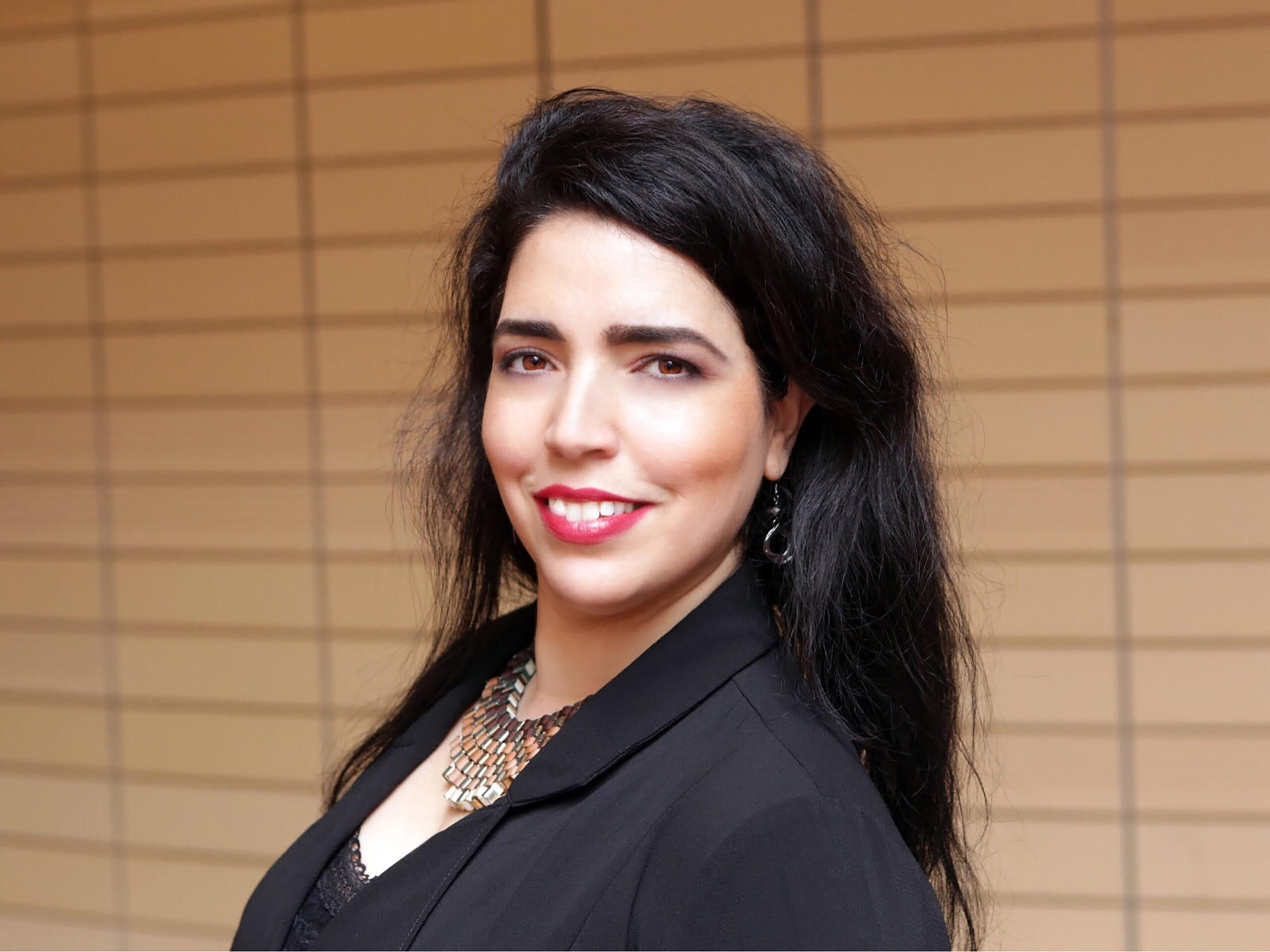
Arnaud Bertsch is a Lecturer at the École Polytechnique Fédérale de Lausanne (EPFL) within the School of Engineering (STI) and the Department of Microengineering (IEM). He is affiliated with the Microsystems Laboratory 1 (LMIS1) and has been actively involved in teaching advanced microfabrication techniques and MEMS sensor/actuator practicals. His research spans microfluidics, nanofluidics, biomedical devices, and 3D microfabrication, with a focus on neural probes, drug delivery systems, and cell manipulation technologies. Microfluidic hydrodynamic and dielectrophoretic systems Nanovolcano microelectrode arrays for electrophysiology Thermal control of ionic transport in nanochannels 3D lipid microrobots for drug delivery MEMS-based intraocular pressure sensors Arnaud Bertsch has supervised PhD students including Torres Vila Pol, Zhang Tao, and past advisees like Clémentine Lipp, Nicolas Maïno, and Joan Teixidor. His work bridges fundamental research in nanofluidics with applied biomedical solutions, contributing to fields such as neuroscience, cancer therapy, and implantable medical devices. The articles listed demonstrate expertise in microsystem design, electrochemical sensing, and biofabrication technologies.
Paul Stevenson is an Assistant Professor of Physics at Northeastern University's College of Science, leading the Stevenson Group. His research focuses on quantum sensing and biophysical dynamics using solid-state spins, particularly nitrogen vacancy centers in diamond. He develops nanoscale sensors for probing molecular motion and quantum communication technologies. Notably, his work bridges physics, chemistry, and biology, addressing challenges such as magnetism in complex systems and single-molecule imaging. He is a 2023 TIER1 Awardee and collaborates with institutions like Brown University and UC Berkeley. Stevenson's lab explores quantum materials and spintronics, leveraging interdisciplinary approaches to advance quantum hardware and biophysical understanding. His group's innovations include ultrasensitive magnetometers and tools for studying antiferromagnetic ordering. Contact: p.stevenson@northeastern.edu .
Neel S. Joshi is an Associate Professor in the Department of Chemistry and Chemical Biology at Northeastern University's College of Science. His research focuses on engineered living materials, microbial engineering, and synthetic biology, with applications in gut therapeutics, bioremediation, and bioplastics. He leads the Joshi Lab, which develops materials from genetically programmed microbial cells, emphasizing self-healing, environmental responsiveness, and scalability. Education and affiliations include Northeastern University's Institute for Chemical Imaging of Living Systems, where he collaborates on imaging tools for disease diagnostics. Notable projects include compostable plastics and probiotic-based therapies for childhood diarrhea. Joshi has been recognized as a TIER1 Awardee for innovative research. His work bridges biomaterials science and synthetic biology, with media coverage highlighting breakthroughs like living materials for space habitats and biodegradable plastics. Awards and grants are not explicitly listed, but his lab's funding supports interdisciplinary projects. He advises students through Northeastern's graduate programs and collaborates with industry and academic partners. The lab also explores applications in wearable X-ray shielding and light-driven chemical production in yeast biohybrids.
Professor Wolfgang Fritzsche serves as Head of the Nanobiophotonics Department at the Leibniz Institute of Photonic Technology (Leibniz-IPHT) in Jena, Germany, where he leads cutting-edge research at the intersection of nanotechnology and photonics. His laboratory, located in HG 269, maintains active collaborations across multiple international institutions as evidenced by his extensive publication record. Dr. Fritzsche's research spans multiple nanotechnology domains with particular emphasis on plasmonic nanoparticles, nanozymes, and optical sensing platforms. His work demonstrates exceptional versatility across fundamental nanomaterial synthesis and practical biomedical applications. Recent projects include developing innovative antibiofilm agents using β-cyclodextrin inclusion complexes, engineering laccase-mimetic nanozymes for food safety monitoring, and creating plasmonic nanocomposites for antibacterial applications. His expertise in localized surface plasmon resonance (LSPR) sensing has led to significant advancements in real-time monitoring of nanomaterial interactions and biosensing platforms. Analysis of his recent publication trajectory reveals a strategic research focus on translating nanomaterial discoveries into practical diagnostic and therapeutic applications. His work demonstrates increasing integration of multiple nanotechnology approaches, particularly combining plasmonics with enzymatic mimetics and advanced imaging techniques. The consistent high-impact journal placements across chemistry, materials science, and biomedical engineering publications indicate strong cross-disciplinary recognition of his contributions to nanobiophotonics. While no specific awards are mentioned in the available documentation, Professor Fritzsche's leadership position at a Leibniz Association institute and his prolific publication record in top-tier journals represent significant professional recognition. His research program appears well-funded through the substantial output of collaborative papers spanning multiple application areas. Professor Fritzsche maintains an active research laboratory focused on nanobiophotonics, with particular expertise in plasmonic nanoparticle synthesis, surface functionalization techniques, and optical biosensing platforms. His team appears to specialize in bridging fundamental nanomaterial properties with practical biomedical applications, particularly in infection control, cancer therapy, and diagnostic technologies. The interdisciplinary nature of his publications suggests collaboration across chemistry, physics, biology, and medical research domains.
Ali Ansari is a Teaching Assistant Professor in the Department of Bioengineering at the University of Illinois Urbana-Champaign (UIUC), part of the Grainger College of Engineering. He previously served as a Visiting Assistant Professor at Bucknell University’s Bioengineering/Electrical and Computer Engineering departments (2021–2023). Ansari holds a B.S. in Electrical Engineering from Southern Methodist University (2012) and a Ph.D. and M.S. in Bioengineering from UIUC (2018 and 2016, respectively). Education: Bachelor of Science in Electrical Engineering, Southern Methodist University, 2012 Master of Science in Bioengineering, University of Illinois Urbana-Champaign, 2016 Doctor of Philosophy in Bioengineering, University of Illinois Urbana-Champaign, 2018 His primary research focus is in Biomedical Engineering Education, with scholarly contributions spanning biomaterials, microfluidics, and cell isolation technologies. Recent work includes studies on extracellular matrix microparticles for heart regeneration, microfluidic systems for cell co-culture, and surface functionalization techniques. Ansari’s research trajectory reflects advancements in translational biomedical engineering, balancing foundational studies with applied innovations. Ansari’s articles highlight trends in biomaterials for regenerative medicine, microfluidic device design, and cell isolation methodologies. His work emphasizes integrating engineering principles with biological systems to address challenges in tissue repair and biomedical device development. No scientific awards are listed in the provided information. Professional affiliations include membership in the American Society for Engineering Education (ASEE), Biomedical Engineering Society (BMES), and the Biomedical Engineering Education Council (BEEC). His academic roles suggest involvement in teaching, student mentorship, and educational program development. Details about grants or lab affiliations are not explicitly detailed, though his research interests align with UIUC’s bioengineering research ecosystem.
Juewen Liu is a Professor and Canada Research Chair in Biosensors and Bionanotechnology in the Department of Chemistry at the University of Waterloo, affiliated with the Faculty of Science. His research program employs principles of chemistry, physics, and biology to develop innovative nanoscale materials and systems with applications in sensing, diagnostics, and therapeutics. Research encompasses: DNA aptamer development and applications Nanoparticle engineering for biomedical use Biointerface chemistry innovations Nanozyme design and catalytic applications Liu maintains an extensive publication record in high-impact journals, with recent work emphasizing advanced biosensing platforms, targeted drug delivery systems, and nanomaterial-based solutions for environmental and health challenges. His research integrates fundamental science with practical applications in diagnostics and therapy. Teaching responsibilities include courses on nano-biomaterials and nano-instrumentation. Professor Liu collaborates extensively through the Waterloo Institute for Nanotechnology, Water Institute, and Centre for Bioengineering and Biotechnology.
Etienne BARTHEL serves as a CNRS Research Director at the Laboratory of Soft Matter Science and Engineering (SIMM), a joint research unit of PSL University (ESPCI Paris), CNRS, and Sorbonne University. His primary affiliations span multiple prestigious French institutions focused on advanced materials research. His research centers on the mechanical behavior of soft and brittle materials, with emphasis on surface mechanics, adhesion phenomena, fracture dynamics, and thin film behavior . Key contributions include fundamental studies on wetting/dewetting processes, plastic deformation mechanisms in glasses, and instability phenomena at interfaces. His experimental and modeling work bridges nanoscale material behavior with macroscopic mechanical responses. Analysis of his recent publications reveals strong focus on silicate glasses, soft matter fracture, microfluidics, and surface characterization techniques . His work frequently employs advanced methods like Brillouin spectroscopy, nanoindentation, and micro-photoelasticity to probe material responses under stress. As a CNRS Research Director, he leads experimental investigations in the SIMM laboratory, supervising PhD candidates and postdoctoral researchers in projects spanning materials physics, surface science, and mechanical engineering. His research program integrates experimental mechanics with theoretical modeling to address fundamental questions in material failure and interfacial phenomena. The SIMM laboratory maintains advanced facilities for soft matter characterization, including micro-mechanical testing setups, surface analysis instruments, and microfluidics platforms where his team conducts cutting-edge research on material interfaces and deformation mechanisms.
Jian Lu is a Professor in the Department of Biological Physics at The University of Manchester, affiliated with the Christabel Pankhurst Institute. He holds a Doctor of Philosophy from The University of Hull (1991), specializing in Emulsion stability and breakdown. His research focuses on biological physics, biomaterials, biointerfaces, and peptide self-assembly, with a strong emphasis on antimicrobial peptides, nanostructure fabrication, and neutron scattering techniques. Key projects include investigations into structural changes of antibody molecules at interfaces, development of novel biocides against antimicrobial resistance, and contributions to the Manchester Bioelectronics Network. Lu has supervised 33 research students and led/co-led projects totaling £2.5M in funding. His work spans UN Sustainable Development Goals related to health and environmental sustainability. Research highlights include enzyme-triggered drug delivery systems, surfactant-pesticide interactions, and pH-responsive peptide gels. His lab employs advanced techniques like neutron reflectivity and molecular dynamics simulations to study protein-surface interactions and antimicrobial mechanisms. Lu's recent work explores biocompatible nanomaterials for medical applications and sustainable water purification using bioinspired materials.
E. Thomas (Tommy) Pashuck is an Assistant Professor in the Department of Bioengineering at Lehigh University , where he joined after postdoctoral training at Rutgers University and Imperial College London . His research focuses on designing enzyme-responsive biomaterials using peptide self-assembly to control hydrogel chemistry and nanoscale organization , aiming to improve regenerative medicine applications. Education: Ph.D. in Materials Science from Northwestern University (2009) Pashuck's work explores biomaterials that direct cell behavior through precise spatial and mechanical cues . Recent publications highlight advancements in high-throughput peptide screening , 4D bioprinting , and protease-activated hydrogels , demonstrating his expertise in dynamic biomaterial design and cell-matrix interactions . His research group investigates cell adhesion optimization via ligand mobility control , enzyme-mimicking nanomaterials , and sequence-controlled polymerization while maintaining clinical translation goals. Publications from 2021-2025 emphasize hydrogel mechanics , biodegradable scaffolds , and supramolecular catalytic systems , spanning biomaterial engineering , peptide nanotechnology , and regenerative medicine .
Paolo Samorì is a Professor at the University of Strasbourg and holds multiple leadership roles, including Deputy Director of the Institute of Supramolecular Science and Engineering (ISIS) and Director of the Nanochemistry Laboratory . He received his Laurea (Master's) in Industrial Chemistry from the University of Bologna (1995) and PhD in Chemistry from Humboldt University of Berlin (2000) under Prof. J.P. Rabe. His research focuses on nanochemistry, supramolecular science, materials chemistry, and scanning probe microscopies , with a strong emphasis on graphene, 2D materials, and hybrid nanomaterials for optoelectronics, energy, and sensing applications. His recent publications (470+ total) highlight advancements in: Crystal engineering of organic and inorganic materials Thermoelectric and supercapacitor systems using MOFs and MXenes Neuromorphic devices leveraging biopolymer hydrogels and optoionic effects Photodetection and photothermal conversion in 2D heterostructures Sensing technologies including SERS, SEIRAS, and electrolyte-gated transistors Samorì has received numerous scientific awards , including ERC grants, CNRS Silver Medal, and multiple international prizes. He serves as Associate Editor of ACS Nano and holds advisory roles for journals like Advanced Materials and Chemical Communications. His affiliations include the Royal Society of Chemistry , European Academy of Sciences , and German National Academy of Sciences and Engineering .
Mauro Ferrari is a distinguished Professor in the Department of Pharmaceutics at the University of Washington , joining in 2019. Previously, he served as tenured professor in engineering and/or medicine at institutions including the University of Texas, University of California Berkeley, Ohio State University, and Weill Cornell Medicine. He led the Houston Methodist Research Institute as President & CEO and held leadership roles at the European Research Council. Dottore in Matematica, Universita di Padova, Italy PhD and MS in Mechanical Engineering, University of California, Berkeley Executive education at Harvard Business School and Wharton As a pioneer of nanomedicine and transport oncophysics, his research focuses on cancer therapeutics , nanomedicine , drug delivery technology , mathematical oncology , and biological mass transport . His laboratory leads a DOD-funded initiative for metastatic breast cancer cures. His selected publications highlight trends in nanoparticle design , molecular transport , cancer nanotherapy , and multistage delivery systems . Scientific leadership includes clinical translation of dozens of drugs and medical devices . Current entrepreneurial roles: CEO of DXT Pharmaceuticals, Director at Arrowhead Pharmaceuticals, and Scientific Founder of BrYet US.
Ronit Freeman, PhD is an Associate Professor in the Department of Applied Physical Sciences at the University of North Carolina at Chapel Hill , where she is also affiliated with the UNC Lineberger Comprehensive Cancer Center . Research Focus : Cellular response to extracellular matrix (ECM) cues across multiple length/time scales Methodologies : Synthetic biology, supramolecular chemistry, DNA/RNA aptamer technology Dr. Freeman's work develops reconfigurable ECM platforms to study and engineer cellular fate decisions through: Controllable biochemical and biomechanical signaling Advanced fibrous architecture design Dynamic topography and mechanics modulation Applications in cancer therapy, wound healing, and fibrosis reversal Key collaborations include: Shawn Hingtgen's lab - Therapeutic cell engineering RNA Discovery Center (led by Chad Pecot) Scientific Achievements: Recipient of Eshelman Institute for Innovation Award (2020) Gordon & Betty Moore Foundation Collaborative Innovation Award (2019) Scialog Fellow (2019) Multiple early-career fellowships (EMBO, Clore, Converging Technologies) Her interdisciplinary team combines expertise from chemistry, cell biology, synthetic biology, medicine, engineering, and physics to address cutting-edge bio-nanotechnology challenges.
Prof. Dr. Stefan Bräse serves as Full Professor of Organic Chemistry at Karlsruhe Institute of Technology (KIT), holding continuous faculty positions since 2003. He directs both the Department of Organic Chemistry (Institut für Organische Chemie) and the Institute of Biological and Chemical Systems (IBCS-FMS) since 2020, with prior leadership as Dean of the Faculty of Chemistry and Biosciences (2007-2011). Education: Chemistry studies at Georg-August-Universität Göttingen and University College of North Wales (1988-1992) Diplomhauptprüfung at Göttingen (1992) Dissertation (summa cum laude) under Prof. A. de Meijere (1995) Postdoctoral fellow at University of Uppsala (1995-1996) and Scripps Research Institute with Prof. K. C. Nicolaou (1996-1997) Habilitation at RWTH Aachen under Prof. D. Enders (1997-2001) Research Focus: Bräse pioneers asymmetric synthesis methodologies and combinatorial chemistry platforms for biologically active compounds, with landmark work in solid-phase natural product synthesis (THC, Secalonic Acids) and functionalized nano-structures. His interdisciplinary approach bridges organic chemistry with nanotechnology and medicinal applications, emphasizing catalytic innovation and molecular design. Scientific Recognition: Multiple KIT Innovation Prizes (2014, 2016, 2018) ISCB ABAWR for Excellence in Chemical Science (2009) Lilly Lecture Award (2001) and Richard-Zsigmondy Prize (1995) Extensive fellowship support including DFG-Habilitations-Stipendium and Liebig stipend Academic Leadership: Bräse has secured major research funding through DFG programs and industry collaborations, serving as referee for American Chemical Society Petroleum Funds and DFG Fachkollegium 301. His 600+ publications reflect sustained mentorship of graduate researchers despite unlisted student names. He directs the KIT Combinatorial Chemistry Platform and Soft Matter Synthesis Lab while co-leading Helmholtz Program 'Biointerfaces' initiatives. Research Infrastructure: Current leadership includes Directorship of IBCS-FMS and membership in SFB 1176 and 3DMM²O Cluster, driving KIT's strategic focus on bioactive compound discovery and molecular systems engineering.
Dr. Gerald Wang is an Assistant Professor in Civil and Environmental Engineering at Carnegie Mellon University with courtesy appointments in Chemical Engineering and Mechanical Engineering. He leads the M5 Lab (Mechanics of Materials via Molecular and Multiscale Methods), focusing on nanoscale mechanics using computational approaches to solve civil engineering challenges related to water-energy systems, material resilience, and sustainable polymers. Education: Ph.D. in Mechanical Engineering and Computation, MIT (2019) S.M. in Mechanical Engineering, MIT (2015) B.S. in Mechanical Engineering, Mathematics & Physics, Yale University (2013) His research integrates statistical physics, fluid mechanics, and high-performance computing to investigate nanoscale structural and transport phenomena. Key areas include climate-resilient infrastructure, energy-water nexus solutions, and nanoscale thermal transport in materials. Recent work explores molecular-scale separation processes and recyclable polymer design using advanced simulation techniques. Publication trends demonstrate consistent focus on nanoscale transport mechanisms, computational method development, and interdisciplinary applications from materials science to urban systems. Articles frequently bridge molecular dynamics with macro-scale engineering problems. Awards: Scott Institute Seed Grant for clean energy research CMU Celebration of Education Award for teaching excellence Current projects include NSF-funded work on nanoscale slip phenomena and polymer upcycling collaborations. The M5 Lab develops open-source simulation tools and maintains active industry partnerships in advanced materials.
Dr. Peng Zhang is a Research Fellow at the University of Birmingham's School of Geography, Earth and Environmental Sciences, where he leads research in nanotechnology applications for environmental and agricultural sustainability. He joined as a Marie Curie Fellow in 2018 following a Ph.D. and assistant professorship at the Chinese Academy of Sciences' Institute of High Energy Physics, and a research fellowship at McGill University, Canada. His work focuses on nanomaterial fate analysis using synchrotron techniques, including pioneering isotope labeling for nanomaterial tracking in plants. He also explores nanotechnology in sustainable agriculture, such as nanopesticides and nanofertilizers, with over 80 publications in top journals like Nature Protocols and ACS Nano . Dr. Zhang holds editorial roles in journals like Reviews of Environmental Contamination and Toxicology and co-edited Nano-enabled Agriculture (Elsevier). His research integrates environmental toxicology, nanomaterial safety, and interdisciplinary approaches combining AI with nanotechnology. He has been awarded the 2022 American Chemical Society James J Morgan Early Career Award for his contributions to nanotechnology and sustainability. Key research themes include environmental fate of engineered nanomaterials, biointerface reactions between nanomaterials and organisms, and nanomaterials for pollution remediation. His work bridges fundamental science and practical applications, addressing global challenges in agriculture and environmental health.