Molly Maleckar is a Research Professor at the Computational Physiology Department of Simula Research Laboratory , Oslo, Norway. Her work bridges computational modeling, cardiac electrophysiology, and biomedical applications, with a focus on arrhythmia mechanisms, fibrosis modeling, and machine learning integration in cardiac risk prediction. Research Interests include: Computational Cardiology Ion Channel Dynamics Machine Learning in Medicine Excitable Tissue Modeling Cardiac Fibrosis Analysis Biomedical Simulation Scientific Contributions span 15+ publications (2018-2024) addressing atrial fibrillation, calcium handling, and AI-driven ECG analysis. Key collaborative projects involve patient-specific ventricular modeling and educational initiatives like the Simula Summer School in Computational Physiology .
Norwegian University of Science and TechnologyNorway
Helge Langseth is a Professor at the Department of Computer Technology and Informatics , within the Faculty of Information Technology and Electrical Engineering at the Norwegian University of Science and Technology (NTNU). His research focuses on Artificial Intelligence , Machine Learning , and Probabilistic Graphical Models , particularly Bayesian Networks and their applications in Decision Support Systems . Langseth's work addresses Explainable AI (XAI) , Reinforcement Learning , and Recommender Systems . He has contributed to Bayesian Optimization , Probabilistic Modeling , and Robotic Control in oceanic environments. His recent publications emphasize transparency , fairness , and scalability in AI systems, with applications spanning maritime trade, migraine diagnosis, and power grid management. He is affiliated with the Intelligent Systems Research Group at NTNU and actively mentors doctoral and master's students. Co-authored works with Yanzhe Bekkemoen , Sverre Herland , and Jørgen Hanssen reflect his role in advising the next generation of AI researchers.
Norwegian University of Science and TechnologyNorway
Staal A. Vinterbo is a Professor at the Department of Information Security and Communication Technology within the Faculty of Information Technology and Electrical Engineering at the Norwegian University of Science and Technology (NTNU). His research focuses on privacy-preserving technologies, cryptography, and their intersections with machine learning, bioinformatics, and medical informatics. He has contributed to advancements in differential privacy, data anonymization, and secure computational methods.
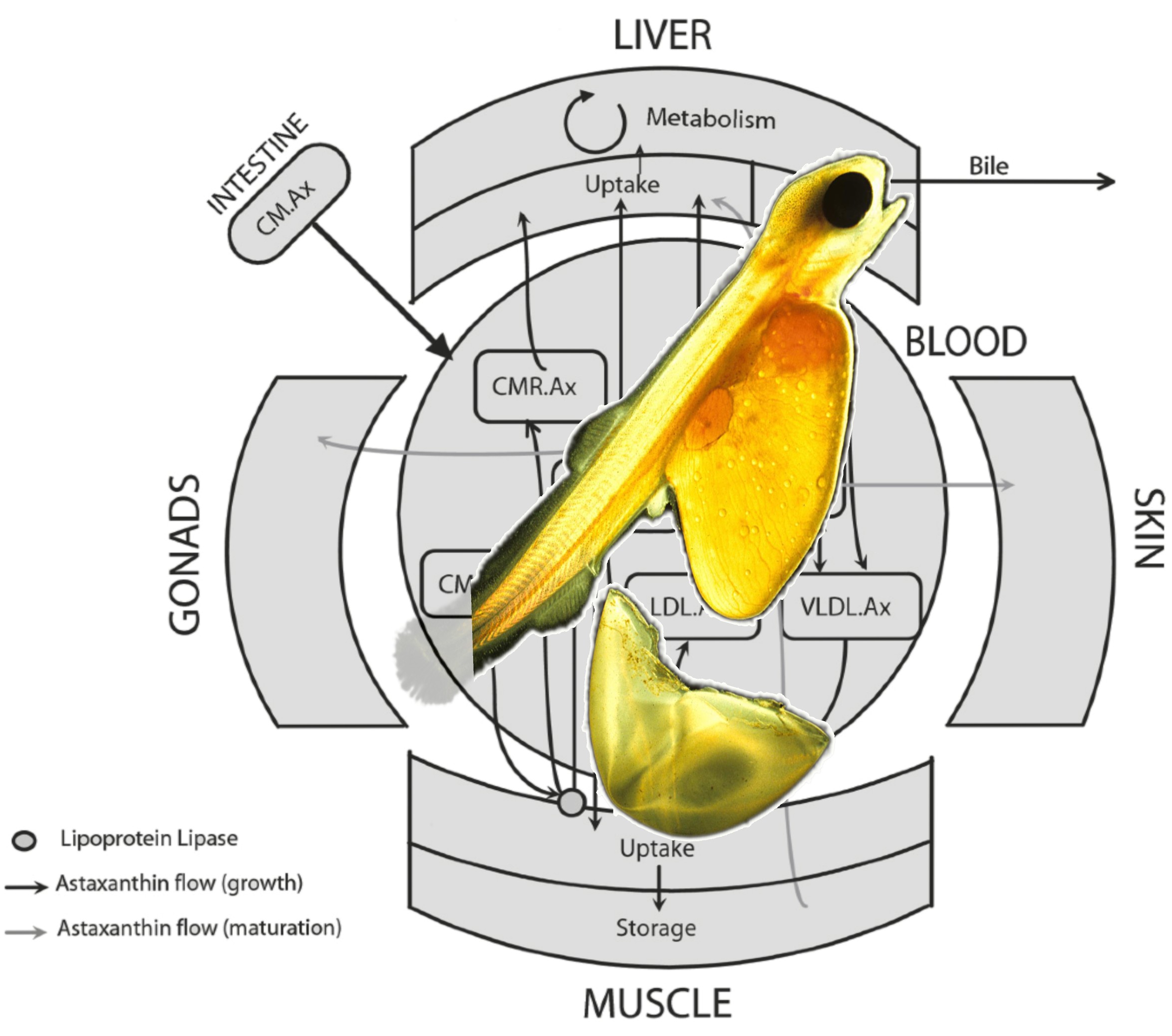
Jon Olav Vik is a Professor at the Norwegian University of Life Sciences (NMBU), affiliated with the Department of Mathematical Sciences and Technology within the Faculty of Science and Technology. He leads the DigiSal project—"Towards the Digital Salmon: From a reactive to a pre-emptive research strategy in aquaculture"—funded under the Research Council of Norway’s Digital Life initiative. He is also a lead modeller in the GenoSysFat project, which aims to enhance omega-3 content in farmed salmon through integrated genomics and systems biology approaches. His research spans systems biology , computational physiology , genotype-phenotype modeling , and ecological dynamics . He works at the intersection of biology, mathematics, and computer programming, developing models to understand how genetics, nutrition, and environment interact in fish and ecological systems. His pedagogical focus includes biostatistics and programming in R, and he teaches courses such as STIN100, STIN300, and STAT100. The 15 most recent publications reflect a consistent focus on systems-level understanding in biology, particularly in salmon aquaculture, metabolic regulation, and genotype-phenotype relationships. These works appear in high-impact journals like Nature , Science , PLOS Computational Biology , and Journal of The Royal Society Interface , demonstrating interdisciplinary reach across computational biology, genomics, ecology, and biostatistics. Key themes include metabolic modeling, microbiome stability, lipidome remodeling, and sensitivity analysis in dynamic models. Jon Olav Vik has contributed to major collaborative efforts including the Infrastructure for Systems Biology Europe (ISBE) , where he helped develop frameworks for "modelling as a service." He has also authored book chapters and technical deliverables on systems biology and modeling practices. He actively supervises students and invites master’s thesis candidates with interests in quantitative biology. While no specific awards are listed, his leadership in national and international research projects underscores his scientific impact. His work supports both fundamental science and sustainable aquaculture innovation.
Dr. Espen Molden is an Adjunct Professor at the Department of Pharmacy, University of Oslo, holding a 20% position while serving as Research Manager at the Center for Psychopharmacology, Diakonhjemmet Hospital. He earned his Cand.pharm. degree from the University of Oslo in 1997 and completed his Dr.scient. there in 2003. His primary research focuses on individual variability in drug efficacy and side effects, with particular emphasis on implementing pharmacogenetic knowledge in clinical practice. His research interests span multiple areas of pharmacology, including: Pharmacokinetics and therapeutic drug monitoring Pharmacogenetics (particularly CYP2D6 and CYP2C19) Drug interactions and cytochrome P450 metabolism Clinical applications in psychopharmacology Analysis of his 15 most recent publications (2024-2025) reveals a strong focus on pharmacogenetics applications in clinical settings, particularly in psychopharmacology. His work heavily features therapeutic drug monitoring studies, CYP enzyme polymorphisms, and their clinical implications for antipsychotic and antidepressant treatments. A significant portion of his recent work examines clozapine metabolism, CYP2D6-related pharmacogenetics, and real-world data applications in personalized medicine. His scientific achievements include: Pharmacist of the Year award from the Norwegian Pharmaceutical Association (2006) Extensive publication record in high-impact journals including Nature Genetics, JAMA, and Clinical Pharmacology & Therapeutics Leadership in large collaborative research projects across multiple institutions Dr. Molden actively collaborates with numerous researchers including Professor Torgeir Bruun Wyller at Oslo University Hospital, Professor Anette Hylen Ranhoff at Diakonhjemmet Hospital, and international colleagues from institutions like Karolinska Institutet. His work bridges basic pharmacogenetic research with clinical implementation, particularly in psychiatric medication management.
Alvaro Köhn-Luque is an Associate Professor at the Oslo Center for Biostatistics and Epidemiology, University of Oslo, and Group Leader at the Department of Medical Genetics, Oslo University Hospital. His work bridges mathematical modeling with clinical applications, particularly in cancer research. His academic background includes a PhD in Mathematical and Computational Biology from Complutense University of Madrid (2012), preceded by multiple Master's degrees in Mathematics and Physics from Spanish universities. Dr. Köhn-Luque's research focuses on mathematical oncology , developing computational models to understand cancer dynamics and improve treatment strategies. His work spans multiscale modeling of tumor growth, personalized cancer medicine through computer simulations, and biomarker discovery using machine learning approaches. He has made significant contributions to modeling breast cancer progression and treatment response, particularly in the context of endocrine therapy and CDK4/6 inhibition. His recent publications demonstrate a strong trend toward integrating mechanistic learning approaches that combine mathematical models with machine learning techniques. This hybrid methodology allows for more accurate prediction of treatment outcomes while maintaining biological interpretability. His work frequently involves collaboration with clinical researchers to ensure models are grounded in real patient data and have direct translational potential. Computational modeling of tumor heterogeneity and drug response Development of methods for phenotypic deconvolution in cancer cell populations Integration of multi-omics data for personalized treatment prediction Application of birth-death processes to model tumor evolution Creation of user-friendly computational tools for biomedical researchers Dr. Köhn-Luque has supervised multiple PhD students including Even M Myklebust, Salim Ghannoum, and Xiaoran Lai, and has secured funding for projects including RESCUE, BigInsight, and Integreat. His research demonstrates a consistent trajectory from theoretical mathematical biology toward increasingly clinically relevant applications in personalized cancer medicine.
Professor Ole-Christoffer Granmo is a distinguished academic at the University of Agder, Norway, where he serves as Professor in the Department of Information and Communication Technology. He is the Founding Director of the Centre for Artificial Intelligence Research (CAIR) at the University of Agder, leading cutting-edge research in artificial intelligence and machine learning. Dr. Granmo obtained his master's degree in 1999 and his PhD in 2004, both from the University of Oslo. His academic journey has been marked by significant contributions to the field of AI, most notably the creation of the Tsetlin machine in 2018, for which he received the AI research paper of the decade award from the Norwegian Artificial Intelligence Consortium (NORA) in 2022. Professor Granmo's research primarily focuses on logical and causal world modeling across multiple modalities including images, sound, and natural language. His work spans logical auto-encoding, convolution, regression, transformer architectures, and reinforcement learning, all with the overarching goal of creating ultra-low-power artificial general intelligence through transparent logical learning and reasoning. His publications reveal a strong emphasis on interpretable AI systems, hardware implementations, and applications across diverse domains including cybersecurity, healthcare, social media analysis, and bioinformatics. AI Research Paper of the Decade (2022) - Norwegian Artificial Intelligence Consortium (NORA) Eight paper awards in machine learning Professor Granmo has coordinated over seven research projects and mentored 55+ master's students and nine PhD students. His leadership extends to co-founding the Norwegian Artificial Intelligence Consortium (NORA) and establishing two companies: Anzyz Technologies AS and Tsense Intelligent Healthcare AS. As an advisor at Literal Labs, he actively bridges academic research with practical industry applications, demonstrating his commitment to translating theoretical innovations into real-world solutions that address complex challenges across multiple sectors.
Alejandro Cifuentes serves as a Full Research Professor at the Spanish National Research Council (CSIC) in Madrid, where he leads the Laboratory of Foodomics and directs the Metabolomics Platform under the International Excellence Campus CSIC + University Autonoma of Madrid. His prior roles include Founding Director of the Institute of Food Science Research and Deputy Director of the Institute. His research centers on foodomics and metabolomics, with emphasis on advanced extraction technologies for bioactive compounds from diverse sources including plants, dairy, and microalgae. Key interests encompass sustainable processing methods, neuroprotective agents, antioxidant properties, and the valorization of agricultural by-products for health applications. Analysis of his recent publications reveals a dominant focus on green extraction techniques—particularly supercritical CO₂ and pressurized systems—combined with mass spectrometry for bioactive compound analysis. His work bridges food science, analytical chemistry, and biotechnology to address challenges in food safety, nutrition, and sustainable resource utilization. Dr. Cifuentes directs the Laboratory of Foodomics and Metabolomics Platform, leading interdisciplinary teams in projects spanning microalgal protein characterization, dairy microbiota studies, and neuroprotective compound transport mechanisms, with strong industry and academic collaborations across Europe.
Arnoldo Frigessi is Professor of Statistics at the University of Oslo, where he leads the Oslo Center for Biostatistics and Epidemiology and serves as director of BigInsight—a Centre of Excellence for Research-Based Innovation. This consortium unites industry, business, public actors, and academia to develop model-based machine learning methodologies for big data, with strong emphasis on health applications. His research centers on statistical methodology driven by real-world scientific challenges, specializing in stochastic models for complex dependence structures and computationally intensive inference algorithms. Core application domains include: Genomics and personalized cancer therapy (particularly breast and lung cancer) Infectious disease modeling (including pandemic response) eHealth, sensor data analysis, and recommender systems Personalized marketing and viral diffusion dynamics Analysis of his 15 most recent publications (2024-2025) reveals dominant themes in cancer systems biology , where he integrates multi-omics, single-cell transcriptomics, and computational modeling to decode tumor evolution under therapy. Parallel work advances infectious disease epidemiology through time-varying reproduction number estimation and mobility-based transmission modeling, while methodological innovations span synthetic data generation (TVineSynth), causal inference via target trial emulation, and Bayesian ranking models for recommender systems. Scientific Awards: No specific awards mentioned in source materials Frigessi actively supervises graduate students, including a Department of Informatics project on "Utilizing covariate information in recommender systems." His leadership of BigInsight—funded as a Research-Based Innovation Centre by the Research Council of Norway—secures major grants supporting interdisciplinary collaborations with industrial partners (e.g., Telenor, DNB) and public health institutions. Current projects integrate real-world clinical data with mechanistic models for treatment optimization. He directs BigInsight's multidisciplinary team of statisticians, computer scientists, and domain experts, while leading the Oslo Center for Biostatistics and Epidemiology's efforts in developing statistical frameworks for complex health data. These initiatives drive Norway's national strategy for data-driven health innovation.
Alvaro Fernandez Quilez is an Associate Professor in Artificial Intelligence at the Department of Electrical Engineering and Computer Science, Faculty of Science and Technology, University of Stavanger. He leads the Stavanger AI Laboratory (SAIL), fostering interdisciplinary AI research with a focus on healthcare and education applications. Research Interests: His work centers on responsible AI, emphasizing ethics, fairness, transparency, and uncertainty in AI systems. He applies deep learning and machine learning techniques to medical imaging, particularly in prostate cancer and neurodegenerative diseases like Alzheimer’s and Parkinson’s. His research integrates algorithmic innovation with clinical relevance, addressing challenges in data scarcity, bias, and model interpretability. The recent publications highlight a strong trend in developing and evaluating AI models for diagnostic support in radiology and neurology. Key themes include uncertainty quantification, self-supervised learning, synthetic data generation via GANs, and fairness analysis across gender and centers. The work spans from foundational AI methods to their clinical translation in multi-center studies. Teaching and Academic Leadership: He coordinates the course DAT105 - AI for everyone and has contributed as a guest lecturer in bioinformatics, technological foundations, and PhD ethics, particularly on AI and ethics. He is also enrolled in a PhD supervisory qualification program, underscoring his growing role in graduate education. Advising and Grants: While specific students and grants are not listed in the text, his leadership of SAIL and active publication record suggest involvement in research supervision and project funding. His collaborations span multiple institutions and disciplines, indicating strong team-based research efforts. Laboratories and Teams: He leads the Stavanger AI Laboratory (SAIL), which serves as the central hub for AI research at the University of Stavanger, promoting collaboration across departments and with external partners in healthcare and technology.
Håvard Kauserud is a Professor at the Department of Genetics and Evolutionary Biology, University of Oslo. His research spans molecular ecology, evolutionary biology, and fungal genetics with a focus on mycorrhizal and endophytic fungi, climate change impacts, and habitat fragmentation effects. Section of Genetics and Evolutionary Biology Teaches advanced courses in fungal evolution and bioinformatics Research projects include: Molecular ecology of mycorrhizal fungi Speciation mechanisms in forest fungi Climate change effects on mushroom phenology Comparative genomics of Serpulaceae Endophytic fungi in boreal mosses Recent work explores fungal community dynamics across boreal forests, indoor mycobiomes, and genome expansion patterns in Mycena . Collaborative studies investigate arthropod dispersal of fungal spores, climate adaptation signatures, and trait-based fungal ecology databases.
Ida Scheel is an Associate Professor in Statistics and Data Science at the University of Oslo , Department of Mathematics. She specializes in Bayesian hierarchical modeling, recommendation systems, and stochastic processes on networks. Her research interests include: Bayesian statistics and model diagnostics Data science applications in environmental and health domains Network-based machine learning Uncertainty quantification in predictive modeling Recent publication trends show a focus on Bayesian model validation, machine learning for product adoption prediction, and real-estate analytics. She contributes to interdisciplinary projects like BigInsight and CELS . Scientific awards : Sverdrup Prize for Young Researchers (2011) Advising : Supervised 8 PhD students (main/co-supervisor) in areas spanning Bayesian causal effects, neural network survival analysis, and model conflict detection. Key grants include participation in the Data Science@UiO and Integreat projects. Labs/teams : Active member of the Center for Computational Inference in Evolutionary Life Science (CELS) and the BigInsight center.
Meghan Balk is a Postdoctoral Fellow with the Evolution and Paleobiology Group at the Natural History Museum, University of Oslo. Her work combines museum collections and trait databases to investigate how inter- and intra-specific traits change across time and space. She is passionate about digitizing museum data and enabling FAIR data principles for continued exploration of data-driven science across evolutionary biology and ecology. Balk received her Ph.D. from the University of New Mexico in 2017 with a concentration in Interdisciplinary Science through the Department of Biology. She earned her B.S. from the University of California, Davis in 2010 in the Department of Evolution, Ecology, & Biodiversity, with a minor in Paleobiology through the Department of Geology. Her academic journey reflects a strong foundation in both biological sciences and geological perspectives on evolutionary processes. Her research employs both micro- and macroscopic approaches to understand abiotic and biotic drivers of phenotypic evolution. She investigates within and among lineage phenotypic evolution using fossil and modern records of organisms like bryozoans. Her work on abiotic drivers examines body size changes in species like the bushy-tailed woodrat across geological time, while her research on biotic drivers explores predator-prey relationships in the fossil record, particularly focusing on species like Otodus megalodon. She utilizes machine learning and computational approaches to extract morphological trait data from specimen images. Balk's publication record demonstrates expertise across evolutionary biology, paleontology, ecology, and computational approaches. Her recent work focuses on developing FAIR and modular workflows for image-based knowledge discovery in the emerging field of imageomics. She has made significant contributions to understanding body size evolution across geological time, predator-prey relationships in the fossil record, and promoting open science principles for trait-based research. Her work bridges traditional paleontological methods with cutting-edge computational techniques. Balk is actively involved in several research projects including ROCKS PARADOX (Dissecting the paradox of stasis in evolutionary biology) and Machine-readable Nature (MaNa). She collaborates with researchers across institutions to create ontologies and workflows for trait data, such as the Functional Trait Resource for Environmental Studies (FuTRES) project and the Biology-Guided Neural Networks project. She teaches courses including Foundational Open Science Skills workshop, Git for Mere Mortals webinar, and R Basics Crash course, emphasizing the importance of reproducible research practices.
Norwegian University of Science And TechnologyNorway
Ida-Johanne Jensen is Associate Professor at the Department of Biotechnology and Food Science, Faculty of Natural Sciences, Norwegian University of Science and Technology (NTNU). Her work integrates food science, marine biotechnology and sustainability to valorise marine resources, improve food quality and develop novel functional products. Education & Doctoral Training Dr Jensen obtained her PhD from UiT The Arctic University of Norway (UiT Norges arktiske universitet) in 2014 with the dissertation "Health benefits of seafood consumption – with special focus on household preparations and bioactivity in animal models" , laying the foundation for her expertise in seafood bioactivity and nutrition. Research Interests Her research agenda centres on: Protein chemistry and functionality of marine raw materials and side-streams (brewer’s spent grain, sea cucumber, fish proteins). Development of functional foods and nutraceuticals with antihypertensive, antioxidative and cardioprotective properties. Sensory and technological quality optimisation of foods for extreme environments (military rations, Arctic field meals). Smart packaging and intelligent freshness indicators using natural colorants (anthocyanin-based hydrogel beads). Life-cycle assessment and environmental sustainability of aquaculture and fisheries. Publication Trends Jensen has an extensive publication record (>60 papers since 2009). Recent work (2023–2025) demonstrates a clear pivot towards valorisation of underutilised marine resources (sea cucumbers, brewer’s spent grain) and application-oriented food engineering (freeze-drying, microencapsulation, jerky processing). Reviews on military rations and marine antihypertensive peptides highlight her translational focus on human health and performance. Scientific Awards & Recognition No specific awards are listed in the provided material; however, sustained high-output publication in top-tier journals ( Food Chemistry , npj Science of Food , Marine Drugs ) attests to strong peer recognition. Student Supervision & Grants She has supervised numerous master’s students at NTNU on topics ranging from Arctic field-ration development to protein extraction from brewer’s spent grain, indicating robust external funding and industry collaboration. Laboratories & Collaborations Research is conducted within NTNU’s Department of Biotechnology and Food Science laboratories, with active collaborations across Europe and the Indian Ocean region for marine resource assessments.
Colin Harry LaMont serves as a Postdoctoral Fellow at the PRIMA - Precision Immunotherapy Alliance within the Faculty of Medicine at the University of Oslo, conducting research at the Radium Hospital facility (Ullernchausséen 70, Building K, Room K02.059). His work bridges computational methodologies with cutting-edge immunotherapy applications. His research centers on developing integrated computational pipelines for spatial biology data analysis, with a focus on advancing precision immunotherapy through bioinformatics innovation. By leveraging spatial transcriptomics and single-cell analysis techniques, he addresses critical challenges in cancer treatment personalization and immune response mapping, contributing to Oslo's leadership in precision medicine. His 2024 publication demonstrates significant progress in creating flexible analytical frameworks for complex spatial biology datasets, establishing foundational tools for the immunotherapy research community. This work exemplifies PRIMA's mission to translate computational advances into clinical immunotherapy applications. Affiliated with the University of Oslo's medical research ecosystem, Dr. LaMont operates within the PRIMA center's collaborative framework at Radium Hospital, where interdisciplinary teams accelerate immunotherapy development through data-driven approaches.

.jpg)