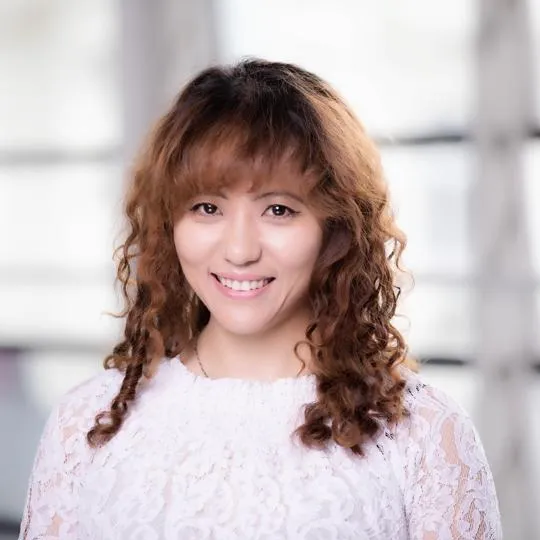
Ratih D. Adiputri is a Senior Researcher at the Faculty of Law, University of Lapland, specializing in Law, Technology, and Sustainability Transitions. Her research focuses on sustainable development (SDGs), green energy transitions (critical minerals, biofuels), multilateralism within UN frameworks, Southeast Asian regional politics, and education policy. She collaborates on projects like the 2IMATCH initiative (2024–2026), exploring just energy transitions. Her work bridges global governance and local legislative practices, particularly in Indonesia and Finland. Key areas include parliamentary diplomacy, ASEAN multilateral strategies, and climate crisis language in UN reports. Educational background includes advanced studies in law and policy, though specific degrees are not detailed. She actively publishes on topics like teacher empowerment, PISA impacts on Indonesian education, and digital-era pedagogical models. Awards are not listed, but her work emphasizes policy advising and cross-cultural educational frameworks. No labs or teams are explicitly mentioned, though collaborative projects suggest institutional partnerships.
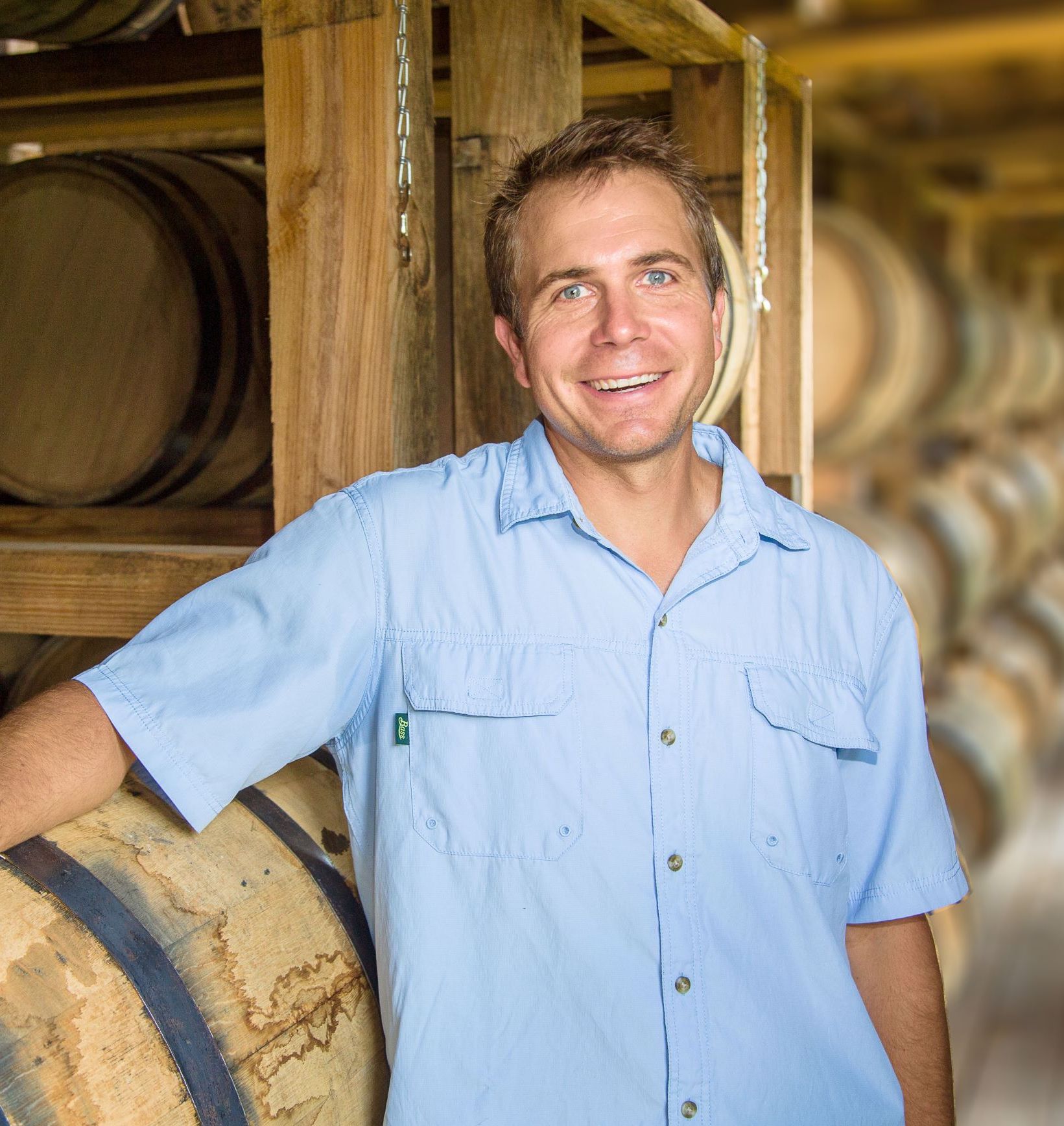
Seth DeBolt is a Professor in the Department of Horticulture at the University of Kentucky's Martin-Gatton College of Agriculture, Food and Environment. He directs the Distillation, Wine and Brewing Undergraduate Certificate Program, focusing on bourbon whiskey production science and plant structural biology. His research bridges plant cell wall biology with industrial applications, emphasizing lignocellulosic feedstocks for biofuels and beverage production. Education: B.S., Agricultural Science — Chemistry, The University of Sydney Ph.D., School of Agriculture, Food and Wine, Waite Institute, University of Adelaide Research interests include: Cell wall biosynthesis and modification (cellulose/lignin) Genetic improvement of crop quality traits Oxidative stress responses in plants Microbial interactions in agricultural systems His bourbon-related studies explore oak wood chemistry's role in spirit aging, while plant biology work addresses stem strength in maize and sorghum. He collaborates across academia and industry to enhance agricultural productivity and value-added biomaterials.
Dr. Terry Walker is a Professor in the Department of Biosystems Engineering at Clemson University. His research focuses on biofuels, cell culture optimization, and supercritical fluid processes. He holds a Ph.D. (1997), M.S. (1992), and B.S. (1989) from the University of Tennessee. He is professionally registered as an EIT (FE) in Tennessee. Dr. Walker teaches courses including Biosystems Engineering Thermodynamics, Biochemical Engineering, and Bioprocess Engineering Design. His research interests emphasize sustainable biofuel production, bioprocess engineering, and bioseparations. Key areas include microbial lipid production from waste substrates, lignocellulosic biomass pretreatment, and supercritical fluid applications. Recent work addresses carbon footprint reduction in university campuses and bioleaching technologies for biomass cleaning. Education: Ph.D. (University of Tennessee, 1997), M.S. (University of Tennessee, 1992), B.S. (University of Tennessee, 1989) Awards: 2011 Energy Project of the Year Award, 2002 LSU Tiger Athletic Foundation Teaching Award, Phi Kappa Phi, Gamma Sigma Delta, Sigma Xi His publications span over three decades, with notable contributions to biodiesel stabilization, microalgal biomass optimization, and biorefinery integration. He advises graduate students on biofuels and bioprocessing projects, and his work frequently intersects environmental sustainability and industrial applications.
Bo Wang is a Research Assistant Professor at Vanderbilt University's School of Engineering. His research focuses on leveraging systems and synthetic biology tools to engineer intracellular metabolism for optimizing biomanufacturing of renewable resources, particularly through metabolic engineering of cyanobacteria and microalgae to convert CO₂ and light into biofuels and commodity chemicals. Education: PhD in Biochemical Engineering from Arizona State University, MS and BS in Chemical Engineering from Tsinghua University. His work spans metabolic regulation in photosynthetic microorganisms, circadian rhythm engineering, and CO₂ utilization strategies. Research interests include cyanobacterial metabolism plasticity, biofuel production pathways, and development of synthetic biology tools for metabolic engineering. His articles highlight advancements in fluxomic analysis, genetic tools for cyanobacteria, and CO₂ valorization strategies for sustainable biofuel production. No scientific awards or grants/advising roles are explicitly mentioned. His contributions emphasize foundational research in microbial systems biology and applied biotechnology solutions for environmental sustainability.
Professor Bushra Al-Duri is a distinguished academic in Sustainable Process Engineering at the University of Birmingham's School of Chemical Engineering. Her expertise spans advanced waste treatment technologies, energy production, and sustainable plastics solutions. She leads the Birmingham Plastics Network, an interdisciplinary team addressing global plastic challenges through collaborative research across multiple disciplines. Research Focus: Supercritical Water Oxidation (SCWO), energy storage in supercritical/cryogenic systems, and production of biofuels from renewable resources. Teaching: Coordinates core modules like Petrochemical Engineering and Process Integration, with extensive experience in biochemical engineering, fluid mechanics, and environmental engineering. Collaborations: Maintains industrial partnerships for SCWO commercialization and has advised over 20 PhD students globally. Her research emphasizes circular economy principles, converting hazardous waste into useful compounds while minimizing environmental impact. Key projects include SCWO optimization for pharmaceutical waste and developing novel solvents for biofuel precursors like 5HMF and DMF. She also explores energy storage via supercritical air cycles and cryogenic systems. Publications (132+) and conference presentations highlight her contributions to supercritical fluid applications, with recent work focused on end-of-life plastics solutions and sustainable energy systems. She serves as an external examiner for UK and international universities, reflecting her peer-recognized expertise.
Cristiano Varrone is an Associate Professor in Fermentation Technology at Aalborg University, Department of Chemistry and Bioscience. He leads research in biorefinery processes, microbial consortia engineering, and plastic upcycling. His work focuses on converting waste streams into biofuels, green chemicals, and biopolymers through sustainable bioprocesses. Education: PhD in Environmental Engineering and Sciences, Harbin Institute of Technology (2015) MSc in Natural Sciences, University of Rome La Sapienza (2003) Research Interests: Plastic biorefinery development Biodegradation of recalcitrant compounds (plastics, pesticides) Defined Mixed Consortia (DMC) for industrial applications Process optimization of microbial conversion systems Waste valorization strategies His projects include leading the EU-funded UPLIFT initiative (€7.6M) for plastic upcycling and managing the GRAIL project on glycerol biorefineries. He has authored over 70 publications and holds patents in bioconversion technologies. Key Achievements: Coordinator of 12+ research projects with €20M+ funding Editorial board member for Energies , Fermentation , and Polymers Recipient of Young Researcher Award (2012) and EU STF Fellowship (2009–2011) He supervises PhD students on topics like polyolefin degradation and bioremediation. His lab focuses on interdisciplinary approaches combining chemical and biological methods for circular economy solutions.
Dr. Bin Yang is a Professor in the Department of Biological Systems Engineering at Washington State University (WSU), with appointments at both the Pullman campus and the Bioproducts, Sciences & Engineering Laboratory (BSEL) at WSU Tri-Cities. His research focuses on advancing bioenergy and bioproducts from lignocellulosic biomass, with emphasis on lignin valorization, pretreatment technologies, and sustainable aviation fuels. Dr. Yang leads a multidisciplinary team exploring catalytic conversion of lignin into jet fuels, bioplastics, and high-value chemicals. He holds affiliations with the American Institute of Chemical Engineers (AIChE) and American Chemical Society (ACS), serving on editorial boards for Biotechnology for Biofuels and Bioproducts and Biofuels, Bioproducts & Biorefinery . His work has resulted in over 135 peer-reviewed publications and six patents. Notable recognitions include the 2023 AIChE Fellowship and a DARPA Young Faculty Award (2011). Research interests include biomass pretreatment innovations, enzymatic hydrolysis optimization, and biorefinery process design. His lab develops scalable technologies for lignin-to-fuel转化 and collaborates with industry partners like Boeing and the National Renewable Energy Laboratory (NREL). Current projects address challenges in lignin depolymerization, catalyst design for hydrodeoxygenation, and sustainable aviation fuel certification. Dr. Yang advises graduate students across bioengineering disciplines and oversees grants from the Department of Energy (DOE), National Science Foundation (NSF), and industry consortia. His team operates out of the BSEL facility, a state-of-the-art laboratory for biomass processing research. Ongoing work includes exploring extremophile organisms for lignin degradation and developing hyperspectral sensing for waste feedstock characterization.
Miao Guo is a Senior Lecturer in the Department of Engineering at King's College London, with an honorary lectureship at Imperial College London's Department of Chemical Engineering. Her research focuses on interdisciplinary bioengineering solutions for sustainable resource recovery and waste-to-benefit technologies. She leads the Guo Group, advancing bioprocess optimization, microbial protein production, and circular economy frameworks. Key affiliations include King's Water Centre and the Grantham Institute. Her work integrates computational methods and experimental techniques to develop scalable bioprocesses, such as waste-to-protein innovations for food and feed applications. She actively collaborates with industry partners like Quorn Foods and academic experts globally. Dr. Guo's research spans process systems engineering, hybrid modeling, and life cycle sustainability assessments, addressing global challenges in food security and environmental stewardship. Recent publications emphasize computational tools for sustainability analysis, microbial biotechnology applications, and optimization frameworks for resource recovery from wastewater. She chairs the EPSRC Early Career Forum in Manufacturing Research and contributes to policy-oriented research on sustainable diets and industrial circularity. Laboratory and team activities include developing AI-driven process models, microbial protein production systems, and advanced oxidation technologies for environmental remediation. Her work bridges engineering, natural sciences, and computational methods to create impactful solutions for planetary boundaries.
Michael Chambers is a Research Associate Professor at the Center for Sustainable Seafood Systems, affiliated with the School of Marine Science & Ocean Engineering at the University of New Hampshire (UNH). He has over 30 years of experience advancing open ocean aquaculture technologies in the U.S. and internationally, with leadership roles in major research initiatives such as the Open Ocean Aquaculture Project and the Atlantic Marine Aquaculture Center. His educational background includes: Ph.D. in Zoology/Animal Biology, University of New Hampshire M.S. in Mariculture, Texas A&M University B.S. in Aquatic Biology/Limnology, University of Wisconsin Michael Chambers' research focuses on the development of sustainable offshore aquaculture systems, integrating biological, engineering, and environmental innovations. His work emphasizes submerged cage culture, integrated multi-trophic aquaculture (IMTA) involving species like steelhead trout, blue mussels, and sugar kelp, and the application of macroalgae farming for biofuel production. He has led deployments of marine culture systems in deep offshore waters and has trained fishermen and farmers in small-scale aquaculture techniques. His recent publications highlight advancements in offshore macroalgae farming, ocean-based carbon sequestration, and sustainable feed development. These works span disciplines including marine engineering, environmental science, and aquaculture technology, reflecting a strong trend toward climate-resilient and commercially viable ocean farming solutions. Scientific awards or honors are not mentioned in the available text. While specific advisees are not listed, Michael has played a significant role in mentoring and training through outreach programs for fishermen and farmers. His research has been supported by federal funding, including projects funded by the Department of Energy and collaborations with institutions such as Texas A&M, Cawthron Institute (New Zealand), SINTEF Oceans (Norway), and the University of the Mediterranean. His work demonstrates a strong commitment to translating research into practical, scalable aquaculture applications. Michael is actively involved with the Center for Sustainable Seafood Systems at UNH, where he contributes to interdisciplinary research on marine food security, ocean sustainability, and renewable marine resources. His field expertise is further strengthened by a Master Captain’s license and over 5,000 hours of diving experience across major oceanic regions.
Anh To serves as Researcher IV in Chemical Engineering at the National Renewable Energy Laboratory (NREL), specializing in the Catalytic Carbon Transformation and Scale-Up Center under Bioenergy Research. Their work bridges advanced catalyst development with industrial-scale renewable fuel production. Education includes a PhD in Chemical Engineering from the University of Oklahoma and a Bachelor's in Chemical Engineering (Technology of Petroleum Processing) from Ho Chi Minh City University of Technology. Prior experience features a Postdoctoral Scholar role at UC Berkeley's Department of Chemical & Biomolecular Engineering (2014–2016) and Project Engineer position at Vietnam Petroleum Institute (2007–2009). Research focuses on heterogeneous catalysis for biofuel production, with emphasis on converting gasified biomass and pyrolysis vapors into renewable fuels and value-added chemicals. Key methodologies include catalytic depolymerization, bench-scale reactor design (high-pressure batch/continuous flow), and catalyst synthesis (zeolites, supported metals, mesoporous carbons). Technical expertise spans Aspen Hysys, Scimsci Pro/II, AutoCAD, and Labview for process optimization. Recent publications (2024-2025) reveal concentrated research on CO2 capture and conversion , particularly through dual-functional materials enabling reactive carbon capture and methanol synthesis. Trends indicate growing focus on metallic phase-free catalysts and precise active site engineering for dilute CO2 streams. Graduate Student Senate Travel Grant (2010) Kokes Award (2013) Sooner Heritage Scholarship (2011) Active in the ConocoPhillips network (2011-2014) as a Fellow, with current research supported through NREL's bioenergy initiatives. No formal student advising roles documented, though collaborative projects involve multiple co-investigators like Ruddy, McNeary, and Hill. Leads experimental work within NREL's Catalytic Carbon Transformation and Scale-Up Center, operating high-pressure reactor systems for catalyst testing and process validation. Current team efforts prioritize scaling lab-developed catalysts to pilot-scale operations for biomass-to-fuel conversion.
Jonathan Martin is a Researcher IV in Systems Engineering at the National Renewable Energy Laboratory (NREL), specializing in hybrid energy system design and cost optimization. He leads development of NREL's H2Integrate (H2I) tool for optimizing energy storage from intermittent sources to produce industrial commodities like hydrogen, ammonia, and steel, while conducting experimental work at NREL's High Flux Solar Furnace. His educational background includes: Bachelor of Engineering from Swarthmore College PhD in Mechanical Engineering from the University of Michigan-Ann Arbor Martin's research spans energy systems engineering with emphasis on hydrogen production, biofuels, combustion optimization, and critical materials degradation. His experimental work focuses on de-risking commercial systems like 48-hour city backup power solutions and molten-salt thermal storage for CSP/nuclear applications, integrating techno-economic analysis with experimental validation. Recent publications demonstrate strong trends in carbon capture-to-fuels conversion, thermal energy storage innovation, and electrification infrastructure, all emphasizing practical implementation and techno-economic viability across renewable energy domains. Scientific recognition includes: NREL President's Award (2020) NREL President's Award (2022) Martin actively collaborates with industry partners through projects like the CharIN Megawatt Charging System initiative and leads experimental validation efforts at NREL's High Flux Solar Furnace facility, focusing on materials degradation and system de-risking for commercial deployment.
Ronald Sims is the Huntsman Endowed Professor of Biosystems and Environmental Engineering in the Department of Biological Engineering at Utah State University’s College of Engineering. He is actively involved in research, teaching, and leadership, including co-directing the Sustainable Waste-to-Bioproducts Engineering Center (SWBEC). His office is located in ENGR 402T, and he can be contacted at ron.sims@usu.edu. PhD, Biological and Agricultural Engineering, North Carolina State University, 1982 MS, Environmental Engineering, Washington State University, 1977 MS, Environmental Biology & Chemistry, University of North Carolina at Chapel Hill, 1972 BS, Biology (Chemistry), University of Dayton, 1970 Lean Six Sigma Green Belt Certification, 2024 Dr. Sims' research is centered on bioprocess engineering, sustainable engineering, and converting waste into valuable bioproducts . He specializes in algae biofilm systems for wastewater treatment, nutrient recovery, and bioenergy production. His work integrates biochemical engineering principles with environmental sustainability, focusing on technologies that transform municipal, dairy, swine, and hydraulic fracturing wastewaters into biofuels, bioplastics, and therapeutics like phycocyanin. His research also extends to bioremediation, thermodynamics, and downstream processing. His recent publications demonstrate a strong trend toward optimizing algae biofilm reactors for wastewater treatment, modeling biofilm growth dynamics, and conducting techno-economic analyses of bioproduct generation. The research spans from laboratory-scale experimentation to pilot implementation, emphasizing scalable and sustainable solutions. Scientific Awards Utah Governor's Medal for Science and Technology (1993) Air & Waste Management Association Award (1990) Fellow, American Institute of Medical and Biological Engineering (2018) D. Wynne Thorne Career Research Award (2021) Huntsman Endowed Professorship (2022) Outstanding Undergraduate Mentor (2024) Dr. Sims has mentored over 30 graduate students in biological engineering, guiding theses and dissertations on topics ranging from algal lipid extraction to methane production. He has led significant research grants, including an Industry Partnership Program with the Central Valley Water Reclamation Facility and WesTech-inc. He is the principal investigator on projects focused on bioenergy and waste reduction from municipal reclaimed water. At SWBEC, he oversees facilities such as the Algae Processing and Products Facility and the Algae Test and Evaluation Facility, fostering collaboration with industry partners and municipal agencies like the Logan City Wastewater Treatment Plant. Dr. Sims leads the Sustainable Waste-to-Bioproducts Engineering Center (SWBEC), which develops technologies to convert diverse waste streams—municipal wastewater, dairy, swine, and hydraulic fracturing produced water—into biofuels, bioplastics, and therapeutics. The center employs rotating algal biofilm reactors (RABRs), anaerobic digesters, and innovative harvesting techniques like cationic starch flocculation. Research is conducted in collaboration with municipal and industrial partners, ensuring real-world applicability.
Dr. Benjamin Fallen is a Research Geneticist at the USDA-ARS Soybean and Nitrogen Fixation Research Unit in Raleigh, NC, and concurrently serves as Assistant Professor at Clemson University's College of Agriculture, Forestry and Life Sciences, Department of Plant and Environmental Sciences. He leads the Soybean Breeding and Genetics program focusing on genetic solutions for improved soybean production. Educational background includes: Ph.D. in Plant Sciences (Soybean Breeding & Genetics) from University of Tennessee (2012) M.S. in Plant Sciences from University of Tennessee (2009) B.S. in Crop and Soil Environmental Sciences from Virginia Tech (2006) Research expertise spans: Genetic diversity enhancement : Utilizing wild soybean germplasm to improve pest resistance, seed composition, and stress tolerance Drought tolerance mechanisms : Developing slow-wilting soybean lines that increase yields by 5-8 bu/ac under stress Flood tolerance : Investigating connections between drought and flood response pathways Seed quality improvement : Enhancing oleic acid, meal protein, and oil content traits Recent publications (2018-2020) predominantly focus on soybean stress tolerance mechanisms, genomic selection strategies, pest resistance, and lipidomic responses to environmental stresses. Research demonstrates strong emphasis on field validation of genetic improvements. Professional activities include extensive collaboration networks and development of 6 commercial soybean varieties. Manages field evaluation programs screening thousands of soybean lines annually for stress tolerance traits.
Dr. Maria Fernanda Rojas Michaga serves as a Research Fellow at the Translational Energy Research Centre (TERC) within the School of Mechanical, Aerospace and Civil Engineering at the University of Sheffield, where she joined in 2024. She actively contributes to industry-led projects with Boeing and government-funded initiatives focused on sustainable aviation fuels, hydrogen production, and CO 2 capture and utilisation technologies. Her academic journey began with a Chemical Engineering degree from Universidad Mayor de San Simón in Bolivia (2013), where she was recognized as the top student in the Faculty of Engineering. She subsequently earned a Master's in Energy and Processes at IFP School in Paris through a TotalEnergies scholarship, followed by a PhD at the University of Sheffield specializing in sustainable aviation fuel production. During her doctoral studies, she gained teaching experience as a graduate assistant at the Diamond facility and conducted research on hydrogen production and CO 2 capture at TERC. Dr. Rojas Michaga's research program centers on developing and optimizing sustainable aviation fuel pathways using Fischer-Tropsch synthesis and emerging technologies, alongside carbon capture methods like molten carbonate fuel cells and clean hydrogen production systems. She employs Aspen Plus process modeling, advanced optimization techniques, and integrated environmental-economic assessments to evaluate technical feasibility and sustainability impacts. Her work extends to energy systems for rural communities and waste management solutions, addressing critical decarbonization challenges in the aviation sector and broader energy landscape. Analysis of her publication record reveals a consistent focus on technoeconomic and life cycle assessment of sustainable aviation fuel production, with particular emphasis on power-to-liquid and biomass-to-liquid configurations that achieve negative emissions. Her research integrates process engineering with sustainability metrics to provide holistic evaluations of emerging energy technologies, demonstrating strong alignment with global decarbonization goals and industry needs. She currently supervises PhD students at the Energy 2050 research centre and collaborates extensively with industry partners including Boeing on funded projects. Her research activities are supported through both industrial partnerships and government grants, reflecting the strategic importance of her work in advancing clean energy solutions. Dr. Rojas Michaga is an integral member of the Translational Energy Research Centre (TERC) and Energy 2050 research centre, where she collaborates with interdisciplinary teams developing cutting-edge technologies for carbon capture, hydrogen production, and sustainable fuel systems. These facilities provide advanced experimental infrastructure for validating process models and scaling promising technologies toward commercial implementation.
Doi Ra serves as a Visiting Professor at the International Institute of Social Studies (IISS), Erasmus University Rotterdam, within the Graduate School of Social Sciences. Their research spans transnational agrarian studies with emphatic focus on Southeast Asia and China. Research interests center on agrarian transformations under global capitalism , particularly examining land tenure conflicts, migrant labor dynamics, and resistance to land grabs. Key thematic areas include: Myanmar-China comparative agrarian political economy Medium-scale land acquisition impacts Synergies between peasant and migrant labor systems Invisible coercion mechanisms in resource extraction Publication trends reveal intensive collaboration with scholars like Borras, Wang, and Xu across 14 recent outputs (2025), predominantly in Globalizations and Agriculture and Human Values . Work consistently analyzes how global capital reshapes local agrarian societies through interconnected labor and land conflicts, with strong empirical grounding in Myanmar and Southern China. No scientific awards or student supervision details are documented in available materials. Research appears supported through IISS institutional frameworks with evident international collaboration networks across 12 profile-matched scholars.