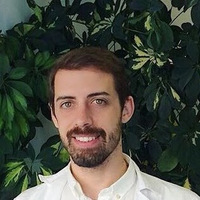
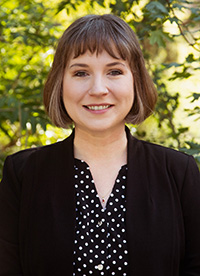
Rubén Pérez Elvira is a Researcher at the Universidad Pontificia de Salamanca , affiliated with the Faculty of Psychology and Department of Biological and Health Psychology . His work focuses on neuropsychology , psychophysiology , and neurofeedback interventions for clinical populations. Research Interests His research explores quantitative EEG patterns in disorders like ADHD , learning disabilities , and fibromyalgia , with methodological expertise in decision-tree modeling , systematic reviews , and operant conditioning principles . Notably, he investigates how neurofeedback protocols (e.g., Live Z-Score Training) modulate theta/beta ratios and alpha peak frequency biomarkers in developmental and neurological conditions. Key Articles Recent studies include EEG activation during mindfulness for memory encoding (2024), factorial models of attention in ADHD (2024), and physical activity's cognitive effects in aging (2024). Earlier work (2020-2021) examines neurofeedback efficacy , comorbidities in ADHD , and deep encoding benefits in Alzheimer's .
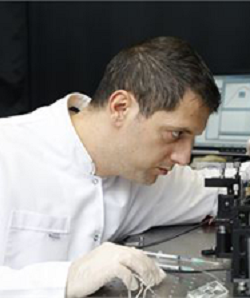
Ross Anderson is an Associate Professor in the Department of Physical Education & Sport Sciences at the University of Limerick. He co-founded the Biomechanics Research Unit (BRU), which has secured €1.14 million in funding and produced significant outputs including 56 journal papers and 127 conference papers. His expertise spans movement variability in sports, biofeedback applications, wireless technology in medicine, and engineering solutions for sports medicine. Anderson holds a PhD from the University of Limerick (2002), M.Sc. from University of Aberdeen (1997), and B.Sc. from Robert Gordon University (1995). He has held roles including External Examiner for Sport and Exercise Sciences at UL and Biomedical Engineer at Grampian Healthcare. His teaching philosophy emphasizes formative evaluation, adaptive learning styles, and fostering student engagement through cooperative tasks. Research focuses include pacing strategies in swimming and marathon running, reliability of biomechanical measurements, and clinical applications like step-count reliability in MS patients. He collaborates with 29 researchers and advises 13 postgraduate students. Anderson is active in professional organizations like the International Society of Biomechanics in Sport and Sports Engineering.
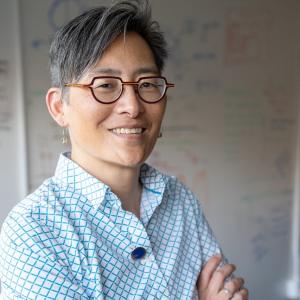
Dr. Ying Fang serves as an Assistant Professor in the Department of Physical Therapy within the College of Health Professions at Rosalind Franklin University of Medicine and Science. Her primary appointment reflects her expertise in biomechanics and rehabilitation science, with a focus on developing evidence-based interventions for vulnerable populations. PhD in Biomedical Engineering, Worcester Polytechnic Institute MS in Kinesiology (Biomechanics), University of Tennessee, Knoxville BS in Kinesiology, Shanghai University of Sport Dr. Fang's research program centers on gait rehabilitation using assistive devices and biofeedback systems , with particular emphasis on improving balance and preventing falls in older adults and developing exercise interventions to prevent bone loss in spinal cord injury. Her work integrates principles of neuromuscular control and biomechanics to address mobility challenges across diverse patient populations. The research employs advanced methodologies including movement analysis, exoskeleton technology, and sensor-based biofeedback systems to develop practical clinical solutions. Her publication record demonstrates strong focus on ankle exoskeleton applications for cerebral palsy and elderly populations, spinal cord injury rehabilitation , and bone health preservation . The research consistently bridges engineering principles with clinical rehabilitation needs, resulting in practical interventions that address real-world mobility challenges. NIH F32 Postdoctoral Fellowship Funding from Eunice Kennedy Shriver National Institute of Child Health and Human Development (NICHD) Dr. Fang directs the Movement Analysis Laboratory within the Department of Physical Therapy, where she leads research on human movement biomechanics and rehabilitation technology development. Her laboratory serves as a hub for interdisciplinary collaboration between physical therapy, biomedical engineering, and clinical rehabilitation sciences.
Roope Raisamo is a Professor in the Department of Computing Sciences at Tampere University, part of the Faculty of Information Technology and Communication Sciences. His research focuses on advanced human-computer interaction, virtual/augmented reality systems, haptic feedback technologies, and their applications in medical, automotive, and assistive technology domains. He leads multidisciplinary projects involving collaboration with industry partners like car manufacturers and healthcare institutions. Key areas of expertise include: (1) Design of immersive XR environments with multimodal feedback integration, (2) Haptic actuator development using smart materials like magnetorheological fluids, (3) Ergonomic interfaces for autonomous vehicles, and (4) Accessibility solutions for seniors and disabled populations. His work bridges theoretical HCI research with practical applications seen in surgical training systems, automotive UIs, and wearable communication aids. Raisamo's research outputs from 2023-2025 show strong focus on: - Sensory augmentation in food perception through XR (2025) - Medical VR applications for surgical planning and tumor visualization (2024-2025) - Haptic-mediating technologies for automotive and industrial interfaces (2023-2025) He has pioneered the use of embedded haptic waveguides in steering wheel interfaces and developed novel textile-based AAC systems for non-verbal communication. Current projects include exploring the medical metaverse for collaborative surgical planning and creating AI-enhanced research tools like TAUCHI-GPT.
Doç. Dr. Gökhan MURA is an Associate Professor and Deputy Dean of the Faculty of Fine Arts and Design at İzmir Ekonomi Üniversitesi, specializing in Visual Communication Design. He holds a PhD in Industrial Product Design from Istanbul Technical University (2014), an MSc in Visual Communication Design from Istanbul Bilgi University (2004), and a BSc in Industrial Product Design from Middle East Technical University (2001). His career includes international research stints in Sweden, the UK, and Finland, focusing on empathic design, wearable technologies, and cultural heritage preservation. Key research areas include Design for Experience, Empathic Design, and User-Centered methodologies. He has contributed to EU-funded projects like ENGAGE (2006-2007) and trans-making, exploring migration narratives through design. His teaching spans undergraduate and graduate courses in Visual Communication Design, Interaction Design, and Design Methods. Administrative roles include leading departmental initiatives, organizing international exhibitions, and supervising academic programs. Recent publications focus on migrant cultural practices, medical education visualization, and digital heritage dissemination. He actively participates in academic workshops and contributes to international conferences, emphasizing interdisciplinary approaches to design challenges.
Hakan Urey is a Professor of Electrical Engineering at Koç University, where he has held academic roles since 2001. He previously served as a visiting professor at Cambridge University (UK) and Boğaziçi University (Turkey). He obtained his BS from Middle East Technical University (1992), and MS/PhD from Georgia Institute of Technology (1996–1997). His professional experience includes roles at Microvision Inc., Bilkent University, and Georgia Tech Research Institute. He has pioneered developments in wearable AR displays, MEMS technologies, and biomedical sensors, earning over 60 patents and founding five tech startups. His research focuses on augmented reality systems, 3D displays, micro-optics, and sensor innovations. Education includes: Ph.D., Electrical and Computer Engineering, Georgia Institute of Technology (1997) M.Sc., Electrical and Computer Engineering, Georgia Institute of Technology (1996) B.Sc., Electrical Engineering, Middle East Technical University (1992) Research interests span Augmented Reality , MEMS , 3D displays , and biomedical sensors . His work bridges optics, electronics, and healthcare, with notable contributions to holographic displays, implantable devices, and virtual reality applications. He has published over 200 papers and secured prestigious grants like the ERC Advanced Investigator Grant. Scientific awards include the Sedat Simavi Award (2019), Elginkan Foundation Science Award (2020), and multiple TÜBA/TUBITAK recognitions. His laboratories at Koç University develop cutting-edge technologies for wearable AR, medical diagnostics, and next-generation optical systems. Pioneering projects include MaR-T (mixed reality for preschool math education) and biomedical sensor platforms like biofeedback VR games for pediatric patients. His startups commercialize research outcomes in areas such as holographic displays and implantable electronics.
Dr. Rob Argent is a Lecturer in Digital & Connected Health at the Royal College of Surgeons in Ireland (RCSI), within the School of Pharmacy and Biomolecular Sciences. With a background as a Physiotherapist in the NHS, he transitioned to academic research through a PhD in Connected Health at University College Dublin (UCD). His work focuses on patient-facing digital health technologies, particularly wearables for musculoskeletal rehabilitation and chronic disease management. He is an editorial board member of npj Digital Medicine and holds certifications in health professions education. Education: BSc (Hons) Physiotherapy, Coventry University (2007–2010) PhD in Connected Health, University College Dublin (2016–2019) PGDip in Health Professions Education, RCSI (2021) Professional Certificate in University Teaching & Learning, UCD Research Interests: Rob's research bridges clinical practice and technology, emphasizing wearable sensor validation, digital biomarkers, and usability of health technologies. Key areas include gait analysis, fall detection algorithms, and the evaluation of consumer wearables. He advocates for stakeholder-driven digital health solutions aligned with UN Sustainable Development Goal 3 (Good Health). Grants & Projects: "Evaluation of novel digital biomarkers in Multiple Sclerosis" (Enterprise Ireland, 2023–2026) "CERBERUS: Certainty of Evidence Reports for Wearable Devices" (SFI, 2023–2024) "EPIVIEWS: Epilepsy Wearables Monitoring Study" (Irish Research Council, 2022–2025) Teaching Roles: Module Lead for Connected Healthcare and Internet of Medical Things in RCSI's MSc Technologies & Analytics in Precision Medicine program. Also contributes to leadership development, lifestyle medicine, and project management modules across multiple programs. Labs/Teams: Part of RCSI's Population Health research cluster and collaborates with UCD's Insight Centre for Data Analytics. His work aligns with interdisciplinary efforts to advance digital health innovation and clinical translation.
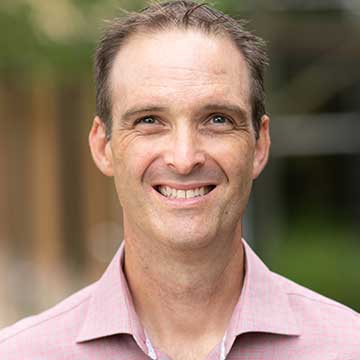
Michael Cole is Professor and Associate Dean (Research) for the Faculty of Health Sciences at Australian Catholic University, leading the Development and Disability over the Lifespan program. He specializes in assessing balance, mobility, and neuromuscular function using high-technology systems in healthy populations and people with neurological impairments. His research examines: Postural instability, gait disability and falls in Parkinson's disease Safety and efficacy of invasive (DBS) and non-invasive therapies Biomechanics of movement disorders Cole has led major projects including an NHMRC Early Career Researcher Fellowship investigating trunk control in Parkinson's disease and contributed to NHMRC-funded gait assessment projects. He collaborates with clinicians to ensure research translation to improved Parkinson's care. His publications demonstrate consistent focus on Parkinson's disease biomechanics with recent expansion into developmental coordination disorder, cerebral palsy, and advanced movement analysis technologies.
Helmut Hlavacs is a Professor at the Faculty of Computer Science, leading the Research Group on Education, Didactics, and Entertainment Computing. His expertise spans serious games, game design, virtual reality, and health informatics. He has contributed to over 218 publications since 2005, focusing on topics like hedonic experiences in gaming, VR applications in therapy, and AI-driven behavior trees. His work intersects technology, education, and healthcare, with notable projects such as Conquer Catharsis (VR anxiety treatment) and PhyLab (VR physics experiments). Hlavacs has secured research funding for initiatives like Programmieren lernen durch Computerspielentwicklung and Dig-Equality FF , emphasizing digital equity and education. In 2019, he won the Best Poster Award at IFIP for his work on health data from serious games. Research Interests: Serious Games for health and education Virtual Reality applications in therapy and learning Game design methodologies and AI-driven NPC behavior Psychological impacts of gaming and digital consumption Procedural content generation for games Key Projects: Programmieren lernen durch Computerspielentwicklung (2008): Game-based learning for programming skills Dig-Equality FF (2020-2021): Digital competence promotion for equity TP1 PRECIOUS (2013-2016): VR conferencing and stress management Grants and Advising: Hlavacs has advised on projects involving AI in military command systems, VR therapy for anxiety disorders, and participatory design of social media literacy tools. He collaborates internationally on topics like gamification for behavior change and multicultural health interventions. Labs/Teams: His research group focuses on Serious Storytelling and Entertainment Computing , developing tools like the Prototypical game framework and InvisibleSound for blind musicians. Current work includes FiGHT (a web-based tool for eating disorder communication) and OutSmart! (a serious game for social media literacy).
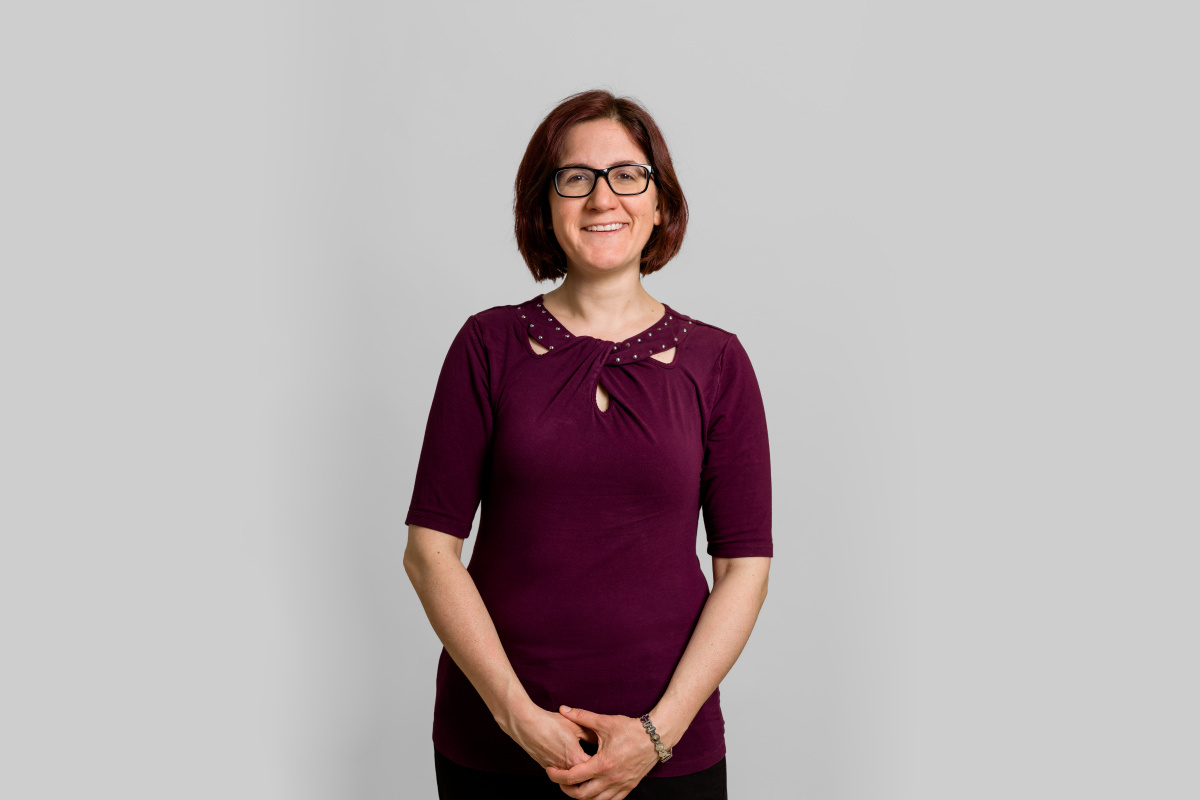
Lizbeth Olivia Escobedo Bravo is an Assistant Professor in the Faculty of Computer Science at Dalhousie University, where she conducts research at the intersection of Human-Computer Interaction, Ubiquitous Computing, and Cognitive Assistive Technology. Her work focuses on developing and evaluating technology to improve the quality of life for vulnerable populations, particularly children with autism, pregnant women, and individuals with cognitive disabilities. Her educational background includes a BS and PhD from Universidad Autónoma de Baja California (UABC), an MSc from Centro de Investigación Científica y de Educación Superior de Ensenada (CICESE), and a postdoctoral fellowship in Biomedical Informatics at UC San Diego. BS – Universidad Autónoma de Baja California (UABC) PhD – Universidad Autónoma de Baja California (UABC) MSc – Centro de Investigación Científica y de Educación Superior de Ensenada (CICESE) Postdoc – University of California, San Diego (Biomedical Informatics) Her research interests include Human-Computer Interaction (HCI), Ubiquitous Computing, Cognitive Assistive Technology (CAT), Mobile Technologies, Accessible Computing, and Children-Computer Interaction. She emphasizes interdisciplinary collaboration across computer science, psychology, education, medicine, and design. The 15 most recent articles reflect a consistent focus on assistive technologies for neurodevelopmental and cognitive challenges. Key themes include early detection of developmental delays (ActEarly), handwriting assessment (PenSando), autism support (MOBIS, MOSOCO, FarmerKeeper, SATORI), maternal health (PREGO), and ADHD assistance (SmarTasko). These works span mobile, augmented reality, and sensor-based systems, with strong emphasis on usability, accessibility, and real-world deployment across diverse cultural and economic contexts. Scientific contributions and recognitions include: Active research leadership in multiple assistive technology projects Interdisciplinary collaborations with institutions such as Georgia Tech, UC Irvine, UC San Diego, MSU, Chapman University, and CREATE-NET Industry partnerships with IMSS, Pasitos A.C., ClubLia Kinder, EdNinja Inc., and others Focus on technology for social good and inclusive design She is actively involved in mentoring and advising, currently recruiting PhD and Master’s students for her research group. Her work has been supported through academic and industry collaborations, though specific grants are not listed. She previously worked in the software industry as a project manager and COO, bringing leadership experience to her academic role. Lizbeth leads a dynamic research lab focused on developing and deploying accessible, user-centered technologies. Her team works on projects such as ActEarly, PenSando, and SATORI, often involving cross-border studies and community engagement. The lab emphasizes real-world impact, ethical design, and scalability of solutions, particularly for underserved populations in Latin America and North America.
Patrik Voštinár is an Assistant Professor at the Department of Computer Science , Faculty of Natural Sciences , Matej Bel University . Holding a PhD in Applied Computer Science from the same university (2014-2017), he teaches courses in Programming , Discrete Mathematics , Web Technologies , and Android Programming . As department head and study advisor, he actively shapes academic programs and student experiences. Matej Bel University (2017-present) Department of Computer Science Faculty of Natural Sciences His research focuses on computer science education and educational technology , with particular emphasis on: VR/AR applications in teaching Game-based learning environments Microcontroller programming pedagogy Mobile application development education Physical computing tools for K-12 Adaptive learning interfaces His work with MakeCode , micro:bit , and EEG-controlled games demonstrates innovative approaches to programming education. He has received multiple eLearning competition awards for educational courseware development. Heart on the palm (Project of the year 2019) 2nd price in eLearning competition (2023) for Discrete Mathematics course Price of České společnosti pro systémovou integraci (2023) for Web Technologies 1st price in eLearning competition (2023) for Geometry Didactics Voštinár actively contributes to academic communities through: Membership in DIDINFO conference program (since 2017) Editorial Board member of Elementary Mathematics Education Journal Organizing workshops for primary/secondary students Popularizing informatics through extracurricular programs
Catherine Laporte is a Professor at the Department of Electrical Engineering, École de Technologie Supérieure (ÉTS), Montreal, Canada. She leads research at the LATIS – Health Information Processing Laboratory, focusing on integrating medical images and physiological signals for healthcare innovation. Department: Electrical Engineering Research Lab: LATIS – Health Information Processing Laboratory Her research spans Medical Imaging , Computer Vision , and Speech Sciences , specializing in ultrasound applications for health technologies and intelligent systems. Key areas include: Medical image analysis and segmentation Ultrasound probe navigation and deformation correction 3D anatomical modeling (spine, tongue) Biomechanical studies of bone growth and tissue response Computer vision for healthcare applications Recent publications emphasize robust AI-driven ultrasound analysis for spinal deformities, tongue movement in speech therapy, and biomechanical modeling of bone growth. Her work combines deep learning , real-time segmentation , and multi-modal imaging (MRI, CT, 3D ultrasound). Students under her supervision have completed theses on topics like smart ultrasound systems , 3D vocal tract analysis , and biofeedback for language learners , often co-directed with experts in biomedical engineering and speech sciences. Laporte’s lab, LATIS, collaborates with institutions like the Center for Advanced Studies in Sleep Medicine (Montreal) and McGill University’s interdisciplinary programs, advancing health technologies and intelligent systems for clinical applications.
Dr. Breanna Krueger is an Associate Professor in the Division of Communication Disorders at the University of Wyoming , where she has been since earning her PhD in 2017. Her academic background includes two MA degrees in Speech-Language-Hearing Sciences and Linguistics from the University of Kansas, and a BA in Communication Sciences and Disorders from the University of Wyoming. Research Focus: Dr. Krueger specializes in improving treatment outcomes for children with speech sound disorders through: Investigating age-related treatment efficacy Developing clinical teaching methods for speech-language pathologists Enhancing understanding of children's speech perception mechanisms Exploring social impact of speech disorders Ultrasound visual biofeedback applications for speech therapy Publication Trends: Her research portfolio shows increasing focus on: Transgender voice communication software (2024) Home practice facilitation techniques (2024) Pediatric cancer speech services (2023) Preterm birth language impacts (2023) Advanced phonological assessment methods (2022) Scientific Recognition: Dr. Krueger has received significant funding including: NIH Grant (P20GM103432) for age-related treatment research ASHA Foundation research grant College of Health Sciences internal funding Laboratory & Outreach: She directs the PhUnderLab , actively engages with professional organizations including the American Speech-Language-Hearing Association (ASHA), and maintains a Twitter presence @phunderlab for research dissemination.
Lena Ting is Professor and McCamish Foundation Distinguished Chair in Biomedical Engineering at Georgia Institute of Technology's College of Engineering, Coulter Department of Biomedical Engineering, with a secondary appointment in Rehabilitation Medicine at Emory University. She co-directs the Georgia Tech and Emory Neural Engineering Center and leads the Neuromechanics Lab. Her research spans Neuromechanics of movement control Rehabilitation engineering for Parkinson's disease and stroke Computational modeling of sensorimotor systems Human-robot interaction for gait rehabilitation Cortical correlates of balance control She bridges engineering, neuroscience, and physiology to address movement impairments in aging, cerebral palsy, and neurological disorders. Her 15 most recent publications (2024-2025) reveal strong focus on Cortical biomarkers for balance dysfunction Individual-specific gait signatures Neuromechanical modeling of spasticity Non-mechanical human-robot interaction Computational frameworks for sensorimotor control with significant applications in Parkinson's disease, stroke rehabilitation, and cerebral palsy. Scientific recognition includes: McCamish Foundation Distinguished Chair Blue Sky Award for Parkinson's research She directs the Neuromechanics Lab which develops robotic devices, computational models, and AI-driven approaches to personalize rehabilitation. Current projects include physiologically-inspired exoskeleton controllers, gait rehabilitation predictors for stroke survivors, and precise clinical assessment methods. She leads multiple grants including a $15M NSF grant on muscle dynamics and Parkinson's disease research.
Dr Belinda Middleweek is a Senior Lecturer at the University of Technology Sydney , affiliated with the School of Communication and serving as Teaching and Learning Lead for Journalism . She currently acts as Higher Degree Research Coordinator in the Faculty of Arts and Social Sciences. Educational background: PhD in Journalism, University of Sydney (2007) BA (First Class Honors), University of Sydney (2002) Her research explores intersections between human-technology interaction , digital intimacy , and journalism/media studies . Key themes include: bodily engagement with AI, gendered technology positioning, media representation of technology, affective technology bonds, and ethical implications of digital intimacy. She co-authored Real Sex Films: The New Intimacy and Risk in Cinema (2017) and authored Feral Media? The Chamberlain case, 40 years on (2021), which re-examined Australia's most significant media-trial dynamics. Recent publications analyze: touch in journalism (2025), pre-digital sleuthing (2025), and data privacy in sexual health tech (2025). These works explore sensory news practices, historical public investigations, and gendered data ethics in biometric devices. Scientific recognition: Erasmus Mundus Scholarship (2018) Dean’s Teaching Awards (2024, 2013) Heroic Award for Outstanding Contribution (2023) As an educator, she leads journalism curriculum development and has 8 current/postgraduate HDR supervisees. Her industry experience includes senior roles at Sunrise, Today Tonight, and documentary production for multiple networks. Leadership roles: Teaching and Learning Lead for Journalism (2020–present) Acting HDR Coordinator (2025–present) UTS Expert Working Group on Human Rights and AI (2020)