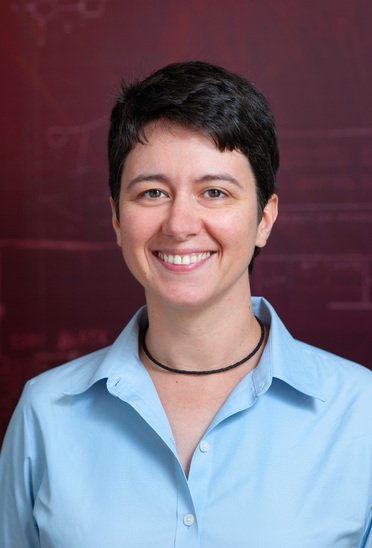
Dr. Jemma King is an Honorary Fellow at the School of Psychology , The University of Queensland , focusing on biomarkers of stress and emotional intelligence. She has contributed to research on workplace stress, military psychology, and psychoneuroimmunology. Education: PhD in Emotional Intelligence and Workplace Stress (2020), Honours Thesis on Emotional Intelligence and Cyber-Ostracism (2012) Her research explores how emotional intelligence buffers physiological stress responses in virtual environments and high-stress occupations. Recent work links circadian alignment to psychological resilience and leadership performance. Publications span journal articles , conference proceedings , and theses , emphasizing cortisol and HRV as stress markers. She supervises doctoral students, including projects on circadian rhythms and leadership stress , and has received funding from the Commonwealth Department of Defence. Dr. King is also a media expert for biomarkers of stress testing, wearable emotion tracking (WHOOP, Wim Hof Method), and workplace interventions.
David Brown is a Professor in Interactive Systems for Social Inclusion at Nottingham Trent University's School of Science & Technology, Department of Computer Science. He serves as Director of the Computing and Informatics Research Centre (CIRC) and Research Group Leader for the Interactive Systems Research Group (ISRG). Director, Computing and Informatics Research Centre Research Group Leader, Interactive Systems Research Group Governor, Oak Field School for students with severe learning disabilities Conference Chair, International Conference on Disability, Virtual Reality and Associated Technology (ICDVRAT21) Associate Editor, Frontiers: Virtual Reality in Medicine Professor Brown's research focuses on developing inclusive technologies for people with disabilities. His work spans accessibility for students with learning, physical and sensory impairments; virtual reality applications for rehabilitation; multimodal affect recognition systems; social robotics for education; accessible visual programming toolkits; and serious games for developing physical and cognitive skills. His research is characterized by strong interdisciplinary collaboration and practical application in educational and healthcare settings. His recent publications demonstrate a consistent focus on applying emerging technologies like virtual reality, machine learning, and social robotics to address real-world challenges in accessibility and inclusion. The research shows a clear trajectory toward increasingly sophisticated multimodal systems that can detect user states and adapt accordingly, with applications ranging from autism support to mental health interventions. Extensive EU-funded research projects including Horizon 2020, Erasmus+, and EPSRC grants Notable projects: DIVERSIA, MaTHiSiS, Pathway, AI-TOP, EDUROB, No One Left Behind, Real Life, RISE Professor Brown has supervised numerous PhD students and collaborates extensively with international partners across Europe and Asia. His work bridges computer science, psychology, education, and healthcare to create technologies that promote social inclusion and improve quality of life for people with disabilities.
Judith Andersen is an Associate Professor at the University of Toronto Mississauga, specializing in health psychology with a focus on the psychophysiology of stress and its impact on mental and physical health in high-stress occupations. Her research emphasizes evidence-based training programs for police and special forces, resilience development for first responders, and mental health disparities among LGBTQ+ communities. She holds a PhD from the University of California, Irvine. Her work includes designing stress-regulation interventions to enhance police decision-making during critical incidents and developing competency frameworks for incident commanders. Recent projects involve applying biofeedback technology (e.g., HRV monitoring) to improve officer performance and wellness. She collaborates internationally with law enforcement agencies in Canada, the U.S., and Europe. Key research domains include: Psychophysiological stress responses and their modulation Resilience training for first responders Mental health disparities in marginalized groups Evidence-based policing strategies Her publications from 2024–2025 explore topics like stress physiology in policing, competency development for crisis leaders, and the role of social support in reducing LGBTQ+ mental health disparities. Ongoing projects focus on reducing racial bias in policing and optimizing training through big data analytics. While no formal advisees are listed, her research teams engage in translational studies impacting policy and practice. She advocates for applied psychological research to bridge academic and real-world challenges in public safety and health.
Aino Ahtinen is a University Lecturer in Computing Sciences at Tampere University's Faculty of Information Technology and Communication Sciences. Her work focuses on human-robot interaction, particularly in educational and healthcare contexts. She has extensive experience designing socially assistive robots, wellness technologies, and participatory design frameworks for diverse populations including older adults, children, and professionals. Her research emphasizes co-learning models involving social robots, accessibility in senior-robot interactions, and the integration of robotics into primary education and workplace well-being. Notable projects include the ROBOTOUR co-learning initiative for seniors and ROBOCAMP programs for youth. She has pioneered studies on robot literacy metrics and ethical design considerations in social robotics. Dr. Ahtinen has contributed to over 60 peer-reviewed publications since 2003, with recent work focusing on robot-assisted physical activity, privacy-aware robotic systems, and cross-generational technology education. Her research bridges human-computer interaction, gerontechnology, and educational technology, consistently prioritizing user-centered design principles.
Professor Stephen Bird is a renowned performance scientist and strength and conditioning expert at the University of Southern Queensland (USQ), leading the School of Health and Medical Sciences. He holds the title of Professor (Sport and Exercise Science) and directs the High-Performance Sport program. His roles include Editor-in-Chief of the International Journal of Strength and Conditioning and advisor to organizations like the Australian Strength and Conditioning Association. Education: BHumMov(ExSc), BHumMov(Hons), and PhD from Charles Sturt University. Research Focus: Strength and conditioning methodologies, nutritional supplementation, athlete recovery, and technology-driven performance optimization. Key Projects: '2 WIN 2032' student-athlete empowerment initiative, NBA sleep health studies, and blood flow restriction (BFR) training for muscle/bone health in space travel. Affiliations: Institute for Resilient Regions (IRR), National Health and Medical Research Council (NHMRC) peer review, and collaborations with Flinders University, University of Gloucestershire. Research interests span elite athlete performance (basketball, rugby, hockey), female athlete health, and applications of pupillometry and wearable tech for fatigue monitoring. Awards include the prestigious ESSA Medal (2006) and Life Membership (Western Region Academy of Sport). Teaching includes courses on strength training, sports nutrition, and athlete workload monitoring. He has supervised over 20 doctoral and master’s students, contributing to >40 research outputs annually. Grants include a $832k Quantum wearable sensor project (2024) and $240k AI-driven motion capture initiative. His work bridges academia and elite sport, advising teams like the Brisbane Bullets (NBL) and GB Women’s Basketball. Recent trends in publications emphasize NBA performance metrics, sleep science, and interdisciplinary solutions for athlete resilience.
Caroline A. Jones is a Professor of Art History at MIT's Department of Architecture, specializing in modern and contemporary art with technological dimensions. Her research spans technological production modes, cognitive neuroscience intersections, and global art systems. Academic Affiliation: History, Theory, and Criticism of Architecture and Art Program at MIT Research Focus: Technology's role in art, cognitive perception, systems theory, bio-art, and climate discourse Jones' publications and symposium organization demonstrate her interdisciplinary approach. Key themes include: Postwar artistic technology integration Umwelt theory and interspecies cognition Anthropocene critique through art Cybernetic systems in artistic practice Gut microbiome's role in consciousness understanding Temporal expansion through artistic bio-fiction Her work connects art history with contemporary scientific dialogues through projects like the Seeing/Sounding/Sensing symposium. Awards include prestigious fellowships from National Endowment for the Humanities, Guggenheim Foundation, and Radcliffe Institute. Current research examines cultural evolution, planetary boundaries, and artistic interventions in environmental systems. Jones actively explores how art can challenge human cognitive limitations and foster interspecies symbiosis frameworks.
Dr. Christine King is an Associate Professor of Teaching in the Department of Biomedical Engineering at UC Irvine's Samueli School of Engineering. Her research focuses on innovative pedagogical approaches including active learning, VR clinical immersion, and STEM education reform. She directs the BioENGINE program integrating innovation and entrepreneurship into biomedical education. Education includes: Ph.D. in Biomedical Engineering, UC Irvine (2014) M.Sc. in Biomedical Engineering, UC Irvine (2010) M.Sc. in Mechanical Engineering, Manhattan College (2009) B.Sc. in Mechanical Engineering, Manhattan College (2008) Her research develops novel educational frameworks using active learning techniques, virtual reality simulations, and real-world clinical applications. Current projects investigate VR clinical immersion platforms for needs-finding training, AI integration in biomedical curricula, and culturally responsive engineering pedagogy. She creates hands-on learning experiences connecting engineering principles to healthcare challenges. Her publications demonstrate strong emphasis on educational innovation (65%), neurorehabilitation technology (20%), and medical device development (15%), with recent work focusing on VR/AI applications in education. Award recognition includes AIMBE Fellowship and best paper awards for educational innovation and medical technology. She leads the BioENGINE program fostering industry-academia partnerships and medical innovation. Laboratory facilities include VR clinical simulation environments and engineering education research labs supporting her pedagogical innovations and medical device prototyping.
Prof. Kwang W. Oh is a Professor and Director of Graduate Studies in the Department of Electrical Engineering at the University at Buffalo (SUNY), with an adjunct appointment in the Department of Biomedical Engineering. He directs the Sensors and MicroActuators Learning Lab (SMALL), focusing on biomedical microfluidic devices, sensors, and actuators for applications in medical diagnostics and biological research. His educational background includes: PhD in Electrical and Computer Engineering from the University of Cincinnati (2001) MS in Electrical and Computer Engineering from the University of Cincinnati (1997) BS in Physics with summa cum laude from Chonbuk National University, Korea (1994) Prof. Oh's research centers on microfluidics and BioMEMS (Bio Micro Electro Mechanical Systems), with specializations in LOC (lab-on-a-chip), MicroTAS (Micro Total Analysis Systems), and SANS (Sample-to-Answer Nano/microfluidic Systems). His work develops practical microfluidic devices for medical diagnostics, including point-of-care blood testing, single cell manipulation, and nanobiosensors. His lab has pioneered innovative approaches like the "pysanky" wax-based technique for rapid prototyping of microfluidic devices and vacuum-driven micropumps for plasma separation from finger-prick blood samples. His recent publications reveal a strong trend toward practical medical applications of microfluidics, particularly in photoacoustic imaging test phantoms, point-of-care diagnostics, and nanoparticle synthesis for viral treatment. His research bridges engineering with clinical needs, focusing on making laboratory functions portable and accessible through microfluidic integration. Among his notable awards: The SUNY Chancellor's Award for Excellence in Teaching (2020) President Emeritus and Mrs. Meyerson Award for Distinguished Undergraduate Teaching and Mentoring (2019) Qualcomm Faculty Award (2019) Senior Teacher of the Year Award, SEAS, UB (2017) Emerging Investigators 2012, Lab Chip, Royal Society of Chemistry (2013) Honor of CEO, Samsung Electronics for development of a micro PCR system (2003) Prof. Oh has advised numerous graduate students including Dr. Anyang Wang, Dr. Nikhila Nyayapathi, and Dr. Domin Koh, who have gone on to successful careers in academia and industry. His research has been supported by significant grants, including a Qualcomm Faculty Award in 2019, which recognizes research that "inspires students and sparks new approaches in key technology areas." He actively participates in professional service as an editorial board member for several journals including Sensors and Micromachines. He directs the Sensors and MicroActuators Learning Lab (SMALL), which houses state-of-the-art facilities for microfluidic device fabrication and testing. The lab focuses on developing practical microfluidic solutions for medical diagnostics, with recent projects including test phantoms for photoacoustic imaging, vacuum-driven micropumps for point-of-care blood separation, and microfluidic devices for nanoparticle synthesis targeting viral treatments. The lab fosters interdisciplinary collaboration between engineering, medicine, and life sciences to translate microfluidic innovations into real-world medical applications.
Professor George Ghinea is a distinguished academic in the Department of Computer Science at Brunel University London's College of Engineering, Design and Physical Sciences. With over 350 publications and 33 successfully supervised PhD students, he leads cutting-edge research at the intersection of computer science, media studies, and psychology. His educational background includes a PhD from the University of Reading (1999) where he pioneered the Quality of Perception (QoP) metric - a precursor to today's widely adopted Quality of Experience (QoE) concept. He holds multiple degrees with distinction from the University of the Witwatersrand in South Africa, including BSc, BSc (Hons), and MSc in Computer Science. Professor Ghinea's research focuses on perceptual multimedia quality and human-centered e-systems, with particular emphasis on mulsemedia (multiple sensorial media) - his own conceptual framework extending multimedia to engage non-traditional senses. His work spans eye-tracking applications, telemedicine, multi-modal interaction, and ubiquitous computing. Current research explores mulsemedia integration in autonomous vehicles, security-enhanced systems, and accessibility solutions. His publications reveal strong trends in multisensory computing (42% of recent works), telemedicine applications (28%), accessibility research (18%), and network optimization (12%). The work consistently bridges theoretical frameworks with practical implementations, often incorporating physiological data and user perception metrics. Distinguished Visiting Fellow of the Royal Academy of Engineering (2018) SPARC DUO-India 2020 Fellowship Programme recipient Principal Investigator for multiple EU Horizon 2020 projects Research featured in major media including BBC, Forbes, and Daily Telegraph Professor Ghinea has secured substantial research funding through projects like the EU H2020 NEWTON initiative, Royal Academy of Engineering partnerships, and multiple Newton Fund collaborations. His supervision portfolio includes 33 PhD completions with diverse research spanning security behavior in Ghana, physiological QoE in VR, smart city adoption in Oman, and sustainable digital transformation in Qatar. He leads the IMUSY research group focusing on mulsemedia systems and human perception. His laboratory work centers on the IMUSY research group where they develop mulsemedia applications integrating thermal, wind, and olfactory devices for enhanced user experiences. Current team projects include mulsemedia in autonomous vehicles (MulsEAV), physiological data for QoE assessment, and smart city adoption studies.
Dr. Nadja Heym is an Associate Professor in Personality Psychology and Psychopathology at the School of Social Sciences, Nottingham Trent University. She specializes in dark personality traits (e.g., psychopathy, narcissism), reinforcement sensitivity theory, and virtual reality (VR) interventions for mental health. Her research spans neurobiological mechanisms, trauma recovery, and cyberpsychology. Roles: Module leader for advanced courses in personality, psychopathology, and cyberpsychology. Education: Ph.D. in Psychology from the University of Nottingham (2009). Research focuses on empathy deficits in dark traits, neuropsychophysiological mechanisms, and VR applications for anxiety disorders. She co-leads the Affect, Personality, and Embodied Brain (APE) research group and collaborates internationally on projects like VR exposure therapy, biophilic design, and child abuse interventions. Awards include the 2021 NTSU SLTA Outstanding Postgraduate Research Supervisor Award. Supervises 7 current PhD students and has secured grants from Road Safety Trust, Royal Society of New Zealand, and EU Erasmus+. Active in professional societies like BPS and ISSID.
Alexander Sumich is Professor of Mental Health and Biopsychology at Nottingham Trent University , School of Social Sciences. He co-directs the Centre for Public and Psychosocial Health and co-leads the Affect, Personality and Embodied Brain (APE) Research Group . He also serves as Adjunct Professor in Psychology at Auckland University of Technology, New Zealand , and holds editorial and leadership roles in organizations like the British Society for the Psychology of Individual Differences (Treasurer) and Personality and Individual Differences (Associate Editor). Education: MA in Psychology (First Class Honors), University of Auckland PhD in Psychology as Applied to Medicine, Institute of Psychiatry, London His research spans neuroimaging and electrophysiological methods to investigate the neurobiology of affect-driven behaviors (depression, aggression, hallucinations) and the immune system's role in mental health . He employs virtual reality exposure therapy (VRET) , spiking neural networks , and computational models to enhance mental health interventions. Key areas include gaming disorder , mindfulness effects , and gut-brain axis interactions . Notable research grants include: BIAL Foundation (2023-2024): €58,765 for trauma-paranormal-mental health links MBIE-Catalyst Programme (2020-2024): NZ$2,134,847 for computational neurogenetics UKRI KTP (2021-2024): £204,000 for therapeutic digital displays His external roles include: Treasurer, British Society for the Psychology of Individual Differences Associate Editor, Personality and Individual Differences Co-host, APE2020 Conference
Dr. Sabin Tabirca is a Senior Lecturer at the School of Computer Science and Information Technology, University College Cork (UCC). He holds a BSc from Bucharest University and a PhD from Brunel University. His research focuses on Artificial Intelligence, Data Analytics, Algorithmics, Interactive Media, and HCI, with applications in computational cancer modeling, mobile health (mHealth), and parallel computing. He coordinates MPT Activities and is affiliated with the CRR Group and BCRI Centre. Notable awards include UCC's President Award for Innovation in Teaching (2007), IT@Cork Leader Award (2008), and UCC Staff Recognition Award (2013). His teaching includes modules like Parallel and Grid Computing, Mobile Application Design, and Graphics for Interactive Media. Dr. Tabirca has supervised over 70 MSc students and numerous PhD candidates, many of whom now hold academic and industry roles globally. His research includes developing mHealth apps for cystic fibrosis patients, 3D cancer visualization tools, and frameworks for mobile parallel computing. Publications span mHealth design pipelines, cancer prediction models, and mobile gaming for health education. He actively engages in interdisciplinary projects, blending computer science with medical and biological applications.
Martin Aigner is Associate Professor and Private Lecturer at the Karl Landsteiner Private University of Health Sciences, where he heads the Clinical Department of Psychiatry and Psychotherapeutic Medicine at Tulln University Hospital. He also teaches at the Medical University of Vienna and the University for Continuing Education Krems. A board member and president (2022–2025) of the Austrian Society for Psychiatry, Psychotherapy, and Psychosomatics (ÖGPP), he is also involved in the Austrian Pain Society and Austrian Balint Society. His research interests center on the integration of biological, psychological, and social factors in psychiatry, with key areas including transitional psychiatry, obsessive-compulsive and mood disorders, the gut-brain axis, and the impact of environmental toxins like mycotoxins on mental health. He leads the PhD program in 'Mental Health and Neuroscience' and supervises doctoral research. His recent publications reflect a strong trend in interdisciplinary mental health research, combining clinical psychiatry with neuroscience, nutrition, and digital health. Themes include neurofeedback for addiction, microbiome influences on depression, and psychosomatic manifestations in chronic conditions. His work often involves neuroimaging and clinical trials. Three scientific prizes from the Austrian Pain Society Scientific prize from the Vienna Association for Neurology and Psychiatry Contributor to WFSBP guidelines on pharmacological treatment of eating disorders Co-author of guidelines for post-viral conditions He serves as principal investigator in multiple funded projects, including studies on depression and the microbiome, probiotics, and psychosis triggers. He is also co-investigator in follow-up care and community mental health initiatives. Aigner is editor-in-chief of psychopraxis. neuropraxis and advocates for digital health literacy and sustainable mental health structures, particularly in youth care. He leads the Research Center for Transitions Psychiatry, emphasizing early intervention, resilience, and patient empowerment through recovery companions. His team includes habilitated senior physicians, fostering innovation in clinical and research settings.
Svetlana "Lana" Yarosh is an Associate Professor in the Computer Science & Engineering Department at the University of Minnesota, and a faculty member in the GroupLens Research Center. She holds the distinguished titles of Distinguished University Teaching Professor and McKnight Presidential Fellow, and serves as Director of Undergraduate Studies for Computer Science. Her academic journey began with dual B.S. degrees in Computer Science and Psychology from the University of Maryland, followed by a Ph.D. in Human-Centered Computing from Georgia Institute of Technology. Dr. Yarosh's research focuses on embodied interaction in social computing systems, with particular contributions to Child-Computer Interaction, Online Health Communities, and Pervasive Health applications. She leads the ProDUCT (Prototyping, Design, and Usability of Communication Technologies) research group within GroupLens, where her team explores how technology can enhance social connections, particularly in contexts like intergenerational mentorship, substance use disorder recovery, and health support communities. Her work often integrates embodiment perspectives, such as adding projection and haptics to communication systems. Her recent publications reveal a strong trend toward VR/AR technologies, ethical considerations in children's technology, and applications supporting recovery from substance use disorders. The research spans HCI, social computing, and health informatics, with growing emphasis on ethical design frameworks and participatory approaches to technology development. Morse-Alumni Award for contributions to undergraduate education McKnight Presidential Fellow (2020-2023) NSF CAREER Award recipient Multiple Best Paper and Honorable Mention awards at top venues including CHI, CSCW, and IDC Google Faculty Research Award Dr. Yarosh has successfully advised numerous Ph.D. students who have gone on to tenure-track positions at institutions like Carnegie Mellon University, North Carolina State University, and McMaster University. Her research is supported by significant grants including NSF ER2 ($400,000), NSF REU Site ($404,983), and her NSF CAREER award ($548,228). She is particularly committed to mentoring students interested in computational support for substance use disorders and has established structured pathways for undergraduate and graduate students to join her research lab.
Sten Ternström is a Professor at KTH Royal Institute of Technology's Division of Speech, Music and Hearing. He holds a MScEE (1982), PhD (1989), and has been a Professor since 2003. His research focuses on voice acoustics, particularly singing voice analysis and synthesis, with emphasis on clinical applications. Current interests include addressing voice variability, electroglottography, and audio technologies for music and voice clinics. He has led projects like FP7 EUNISON and SkAT-VG, and is a Fellow of the Acoustical Society of America. Education: All degrees at KTH—MScEE (1982), PhD (1989). Research Interests: Voice acoustics, choir acoustics, voice synthesis, biomedical signal processing. His work combines technical innovation with clinical relevance, e.g., developing FonaDyn software for real-time voice analysis. He explores how vocal fold dynamics influence voice quality and investigates non-invasive methods for voice assessment. Publications: Over 100 peer-reviewed articles, including recent work on WaveNet-based EGG prediction (2025), voice mapping post-thyroidectomy (2024), and pediatric voice analysis (2021). His research spans voice disorders, Parkinson’s disease voice therapy, and choral singing acoustics. Awards: Fellow of the Acoustical Society of America, Guest Editorships, and editorial roles in Acta Acustica. His contributions bridge engineering and clinical practice in voice science. Teaching: Leads courses in music acoustics, sound engineering, and supervises MSc projects on voice clinic software and singing synthesis. Active in outreach for choir acoustics and pedagogy. Labs/Teams: Involved in FonaDyn software development for voice analysis. Collaborates internationally on voice biomechanics and clinical voice measurement.