Professor Cathy Ye is an Associate Professor of Engineering Science at the University of Oxford and Director of the Oxford Centre for Tissue Engineering and Bioprocessing (OCTEB) . She is also a Fellow of Linacre College , with research focusing on Tissue Engineering , Biomaterials , and Bioreactor Design for regenerative applications. Her research spans in vitro cancer modeling , bone-cartilage interface development , and smart bioreactor systems for cell therapy. Current projects include SimCells for Cultured Meat under the Tissue Engineering group, supported by grants like the BBSRC award and EPSRC First Grant (EP/H021442/1). She teaches C10 Biosystem Modelling , C23/BME2 Tissue Engineering , and B17/BME1 Biomechanics while leading lab modules for the MSc in Biomedical Engineering. Her publications cover extracellular vesicle purification , antimicrobial biomaterials , and 3D tumor models , reflecting her interdisciplinary approach to biomedical engineering challenges.
Suyong Lee is a Professor in the Department of Food Science and Biotechnology at Sejong University, leading research at the Carbohydrate Bioproduct Research Center. His work bridges food science, artificial intelligence, and advanced processing technologies to develop innovative food systems. His research focuses on Artificial intelligence for food systems , Alternative food processing , and Food Texture Design , with particular emphasis on hydrocolloids, oleogels, and plant-based analogues. His laboratory specializes in rheo-processing technologies that integrate machine learning with hyperspectral imaging for non-destructive food analysis. Analysis of his recent publications reveals strong trends in AI-driven food characterization, with 60% of his 2023-2025 work applying machine learning to predict food properties. His research spans from fundamental carbohydrate chemistry to applied product development, particularly in sugar reduction, fat replacement, and gluten-free systems. Over 130 peer-reviewed research papers More than 30 patent applications h-index of 47 with 6548 citations He actively supervises research in food texture engineering and maintains strong industry collaborations, particularly in developing plant-based meat and dairy alternatives using hydrocolloid-based technologies. His laboratory operates cutting-edge facilities for rheological analysis, hyperspectral imaging, and AI modeling of food systems.
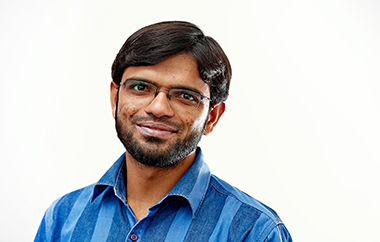
Naim Rashid is an Assistant Professor in the Department of Environmental Engineering at Montana Technological University, with prior roles including Associate Professor at National University of Science and Technology (2023–2024) and Assistant Professor at COMSATS University (2015–2021). His work focuses on the water-energy-environmental nexus, particularly using microalgae and purple bacteria for wastewater treatment and resource recovery. Education: Ph.D. in Civil and Environmental Engineering from KAIST (2013), M.S. in Environmental Engineering and Biotechnology from Myongji University (2009). Research interests include integrated wastewater treatment using phototrophic microalgae and purple bacteria, biofilm technologies for resource recovery, and life cycle assessment of environmental processes. He also specializes in PFAS removal and bioremediation of coal ash ponds. His publications emphasize biofilm reactors , single-cell protein production , and bioenergy systems from waste streams. Recent work explores nutrient dynamics in biofilm growth, sustainable petroleum industry wastewater treatment, and algal co-cultivation for biodiesel. Awards: Green Talent Award (Germany), Global Young Academy Membership (2017–2022), Fulbright Scholar Award (USA). Professional Service: Curriculum Review Committee, Graduate Council, and advisor to Environmental Engineers of Montana Tech (EEMT) club. Projects: Bioremediation of coal combustion residue, PFAS removal, and integration of acid mine drainage treatment with aquaculture feed synthesis.
Elizabeth A. Edwards is a University Professor at the University of Toronto in the Department of Chemical Engineering and Applied Chemistry , with cross-appointments to the Department of Cell & Systems Biology . As Director of BioZone and Canada Research Chair in Anaerobic Biotechnology, she leads groundbreaking research in microbial bioremediation of groundwater pollutants and industrial wastewater treatment through anaerobic digestion. Ph.D. in Environmental Engineering (Stanford, 1993) M.Eng. and B.Eng. in Chemical Engineering (McGill, 1985/1983) Licensed Professional Engineer (P.Eng.) Her research focuses on anaerobic microbial communities that degrade pollutants like chlorinated solvents and aromatic hydrocarbons. Using advanced molecular biology, genomics, proteomics , and biochemical pathway analysis , her lab investigates functional interactions in microbial consortia and translates discoveries to commercial applications such as the KB-1® bioproduct . Recent studies examine enzyme activity, lignocellulose degradation, and granulation dynamics in anaerobic reactors. Scientific Recognition: 2020 Killam Prize in Engineering 2016 Canada Research Chair (Tier 1) 2014 Royal Society of Canada Fellow 2011 Canadian Academy of Engineering Fellow 2011 AAAS Fellow 2008-2010 Killam Research Fellowship She supervises extensive graduate student projects spanning enzyme discovery, bioremediation optimization, and microbial consortium analysis. Her lab collaborates with GeoSyntec Consultants and SiREM Labs for field implementation of bioremediation strategies.
Iris Yu is an Assistant Professor in the Civil and Environmental Engineering department at the National University of Singapore (NUS) . Her research focuses on green chemistry and biomass conversion , particularly utilizing microwave-assisted processing and green solvents to transform food and biomass waste into sustainable chemicals and materials. She actively contributes to teaching courses like Green Catalysis and Circular Economy , while leading a team of researchers in biorefinery and waste valorization projects. Her scientific awards include the L'Oréal-UNESCO for Women in Science Singapore Award 2024 MIT Technology Review Innovator Under 35 (TR35) Asia Pacific 2023 Fellow of the Royal Society of Chemistry (2023–Present) Clarivate Highly Cited Researcher (Cross-Field) 2022–2023 World's Top 2% Scientist by Stanford University 2023 Yu’s research interests span biomass upcycling microwave technology bioresource utilization catalysis fundamentals green and sustainable chemistry platform chemical production . Her publications frequently address microwave-assisted biorefineries , catalytic hydrogenation mechanisms , and sustainable solvent impacts on biomass conversion. She serves on editorial boards for journals like Science of the Total Environment and ACS Sustainable Chemistry & Engineering , and mentors students in the IRIS@NUS internship program. Her lab’s work has been recognized in awards such as the Best Student Poster at SIWW2024, highlighting innovative approaches like microalgae-based food waste valorization .
Per Bruheim is a Professor at the Department of Biotechnology and Food Science, Norwegian University of Science and Technology (NTNU). He leads the Bruheim research group, focusing on Deep Phenotyping of prokaryotic and eukaryotic systems using advanced metabolomics, fluxomics, and lipidomics techniques. He is the scientific leader of the NV faculty Mass Spectrometry lab and has developed targeted/non-targeted MS methods applied to diverse biological systems. Teaching roles include leading the 2-year and 5-year Biotechnology programs (MSBIOTECH and MBIOT5). He teaches courses such as TBT4140 Biochemical Engineering, TBT4110 Microbiology, and TKP4170 Process Design. Current research projects include targeting antibiotic resistance via bacterial stress responses (Trond Mohn Foundation), chemically defined cell culture media development, and peptide drug inhibition of translesion synthesis mechanisms. Research interests center on metabolomics and systems biology approaches to study microbial physiology and antibiotic resistance, with applications in bioprocessing and sustainable protein production. His lab employs mass spectrometry for precise metabolic profiling and collaborates internationally on projects involving lipidomics and flux analysis. Advising and grants involve mentoring over a dozen master’s theses on topics like microbial fermentation optimization, single-cell protein production, and recombinant protein expression. He actively pursues funding for projects addressing AMR mechanisms and bioprocess innovation. The Bruheim group also collaborates with industry on sustainable raw material utilization for microbial cultures. Labs/Teams: Leads the Mass Spectrometry facility at NTNU and directs the Bruheim research group within the Institute of Biotechnology (IBT). Collaborates with national/international partners in microbiology, metabolomics, and bioprocessing.
Cormac Fay is a Research Fellow in Artificial Intelligence for Smart Cities at the School of Computing and Information Technology (SCIT), University of Wollongong, within the Faculty of Engineering and Information Sciences. His roles include affiliations with the SMART Infrastructure Facility and the ARC Centre of Excellence for Electromaterials Science. Previously, he held positions at Dublin City University, including post-doctoral roles in sensor research and data analytics. He holds a PhD in Engineering from Dublin City University (2013), an M.Eng. in Telecommunications Engineering (2007), and a B.Eng. in Mechatronic Engineering (2005). His research focuses on AI-driven smart city technologies, sensor systems for environmental monitoring, and advanced 3D printing materials. Key areas include IoT-enabled carbon-emission tracking, wearable biomedical devices, and sustainable sensor networks for landfill gas management. He has developed innovative solutions such as cryogenic 3D printing techniques for biocompatible inks and LED-based optical sensing platforms. Dr. Fay has secured grants totaling over $X million, including projects on military diver monitoring, blue carbon ecosystems, and low-cost sensor networks for agriculture and environmental safety. His work integrates interdisciplinary approaches, bridging materials science, biomedical engineering, and environmental engineering. Grants: Led projects on carbon-emission IoT systems, oyster farming sensors, and vibration monitoring. Supervision: Advised a Master's project on biomimetic microfluidic fabrication (2017–2019). Labs/Teams: Collaborates with the SCIT, SMART Infrastructure Facility, and global institutions like École Polytechnique Fédérale de Lausanne.
Paola Calza is a Full Professor in the Department of Chemistry at the University of Turin. Her research focuses on environmental chemistry, analytical chemistry, and advanced photocatalytic technologies for water purification. Her work addresses the degradation of emerging contaminants, transformation product analysis, and the development of novel materials for pollutant removal. She has contributed significantly to advancing photocatalysis, nanomaterial synthesis, and sustainable water treatment strategies. Her research spans diverse applications, including aquaculture water treatment, pharmaceutical pollution mitigation, and soil bioremediation. Key areas: Photocatalytic degradation, MXene-based nanocomposites, HPLC-HRMS analysis, and bio-inspired materials. Collaborations involve interdisciplinary approaches combining environmental science, materials engineering, and analytical techniques. Publications emphasize practical solutions for real-world water and soil contamination challenges.
Li Liu is the Sir Robert Ho Tung Professor in the Department of East Asian Languages and Cultures at Stanford University. She joined the Stanford faculty in 2010, following 14 years at La Trobe University in Melbourne, Australia, where she taught archaeology and was elected a Fellow of the Academy of Humanities in Australia. Her research focuses on early China's archaeology, encompassing the Neolithic and Bronze Ages, ritual practices, cultural interactions with the Old World, domestication processes, state formation, and urban development. She holds a B.A. in Archaeology from Northwestern University (Xi'an), an M.A. in Anthropology from Temple University (Philadelphia), and a Ph.D. in Anthropology from Harvard University (1994). Dr. Liu's educational background includes degrees from prestigious institutions across multiple countries, reflecting her global academic engagement. Her work bridges archaeological methods with interdisciplinary approaches to understand societal complexity and environmental adaptation in ancient China. Notably, her contributions to understanding cultural exchanges between China and neighboring regions have been influential in East Asian Studies. Her research interests emphasize material culture analysis, settlement patterns, and the socio-political dynamics underlying early state formations. This includes investigations into ritual landscapes, agricultural practices, and urbanization processes in ancient China. Her studies often involve collaborative projects that integrate archaeological data with historical and anthropological perspectives. Dr. Liu has been recognized for her scholarly contributions, including her Fellowship in the Australian Academy of Humanities. Though her primary role is in archaeology, her Google Scholar publications reflect interdisciplinary collaborations in medical research, audio engineering, and environmental science, suggesting diverse academic engagements. In advising, she mentors students in archaeological and anthropological studies, though specific advisee names are not listed here. Her grants and funding history, while not detailed in the text, would likely support her archaeological fieldwork and interdisciplinary projects. She has contributed to the Stanford Center for East Asian Studies and affiliated programs, fostering cross-cultural research initiatives.
Dr. David S. Kosson is a distinguished faculty member at Vanderbilt University, holding the Gass Family Chair in Energy and the Environment. He serves as Professor of Civil and Environmental Engineering, Chemical and Biomolecular Engineering, and Earth and Environmental Sciences. As Director of the Consortium for Risk Evaluation with Stakeholder Participation (CRESP) and the Environmental Laboratory, he leads multidisciplinary research addressing nuclear waste management, environmental remediation, and policy. His work has established frameworks like the U.S. Leaching Environmental Assessment Framework (LEAF), impacting national waste management policies. Dr. Kosson earned his Ph.D., M.S., and B.S. in Chemical Engineering from Rutgers University. He previously chaired Vanderbilt’s Civil and Environmental Engineering Department (2000–2012). His research focuses on nuclear/chemical waste containment, contaminant mass transfer, and eco-cultural risk assessment. He advises U.S. federal agencies on defense waste remediation and chemical weapons demilitarization. Education: Ph.D., Chemical and Biochemical Engineering, Rutgers University M.S., Chemical and Biochemical Engineering, Rutgers University B.S., Chemical Engineering, Rutgers University Key Roles: CRESP Principal Investigator Environmental Laboratory Director Former Department Chair (Civil & Environmental Engineering) His research integrates laboratory experiments with field data to model long-term behavior of waste forms and geological interfaces. Notable contributions include studies on cement-rock interactions, PFAS leaching, and ecological risk assessment at DOE sites like Hanford and Oak Ridge. He has authored over 200 publications, advancing risk-informed decision-making in waste management. Scientific contributions span nuclear waste durability, eco-cultural justice frameworks, and sustainable materials engineering. He collaborates internationally on deep geological disposal systems and environmental policy.
Dr. James Saunderson is a Senior Lecturer and Director of Education in the Department of Electrical and Computer Systems Engineering at Monash University. He holds a PhD in Electrical Engineering and Computer Science from MIT and has held postdoctoral roles at Caltech and the University of Washington. His expertise spans convex optimization, semidefinite programming, and quantum information theory. Education : PhD in EECS, MIT (2015) MS in EECS, MIT (2011) Bachelor of Engineering (Honours) and Bachelor of Science (Honours), University of Melbourne (2008) Research Interests : Convex optimization, quantum information theory, signal processing, and algorithm design. Focuses on algebraic and geometric aspects of optimization, with applications in engineering and quantum systems. Recent Projects : Exploiting duality in quantum relative entropy optimization Hyperbolic programming and conic optimization Applications in nanotechnology and bioinformatics Teaching : Courses include Control System Design, Signals and Systems, and Optimization for Engineers. Awards : SIAM Optimization Best Paper Prize (2020) Grants and Collaborations : Australian Research Council Discovery Early-Career Research Fellow (2020–2024) Leading projects in quantum optimization and bioengineering applications.
Dr. Archishman Bose is an Eli Lilly Lecturer in Process and Chemical Engineering at University College Cork (UCC), Ireland. He serves as a Principal Investigator (PI) in the Circular Economy, Energy, and Environmental Systems (CEEES) Research Group, part of MaREI, the SFI research centre for energy, climate, and marine. He is currently leading three nationally funded research projects on microalgal biogas upgrading, biochar applications, and sustainable processing of end-of-life tyres, with total grants exceeding €1 million. As a programme director, he oversees the Part-Time MEngSc Pharmaceutical & Biopharmaceutical Engineering and the Full-Time MEngSc Engineering in Pharmaceutical and Biopharmaceutical Systems. Education: Bachelor of Engineering (Mechanical Engineering) from Jadavpur University, 2014 Double Masters in Sustainable Energy Engineering (KTH Royal Institute of Technology, 2018) and Energy and Nuclear Engineering (Politecnico di Torino, 2018) PhD in Energy Engineering (University College Cork, 2022) focused on Photosynthetic Biogas Upgrading, co-funded by SFI and Gas Networks Ireland Research interests span biochemical engineering, biopharmaceuticals, carbon capture and utilization, circular bioeconomy systems, and techno-economic analysis. His work emphasizes decarbonization of industrial processes, microalgae biorefineries, and sustainable waste-to-resource systems. Recent publications highlight advancements in anaerobic digestion, photobioreactor design, and metabolic pathway engineering for environmental applications. His funded projects include CABBBIE (SEAI/DAFM, €616k), EMERGE (SFI, €206k), and EPA-funded tyre processing research. Advising and grants: He has supervised 26 MSc students and co-supervised 5 PhD candidates (including one primary role) since joining UCC. Additional supervisions are planned from July 2025. Teaching includes modules on process design, pharmaceutical validation, and separation technologies, with current roles as year tutor and module coordinator. Labs/teams: Leading research in CEEES at MaREI, collaborating with Prof. Jerry D. Murphy, Dr. David Wall, and others in interdisciplinary circular economy and energy systems.
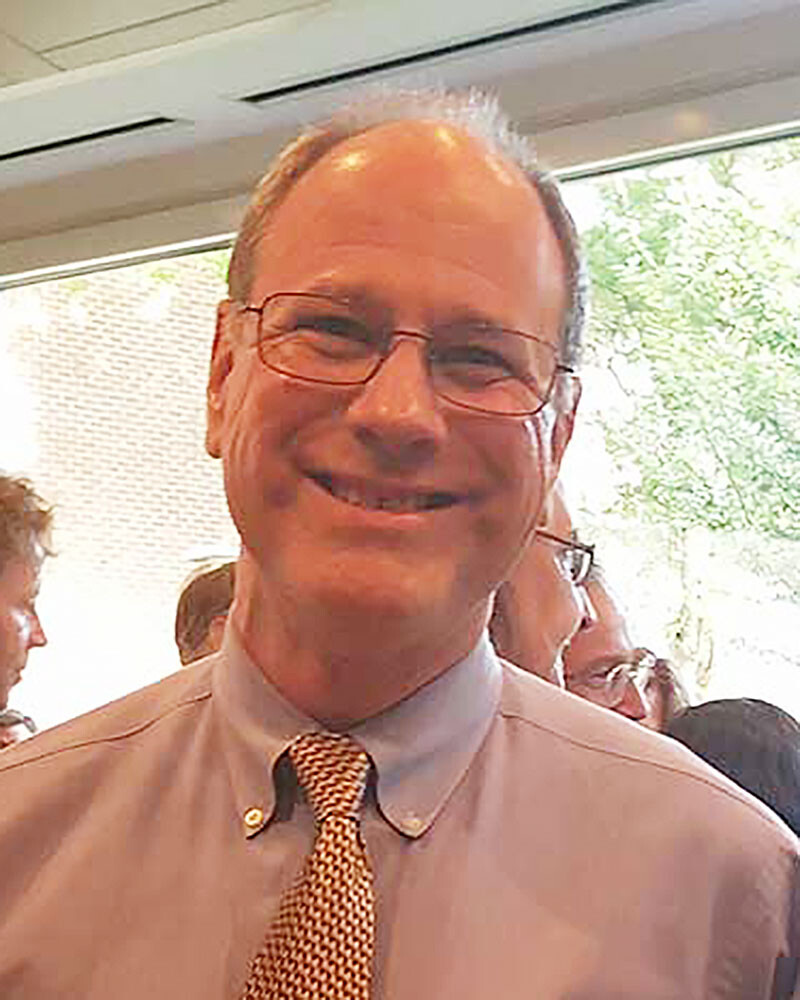
Wayne A Fuller is a Research Professor at Iowa State University , specializing in survey methodology and sampling statistics. His work focuses on advanced techniques for handling missing data, small area estimation, and measurement error models, with applications to agricultural surveys and public health research. Education: PhD in Statistics from Iowa State University Research Interests: Fuller's work bridges theoretical and applied statistics through: Development of fractional hot deck imputation methods Bootstrap techniques for variance estimation Small area prediction under constrained models Measurement error correction in health and agricultural data Time series analysis with autoregressive components Integration of administrative data with survey samples Publication Trends: His recent work emphasizes computational approaches to small area estimation (2016-2025), including bootstrap prediction intervals and benchmarking techniques, alongside methodological advancements in imputation and measurement error correction (2004-2015). Contact: Email: waf@iastate.edu Phone: 515-294-5830 Location: Ames, Iowa
Lee Rybeck Lynd is the Paul E. and Joan H. Queneau Distinguished Professor of Engineering and Adjunct Professor of Biology at Dartmouth College's Thayer School of Engineering. He has been a member of the Dartmouth faculty since 1987 and serves as Co-Founder and Chief Technology Officer of Terragia Corporation, Consolidated Bioprocessing Team Leader for the DOE Center for Bioenergy Innovation, and Director of the Advanced Second Generation Biofuel Laboratory. Professor Lynd's research spans microbial cellulose utilization, metabolic engineering, innovative biomass processing technologies, and sustainable bioenergy futures. His work focuses on cost-effective production of cellulosic biofuels that benefit people and the environment, with particular emphasis on consolidated bioprocessing (CBP) which offers potential for transformative cost reductions in biofuel production. His research integrates molecular biology, microbiology, and chemical/biochemical engineering to advance both fundamental understanding and applied capability in bioenergy. His publication record includes over 300 papers with more than 42,000 citations and an h-index of 88. Recent research trends show increasing focus on sustainability metrics, carbon-negative biofuels, and the integration of bioenergy systems with food production and environmental protection. His work increasingly addresses the socio-economic dimensions of bioenergy deployment alongside technical innovations. Charles Thom Award, Society for Industrial Microbiology and Biotechnology (2021) Thayer Distinguished Research Award for Faculty (2020) Lemelson-MIT Sustainability Award (2007) AAAS Fellow (2012) Charles D. Scott Award for Distinguished Contributions (2005) Professor Lynd has advised numerous graduate students and postdoctoral researchers, currently mentoring several PhD candidates including Nick Cervenka, Madeline Hoey, Shu Huang, Matthew Kubis, and Bishal Sharma. His research has been supported by multiple funding sources including the Department of Energy, USDA NIFA, Sao Paulo Research Foundation (Brazil), and The Link Foundation. He has testified before the US Senate three times and has been featured in Wired, Forbes, and Nova. He leads the Lynd Research Lab which includes postdoctoral associates, graduate students, technicians, and undergraduate researchers. The lab collaborates closely with the DOE Center for Bioenergy Innovation and maintains an international network of collaborators. Current research focuses on consolidated bioprocessing, metabolic engineering of cellulolytic microbes, and sustainable bioenergy futures that integrate environmental, economic, and social considerations.
Professor Rita Henderson is a Professor in the School of Chemical Engineering at UNSW and Deputy Dean (Societal Impact & Translation) at UNSW Engineering. Her research focuses on water quality and treatment, algal biotechnology, and sustainable engineering solutions. She leads the Algal and Organic Matter (AOM) Lab, collaborating closely with the Australian water industry to address challenges in algal blooms, membrane fouling, and cyanobacteria management. She serves as Editor for Water Research and AWWA Water Science , and chairs UNSW’s Sustainable Development Goal (SDG) Steering Committee. Education: PhD in Water Sciences (Cranfield University, 2008), MSc in Water Pollution Control Technology (2004), and MChem in Environmental Chemistry (University of Edinburgh, 2002). Her work integrates advanced analytical techniques, machine learning, and innovative separation methods to improve water treatment efficiency. Research interests include organic matter characterization, membrane technology optimization, and real-time monitoring of cyanobacterial blooms. Her contributions span algal harvesting via PosiDAF flotation systems, disinfection by-product formation, and sustainable wastewater pond technologies. She actively promotes equity, diversity, and inclusion in engineering education. Grants and collaborations highlight her industry partnerships, particularly in developing scalable solutions for water security. Her lab’s innovations aim to bridge gaps between research and practical applications, ensuring robust water treatment strategies for global challenges.