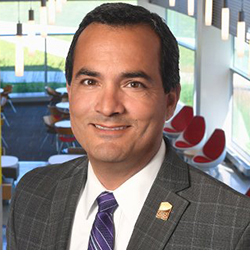
Anthony Lowman is Professor and Provost/Senior Vice President for Academic Affairs at Rowan University's Henry M. Rowan College of Engineering. With PhD in Chemical Engineering from Purdue University, he leads research in biomaterials and drug delivery systems. His group develops hydrogels for therapeutic applications and medical devices. Research highlights: Design of injectable hydrogel composites Novel drug-eluting medical devices Oral delivery systems for biologics Polymer-based tissue engineering scaffolds Publications demonstrate strong focus on translational biomaterials, with recent patents covering hydrogel formulations and continuous delivery devices. Article keywords frequently involve polymer characterization, controlled release kinetics, and preclinical validation.
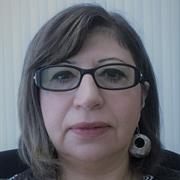
Associate Professor Taghrid Istivan is affiliated with RMIT University's School of Science. Her research focuses on bacterial pathogens, antimicrobial peptides, and novel therapeutics. She investigates Campylobacter concisus virulence mechanisms, peptide-based cancer treatments, and drug delivery systems. Her work includes collaborations with institutions like The Royal Children’s Hospital and Griffith University. She actively supervises PhD/Masters students in areas such as biofilm formation, peptide mechanisms, and antimicrobial resistance. Teaching interests: Molecular detection of pathogens, veterinary vaccines, tumor treatment technologies. Key research areas: De novo peptide design, Campylobacter epidemiology, biofilm resistance. Recent projects explore Campylobacter concisus colonization in the gut, RRM-designed peptides' cellular pathways, and acoustic nebulization for drug delivery. She has published extensively on bacterial pathogenesis, hydrogel systems, and antimicrobial alternatives. Awards: None explicitly listed. Professional memberships: Australian Society for Biochemistry and Molecular Biology (ASBMB), Australian Society of Microbiology (ASM).
Riikka Räisänen is a Professor at the University of Helsinki's Department of Education under the Faculty of Educational Sciences. She also leads the Helsinki Institute of Sustainability Science (HELSUS) and serves as Program Director for Craft Science and Craft Teacher Education. Her academic roles include being an Adjunct Professor at North Carolina State University (2023–present). Her research focuses on sustainable natural dyes, craft science, and education for sustainability. Key projects include leading the BioColour consortium (2019–2025), funded by the Academy of Finland's Strategic Research Council, which develops bio-based colorants. She also coordinates EU-funded initiatives like Colour4CRAFTS (2023–2026) and DyeAnotherWay (2025–2029). Räisänen's research spans chemical characterization of natural dyes, eco-toxicology assessments, and pedagogical models integrating design learning. Over 140 publications reflect her work on anthraquinone pigments, traditional dyeing practices, and sustainable textile innovations. Notable awards include the Silver Medal of the Society of Dyers and Colourists (2016) and the ISHS Medal (2022). She has supervised multiple doctoral theses and collaborates internationally with institutions in Europe and North America. Her lab's work on 3D modeling of traditional folk costumes and bio-based dye databases bridges heritage preservation with modern applications. Recent activities include organizing the Biocolours2024 conference and presenting at global forums on sustainable coloration technologies.
Dr. Börte Emiroglu is affiliated with the Department of Chemistry and Applied Biosciences at ETH Zürich, where she serves as a Researcher in the Professorship for Macromolecular Engineering. Her work focuses on biomaterials, nanomaterials, and advanced materials chemistry. She holds a position at ETH Zürich's Makromolekulares Engineering group, collaborating on projects related to hydrogel mechanics, tissue regeneration, and photocatalytic systems. Her research interests span biomaterials engineering for regenerative medicine, nanocrystal synthesis via microfluidic platforms, and the development of functional materials with tailored properties. Notably, she has contributed to studies on granular hydrogels, mixed-valent inorganic complexes, and perovskite nanocrystals for optoelectronic applications. Dr. Emiroglu’s publications highlight her expertise in materials science, with a focus on translating fundamental insights into practical applications such as drug delivery systems, high-throughput screening of biomaterials, and environmental photocatalysis. Her work bridges chemistry, physics, and engineering, addressing challenges in both academic and industrial settings.
Jeff Wiggins is a Distinguished Professor of Polymer Science and Engineering at the University of Southern Mississippi. His research focuses on glassy polymer networks, renewable polymers, carbon fiber precursors, polymer simulations, continuous reactors, and protective materials. He holds a PhD in Polymer Science from USM and an MBA from University of Pittsburgh. With 12 years of industrial experience at Bayer and Nike, he has taught courses including Polymer Composites, Polymer Processing, and Dissertation Supervision. Research Interests: Polymer network science, renewable materials, composite engineering, and high-performance polymer systems. Education: PhD Polymer Science (USM), MBA (University of Pittsburgh), BS Industrial Technology (Western Washington University)
Dr. Evroula Hapeshi is an Assistant Professor at the Department of Health Sciences, University of Cyprus. She holds a dual role as Senior Researcher and Adjunct Lecturer in the same institution (2011–2016). Her work focuses on environmental chemistry, pharmaceutical analysis, and advanced oxidation technologies, with particular emphasis on antibiotic degradation, water remediation, and antimicrobial resistance. She has an h-index of 25 and over 2,597 citations, reflecting impactful contributions to sustainable chemistry and toxicology research. Her research aligns with UN Sustainable Development Goals related to clean water and responsible consumption. Research Interests: Dr. Hapeshi’s expertise spans high-performance liquid chromatography, photocatalytic processes, and the environmental fate of pharmaceuticals. She pioneers methods for green extraction of bioactive compounds and develops novel materials for pollution mitigation. Recent work explores venom proteomics and big data applications in toxin research, as well as sustainable catalyst design for water treatment. Collaborations: She collaborates internationally on projects involving toxin databases, antimicrobial plant extracts, and photocatalyst synthesis. Notable partnerships include studies on quorum sensing inhibition in microbial systems and the degradation of emerging contaminants like microplastics. Labs & Teams: Her research group focuses on environmental analytical chemistry and nanomaterials for remediation. She contributes to interdisciplinary networks in Cyprus and Europe, emphasizing translational research for real-world applications.
Islam Ibrahim is a Clinical Associate Professor in Pulmonary & Critical Care Medicine at the University of California San Diego (2011–Present). He holds American Board certifications in Internal Medicine, Pulmonary Medicine, and Critical Care Medicine. Previously, he served as Chairman of the Department of Medicine at the International Medical Center (IMC) in Jeddah, Saudi Arabia (2008–2012), and held roles such as Chief Medical Officer, Residency Program Director, and Chair of the Critical Care Committee at IMC and other institutions in Saudi Arabia and the U.S. He has been an External Examiner for Final Year Medical Students at King Abdul Aziz University since 2009. Education and Training: Dr. Ibrahim earned his MBBCh from Cairo University School of Medicine (1988). He completed residencies and fellowships in Internal Medicine, Pulmonary Diseases, and Critical Care at institutions including Albert Einstein College of Medicine (1995–1998) and Mount Sinai School of Medicine (1997). He has held formal academic roles as a Clinical Associate Professor and Clinical Assistant Professor at Ohio University and Northeast Ohio Medical University. Research Interests: His work focuses on Pulmonary Medicine and Critical Care, with emphasis on COPD management, asthma guidelines, antimicrobial stewardship, and pharmacological interventions for renal fibrosis and lung cancer. He also explores molecular mechanisms underlying inflammation and drug delivery systems using chitosan and other biomaterials. Collaborations with institutions like Mayo Clinic and Imperial College London highlight his global academic engagement. Scientific Contributions: Dr. Ibrahim chairs committees for the American College of Chest Physicians (ACCP), including the Education Committee (2017–Present). He has organized major conferences such as the ACCP/IMC Regional Chest Meetings (2011–2018) and presented on topics like COPD management and disaster medicine during Hajj. His research extends to vascular diseases and interventional therapies, evidenced by publications on mycotic pseudoaneurysms and pleural effusion management. Awards: He received the Excellence in Teaching Award during his tenure at Ohio University (1999–2000), the Egyptian Society of Bronchology Recognition Award (2015), and accolades from the ACCP. His leadership in advancing medical education and global health initiatives has been widely recognized.
Dr. Abdul Wasy Zia is an Assistant Professor at the Institute of Mechanical, Process & Energy Engineering (IMPEE), School of Engineering and Physical Sciences, Heriot-Watt University, Edinburgh. He leads the Advanced Materials and Manufacturing Laboratory and holds a Fellowship of the Higher Education Academy (FHEA). His expertise spans materials design, manufacturing processes, and sustainable engineering, with a focus on diamond-like carbon (DLC) coatings, biomedical applications, and energy storage systems. His research integrates materials science and mechanical engineering to develop high-performance, eco-friendly products. Dr. Zia’s career includes roles at institutions such as The Hong Kong Polytechnic University and Case Western Reserve University, where he specialized in surface coatings, low-dimensional materials, and polymer composites. He actively supervises PhD candidates and supports applications for external funding through UKRI, EPSRC, and other bodies. His work contributes to UN Sustainable Development Goals related to affordable and clean energy, industry innovation, and sustainable cities. Key achievements include the IUVSTA WELCH FOUNDATION SCHOLARSHIP (2018) and over 100 publications in journals like Advanced Healthcare Materials and Applied Materials Today . Recent research emphasizes AI-driven coating design, circular economy applications, and 3D/4D printing for biomedical devices. He frequently collaborates internationally and participates in workshops on materials innovation and sustainable manufacturing.
Martin J. Paterson is a Professor at Heriot-Watt University, affiliated with the School of Engineering & Physical Sciences and the Institute of Chemical Sciences. His research focuses on theoretical and computational investigations of electronically excited states, particularly in small molecules, supramolecular sensors, and biologically important photoactive compounds. The work contributes to understanding light-matter interactions in chemistry, physics, biochemistry, materials science, and medicine. He has been recognized with a competitive fellowship (2010) for computational methods in photochemistry and the RSC Horizon Prize (2022) for innovations in organometallic anticancer therapies. He serves as an external examiner for multiple PhD and DPhil programs, including ongoing roles from 2023 to 2026 and recent engagements in 2024, 2023, and 2020. His research group operates at http://theophotochem.eps.hw.ac.uk , and his work aligns with United Nations Sustainable Development Goals, though specific SDG targets aren’t explicitly detailed in the text. Recent publications (2024–2025) emphasize advanced computational methods like selected configuration interaction, photochemical dynamics in azanaphthalenes and gallium complexes, and novel synthetic approaches to heterometallic coordination cages. Studies also explore environmental impacts of PAH photoproducts and laser-driven electron dynamics using QTAIM theory. External Examiner Roles: PhD (2020), DPhil (2023), Programme External Examiner (2023–2026), and multiple others listed in activities. Key Research Themes: Excited state dynamics, multi-channel non-adiabatic processes, and rational molecular design for therapeutic and material applications.
Prof. Murat BENGİSU is a Professor of Industrial Design at the Faculty of Fine Arts and Design, Izmir University of Economics (IUE). He holds academic titles including Full Professor since 2010 and has served as Team Leader and Consultant at IUE. His career began in 1999 at Eastern Mediterranean University, with visiting roles at the University of Missouri-Rolla. He earned his PhD in Materials Science from New Mexico Tech (1992) and has a Mechanical Engineering undergraduate degree from Dokuz Eylül University (1984). Research interests include materials science (ceramics, borate glasses), biomimetic design, assistive technologies for disabled individuals, and design history (e.g., Beykoz glassware). He authored four books and contributed to over 30 journal articles. Notable works include studies on bacterial cellulose composites, radioactive waste immobilization, and accessible technologies for visually impaired individuals. Teaching focuses on materials for design, human factors, and innovation research. Administrative roles include Acting Dean (2012) and Head of Ethics Committee (2020–present). He served on design award juries (A' Design Awards, Azerbaijan Design Award) and led projects funded by TÜBİTAK. Thesis advisement includes topics like biobased composites and radioactive waste vitrification. Publications span materials science, design history, and sustainability. His work bridges material innovation with social responsibility, emphasizing interdisciplinary collaboration and sustainable design practices.
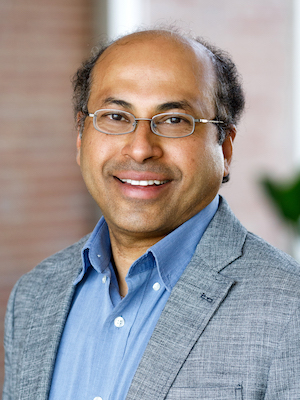
Dr. Anil Mahapatro is an Associate Dean of Undergraduate & Graduate Programs and a Professor in the Department of Biomedical Engineering at Wichita State University's College of Engineering. He also serves as the Certificate Coordinator for Biomedical Engineering. His work focuses on advanced biomaterials, biodegradable metals, and surface engineering for biomedical applications. Dr. Mahapatro leads research in corrosion-resistant coatings for magnesium alloys, biofunctional nanocoatings, and wearable medical sensors. His contributions include developing hybrid polymer-metallic foams for bone tissue engineering and exploring enzyme-catalyzed polymerization techniques. He coordinates academic programs and oversees graduate research initiatives. Research Interests: - Biodegradable metallic implants - Surface functionalization for medical devices - Corrosion control mechanisms - Biomaterials for tissue engineering - Nanoscale surface modification - Enzyme-catalyzed polymer synthesis His recent articles emphasize advancements in bioactive coatings, self-healing materials, and sensor technologies. He maintains an active lab focused on translating materials science innovations to clinical applications. Dr. Mahapatro has contributed to over 60 peer-reviewed publications and holds roles in academic administration, ensuring alignment between research and educational programs.
Jiyoung Moon is an Associate Research Scientist in the Department of Cardiovascular Medicine at Yale School of Medicine, Yale University. Her research focuses on metabolic disorders, obesity, diabetes, and cardiovascular health, with particular emphasis on molecular mechanisms regulating lipid metabolism, adipose tissue biology, and AMPK signaling pathways. She explores the roles of myokines, adipokines, and enzymatic pathways like arginase in metabolic dysfunction. Her work combines experimental models with translational approaches, investigating therapeutic potentials of natural extracts (e.g., Semen cuscutae), biomaterial scaffolds for tissue engineering, and genetic factors influencing cardiometabolic traits in Korean populations. Key areas include the regulation of brown/beige adipose thermogenesis, bile acid-mediated nanoparticle transport, and AMPK-driven glucose homeostasis. Moon's publications reveal a trend toward systems biology approaches, integrating metabolomics, genetic epidemiology, and drug development. She has contributed to understanding the dual roles of arginase in obesity-associated inflammation and endothelial dysfunction, as well as the protective effects of meteorin-like peptides in diabetes. Her research bridges basic science and clinical applications, addressing metabolic syndrome and cardiovascular disease mechanisms. Her studies utilize both in vivo models (diet-induced obesity mice) and in vitro systems, with a strong focus on translational outcomes like novel therapeutic targets and diagnostic biomarkers. Current work may involve further exploration of adipocyte signaling pathways and the development of targeted interventions for metabolic disorders.
Dr. Richard Tan is a Senior Lecturer in the School of Medical Sciences at the University of Sydney, where he leads the Bio-Informed Engineering group. He holds dual fellowships: Heart Foundation Postdoctoral Fellow and ARC Early Career Industry Fellow. His research bridges biomedical engineering and immunobiology to develop novel vascular therapies. Education: BSc, Georgia Institute of Technology (2008) MEng, Georgia Institute of Technology PhD in Immunomodulatory Biomaterials (2019), Heart Research Institute His multidisciplinary work focuses on: Immunomodulatory biomaterials for vascular disease Bioengineering of artificial blood vessels Plasma-polymerized nanoparticle drug delivery Diabetes-impacted vascular function Alzheimer’s disease neuroinflammation Orthopedic implant durability Recent publications emphasize biomaterial immunocompatibility, with 12/26 articles in 2023-2024 focusing on vascular grafts, inflammation, and regenerative therapies. His research is supported by grants from: National Health and Medical Research Council NSW Health Cardiovascular Initiative Juvenile Diabetes Research Foundation ARC Early Career Fellowship Current advisees include: Angus – Developing immunomodulatory solutions for cardiovascular devices Shereen – Biodesign of cardiovascular materials
Professor Steven Wise is a Professor of Cardiovascular Bioengineering at the School of Medical Sciences, University of Sydney. He leads the Applied Materials Group and holds a Heart Foundation Future Leader Fellowship. His expertise includes biomaterials engineering, blood compatibility, and vascular device development. Wise completed a Bachelor of Science (Hons 1) and PhD at the University of Sydney (2001–2006), followed by postdoctoral training in interventional cardiology. He is a member of the University of Sydney Nano Institute and the Charles Perkins Centre. His research focuses on developing biomaterials for cardiovascular applications, with a focus on pre-clinical models, thrombosis, and regenerative medicine. Key projects include synthetic vascular conduits, silk-based hydrogels, and plasma-activated stent coatings. Recent grants include NHMRC and ARC funding, and his 2018 NHMRC Marshall and Warren Award recognized his work on arterial revascularization. Current research students include Yanhao Dong (3D blood-brain barrier models), Angus Grant (immunomodulatory devices), Minh Ho (tissue adhesives), Yiwei Li (wound healing scaffolds), and Renjian Tan (biofunctionalized hydrogels). Wise collaborates across disciplines, integrating computational and biological approaches to address cardiovascular challenges. His labs emphasize translational research, bridging material science and clinical applications.
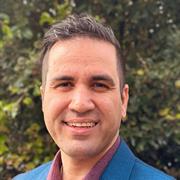
Assoc. Prof. Kamyar Shirvani Moghaddam is the Associate Dean, Learning & Teaching in the Department of Fashion & Textiles at RMIT University. His research focuses on sustainability, circular economy, advanced materials, and smart textiles. He specializes in integrating nanomaterials into fabrics for next-generation textiles with enhanced functionalities like health monitoring and temperature regulation. His work emphasizes waste repurposing, particularly converting textile, food, and plastic waste into advanced materials. He bridges academia and industry through collaborations to develop commercially viable sustainable solutions. Research Interests: Smart Textiles & Intelligent Fashion, Waste-to-Wealth Repurposing, Advanced Materials Development, and Sustainable Manufacturing. His UN SDGs align with Clean Water, Responsible Consumption, Climate Action, and Sustainable Innovation. Teaching & Supervision: Current doctoral supervisees include projects on plastic recycling, smart fiber fabrication, and energy-harvesting membranes. Completed supervision includes automotive composites research (2023). He actively publishes in high-impact journals and participates in international conferences. Advising & Grants: Leads research initiatives on sustainable materials and collaborates with industry partners to translate findings into real-world applications. His work emphasizes bridging theoretical innovation with practical sustainability solutions.