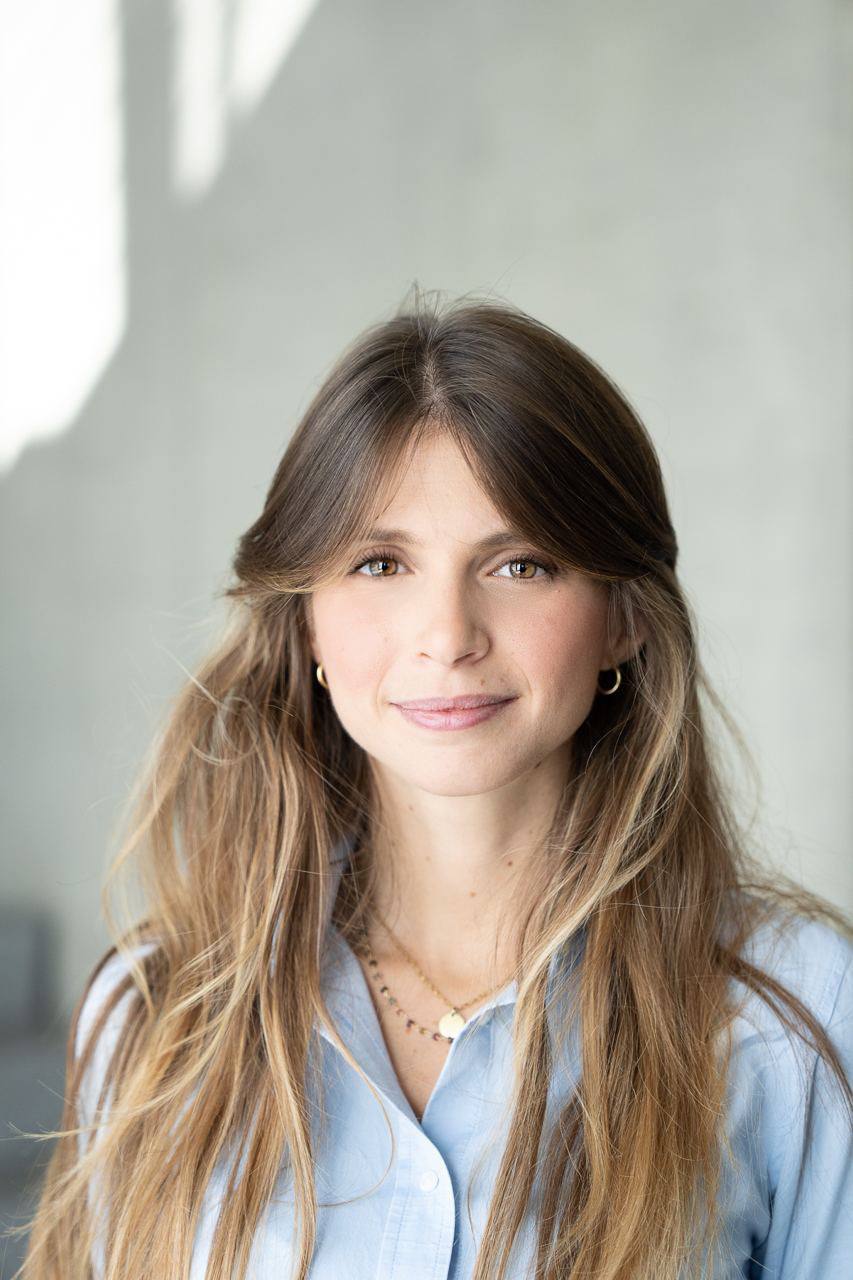
Professor Ana Ferreira is a leading seismologist at University College London, focusing on deep Earth structure and earthquake source processes. Her research integrates seismic and geodetic data to understand planetary dynamics from the surface to the lowermost mantle. Her work includes pioneering seismic tomography, such as the SGLOBE-rani 3D anisotropy model, and earthquake source analysis using InSAR and normal mode data. She leads the Seismological Laboratory and teaches Seismology II and Field Geophysics. Recent projects include the UPFLOW experiment, which deployed 49 ocean bottom seismometers in the Atlantic, and studies on Greenland ice sheet evolution and Tonga volcanic eruptions. Her EU-funded research emphasizes multidisciplinary data integration and numerical modeling. Key article trends cover mantle anisotropy, global tomography, earthquake source inversion, cosmology-inspired machine learning, and ocean bottom seismology applications in geodynamics and cryospheric processes.
Dr. Madhushi Bandara is a Lecturer at the School of Computer Science, University of Technology Sydney (UTS), specializing in knowledge representation, complex system modeling, and data analytics. She leads the data management research stream at the UTS DigiSAS lab and is a core member of the Biomedical Data Science Laboratory within the UTS Australian Artificial Intelligence Institute. Her industry collaborations include Telstra, Cancer Australia, and Capsifi, focusing on AI integration in healthcare and finance. She coordinates the Business Information Systems major in UTS's Master of Information Technology program and convenes the Future Generation Enterprise Architecture Community of Practice. Education PhD in AI Systems Engineering, University of New South Wales (2020) BSc (Hons) in Engineering, University of Moratuwa, Sri Lanka (2015) Research Interests Madhushi's work bridges machine learning, knowledge graphs, and enterprise architecture to address challenges in data governance for SMEs, ESG metric management, and healthcare pathway analysis. Her research emphasizes translating cutting-edge AI into industry solutions through contextual domain knowledge integration. Scientific Awards UNSW-UTS Trustworthy Digital Society Scholarship Teaching & Leadership She teaches enterprise information systems, digital strategy, and AI for enterprises in UTS's online postgraduate programs. Her service roles include co-chairing tracks at the Australasian Conference on Information Systems and reviewing for Expert Systems with Applications.
Tetsuya Sakai is a Professor at the School of Fundamental Science and Engineering within Waseda University's Faculty of Science and Engineering. His work focuses on information access, retrieval, and natural language processing, with a particular emphasis on evaluation frameworks for search systems. Affiliations: Waseda University (Faculty of Science and Engineering, School of Fundamental Science and Engineering) Academic Rank: Professor Research Interests : Dr. Sakai's research spans four key areas: (1) Information Access —designing systems for direct and immediate information delivery, (2) Search Evaluation —developing metrics like Height-Biased Gain and hierarchical intent-based diversity measures, (3) Fairness in IR —pioneering frameworks for group fairness in conversational search, and (4) Statistical Reform —advocating Bayesian methods and robust experimental design. His work also addresses privacy inconsistencies in mobile apps and cognitive biases in LLMs. Scientific Awards : Notable recognitions include induction into the SIGIR Academy (2023) , ACM Distinguished Member (2018) , ACM Senior Member (2016) , and multiple DEIM/FIT/CSS Best Paper Awards . He has received teaching honors like the Waseda Presidential Teaching Award (2016) and WASEDA e-Teaching Award (2018) . Article Trends : Recent publications highlight: Advancements in LLM-assisted relevance assessments and hallucination diagnostics for tool-augmented models Conversational search fairness through multi-level evaluation frameworks and group diversity metrics Innovations in 3D medical reconstruction from clinical data and multimodal uncertainty modeling Statistical rigor via randomization tests , credible intervals , and topic set design Privacy analysis in mobile app descriptions and cognitive bias studies in search interaction
Professor Iain Fraser is a faculty member at the University of Kent's School of Economics, holding the position of Professor of Agri-Environmental Economics. He obtained his PhD from the University of Manchester in 1992 and has held roles at institutions including the University of Manchester, Manchester Metropolitan University, Imperial College, and La Trobe University in Australia. His research focuses on agri-environmental economics, biodiversity conservation, and applied econometrics. Current research projects include UKRI-funded initiatives on sustainable food systems and healthy diets. Fraser’s academic contributions span over 100 publications, with recent work addressing topics like wildlife trade dynamics, consumer preferences for food labeling, and pollinator deficit impacts. He leads the Professional Economics Degree Apprenticeship and serves as Editor-in-Chief of Q Open . His affiliations include the Durrell Institute of Conservation and Ecology (DICE) and DEFRA's Economic Advisory Panel. Notable projects include BEESPOKE (pollination management) and studies on country-of-origin labeling. Fraser supervises PhD students researching topics such as elephant-human conflict and wine waste valuation. He has advised on DEFRA and FSA projects and contributed to policy analysis in environmental economics and agricultural policy. Fraser’s work integrates econometric methods with conservation challenges, emphasizing practical applications in policy and market design. His lab affiliations and editorial roles highlight his leadership in advancing interdisciplinary research at the intersection of economics and environmental science.
Amrita Basak serves as an Associate Professor in the Department of Mechanical Engineering within the College of Engineering at Pennsylvania State University. Her research focuses on advancing metal additive manufacturing technologies, particularly for gas turbine applications. She maintains her laboratory in 233 Reber Building at University Park, PA. Her primary research interests center on laser-based additive manufacturing processes including Laser Powder Bed Fusion (L-PBF) and Laser Directed Energy Deposition (LDED). Specific expertise spans nickel-based superalloys, melt pool dynamics, microstructure-property relationships, fatigue behavior of additively manufactured components, and AI-driven process optimization. Her work addresses critical challenges in thermal distortion control, surface roughness effects, and high-temperature performance of turbine components. Analysis of her recent publications reveals strong emphasis on integrating machine learning with experimental methods to optimize additive manufacturing processes. Key trends include Gaussian process regression for melt pool modeling, Bayesian optimization for thermal management, reinforcement learning for parameter control, and multi-fidelity modeling approaches. Her research bridges fundamental materials science with practical engineering applications in aerospace and energy sectors. Scientific Awards: NSF CAREER Award (2024) for gas turbine research DARPA Young Faculty Award (2022) for multi-laser additive manufacturing Materials Research Institute Roy Award (2023) Professor Basak actively mentors graduate students including R. Pal, N. Menon, and A. Kushwaha who appear as first authors on multiple publications. Her research is supported by significant grants including NSF CAREER funding, Office of Naval Research grants (2024), and DARPA funding. Current projects include 'On-Demand 3D Printing of Food-Grade Biopolymer-Encapsulated Ferrate(VI) for Individualized and Equitable Access to Drinking Water' and metal additive manufacturing research for gas turbine hot section components.
Cristina Butucea is a Professor of Statistics and Machine Learning at ENSAE-CREST, Institut Polytechnique de Paris . She was nominated an IMS Fellow (2019) for her contributions to nonparametric and high-dimensional statistics. She has co-organized major conferences like Fréjus 2018 , Luminy 2019-2020 , and Oberwolfach 2021 , and serves as Associate Editor for ALEA . Fields of interest: Nonparametric statistics, quantum statistics, differential privacy, inverse problems, machine learning. Awards: IMS Fellowship, conference organization leadership. Research trends: Focuses on optimal estimation under privacy constraints, quantum state reconstruction, high-dimensional inference, and adaptive nonparametric methods. Email: Cristina.Butucea@ensea.fr | Cristina.Butucea@ip-paris.fr
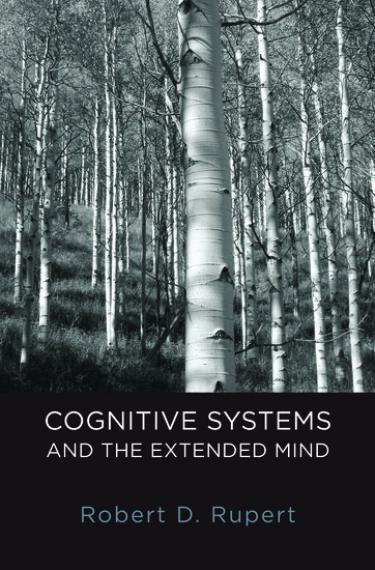
Robert D. Rupert is a Professor in the Department of Philosophy at the University of Colorado Boulder, within the College of Arts and Sciences. He is also Co-Editor-in-Chief of the British Journal for the Philosophy of Science , a Fellow of the Institute of Cognitive Science at CU-Boulder, and a member of the Committee for the History and Philosophy of Science. Ph.D., University of Illinois at Chicago, 1996 Robert Rupert's research lies at the intersection of philosophy of mind, cognitive science, metaphysics, and epistemology. His primary interests include mental representation, cognitive architecture, situated and extended cognition, group cognition, and the philosophical foundations of cognitive science. He critically examines the boundaries of the mind, the nature of concepts, and the role of embodiment and environment in cognition. His work often challenges traditional internalist views by advocating for more integrated, dynamic models of mind. His recent publications reflect a sustained engagement with predictive processing, self-modeling, enactivism, and the epistemic status of subpersonal processes. Themes across his work include the rejection of strict personal/subpersonal divides, the critique of group-level cognition, and the exploration of how cognitive systems extend into the environment. His research combines conceptual rigor with sensitivity to empirical findings in psychology and neuroscience. Robert Rupert has received several prestigious awards and fellowships, including: National Endowment for the Humanities Fellowship for College Teachers NEH Summer Research Stipend CU Provost's Faculty Achievement Award Kayden Book Award Fellow, Institute of Cognitive Science, CU-Boulder He has held visiting research positions at the University of Edinburgh, the Australian National University, and Ruhr-Universität Bochum. While no formal list of advisees or grants is provided, his editorial role and sustained publication record indicate significant influence and mentorship in the field. He has contributed to major debates in philosophy of mind and cognitive science through both original research and critical reviews. Rupert is affiliated with CU-Boulder’s Institute of Cognitive Science and contributes to interdisciplinary research through this institute. His work bridges philosophy and cognitive science, fostering collaboration across departments and institutions.
Mathangi Gopalakrishnan, PhD, MPharm, is an Associate Professor in the Department of Practice, Science, and Health Outcomes Research at the University of Maryland School of Pharmacy. She is actively engaged in research, mentoring, and academic scholarship, with a focus on quantitative clinical pharmacology and data-driven therapeutic optimization. Education: PhD, Statistics, University of Maryland, Baltimore County MS, Statistics, University of Maryland, Baltimore County MPharm, Birla Institute of Technology & Science, Pilani, Rajasthan, India BPharmacy (Honors), Birla Institute of Technology & Science, Pilani, Rajasthan, India Her research interests center on pharmacometrics, precision therapeutics, predictive analytics, real-world data, and drug development . She integrates principles of clinical pharmacology, advanced frequentist and Bayesian statistical methods, and artificial intelligence/machine learning to enhance patient outcomes, particularly among vulnerable populations. Her lab's work includes designing prospective clinical pharmacokinetic trials for anti-epileptics and antimicrobials in patients on continuous renal replacement therapy, leveraging real-world data from electronic health records to optimize dosing in neonatal opioid withdrawal syndrome and pediatric anticoagulation, and developing models for disease progression in conditions like schizophrenia and binge-eating disorders. The trends in her recent publications reflect a consistent focus on model-informed precision dosing, real-world evidence generation, pharmacokinetic-pharmacodynamic (PK/PD) modeling in special populations, and methodological innovation in clinical trial design . Her work spans diverse therapeutic areas including critical care, neonatology, psychiatry, and maternal health, demonstrating a broad impact of quantitative pharmacology. Dr. Gopalakrishnan is accepting applications for postdoctoral positions in pharmacometrics at the Center for Translational Medicine, indicating active research funding and team leadership. Her collaborations extend to academic medical institutions nationwide, underscoring her role in multi-center research initiatives. She is involved in collaborative research with academic medical institutions across the country and has presented her work at major conferences including the Joint Statistical Meetings (JSM) and the American Conference on Pharmacometrics (ACoP).
Mauricio Alvarez is a Senior Lecturer in Machine Learning at the Department of Information Management, University of Manchester. His research focuses on Gaussian processes, Bayesian methods, and their applications in healthcare and robotics. He contributes to UN Sustainable Development Goals, particularly in advancing health innovations and AI fundamentals. He is part of the Digital Futures Institute and Christabel Pankhurst Institute. Research Interests: Gaussian Processes, Medical Imaging, Drug Discovery, Pediatric Health Analysis Collaborations: IEEE, npj Precision Oncology, and international institutions His work bridges machine learning with real-world challenges, such as cancer diagnosis and drug repositioning. He leads projects like the MCAIF Centre for AI Fundamentals and collaborates with the RAI Centre for Robotics and Artificial Intelligence. His recent articles emphasize multi-task learning and probabilistic models in healthcare.
Bertrand Clarke is a Professor in the Department of Statistics at the University of Nebraska-Lincoln, within the College of Agriculture & Natural Resources. He holds a PhD in Statistics from the University of Illinois (1989) and has held academic positions at Purdue University, the University of British Columbia, the University of Miami (Medical School), and served as Chair of the Department of Statistics at UNL. His research focuses on prediction, model uncertainty, and statistical methods for complex/high-dimensional data, including genomic data and machine learning applications. Education: PhD in Statistics from University of Illinois (1989), with early work recognized by the Browder J. Thompson Award. His career includes sabbaticals at University College London, Duke University (SAMSI), and the Newton Institute at Cambridge. He pioneered biostatistics programs at the University of Miami and authored a Springer textbook on data mining/machine learning. Research Interests: Prediction theory, model bias/uncertainty, ensemble methods, Bayesian approaches, and applications in genomics. He emphasizes statistical principles like variance-bias tradeoff and robustness in complex data analysis. Awards: ASA Fellow (2014), Browder J. Thompson Award (1989). Editorial roles in four journals and service on the Savage Award Committee.
Xuming He is an Associate Professor at the School of Information Science and Technology (SIST), ShanghaiTech University, where he leads the PLUS Lab. His research spans computer vision and machine learning with a focus on developing algorithms that operate effectively under limited supervision and evolving data conditions. His core research interests include weakly-supervised and few-shot learning for scenarios with sparse annotations, continual learning frameworks for knowledge retention during sequential task acquisition, semantic segmentation techniques for scene understanding, and multimodal vision-language representations. He emphasizes interpretable machine learning to build transparent AI systems capable of human-understandable reasoning, addressing critical challenges in model trustworthiness and deployment reliability. Recent publications reveal strong trends toward novel class discovery in long-tailed recognition scenarios, physics-informed generative modeling for scientific applications, and robust segmentation under distribution shifts. His work increasingly integrates large language models for multimodal reasoning while maintaining focus on efficiency in resource-constrained environments like robotic grasping and medical imaging analysis. He actively mentors students, having supervised Qian He to PhD completion and Chuanyang Hu to Master's degree in 2023. He welcomes prospective graduate students through ShanghaiTech's Computer Science & Technology program and offers undergraduate research projects requiring minimum six-month commitments. The PLUS Lab under his direction drives innovation in learning under supervision constraints, with recent work spanning medical tumor analysis, cross-view geolocation, photonic computing, and semiconductor design verification. The lab's research bridges theoretical advances with practical applications across healthcare, robotics, and scientific discovery domains.
Andrea Del Prete is an Associate Professor in the Industrial Engineering Department at the University of Trento (Italy) since 2022. His research focuses on robot control, reinforcement learning, trajectory optimization, and numerical algorithms for dynamic systems. He leads the Interdepartmental Robotics Lab (IDRA) and has previously held roles as a tenure-track assistant professor at the University of Trento (2019-2021), a research scientist at the Max-Planck Institute for Intelligent Systems (2018), and an associated researcher at LAAS-CNRS (2014-2017) working with the HRP-2 humanoid robot. Earlier, he conducted PhD and post-doc research at the Italian Institute of Technology (2010-2013) on iCub robot control. PhD in Robotics (2013) - Italian Institute of Technology MEng in Computer Engineering (2009) - University of Bologna BSc in Computer Engineering (2006) - University of Bologna Dr. Del Prete specializes in merging learning and model-based techniques for safe robot control, particularly in legged systems. His work bridges trajectory optimization (TO) with reinforcement learning (RL) to overcome local minima challenges (CACTO/CACTO-SL algorithms) and develops robust controllers for humanoid and quadrupedal robots in unstructured environments. He explores viability kernels in MPC, safety certificates, and bi-level optimization for co-designing hardware/control policies. Key application areas include mountain rescue robotics (ALPINE platform), aerial maneuver recovery, and energy-efficient legged locomotion. His recent publications (2023-2025) emphasize numerical optimization algorithms, multi-contact locomotion, and hybrid control frameworks. Topics span from analytical integral optimization (2025) to climbing robots for mountain operations (2025), demonstrating a trajectory from theoretical algorithm development to real-world robotic applications. Research keywords include robotics, numerical optimization, and machine learning, with sub-fields like MPC for dynamic systems, humanoid control, and terrain adaptation. As an educator, he teaches advanced courses on: Optimization and Learning for Robot Control (48-hour master's course) Optimization-based Control of Legged Robots (12-hour PhD course) Task-Space Inverse Dynamics (3-hour PhD course) Current PhD advisees include Mohammad Hasan Yeganegi (generalization bounds for imitation learning), Pietro Noah Crestaz (numerically-efficient RL), Veronica Campana (ergodic control for defect detection), Elisa Alboni (data-efficient model-based RL), and Gianni Lunardi (MPC for legged locomotion).
Giorgia Ramponi is an Assistant Professor with Tenure Track at the Faculty of Business, Economics and Informatics at the University of Zurich. She is also an affiliated professor at the ETH AI Center and the Data Science and AI, Computer Science and Engineering department at Chalmers University of Technology. Her educational background includes a Ph.D. in Information Technology from Politecnico di Milano (completed June 2021 with honors), advised by Marcello Restelli, and a Master of Science in Computer Science with Honours Programme (110/110 cum laude) from la Sapienza (July 2017), advised by Flavio Chierichetti and Alessandro Panconesi. Dr. Ramponi's research focuses on machine learning and mathematical modeling, with particular emphasis on reinforcement learning and multiagent learning. Her work bridges theoretical foundations with practical applications, exploring how learning algorithms can make optimal decisions in complex environments. She has made significant contributions to areas including inverse reinforcement learning, multi-agent systems, constrained Markov decision processes, and human-AI interaction through preference learning. Her recent publications demonstrate a strong trend toward addressing fundamental challenges in reinforcement learning, particularly in multi-agent settings, constrained optimization, and learning from human feedback. Her work combines theoretical rigor with practical applications across robotics, economics, and decision-making systems. Hassler Research Grant for "Unified Feedback Integration Framework for Reinforcement Learning" Dr. Ramponi actively contributes to the academic community through conference participation, invited lectures (including at the Mediterranean Machine Learning Summer School), and teaching. She designed and taught the "Data Science and Machine Learning" course for the ETH-Ashesi Master program. She is also a member of the ELLIS community, which connects excellence in AI research across Europe. Her research group focuses on developing frameworks for reinforcement learning with various feedback types, including preferences, rewards, and demonstrations. The group aims to advance the theoretical understanding of learning algorithms while addressing practical challenges in real-world applications.
Anna Korba is an Assistant Professor at École Polytechnique, specifically affiliated with ENSAE/CREST in the Statistics Department since September 2020. She is also a co-administrator of the Master Data Science program at École Polytechnique. Her academic journey has positioned her as a leading researcher in machine learning, with particular expertise in kernel methods, optimal transport, and statistical optimization. Dr. Korba received her PhD from Telecom ParisTech in 2018 under the supervision of Prof. Stephan Clémençon. Prior to her current position, she was a postdoctoral researcher at University College London's Gatsby Computational Neuroscience Unit working with Arthur Gretton from December 2018 to August 2020. Her academic foundation includes a Master's degree in Machine Learning and Computer Vision (MVA) from ENS Cachan and ENSAE in 2015. Anna Korba's research primarily focuses on machine learning with emphasis on kernel methods, optimal transport, optimization, particle systems, and preference learning. Her work bridges theoretical statistics with practical machine learning applications, particularly in developing novel sampling and optimization methods. She has made significant contributions to understanding Wasserstein gradient flows, density ratio estimation, and variational inference techniques. Her publication record demonstrates a strong trajectory in top-tier machine learning conferences including ICML, NeurIPS, AISTATS, and ICLR. Her research shows a clear evolution from foundational work on ranking and preference learning during her PhD to more recent contributions in Wasserstein-based optimization, sampling methods, and deep probabilistic modeling. The interdisciplinary nature of her work connects statistics, optimization theory, and practical machine learning applications. Top 10% Oral Presentation at AISTATS 2022 Top 15% Long Oral Presentation at ICML 2021 She actively mentors PhD students and postdoctoral researchers, currently advising seven PhD candidates and having successfully guided several alumni to prestigious positions. Dr. Korba also contributes to the academic community through her role in administering the Master Data Science program and collaborating with researchers across institutions worldwide. As part of the CREST research center, Dr. Korba works within a vibrant team of researchers focused on statistics, machine learning, and their applications to economic and social sciences. Her research group includes current PhD students and postdocs working on various aspects of her research interests, creating a dynamic environment for advancing the field of statistical machine learning.
Dr Dee Wu serves as a Senior Lecturer at the School of Civil and Environmental Engineering at the University of Technology Sydney (UTS), specializing in the integration of computational mechanics, machine learning, and engineering design. With a strong research profile focused on structural reliability and safety assessment, Dr Wu develops innovative frameworks that bridge theoretical mechanics with practical engineering applications, particularly in the realm of composite materials and uncertain structural behavior. Dr Wu's research interests center on computational stochastic and non-stochastic mechanics, with particular emphasis on machine-learning-aided engineering safety assessment, nondeterministic methods for isogeometric analysis with polymorphic uncertainties, and AI techniques for composite material design. Their work addresses critical challenges in structural engineering where uncertainty quantification becomes essential for safety evaluation. The research output reveals a clear trajectory toward developing virtual modeling techniques that significantly enhance computational efficiency while maintaining accuracy in structural analysis. Dr Wu's publications demonstrate expertise in phase-field methods, support vector regression variants (including Extended SVR, Capped SVR, and Twin SVR), and uncertainty quantification frameworks that handle both aleatoric and epistemic uncertainties. These techniques have been successfully applied to fracture mechanics, buckling analysis, vibration analysis, and impact assessment problems. Dr Wu actively pursues funded research in three main areas: Digital twin applications in Civil Engineering, Machine learning aided engineering analysis and design, and Safety assessment for Smart City initiatives. Currently, they are a key participant in the ARC Discovery Project 'Assessment of Dynamic Pile Driving Using Machine Learning' (DP230102781), running from June 2023 to May 2026, working alongside researchers Khabbaz M, Fatahi B, and Zhang X. In teaching, Dr Wu delivers courses including Introduction to Civil and Environmental Engineering (48310), Advanced Engineering Computing (48371), and Finite Element Analysis (49047), demonstrating commitment to both foundational and advanced engineering education. Their ORCID identifier is 0000-0002-7284-5024, and they maintain an active Google Scholar profile reflecting their substantial research contributions in computational structural engineering.