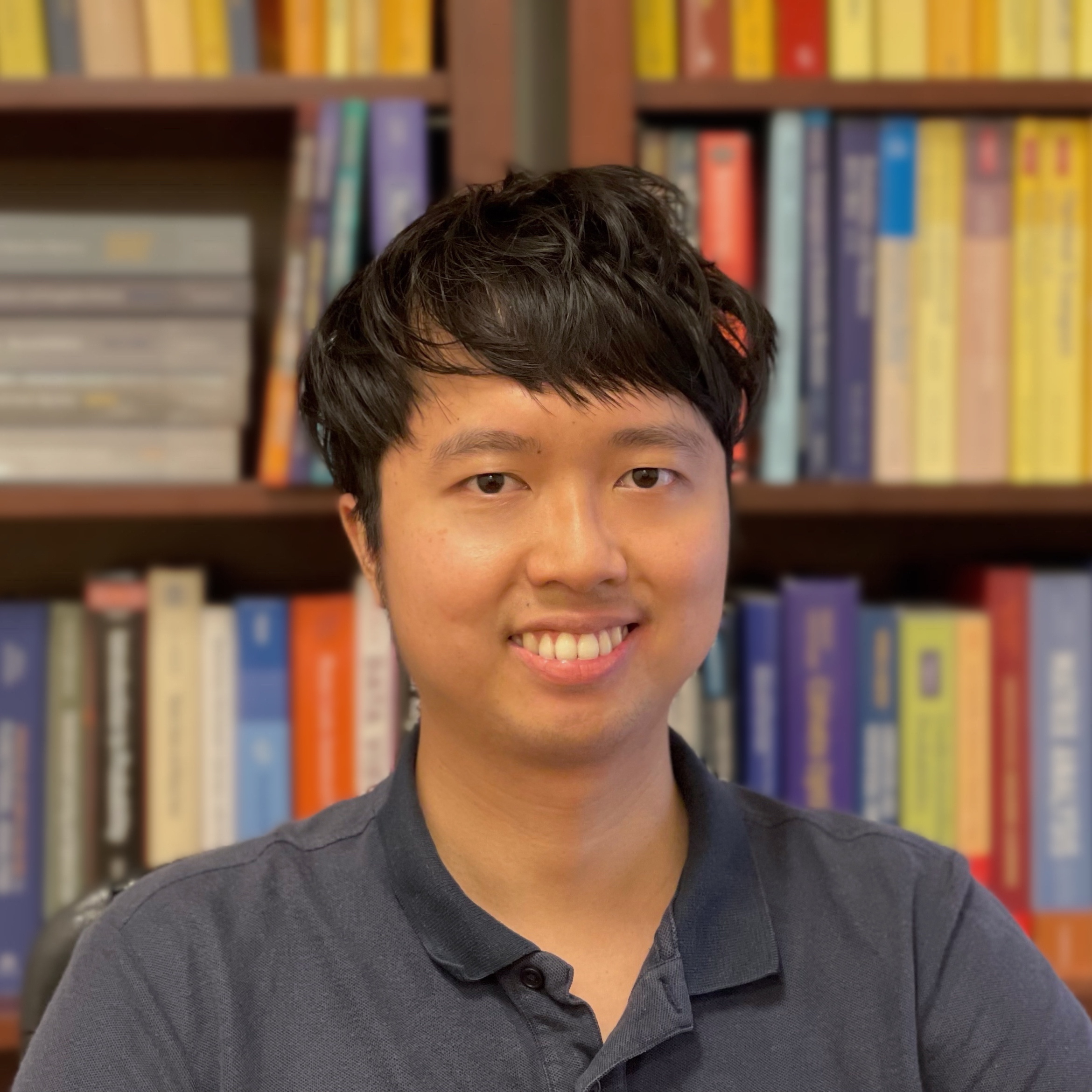
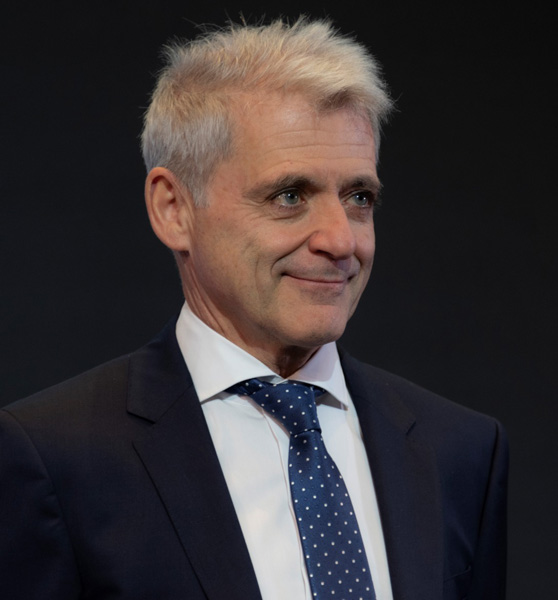
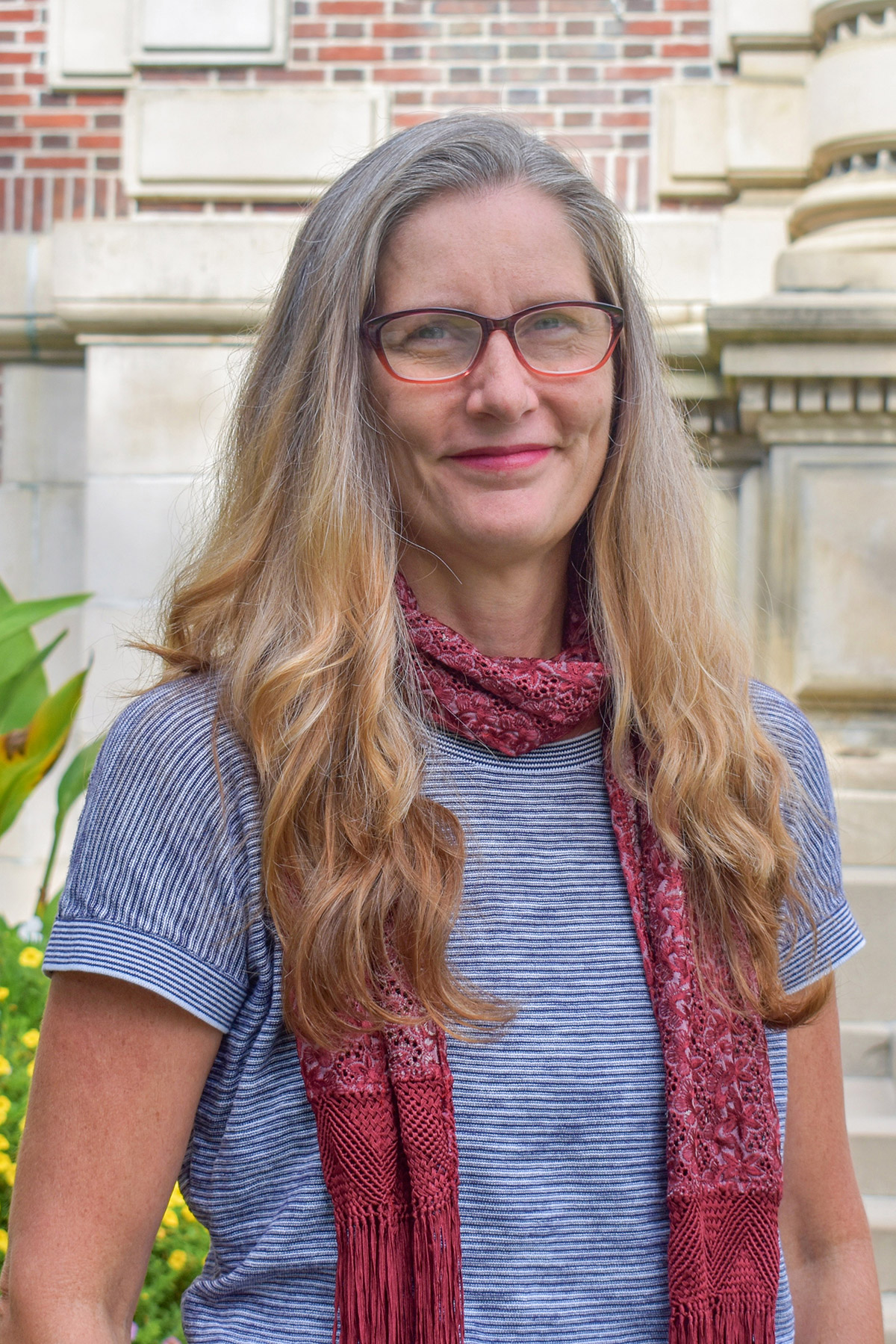
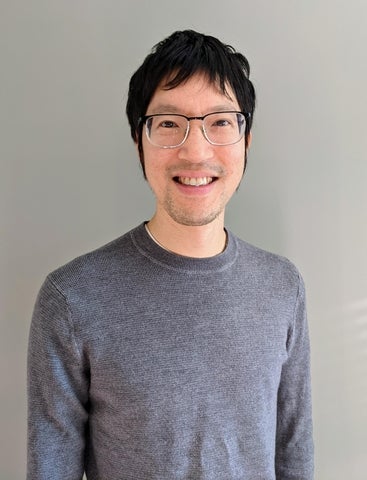
Dr. Win Wah is a Senior Research Fellow at Monash University specializing in occupational and environmental health impacts related to extreme weather events, particularly bushfires. Contributes to UN Sustainable Development Goals through research on climate change health impacts Lead investigator in projects examining first responders' health risks His work spans: Systematic reviews of wildfire smoke exposure effects Statistical modeling of post-cancer surgery quality of life Construction worker health assessments Research outputs show collaboration patterns across: Public health epidemiology Occupational risk assessment Environmental health policy
Michael Choi is an Assistant Professor in the Department of Statistics and Data Science at the National University of Singapore (NUS), affiliated with the Institute of Operations Research and Analytics (IORA). Previously, he held a joint appointment with Yale-NUS College (2022–2025) and worked at the School of Data Science (SDS) at the Chinese University of Hong Kong, Shenzhen. He earned his PhD from Cornell University’s School of Operations Research and Information Engineering (ORIE), advised by Prof. Pierre Patie, and holds an undergraduate degree in Actuarial Science from the University of Hong Kong. His research focuses on Markov chains and processes, stochastic algorithms (e.g., MCMC, simulated annealing, Langevin dynamics), and their applications in statistical physics, optimization, Bayesian statistics, information theory, game theory, and theoretical computer science. He explores interdisciplinary connections with quantum computation, control theory, and computational chemistry. Choi actively contributes to the academic community, serving as an Associate Editor of Statistics and Computing since August 2023. He has presented at numerous international conferences and workshops, including the IMS APRM 2026 (Hong Kong), INFORMS International Meeting 2025 (Singapore), and BayesComp 2025 (Singapore). His work bridges theoretical foundations with practical computational methods in stochastic systems.
Dr. Shuvo Bakar is a Senior Lecturer in the Sydney School of Public Health at the University of Sydney, within the Faculty of Medicine and Health. He holds a PhD in Statistics from the University of Southampton, UK, and has prior experience as an Assistant Professor at Yale University, Lecturer at the Australian National University, and Scientist at Data61 (CSIRO). His research focuses on statistical methods applied to public health challenges, including Bayesian hierarchical modeling, machine learning, spatio-temporal analysis, and their applications in epidemiology, clinical trials, and environmental health. Dr. Bakar's research interests span statistical methodologies such as Bayesian adaptive designs, small area estimation, and spatial risk modeling, alongside applications in child health, infectious diseases, and extreme weather impacts on health. He is an active member of academic communities, including the Royal Statistical Society (RSS Fellow), Statistical Society of Australia, and the Australian Trials Methodology Research Network. His work also involves collaborations on grants totaling millions in funding, addressing topics like climate change impacts on health inequity and cardiovascular disease prevention in remote regions. Education: PhD in Statistics (University of Southampton, UK) Key Research Themes: Obesity, Diabetes, Cardiovascular Disease; Reproductive, Maternal & Child Health Grants/Projects: Includes NHMRC-funded trials on respiratory infections in First Nations children and MRFF grants for cardiovascular risk reduction in regional Australia. Dr. Bakar's contributions extend to editorial roles for Nature Scientific Reports and Discover Public Health , and his research has been published in journals like PloS One , Climatic Change , and Journal of the Royal Statistical Society .
Luis Novoa is an Associate Professor in the Department of Computer Information Systems and Business Analytics at James Madison University’s College of Business, where he also contributes to the MBA program. His academic journey includes a Ph.D. in Decision Sciences from The George Washington University (2016), an M.S. and B.S. in Industrial Engineering from Universidad de los Andes (2007 and 2005, respectively). He has held roles such as Assistant Professor at JMU since 2017, Visiting Assistant Professor at The George Washington University (2016–2017), and Instructor at Universidad de los Andes (2007–2011). His research focuses on business analysis, management science, and applied decision analysis under uncertainty, particularly in supply chain management, logistics, education, and healthcare. Notable work includes optimizing automated package sorting systems, developing educational tools like STRATA for operations research assessment, and Bayesian methods for academic motivation analysis in business analytics courses. Recent articles highlight contributions to bike-sharing system decision-making, supply chain curriculum alignment with industry practices, and stochastic optimization in energy systems. His awards include JMU College of Business Distinguished Teacher (2021–2022) and recognition for summer research excellence (2011). Dr. Novoa’s teaching and research emphasize practical applications of analytics, bridging academic theory with real-world challenges in business and public sectors. He has authored or co-authored over 15 peer-reviewed publications spanning operations research, education, and industry case studies.
Evangelia Georgia Kostaki is a Biostatistician and Epidemiologist serving as a Lecturer in the Department of Hygiene, Epidemiology, and Medical Statistics at the School of Medicine, National and Kapodistrian University of Athens (NKUA). She holds a PhD in Molecular Epidemiology from NKUA and has extensive teaching experience in medical statistics, epidemiology, and public health at the undergraduate and postgraduate levels. Her research focuses on molecular epidemiology of infectious diseases (HIV, HCV, HBV, and SARS-CoV-2), with emphasis on public health applications such as outbreak response and transmission network analysis. Education: Bachelor’s degree (NKUA) MSc in Biostatistics (NKUA) PhD in Molecular Epidemiology (NKUA) Research interests include HIV transmission dynamics, antiretroviral resistance surveillance, and pandemic response strategies. She has contributed to over 50 peer-reviewed articles and 2 book chapters, with active participation in global initiatives like the European AIDS Clinical Society (EACS) YING network and the Greek National Action Plan for HIV. Notable achievements include a New Investigator Scholarship (NSRF 2014-2020) and over 160 conference presentations internationally. Advisory roles include supervising 25+ MSc theses and supporting PhD candidates. Grants include co-investigator roles in national/international projects. She actively contributes to scientific societies, editorial boards, and guideline development for HIV testing protocols in Europe. Labs/Teams: Collaborates with the European Virus Bioinformatics Center (EVBC) and global networks addressing HIV and viral hepatitis epidemiology.
Roméo TÉDONGAP is a Professor of Finance at ESSEC Business School (Paris-Singapore), specializing in empirical asset pricing, behavioral finance, and macro-finance. He holds a Ph.D. in Economics from Université de Montréal and has held academic positions at Stockholm School of Economics (2007–2016) and ESSEC since 2016. His research focuses on asymmetric risk attitudes, systemic risks, and long-term investment valuation, with notable contributions to journals like Journal of Financial Economics and Review of Financial Studies . Key distinctions include the 2013 EFMA Best Paper Award and the 2008 Best PhD Thesis award. Education: Ph.D. in Economics (Université de Montréal, 2008) Engineer’s Degree in Statistics and Economics (ENSEA Abidjan, 2003) Bachelor’s in Mathematics (University of Dschang, 2000) Research Interests: Macroeconomic uncertainty, behavioral asset pricing, climate finance, African stock markets, and systemic risk dynamics. His work bridges theoretical models with empirical applications, addressing topics like ultra-long investments, pandemic impacts, and microfinance strategies in Africa. Awards: 2013 EFMA Best Conference Paper Award 2008 Université de Montréal Best PhD Thesis Wallander Scholarships (2007–2013) Teaching & Leadership: Associate Dean for Research at ESSEC (2021–2024) Head of Finance PhD Program (2018–2021) Courses include Financial Markets, Advanced Derivatives, and Asset Pricing Grants & Editorial Roles: ANR grant for LONGTERMISM (2017) Associate Editor, British Accounting Review Editorial Board, Pan-African Scientific Research Council Labs & Collaborations: Active in ESSEC’s Energy & Commodity Finance Research Center, focusing on sustainable finance and climate transition investments.
Jean Ponce is a Professor of Computer Science at Ecole Normale Superieure (ENS) in Paris and a Part-Time Global Distinguished Professor at New York University's Courant Institute of Mathematical Sciences and Center for Data Science (CDS). He previously served as Director of the ENS Computer Science Department (2011-2017) and held positions at Inria (2017-2022), University of Illinois at Urbana-Champaign (1998-2006), MIT, Stanford, and Inria (1982-1985). Academic Leadership: Scientific Director of PRAIRIE Interdisciplinary AI Research Institute in Paris Startup Involvement: Co-founder and CEO of Enhance Lab (2022) Editorial Roles: Senior Editor-in-Chief of International Journal of Computer Vision (2019-2022) Conference Leadership: Chair of IEEE CVPR (1997,2000), ECCV (2008), and upcoming ICCV (2023) Research Focus: Computer vision, machine learning, robotics, and AI with applications in exoplanet imaging, 3D reconstruction, and image quality assessment. His work bridges statistical learning and deep learning approaches. Awards: IEEE Fellow (2003) ELLIS Fellow (2019) ERC Advanced Grant (2011) IEEE CVPR Longuet-Higgins Prizes (2016,2020) ICML Test-of-Time Award (2019) Patents & Publications: Co-author of influential textbook Computer Vision: A Modern Approach (translated into Chinese, Japanese, Russian). Holds two US patents and one pending French patent. Google Scholar h-index of 78 with over 55,000 citations.
Liqun Wang is a Professor of Statistics at the University of Manitoba, within the Faculty of Science. His research focuses on statistical inference in complex models, measurement error correction, boundary crossing problems in stochastic processes, and Monte Carlo simulation methods. He holds a prominent role in advancing methodologies for nonlinear time series analysis and Bayesian inference. His work integrates theoretical rigor with practical applications, addressing challenges in econometrics, environmental science, and public health. Notable contributions include advancements in instrumental variable estimation, second-order least squares methods, and high-dimensional covariance estimation. He actively mentors graduate students in these areas and has published extensively in top-tier statistical journals. Recent research highlights include Bayesian bias correction techniques, sparse covariance matrix estimation, and modeling SARS-CoV-2 dynamics via wastewater data. His methodologies often bridge computational efficiency with statistical accuracy, making them applicable to diverse fields such as finance, biostatistics, and environmental monitoring. Despite prolific output (over 70 publications since 1990), Dr. Wang has yet to be explicitly noted for formal scientific awards. His academic profile emphasizes methodological innovation, with a strong focus on real-world data challenges and interdisciplinary collaboration.
Natalie Priebe Frank is a Professor of Mathematics and Statistics at Vassar College. She has been affiliated with the university since 2000 and specializes in hierarchical tiling systems, quasicrystals, and dynamical systems. Her work bridges mathematical theory with applications in materials science and art. Education: BS from Tulane University of Louisiana; PhD from the University of North Carolina at Chapel Hill. Research interests include the study of aperiodic tilings, their spectral properties, and connections to quasicrystal structures. She explores how tiling patterns model natural phenomena and has contributed to breakthroughs like the discovery of the aperiodic monotile. Her recent work discusses the implications of hierarchical tilings in understanding non-repetitive patterns and their diffraction properties. Notably, she co-authored the 2023 discovery of the 'einstein' tile, an aperiodic monotile, and has published extensively on substitution tiling dynamics and fractal geometry. Publications span foundational texts like The Tiling Book and peer-reviewed articles on spectral theory and geometric patterns. She actively engages in science communication, featured in Quanta Magazine for her insights on aperiodic tilings' real-world relevance.
Lenka Zdeborová is an Associate Professor at EPFL, jointly affiliated with the School of Basic Sciences and School of Computer and Communication Sciences. She leads the Laboratory of Statistical Physics of Computational Systems, where her research bridges statistical physics, machine learning, and computational biology. Education: PhD in Physics, Université Paris-Cité (2012) MSc in Fundamental Physics, École Normale Supérieure (2009) BSc in Physics, École Normale Supérieure de Lyon (2007) Her work focuses on phase transitions in learning algorithms, high-dimensional statistics, and neural network theory. Current projects investigate fundamental limits of machine learning, dynamics of graph neural networks, and applications to biological systems. Recent publications explore attention mechanisms in transformers, neural network depth advantages, and Bayes-optimal learning. Methodological innovations include cavity methods for hypergraphs and analysis of high-dimensional inference problems. Supervises doctoral students researching statistical physics approaches to machine learning and optimization. Teaches graduate courses in data science and machine learning for physicists.
Dr. Zihang Lu is an Assistant Professor in the Department of Public Health Sciences at Queen’s University, affiliated with the School of Medicine and Faculty of Health Sciences. He holds a PhD and MSc in Biostatistics from the University of Toronto (2020 and 2013) and a BSc in Biostatistics from Southern Medical University (2012). His research focuses on developing novel statistical and machine learning methods for complex data analysis, with applications in clinical and epidemiological studies, particularly in asthma, obesity, sleep, pain, and cancer research. He collaborates with clinicians to address statistical challenges in longitudinal and functional data analysis, Bayesian modeling, and integrative clustering. Education : PhD in Biostatistics, University of Toronto (2020) MSc in Biostatistics, University of Toronto (2013) BSc in Biostatistics, Southern Medical University (2012) Research Interests : Bayesian data analysis and variable selection Longitudinal and functional data clustering High-dimensional data integration Statistical methods for disease subtyping Design and analysis of observational studies Advising & Grants : Current advisees: Caroline Lee (MSc 2022), Veronique Rowley (2021), Zhiwen Tan (PhD 2022), Mojtaba Ahmadiankalati (MSc 2021) Recruiting CANSSI Distinguished Post-Doctoral Fellow for Bayesian methods in longitudinal health data analysis Accepting MSc/PhD students for 2023 Labs & Teams : His team focuses on statistical methodology development and clinical collaborations, with active projects in pediatric lung function (e.g., the CHILD Cohort Study) and chronic disease management.
Giuliano Bianchi is an Associate Professor of Economics at EHL Hospitality Business School, specializing in law and economics, corporate governance, and forecasting. He holds a PhD in Economics from the University of Bologna, a Master's in Economics from the University of Edinburgh, and a Master in Law from the University of Fribourg. His research focuses on hospitality economics, asset-light business models, and macroeconomic forecasting in the Swiss hotel sector. Education: PhD in Economics, University of Bologna (Italy) Master's Degree in Economics, University of Edinburgh (UK) Bachelor's in Economics, University of Lugano (Switzerland) Bachelor in Law (BLaw), UniDistance Master in Law (MLaw), University of Fribourg His research interests include empirical analysis of hotel industry dynamics, regulatory frameworks affecting hospitality operations, and corporate governance mechanisms. He pioneered the Swiss Hospitality Macroeconomics Forecasting Index (2018-2020), a project funded by HES-SO to develop demand forecasting tools for Swiss hotels. Recent work explores legal aspects of hotel rate parity, brand affiliation impacts on asset values, and the socio-economic implications of hospitality employment. Awards: Wertheim Fellowship, Harvard Law School Bologna University Economics Department Scholarship Marco Polo Fellowship Program Dr. Bianchi serves on EHL's academic board and teaches Macroeconomics and Microeconomics in the BSc International Hospitality Management program. His research has been published in Tourism Economics, Journal of Property Research, and Applied Economics.
Dr. Silia Vitoratou is an Associate Professor in Psychometrics and Measurement at King's College London's Department of Biostatistics & Health Informatics within the Institute of Psychiatry, Psychology & Neuroscience (IoPPN). She leads the Psychometrics & Measurement Lab and the S-Five research project on misophonia. Her research focuses on psychometric methodology, latent variable models, Bayesian statistics, and applications in mental health and neurology. She holds degrees from the University of Crete (BSc Mathematics), National and Kapodestrian University of Athens (MSc Biostatistics), and Athens University of Economics (PhD Bayesian model comparison). Her expertise spans misophonia mechanisms, autism assessment, and cross-cultural validation of psychological tools. She teaches advanced statistical modeling courses and supervises over five MSc/BSc projects annually. She is a member of the Psychometric Society and co-founded the #tutorpool education initiative. Current projects include autism phenotype measurement bias and NIHR fellowships in neurology and psychology. Recent research highlights include UK misophonia prevalence studies, ALS caregiver distress models, and validation of mental health questionnaires across cultures. Her work addresses measurement invariance in autism screening and develops psychometric tools for sound sensitivity disorders.
Dr. Samuel Wong is Associate Professor in the Department of Statistics and Actuarial Science at the University of Waterloo. His research develops statistical methods for complex data science problems in protein structure analysis, dynamic systems inference, and materials reliability. Education includes PhD from Harvard Statistics Department (2013). Research addresses challenges in conformational sampling for protein folding, inference for differential equation models, and uncertainty quantification in materials science. Leads development of MAGI software for manifold-constrained Gaussian processes. Publications showcase innovations in Sequential Monte Carlo methods, spatial data fusion, and Bayesian approaches to industrial problems. Recent work focuses on protein structure variability and COVID-19 transmission modeling. Supervises graduate students in Bayesian analysis and computational statistics. Teaches courses including Analysis of Spatial Data and Applied Linear Models.
Mai Dao is an Assistant Professor in the Department of Mathematics, Statistics, and Physics at Wichita State University's Fairmount College of Liberal Arts and Sciences. She earned her Ph.D. from Texas Tech University under the mentorship of Professors Min Wang and Souparno Ghosh. Research Focus: Bayesian statistics, high-dimensional inference, and statistical machine learning Contact: mai.dao@wichita.edu | Jabara Hall 319 | Office hours: Tue & Thu 3:30-4:30 p.m. Research Interests include: Bayesian quantile regression High-dimensional data analysis Statistical machine learning algorithms Variable selection techniques Computational statistics Econometric modeling Recent Article Trends : Mai Dao's publications (2021-2025) emphasize Bayesian quantile regression methods, focusing on variable selection, high-dimensional inference, and computational approaches. Key themes include handling non-ignorable missing data, macroeconomic stress testing, and bridge-randomized regression techniques. Academic Expertise spans: Bayesian statistical modeling High-dimensional inference Machine learning applications Quantile regression methodologies Statistical computing