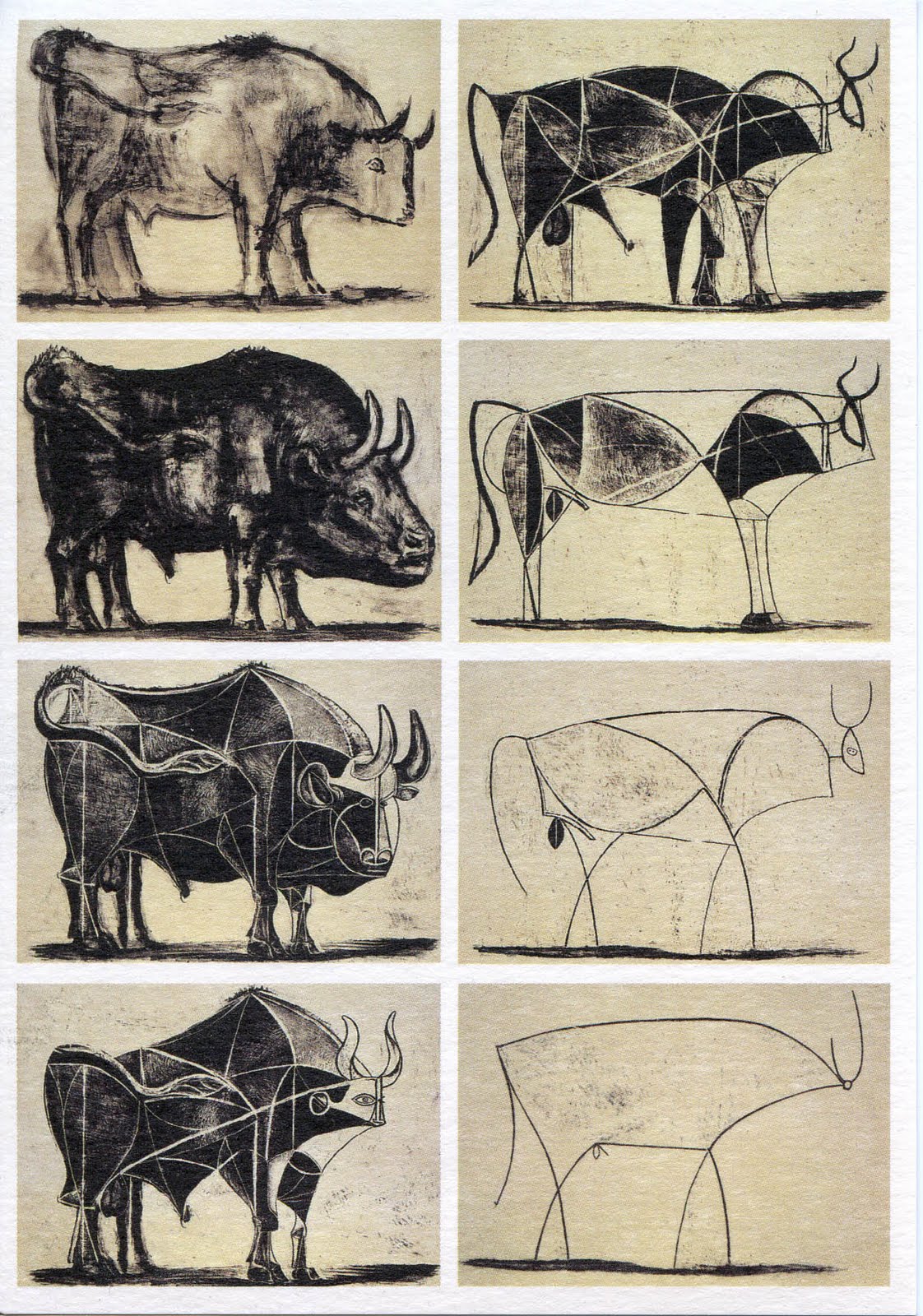
Cristina Butucea is a Professor of Statistics and Machine Learning at ENSAE-CREST, Institut Polytechnique de Paris . She was nominated an IMS Fellow (2019) for her contributions to nonparametric and high-dimensional statistics. She has co-organized major conferences like Fréjus 2018 , Luminy 2019-2020 , and Oberwolfach 2021 , and serves as Associate Editor for ALEA . Fields of interest: Nonparametric statistics, quantum statistics, differential privacy, inverse problems, machine learning. Awards: IMS Fellowship, conference organization leadership. Research trends: Focuses on optimal estimation under privacy constraints, quantum state reconstruction, high-dimensional inference, and adaptive nonparametric methods. Email: Cristina.Butucea@ensea.fr | Cristina.Butucea@ip-paris.fr
Robert D. Rupert is a Professor in the Department of Philosophy at the University of Colorado Boulder, within the College of Arts and Sciences. He is also Co-Editor-in-Chief of the British Journal for the Philosophy of Science , a Fellow of the Institute of Cognitive Science at CU-Boulder, and a member of the Committee for the History and Philosophy of Science. Ph.D., University of Illinois at Chicago, 1996 Robert Rupert's research lies at the intersection of philosophy of mind, cognitive science, metaphysics, and epistemology. His primary interests include mental representation, cognitive architecture, situated and extended cognition, group cognition, and the philosophical foundations of cognitive science. He critically examines the boundaries of the mind, the nature of concepts, and the role of embodiment and environment in cognition. His work often challenges traditional internalist views by advocating for more integrated, dynamic models of mind. His recent publications reflect a sustained engagement with predictive processing, self-modeling, enactivism, and the epistemic status of subpersonal processes. Themes across his work include the rejection of strict personal/subpersonal divides, the critique of group-level cognition, and the exploration of how cognitive systems extend into the environment. His research combines conceptual rigor with sensitivity to empirical findings in psychology and neuroscience. Robert Rupert has received several prestigious awards and fellowships, including: National Endowment for the Humanities Fellowship for College Teachers NEH Summer Research Stipend CU Provost's Faculty Achievement Award Kayden Book Award Fellow, Institute of Cognitive Science, CU-Boulder He has held visiting research positions at the University of Edinburgh, the Australian National University, and Ruhr-Universität Bochum. While no formal list of advisees or grants is provided, his editorial role and sustained publication record indicate significant influence and mentorship in the field. He has contributed to major debates in philosophy of mind and cognitive science through both original research and critical reviews. Rupert is affiliated with CU-Boulder’s Institute of Cognitive Science and contributes to interdisciplinary research through this institute. His work bridges philosophy and cognitive science, fostering collaboration across departments and institutions.
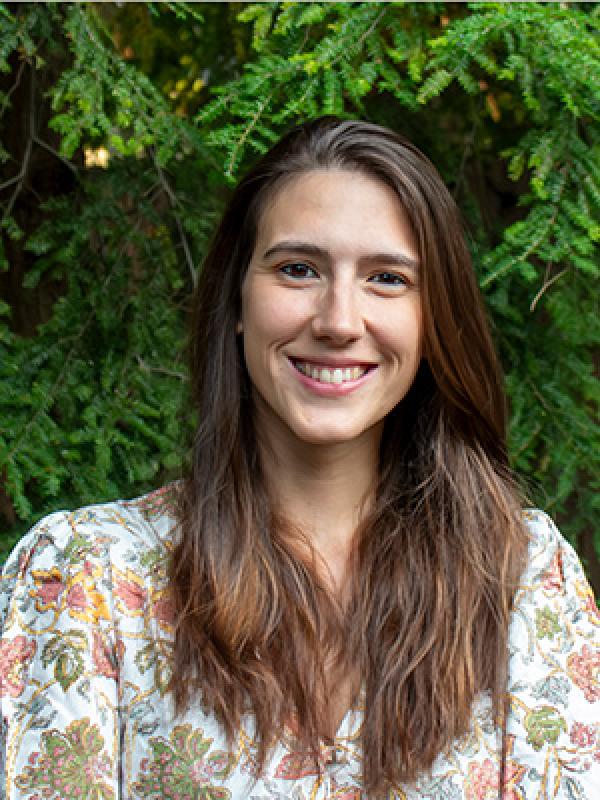
Mathangi Gopalakrishnan, PhD, MPharm, is an Associate Professor in the Department of Practice, Science, and Health Outcomes Research at the University of Maryland School of Pharmacy. She is actively engaged in research, mentoring, and academic scholarship, with a focus on quantitative clinical pharmacology and data-driven therapeutic optimization. Education: PhD, Statistics, University of Maryland, Baltimore County MS, Statistics, University of Maryland, Baltimore County MPharm, Birla Institute of Technology & Science, Pilani, Rajasthan, India BPharmacy (Honors), Birla Institute of Technology & Science, Pilani, Rajasthan, India Her research interests center on pharmacometrics, precision therapeutics, predictive analytics, real-world data, and drug development . She integrates principles of clinical pharmacology, advanced frequentist and Bayesian statistical methods, and artificial intelligence/machine learning to enhance patient outcomes, particularly among vulnerable populations. Her lab's work includes designing prospective clinical pharmacokinetic trials for anti-epileptics and antimicrobials in patients on continuous renal replacement therapy, leveraging real-world data from electronic health records to optimize dosing in neonatal opioid withdrawal syndrome and pediatric anticoagulation, and developing models for disease progression in conditions like schizophrenia and binge-eating disorders. The trends in her recent publications reflect a consistent focus on model-informed precision dosing, real-world evidence generation, pharmacokinetic-pharmacodynamic (PK/PD) modeling in special populations, and methodological innovation in clinical trial design . Her work spans diverse therapeutic areas including critical care, neonatology, psychiatry, and maternal health, demonstrating a broad impact of quantitative pharmacology. Dr. Gopalakrishnan is accepting applications for postdoctoral positions in pharmacometrics at the Center for Translational Medicine, indicating active research funding and team leadership. Her collaborations extend to academic medical institutions nationwide, underscoring her role in multi-center research initiatives. She is involved in collaborative research with academic medical institutions across the country and has presented her work at major conferences including the Joint Statistical Meetings (JSM) and the American Conference on Pharmacometrics (ACoP).
Joseph Koopmeiners is a Mayo Professor and Division Head of the Division of Biostatistics & Health Data Science at the University of Minnesota School of Public Health. He serves as a Member of the Masonic Cancer Center and Scientific Co-director of the RapidEVAL Program within the Center for Learning Health Systems Sciences. Education: PhD in Biostatistics, University of Washington (2009) MS in Biostatistics, University of Minnesota (2004) BA in Mathematics, St. John's University Koopmeiners develops advanced statistical methods to improve cancer prevention, detection, and treatment through biomarker validation and Bayesian adaptive methods for clinical trials. His research bridges biostatistics with practical applications in oncology, tobacco control, and public health policy. He focuses on innovative trial designs including basket trials, group-sequential methods, and virtual twin approaches that enhance clinical research efficiency. His recent publications demonstrate a strong trend toward adaptive clinical trial methodology, with significant contributions to Bayesian statistics, biomarker validation, and cancer research. Koopmeiners' work spans from fundamental statistical methodology to direct applications in cancer treatment, sepsis management, and tobacco regulation. Awards: Delta Omega, Honorary Society in Public Health Koopmeiners maintains active professional engagement through multiple research collaborations and leadership roles. As Division Head, he oversees biostatistical research and educational programs while directing the RapidEVAL Program focused on learning health systems. His methodological expertise supports numerous clinical trials and public health initiatives across cancer research and other medical domains. His work connects statistical innovation with real-world health applications through the Masonic Cancer Center and Center for Learning Health Systems Sciences, where he contributes to translational research infrastructure.
Jes Frellsen is an Associate Professor at the Department of Applied Mathematics and Computer Science (DTU) since 2016. Previously, he held academic positions at the IT University of Copenhagen (2016-2019), postdoctoral roles at University of Cambridge (2013-2016) and University of Copenhagen (2011-2013). Education: PhD in Bioinformatics (2011), University of Copenhagen MSc in Bioinformatics (2007), University of Copenhagen BSc in Mathematics and Computer Science (2005), University of Copenhagen EAP Exchange at University of California, Santa Cruz (2004-2005) Research Focus Jes Frellsen specializes in statistical machine learning , particularly generative AI and deep generative models with applications in bioinformatics . His work integrates Bayesian inference , directional statistics , and Markov chain Monte Carlo methods to address challenges in macromolecular structure prediction and missing data imputation . Recent efforts explore uncertainty quantification in image segmentation and generative modeling for materials science. Advising & Collaborations He actively supervises PhD students and postdoctoral researchers in projects spanning news recommendation systems , medical imaging , and 3D structure generation . Collaborations include work with Zoubin Ghahramani (Cambridge) and Thomas Hamelryck (Copenhagen), with contributions to protein structure prediction and statistical methods in structural bioinformatics .
Yi Li is the M. Anthony Schork Collegiate Professor of Biostatistics at the University of Michigan School of Public Health. With a PhD in Biostatistics from the University of Michigan (1999) and postdoctoral training at Harvard (1999-2000), Dr. Li has established himself as a leading researcher in statistical methodology with applications across multiple biomedical domains. Dr. Li's research spans survival analysis, data science, high-dimensional inference, machine learning, deep learning, spatial data analysis, random-effects models, clinical trial design, and infectious disease modeling. His methodological work finds application in cancer genetics/genomics, radiomics, racial disparity analysis, chronic disease research, and opioid overuse studies. With over 230 publications in major statistical journals including JASA, Biometrika, JRSSB, and Biometrics, as well as premier subject matter journals like PNAS, JAMA, and JCO, Dr. Li's work has significantly impacted both statistical theory and biomedical applications. His research portfolio demonstrates consistent evolution from foundational methodological work in survival analysis and spatial statistics to cutting-edge applications in high-dimensional data, machine learning, and deep learning approaches for complex biomedical problems. The recent publications reveal increasing focus on integrating multiple data sources, causal inference in observational studies, and developing interpretable machine learning models for clinical applications. Dr. Li's work has been continuously supported by NIH funding since 2003, including multiple National Cancer Institute grants (R01 CA95747, 1P01CA134294-010002, R21CA157219, R01CA249096, R01CA269398) and a National Institute on Aging grant (R21AG058198). He actively collaborates with researchers from the University of Michigan and Harvard University on clinical and observational studies. As an educator, Dr. Li has taught advanced courses in survival analysis and statistical methods, mentoring the next generation of biostatisticians. His methodological contributions have been widely recognized through invitations to serve on NIH study sections (BMRD 2008-2012, EPIC 2015-2019) and as Associate Editor for leading statistical journals including Journal of the American Statistical Association, Biometrics, and Scandinavian Journal of Statistics.
Jason Hartline is a Professor of Computer Science at the McCormick School of Engineering, Northwestern University, with a courtesy appointment in Managerial Economics & Decision Sciences. His research bridges computer science and economics, focusing on mechanism design, auction theory, and approximation algorithms. Ph.D. in Computer Science from the University of Washington (2003) Postdoctoral Fellow at Carnegie Mellon University (2003-2004) Researcher at Microsoft Research (2004-2007) His work develops methodologies to analyze and design economic systems using computational theory, particularly in auction mechanisms and non-truthful settings. Key contributions include the textbook Mechanism Design and Approximation and frameworks for Bayesian and prior-independent mechanism design. Recent publications (2018-2023) span topics like non-truthful mechanism learning, multi-dimensional agent modeling, and computational law. Collaborations include researchers from Harvard, Microsoft, and institutions across economics and theoretical computer science. Grants include multiple NSF awards (CCF, ECCS, HDR TRIPODS) for projects in data economics, machine learning integration, and peer grading systems. Former advisees hold academic positions at Stanford, Yale, and Penn State.
Sally Paganin is an Assistant Professor of Statistics at The Ohio State University, affiliated with the Department of Statistics within the College of Arts and Sciences. She joined the faculty in 2023 and holds a PhD from the University of Padova (2019). Her research focuses on Bayesian statistics, computational methods, and latent variable modeling, with recent emphasis on genomic data analysis for cancer detection and software development for hierarchical models. Her expertise spans Bayesian nonparametrics, statistical computing, and domain knowledge integration in modeling frameworks. She actively contributes to the NIMBLE project, an R-based platform for hierarchical modeling, and has developed open-source tools like the compareMCMCs package for MCMC efficiency analysis. Dr. Paganin serves as an Associate Editor for the software section of The New England Journal of Statistics in Data Science and previously served as Treasurer of j-ISBA (2021–2022). Her work bridges theoretical advancements with practical applications in healthcare and computational statistics. Key research themes include Bayesian model assessment, latent variable models, and statistical methods for complex data structures. Her publications reflect contributions to MCMC algorithms, semiparametric IRT models, and prior-driven clustering techniques.
David L. Darmofal is the Vice Chancellor for Undergraduate and Graduate Education and the Jerome C. Hunsaker Professor of Aeronautics and Astronautics at MIT. He leads the Aerospace Computational Science & Engineering (ACSEL) Lab and contributes to the MIT Center for Computational Science & Engineering (CCSE). His research focuses on computational methods for PDEs (especially fluid dynamics) and engineering education innovation. He holds a BS from the University of Michigan and SM/PhD from MIT, with postdoctoral work at the University of Michigan. Notable awards include the MacVicar Faculty Fellow (2004), Earll M. Murman Award (2011), and NSF CAREER Award (1998). Education: B.S.E., University of Michigan, 1989 S.M., MIT, 1991 Ph.D., MIT, 1993 Affiliations: MIT Schwarzman College of Computing Aerospace Computational Design Laboratory (ACSEL) His research emphasizes higher-order adaptive finite element methods, space-time mesh adaptation, and turbulence modeling. He teaches courses in computational methods and fluid dynamics. Recent projects include the Metris open-source meshing software and studies on sonic boom propagation. His work bridges computational science and engineering education, with a focus on evidence-based pedagogy. Awards & Recognition: Michael M. Byram Visiting Professorship (2021) Common Ground Excellence in Teaching Award (2024) AIAA Student Chapter Teaching Awards (2005, 2013) Bisplinghoff Fellow & Alumni Merit Award (2012) Advising & Grants: Over 130 peer-reviewed publications, leadership in MIT’s Common Ground initiative, and mentorship of postdocs/UROPs (e.g., Emily Williams, Lucien Rochery). Active in interdisciplinary collaborations, including DOE projects on physics-informed PDEs and NASA’s CFD Vision 2030 study.
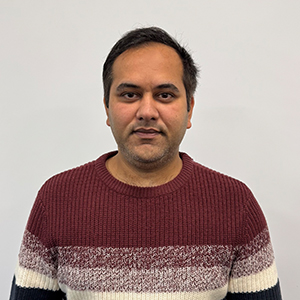
Dr. Ram Bajpai is a Lecturer in Epidemiology/Applied Statistics at Keele University's School of Medicine. He joined in 2019 as part of the Research Institute for Primary Care and Health Sciences, combining active research and teaching roles. Previously, he worked at the Lee Kong Chian School of Medicine (Nanyang Technological University, Singapore) and the Army College of Medical Sciences (India). Education: BSc in Statistics/Mathematics (University of Lucknow), MSc Health Statistics (Banaras Hindu University), PhD in Medical Statistics (Guru Gobind Singh Indraprastha University). Research focuses on cross-domain applications of statistical/epidemiological methods, including survival analysis, Bayesian methods, risk prediction modelling, and evidence synthesis. Teaching experience includes biostatistics modules for medical students at multiple institutions. Current research interests span prognostic studies, meta-analysis, complex data analysis, and design of epidemiological studies. Key contributions include systematic reviews on gout prophylaxis safety, dementia prognostic factors, and long-term outcomes of pediatric COVID-19. Active in collaborative projects on aging populations, musculoskeletal health, and public health interventions.
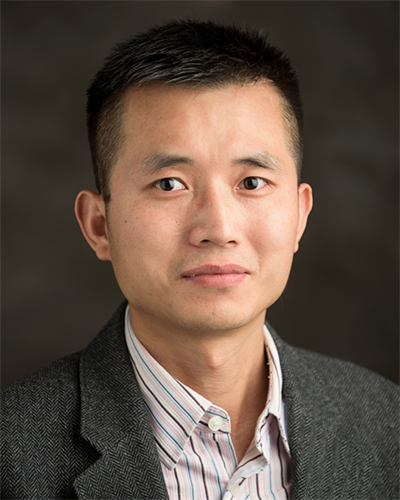
Liping Liu is an Associate Professor in the Department of Computer Science at Tufts University's School of Engineering. He holds a Ph.D. from Oregon State University and has held postdoctoral positions at Columbia University and Tufts. His research focuses on machine learning, generative models, graph learning, and their applications in biochemical data analysis and fluid dynamics simulation. His work on graph generative methods earned the NSF CAREER Award. Education: Ph.D. (Oregon State University, 2016), M.Sc. (Nanjing University, 2009), B.S. (Hebei University of Technology, 2006). Research Interests: Machine Learning, Deep Learning, Generative Models, Time Series, Graph Learning. Dr. Liu's research emphasizes probabilistic modeling and neural networks, addressing challenges in graph generation, data-driven physics simulation, and biochemical analysis. His recent work includes advancements in graph-based recommendation systems, turbulence modeling, and enzymatic reaction prediction. His publications span top AI conferences like NeurIPS, ICML, and ICLR. He has secured grants totaling over $9 million, including the NSF CAREER Award and NIH funding for metabolomics and enzymatic promiscuity studies. His teaching includes courses on generative models, deep learning, and machine learning for graph analytics. Awards: NSF CAREER Award (2023), NIH grants, DARPA ACT-NOW project (2019). Service: NSF panelist, program committee member for AAAI, NeurIPS, and IJCAI.
Sinan Yıldırım is a Researcher in the Faculty of Engineering and Natural Sciences at Sabancı University, Turkey. His primary research focuses on Bayesian Statistics, Monte Carlo methods, and data privacy, with interdisciplinary applications in machine learning and signal processing. He holds a BSc and MSc in Electrical and Electronics Engineering from Boğaziçi University, followed by a PhD in Mathematical Statistics from the University of Cambridge. Postdoctoral research (2013-2015) at the University of Bristol’s School of Mathematics involved the EPSRC-funded project 'Intractable Likelihood: New Challenges from Modern Applications (i-like).' His work bridges theoretical statistics with practical problems in privacy, control systems, and energy optimization. Research interests emphasize Bayesian methodologies for privacy-preserving data analysis, dynamic modeling of complex systems, and stochastic optimization algorithms. Recent publications explore differential privacy in machine learning, Monte Carlo techniques for high-dimensional inference, and applications of Bayesian methods in robotics and energy systems. Advising and grants include contributions to multi-party resource sharing frameworks and privacy-aware algorithms. His work integrates computational methods with real-world challenges in engineering and policy modeling.
Dr. Chong Liu is an Assistant Professor of Computer Science at the State University of New York at Albany (SUNY Albany) in the College of Nanotechnology, Science, and Engineering. He received his PhD in Computer Science from UC Santa Barbara in 2023 and completed a postdoctoral fellowship at the University of Chicago's Data Science Institute (2023-2024). His research focuses on Machine Learning and AI for Science, particularly Bayesian optimization, bandit algorithms, generative models, and AI applications in drug discovery. He has received the SUNY IITG/OER Impact Grant and serves as Associate Editor for IEEE-TNNLS, Area Chair for ICML/AISTATS, and editorial board reviewer for JMLR. PhD: UC Santa Barbara (2023), advised by Yu-Xiang Wang Postdoc: University of Chicago Data Science Institute (2023) Research Interests : Broad: Machine Learning, Optimization, AI for Science Specific: Bayesian optimization, Bandit algorithms, Active learning, Experimental design, Generative models, AI for drug discovery Applications: Binding affinity prediction, Drug screening, Policy optimization Recent Article Trends : His 2024-2025 publications focus on extending Bayesian optimization theory under practical constraints, quantum-accelerated bandit methods, and multi-objective optimization for drug discovery. Earlier works include private learning frameworks and human-in-the-loop systems. Scientific Awards : 2025: SUNY IITG/OER Impact Grant Professional Activities : Organized NeurIPS workshops on AI for Drug Discovery (2023, 2025), co-organizing INFORMS sessions, and serving on program committees for ICML, NeurIPS, ICLR, and AAAI. He has given invited talks at institutions including University of Chicago, UC Santa Barbara, and Genentech. Teaching : Teaching courses like Numerical Methods (CSI 401) and Machine Learning (CSI 436/536) with syllabi spanning 2024-2025 semesters.
William S. Oates is the Cummins, Inc. Professor of Engineering in the Department of Mechanical Engineering at Florida A&M / Florida State University. He holds affiliations with the Mechatronics and Energy Center and the Florida Energy Systems Consortium (FESC). His research focuses on solid mechanics of multifunctional materials, quantum-informed continuum modeling, and applications in robotics, aerospace, and energy systems. He has advised over 20 graduate students and holds awards including ASME Fellow (2018) and NSF CAREER Award (2011). Education: Ph.D. from Georgia Institute of Technology. Research spans smart materials, fractal media mechanics, and quantum computing for material modeling. Key projects include high-temperature sapphire pressure sensors, photomechanical polymers, and Bayesian uncertainty quantification in materials science. Notable awards include DARPA Young Faculty Award (2009) and FSU Guardian of the Flame Teaching Award (2010). His lab collaborates with the National High Magnetic Field Lab and Challenger Learning Center for K-12 outreach. Current research includes quantum algorithm implementation for engineering applications and fractal-based viscoelastic models.
Jana Mareckova is an Assistant Professor of Econometrics at the Swiss Institute for Empirical Economic Research (SIEW), part of the School of Economics and Political Science (SEPS) at the University of St. Gallen. She joined the university in 2020 after completing a postdoc at SEW-HSG following her PhD from the University of Konstanz (2019). Her research focuses on causal machine learning, shrinkage methods, regularization techniques, and labor economics. She explores applications in labor market outcomes and fairness, leveraging econometric tools to address real-world economic questions. Education: PhD in Econometrics, University of Konstanz (2019); Postdoc at SEW-HSG (pre-2020). Research interests include shrinkage estimation for categorical regressors, causal inference via machine learning, and predicting economic outcomes using noncognitive skills. Her work bridges statistical theory with practical policy analysis, as seen in her 2021 Journal of Econometrics publication on shrinkage methods. Recent projects emphasize causal forests and comprehensive frameworks for policy evaluation. No scientific awards are listed, though her contributions to causal ML and econometric methods are notable. She has no documented advising or grant information. Her research is affiliated with SIEW, focusing on empirical economic research.