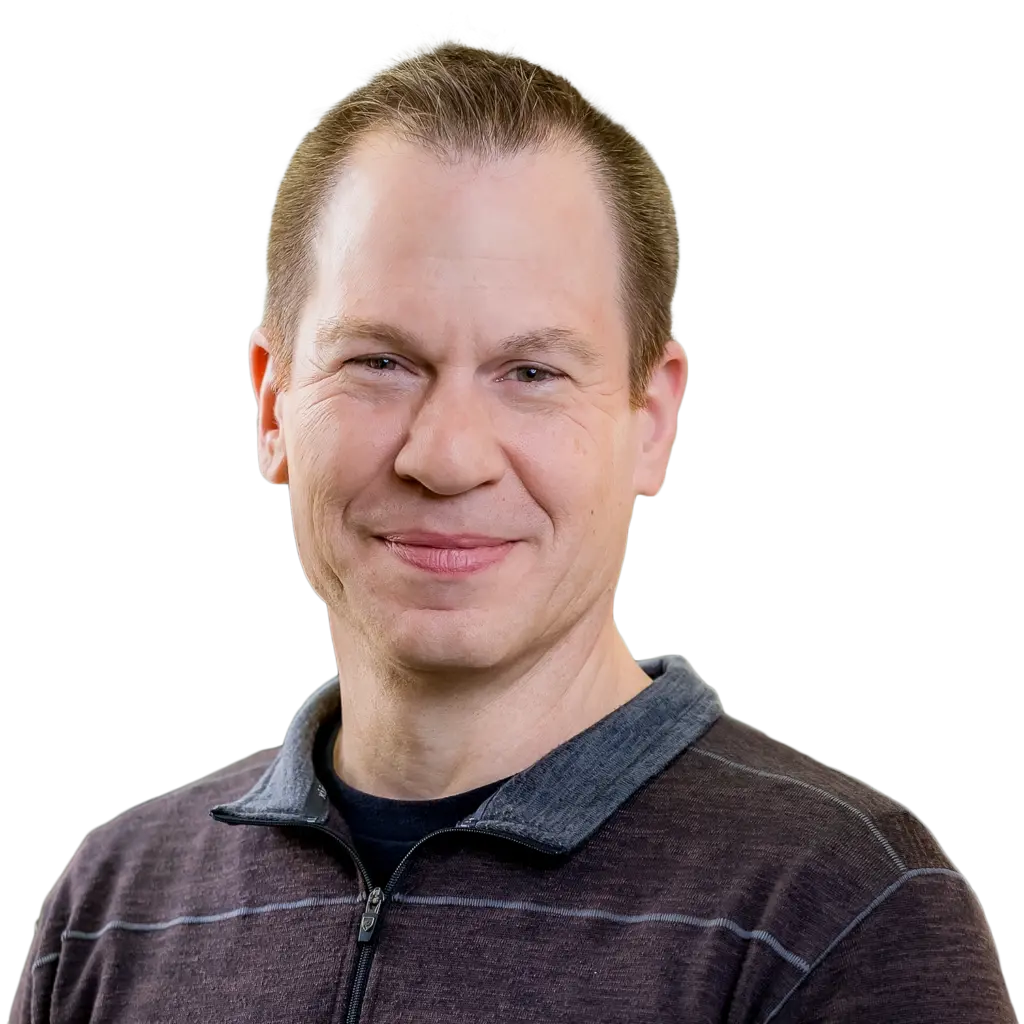
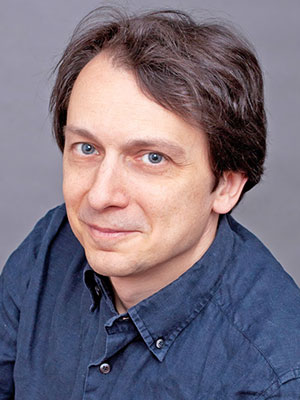
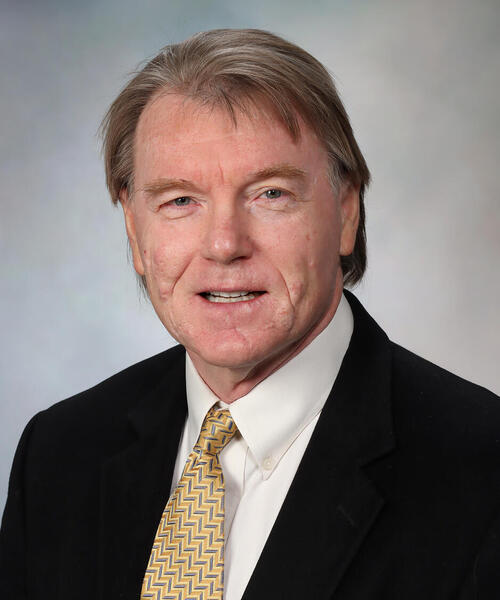
Prof. Waldemar Kolanus leads the Molecular Immunology and Cell Biology department at the University of Bonn's Life & Medical Sciences Institute (LIMES) . His research bridges immunoregulation , stem cell dynamics , and metabolic stress responses in immune cells. Unit 2 member at LIMES Principal investigator in SFB 704 and ImmunoSensation Cluster Leads a multidisciplinary lab with postdocs, PhD students, and technical staff His work focuses on intracellular signaling pathways connecting immune activation to tissue homeostasis, particularly through: Cytohesin proteins in integrin-mediated adhesion and migration TRIM71 in stem cell regulation and congenital hydrocephalus High-salt environments affecting macrophage function Publication trends show expertise in immune cell migration , genetic models , and chemical inhibition , with frequent use of mice and zebrafish for in vivo studies. Key articles explore: TRIM71's dual role in auditory development and germ cell maintenance Cytohesin family's Golgi regulation and insulin signaling Ruxolitinib's off-target migration inhibition of dendritic cells Contact details: Address: LIMES Institute, Carl-Troll-Straße 31, Bonn Email: kolanus.sekretariat@uni-bonn.de Phone: +49 228 73-62788
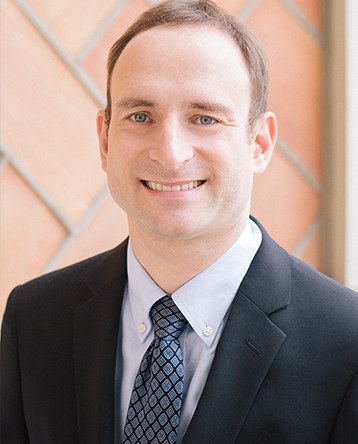
Ryan M Hebert, MD, is an Assistant Professor of Neurosurgery at the Yale School of Medicine, affiliated with the Neurosurgery department. He specializes in neurovascular disorders, including open and endovascular treatments for intracranial aneurysms, arteriovenous malformations, carotid disease, and dural arteriovenous fistulas. He also focuses on interventions for ischemic and hemorrhagic strokes. His practice locations include Yale New Haven Hospital and Lawrence and Memorial Hospitals in Connecticut. Education & Training: Bachelor’s in Molecular, Cellular, and Developmental Biology from the University of Colorado – Boulder (Howard Hughes Undergraduate Research Grant recipient) MD from Yale School of Medicine (NIH-funded thesis on CCM3 in cerebral cavernous malformations) 7-year Neurosurgery Residency at Yale New Haven Hospital, including enfolded neuro-interventional training CAST-accredited fellowship in Endovascular Neurosurgery and Neurovascular Critical Care at Thomas Jefferson University Hospital (2016) Research Interests: Dr. Hebert’s work centers on emerging surgical and endovascular techniques for neurovascular disorders, risk stratification in carotid disease, vasospasm prediction/post-subarachnoid hemorrhage treatment, and outcomes of minimally invasive spine surgery. His studies often integrate clinical practice with translational research, emphasizing patient outcomes and procedural optimization. Key topics include flow diverters, cranial nerve palsies, hospital frailty risk scores, and immune mechanisms driving aneurysm rupture. Publications Trends: His recent articles emphasize clinical outcomes of endovascular procedures, stroke interventions, and immune mechanisms in aneurysm rupture. He frequently collaborates on meta-analyses and systematic reviews to evaluate treatment efficacy and complication rates, particularly involving cranial nerve recovery and thrombectomy volumes. Awards & Grants: He secured an NIH-funded thesis and a Howard Hughes Undergraduate research grant. No explicit scientific awards are listed, but his work has been recognized via peer-reviewed publications and contributions to clinical guidelines. Advising & Grants: While no students are listed, he collaborates with prominent researchers like Charles Matouk, Kevin Sheth, and Joseph Antonios on NIH-funded projects. His research addresses healthcare resource utilization and procedural volume impacts on mortality, indicating a focus on translational and clinical studies. Labs & Teams: Active in interdisciplinary teams at Yale School of Medicine, particularly in neurovascular critical care and endovascular surgery. Collaborates with the Stroke Center and Janeway Society for physician-scientist development.
Karoline Faust is an Associate Professor at KU Leuven, affiliated with the Laboratory of Molecular Bacteriology (Rega Institute) and the Faculty of Medicine . She contributes to the iSi Health and Leuven One Health institutes, and serves on senior academic councils. Her research spans microbial systems biology, focusing on community dynamics and network analysis. Education: PhD in bioinformatics (2010, KU Leuven) Affiliations: KU Leuven, ISME Journal editorial board, Belgian Society for Microbiology Her research investigates microbial community dynamics , systems biology approaches to microbiomes, and bioinformatics tool development . She specializes in modeling human gut microbiota , synthetic microbial communities , and environmental microbiomes (e.g., microplastic impacts on Daphnia microbiomes). Her work integrates metabolic modeling , network analysis , and experimental systems to understand microbial interactions. Recent publications highlight her contributions to microbial network inference , 16S rRNA sequencing protocols , microfluidics , and ecological modeling of microbiomes. She develops tools like manta , miaSim , and CoNet to analyze community structures. Teaching: Karoline co-teaches courses in microbiology, bioinformatics, and network analysis at KU Leuven, and has contributed to international workshops on microbial network inference. Scientific Engagement: She serves as Senior Editor at ISME Journal and Secretary of the Belgian Society for Microbiology .
Nonappa Nonappa is an Associate Professor (tenure track) in Nanochemistry at Tampere University's Faculty of Engineering and Natural Sciences since 2020. With a multidisciplinary background spanning organic chemistry, supramolecular systems, nanoparticle self-assembly, and advanced electron microscopy, he leads research at the intersection of materials science and biomedical applications. PhD in Organic Chemistry (IISc Bangalore, 2008) Docent in Soft Matter Microscopy (Aalto University, 2017) Executive MBA (Quantic School, 2020) Research focuses on bio-based optical materials using nanocellulose for sustainable photonics, breast cancer models via lab-on-a-chip systems, and precision nanomaterials through tailored self-assembly mechanisms. His team develops 3D extracellular matrices for cancer tissue culture and plasmonic nanodevices for photonic applications. Recent publications highlight gold/silver nanocluster assemblies (43+ citations in 2021-2025), electron tomography for structural analysis, and metastasis modeling systems. Key awards include Italy's Abilitazione Scientifica Nazionale (2018) and Aalto University's Docent title (2017).
Dane Morgan is a Professor in the Department of Materials Science & Engineering at the University of Wisconsin-Madison, College of Engineering. His research focuses on computational materials science for materials design, including ab initio electronic structure modeling, multiscale methods, and machine learning applications in materials discovery. His work spans nuclear materials, battery and fuel cell electrodes, and electronic materials. Education : PhD, 1998, University of California, Berkeley MS, 1994, University of California, Berkeley BA, 1992, Swarthmore College Research Interests : Computational materials science, ab initio methods for electronic structure and thermokinetics, machine learning for materials discovery, electrochemical systems modeling, and applications in nuclear materials, batteries, and electronic materials. His work integrates advanced computational techniques with experimental validation. Scientific Awards : 2024 APL Materials, Editors Pick 2023 Microscopy and Microanalysis Best Paper Award (Instrumentation and Software category) 2023 IEEE Transactions on Plasma Science Best Paper Award 2023 Kellet Mid-Career Award 2015 TMS Materials Genome Initiative Ambassador 2006 3M Technical Nontenured Faculty Grant
Karan S Dixit, MD is an Assistant Professor in the Department of Neurology at Northwestern University's Feinberg School of Medicine, specializing in neuro-oncology and serving as Fellowship Director for the education program. His educational background includes: MD from Louisiana State University (2011) Internal Medicine Internship at University of Illinois at Chicago (2012) Neurology Residency and Chief Medical Resident at University of Illinois at Chicago (2015) Neuro-Oncology Fellowship at Northwestern University McGaw Medical Center (2016) He maintains board certification in Neurology (American Board of Psychiatry and Neurology) and Neuro-Oncology (United Council for Neurologic Subspecialties). Dr. Dixit's research centers on CNS lymphoma, lower-grade gliomas, and glioblastoma, with emphasis on novel therapies for treatment resistance. He investigates biomarkers for disease monitoring and explores neurocognitive decline mechanisms related to neural connectivity changes during CNS cancer treatment. His work bridges clinical neurology with translational oncology through molecular diagnostics and therapeutic innovation. His 2025 publications reveal three critical research trajectories: molecular characterization of glioma mutations (TERT/IDH), liquid biopsy applications for CNS lymphoma diagnosis, and repurposing antiseizure drugs with antineoplastic potential. These studies collectively advance precision medicine approaches for treatment-resistant CNS malignancies. Professional recognition includes: John A Kessler Teaching Award (2022, 2019) NeuroNEXT Fellow (2020) Society of Neuro-Oncology Clinical Trials Course (2019) University of Illinois Teaching Excellence Awards (2014-2015) As Fellowship Director, Dr. Dixit mentors neuro-oncology trainees while leading three active clinical trials: Vorasidenib/Pembrolizumab for IDH-mutant glioma (NCT05484622), NX-5948 BTK degrader for CNS lymphoma (NCT05131022), and emavusertib for relapsed PCNSL (NCT03328078). His industry collaborations include Bluprint Oncology Concepts and Servier Pharmaceuticals for therapeutic development. He maintains active membership in the Feinberg Academy of Medical Educators, American Neurological Association, American Academy of Neurology (Neuro-Oncology Section), American Society of Clinical Oncology, and Society of Neuro-Oncology, collaborating through Northwestern Medicine's Robert H. Lurie Comprehensive Cancer Center and Clinical and Translational Sciences Institute.
Stefano Fusi is an Associate Professor of Neuroscience at Columbia University's Vagelos College of Physicians and Surgeons, with joint affiliations at the Mortimer B. Zuckerman Mind Brain Behavior Institute and Kavli Institute. His laboratory focuses on computational modeling of neural circuits and neuromorphic engineering. Education PhD in Physics, Hebrew University of Jerusalem (1999) BS in Physics, Sapienza University of Rome (1992) Research Focus Fusi investigates how biological complexity supports neural computation through three primary domains: theoretical analysis of neural circuit dynamics, representational geometry in learning systems, and hardware implementations of brain-inspired algorithms. His work bridges machine learning, neurophysiology, and theoretical physics, emphasizing high-dimensional representations and memory optimization. Recent publications demonstrate consistent focus on neural coding principles across hippocampus, prefrontal cortex, and sensory systems, with innovations in modeling working memory, stress responses, and cross-species computational paradigms. Collaborations & Labs Leads an interdisciplinary laboratory collaborating with Columbia experimental neuroscientists, MIT engineers, and Stanford computational researchers to validate theoretical models. Current projects include neuromorphic hardware development and neural decoding of emotional states.
Professor Guy Williams is a leading academic at the University of Cambridge with a focus on imaging science and clinical neurosciences, affiliated with Downing College and the Wolfson Brain Imaging Centre . Holding a PhD in Physics from his initial Natural Sciences degree, he specializes in nuclear magnetic resonance (NMR) and MRI techniques for brain imaging. Education: BA, PhD in Physics His research centers on non-invasive imaging of brain structure and function, particularly in traumatic brain injury (TBI) and dementia. His work involves developing novel MRI pulse sequences and advanced data analysis algorithms, including AI-based diagnostic tools. He leads studies on white matter integrity post-trauma, longitudinal dementia assessment, and applications of MRI in disorders of consciousness and addiction. Recent publications highlight collaborations in traumatic brain injury outcomes, AI-guided dementia prediction, and neuroimaging of post-COVID cognitive deficits. His team's work on ultra-high field laminar fMRI and distortion correction methods has advanced clinical neuroscience applications. Key techniques include diffusion tensor imaging (DTI), 7 Tesla MRI, and positron emission tomography (PET/MR). His research spans from basic NMR physics to clinical translation, with a strong emphasis on multi-site studies and real-world diagnostic implementation.
Jonny Kohl is a Group Leader at the Francis Crick Institute , where he established the State-dependent Neural Processing Laboratory in 2019. His work bridges neural circuits and internal physiological states (e.g., hunger, pregnancy) to decode instinctive behaviors like parenting and aggression in mice. PhD: MRC Laboratory of Molecular Biology, Cambridge (2013) Postdoc: Harvard University (2014–2019) with support from EMBO, HFSP, and Wellcome Trust fellowships Research Interests : Kohl investigates how hormonal and metabolic states dynamically rewire neural circuits to drive adaptive behaviors. His lab combines circuit neuroscience , molecular biology , and behavioral profiling to study: State-dependent neural processing in parental behavior Chemosensory dominance hierarchies in mice Plasticity mechanisms in aggression circuits Development of ultrafast tissue labeling and cryoanesthesia tools Scientific Trends : His recent publications highlight hormone-mediated synaptic remodeling (2023), cost-effective lab tools (2023), and brain-wide activity mapping (2016). Collaborative work spans computational biology , metabolism , and imaging disciplines. Honors: NARSAD Young Investigator Award (2019), ERC Starting Grant (2019), Wellcome Trust Discovery Award (2025) Grants: BBSRC Research Grant (2025), BBSRC Pioneer Grant (2023) His lab mentors PhD and MSc students and has developed open-source neuroscience tools (e.g., cryoanesthesia device, 2023). Kohl's research has been featured in Nature , Science , and Cell .
Kenneth Hoehn is an Assistant Professor in the Department of Biomedical Data Science at the Geisel School of Medicine, Dartmouth College. As a computational immunologist with expertise in evolutionary biology, he develops computational evolutionary approaches to trace cellular lineages, particularly B cells, in contexts such as infection, vaccination, cancer, and autoimmune diseases. His research focuses on understanding adaptive immunity in conditions like COVID-19 Food allergies Myasthenia gravis through collaborations with experimental teams. Key projects include: Phylogenetic modeling of B cell responses Evolutionary signatures in immune repertoires Tracking B cell dissemination in autoimmune diseases Epigenetic regulation of memory B cells Recent publications highlight trends in single-cell immunology , phylogenetic inference , and computational tools for analyzing B cell dynamics. His lab at Dartmouth integrates evolutionary genetics with high-resolution immune profiling.
Prof. Dr. Aimee van Wynsberghe is the Alexander von Humboldt Professor for Applied Ethics of Artificial Intelligence at the University of Bonn. She serves as Director of the Institute for Science and Ethics (IWE) and founded the Bonn Sustainable AI Lab. Her affiliations include the German National Academy of Sciences Leopoldina, the European Commission's High-Level Expert Group on AI (2018-2020), and advisory roles at Deloitte, the World Economic Forum, and the Konrad Zuse Schools for AI Excellence. . Education PhD in Applied Ethics, University of Twente (2012) M.A. in Bioethics, Erasmus Mundus (2008) M.A. in Applied Ethics, Catholic University of Leuven (2007) B.Sc. in Honours Cell Biology, University of Western Ontario (2006) Research Interests focus on integrating ethical frameworks into AI and robotics design. Key areas include AI ethics, robotics ethics, digital ethics, care ethics, and value-sensitive design. She pioneered ethical guidelines for care robots and explores systemic risks in AI sustainability. Publication Trends show a shift toward sustainability challenges in AI, analyzing hidden environmental costs, post-colonial biases in AI standards, and structural ethical frameworks. Her work bridges philosophy, technology, and policy to address global AI impacts. Scientific Awards L'Oréal UNESCO For Women In Science Award (2018) Grants include a 3.8M EUR Mercator Foundation grant (2022), 3.5M EUR Humboldt Professorship (2021), NWO Gravitation Grant (2020), and others. She advises governments and institutions on AI ethics and co-founded the Foundation for Responsible Robotics. Labs & Teams : She leads the Bonn Sustainable AI Lab and has directed the Artificial Intelligence Lab at TU Delft. Her work involves interdisciplinary collaborations, including the interdisplinary task force at Aarhus University (2025).
Dr. John A. Copland III is a Professor of Cancer Biology and Biochemistry & Molecular Biology at Mayo Clinic in Jacksonville, Florida. He leads the Cancer Biology and Translational Research Laboratory, focusing on molecular mechanisms of carcinogenesis, tumor progression, and development of targeted cancer therapies. Education: PhD in Physiology & Endocrinology (Medical College of Georgia), MS in Endocrinology (Medical College of Georgia), BS in Chemistry (Columbus College), with postdoctoral training at University of Texas Medical Branch. Research interests center on: Identifying tumor suppressor genes (e.g., RhoB, TBR3, GATA3) and oncogenes (e.g., FOXO3a, SCD1, NPTX2). Developing patient-derived xenografts and live cell models for personalized medicine. Designing SCD1 inhibitors via in silico modeling for clinical trials. Recent publications highlight his work on SCD1 inhibition in leukemia and thyroid cancer ImmunoPET imaging of thyroid tumors CRISPR-identified drug synergies in cholangiocarcinoma Patient-specific combination therapies using xenograft models
Torben Barington is a Clinical Professor at the Department of Clinical Research, Faculty of Health Sciences, University of Southern Denmark, and a Consultant at the Department of Clinical Immunology, Odense University Hospital. He has held this position since August 2001 and continues to be actively involved in research, teaching, and clinical leadership. MD, University of Copenhagen, 1987 Doctoral Thesis (dr.med.), University of Copenhagen, 1996 Specialist in Clinical Immunology, 1998 His research focuses on cellular immunotherapy of cancer , particularly using CAR T-cell and CAR NK-cell technologies, primary immunodeficiencies , and the B-lymphocyte repertoire and immunoglobulin genes . His work bridges fundamental immunology with clinical applications in oncology and immunodeficiency disorders. His recent publications (2024–2025) highlight advancements in CAR T/NK-cell characterization, cytotoxicity assays, clinical translation, and tumor microenvironment interactions. These works reflect a strong trend toward translational immunology , with emphasis on personalized cancer therapy , single-cell technologies , and clinical trial development . Scientific Awards: Aage og Edith Dyssegaards Fonds æreslegat (1993) Silver Medal, University of Copenhagen (1981) He has supervised over 30 thesis students and currently mentors several graduate students in CAR-based cancer immunotherapies. He serves as an examiner for PhD defenses at both the University of Southern Denmark and the University of Copenhagen. He is also actively involved in national scientific leadership, including as Chairman of the Scientific Committee of the Danish Blood Donor Organization since 2011 and as a member of the Advisory Board for Clinical Immunology in the Region of Southern Denmark since 2007. His research is conducted in collaboration with multidisciplinary teams focusing on cellular immunotherapy , clinical immunology , and translational hematology , often in partnership with Odense University Hospital and national blood and immunology networks.
Franz Franchetti is the Kavčić-Moura Professor of Electrical & Computer Engineering at Carnegie Mellon University. He serves as Associate Dean for Research and Director of the Engineering Research Accelerator at CMU. Education: Ph.D. in Computational Mathematics (Vienna University of Technology, 2003) M.Sc. in Technical Mathematics (Vienna University of Technology, 2000) His research interests focus on automatic performance tuning and program generation for emerging parallel computing platforms , including multicore CPUs , GPUs , and 3DIC chip design . He leads the SPIRAL effort to automate highly optimized software libraries and explores domain-specific compiler transformations in HPC applications for smart grids and material sciences . Recent work extends SPIRAL to quantum computing . The scientific awards Franchetti has received include the Gordon Bell Prize (2006) , HPC Challenge Class II Award (2010) , and the CIT Dean's Early Career Fellowship (2013) . He and his students have won multiple Best Paper Awards at HPEC, DAC, and ISPA ACM TODAES Best Paper (2014) Student Research Competition wins (PACT 2024, CGO 2023) Franchetti has advised students like Richard Veras and Thom Popovici . He has secured significant grants from agencies such as DARPA, DOE, NSF, and industry partners (Intel, NVIDIA, Mercury). He co-founded SpiralGen, Inc. and holds leadership roles in organizations like ASciNA Western Pennsylvania and as Honorary Consul of Austria in Pittsburgh.
Yevgeny Brudno, PhD, is an Associate Professor at the Eshelman School of Pharmacy (UNC-Chapel Hill) with a joint appointment in Biomedical Engineering (UNC and NC State University). He is a member of the UNC Lineberger Comprehensive Cancer Center and leads the Brudno Lab, which specializes in drug delivery and biomaterials for cancer immunotherapy, particularly CAR T cell therapy. Research Focus: Development of implantable biotechnologies for in vivo CAR-T cell production, biomaterials for therapeutic delivery, and click chemistry-based drug targeting. Education: PhD (unspecified institution). The lab’s research bridges chemical and biomaterials science with clinical needs, emphasizing on-demand drug release , solid tumor targeting , and autoimmune disease treatments . Recent work includes bioinstructive scaffolds and tissue-reactive drug depots , leveraging click chemistry and nanomedicine . His scientific contributions are highlighted by 15 publications (2009–2025) in fields like biotechnology, cancer immunotherapy, and epigenetics. Notable awards include the NCI MERIT Award , University Faculty Scholar (NC State), and Outstanding Teacher Award (NC State). Advising: Mentored 13 PhD and Master’s students, including Sharda Pandit (2023), Chris Moody (2021), and Emily Joe (2024). Lab announcements highlight student achievements like NSF and NIH fellowships. The Brudno Lab collaborates with UNC Lineberger and NC State, focusing on streamlining therapy production , enhancing efficacy in solid tumors , and autoimmune disease applications , supported by grants from NCI and CMI.