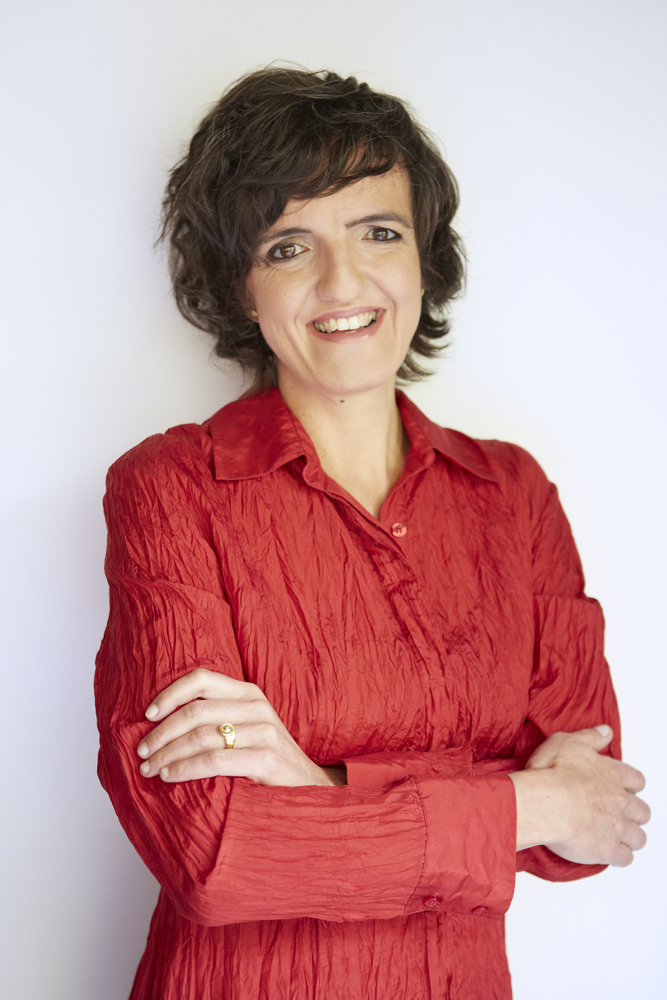
Michael McAlpine is a Professor in the Mechanical Engineering department at the University of Minnesota . He also holds affiliations with the Biomedical Engineering and Electrical and Computer Engineering departments. His research focuses on 3D printing functional materials & devices , Nanoscale inks , Biomedical devices , Bioelectronics , and Flexible Microsystems . Research Interests : 3D Printing, Biomedical Engineering, Nanotechnology, Flexible Electronics, Microfluidics Labs : ME 361/363 Contact : mcalpine@umn.edu , (612) 626-3303, ME 117 Recent Research Trends include 3D Printed Biomedical Devices , Flexible Electronics , and Bioprinting Applications . His work spans from Spinal Organoid Formation to Programmable Drug Release Capsules . Scientific Award : Circulation Research 2020 Best Manuscript Award
Vibhu Sahni, Ph.D., is an Assistant Professor of Neuroscience and Lab Director of the Laboratory for Cell Fate Specification and Circuit Development at the Burke Neurological Institute, an affiliate of Weill Cornell Medicine. His research focuses on understanding molecular mechanisms underlying corticospinal circuit development and regeneration, particularly after injuries like spinal cord injury or stroke. His work integrates developmental neuroscience principles to identify strategies for repairing neural circuits involved in motor control. Research interests include axon guidance, segment-specific neural circuit formation, and the molecular basis of neural regeneration decline during development. Key projects investigate how genes like Cbln1 direct axon targeting to thoraco-lumbar regions and why long-distance regenerative ability varies across spinal segments. Recent publications highlight discoveries in segmental axon targeting specificity and the dynamic loss of regenerative capacity in corticospinal neurons. His lab employs advanced techniques such as single-cell RNA sequencing, in vivo electroporation, and microsurgical lesion models to study these processes. Current grants include funding from the Craig H. Neilsen Foundation and Wings for Life Spinal Cord Research Foundation to advance molecular strategies for corticospinal circuit repair.
Suradip Das is a Research Assistant Professor in the Department of Neurosurgery at the Perelman School of Medicine, University of Pennsylvania, where he serves as a Senior Research Investigator. His work bridges neural engineering and regenerative medicine to address critical challenges in nerve and muscle repair. His academic training includes: B.Tech in Biotechnology from Heritage Institute of Technology (2010) PhD in Biosciences and Bioengineering from Indian Institute of Technology Guwahati (2016) Dr. Das specializes in biomaterials development , peripheral nerve injury models , neuromuscular interface engineering , and stem cell-based regeneration . His research pioneers innervated tissue-engineered muscle constructs, demonstrating how motor neurons and endothelial cells synergistically enhance skeletal myocyte maturation. He innovates custom mechanobioreactors that apply tensile forces to guide nanofiber alignment for optimal myofiber formation, significantly advancing volumetric muscle loss treatments. Analysis of his 15 most recent publications reveals a dominant focus on neuromuscular regeneration (75% of articles), with emerging exploration of psychedelic compounds in neural repair. His work consistently integrates human iPSC-derived models , multi-cellular co-cultures , and large-animal validation to address translational gaps. Key trends include optogenetic control of motor units (2023), porcine nerve injury models (2020), and the critical role of pre-innervation in creating pro-regenerative microenvironments (2020-2022). As a core member of the Cullen Lab, Dr. Das collaborates on developing biofabricated neural microtissues for delayed nerve fusion and rapid functional recovery. His research directly informs clinical strategies for peripheral nerve repair and muscle regeneration through rigorous mechanistic studies and innovative engineering solutions.
Dr. Jason Yi is an Assistant Professor of Neuroscience at Washington University School of Medicine (WashU Medicine). His research focuses on understanding the molecular pathways that shape nervous system development and function, with particular emphasis on autism spectrum disorders (ASD). He leads the Yi Lab, which investigates the role of the ubiquitin ligase UBE3A in the brain and its implications for neurodevelopmental disorders. Dr. Yi received his BS in Biochemistry and Molecular Biology from Dickinson College in 2001 and his PhD in Pharmacology from Duke University in 2009. His laboratory is broadly interested in the molecular pathways that shape nervous system development and function, with the ultimate goal of understanding how dysfunction in these pathways contributes to disease. The current focus is on autism spectrum disorders (ASD), using genetic information from human patients to guide in vitro and in vivo experiments employing biochemical, genetic manipulation, cell biological, and microscopy techniques. Dr. Yi's research has significant clinical implications, particularly in understanding how UBE3A dysfunction relates to both Angelman syndrome (caused by lack of UBE3A activity) and autism (caused by excessive UBE3A activity). His lab discovered that a single phosphorylation event in UBE3A turns off its ubiquitin ligase activity, and that mutations in this site are linked to autism. This work bridges disease genetics with a mechanistic understanding of ASD neurobiology and aims to define developmental timepoints for ASD onset. Dr. Yi's research has been recognized with numerous prestigious awards: Ruth K. Broad Biomedical Research Foundation Predoctoral Fellowship (2006) F32 Kirschstein National Research Service Award (2011) Christina Castellana Postdoctoral Fellowship (2011-2014) The University of North Carolina Postdoctoral Award for Research Excellence (2015) Bridge to Independence Award, The Simons Foundation (2017) NARSAD Young Investigator Award, Brain and Behavior Research Foundation (2018) Whitehall Foundation Research Grant (2018) Alfred P. Sloan Foundation Research Fellowship (2019) Dr. Yi's research program is supported by significant grant funding from organizations including The Simons Foundation, Brain and Behavior Research Foundation, and the Whitehall Foundation. His work bridges basic molecular neuroscience with clinical implications for neurodevelopmental disorders, particularly autism spectrum disorders. Through his research, Dr. Yi is contributing to a deeper understanding of the molecular mechanisms underlying ASD, which may ultimately lead to new therapeutic approaches and interventions. The Yi Lab maintains a collaborative research environment focused on cutting-edge neuroscience techniques. The lab combines molecular, cellular, and genetic approaches to study UBE3A function and its role in neurodevelopment. Their work utilizes patient-derived genetic information to guide experimental approaches, ensuring clinical relevance to autism spectrum disorders. Dr. Yi is also actively involved in mentoring graduate students and postdoctoral fellows, contributing to the training of the next generation of neuroscientists.
Sonia Mayoral is the Robert J. and Nancy D. Carney Assistant Professor of Neuroscience at Brown University. Her research focuses on studying cell-cell interactions in the brain, particularly the development and function of oligodendrocytes – glial cells critical for myelin formation. She explores how these cells contribute to myelination, remyelination processes, and their roles in neurological disorders like multiple sclerosis. Her work integrates cellular neuroscience, immunology, and drug screening methodologies. Research interests include glial cell biology, neuron-glial interactions, and the molecular mechanisms governing myelin repair. She investigates how environmental cues and signaling pathways regulate oligodendrocyte differentiation and function. Notable projects involve developing high-throughput screening platforms for MS therapeutics and studying sex-specific responses to neurodegenerative challenges. Her lab’s recent work includes clinical trials (Re-WRAP) evaluating Bazedoxifene for remyelination in women, and fundamental studies on regulatory T cell roles in myelin regeneration. She also examines how mechanical stimulation and epigenetic changes influence oligodendrocyte behavior. Her research bridges basic science and translational efforts, aiming to advance treatments for myelin-related disorders. Dr. Mayoral’s lab is active at Brown University, with a dedicated website detailing ongoing projects and collaborations. While no specific grants or students are listed here, her work reflects a strong focus on interdisciplinary approaches to neurodegenerative disease mechanisms.
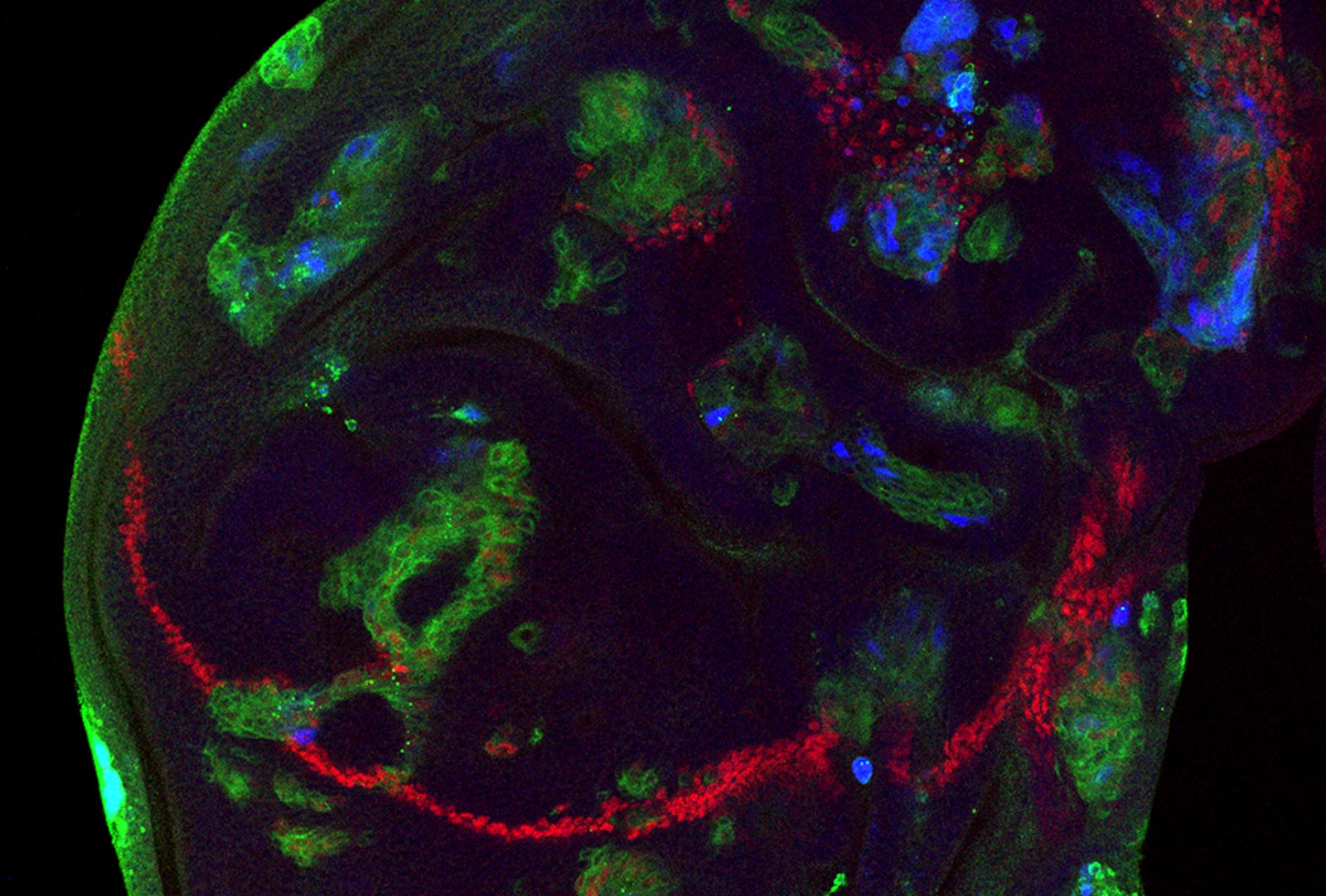
Jessica E. Treisman is a Professor in the Department of Cell Biology and Department of Ophthalmology at NYU Grossman School of Medicine. Her research focuses on developmental genetics and molecular neuroscience, particularly in the context of visual system development and synapse formation in Drosophila . Research Interests: Cell fate determination, tissue morphogenesis, neural circuit assembly, and corneal lens development Contact: Jessica.Treisman@nyulangone.org | 212-263-1031 Lab: Treisman Lab, Skirball Institute, New York, NY Her work explores how intrinsic transcription factors and extrinsic signaling pathways interact to regulate cell differentiation and tissue organization in the Drosophila visual system, with implications for understanding human corneal development and neural connectivity disorders. Recent publications highlight her contributions to understanding: Molecular mechanisms of corneal lens curvature formation Regulation of synaptic targeting specificity Role of Sidekick in epithelial junction dynamics Transcriptional synergy between Glass and EGFR signaling The Treisman Lab employs interdisciplinary approaches in Drosophila genetics to uncover fundamental principles of cell signaling and neural circuit development, with potential applications in human vision research and developmental disorders.
Professor Kristian Franze serves as Principal Investigator and Head of the Department of Neural Mechanics at the Max Planck Center for Physics and Medicine in Erlangen, Germany. He concurrently holds the position of Director of the Institute of Medical Physics and Microtissue Engineering at the Faculty of Medicine of Friedrich-Alexander University Erlangen-Nuremberg (FAU). His groundbreaking research explores how neurons integrate mechanical and chemical signals during development and regeneration processes of the central nervous system. The Franze laboratory employs an interdisciplinary approach combining physics and life sciences, utilizing advanced techniques including: Atomic force microscopy Traction force microscopy Custom-built compliant cell culture substrates Optical and confocal laser scanning microscopy Cell and molecular biology approaches Key discoveries from his lab include demonstrating that neural tissue is mechanically highly heterogeneous, that neurons constantly exert forces on their environment, and that both neurons and glial cells actively respond to mechanical stimuli. His work has revealed that local tissue mechanics directly guides growing neuronal axons and contributes to establishing the chemical landscape encountered by developing neurons. Professor Franze leads an international research team comprising doctoral students, postdoctoral fellows, and technical staff. His laboratory investigates how cellular forces, tissue compliance, and cellular mechanosensitivity contribute to CNS development and disease, with potential applications for treating neurological disorders where mechanical factors play crucial roles, such as foreign body reactions to implants and failed nerve regeneration after spinal cord injuries.
Baoyu Chen is an Associate Professor in the Department of Internal Medicine at UT Southwestern Medical Center and a member of its Division of Digestive and Liver Diseases. He holds a bachelor's degree in chemical engineering from Hunan University (China), a master's in biochemistry and molecular biology from Tsinghua University (China), and a doctorate in chemical biology from Pennsylvania State University (USA). His research integrates biochemical, biophysical, computational, and structural approaches to investigate molecular mechanisms linking membrane signaling to cytoskeletal dynamics. Education: BSc in Chemical Engineering, Hunan University, China MS in Biochemistry & Molecular Biology, Tsinghua University, China PhD in Chemical Biology, Pennsylvania State University, USA Research Interests: Dr. Chen’s work focuses on protein assemblies regulating actin polymerization and endosomal trafficking (WAVE, WASH, CCC-Retriever, Retromer complexes) and their roles in cellular processes like migration, adhesion, immune activation, and neural development. His lab employs cryo-electron microscopy and collaborations with clinicians to uncover disease mechanisms. Recent Research Trends: His publications emphasize structural insights into WAVE complex activation, endosomal trafficking regulation, and pathogen hijacking of cytoskeletal systems. These studies span cell biology, structural biology, and synthetic biology applications. Scientific Awards: His work is supported by prestigious grants including the NIH MIRA NSF CAREER Award Professional Affiliations: Active member of American Heart Association American Society for Cell Biology Society for Neuroscience Laboratory: The Stone Chen Lab at UT Southwestern investigates membrane-to-cytoskeleton signaling and its implications in human disease. The lab collaborates with biologists and clinicians and welcomes opportunities for collaboration.
Silvia Arber holds a joint appointment as Full Professor for Neurobiology/Cell Biology at the Biozentrum, University of Basel, and serves as Senior Group Leader at the Friedrich Miescher Institute (FMI) in Basel, Switzerland. Her laboratory investigates the organization, function, and development of neuronal circuits controlling motor behavior, with a particular focus on how these circuits enable precise movement control. Arber obtained her PhD in 1996 from the Friedrich Miescher Institute under Pico Caroni, followed by postdoctoral training with Thomas Jessell at Columbia University (1996-2000), where she studied transcription factors in spinal cord neuronal differentiation. Her educational background includes Biology II studies at the Biozentrum of the University of Basel with graduation in Cell Biology (1987), a diploma thesis at the FMI (1990), and graduate work at the FMI (1992). Her research program centers on elucidating how neuronal circuits orchestrate accurate motor behavior in response to sensory cues and voluntary movement initiation. Using mouse as a model system, her laboratory employs multi-faceted approaches including advanced mouse genetics, viral technologies for transsynaptic circuit tracing, optogenetics and pharmacogenetics for functional manipulation, quantitative behavioral analysis, electrophysiology, and gene expression profiling. Her work has revealed precise synaptic interactions within dedicated motor circuit modules throughout the nervous system and how these impact function, with implications for understanding diseases causing motor deficits and spinal cord injury. Analysis of Arber's publication record shows a consistent focus on motor circuit organization, with particular emphasis on transcriptional control mechanisms, circuit connectivity mapping, and the relationship between developmental processes and functional circuit organization. Her work bridges molecular, cellular, and systems neuroscience, providing fundamental insights into how the nervous system controls movement. The Brain Prize (2022) Elected to the National Academy of Sciences of the United States (2020) Physiological Society Annual Review Prize Lecture (2019) Pradel Research Award (2018) W. Alden Spencer Award (2018) Louis-Jeantet Prize for Medicine (2017) ERC Advanced Grant (2010-2015) EMBO Member (2005) EMBO Young Investigator Award (2001) While specific students are not listed in the provided materials, Arber's laboratory has received significant research funding including an ERC Advanced Grant (2010-2015) and multiple prestigious awards supporting her research program. Her laboratory at the Biozentrum (Room 11.038) collaborates closely with the Friedrich Miescher Institute, where she serves as Senior Group Leader. The research group employs cutting-edge technologies for neural circuit analysis and has contributed fundamental insights into motor circuit organization, with implications for understanding and potentially treating movement disorders and spinal cord injuries.
Dr. Sheng-Jian Ji is a Tenured Associate Professor at the School of Life Sciences, Department of Neuroscience at Southern University of Science and Technology (SUSTech) in Shenzhen, China. He also serves as the Academic Vice President of Shude Academy and was previously the first Deputy Director of Research and Graduate Affairs in the Department of Biology at SUSTech (2016-2018). As a leading neuroscientist specializing in RNA modification and neural development, Dr. Ji has established an internationally recognized research program. Dr. Ji's educational background includes: 2003-2007: Postdoctoral Fellow, Johns Hopkins University School of Medicine, Neurobiology 1998-2003: PhD in Biochemistry and Molecular Biology, Peking University School of Life Sciences 1994-1998: Bachelor's Degree in Biochemistry, Yantai University Department of Biochemistry Dr. Ji's research primarily focuses on developmental neurobiology, with particular emphasis on post-transcriptional regulation mechanisms including RNA modification and local translation of mRNA in axons. His laboratory is recognized as one of the leading international groups studying how mRNA modification (particularly m6A and m5C) regulates neural development and function. Through innovative approaches combining molecular biology, cell biology, and microfluidic technologies, his team has revealed important insights into axon growth, dendrite maintenance, cortical neurogenesis, and retinal development. His publication record shows a clear trajectory from fundamental mechanisms of RNA modification to applications in understanding neurological disorders and aging. Recent work has expanded into aging-related neural decline, cognitive functions, and potential therapeutic targets for neurological conditions. Dr. Ji has received numerous prestigious awards: 2020, 2016: SUSTech Excellent College Mentor 2020: SUSTech Biology Department Outstanding Service Award 2019: Guangdong Province Talent Youyue Card A 2017: Guangdong Provincial Professor of Neurobiology 2013: Jiangsu Distinguished Professor (Nanjing University) 2011: National Natural Science Award Second Prize (third contributor) As an educator, Dr. Ji teaches undergraduate Neurobiology and graduate Cellular and Molecular Neurobiology courses. He actively mentors students, with recent master's graduates including Yuan Jiaxin and Zhang Pingrui. His laboratory recruits postdoctoral fellows (with salaries of 335,000+ RMB annually), research assistants, and graduate students, providing comprehensive training in molecular techniques, neuronal cell culture, microfluidics, and omics approaches. Dr. Ji leads a vibrant research team that collaborates both within SUSTech and internationally. His work continues to advance understanding of RNA modification in neural development, function, and aging, with recent progress highlighted in June 2025.
Edmund Hollis is an Assistant Professor of Neuroscience at the Brain and Mind Research Institute within Weill Cornell Medical College . He has been affiliated with the institution since 2016 and leads a research lab focused on neural circuit remodeling and recovery after spinal cord injury. Education: Ph.D. in Neurosciences, University of California, San Diego, School of Medicine (2008) B.S., University of Southern California (2002) Research Interests: Hollis's lab investigates the neural mechanisms underlying movement and recovery from spinal cord injury. Using genetic, molecular, and behavioral tools, along with optogenetics and optical imaging, the lab explores how neural circuits respond to injury and how they can be therapeutically enhanced. Key areas include cortical plasticity, axon regeneration, astrocyte responses, and neuromodulation of motor circuits. Scientific Contributions: His recent publications demonstrate a strong focus on corticospinal tract function, spinal interneuron modulation, and the use of advanced behavioral assays like the Kinematic Deviation Index (KDI) to assess motor recovery in rodent models. His work spans from molecular signaling pathways (e.g., RANKL, Wnt, IGF-I) to large-scale circuit remodeling and rehabilitation strategies. Collaborations & External Roles: Hollis has professional affiliations with Texas A&M University and the National Institutes of Health, and has served as a speaker and consultant for various academic and governmental organizations.
Carina Hanashima is a Professor at the Faculty of Education and Integrated Arts and Sciences , Waseda University, Japan. Her research focuses on neuroscience , developmental biology , and molecular mechanisms underlying cortical development . She has held academic positions at Kobe University (2014.04-2018.03), RIKEN (2008.10-2017.03), Osaka University (2012.04-2015.03), and Nara Women's University (2007.09-2014.11). Research Interests Neuronal specification and cortical circuit formation Role of transcription factors (e.g., Foxg1, Robo1) in brain development Gene regulatory networks in neurogenesis Evolutionary origins of the neocortex Recent Trends in Publications : Her work explores transcriptional repression , axon guidance signaling , and developmental clock mechanisms in mammalian and non-mammalian models (chicks, mice). Key themes include neurodevelopmental disorders (e.g., autism, schizophrenia), angiogenesis , and cell migration . Scientific Awards : Poster Award, Asia-Pacific Developmental Biology Conference APDBC (2012.10) Grants and Projects : Japan Society for the Promotion of Science Grants-in-Aid (2016.06-2021.03, 2021.04-2022.03) RIKEN Joint Retreat Organizer (2011-2017) Labs and Collaborations : She leads the Hanashima Lab at Waseda University, focusing on spatiotemporal control in neuronal identity and neurovascular coupling . Her lab employs genetic lineage tracing , in situ hybridization , and in utero electroporation techniques.
Charles A. Greer is Professor of Neurosurgery and Neuroscience at Yale School of Medicine, where he serves as Co-Vice Chair of Research for Neurosurgery and Director of the Yale Interdepartmental Neuroscience Graduate Program. He maintains joint appointments in both the Department of Neurosurgery and Department of Neuroscience, with additional affiliations through the Wu Tsai Institute, Yale Combined Program in the Biological and Biomedical Sciences, and Yale Stem Cell Center. Dr. Greer's research focuses on understanding the fundamental mechanisms that establish orderly topographic maps within the central nervous system during development and regeneration. His laboratory primarily investigates the complex olfactory system, studying how axons sort into functional subsets and target specific regions in the olfactory bulb. His work has significant implications for understanding neural regeneration following injury or disease, particularly through his research on ensheathing cells that support axon growth and can promote remyelination in damaged spinal cord tissue. His research spans multiple disciplines including neuroanatomy, developmental neuroscience, and neural regeneration, with particular emphasis on the molecular and cellular mechanisms of axon targeting, glial cell function, and neural circuit formation. Dr. Greer has established extensive collaborations across Yale departments including Neurology, Neurobiology, Anesthesiology, and Ophthalmology, as well as with institutions including Columbia University, Emory University, The Rockefeller University, University of Maryland, and University of Colorado. Dr. Greer has received numerous prestigious awards including the Max Mozell Award for Outstanding Achievements in the Chemical Senses, the R.H. Wright Award for Outstanding Research in Olfaction, and recognition as Distinguished Professor from Universite Pierre et Marie Curie in Paris. He has served as President of the Association for Chemoreception Sciences and as a member of NIH study sections and the Advisory Council for the National Institute on Deafness and Other Communication Disorders. As an educator, Dr. Greer has directed the Yale Interdepartmental Neuroscience Graduate Program and mentored numerous students and postdoctoral fellows. He serves as Associate Editor for The Journal of Comparative Neurology and Journal of Neuroscience, and sits on the editorial boards of several other neuroscience journals. His extensive publication record demonstrates sustained contributions to understanding the organization and development of neural systems, particularly the olfactory pathway.
Tristan Clemons is an Assistant Professor in the School of Polymer Science and Engineering at the University of Southern Mississippi. His research integrates polymer chemistry, supramolecular assembly, and biomaterials for therapeutic applications. Current projects focus on antioxidant polymers, peptide-polymer hybrids, photoresponsive materials, and nanoscale drug delivery systems. The Clemons Lab develops biomimetic materials for applications in cancer therapy, neural regeneration, antiviral strategies, and tissue engineering. Recent publications demonstrate innovations in functional polymer design, including dynamic biomolecular condensates, amyloid-based composites, and supramolecular antiviral agents. Materials are characterized for mechanical, biological, and therapeutic properties.
Pabitra Sahoo is an Assistant Professor in the Department of Biological Sciences at Rutgers University, leading a research group focused on axonal mRNA dynamics and stress granule biology. His work bridges molecular neuroscience and regenerative medicine with direct implications for neural repair mechanisms. His educational background includes: B.S. from Utkal University, India (2005) M.S. from University of Hyderabad, India (2007) Ph.D. from National Centre for Cell Science, University of Pune (2013) Postdoctoral fellowship at Twiss Lab, University of South Carolina (2023) Dr. Sahoo's research centers on stress granules in axons and their dual role in physiological mRNA storage and pathological inhibition of nerve regeneration. His lab investigates how localized protein synthesis mechanisms govern neural repair, neurodevelopment, and neurodegenerative processes through cutting-edge approaches in spatial transcriptomics and axonal biology. Key discoveries include the identification of G3BP1 as a critical regulator of axonal mRNA translation and the demonstration that stress granules exist under normal physiological conditions in neurons. Analysis of his 2021-2025 publications reveals a dominant focus on stress granule disassembly mechanisms (particularly involving G3BP1), RNA-binding protein functions in axonal mRNA stability, and therapeutic targeting of these pathways for nerve regeneration. His work consistently connects fundamental molecular mechanisms to applications in spinal cord injury, peripheral nerve repair, and neurodegenerative conditions like ALS. The Sahoo Lab operates as a collaborative team of "curiosity driven, fun, and coffee loving scientists" investigating how mRNA storage granules respond to neuronal signals. Current projects specifically examine stress granule dynamics in neuronal development models and their dysfunction in neurodevelopmental disorders (e.g., Down syndrome) and neurodegenerative diseases, with therapeutic strategies emerging from multiple patent filings.