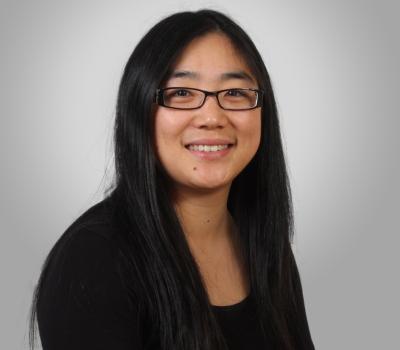
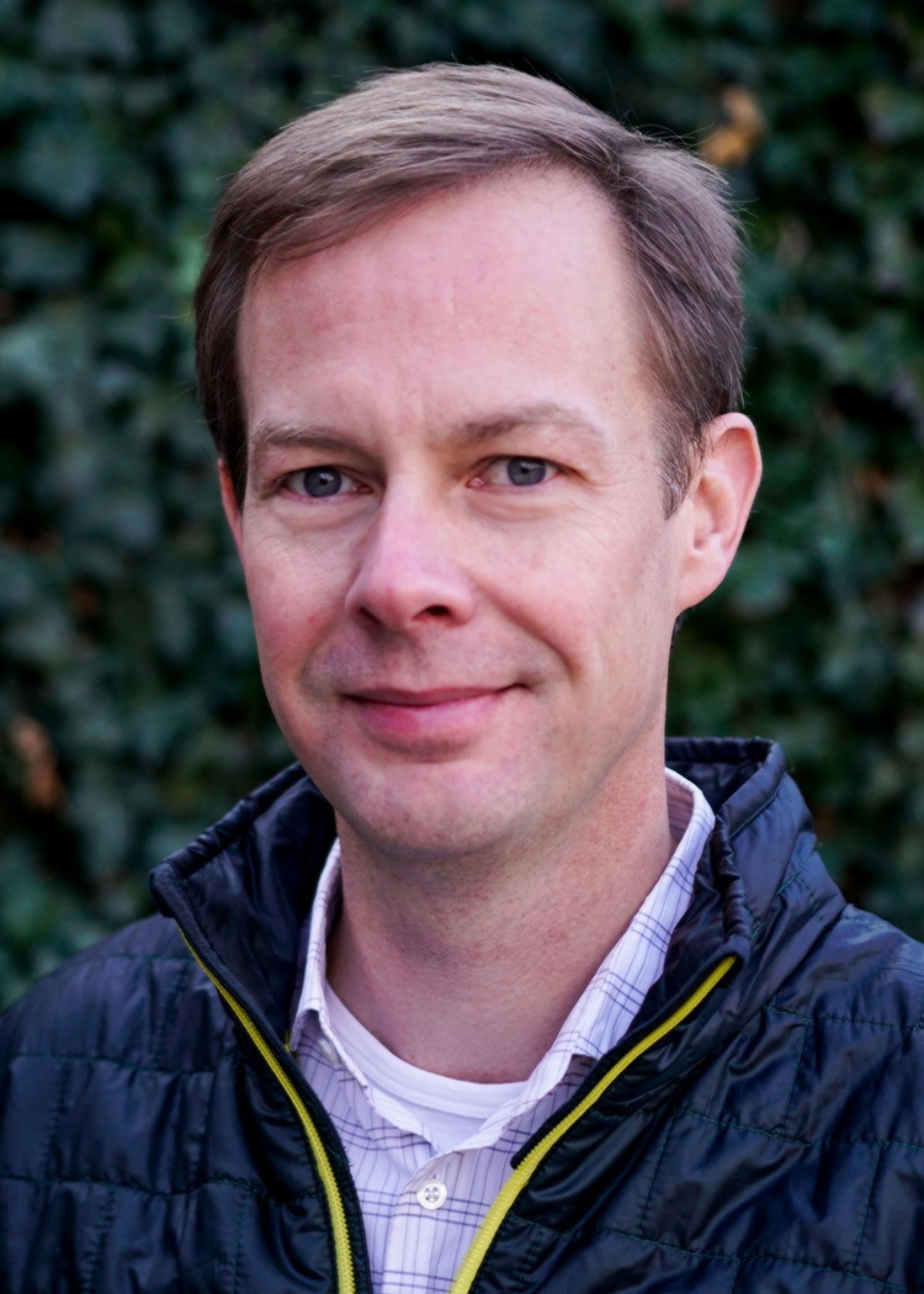
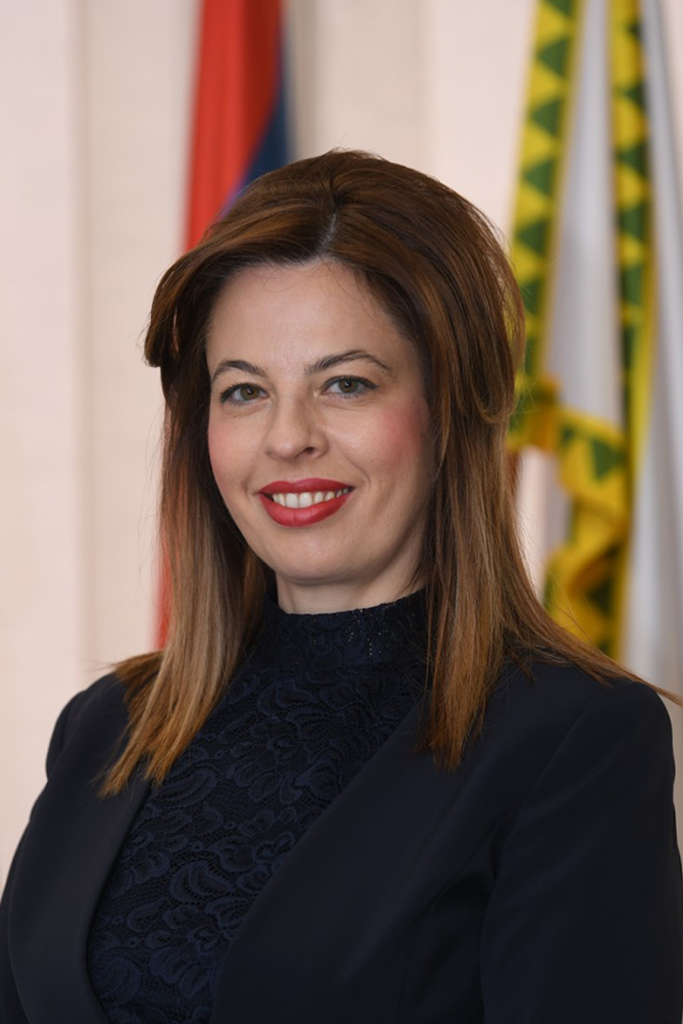
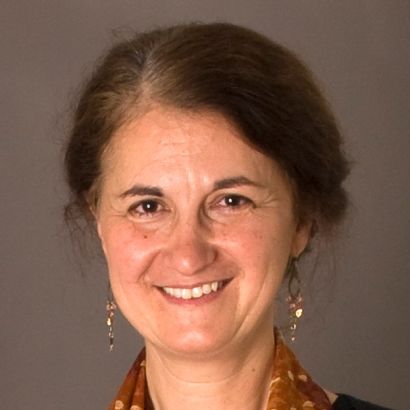
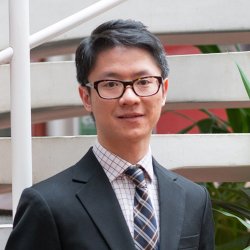
Xiaoli Fern is an Associate Professor in the School of Electrical Engineering and Computer Science at Oregon State University. She holds a Ph.D. in Computer Engineering from Purdue University (2005) and dual degrees (B.S. and M.S.) in Automation and Computer Science from Shanghai Jiao Tong University (2000). Her research focuses on applied machine learning , graph learning , and explainability in AI systems , with applications in microbiome analysis , ecological monitoring , and human-computer interaction . Research Expertise: Unsupervised learning, clustering, correlation analysis, outlier detection, and scientific data mining. Collaborations: Active involvement in the IGERT Ecosystem Informatics program and interdisciplinary projects with ecologists, roboticists, and biologists. Awards: 2011 NSF CAREER Award for early-career excellence in research. Her recent work includes applying deep learning to microbiome data and developing interactive systems that bridge theory with real-world applications in biology and materials science. She mentors students across all academic levels and emphasizes the importance of collaborative, real-world problem-solving in her research lab.
Scott Shriver is an Associate Professor of Marketing at the Leeds School of Business , University of Colorado Boulder . He holds a PhD in Marketing from Stanford University , with additional Master's degrees in Economics and Physics from Stanford, and an MBA from UCLA Anderson School of Management . His research spans online privacy , network effects , sustainability , empirical industrial organization , and applied econometrics . Education : PhD (Marketing, Stanford), MA (Economics, Stanford), MA (Physics, Stanford), MBA (UCLA) Shriver's publications appear in Management Science , Marketing Science , and Marketing Letters . His work on GDPR's economic impacts (2024) and ethanol market diffusion (2015) has earned John D.C. Little Awards (2015, 2020) and the Frank M. Bass Dissertation Award (2015). He teaches Customer Analytics across degree levels and Quantitative Marketing in the PhD program. Recent research trends include privacy regulation , multi-channel demand analysis , and user-generated content on digital platforms. Earlier works from his physics background include planetary studies (1994) but his modern focus remains on digital economics and sustainable business practices . Scientific Awards : John D.C. Little Award (2015, 2020) Frank M. Bass Award (2015) Swiss Academy of Marketing Science Award (2014) Shriver advises PhD students and contributes to curriculum development in analytics programs. His personal faculty website hosts working papers and publications. Office hours are held in Koelbel 429 .
Marija Mandarić is a Full Professor at the Faculty of Hotel Management and Tourism, University of Kragujevac, where she has been employed since 2011. She attained the rank of Assistant Professor in 2011, advanced to Associate Professor in 2017, and became a Full Professor in 2023. Her academic journey includes a Bachelor's degree in Economics from the University of Kragujevac (2001), a Master's from the University of Belgrade (2007), and a Ph.D. from the University of Belgrade (2012). Her research focuses on Marketing management , Brand management , and Tourism market research , with emphasis on destination branding, consumer behavior in tourism, and the socio-economic impacts of global events like the COVID-19 pandemic. Her publications predominantly explore tourism resilience, destination branding strategies, and generational perspectives in hospitality. Recent works analyze pandemic-induced shifts in tourism and managerial productivity in Serbia's hotel industry. Project Involvement: Tempus Project: Modernization of tourism study programs in Serbia Ministry of Agriculture Project: Empowering entrepreneurs in agriculture/tourism Tourism Development Strategies for municipalities Rača (2014–2019) and Kragujevac Green Infrastructure analysis for Novi Sad She holds memberships in the Serbian Marketing Association (SEMA), Scientific Society of Agrarian Economists of the Balkans (NDAEB), and the International Network of Researchers in Resource Economics and Bioeconomy.
Liang Fengchao is an Associate Professor at the School of Public Health and Emergency Management and the School of Environmental Health and Engineering (joint appointment) at Southern University of Science and Technology (SUSTech) since 2024. Previously, he served as an Assistant Professor at the same institutions from 2020 to 2024 and completed postdoctoral research at Fuwai Hospital, Chinese Academy of Medical Sciences (2017-2020). He holds a Ph.D. from Peking University (2017) and a joint Ph.D. from Emory University (2017), with a bachelor's degree from Xiamen University (2012). Education : Ph.D. (Peking University, Emory University), B.S. (Xiamen University) Research Focus : Chronic disease epidemiology, environmental health, digital health technologies, and spatiotemporal air pollution modeling. His work integrates big data and AI to study environmental and lifestyle risk factors for chronic diseases in China, with a focus on cardiometabolic health and PM2.5 exposure. He has led national research programs and collaborated on NIH-funded U.S.-China studies. Recent publications highlight his contributions to understanding PM2.5's effects on diabetes, stroke, cardiovascular disease, and telomere biology, alongside advancements in digital health interventions across the Western Pacific region. His research spans cohort studies, meta-analyses, and spatiotemporal exposure modeling. Scientific Awards : National Natural Science Foundation of China Outstanding Youth Fund; Key grants include National Key R&D Program, NSFC projects, and NIH R01 as Co-PI. Liang has authored over 70 papers in top journals (BMJ, Circulation, PNAS) and serves on the Chinese Preventive Medicine Association's Heart Disease Prevention and Control Committee.
Prof. Dr. Erdem An serves as a full Professor in the Department of Mechanical Engineering at Yeditepe University's Faculty of Engineering. Holding this position since 2016, he previously advanced from Associate Professor (2008) and Doctoral Lecturer (2006) roles within the same department. His academic foundation includes a PhD (1986-1989) and Master's degree (1985-1986) in Mechanical Engineering from California Institute of Technology, where his doctoral research focused on granular materials and convective heat transfer. Dr. An's research spans Heat Transfer , Fluid Mechanics , and Thermal Systems with specialization in supercritical CO 2 flows, microchannel heat transfer, granular material dynamics, and condensation efficiency. His experimental work frequently investigates microtubes, corrugated channels, and granular flows, yielding significant contributions to refrigeration systems and thermal management applications. Current projects focus on supercritical CO 2 behavior near critical points and energy-efficient drying technologies. Analysis of his 15 most recent publications reveals dominant research themes in microscale thermofluid phenomena (73%), supercritical fluid dynamics (54%), and enhanced heat transfer surfaces (36%). His work demonstrates consistent experimental methodology with increasing computational integration since 2015, particularly in flow orientation effects and buoyancy-driven phenomena. Cassini Recognition Award (NASA) Group Achievement Award (The Aerospace Corporation) Program Recognition Award (The Aerospace Corporation) Four Arçelik Buluşma Günü Innovation Awards (XII-XV) Dr. An has secured substantial research funding including TÜBİTAK 1001 projects (625,845 TL) and multiple San-TEZ industrial collaborations (totaling over 550,000 TL) with Arçelik A.Ş. His administrative leadership includes serving as Department Chair since 2019. He has supervised 13 Master's theses and 4 doctoral dissertations, with current students researching supercritical CO 2 flow characteristics and condensation dynamics. His industrial partnerships have yielded 7 patents related to laundry dryer technology.
Dr. Yasmiyn Irizarry serves as Associate Professor in the Department of African and African Diaspora Studies at The University of Texas at Austin (College of Liberal Arts) and as Associate Director of the Institute for Urban Policy Research & Analysis. She founded the Numbers 4 Justice Lab to advance racial equity through quantitative methods. Education Bachelor's degree from The Ohio State University Master's and Doctorate in Sociology from Indiana University Research Focus As a leading QuantCrit (critical quantitative methods) scholar, Dr. Irizarry examines race and racism across four interconnected domains: K-16 schooling contexts; categorization, identity, and ascription; social attitudes, prejudice, and discrimination; and justice, marginalization, and social control. Her work employs an intersectional framework analyzing race, ethnicity, immigration, class, and place within systems of power, with particular emphasis on Black women's experiences and census data methodologies. Publication Trends Her recent publications (2021-2025) demonstrate consistent focus on police violence against Black women, critical quantitative methodologies in education, and reexamination of racial categories in US Census data. Key themes include mental health impacts of racial profiling, race-shifting in demographic data, and racialized dynamics in STEM education and school safety, reflecting her commitment to transforming quantitative research through critical race perspectives. Research Funding National Science Foundation (current projects on school safety, STEM education, and population policies) Robert Wood Johnson Foundation (revising OMB race/ethnicity standards) Bill and Melinda Gates Foundation (past) Ford Foundation (past) American Educational Research Association (past) Academic Leadership Dr. Irizarry directs the Numbers 4 Justice Lab, which develops and applies quantitative tools to address racial inequities. She teaches graduate courses including Theories of Race/Ethnicity and Sociology of Education across multiple departments (AFR, SOC, WGS), emphasizing critical approaches to quantitative research in racial justice contexts.
Fran Aweeka is a Professor and Vice Chair of Research at the Department of Clinical Pharmacy, University of California San Francisco (UCSF) School of Pharmacy . She directs the Drug Research Unit (DRU) and serves as the Pharmacology Core Lead for the UCSF Center for AIDS Research . Her research focuses on pharmacokinetic and pharmacodynamic studies of HIV, malaria, and tuberculosis drugs, particularly in vulnerable populations in Africa and the U.S. She actively contributes to the PharmD degree program as a co-director of the Inquiry component and mentors students in pharmacology and international research. As a clinical pharmacologist with over 25 years of experience, Dr. Aweeka investigates drug interactions in co-infected patients, pharmacokinetics in pregnancy and pediatric populations, and mechanisms of HIV-associated inflammation. Her work includes PI roles on NIH R01 grants and leadership in global health initiatives like seasonal malaria chemoprevention studies in Uganda. The DRU under her direction provides advanced analytical techniques for drug quantification in plasma and target tissues, supporting over 30 NIH studies. Her recent research trends include pharmacokinetic-pharmacodynamic modeling of antimalarial and antiretroviral combinations, microvolume plasma assays , and drug exposure-response relationships in resource-limited settings. Publications from 2021–2025 reflect these areas, with emphasis on pregnancy pharmacokinetics , pediatric dosing , and global health pharmacology . Dr. Aweeka holds a PharmD from UCSF (1985) and a BS in Biological Sciences from USC (1981). She is a licensed pharmacist in California and has completed leadership programs like the Mentor Development Program . Her lab supports collaborative projects across national and international institutions, focusing on drug quantification in plasma, dried blood spots, and target cells.
Giovanni Michetti serves as Associate Professor in the Department of Modern Literature and Culture at Sapienza University of Rome. His academic career focuses on archival science with particular expertise in digital archives, document management systems, and technological applications for archival practices. Currently teaching multiple courses including Document Management, Digital Preservation, Archival Organization and Description, and Computer Science for Archives and Libraries for the 2024/2025 academic year, he maintains an active role in the university's archival science programs within the Historical Sciences and Archival and Library Science degree courses. Michetti's research centers on contemporary archives with special emphasis on digital transformation in archival practices. His work spans digital archives management, document management systems, descriptive models, classification plans, and technology integration in archival contexts. He investigates blockchain applications for enhancing trust in digital archives, develops data architectures for cultural heritage, and examines the economic value of archival resources. His scholarly contributions bridge traditional archival science with modern information technologies, addressing critical challenges in preserving digital records while maintaining intellectual control over archival materials. His recent publications reveal a clear trajectory toward technological solutions for archival challenges, spanning theoretical aspects of archival science, practical applications of new technologies, and professional standards development. Key recurring themes include digital preservation techniques, blockchain applications for record authentication, data architectures for cultural heritage, and the evolving role of archivists in the digital age. This research reflects the field's transition from traditional archival methods to innovative digital approaches that address contemporary challenges in recordkeeping. Michetti leads the research project ADA (Advanced Digital Archive), which develops systems for online access to digital collections of humanities at Sapienza University. While specific student advising details aren't provided in the available materials, his extensive publication record and active research projects suggest significant mentorship activities within the archival science community.
L.J. McElravy is an Associate Professor at the University of Nebraska-Lincoln in the Department of Agricultural Leadership, Education and Communication, where he focuses on leadership assessment, positive psychology-based training, and shared leadership systems for problem-solving. His military experience in the U.S. Army informs his developmental approach to leadership. He is actively involved in the Nebraska Rural Poll and the Community Vitality Initiative, addressing rural civic action, well-being, and policy perceptions. Key Research Areas: Leader identity development, PsyCap applications, service-learning, youth leadership programming. Teaching: Courses like ALEC 422 (Facilitation and Project Planning) and ALEC 845 (Research in Leadership Education). Extension Work: Rural Poll surveys examining agricultural policy, childcare, climate, and economic well-being in nonmetropolitan Nebraska. Collaborations: Partnered with Civic Nebraska on the Rural Civic Action Program. His recent publications (2022-2025) analyze leadership identity, digital education frameworks, and rural community well-being, emphasizing civic engagement and policy impacts. He is currently accepting graduate students.
John Day Gazewood, MD is an Associate Professor in the Department of Family Medicine at the University of Virginia . As the current Residency Program Director and Medical Director of the Primary Care Center , he focuses on enhancing medical education and improving patient care quality for the elderly and those with chronic illnesses. His academic journey includes a Chemistry degree from Grinnell College (Phi Beta Kappa) MD from Vanderbilt University School of Medicine (Alpha Omega Alpha) Residency in Family Medicine at University of Missouri-Columbia Geriatric Fellowship and Master of Science in Public Health at University of Missouri-Columbia Research interests center on medical education reform , geriatric care integration , and chronic disease management . His publications span topics like Bell's Palsy , Heart Failure , and Rosacea treatment , emphasizing evidence-based primary care. Awards include Best Doctors in America (2008, 2010, 2012) Harrison Teaching Associate Professor Master Educator Award Dean's Award for Excellence in Teaching Patient testimonials highlight exceptional care, clear communication, and responsiveness. He has served on the Geriatric Board Exam committee and maintains dual board certifications in Family Medicine and Geriatrics .
Andrea Dorigato serves as an Associate Professor in the Department of Industrial Engineering at the University of Trento, Italy, with his office located at Via Sommarive, 9 - 38123 Povo. His contact information includes telephone 0461 283724 and email andrea.dorigato@unitn.it. He actively teaches courses including Circular Economy for Materials Processing , Engineering Properties of Materials , Recycling and Sustainable Materials , and Laboratory of Polymer Technologies and Sustainability across multiple degree programs in Materials Engineering and Industrial Systems Engineering. Dr. Dorigato's research spans sustainable materials engineering with expertise in biopolymers, carbon nanotube composites, thermo-mechanical characterization, and energy storage systems. His work emphasizes circular economy principles through polymer blend compatibilization, phase separation control, and development of silsesquioxane-enhanced composites. Key focus areas include self-healing structural materials, biodegradable packaging solutions, and agricultural applications of wood-derived topsoil covers. His recent 2025 publications reveal a strong trend toward environmental impact assessment and sustainable material innovation. Dominant themes include life cycle analysis of packaging/building materials, self-repairing composites for structural applications, biopolymer-based agricultural solutions, and furanoate polyester development for biodegradable products. The research consistently integrates experimental characterization with environmental performance metrics. No scientific awards were documented in the provided sources. Information regarding student advisement, research grants, laboratory facilities, or collaborative teams was not specified in the available materials.
Patrice Mele is a Professor at the University of Tours, France, and a member of the University Institute of France (IUF). He is affiliated with UMR CNRS 7324 - CITERES (Political and Social Construction of Territories), working within the Faculty of Law, Economics and Social Sciences. His research focuses on the intersection of geography, law, and environmental policy, with particular expertise in urban geography, territorial conflicts, and socio-ecological transitions. He leads the Construction politique et sociale des territoires (CoST) team within CITERES and serves as Co-president of the scientific council of GIS Democracy and Participation since September 2023. Mele's research interests center on the role of heritage and environmental policies in urban space production, with a focus on changes in population-institution relationships with space. His work spans multiple countries including France, Argentina, Mexico, and Uruguay, examining urban, environmental, and heritage conflicts, the relationship between conflict and participation, and new forms of engagement for ecological transitions. He has developed theoretical positions and methodologies for analyzing conflict productivity and the relationship between conflict and participation through numerous international research programs. His recent publications demonstrate a strong focus on the geography of law, ecological transitions, and the spatial dimensions of environmental governance. Mele's work increasingly examines how legal frameworks shape territorial conflicts and environmental management, particularly in Latin American contexts like Buenos Aires and the Matanza-Riachuelo river basin. His research shows a clear trajectory toward understanding the complex relationships between legal processes, environmental governance, and spatial justice in urban contexts. Member of the University Institute of France (IUF) Professor Mele has coordinated multiple major research projects including TecDem (2023-2026) on ecological, democratic and social transitions, CONTRA (2021-2022) on territorial conflicts in Montevideo, and AGIRE (2018-2022) on waste management in the Centre-Val de Loire region. He previously directed UMR 7324 CITERES from 2012-2017, overseeing a multidisciplinary team of 117 permanent members and 75 doctoral students. His international collaborations include partnerships with institutions in Argentina, Mexico, and Uruguay. Mele has held significant leadership roles including Director of the Construction politique et sociale des territoires team (2008-2011), Scientific Director of the 'Ville et études urbaines' axis at MSH Val de Loire, and member of the International College of Territorial Sciences (CIST). He has been actively involved in shaping geography education as responsible for the Geography, Environment, Planning, Development mention of the SHS Master's degree at University of Tours (2018-2022).
Jason Chen is an Associate Professor in Tourism and Events Management at the University of Surrey, serving as Director of Postgraduate Research in the School of Hospitality and Tourism Management. He holds a PhD in Tourism Management from The Hong Kong Polytechnic University, alongside earlier degrees in Economics (BA, 2004) and Economics and Statistics (MSc, 2007). His research focuses on tourism economics, tourist behavior, demand forecasting, and quantitative methods. Notable projects include 'Understanding the Landscape of Inbound Tourism Measurement' and collaborations with organizations on tourism impact assessments. He has secured grants, including an ESRC grant for the School, and advises on postgraduate research programs. Teaching responsibilities include modules in International Tourism Management, Consumer Behavior, and Researcher Development. His recent publications emphasize spatiotemporal models, crisis management in tourism, and pro-environmental behavior interventions. He has contributed to policy-relevant studies on tourism's economic role and sustainability challenges. Key research themes include destination resilience, electric vehicle adoption, and behavioral nudging for sustainability. His work bridges academic theory with practical applications, supporting industry and policy stakeholders.
Russell King is the Henry Armfield Foscue Distinguished Professor of Industrial and Systems Engineering (ISE) at North Carolina State University's College of Engineering. He serves as the Director of Graduate Programs for the ISE department, responsible for administering degree programs serving approximately 190 graduate students. King is also a Fellow of the Institute of Industrial and Systems Engineers and has received numerous teaching and research awards throughout his 37-year career at NC State. Dr. King earned his Ph.D. in Industrial Engineering from the University of Florida (1986), following a Master of Industrial Engineering (1982) and Bachelor of Science in Systems Engineering (1980). His undergraduate journey was unconventional, having considered seven different majors including pre-med, biology, microbiology, biochemistry, math, and ornamental horticulture before selecting engineering. His doctoral work was completed under advisor Thom Hodgson, who moved from Florida to become NC State's ISE department head during King's studies. King's research focuses on solving practical problems across diverse areas including logistics, scheduling, and inventory control for additive manufacturing, remanufacturing, and military systems under risk. His work spans pricing strategies, stress control of 3D-printed parts, supply chain design, and military logistics optimization. His research approach bridges theoretical rigor with real-world applications, resulting in consulting engagements with Ford Motors, The Gap, Dillards Department Stores, and the Institute for Defense and Business. Analysis of his recent publications shows a consistent focus on military logistics applications (5 of 10 recent papers), additive manufacturing integration (3 papers), and supply chain risk management (4 papers), demonstrating how his research has evolved to address emerging challenges in manufacturing and defense logistics while maintaining practical relevance. C. A. Anderson Outstanding Faculty Award, ISE Department at NC State University (2020, 2014, 2008, 2002, 1996, 1986) Albert G. Holzman Distinguished Educator Award, Institute of Industrial Engineers (2010) Henry Armfield Foscue Distinguished Professor (2017) Edward P. Fitts Distinguished Professor (2012) NCSU George H. Blessis Outstanding Undergraduate Advisor Award (2010) Teaching Excellence Award in the OR Division, Institute of Industrial and Systems Engineers (2019) Technical Innovation in Industrial Engineering, Institute of Industrial Engineers (2003) Fellow, Institute of Industrial Engineers (2006) As an academic leader, King has developed innovative programs including a dual Master of Industrial Engineering/Master of Business Administration program and a distance education Master of Engineering degree. His mentorship has produced three students who placed in the top 3 of IIE's dissertation award competition, with two taking first place. He has served as associate editor for the Journal of Manufacturing Systems and IIE Transactions, contributing to the scholarly community beyond his own research. Outside academia, King and his daughter are Masters of Taekwondo under Grand Master K.S. Lee of Morrisville, NC.
Andrey Vladimirovich Savchenko is a prominent researcher and educator in computer vision and artificial intelligence at the National Research University Higher School of Economics (HSE) in Nizhny Novgorod. He holds multiple positions including Professor at the Faculty of Informatics, Mathematics, and Computer Science, Leading Researcher at the Faculty of Computer Science and Institute of Artificial Intelligence and Digital Sciences, and Academic Director of the "Artificial Intelligence and Computer Vision" educational program. His educational background includes: 2016: Doctor of Technical Sciences from Nizhny Novgorod State Technical University 2015: Academic title of Associate Professor 2011: Candidate of Technical Sciences 2008: Specialist degree in Applied Mathematics and Computer Science Savchenko's research focuses on computer vision, pattern recognition, and artificial intelligence, with particular emphasis on facial recognition, emotion analysis, and efficient deep learning algorithms. His work bridges theoretical foundations with practical applications, especially in mobile computing environments where computational resources are limited. He has developed innovative methods for making AI systems more efficient without significant loss in accuracy. His recent publications demonstrate a strong trend toward multimodal analysis, combining visual, audio, and textual data for more robust recognition systems. There's a clear emphasis on making AI systems more efficient, especially for mobile devices, and on developing methods that can work with limited computational resources while maintaining high accuracy. His work spans fundamental research on neural network architectures and practical applications in education, healthcare, and human-computer interaction. Among his notable scientific achievements: Gratitude from the Governor of Nizhny Novgorod region (2022) Multiple gratitude awards from HSE (2021-2022) Best Teacher Award (2018-2019) Leaders of IT Industry Award from NEYMARK IT Campus (2023) Academic Success Bonus at HSE (2011-2013) Savchenko has successfully supervised numerous master's students and currently mentors PhD candidates working on cutting-edge topics like large language models for recommendation systems and document analysis. He has secured significant research funding, including projects with Huawei, Sberbank, and the Russian Science Foundation, totaling millions of rubles. His laboratory focuses on developing efficient algorithms for computer vision and multimodal data analysis. He leads the Laboratory of Theoretical Foundations of Artificial Intelligence Models and has established strong industry partnerships that ensure his research has practical impact. His NVIDIA Deep Learning Institute certification demonstrates his commitment to staying current with the latest AI technologies.