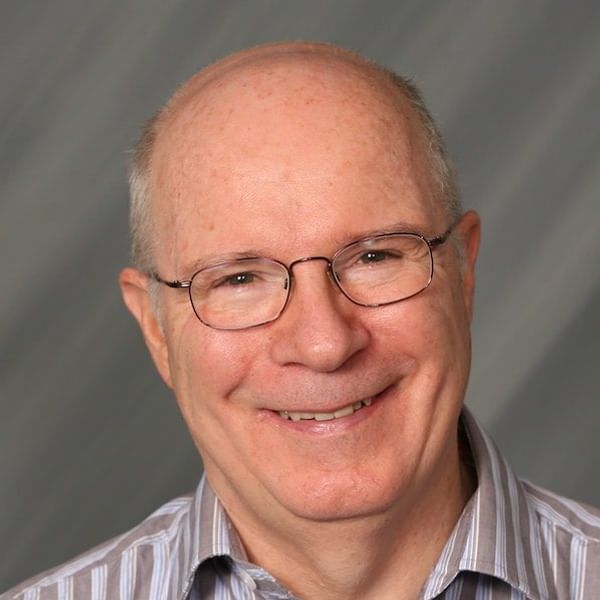
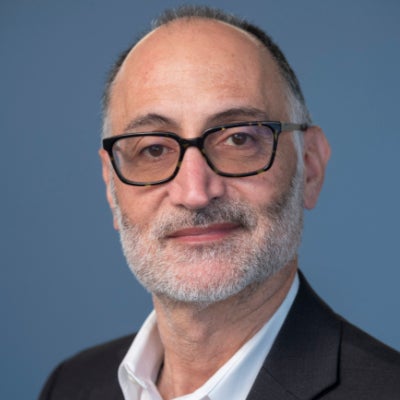
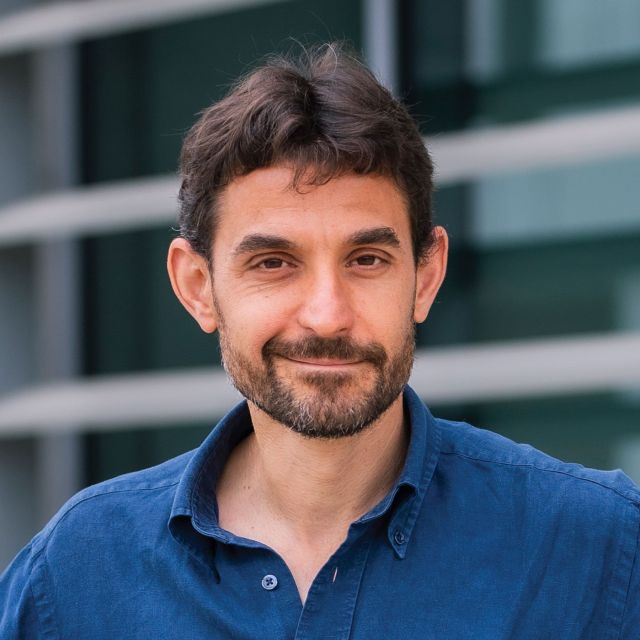
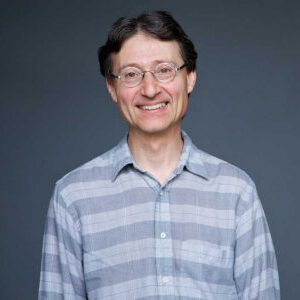
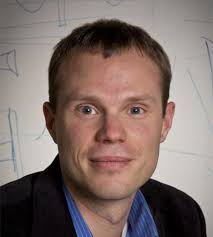
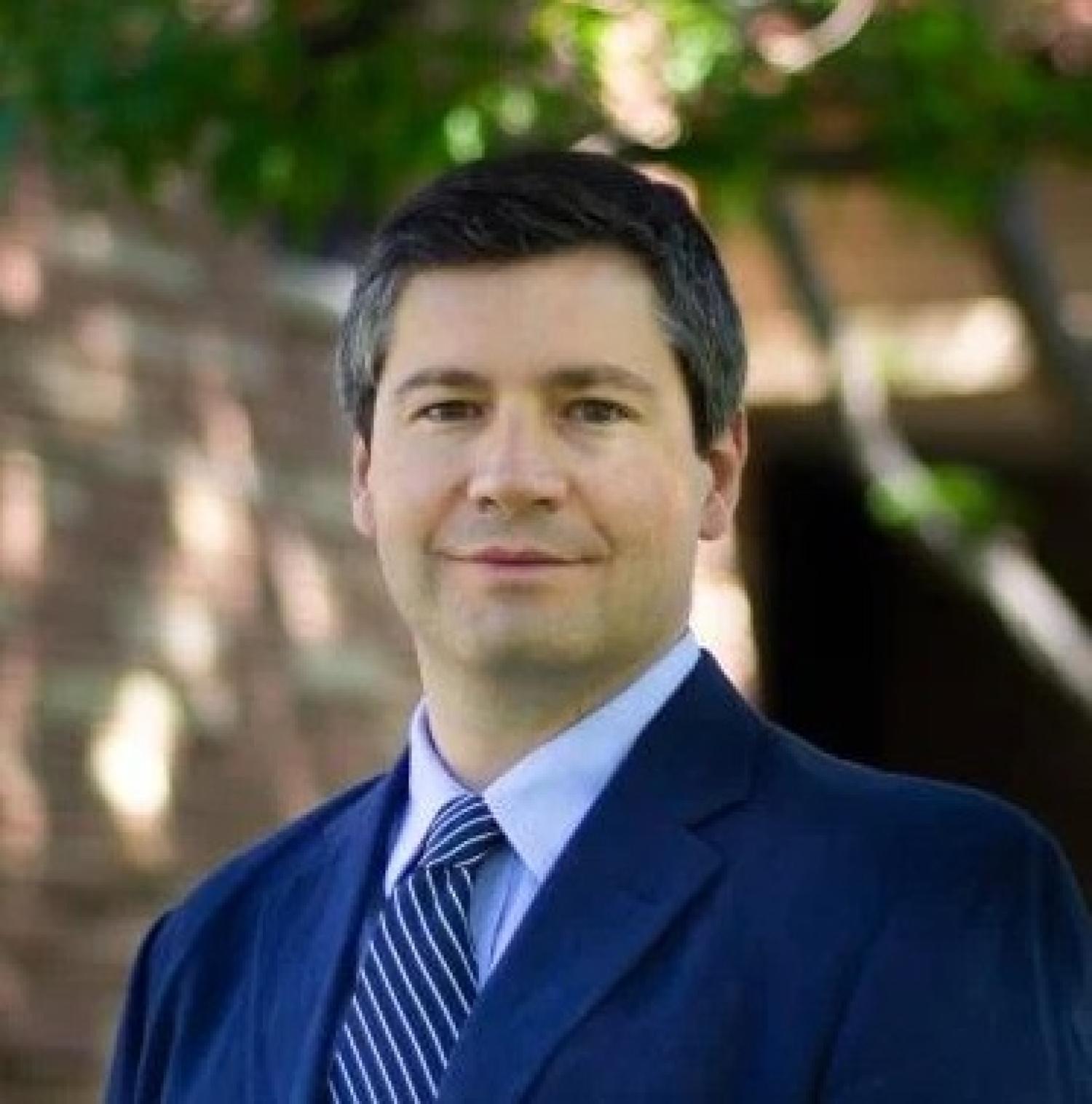
Ronald C. Lasky is a Professor of Engineering at Dartmouth College's Thayer School of Engineering and a Senior Technologist at the Indium Corporation. His academic roles include teaching courses such as ENGM 187: Technology Innovation and Entrepreneurship and ENGS 155: Intermediate Thermodynamics . Dr. Lasky holds a BS in Engineering Physics from Cornell University (1970), an MS in Applied Mathematics from Binghamton University (1974), and a PhD in Materials Science from Cornell University (1986). His research focuses on process optimization, electronic assembly, materials science, and environmental compliance. Notable contributions include work on lead-free solder assembly and Lean Six Sigma methodologies. He received the Member of Technical Distinction Award from the SMTA in 2021. Dr. Lasky actively engages with industry, exemplified by his collaboration with Galanz in China, exploring modern manufacturing practices and infrastructure. His insights on global supply chains and technological advancements highlight his dual academic and professional expertise.
Musa Jouaneh is a Professor in the Mechanical, Industrial and Systems Engineering department at the University of Rhode Island 's College of Engineering . His research spans Robotics, Automation, Mechatronics , and Motion Control systems, with recent work focusing on robotic rehabilitation platforms, fastener extraction, and neural network applications in disassembly processes. Education: Ph.D., Mechanical Engineering, University of California at Berkeley (1989) M.Eng., Mechanical Engineering, University of California at Berkeley (1986) B.S., Mechanical Engineering, University of Louisiana, Lafayette (1984) Research Trends in Jouaneh's recent publications emphasize robotic rehabilitation using magnetic actuation, automated fastener detection via neural networks, and trajectory optimization for servo motor systems. His work bridges mechatronic design with industrial automation , particularly in disassembly and assembly applications. Grants include projects like "Cobots for Outfitting of Hangers" (ONR, 2023) and "Device for Proprioception Training" (RI Commerce, 2024). He leads the Mechatronics Lab and Intelligent Control and Robotics Laboratory , focusing on practical automation solutions.
Professor Omar A. Saleh is a distinguished physicist and materials scientist at the University of California, Santa Barbara, holding appointments in both the Materials and Physics Departments. Since summer 2023, he has served as Chair of the Materials Department and maintains a minority appointment in the Biomolecular Science and Engineering (BMSE) Program, where he previously served as Director from 2013-2017. His educational background includes a B.S. in Physics from MIT (1997) and a Ph.D. in Physics from Princeton (2003), supported by a Hertz Fellowship. Following postdoctoral work at École Normale Supérieure in Paris developing single-molecule techniques for motor protein/DNA studies, he joined UCSB in 2005. Saleh's research centers on fundamental principles of biomolecular behavior through experimental investigation of biopolymer elasticity and biomimetic organelles. His lab pioneers precision single-molecule stretching experiments to study entropic/energetic contributions in soft systems and creates life-like behaviors using reconstituted nucleic acid/protein assemblies. Key focus areas include DNA nanostar phase separation, liquid-liquid phase behavior, intrinsically disordered proteins, and non-equilibrium biomolecular systems. His publication trends reveal a strong emphasis on biomolecular condensates (2023-2025), with recurring themes in DNA nanotechnology, polyelectrolyte physics, and single-molecule mechanics. Recent work explores tension-mediated control of phase separation, transcriptional regulation of biomolecular liquids, and active matter principles in DNA systems. NSF CAREER Award (2008) Bessel Research Award from Alexander von Humboldt Society (2017) Fellow of the American Physical Society (2019) Saleh actively mentors graduate students and postdocs including Sam Wilken, Gabrielle Abraham, Anna Nguyen, and Aria Chaderjian, whose research spans DNA nanostar liquids, active droplets, and complex coacervation. His lab develops innovative instrumentation including high-speed magnetic tweezers and GPU-based tracking systems, supported by grants such as NSF/MCB-BSF: Direct force measurements of intrinsically disordered proteins. The Saleh Group operates at BioE 3006, focusing on creating quantitative models of biological function through physical reconstitution.
Professor Thomas Bein is affiliated with the Department of Chemistry at Ludwig-Maximilians-Universität München (LMU) , where he leads the Functional Nanosystems research group. His work focuses on synthesizing and characterizing nanostructured materials with applications in energy, catalysis, and biomedical delivery. Mesoporous nanoparticles for drug delivery Semiconductor nano-morphologies for photovoltaics Photoelectrochemical water splitting Metal-organic frameworks (MOFs) Electroactive networks His research emphasizes atomic-scale control of material architectures using self-assembly, hydrogen bonding, and covalent interactions, enabling precise tuning of electronic, optical, and catalytic properties. A review of his recent publications reveals cutting-edge investigations into covalent organic frameworks (COFs), perovskite-inspired solar materials, and functional nanoparticle systems. Key trends include optimizing energy conversion efficiency, enhancing stability in optoelectronic devices, and exploring bio-compatible nanocarriers for targeted therapies. Professor Bein’s group actively contributes to interdisciplinary projects at the intersection of chemistry, physics, and biomedical engineering, with ongoing collaborations in solar energy, sustainable materials, and nanomedicine.
Josh Seim is an Assistant Professor of Sociology at Boston College, affiliated with the Morrissey College of Arts and Sciences. His work focuses on the sociologies of work, medicine, welfare, punishment, pedagogy, and ethnographic methods. He holds a Ph.D. from the University of California, Berkeley, and has published widely in top journals including *American Sociological Review* and *Social Problems*. Education: B.A., Gonzaga University M.S., Portland State University Ph.D., University of California, Berkeley Research Interests: His research explores how institutions like healthcare systems, welfare offices, and penal institutions interact with urban poverty. Recent projects include studies on ambulance crews’ labor processes, welfare bureaucracy, and post-prison labor. His writing also emphasizes pedagogical innovation in sociology teaching and ethnographic methodological rigor. Key themes include the governance of suffering, medical labor, and carceral systems. Publications & Books: Bandage, Sort, and Hustle: Ambulance Crews on the Front Lines of Urban Suffering (UC Press, 2020) The Welfare Assembly Line: Public Servants in the Suffering City (forthcoming UC Press, 2026) Teaching: Sociology 7715: Classical Sociological Theory (graduate) Sociology 7716: Contemporary Sociological Theory (graduate)
Roberto Martin-Martin is an Assistant Professor of Computer Science at the University of Texas at Austin, where he leads the Robot Interactive Intelligence (RobIN) Lab. His research bridges robotics, computer vision, and machine learning to enable robots to operate autonomously in human-centric environments like homes and offices. Previously, he was a Postdoctoral Scholar at the Stanford Vision and Learning Lab working with Fei-Fei Li and Silvio Savarese, and an AI Researcher at Salesforce AI. Education: Ph.D. and M.Sc. in Robotics from Technische Universität Berlin (TUB), advised by Professor Oliver Brock B.Sc. from Universidad Politécnica de Madrid Dr. Martin-Martin's research focuses on developing AI algorithms that combine reinforcement learning and imitation learning with advanced planning and control to address core challenges in robot perception. His work spans mobile and whole-body manipulation, dexterous and contact-rich interactions, and long-horizon tasks in unstructured environments. He takes inspiration from human cognition through psychology and cognitive science to develop solutions for skills ranging from simple pick-and-place operations to complex tasks like cooking and furniture assembly. His recent publications demonstrate a strong trend toward enabling robots to learn from human demonstrations, particularly through video, and to safely adapt these demonstrations to their own morphology. There's significant emphasis on mobile manipulation, bimanual tasks, and developing hardware that supports robust robot learning through trial and error. His work shows increasing integration of large language models and vision-language models to enhance robot understanding and task execution. Scientific Awards: RSS Pioneer (2020) Winner of Amazon Picking Challenge (2015) RSS Best Systems Paper Award (2016) ICRA Best Paper Award IROS Best Mechanism Award Amazon Faculty Award AAAI Young Faculty IJCAI Early Faculty Nominated for Best Paper at IROS (2014, 2017) Dr. Martin-Martin advises PhD students including Arpit Bahety, who is working on mobile manipulation and learning. He serves as Chair of the IEEE Technical Committee on Mobile Manipulation and is a co-founder of QueerInRobotics. His research is supported by industry partnerships and academic funding sources that enable his lab to develop both hardware and software innovations in robotics. He directs the Robot Interactive Intelligence (RobIN) Lab at UT Austin, which takes a holistic approach to robot intelligence, developing both the hardware (like the BaRiFlex gripper) and software frameworks necessary for robots to learn from interaction. The lab's research addresses the full pipeline from perception to action, with particular emphasis on learning from human demonstrations, safe exploration, and adapting to novel objects and environments.
Sriram Subramaniam is a Professor in the Department of Biochemistry and Molecular Biology at the University of British Columbia (UBC) and holds the Gobind Khorana Canada Excellence Research Chair in Precision Cancer Drug Design. His research leverages cryo-electron microscopy (cryo-EM) to advance structural biology and drug design, focusing on protein dynamics and therapeutic target identification. Education: PhD in Physical Chemistry (1987) from Stanford University; MSc in Chemistry (1981) from Indian Institute of Technology, Kanpur. Subramaniam's interdisciplinary work combines cryo-EM with computational tools and molecular biology to study protein structures at atomic resolution. His lab has pioneered cryo-EM applications in precision medicine, including mapping small molecule drugs on patient-specific cancer mutants. Recent publications (2024-2022) highlight his contributions to understanding SARS-CoV-2 immune evasion, structural mechanisms of ATPases, and AI integration in structural biology. His research spans viral entry mechanisms, CRISPR systems, and neurodegenerative disease pathways. Scientific Awards: Gobind Khorana Canada Excellence Research Chair NIH Director’s Award for Scientific Excellence Fellow of the Biophysical Society Breakthrough Prize nomination Based at the Djavad Mowafaghian Center for Brain Health, Subramaniam leads the Program in Cryo-EM Guided Drug Design, contributing to over 177 peer-reviewed publications with a career h-index of 58 and citations exceeding 12,340.
Paul Gölz is an Assistant Professor at Cornell University's School of Operations Research and Information Engineering (ORIE), with affiliations in Computer Science. His research focuses on computational social choice, algorithmic fairness, and AI ethics, addressing topics like democratic innovation, fair resource allocation, and AI systems for diverse users. Education: Undergraduate studies at Saarland University (Germany), PhD in Computer Science from Carnegie Mellon University, followed by postdoctoral research at Harvard University, UC Berkeley, and the Simons Laufer Mathematical Sciences Institute. His work has been recognized with awards including the JPMorgan Chase AI Research Fellowship (2021) and honorable mentions for prestigious dissertation awards (Dantzig and ACM SIGecom). Research Highlights : Developed Panelot, a tool for selecting citizens' assemblies using state-of-the-art algorithms. His work on fair refugee resettlement and apportionment methods has been featured in Operations Research and Nature . Recent projects include AI alignment distortion analysis and generative social choice mechanisms. Teaching : Teaches Optimized Democracy (Spring 2025) and Mathematical Programming (Fall 2024). Supervises PhD students in ORIE, focusing on interdisciplinary applications of optimization and social choice. Awards & Grants : Received a $40K Structural Democracy Fellowship (Crankstart) and an OpenAI grant for Democratic Inputs to AI. Active in policy briefs (e.g., mini-public selection strategies). Labs/Tools : Co-developed Panelot.org , a nonprofit platform for fair citizen assembly selection. Active in open-source tool development for social choice applications.
Professor CHEN Wei (National University of Singapore) holds the Provost's Chair Professorship (2023-2026) and serves as Vice-Dean (Research) with joint appointments in the Departments of Chemistry and Physics. His research focuses on molecular-scale interface engineering for 2D materials-based devices and interface-controlled nanocatalysis in energy/environmental applications. PhD in Material Science, NUS (2004) Lee Kuan Yew Research Fellow (2006-2008) Established Surface and Interface Lab (2009) Director, NUS Research Institute (Fuzhou) His work on 2D optoelectronic memory (Nat. Comm. 2018), Kagome lattice design (Nano Lett. 2020), and single-atom catalysis (Nat. Comm. 2021) has been recognized by multiple high-impact publications and the Clarivate Highly Cited Researcher status (2017-2021). Awards include the NRF Investigatorship (2023) , Mitsui Chemicals-SNIC Industry Award (2020) , and Singapore Young Scientist Award (2012) . Grants from NUS, Singapore MOE, CREATE/CRP programs, and A*STAR support his exploration of interface engineering for neuromorphic computing and energy-efficient nanocatalysts . Current projects include monolayer blue phosphorus synthesis and solid electrolyte interphase engineering for lithium batteries.
Daniel Finley is a Professor of Cell Biology at Harvard Medical School (HMS), leading the Finley Lab focused on the ubiquitin-proteasome pathway and related regulatory mechanisms. He holds academic appointments within the Department of Cell Biology and sits on the Scientific Advisory Boards of Proteostasis and X-Chem Pharmaceuticals. His research investigates proteasome function, ubiquitin-like proteins, and proteostasis roles in diseases like Alzheimer’s and ALS. Dr. Finley earned his undergraduate degree in biochemistry from Harvard University and a Ph.D. in molecular biology from MIT. After postdoctoral training at MIT, he joined HMS in 1988. His lab explores topics including erythroid proteome remodeling, mitochondrial dysfunction, and neurodegenerative disease mechanisms. Key research areas include: (1) Ubiquitin-proteasome pathway regulation, (2) Proteasome structure/function, (3) Nonproteolytic roles of ubiquitination, and (4) Pathophysiological roles of proteostasis defects in diseases. His work bridges basic cell biology with translational medicine, particularly in neurodegeneration and anemia. Finley has secured NIH funding for projects like 'Regulation of Proteasome Activity' (R35GM145246) and 'Erythrocyte maturation through global proteome remodeling' (R01HL153970). Collaborations with industry and academic partners extend his impact in drug discovery and proteasome-targeted therapies. His lab’s contributions include defining ubiquitin chain editing mechanisms, identifying USP14’s role in mitophagy, and elucidating proteostasis defects in Alzheimer's models. Research tools developed include advanced cryo-EM analyses of proteasomal structures and functional assays for ubiquitin system enzymes.
Kazuhiro Saitou is a Professor of Mechanical Engineering at the University of Michigan, affiliated with the College of Engineering. His research focuses on computational design synthesis, topology optimization, and manufacturing process integration. He leads the Algorithmic Synthesis Laboratory (ASL), advancing algorithms for automated design and optimization of mechanical systems. Education: Ph.D. (1996), MIT; M.S. (1992), MIT; B.Eng. (1990), University of Tokyo. He has held tenured positions since 1997, including roles as Founding CEO of Comnext, Inc. (2007–2012) and visiting professorships at École Centrale Paris and Donghua University. Research interests include multi-material topology optimization (M^3 TO), AI-driven design, and sustainable manufacturing. Key projects address additive manufacturing, composite structures, and energy-efficient production systems. He has pioneered methods for manufacturability-driven design and assembly optimization. Notable awards include IEEE Fellow (2018), ASME Kos-Ishii Award (2015), and NSF CAREER Award (1999). He serves as Editor-in-Chief for IEEE Transactions on Automation Science and Engineering and holds leadership roles in ASME and IEEE societies. Teaching includes courses on design optimization, CAD, and global product development. His lab has advised over 30 students, with alumni in academia and industry. Current research explores biomechanical modeling, traffic flow optimization, and medical image registration algorithms.
Wojciech Matusik is a Professor of Electrical Engineering and Computer Science at MIT's Computer Science and Artificial Intelligence Laboratory (CSAIL). He leads the Computational Design and Fabrication Group and is a member of the Computer Graphics Group. His research spans computer graphics, robotics, and AI-driven manufacturing, with a focus on computational design, tactile sensing, and material science. Matusik holds a PhD in Computer Science from MIT (2003), an MS from MIT (2001), and a BS from UC Berkeley (1997). His work includes groundbreaking projects like differentiable cloth simulation (DiffCloth), AI-enhanced molecular design, and tactile sensing gloves. He has received prestigious awards such as the MIT TR35 (2004), DARPA Young Faculty Award (2012), and Ruth and Joel Spira Teaching Award (2014). Matusik teaches courses on computer graphics, machine learning, and computational fabrication at MIT. Key research themes include: Robotics: Robotic assembly, tactile interaction, and soft robotics Graphics: 3D holography, procedural material generation Manufacturing: Additive fabrication, topology optimization His recent articles explore AI-driven molecular synthesis, holographic displays, and tactile-enabled VR systems. Matusik collaborates on open-source tools like the WiReSens tactile platform and Simit language for sparse systems.
Professor Harry E. Ruda holds the Stanley Meek Chair in Advanced Nanotechnology at the University of Toronto's Faculty of Applied Science and Engineering. He directs the Centre for Advanced Nanotechnology and leads the Electronic-Photonic Materials Group. His research spans semiconductor nanostructures, focusing on nanoelectronics and nanophotonics, with notable contributions to nanowire growth, quantum transport, and plasmonic effects. Education: B.Sc. in Physics, Imperial College London Ph.D. in Physics, MIT His research interests include: Semiconductor nanowire growth via VLS process Quantum transport and spintronics Nonlinear optical effects in quantum dots/nanowires Surface state control through passivation Photonic crystal structures for optical devices Carrier dynamics in low-dimensional systems Recent publications highlight advancements in InAs nanowire sensors, Coulomb impurity effects, photonic crystal design, and hybrid superconducting/semiconductor devices. His work bridges fundamental electron dynamics and applied quantum technologies. Scientific Awards: Fellow, Canadian Academy of Engineering Fellow, Royal Society of Canada Fellow, Institute of Physics (UK) Fellow, Institute of Nanotechnology Fellow, Institution of Engineering and Technology Fellow, Institute of Materials, Minerals and Mining Fellow, Canadian Academy of Engineering Teaching: MSE335: Materials Physics MSE490: Professional Ethics and Practice MSE1023: Quantum Transport
Bradley Olsen is a Professor of Chemical Engineering at the Massachusetts Institute of Technology (MIT), holding the Alexander and I. Michael (1960) Kasser Chair in Chemical Engineering. He is affiliated with MIT's School of Engineering and directs research in the Plastics and the Environment Program. His academic career spans over two decades with numerous prestigious appointments and recognitions. Olsen earned his S.B. from MIT in 2003 followed by a Ph.D. from the University of California Berkeley in 2007. His educational background is complemented by postdoctoral fellowships including NIH and Beckman Institute Postdoctoral Fellowships (2008-2009) and the Hertz Fellowship (2003-2007). Research Interests Professor Olsen's research focuses on designing materials to address important challenges while understanding the fundamental science necessary for materials design. His primary research areas include block copolymers, soft condensed matter physics, protein-based materials, and bioelectronics. His group specializes in polymer networks, protein-polymer conjugates, self-assembly phenomena, and sustainable polymer development. The research has significant implications for biomaterials, sustainable polymers, and advanced materials design. Publication Trends Analysis of Professor Olsen's recent publications reveals a strong focus on polymer network topology, protein-polymer conjugates, and sustainable materials. His work increasingly integrates computational methods with experimental approaches, particularly in polymer characterization and data science applications to materials science. Recent publications show growing emphasis on biodegradable polymers, polymer informatics, and biomedical applications of advanced materials. Scientific Recognition Professor Olsen has received numerous prestigious awards throughout his career, including: American Physical Society (APS) Fellow (2023) Fulbright Amazonia Scholar (2023) Alexander and I. Michael Kasser Chair in Chemical Engineering (2021) ACS Macro Letters/Biomacromolecules/Macromolecules Young Investigator Award (2021) AIChE Owens Corning Early Career Award (2019) American Physical Society Dillon Medal (2018) Alfred P. Sloan Research Fellow in Chemistry (2014) Advising and Funding Professor Olsen has secured significant research funding from multiple federal agencies including NSF, NIH, AFOSR, and DOE. His group has produced numerous high-impact publications across top journals in polymer science, materials science, and chemistry. He has advised multiple graduate students and postdoctoral researchers who have gone on to successful careers in academia and industry. The MIT OGE's Committed to Caring Honor (2019) recognizes his excellence in graduate student mentoring. Research Infrastructure Professor Olsen leads a research group with capabilities spanning polymer synthesis, protein engineering, materials characterization, and computational modeling. His lab maintains strong collaborations with other MIT departments, national laboratories, and international research institutions. The group participates in several interdisciplinary initiatives including the Plastics and the Environment Program and has developed significant data infrastructure for polymer science through projects like CRIPT and BigSMARTS.
Robert MacCurdy is an Assistant Professor at the Department of Mechanical Engineering, University of Colorado Boulder . He leads the Matter Assembly Computation Lab (MACLab) focused on automating robot design and fabrication. His research bridges computational design and advanced manufacturing to create "robots that walk out of the printer." The lab develops tools like OpenVCAD , an open-source volumetric multi-material geometry compiler.