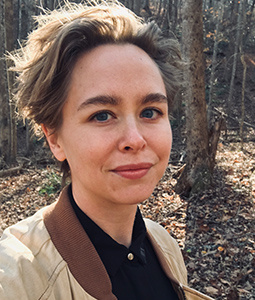
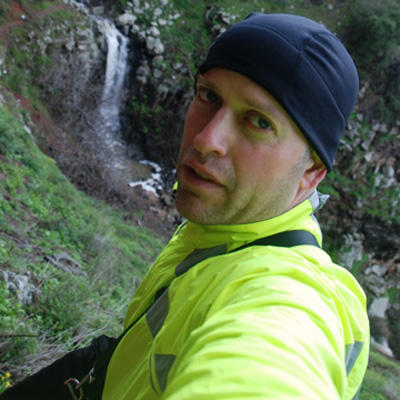
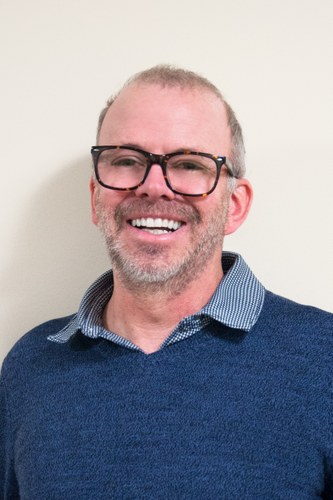
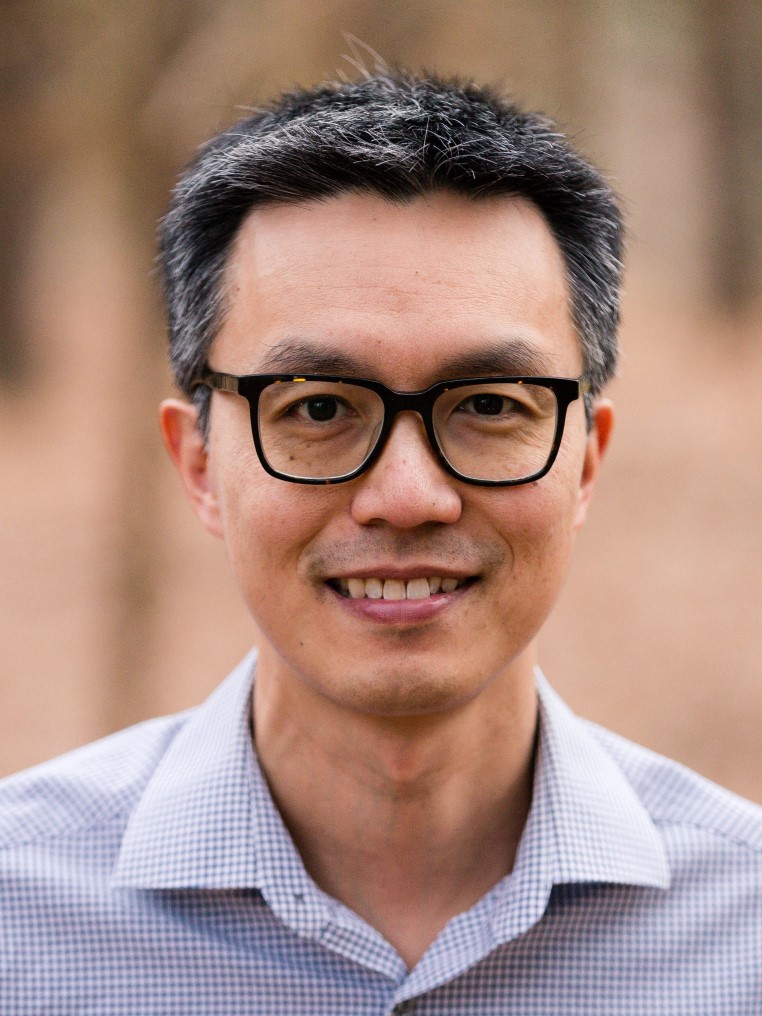
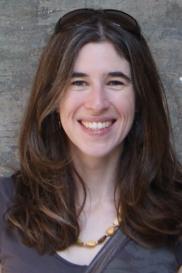
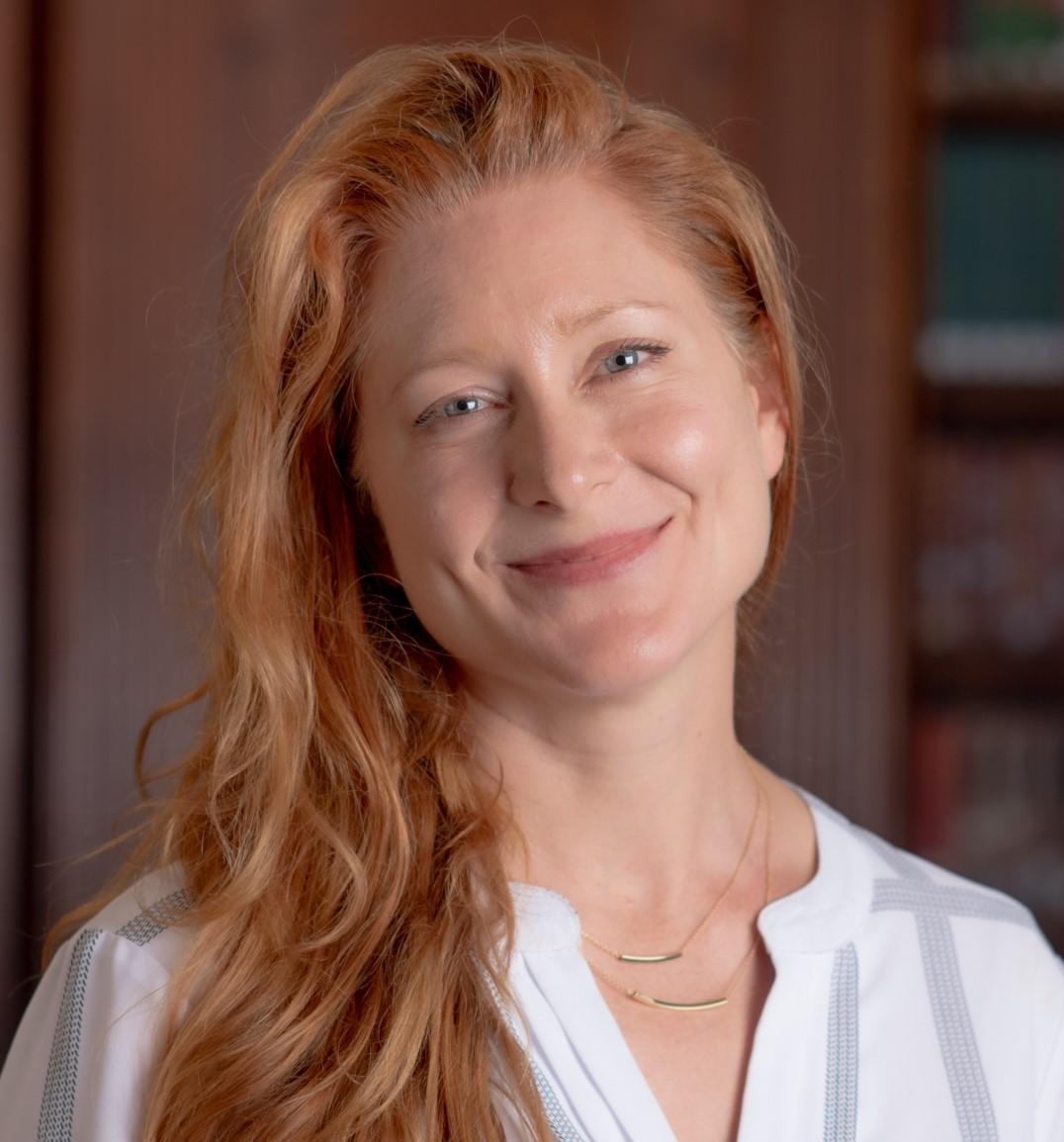
Anne A. Cheng is a Professor of English at Princeton University, affiliated with the Program in Gender and Sexuality Studies and the Committee on Film Studies. She is an interdisciplinary scholar focusing on aesthetics, politics, and race, with expertise in literary theory, critical race studies, film theory, feminist theory, and psychoanalysis. Her work bridges 20th-century American literature, visual culture, and Asian/African American literatures. She holds a Ph.D. in Comparative Literature from UC Berkeley, an M.A. from Stanford, and a B.A. from Princeton. B.A., English & Creative Writing, Princeton University M.A., English & Creative Writing, Stanford University Ph.D., Comparative Literature, UC Berkeley Her research explores racial grief, modernist aesthetics, and the intersections of race, gender, and visual culture. Her books include The Melancholy of Race (2001), Second Skin (2013), and Ornamentalism (2019). Current projects address race, food studies, and animal studies. Cheng leads initiatives like Critical Encounters—a series fostering art-theory dialogues—and the American Studies Collaboratory, a cross-disciplinary lab examining identity, citizenship, and cultural dynamics through law, arts, and social sciences.
Dr. Chelsea Fisher is Assistant Professor of Anthropology at the University of South Carolina, where she researches environmental justice, traditional ecological knowledge, and sustainable food systems. She directs the Yaxunah Haciendas and Lands Archaeological Project (PAHTY) in Yucatán, Mexico, collaborating with Maya community members to study colonial ranching sites and contemporary land relations. Education: PhD Anthropology - University of Michigan (2019) MA Anthropology - University of Michigan (2014) BA Archaeology - The College of Wooster (2011) Her interdisciplinary research bridges archaeology, environmental studies, and food systems. Fisher's 2023 book Rooting in a Useless Land examines colonial narratives, celebrity chef interventions, and Maya environmental justice. She has received numerous awards including the Louise Ann Williams Dissertation Award and multiple teaching honors. Research funding includes grants from Wenner-Gren Foundation, National Science Foundation, and U.S. Department of Education.
Justin Leidwanger is an Associate Professor of Classics at Stanford University with a courtesy appointment in Oceans at the Doerr School of Sustainability, specializing in Mediterranean maritime archaeology through fieldwork in southeast Sicily and southwest Turkey. His educational background includes: Ph.D. in Art and Archaeology of the Mediterranean World from the University of Pennsylvania (2011) M.A. in Nautical Archaeology and Anthropology from Texas A&M University B.A. in History & Classical Studies from Loyola University Chicago Leidwanger's research centers on Mediterranean mobilities, maritime communities, and exchange systems from the Roman period through late antiquity, using shipwrecks and port sites to analyze socioeconomic dynamics. His work integrates ceramic analysis, port network studies, and digital heritage methods to explore ancient technologies of distribution and long-term maritime interactions. Recent publications reveal consistent focus on Roman/late antique maritime economies with growing emphasis on digital documentation (3D modeling, GIS) and contemporary relevance through migration studies. Key trends include transport amphorae standardization, underwater survey methodologies, and the intersection of ancient maritime heritage with modern migration patterns in the central Mediterranean. Leidwanger actively advises students in classical archaeology while leading major field projects including the Marzamemi 'church wreck' investigation (2013-2019) and ongoing 'U Mari research in Sicily. His work combines underwater survey, community-based archaeology, and heritage activism addressing both ancient tuna fishing traditions (mattanza) and contemporary migration routes. He directs the Maritime Archaeology and Digital Heritage Lab (MEDLab) at Stanford's Archaeology Center, which supports advanced digital modeling (photogrammetry, laser scanning, network analysis) and ceramic analysis (petrography, pXRF, computational morphometrics) for field research and museum collaborations.
Sonya Atalay is a Provost Professor of Anthropology at the University of Massachusetts Amherst and a Professor of Anthropology at MIT. She serves as Director and Principal Investigator of the NSF-funded Center for Braiding Indigenous Knowledges and Science (CBIKS). Her work focuses on community-based research with Indigenous and local communities, emphasizing ethical collaboration and the integration of Indigenous knowledges with Western scientific practices. Dr. Atalay holds a BA from the University of Michigan, an MA and PhD from UC Berkeley. Her research explores repatriation, traditional ecological knowledge, and decolonizing institutional practices. She authored Community-Based Archaeology (2012) and is completing Braiding Knowledges , examining how Indigenous and mainstream frameworks coexist to address global challenges. Her awards include the Chancellor’s Medal (2023), Patty Jo Watson Distinguished Lecture Award (2022), and recognition for her NAGPRA-related work. She teaches courses on Indigenous methodologies, public anthropology, and archaeology of food, fostering student engagement with community-driven research. Her current projects include graphic narratives on repatriation and STEM collaborations with Indigenous knowledge systems.
Gideon Hartman is an Associate Professor in the Anthropology Department at the University of Connecticut, where he conducts interdisciplinary research at the intersection of paleoenvironmental reconstruction, plant and animal eco-physiology, anthropology, and archaeology. His work primarily employs stable isotope methods to reconstruct past environments, human mobility patterns, paleodiets, and ancient economic systems. Dr. Hartman received his Ph.D. from Harvard University in 2008. His educational foundation in anthropology and archaeological science has enabled his innovative approach to stable isotope analysis. Rather than treating isotopic values as static markers, he investigates the mechanisms causing variability in stable isotope ratios as they move along foodwebs from soil and atmosphere to plants and then to animals and humans. Hartman's research program uniquely begins in the contemporary world to establish principles that can be reliably applied to archaeological settings. His work spans diverse geographical regions including the Eastern Mediterranean, Levant, Jordan Valley, and Armenian Highlands, with temporal coverage from the Middle Pleistocene to the Early Bronze Age. He has made significant contributions to understanding how environmental factors like water availability, temperature, and soil conditions affect isotopic signatures in modern ecosystems, creating robust models for archaeological interpretation. His publication record demonstrates consistent productivity in high-impact journals, with research trends showing increasing sophistication in multi-isotope approaches applied to complex archaeological questions about pastoralism, trade networks, human migration, and human-environment interactions. His work increasingly integrates zooarchaeological, archaeobotanical, and geochemical evidence to build comprehensive pictures of past societies. As director of the Stable Isotope Preparation Lab at UConn, Hartman leads a research team that processes and analyzes samples from archaeological sites worldwide. His laboratory serves as a hub for interdisciplinary collaboration between archaeologists, anthropologists, geoscientists, and biologists seeking to apply isotopic methods to their research questions. His work has been instrumental in refining methodologies for interpreting strontium, carbon, nitrogen, and oxygen isotope data in archaeological contexts, particularly regarding animal and human mobility patterns in the Eastern Mediterranean region.
Douglas Bird is Professor of Anthropology at Penn State, researching interactions between social/ecological systems in foraging societies. His collaborative fieldwork with Martu Aboriginal communities examines hunting, fire ecology, and landscape evolution. Key research areas: Ethnoarchaeology of hunter-gatherers Anthropogenic fire regimes Co-evolution of humans/ecosystems Coastal archaeology Field sites include Australia's Western Desert and Torres Strait Islands.
Ryan Galt is a Professor in the Department of Community & Regional Development at the University of California, Davis. His research focuses on the governance of agrifood systems, political ecology, and the intersection of agriculture, environment, and society across scales. He holds a Ph.D. (2006) and M.S. (2001) in Geography from the University of Wisconsin, Madison, and a B.A. (1999) in Geography from UC Berkeley. Key research themes include: (1) pesticide use and regulation in global food systems, (2) community-based food systems like CSA models, (3) wildfire resilience in agricultural landscapes, and (4) agroecological transitions in the Corn Belt. He emphasizes participatory methodologies and critical pedagogy in sustainability education. Recent work explores pandemic impacts on direct-market farmers, pesticide trade inequities, and institutional pathways for agricultural diversification. His publications span 30 years of addressing systemic challenges in food systems through interdisciplinary approaches.
University of North Carolina at Chapel HillUnited States
Joseph Lam is an Associate Professor in the Department of Religious Studies at the University of North Carolina at Chapel Hill. He holds a Ph.D. from the University of Chicago (2012) and specializes in ancient Near Eastern languages and literatures, particularly Hebrew Bible studies, Ugaritic texts, and Semitic linguistics. His research focuses on religious thought, metaphor theory, and ritual practices in ancient Syria-Palestine and Anatolia. Lam teaches courses on Classical Hebrew, ancient Near Eastern history, and religious metaphors, and has authored influential works like Patterns of Sin in the Hebrew Bible (2016). He has received awards including the Schwab Academic Excellence Award (2017) and Lydie T. Shufro Research Fellowship (2017). His current projects explore sacrificial traditions and their connections to sin concepts in ancient Israel. Lam also contributes to public scholarship through courses on Wondrium and academic council roles. Education: Ph.D., University of Chicago (2012); M.A. (2005), M.Div. (2003), and B.A.Sc. (1999) from other institutions. Research interests include Hebrew Bible context, ritual analysis, Semitic languages, and metaphor in religious discourse. Key publications address sin metaphors, Ugaritic literature, and linguistic studies of ancient texts. He maintains affiliations with the Society of Biblical Literature Council and has developed innovative courses on ancient Near Eastern mythologies and religious practices.
Lisa Maher is a faculty member in the Department of Anthropology at the University of California, Berkeley, since 2012. She directs the Geoarchaeology and Southwest Asia Prehistory Laboratory, serves as Curator of Lithic Collections at the Hearst Museum of Anthropology, and is affiliated with the Center for Middle Eastern Studies, Center for European Studies, and the University of Toronto’s Archaeology Center. Education: PhD in Anthropology from the University of Toronto (2005) Postdoctoral: Social Science and Humanities Research Council of Canada Postdoctoral Fellow (2005-2007), Arts and Humanities Research Council of Britain-funded Research Associate (2007-2011) Her research investigates Late Pleistocene hunter-gatherer societies in the Eastern Mediterranean and North Africa, focusing on human-environment interactions, transitions to food production, and landscape archaeology. She explores how climate change, technological innovation, and social networks influenced sedentism, population aggregation, and mortuary practices through material culture analysis. Lisa’s recent publications address meat preservation techniques (2019), hut structures in Southwest Asia and Europe (2019), phytolith evidence for Neolithization (2016), and environmental dynamics in the Levant (2016). These works highlight her expertise in geoarchaeology, lithic analysis, and climate-society linkages over 20,000+ years. Scientific Awards: Social Science and Humanities Research Council of Canada Postdoctoral Fellow (2005-2007) Arts and Humanities Research Council of Britain-funded Research Associate (2007-2011) Lisa collaborates with institutions like the University of Toronto, University of Tulsa, and UNLV on projects in Jordan, Cyprus, and Hawaii. She contributes geoarchaeological expertise to regional studies in the Levant, Iran, and Kurdistan, emphasizing interdisciplinary methods and long-term landscape change.
Jennifer P. Mathews is a Professor of Anthropology in the Sociology and Anthropology Department at Trinity University, where she teaches courses in archaeology and biological anthropology. Her academic career is deeply rooted in Maya studies, with particular expertise in ancient and historical Maya archaeology, as well as issues of sustainability and tourism. She has received significant recognition for her teaching excellence, including the prestigious Dr. and Mrs. Z.T. Scott Faculty Fellowship (2019-20), the state-wide Piper Professor award (2020), and the Murchison Term Professorship (2023-2026). Dr. Mathews earned her Ph.D. and M.A. in anthropology, with a specialization in Maya archaeology, from the University of California at Riverside, and her undergraduate degree in anthropology from San Diego State University (1991). Since 1993, she has conducted extensive fieldwork and archival research in Mexico, establishing herself as a leading expert in Maya archaeology. Her research has evolved from focusing on ancient Maya studies—particularly roads, architecture, and site layouts—to examining the post-Colonial period of the Yucatan Peninsula (1850–1950), with particular attention to commodity extraction including sugarcane, chicle (the base for chewing gum), rum production, and avocados. Her scholarly output includes numerous journal articles, book chapters, and several edited books such as Quintana Roo Archaeology , Lifeways in the Northern Maya Lowlands , The Value of Things: Prehistoric to Contemporary Commodities in the Maya Region , and Construction of Maya Space: Causeways, Walls, and Open Areas from Ancient to Modern Times . She has also co-authored significant works like Chicle: The Chewing Gum of the Americas: From the Ancient Maya to William Wrigley and Bittersweet History: Sugarcane, Rum, Labor and Life on the Yucatán Peninsula . Currently, she is working on a book about the deep history of the avocado, tracing its journey from Mesoamerican origins to California in the nineteenth century. Her recent publications reveal a strong focus on historical archaeology of the Yucatan Peninsula, particularly examining how 19th century practices relate to contemporary issues. She explores topics ranging from chicle gum's role in popular culture to the preservation challenges facing archaeological sites amid modern development pressures. Her work consistently bridges ancient and modern contexts, demonstrating how historical practices inform current sustainability challenges. Dr. and Mrs. Z.T. Scott Faculty Fellowship (2019-20) Piper Professor award (2020) - a state-wide teaching award for superior teaching at the college level Murchison Term Professorship (2023-2026) Dr. Mathews actively engages with the community through collaborations with local institutions like the San Antonio Museum of Art (SAMA), where she teaches docents about ancient Mesoamerican cultures. Her students contribute research papers to museum collections and help develop e-Museum descriptions. She incorporates service learning into her courses, organizing projects that support causes like the San Antonio Food Bank, the San Antonio Zoo's primate conservation efforts, and Maya women artisans in Mesoamerica. Additionally, she has curated two significant exhibits: 'The Modern Maya: The Photographs of Macduff Everton' and 'Crafting Maya Identity.' Her academic affiliations span multiple interdisciplinary programs including Environmental Studies, Global Latinx Studies, Museum Studies, and the MAS: Mexico, the Americas, and Spain program.
Shanti Morell-Hart is an Associate Professor of Anthropology at Brown University, specializing in anthropological archaeology and paleoethnobotany with a focus on Mesoamerican societies. She serves as Director of the Integrated Laboratory for Archaeological Sciences (ILAS) and the Paleoethnobotany Laboratory at Brown (PEBLAB). Her research examines ancient agriculture, plant use in ritual and healthcare, and human-environment interactions, particularly in contexts of societal 'collapse' and resilience. Education: PhD in Anthropology (2011, UC Berkeley), MAs (2003 UC Berkeley; 2002 UT San Antonio), BA (1998 Wesleyan University). Major Research Areas: Ancient agriculture, ethnoecology, foodways, Maya studies, and archaeological science. Her funded projects include studies on Maya agricultural practices, resilience in pre-Hispanic landscapes, and interdisciplinary analyses of plant residues. She has received the Sophie Coe Prize (Special Mention) for contributions to food history writing. Teaching includes courses on the anthropology of food, environmental archaeology, and paleoethnobotanical methods. Collaborations involve projects in Guatemala, Mexico, and Honduras, leveraging lidar, phytolith analysis, and spatial technologies to explore ancient lifeways.
Xinyi Liu is a Professor of Archaeology and Associate Chair of the Department of Anthropology at Washington University in St. Louis. She holds a PhD from the University of Cambridge. Her research focuses on plant domestication, agricultural origins, and prehistoric food globalization, with a particular emphasis on millet and the prehistory of China. She leads fieldwork projects across the Tibetan Plateau, Hexi Corridor, Inner Mongolia, Central Asia, and Eastern Europe. Her work bridges archaeology with environmental science, using stable isotope analyses, archaeobotanical methods, and geospatial modeling. She is affiliated with the Laboratory for the Analysis of Early Food-Webs (LAEF), which examines nutrition-ecology interactions in diverse environments including the Tibetan Plateau and the Lower Yangtze region. Dr. Liu serves on editorial boards for journals like Environmental Archaeology and Archaeological Research in Asia and chairs the International Work Group for Paleoethnobotany. Her recent studies highlight millet's ecological significance and its role in achieving modern food security. Her publications (2020-2024) analyze prehistoric crop management strategies, animal domestication genetics, and the socio-environmental impacts of early food globalization. These works emphasize East Asian contributions to global prehistory and the interplay between ancient culinary practices and biodiversity. Dr. Liu's lab collaborates internationally, combining bioarchaeological data with modern ecological insights to address contemporary sustainability challenges. She has advised numerous graduate students and contributes to courses on environmental archaeology, bio-molecular approaches, and culinary globalization's deep history.
Miranda Brown is a Professor of Chinese Studies in the Department of Asian Languages and Cultures at the University of Michigan, holding dual appointments as the Yi-tsi Mei Feuerwerker Collegiate Professor and Arthur F. Thurnau Professor. She has been affiliated with the university since 2002, currently serving as Director of the Honors Program in the College of Letters, Sciences, and Arts. Her research bridges cultural history with culinary and medical traditions in early China, focusing on foodways, mourning rituals, and historical texts. Education details are not explicitly stated in the provided texts, but her academic trajectory is evident through her extensive publications and roles. Her research interests center on the intersection of food, medicine, and culture, particularly in pre-modern China. Notable projects include a forthcoming book on pre-20th-century dairy history in China and co-authorship of A Brief History of Chinese Civilization (2012). She teaches courses such as ASIAN 258: Food and Drink of Asia and mentors graduate students through advanced seminars like ASIAN 535: History of Chinese Science. Her recent articles (2019–2022) explore topics like Mr. Song's Cheeses in Ming-Qing China, transnational food translation challenges, and cultural narratives around Chinese diets during the COVID-19 pandemic. Awards and grants are not explicitly listed, but her dual professorships reflect institutional recognition. She actively collaborates with students and maintains an engaged social media presence (@Dong_Muda) documenting culinary explorations in China.
Gyoung-Ah Lee is a Professor in Anthropology at the University of Oregon, specializing in environmental archaeology, paleoethnobotany, and the origins of agriculture in East Asia. She has conducted fieldwork across Asia, Australia, Canada, and North America, focusing on the transition from foraging to farming and cultural niche construction. Education: B.A., Seoul National University (1992) M.S., University of Toronto (1997) Ph.D., University of Toronto (2003) Her research spans Neolithic to early historic societies, with expertise in phylogenetics of crops, traditional farming technologies, and quantitative archaeology. She teaches courses on food origins, East Asian archaeology, archaeobotany, and plant-human interactions. Recent publications examine Neolithic dietary patterns in Jeju Island, niche construction in Korea, and land use transformations in North China. These works integrate isotope analysis, soil micromorphology, and interdisciplinary methodologies. Active grants include the Korean Studies Promotion Service Grant (2015-20) and National Geographic Science & Exploration Grant (2015-16). Her fieldwork in Northeast China and Jeju Island reflects global research scope.
Daniel Nemser is an Associate Professor of Spanish at the University of Michigan, specializing in colonial Latin American studies. He holds a Ph.D. from the University of California, Berkeley (2011). His research focuses on race, materiality, political economy, and indigenous studies/Nahuatl within the context of Spanish colonialism. Nemser is affiliated with the Center for Latin American and Caribbean Studies and serves on the LACS Faculty and Brazil Initiative Advisory Committee. His first book, Infrastructures of Race: Concentration and Biopolitics in Colonial Mexico (2017), examines how spatial concentration techniques shaped racial categories and colonial governance. Current research explores the colonial history of logistics through road networks in 16th-century Mexico. Nemser's work bridges historical analysis with critical theories of race, capitalism, and colonial spatiality. Recent publications include contributions to Journal for Early Modern Cultural Studies , History of the Present , and Colonial Latin American Review , addressing topics like the Iberian slave trade, racialization processes, and archival methodologies. His scholarship emphasizes interdisciplinary approaches to colonial history.