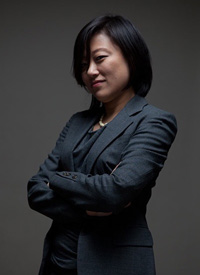
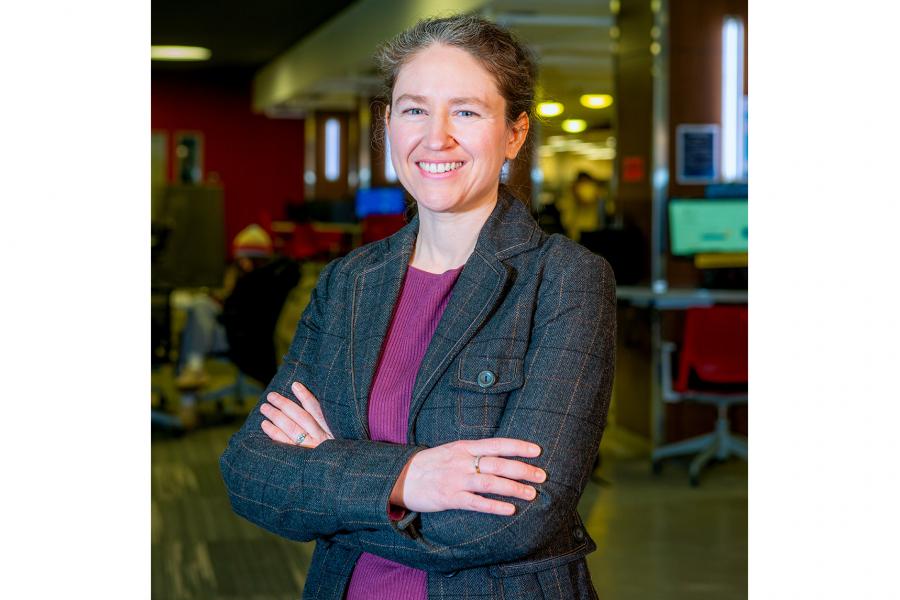
SeungJung Kim is an Associate Professor at the University of Toronto in the Department of Art History, specializing in Greek art and archaeology with cross-cultural focus on Gandharan Buddhist art. Education: PhD in Art History (Columbia University, 2014), PhD in Astrophysical Sciences (Princeton University, 2001) Key Research Areas: Greek art and archaeology Phenomenology of visual perception Time and temporality in Archaic/Classical Greek art Cross-cultural currents in Gandharan art Publications focus on East-West cultural interactions, temporal theory in art, and interdisciplinary approaches blending scientific and art historical methodologies. Awards: Meyerson Award for Excellence in Teaching (Columbia University) Administrative Service: Associate Chair and Director of Graduate Studies at University of Toronto (2021-2024).
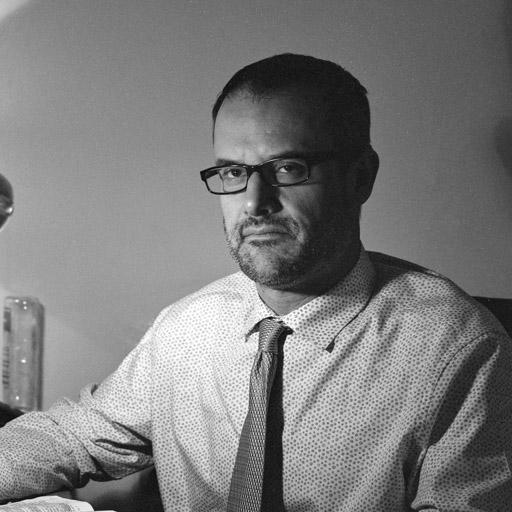
Andreas Winkler is an Assistant Professor in the Department of Near & Middle Eastern Civilizations at the University of Toronto's Faculty of Arts and Science. Prior to his current appointment, he held teaching and research positions at the University of California, Berkeley; Freie Universität Berlin; University of Oxford; and University of Warsaw. His office is located at 4 Bancroft Avenue, Room 421, Toronto, ON, M5S 1C1, with contact email andreas.winkler@utoronto.ca and phone 416-865-2513. Education: PhD, Uppsala University Winkler specializes in the history and philology of Greco-Roman and Late Antique Egypt, with expertise in Demotic and Coptic manuscripts. His research examines the history of science—particularly astral sciences—alongside social history, religious practices, and onomastics across Egyptian history. He integrates written evidence with material culture and art, focusing on interdisciplinary analysis of ancient texts and artifacts. His methodological approach combines philological rigor with historical contextualization to explore cultural transitions in ancient Egypt. Analysis of Winkler's 13 publications from 2022-2025 reveals dominant themes in ancient Egyptian astronomy, astrology, and magic, with recurring focus on Demotic/Coptic manuscripts. His work bridges philology and social history, examining topics like horoscopes, zodiacs, marriage practices, and temple economies. Publications span major academic presses including Brill, De Gruyter, and University of Chicago Press, demonstrating consistent contributions to understanding scientific traditions and daily life in Roman and Late Antique Egypt.
Dr. Jarrett A. Carty is a Professor at the Liberal Arts College, Concordia University. His academic expertise spans early modern political thought, Reformation studies, and the history of science, with additional interests in ancient Greek philosophy and the history of astronomy. Education: BA/MA (Carleton University), MA/PhD (University of Notre Dame) His research focuses on intersections between political philosophy and theological concepts, particularly in early modern European contexts. He teaches foundational courses in political thought and the history of science, covering figures like Martin Luther, Renaissance ideologies, and Enlightenment-era developments. Recent work includes an analysis of wretchedness in Pascal's Pensées , reflecting his interest in moral philosophy and human suffering. While no awards are listed, his academic profile integrates teaching, research, and community engagement as an Anglican chaplain serving urban shelters.
C. Michael Sampson is an Associate Professor in the Department of Classics at the Faculty of Arts , University of Manitoba . Holding a PhD in Classical Studies (2009) from the University of Michigan, an MA in Classics (2003) from Dalhousie University, and a BA (First Class Honours) in Classics and Early Modern Studies (2001) from the University of King's College, Sampson is a broadly trained philologist specializing in Greek and Latin literature with a focus on poetry, and a papyrologist working on fragmentary texts from Egypt. Research interests: Greek/Latin literature, papyrology, reception studies, Hellenistic literature Current project: The Books of Karanis (interdisciplinary study of Greek literary culture in Egypt) Awards: SSHRC Insight Grant (2021-2025), SSHRC Connections Grant (2020-2022), Community Engagement Award (2018) Editorial roles: Digital Corpus of Literary Papyri, Pylon: Editions and Studies of Ancient Texts Teaching: Courses on Ancient Greek culture, Roman comedy, Euripides, and Archaic poetry
Sam Pizelo is an Assistant Professor of Game Studies at the Institute for Communication, Culture, Information & Technology (ICCIT), University of Toronto. His research investigates the role of games as modeling technologies in the development of computing, artificial intelligence, and neoliberal capitalism. He is actively engaged in both scholarly and creative practices, integrating media art, data science, and game design into his academic work. Research Interests: Sam's work spans game studies, digital humanities, media theory, and critical computing. He explores how games function as epistemic tools that shape knowledge production, particularly in technoscientific domains. His research connects historical analysis with contemporary digital methods to examine the cultural and philosophical implications of games. The recent publications reflect a strong focus on the historical and systemic roles of games in shaping modern computing and thought. Themes include the modeling revolution, systems thinking, and the deep cultural roots of game logic. His work bridges humanities scholarship with computational practice. Scientific Contributions: Co-creator of Project Quintessence , a corpus exploration framework combining machine learning and dynamic visualizations for archival research. Founding member of the Degrowth Game Design Project (DeGDP) , a multi-campus initiative exploring games for post-growth futures. Sam Pizelo is an active researcher and media practitioner without listed advisees or awards in the provided text. He maintains academic affiliations with the University of Toronto and previously held a visiting position at NYU.
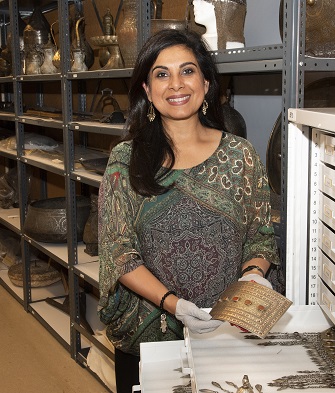
Fahmida Suleman is Senior Curator of Islamic Art & Culture at the Royal Ontario Museum (ROM) and holds a non-budgetary cross-appointment as Associate Professor at the University of Toronto (Department of Near and Middle East Civilizations and Art History). She specializes in medieval and contemporary Islamic art, with a focus on the Fatimid period , Shi‘i material culture , and Islamic iconography , particularly textiles and jewelry from the Middle East and Central Asia. Education : DPhil and MSt in Islamic Art & Archaeology from the University of Oxford; BA Hons in Islamic and Religious Studies from the University of Toronto. Her research integrates fieldwork on female silversmithing traditions in Oman and exhibitions like Being and Belonging (2023–2024), Picnics and Pastimes (2024–2025), and the forthcoming The Indian Ocean: Monsoon Worlds (2026). She co-founded the Islamic Art and Material Culture Collaborative (IAMCC) to promote interdisciplinary research and curated the Albukhary Foundation Gallery of the Islamic World at the British Museum. Her work bridges medieval Islamic art with modern diasporic narratives, emphasizing marginalized voices and cultural preservation. At the University of Toronto, she teaches courses on curating Islamic material culture and Islamic iconography . She is currently documenting the Widad Kawar Collection of Arab Dress and Heritage Arts and exploring food and hospitality cultures in the Middle East through material culture.
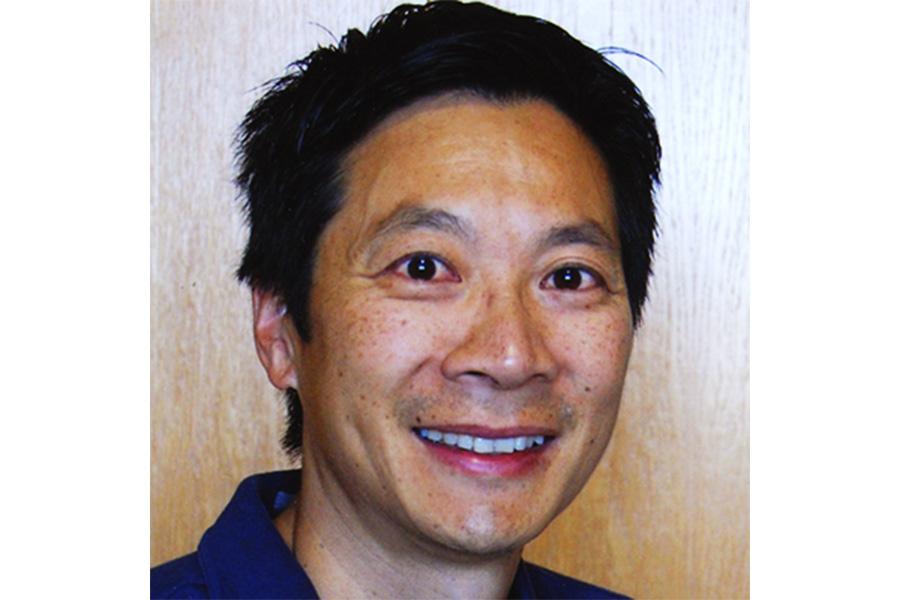
Ben Li is an Associate Professor in the Department of Computer Science at the University of Manitoba, Faculty of Science. His research focuses on combinatorics and theoretical computer science, including combinatorial design theory (e.g., Steiner triple systems, BIBDs, difference sets), graph theory, and algorithm design for combinatorial optimization problems. He also explores approximation algorithms for NP-Hard problems and subclasses of such problems with polynomial solutions. Dr. Li teaches a wide range of courses, including COMP 1010 (Introduction to Computer Science), COMP 2080 (Analysis of Algorithms), and advanced graduate courses like COMP 7720 on approximation algorithms and combinatorial optimization. His academic contributions span both theoretical computer science and interdisciplinary archaeological studies, as reflected in his publications. His recent work includes studies on ostrich eggshell beads' role in prehistoric social networks, archaeological site analysis in southern Africa, and medical education reforms in Canada. While his primary research aligns with computer science theory, his published articles also highlight interdisciplinary interests in anthropology, archaeology, and healthcare policy.
Steven Hijmans is a Professor in the Department of History, Classics, & Religion at the University of Alberta's Faculty of Arts. His research focuses on Roman art and religion, with a particular emphasis on solar symbolism, Mithraic studies, and the intersection of art and religious practices. He holds a PhD and has authored numerous scholarly works analyzing ancient iconography, imperial imagery, and religious syncretism. His work often bridges archaeological evidence with textual analysis to explore cultural, political, and religious dynamics in antiquity. Key research areas include the role of art in religious expression, the evolution of imperial portraiture, and the material culture of Roman cults. His recent publications (2010–2024) address topics ranging from solar deities in Greco-Roman contexts to the reinterpretation of ancient urban spaces. Hijmans is also engaged in interdisciplinary projects examining the reception of classical antiquity in modern scholarship. His academic contributions are marked by meticulous attention to iconographic detail and contextual analysis. He has participated in archaeological fieldwork in Greece and Turkey, contributing to site documentation and interpretation. Hijmans' work is frequently cited in studies of late antique religion, Hellenistic art, and the socio-political dimensions of Roman religious practices.
Dennis Klimchuk is an Associate Professor in the Department of Philosophy at the University of Western Ontario, cross-appointed to the Faculty of Law and affiliated with the Rotman Institute of Philosophy. His research spans philosophy of law (notably private law theory) and the history of political philosophy, focusing on early modern thought. He has taught at Western since 1996 and engages with conceptual intersections between legal doctrines and principles of the rule of law, particularly in property rights. His work also explores Hobbesian and Grotian theories, with a forthcoming book project on Grotius. Recent publications analyze topics like state estoppel, the right of necessity in property law, and the role of equity in legal frameworks. His research integrates historical and contemporary legal theory, emphasizing the philosophical underpinnings of private law. He supervises graduate work in philosophy of law and political philosophy history, and his teaching includes courses on property theory from Aristotle to Kant and graduate seminars on Grotius and Hobbes. His email is klimchuk@uwo.ca .
Jonathan Edmondson is Distinguished Research Professor in the Departments of History and Humanities at York University's Faculty of Liberal Arts & Professional Studies. His research focuses on Roman history, epigraphy, and cultural interactions in the Iberian Peninsula, particularly in Lusitania. He co-directs the ADOPIA project, a digital atlas of personal names from Roman Spain. Education includes: Ph.D. in Classics (Ancient History), Cambridge University M.A. in Classics, Cambridge University B.A. in Classics, Cambridge University Research interests span Roman Spain's society and economy, gladiatorial spectacles, the Roman family, and the historiography of Cassius Dio. His work employs epigraphic analysis and digital methods to explore cultural identity in provincial contexts. Recent publications demonstrate sustained focus on Lusitanian onomastics, epigraphic habits, and imperial cults. Articles utilize digital humanities approaches to reconstruct social structures and cultural dynamics in Roman colonies like Augusta Emerita. Awards and honors: Corresponding Member, Real Academia de la Historia (2002) Fellow, Royal Historical Society (2009) Genio Protector de la Colonia Augusta Emerita (2011) Award of Merit, Classical Association of Canada (2014) Dean’s Research Award, York University (2016) Distinguished Research Professor (2017) Edmondson mentors graduate students and leads international collaborations, including the CIL II Mérida inscriptions project. As co-director of ADOPIA, he oversees digital mapping of anthroponymic patterns to analyze cultural change in Roman Spain.
Katja Goebs is an Associate Professor in the Department of Near and Middle Eastern Civilizations at the University of Toronto, where she specializes in Egyptology, particularly ancient Egyptian religion, mythology, kingship, and iconography. She is based at the St. George campus and is actively engaged in research and academic service. Education: DPhil, University of Oxford MA, Universität Hamburg, Germany Her research centers on the cognitive and symbolic dimensions of Egyptian myth, with a focus on the interplay between text and image, royal ideology, and comparative mythology within the ancient Near Eastern and Mediterranean worlds. She investigates how myth functioned in society, the logic behind mythical thinking, and the religious symbolism embedded in royal regalia and funerary texts. The trends in her publications reveal a sustained engagement with mythological structures, divine kingship, and iconographic symbolism across millennia of Egyptian history. Her work bridges philology, religious studies, cognitive science, and art history, offering interdisciplinary insights into ancient Egyptian thought. Scientific Awards and Honors: Alexander von Humboldt Fellowship, Freie Universität Berlin (2011–2012) Fellow, Institute for Advanced Studies, University of Birmingham (2015) Kommunizierendes Mitglied, German Archaeological Institute, Cairo She serves on the editorial boards of the book series MythoS and the Journal of Egyptian Archaeology , contributing significantly to the global Egyptological community. While no advising or grant information is available, her international academic footprint—including prior positions at Oxford, UCLA, McGill, and Trinity College Dublin—underscores her prominence in the field. Her research has been supported by major fellowships, and she continues to publish foundational work on Egyptian myth and symbolism. She was on research and study leave from January to June 2023, indicating ongoing scholarly activity.
Julia Gamble is an Associate Professor in the Department of Anthropology at the University of Manitoba's Faculty of Arts. A bioarchaeologist and dental anthropologist, her research focuses on medieval European populations, particularly stress and health patterns across the life course. She employs advanced techniques like 3D scanning, laser microscopy, and palaeoproteomics for analysis. Education: PhD in Anthropology, University of Manitoba (2015) MA in European Historical Archaeology, University of Sheffield (2006) BA Honours in Anthropology, University of Winnipeg (2005) Research Interests: Her work bridges dental anthropology, developmental origins of health/disease, palaeodemography, and palaeopathology. She investigates correlations between dental growth disruptions and adult skeletal health markers, with recent collaborations on Avar period bioarchaeology and repatriation efforts. Recent Publications: Spanning 2016–2025, her articles address Black Death genetics, enamel defect analysis, digital osteology education, and sex estimation from proteomics. These studies integrate ancient DNA, microscopy, and historical contextualization. Grants & Affiliations: Principal Investigator for SSHRC-funded projects on early medieval Austria and co-Investigator for repatriation research. Affiliated with the Earth Materials and Archaeometry Centre (EMAC). Teaching: Courses include human osteology, bioarchaeology, and evolutionary anthropology. Actively involved in fieldwork in Europe and Canada.
Margaret Y. MacDonald is a Professor of Religious Studies at Saint Mary’s University (Halifax), where she served as Dean of Arts from 2014 to 2020. Previously, she taught at St. Francis Xavier University and the University of Ottawa. She held the McCarthy Chair in Biblical Studies at the Pontifical Biblical Institute in Rome during 2018. Her research focuses on Early Christianity’s social dynamics, particularly Pauline studies, gender roles, and children’s roles in religious contexts within the Roman world. She earned her BA (1983) with distinction from Saint Mary’s University and a DPhil (1987) from Oxford University under a Commonwealth Scholarship. Her research interests include the Roman context of Christian origins, women and gender in early Christian communities, education systems in antiquity, and Corinthian Christianity. Current projects explore education in early Christianity and ancient Corinth’s religious landscape. She has authored/co-authored five major books and numerous articles, with a notable focus on family structures in early Christian communities and house church networks. Her publications span socio-historical analysis of Pauline epistles, gender dynamics in early Christian communities, and children’s societal roles. Awards include the prestigious Faculty of Arts Medal and Governor General's Medal from SMU (1983). She has held significant academic leadership roles, including deanship and visiting professorships in Rome, reflecting her scholarly prominence in religious studies.
Associate Professor Daniel Fried holds the Chair position in the Department of East Asian Studies at the University of Alberta's Faculty of Arts. His research focuses on comparative approaches to classical Chinese literature, intellectual history, and Daoist semiotics, with particular attention to Northern Song Dynasty print culture and European literary theory intersections. Current projects include a literary non-fiction work linking Daoist philosophy to social activism. Key academic roles include Co-Editor of the Routledge Studies in Comparative Chinese Literature and Culture series (2020–present), Founding Chair of the MLA Forum on pre-14th century Chinese Literature (2018), and President of the Association of Chinese and Comparative Literature (2017–2019). Teaching responsibilities include advanced readings in modern Chinese literature and graduate research methods courses. Research interests span ancient Chinese textuality, medieval print culture transformations, and cross-cultural philosophical dialogues. Recent publications (2020–2023) emphasize Song Dynasty print modernity and Daoist semiotic frameworks. Earlier works address pre-Qin philosophical discourse and 20th century comparative literature methodologies. No scientific awards explicitly listed. Advising focuses exclusively on graduate students researching Chinese literature/philosophy from Warring States to Southern Song periods. Active in developing interdisciplinary research programs bridging Anglophone and Sinophone scholarship. Led development of East Asia Research Methods (EASIA 550), an online graduate course covering regional and disciplinary methodologies. Current research projects maintain focus on pre-modern Chinese cultural production and its global comparative dimensions.
Professor Margriet Haagsma is a Classical Archaeologist at the University of Alberta's Faculty of Arts , holding a PhD from the University of Groningen and an MPhil from the University of Cambridge. She specializes in Mediterranean Archaeology, particularly domestic space and urbanism in Ancient Greece. Her research focuses on the archaeology of Thessaly, co-directing excavations at Kastro Kallithea with Sophia Karapanou since 2001. Previously, she served as director of the Netherlands Institute at Athens (1993–2001). She currently leads the Future of the Past initiative with Pam Willoughby and chairs the SSHRC Committee 5A. Education: PhD and MA: University of Groningen MPhil: University of Cambridge Research Interests: Domestic Archaeology Ancient Urbanism Regional Identity in Greece Archaeological Method and Theory Her work emphasizes interdisciplinary collaboration, such as the Central Achaia Phthiotis Survey (CAPS) and the Kastro Kallithea Archaeological Project (KKAP) . She has authored over 40 publications, including studies on Hellenistic husbandry practices and ethnic constructs in Achaia Phthiotis. Awards: McCalla Professorship (2014) Helena Fracchia Award for International Teaching (2021) Teaching: Graduate courses on Archaeological Theory and Greek City Planning Supervised over 20 graduate students Haagsma serves on numerous committees, including the University of Alberta's Research Committee and the Canadian Institute in Greece. Her research integrates fieldwork, isotopic analysis, and historical geography to explore ancient socio-economic dynamics and regional identities.